 0086-138 3838 9622
Wood pellet production line in Germany
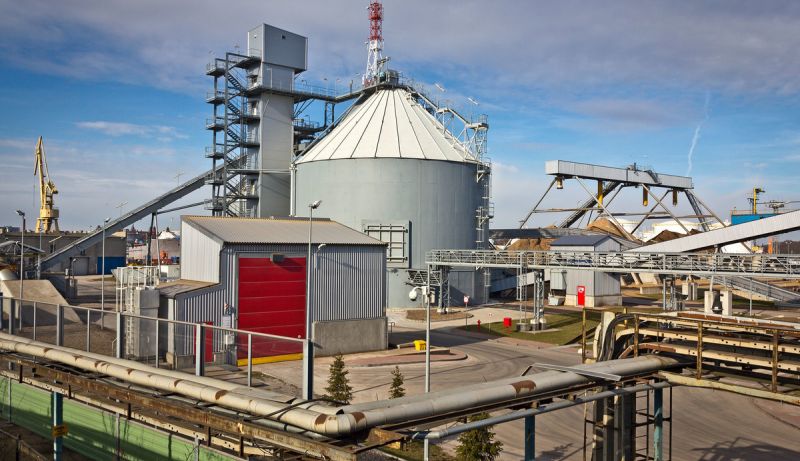
A Bavarian furniture manufacturer already had the most useful starting point for this wood pellet production line in Germany: a regular supply of dry wood from its own workshop. The proposed 2–2.5 T/H line brings clean spruce sawdust, planer shavings and prepared solid-wood offcuts into one pellet-making route, without adding an unnecessary drying stage.

RICHI MACHINERY
A pellet project built around the furniture workshop
The customer’s main business was furniture manufacturing. Pellet production was a way to use the clean wood left by that business, rather than a reason to buy fresh timber and start a separate sawmill. That distinction affects almost every equipment choice: what needs grinding, what can go straight to a buffer and how much wood is available during an ordinary workshop shift.
Spruce sawdust forms the main feedstock. Planer shavings and selected solid-wood offcuts can supplement it after suitable preparation. The useful material is wood collected before paint, surface finishes or unsuitable board residues become mixed into the stream. A furniture factory can produce both suitable and unsuitable residues, so the collection point matters as much as the wood species.
The customer enquired on September 6, 2022 about a 2–2.5 T/H complete wood pellet line. The contract followed on October 13, 2022. RICHI’s process proposal connects the workshop’s dry material supply to grinding where needed, controlled feeding, pressing, cooling, screening and packing.
The workshop has already done the drying as part of furniture production. The pellet line can take advantage of that work instead of heating the same wood through another drying stage. Keeping that material clean and dry can remove a major processing step, provided later storage and handling do not change its condition.
The first question is therefore not how large a dryer to buy. It is whether the workshop can keep enough suitable wood available, day after day, to support the required quantity of finished pellets. The difference between incoming tonnes and bagged tonnes is explained further below.
2–2.5 T/H
target pellet output
$116,190
equipment contract
Germany
location
Fuel
project type
RICHI MACHINERY
Keep painted wood and board dust out of the feedstock
The wood pellet production line in Germany is designed around clean, untreated wood. Sawdust from cutting solid spruce is a different material from sanding dust collected after a surface finish has been applied. Mixing them in one collection system would make later separation difficult, even if the combined material looks like ordinary brown wood dust.
| Workshop stream | Use in this line |
|---|---|
| Untreated spruce sawdust | Main feedstock; check size and moisture |
| Clean planer shavings | Grind and feed steadily |
| Untreated solid-wood offcuts | Primary reduction, then grinding |
| Unfinished solid-wood sanding dust | Assess separately before controlled blending |
| Painted wood and mixed board dust | Keep outside this clean-wood supply |
The wood is described at 8–12% moisture. That supports a route without a separate dryer, but it does not mean every delivery should be pressed at any value within that range without adjustment. A very dry, fine batch may need different conditioning from coarser shavings. Moisture is checked where the wood enters the pellet process, after workshop collection and storage.
RICHI MACHINERY
Give each wood form the preparation it actually needs
Sawdust, curled shavings and solid offcuts do not behave alike in a hopper. Sending all three through an identical route can either waste grinding effort or leave pieces too large for stable feeding. This dry sawdust pellet line in Germany is better understood as several preparation paths joining at one controlled feed stream.
Sawdust needs checking before more grinding
Clean sawdust is screened and checked for oversize pieces and foreign material. Material already within the agreed pellet-feed specification can avoid unnecessary size reduction. Finer is not automatically better: excessive grinding adds load and changes how the powder flows, while a broad mix of sizes can make feeding less predictable.
The workshop should take representative samples rather than judge the whole supply from a handful of the finest dust. A sample containing both normal sawdust and occasional splinters gives the equipment selection a more useful basis.
Shavings and offcuts need different handling
Light planer shavings take up a lot of space for their weight and can hang above a narrow outlet. The feed system needs to draw them down steadily. Grinding brings them closer to the size and shape of the sawdust, so the press receives a less variable mixture.
Solid offcuts first need a suitable chipper or other primary reducer; a fine-grinding mill should not be treated as a machine for swallowing arbitrary furniture pieces. Prepared chips can then pass through the wood grinder. Hardware and unsuitable glued or coated pieces are removed before this route.
One press matched to the 2–2.5 T/H duty
For this output target, the engineering selection is one MZLH678 with a 200 kW main motor. Its reference wood-pelleting range is 2.5–3 T/H, leaving a more suitable starting point for the requested duty than a smaller press working beyond its normal range. The final rate still depends on the spruce mixture, moisture, die and proportion of accepted pellets.
A controlled feeder matters because the press cannot smooth out every interruption upstream. A surge of light shavings followed by dense sawdust changes the load. A well-mixed holding supply and steady discharge make it easier for the operator to maintain a consistent feed rate.
Die selection follows the product to be sold. A 6 mm heating pellet is a useful design brief, but it is not evidence that this customer has already sold a particular grade. Other diameters need agreement with the buyer and a matching die; they should not be added to the case as confirmed products.
Access around the die, rollers and drive also belongs in the layout. The point of a single suitably sized machine is to keep the process straightforward, with enough room to service the press rather than squeeze several small presses into the same area.
Cooling comes before the final size check
Pellets leave the die warm and soft. A counterflow cooler lets them lose heat and settle before they are graded and bagged. Cooling air and discharge settings are matched to the actual pellet stream; a second chilled-air stage is not a routine requirement for this dry-wood project.
The screen removes loose fines and broken pieces after cooling. Clean fines may return to the same compatible wood recipe. They remain material inside the process, so counting them once at the press and again on their return would overstate production.
Pack pellets only after they have cooled
Hot pellets can put moisture into the air inside a closed bag. Allowing the product to cool before packing helps avoid that problem. The bagging specification also needs to include closing, bag removal and pallet handling; weighing speed alone is not the speed of the whole packing station.
RICHI MACHINERY
Choose the first product before promising other applications
Heating pellets are the main product brief for this furniture residue pellet plant in Germany. Wood pellets may have other uses, but each use changes what the buyer expects. The table separates possible applications from claims that would need their own product development or test results.
| Possible outlet | Decision before production |
|---|---|
| Heating fuel pellets | Agreed diameter and buyer specification |
| Industrial wood fuel | Boiler acceptance and pellet quality |
| Animal bedding or litter | Separate hygiene, dust and absorbency assessment |
| Specialist carriers or absorbents | Dedicated product-development work |
Clean spruce is a sensible starting material for wood fuel. It does not automatically make the pellets ENplus A1, nor does buying a pellet machine provide certification. Any claimed quality class must follow the applicable testing and certification process. For a buyer who requires a certified grade, both the product and its production system need to meet the scheme’s requirements.
RICHI MACHINERY
Equipment follows the wood stream rather than a fixed shopping list
The line needs preparation and finishing around the main press, but the exact front end depends on how much of the supply is sawdust, shavings or offcuts. The following selection describes the required jobs. Auxiliary capacities are checked against the material samples and desired output before the equipment schedule is finalised.
| Equipment duty | Engineering selection |
|---|---|
| Offcut preparation | Primary reducer where required |
| Wood grinding | Sized for the prepared mixture |
| Holding and controlled feeding | Reliable discharge of light wood |
| wood pellet mill | One MZLH678; 200 kW main motor |
| Cooling | Matched counterflow cooler |
| Screening | Fines separation and compatible return |
| Packing | Weighing, closing and pallet handling |
No separate dryer is included for the stated dry feedstock. That saving depends on keeping rain-wet wood and fresh chips out of this supply. Metal separation and suitable screening are still needed: clean-looking workshop residues can contain screws, staples or fragments from handling. The existing collection equipment also needs a capacity check before another machine is connected to it.
RICHI MACHINERY
Separate the streams before they reach a common holding bin
Sorting is easiest beside the machine that creates the residue. Once several workshop streams have entered one silo, it may be too late to distinguish unfinished solid wood from dust containing board, glue or surface coatings. This is the most important material-handling decision for the project.
At the furniture machines
- Collect untreated solid-wood sawdust separately.
- Keep board machining and coated-wood residues apart.
- Identify which sanding operations produce suitable wood dust.
At the collection point
- Check for metal and oversized pieces.
- Keep the material sheltered from rain.
- Record changes in species and workshop operations.
At the pellet feed point
- Blend compatible prepared wood for steady feeding.
- Measure moisture after storage, not only at collection.
- Set aside unfamiliar or mixed material for assessment.
For a Bavarian furniture business, those routines connect pellet production to normal workshop work. A change in the furniture order mix may change the residue mix too. The pellet operator needs to know when a new wood species, panel product or finishing operation is introduced upstream.
RICHI MACHINERY
How much bagged product can 2.5 tonnes of wood provide?
The material brief mentions roughly 2.5 tonnes of wood per hour. That should not be turned directly into a promise of 2.5 tonnes of bagged pellets. Removing water reduces weight, and any rejected material has to be allowed for as well. The example below isolates the moisture effect, assuming no dry-wood loss.
| Illustrative moisture balance | Hourly quantity |
|---|---|
| Prepared wood at 12% moisture | 2,500 kg |
| Dry wood entering and leaving | 2,200 kg |
| Pellets at 10% moisture | 2,444.4 kg |
| Water remaining in pellets | 244.4 kg |
| Water removed | 55.6 kg |
At those example moisture levels, a full 2.5 T/H of finished pellets would need about 2.56 T/H of prepared wood before allowing for any external rejects. That is why the raw-material supply should be checked independently of the press rating. Screening returns can circulate internally, but they do not create more wood.
| Packing example | At 2 T/H | At 2.5 T/H |
|---|---|---|
| 15 kg bags | About 133 bags/hour | About 167 bags/hour |
| 25 kg bags | 80 bags/hour | 100 bags/hour |
RICHI MACHINERY
Fit pellet production around the furniture schedule
The workshop creates the feedstock, so its shift pattern sets the starting point for pellet planning. A press that can handle the hourly target is useful only while suitable prepared material is available. Holding capacity can bridge short interruptions; it cannot compensate indefinitely for a smaller average wood supply.
When furniture production is busy
Measure the residue produced over representative shifts, including the share that is suitable for this line. Total collection-system weight is not necessarily usable pellet feed. Keep the wood-form breakdown as well: two tonnes of light shavings need a different preparation and storage arrangement from two tonnes of ready-sized sawdust.
Offcuts also take preparation time. If the chipper and grinder run only during part of a shift, they need to build enough prepared stock for the hours when the press is running.
When the pellet press stops
The workshop may continue producing residues while the pellet line is stopped for a die change or other work. The collection and holding arrangement needs room for that material, with a clear route for moving it onward. Otherwise, a short pellet-line interruption can become a furniture-production problem.
Available silo volume is only useful when its contents can be discharged. The design needs to consider the lightest shavings, the tendency to bridge and access for dealing with an interrupted feed—not simply choose a large volume from a drawing.
When the wood mixture changes
A larger hardwood share or more sanding dust can change grinding, feeding and pressing behaviour. Try the new mixture in a controlled run and compare usable output and pellet condition with the regular spruce mix. Keep that change visible rather than mixing unfamiliar material into the entire holding stock.
A simple record of wood source, moisture, operating date and packed lot is enough to make the first comparisons useful. Elaborate tracking software cannot replace knowing what entered the press.
When a customer changes the bag order
A larger share of small bags raises handling work even if pellet tonnage stays the same. Check the complete packing cycle, the space for empty bags and the movement of filled pallets before accepting a different dispatch pattern.
Finished bags also need dry storage. Planning only for the pellet machinery leaves out the place where the product waits for collection, and can make an otherwise compact line awkward to operate.
RICHI MACHINERY
Check the next constraint before expanding
Start with the available wood and the finishing capacity
- Confirm usable dry-wood supply over a normal production week.
- Check grinding, holding and packing before increasing press output.
- Allow access and services for the equipment actually being added.
Bring these details to the next equipment discussion
- Wood species, collection sources and representative samples.
- Moisture range and the sawdust-to-offcut mix.
- Required pellet diameter, bag size and production hours.
Talk through the furniture residues you already have
For a wood pellet production line in Germany, send RICHI the residue types and quantities alongside the desired pellet output. Photos of the collection points, samples of the dry wood and the available building layout help establish whether the supply can follow this route without drying and what preparation the offcuts need.
The decision is easier when those details are clear: keep suitable wood separate, prepare each form properly, use one press matched to the duty and leave enough capacity for cooling and packing. That gives a furniture producer a concrete line to assess, with the daily workshop supply at the centre of the proposal.
● RICHI MACHINERY
RICHI Service

● Consulting
Customer Consultation
We want to have a deep understanding of your industrial process, to know your exact needs of feed, wood, biomass, fertilizer or other pellet processing.
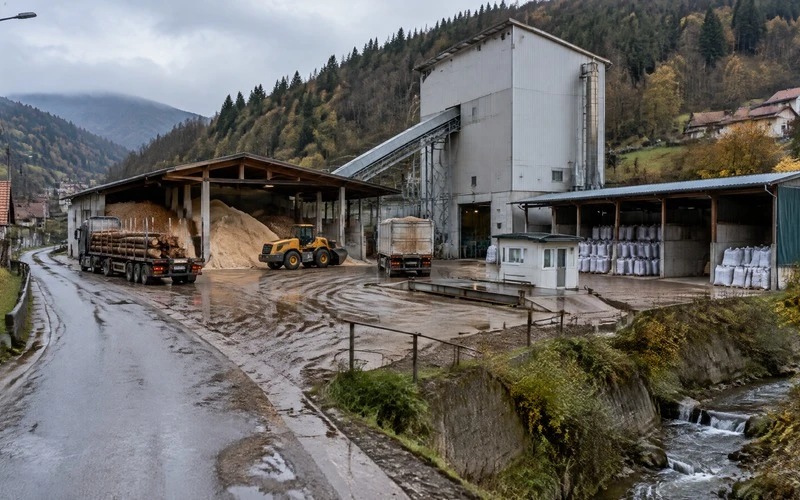
● Design
Wood Pellet Plant Design
Based on your unique situation and industrial process, we will tailor complete pellet plant you need, and inform you of every additional detail that could facilitate operation, minimize total cost.
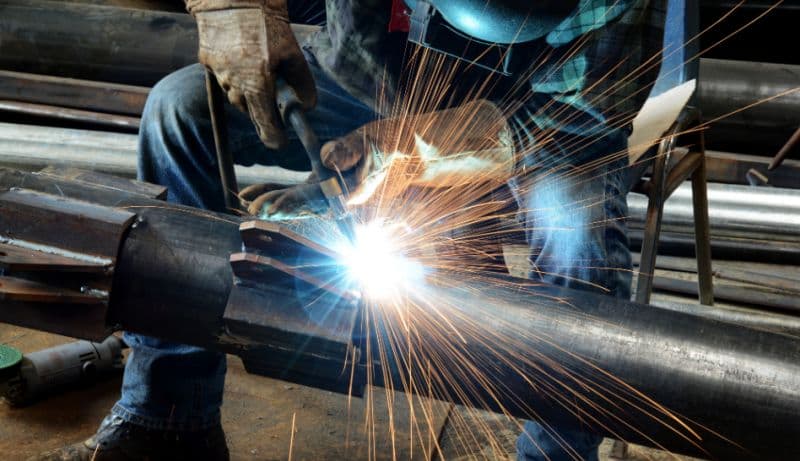
● Manufacturing
Equipment Manufacturing
The critical components of the of the complete wood pellet plant equipment are built in our own workshops in Asia. Additional equipment is manufactured by our worldwide network of reliable partners.

● Testing
Quality Inspection & Testing
Before leaving the factory, all equipment will be inspected by the quality inspection department. We can also provide customers with testing services from a single machine to a complete wood pellet production plant system, and provide you with real actual data for “worry-free use.”

● Delivery
Equipment Delivery
In equipment boxing and packaging, we adopt professional packaging and modular solutions to ensure the safe and non-destructive delivery of wood pellet processing equipment.
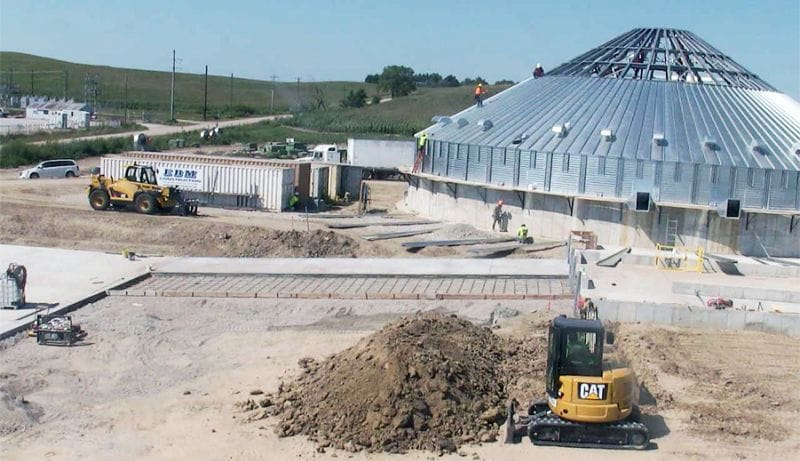
● Installation
Installation & Commissioning
Whether you choose your own subcontractor for the erection phase or you want to install everything together with us, a Richi supervisor will be around to make sure everything is mounted in a safe and thorough way.

● Training
Staff Training
We provide comprehensive training for the technicians of each wood pellet production line in Germany project. We can also continue to provide support for the technicians during latter project operation.
● After-sales
Project Follow-Up
When everything is up and running our Richiers will help you further whenever needed. We are ready to answer your call 24/7.We’ll also visit you regularly to learn about your needs.
Who we are
RICHI Machinery is one of the world’s leading suppliers of technology and services for the animal feed, aqua feed and pet food industries, also the largest pellet production line manufacturer in China.
Since 1995, RICHI’s vision to build a first-class enterprise, to foster first-class employees, and to make first-class contributions to society has never wavered.
In the past three decades, we have expanded our business to a wide range of areas, including animal feed mill equipment, aqua feed equipment, pet feed equipment, biomass pellet equipment, fertilizer equipment, cat litter equipment, municipal solid waste pellets equipment, etc.

1995
RICHI Established

2000+
Serving More Than 2000 Customers

120+
RICHI Employees

140+
Exported To 140 Countries