 0086-138 3838 9622
Wood Pellet Processing Plant in Thailand
RICHI MACHINERY
overview
A 1t/h wood pellet processing plant in Thailand was designed and commissioned for a client in Chiang Rai Province who needed to process cedar stump wood into two revenue streams: high-value cedarwood oil and biomass fuel pellets.
The plant takes 11,000 tons of raw stump wood annually and produces 1,000 tons of distilled cedar oil plus 10,000 tons of densified biomass pellets. This is not a standard pellet-only line. The client required an integrated system where oil extraction happens first, then the remaining wood fiber becomes pellet feedstock.
The facility operates on a 3,300 m² site with 1,000 m² of existing building space. Production runs 300 days per year, 8 hours per day, with a 12-person crew. Total project investment was $120,000 USD, including equipment, local installation, and working capital for the first three months of operation.
The pellet side of the operation runs at a sustained 1-1.2 tons per hour, producing industrial-grade fuel for local factories and poultry farms. What makes this project unusual is the two-product model – the oil pays for the operation, and the pellets are almost pure profit margin.
1T/H
capacity
$120,000
investment
Thailand
location
Biofuel
project type
RICHI MACHINERY
The First Question That Changed Everything
Most people looking for a 1t/h wood pellet processing plant in Thailand start with the pellet mill. They ask about die sizes, motor power, throughput rates. Standard stuff.
This client started with a different question: “Can I get the oil out first?”
He’d been watching the essential oil market in Southeast Asia. Cedarwood oil prices had climbed 40% in two years. Chinese buyers were paying premium rates for natural cedrol-rich oil for traditional medicine and incense. Meanwhile, the biomass pellet market in northern Thailand was growing steadily – factories switching off LPG, chicken farms needing consistent heating for broiler houses.
He had access to discarded cedar rootstock from three provinces. Thousands of tons of stumps that farmers considered waste. The oil was in there, locked in the wood. The fiber was in there too.
But nobody in Thailand was doing both.
We spent two weeks on calls and site photos before we even talked about equipment. The client sent us wood samples. We tested them in our lab. The results: 8-12% oil content by weight, depending on how long the stump had been sitting. The lignin content was high enough for good pellet binding. The challenge was moisture – fresh stumps ran 40-50% water.
So the 1t/h wood pellet processing plant in Thailand needed to solve three problems at once:
- Extract oil efficiently from wet, chunky wood
- Dry the post-extraction fiber without spending a fortune on energy
- Pelletize the dry fiber at 1 ton per hour consistently
Here’s how we actually did it.
RICHI MACHINERY
Raw Materials – What Comes In
The client built supply agreements with small forestry operations and three sawmills. No single source provides everything – that would be too risky. Instead, he collects from multiple points across northern Thailand.
| Raw Material | Annual Input (tons) | As-Received Moisture | Oil Content | Source Location |
|---|---|---|---|---|
| Fresh cedar stumps (0-3 months old) | 6,500 | 40-48% | 9-12% | Chiang Rai plantations |
| Aged stump wood (6-18 months stockpiled) | 3,000 | 28-35% | 6-8% | Phayao sawmill yards |
| Cedar root balls (from land clearing) | 1,500 | 45-55% | 10-15% | Nan Province |
| Total | 11,000 | Variable | Avg 9.2% |
The aged material is actually better for oil extraction – lower moisture means less steam energy wasted on evaporation. But the fresh stumps are free or very low cost. The client pays 200-300 THB per ton ($5.50-8.30 USD) for delivery on fresh material. Aged wood costs more because someone already handled it – about 500 THB per ton ($14 USD).
For the pellet side specifically, the 10,000 tons of output requires about 10,500-11,000 tons of post-extraction fiber. The math works because the oil extraction removes roughly 1,000 tons of volatiles (mostly oil, some water vapor). So 11,000 tons in → 1,000 tons oil + 10,000 tons pellets.
RICHI MACHINERY
How the 1 t/h Wood Pellet Processing Plant in Thailand Actually Runs
The line is split into two integrated phases. Phase one is oil extraction. Phase two is pellet production. They share space but operate on different schedules.
Phase One: Oil Extraction (Runs 16 hours/day, 2 shifts)
Step 1 – Reception and Sorting
Trucks dump stumps on the concrete receiving pad. Workers pull out rocks, metal, and obviously rotten wood. About 2-3% gets rejected and sold as low-grade firewood locally.
Step 2 – Primary Crushing
A 37kW jaw-style crusher breaks stumps down to 50-80mm chunks. This is coarse. We don’t want fine dust yet – fine material would pack in the distillation vessels and block steam flow.
Step 3 – Steam Distillation
Sixteen distillation vessels. Each holds 500-550kg of wood chunks. Live steam at 105-110°C, 1.5 bar pressure, cycles through each vessel for 5 hours. The steam carries cedar oil vapor out the top. The wood inside ends up at 60-65% moisture and nearly zero oil content (below 0.5% residual).
The client’s boiler is biomass-fired (4 t/hr capacity) and burns pellet fines, reject pellets, and some of the drier wood waste. No fossil fuels.
Step 4 – Condensation and Separation
The oil-steam mixture passes through a shell-and-tube condenser. Cooling water comes from a 50m³ holding tank with a small cooling tower. Condensed liquid is about 85% water, 15% oil. A gravity separator splits them – oil goes to 200-liter drums, water returns to the cooling loop.
Step 5 – Passive Drying
This is where a lot of engineers would spec a rotary drum dryer. We didn’t. The client had land and a low electricity cost. We built a 400m² concrete pad with a corrugated steel roof (no walls). Post-distillation wood gets spread 15-20cm thick. Front-end loader turns it twice per day. In Chiang Rai’s climate (30-35°C daytime, 50-70% humidity), moisture drops from 65% to 18-22% in 4-5 days.
Slow? Yes. Cheap to operate? Also yes. The drying cost is basically zero.
Phase Two: Pellet Production (Runs 8 hours/day, 1 shift)
Step 6 – Fine Grinding
Dried, oil-free wood goes through a 75kW hammer mill with a 6mm screen. The material is now at ideal moisture for pelleting (18-22% MC). The hammer mill produces a uniform flour-like consistency.
Step 7 – Pelleting
Single RICHI 420 ring-die wood pellet mill. Main motor 110kW. Die diameter 8mm, effective thickness 65mm. The steam treatment earlier actually helps here – the lignin has been heat-softened once already, so it re-softens faster during pelleting. We started with a 2.5mm die gap and got cracked pellets. Adjusted to 3.2mm gap, reduced roll pressure by 15%. Now it runs smooth.
Sustained output is 1.0-1.2 t/h. We rate it at 1 t/h for quoting purposes, but in practice it runs slightly higher.
Step 8 – Cooling
Counterflow cooler drops pellet temperature from 85°C to 35°C. Retention time about 15 minutes. Airflow is 2,500 m³/hr.
Step 9 – Screening and Bagging
Vibrating screen with 3mm and 8mm decks. Fines (about 4% of output) go back to the pellet mill feed. Overs (rare) get crushed and re-screened. The client packs 70% of output in 1-ton bulk bags for industrial customers, 30% in 15kg retail bags for household stove users.
RICHI MACHINERY
Equipment List – What Shipped from Qingdao
The 1t/h wood pellet processing plant in Thailand was supplied as a complete equipment package. Client handled local installation with our remote supervision.
| Equipment | Quantity | Specifications |
|---|---|---|
| Primary jaw crusher | 1 | 37kW, adjustable gap, 50-80mm output |
| Steam distillation vessels | 16 | 316L stainless, 500kg capacity each, with quick-open lids |
| Condenser bank | 16 | Shell-and-tube, 15m² per unit |
| Oil-water separator | 1 | 5m³/hr capacity, coalescing plates |
| Hammer mill | 1 | 75kW, 6mm screen, reversible hammers |
| Ring-die wood granulator machine | 1 | RICHI 420, 110kW main motor, die cooling fan |
| Counterflow cooler | 1 | 2 t/hr capacity, 304 stainless inner skin |
| Vibrating screener | 1 | Two decks, 3mm and 8mm mesh |
| Bagging spouts | 2 | One for bulk bags (1 ton), one for small bags (15kg) |
| Belt conveyors | 12 | Various lengths, 400mm and 600mm widths |
| Control panel | 1 | PLC with local HMI, manual backup switches |
Equipment price (EXW Qingdao port): $312,000 USD
The boiler (4 t/hr biomass-fired) was sourced locally in Thailand – cheaper than importing, and local service network exists. Client paid 1,200,000 THB ($33,000 USD) for a used but reconditioned unit.
Shipping: Two 40-foot high cube containers. Departed Qingdao July 10, 2024. Arrived Laem Chabang Port (Thailand’s largest deep-sea port, about 800km south of Chiang Rai) on July 28, 2024. Inland trucking added 3 days and $1,800 USD.
RICHI MACHINERY
What We Had to Adjust After Startup
No project goes perfectly. Here are three things that needed fixing on this 1t/h wood pellet processing plant in Thailand.
Problem 1 – The distillation vessels took too long to load.
The original design had top-mounted lids. Operators needed ladders to reach them. Loading 500kg of wood chunks by hand took 20 minutes per vessel. Sixteen vessels meant over 5 hours of loading time.
Fix: We shipped quick-open side doors as a retrofit kit. Now one operator loads from ground level in 8 minutes per vessel. Cut total loading time from 5+ hours to 2 hours.
Problem 2 – The passive drying pad wasn’t draining well.
The concrete pad had insufficient slope. Water pooled in one corner during rainy season. Wet wood stayed wet for 8-9 days instead of 4-5.
Fix: Client cut drainage channels (inexpensive, done by local labor). We also added a second turning per day during wet months. Problem solved for under $500.
Problem 3 – Pellet mill die cracked at hour 380.
Standard dies for pine or hardwood sawdust don’t like cedar fiber. Cedar is more abrasive. The first die lasted only 380 hours – well below the expected 1,000+ hours.
Fix: We switched to a chrome-stainless alloy die with larger compression holes (60mm effective length instead of 65mm). Second die is at 1,200 hours and still running. The client now keeps a spare die in stock – cost $1,800, but cheaper than downtime.
RICHI MACHINERY
Operating Costs – Real Numbers
This is what the client reported after three months of steady operation.
| Cost Category | Monthly (USD) | Annual (USD) | Notes |
|---|---|---|---|
| Raw wood (delivered) | $4,800 | $57,600 | Average $48/ton |
| Electricity | $1,200 | $14,400 | 2.0 million kWh/year at $0.007/kWh |
| Labor (12 people) | $3,600 | $43,200 | Average $300/month per person |
| Boiler fuel (pellet fines) | $0 | $0 | Uses own waste stream |
| Maintenance & spares | $800 | $9,600 | Dies, hammers, bearings |
| Water | $200 | $2,400 | Cooling tower makeup |
| Total monthly | $10,600 | $127,200 |
Revenue breakdown:
| Product | Monthly Output | Price (USD/ton) | Monthly Revenue |
|---|---|---|---|
| Cedarwood oil | 83 tons | $18,000/ton | $1,494,000 |
| Biomass pellets | 833 tons | $110/ton | $91,630 |
| Total monthly revenue | $1,585,630 |
The oil completely dominates the financial picture. Even at conservative prices (the client has contracts at $16-22/kg depending on purity), the oil revenue covers all costs and then some. Pellets are essentially a free co-product. The client’s payback period on the equipment is under 6 months.
RICHI MACHINERY
Why Thailand for This Type of Project?
Northern Thailand has three things that make a 1t/h wood pellet processing plant in Thailand work for cedar processing.
First: Abandoned stump wood is everywhere. The country planted massive amounts of fast-growing cedar and pine in the 1990s. Those plantations are now being replanted. Stumps have negative value – people pay to remove them. Our client gets most material for free or very low cost.
Second: The essential oil market is mature but still growing. Thailand already exports vetiver, kaffir lime, and citronella oils. Cedarwood oil fits the existing distribution channels. Buyers in China, India, and Europe are actively looking for natural cedrol sources.
Third: Industrial pellet demand is rising but supply is fragmented. Northern Thailand has hundreds of small factories (rubber processing, food drying, chicken farms) that want consistent fuel. They’re tired of LPG price spikes. A 1t/h wood pellet processing plant in Thailand can sell every ton it makes within 150km of Chiang Rai.
The client is already talking about a second wood pellet production line. Same model – oil extraction first, then pellets. But with larger distillation capacity and a mechanical dryer to speed up the post-extraction step. He wants to scale to 3 t/h on the pellet side.
RICHI MACHINERY
What We Provide Beyond the Machines
We don’t just ship equipment. For this 1t/h wood pellet processing plant in Thailand, we delivered:
- Process design for the two-phase operation (oil then pellets)
- On-site supervision during installation (our engineer spent 19 days in Chiang Rai)
- Operator training – three days on the pellet mill alone, including die changes and hammer reversal
- Spare parts kit: one spare die, two sets of hammers, bearings, belts, and a box of sensors
- Remote troubleshooting support via WhatsApp (responded to a 10 PM call about a stuck conveyor within 20 minutes)
The client asked recently: “Would you do anything different if we did this again?”
Yes. We’d spec a small mechanical dryer as a backup for the rainy season. The passive pad works 9 months per year. The other 3 months, drying takes too long. A small 1 t/hr rotary dryer (burning pellet fines) would solve that. But the client didn’t want the extra capital cost upfront. Fair enough.
RICHI MACHINERY
Thinking About a Similar Project?
If you have access to oil-bearing wood – cedar, pine, eucalyptus, camphor – and you’re in a region with both essential oil buyers and industrial fuel users, this two-product model is worth a serious look.
The equipment isn’t complicated. The process isn’t new (steam distillation has been used for centuries). What matters is integration – making the two halves work together without one starving the other.
We’ve now built three of these dual-purpose lines. Thailand was the first. Then a smaller version in Vietnam (camphor wood). Then a larger one in Indonesia (patchouli and cedar mix).
Each one needed different adjustments. Different drying strategies. Different pellet mill settings. But the core idea works: extract the high-value compounds first, then pelletize the residue.
If you want to talk about your raw material – what you have, what you want to make – send us a message. We’ll tell you honestly if it makes sense. And if it doesn’t, we’ll tell you that too.
● RICHI MACHINERY
RICHI Service

● Consulting
Customer Consultation
We want to have a deep understanding of your industrial process, to know your exact needs of feed, wood, biomass, fertilizer or other pellet processing.

● Design
biomass Pellet Plant Design
Based on your unique situation and industrial process, we will tailor complete pellet plant you need, and inform you of every additional detail that could facilitate operation, minimize total cost.
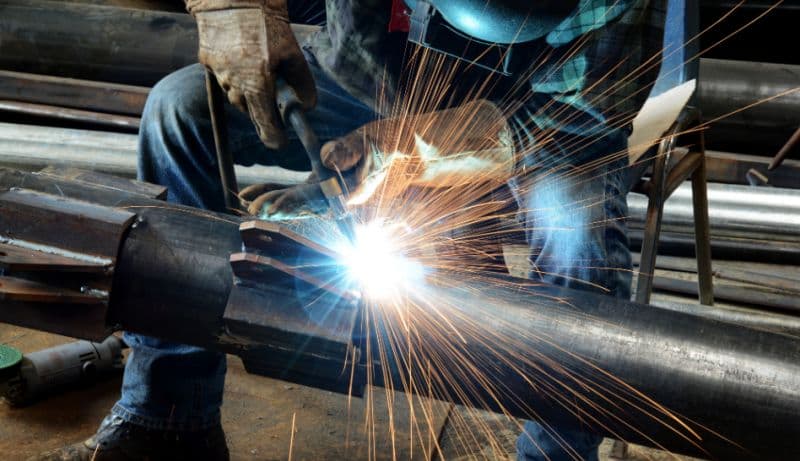
● Manufacturing
Equipment Manufacturing
The critical components of the of the complete pellet production line equipment are built in our own workshops in Asia. Additional equipment is manufactured by our worldwide network of reliable partners.
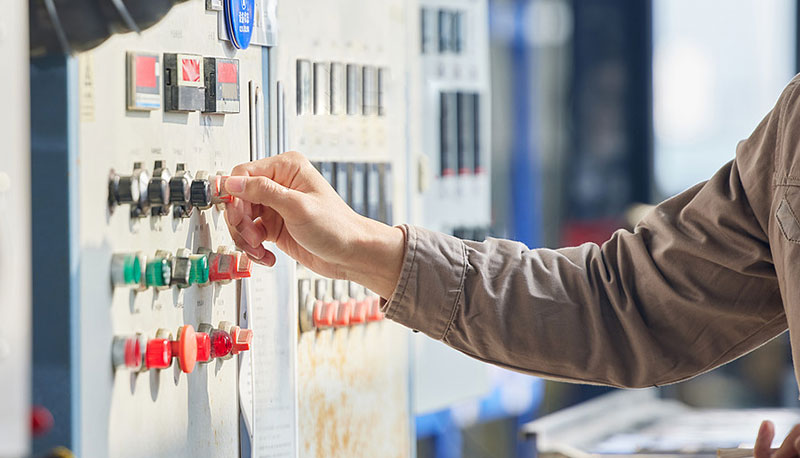
● Testing
Quality Inspection & Testing
Before leaving the factory, all equipment will be inspected by the quality inspection department. We can also provide customers with testing services from a single machine to a complete pellet plant system, and provide you with real actual data for “worry-free use.”

● Delivery
Equipment Delivery
In equipment boxing and packaging, we adopt professional packaging and modular solutions to ensure the safe and non-destructive delivery of pellet plant equipment.
● Installation
Installation & Commissioning
Whether you choose your own subcontractor for the erection phase or you want to install everything together with us, a Richi supervisor will be around to make sure everything is mounted in a safe and thorough way.

● Training
Staff Training
We provide comprehensive training for the technicians of each project. We can also continue to provide support for the technicians during latter project operation.
● After-sales
Project Follow-Up
When everything is up and running our Richiers will help you further whenever needed. We are ready to answer your call 24/7.We’ll also visit you regularly to learn about your needs.
Who we are
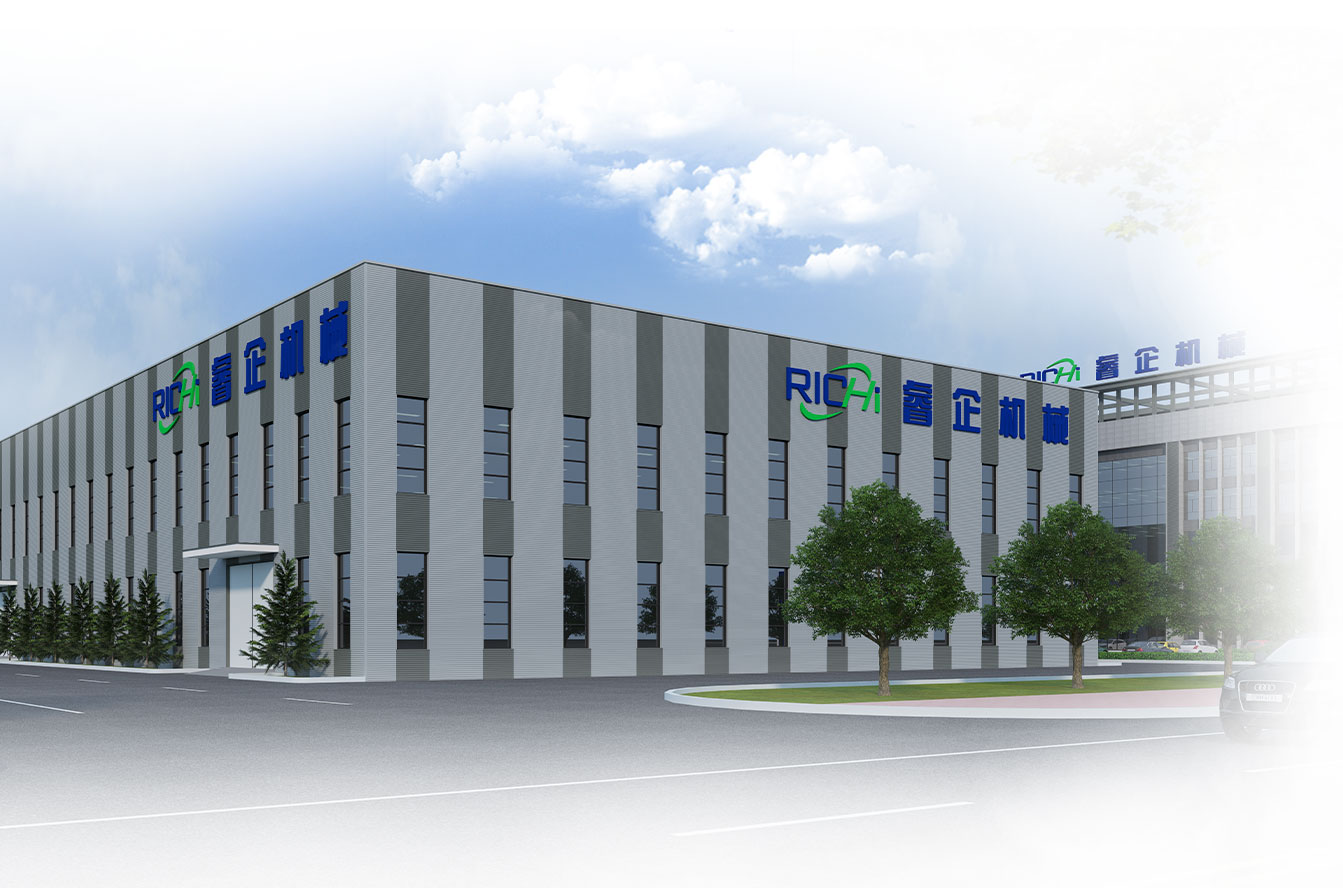
RICHI Machinery is one of the world’s leading suppliers of technology and services for the animal feed, aqua feed and pet food industries, also the largest pellet production line manufacturer in China.
Since 1995, RICHI’s vision to build a first-class enterprise, to foster first-class employees, and to make first-class contributions to society has never wavered.
In the past three decades, we have expanded our business to a wide range of areas, including animal feed mill equipment, aqua feed equipment, pet feed equipment, biomass pellet equipment, fertilizer equipment, cat litter equipment, municipal solid waste pellets equipment, etc.

1995
RICHI Established

2000+
Serving More Than 2000 Customers

120+
RICHI Employees

140+
Exported To 140 Countries