 0086-138 3838 9622
Wood Pellet Plant Installation in Serbia
RICHI MACHINERY
Project Overview
A 2-2.5t/h wood pellet plant installation in Serbia was completed in late 2020 for a client in the Belgrade region who needed to process waste wood into 5,000 tons annually of biomass fuel for local power plants. The facility runs on a single 8-hour shift, 250 days per year, with just 4 employees.
Total investment was $10,000 USD for equipment (yes, ten thousand – wait until you see how) plus $20,000 for the cyclone and baghouse system. The client already had a building and a loader.
What makes this 2-2.5t/h wood pellet plant installation in Serbia unusual is the budget. Most lines this size cost $150,000-250,000 for equipment alone. This client did something different – he bought a used 2.5-ton-per-hour crusher locally, then sourced the rest from us piece by piece over six months. Not a turnkey project. More like a puzzle assembled one part at a time.
2-2.5T/H
capacity
$37,850
investment
Serbia
location
Biofuel
project type
RICHI MACHINERY
The First Call – “I Have $30,000 Total”
The inquiry came in February 2020. Client’s name was something like “M” (I’ll call him M). He’d been running a small recycling operation in the industrial zone of Borča, just north of Belgrade.
Collected old furniture, broken pallets, construction waste wood. Previously he’d been selling it as-is to a particleboard factory. Wanted to upgrade to pellet production because biomass power plants were paying triple what particleboard factories paid.
His budget was $30,000 USD. Total. For everything.
Most suppliers laughed at him. One Chinese company quoted $45,000 just for a hammer mill. Another wanted $60,000 for a used pellet mill from Germany.
He found us through a forum post about low-cost pellet setups. His message was short: “I have money for dust collector and maybe one machine. Can you help me piece together a 2-2.5t/h wood pellet plant installation in Serbia with used equipment and your new cyclone+bags?”
We told him honestly: $30k won’t buy a complete new line. But if he could find a used crusher locally, and a used wood pellet mill somewhere in Europe, we could supply the dust collection system and the belt conveyors. He agreed.
RICHI MACHINERY
The Raw Material Situation in Belgrade
Serbia has a surprising amount of waste wood. Furniture manufacturing in the Šumadija region, pallet repair shops around Belgrade, and demolition waste from the constant rebuilding in the city center.
M set up contracts with three sources:
| Raw Material Type | Annual Input (tons) | Moisture (as-received) | Source | Cost (USD/ton) |
|---|---|---|---|---|
| old furniture | 2,500 | 12-18% | Second-hand shops, Belgrade | $15 (delivered) |
| factory waste | 1,500 | 10-15% | Furniture factory in Smederevo | $20 |
| waste pallets/boxes | 1,002 | 15-22% | Logistics depot, Borča | $10 |
| Total | 5,002 | Avg 14% |
The furniture waste was clean – no painted or treated wood because he refused those loads. The pallet wood sometimes had nails, which meant he needed magnetic separation.
Total input 5,002 tons, output 5,000 tons. The 2 tons difference is dust collected and moisture loss.
RICHI MACHINERY
How He Built the Line
This wasn’t a normal equipment purchase. M spent six months hunting for used machines. Here’s what he found and what we supplied.
Step 1 – The Crusher (Used, Local)
He found a 2.5-ton-per-hour hammer crusher from a closed sawmill in Novi Sad. Paid $3,000 for it. The machine was built in the 1990s, Yugoslav-made, heavy as a tank. Needed new bearings ($200) and belts ($150). Total cost $3,350.
Step 2 – The Pellet Mill (Used, from Hungary)
This was the risky part. He found a 110kW ring-die pellet mill on a Hungarian auction site. Listed as “unknown condition.” He drove 6 hours to see it. The seller let him run a test with a bucket of sawdust. It worked. Price: $5,000 USD. He paid cash and hauled it back in a rented truck.
The wood pellet press was a Hungarian-made “Pell-Tech” unit (company went bankrupt in 2015). No spare parts available. But the die looked okay, the bearings were noisy but not shot, and the gearbox didn’t leak.
Step 3 – The Dust Collection (New, from Us)
This was the only new equipment in the 2-2.5t/h wood pellet plant installation in Serbia. We supplied a cyclone separator (pre-filter) plus a pulse-jet baghouse with 150 filter bags. Total airflow 15,000 m³/hr. Price: $20,000 USD delivered to Belgrade.
The cyclone catches the big dust (about 60-70% of total), the baghouse catches the fines. Combined efficiency around 99.5%.
Step 4 – Belt Conveyors (New, from Us)
One 8-meter conveyor for feeding the crusher. One 12-meter conveyor for moving crushed material to the pellet mill. Both with magnetic head pulleys to catch nails and screws. Price: $4,500 USD.
Step 5 – Everything Else (Local or Rigged)
- Front-end loader: Already owned (used for his recycling business)
- Bbelt conveyor for finished pellets: Built himself from scrap steel and a used motor. Cost: $200
- Storage bins: Old shipping containers modified with augers. Two containers, $1,500 each
- Electrical control panel: Local electrician built it from parts. $800
Total wood pellet processing equipment cost (all sources): $10,000 (used machines) + $20,000 (dust collector) + $4,500 (conveyors) + $3,800 (containers/electrical) = $38,300 USD
He went slightly over budget. But still, $38k for a 2-2.5t/h wood pellet plant installation in Serbia is absurdly low.
RICHI MACHINERY
The Process Flow
Here’s how the wood pellet production line actually runs. No automation. All manual decisions.
Step 1 – Manual Sorting
Workers (4 total, rotating roles) pull out obvious contaminants: metal, rocks, plastic. Also reject painted or treated wood. This happens on the receiving pad.
Step 2 – Primary Crushing
The Yugoslav hammer crusher. It’s loud. Really loud. But it chews through furniture and pallets without complaining. Output size: 30-50mm chips. The client added a magnet at the crusher discharge to catch nails.
Step 3 – Magnetic Separation (Second Pass)
Before the material goes to the pellet mill, it passes over another magnetic head pulley. This catches the small nails and staples that survived the first magnet.
Step 4 – Pelleting
The Hungarian wood granulator machine runs at about 2.2-2.5 t/h on good days, 1.8 t/h when the wood is wetter. Die size: 8mm. The client bought a spare die from a German supplier who still makes compatible parts ($1,200). Good thing – the original die cracked at 400 hours.
Step 5 – Dust Collection
The cyclone+baghouse setup pulls dust from the crusher discharge, the pellet mill inlet, and the pellet mill discharge. Collected dust gets bagged and sold as low-grade fuel to a nearby brick factory.
Step 6 – Storage
Pellets fall into a modified shipping container with a floor auger. From there, they’re conveyed to another container for truck loading. No cooler – the client lets pellets cool overnight in the container before bagging.
Yes, no cooler. That’s not ideal. The pellets come out of the mill at 85°C and sit in a pile. Moisture redistributes unevenly. Some bags get mold after 3 months. But the client sells everything within 30 days of production, so it’s not a disaster.
RICHI MACHINERY
Equipment List
| Equipment | Source | Cost (USD) | Notes |
|---|---|---|---|
| Hammer crusher (2.5 t/h) | Used, local | $3,350 | Yugoslav-made, 1990s |
| Ring-die pellet mill (110kW) | Used, Hungary | $5,000 | Pell-Tech, bankrupt |
| Cyclone separator | New, RICHI | included with baghouse | Pre-filter |
| Pulse-jet baghouse (15,000 m³/hr) | New, RICHI | $20,000 | 150 bags |
| Belt conveyors (2 units) | New, RICHI | $4,500 | With magnetic pulleys |
| Shipping containers (for storage) | Used, local | $3,000 | Two units, modified |
| Electrical panel | Local | $800 | Manual controls |
| Spare die | Used, Germany | $1,200 | Compatible with Pell-Tech |
| Front-end loader | Already owned | $0 | |
| Total | $37,850 |
RICHI MACHINERY
The Dust Collection Setup – Why We Spec’d What We Did
The client originally wanted just a simple cyclone. No baghouse. Too expensive, he said.
We talked him into the baghouse after explaining the math. Serbian environmental inspectors were starting to enforce PM10 limits. A cyclone alone would discharge about 150-200 mg/m³ – above the Serbian limit of 50 mg/m³ for existing sources. The baghouse gets him down to 10-15 mg/m³.
He agreed but only after we split the payment: $10,000 upfront, $10,000 after three months of operation. We took the risk. It worked out – he paid on time.
The baghouse is sized for 15,000 m³/hr with a 1.2 m/s filter velocity. That’s conservative. We could have pushed it to 1.5 m/s and saved some money on bags, but higher velocity means shorter bag life. In Serbia, replacement filter bags are hard to find locally. Longer life was worth the extra upfront cost.
RICHI MACHINERY
The Building and Layout
M already had a 1,300 m² building in the Borča industrial zone. Steel frame, concrete floor, 7 meters to the eaves. He’d been using it for waste wood storage and sorting.
We helped him rearrange the space:
| Area | Size (m²) | Function |
|---|---|---|
| Raw material storage | 500 | Incoming wood, sorting area |
| Crushing zone | 200 | Crusher, cyclone, first conveyor |
| Pelleting zone | 300 | Pellet mill, baghouse, second conveyor |
| Storage (containers) | 150 | Two modified containers |
| Finished goods | 100 | Bagged pellets waiting for truck |
| Office | 20 | Desk, computer, paperwork |
| General waste | 30 | Dust bags, scrap metal |
The baghouse sits outside the main building (weather-protected with a simple roof). That saved floor space and kept noise down inside.
RICHI MACHINERY
The Problems Nobody Talks About
This 2-2.5t/h complete wood pellet plant installation in Serbia had plenty of issues. Here are three that stand out.
Problem 1 – The Hungarian mill’s bearings failed at 300 hours.
We warned him. Old mill, unknown history. The main bearing on the drive side started making a grinding noise. He shut down and called us. We found a replacement bearing at a bearing shop in Belgrade (SKF, $400). The challenge was pulling the old one – no puller big enough. He had to wait three days for a mechanic with hydraulic tools.
Fix: Now he keeps a spare bearing kit on the shelf. Two bearings, seals, and a tube of high-temp grease. Cost $600.
Problem 2 – No cooler means inconsistent pellet quality.
Without a cooler, the pellets stay hot for hours. The outer surface dries faster than the core. When the core finally dries, it shrinks and creates cracks. The client’s pellet durability index (PDI) is only 92-94% – good enough for local power plants but not for export.
He’s planning to add a used counterflow cooler. Found one in Germany for $4,000. Just hasn’t pulled the trigger yet.
Problem 3 – Manual blending is inconsistent.
No moisture meter on the line. The operator guesses the blend based on how the wood looks and feels. Some days the pellets come out great. Some days they’re dusty and falling apart.
We recommended a $400 handheld moisture meter. He bought it. But the operator doesn’t use it consistently. That’s a training issue, not an equipment issue.
RICHI MACHINERY
Shipping – How the New Equipment Arrived
The cyclone, baghouse, and conveyors shipped from Qingdao Port, China, to Piraeus Port, Greece (because Serbia has no sea port). Departure July 15, 2020. Arrival August 20, 2020. Sea freight for one 40-foot container: $2,800 USD. Then trucking from Piraeus to Belgrade (800km) added $1,200 USD and 3 days.
Total delivery cost: $4,000 USD (included in the $20,000 + $4,500 prices above – we covered freight).
RICHI MACHINERY
What We Learned from This Project
This 2-2.5t/h wood pellet plant installation in Serbia taught us a few things about low-budget projects.
First: Used equipment can work, but only if you have mechanical skills.
M isn’t an engineer. He’s a former truck driver who learned to weld and fix machinery. Without that skillset, the Hungarian mill would have been a disaster. He replaced bearings, adjusted the die gap, rebuilt the feeder – all himself.
Second: Skip the dryer if you can.
Serbia’s climate is continental – hot summers, cold winters. Humidity is moderate. The client’s 14% average inbound moisture is fine. No dryer means lower capital cost and lower operating cost.
Third: Dust collection is not optional.
He almost skipped the baghouse. That would have been a mistake. Serbian inspectors visited three months after startup. They measured emissions at the stack – 12 mg/m³. Well below the limit. Passed with no fines.
RICHI MACHINERY
The Serbian Biomass Market
Serbia has been quietly building biomass power plants since 2015. The biggest is in Kragujevac (22 MW), but there are smaller ones in Zrenjanin, Smederevo, and near Belgrade. They all need fuel.
The problem: Most Serbian biomass fuel is imported from Bosnia or Romania because local producers can’t meet quality or volume requirements.
M saw the gap. His 2-2.5t/h wood pellet plant installation in Serbia produces a lower-grade pellet (high ash, moderate durability) that local power plants accept because it’s cheap and available. He doesn’t compete with the premium export market. He competes with imported Bosnian pellets that cost 20-30% more delivered.
Smart positioning.
The Serbian government also offers subsidies for renewable energy producers, but M didn’t qualify because his line is too small. He doesn’t care. His margins work without subsidies.
RICHI MACHINERY
What We Provided
For this wood pellet plant construction project, we didn’t just ship a baghouse and conveyors. We provided:
- Process advice – How to set up the manual sorting area, where to put magnets, how to sequence the two crushing steps.
- Dust collection design – Sizing the cyclone and baghouse for his specific materials (furniture dust is finer than sawdust, needs lower filter velocity).
- Remote troubleshooting – The bearing failure call at 300 hours. We helped him identify the bearing size over WhatsApp photos.
- Spare parts recommendation – He didn’t buy from us (shipping too slow), but we told him what to stock locally.
We also connected him with a buyer in Romania who takes his excess dust (about 12 tons/year). That dust was a waste stream before. Now it’s $500/year in revenue. Not huge, but better than landfill.
RICHI MACHINERY
What the Client Would Do Differently
We asked M in a follow-up call (March 2021) what he’d change.
1. Buy a cooler immediately.
He admits he made a mistake skipping it. The inconsistent quality costs him about $5-10 per ton on price. A $4,000 used cooler would pay for itself in 4-6 months.
2. Install a moisture meter at the pellet mill feed.
He has a handheld but doesn’t use it consistently. A fixed, in-line moisture meter would automate the blending. Cost about $2,500. He’s saving for it.
3. Start with a better pellet mill.
The Hungarian unit works, but parts are hard to find. He should have spent $15,000 on a used European mill with better parts availability. Would have saved him the bearing emergency and the die hunt.
But he couldn’t afford that at the time. So he worked with what he had.
RICHI MACHINERY
Thinking About a Low-Budget Project?
If you’re considering a 2-2.5t/h wood pellet plant installation in Serbia – or anywhere in the Balkans – here’s what we’ve learned:
- Used equipment is risky but possible. Only do it if you have mechanical skills or a good local mechanic.
- Don’t skip dust collection. Inspectors are getting stricter everywhere, not just in the EU.
- A cooler is worth the money. Even a used one. Your pellet quality will thank you.
- Local raw material is key. Serbia has plenty of waste wood. But you need contracts, not spot purchases.
M’s line isn’t pretty. It’s loud, dusty (inside the building), and occasionally breaks down. But it makes money. That’s what matters.
If you want to talk about a similar project – whether you have $40k or $400k – send us a message. We’ll tell you what’s realistic.
● RICHI MACHINERY
RICHI Service

● Consulting
Customer Consultation
We want to have a deep understanding of your industrial process, to know your exact needs of feed, wood, biomass, fertilizer or other pellet processing.

● Design
biomass Pellet Plant Design
Based on your unique situation and industrial process, we will tailor complete pellet plant you need, and inform you of every additional detail that could facilitate operation, minimize total cost.
● Manufacturing
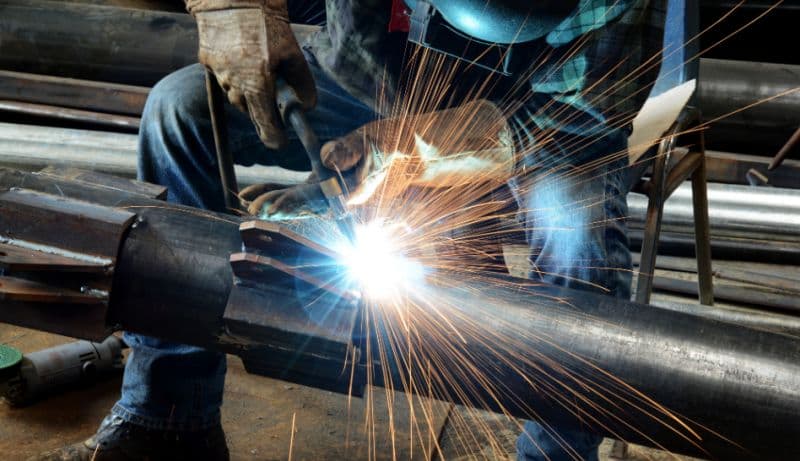
Equipment Manufacturing
The critical components of the of the complete pellet production line equipment are built in our own workshops in Asia. Additional equipment is manufactured by our worldwide network of reliable partners.
● Testing
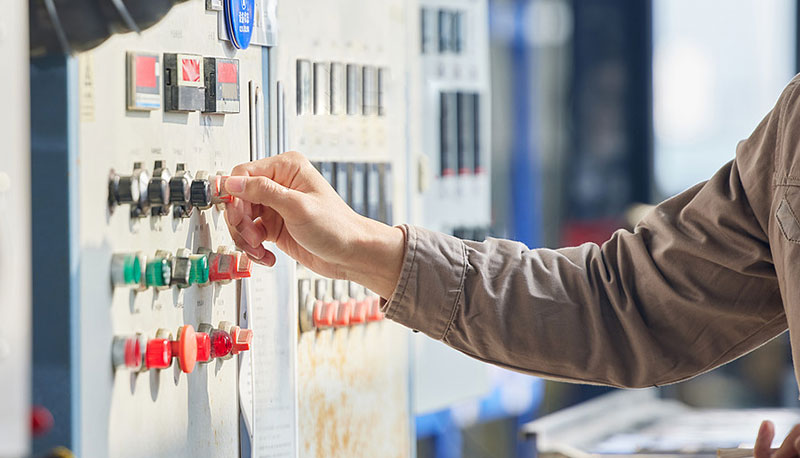
Quality Inspection & Testing
Before leaving the factory, all equipment will be inspected by the quality inspection department. We can also provide customers with testing services from a single machine to a complete pellet plant system, and provide you with real actual data for “worry-free use.”

● Delivery
Equipment Delivery
In equipment boxing and packaging, we adopt professional packaging and modular solutions to ensure the safe and non-destructive delivery of pellet plant equipment.
● Installation
Installation & Commissioning
Whether you choose your own subcontractor for the erection phase or you want to install everything together with us, a Richi supervisor will be around to make sure everything is mounted in a safe and thorough way.

● Training
Staff Training
We provide comprehensive training for the technicians of each project. We can also continue to provide support for the technicians during latter project operation.
● After-sales
Project Follow-Up
When everything is up and running our Richiers will help you further whenever needed. We are ready to answer your call 24/7.We’ll also visit you regularly to learn about your needs.
Who we are
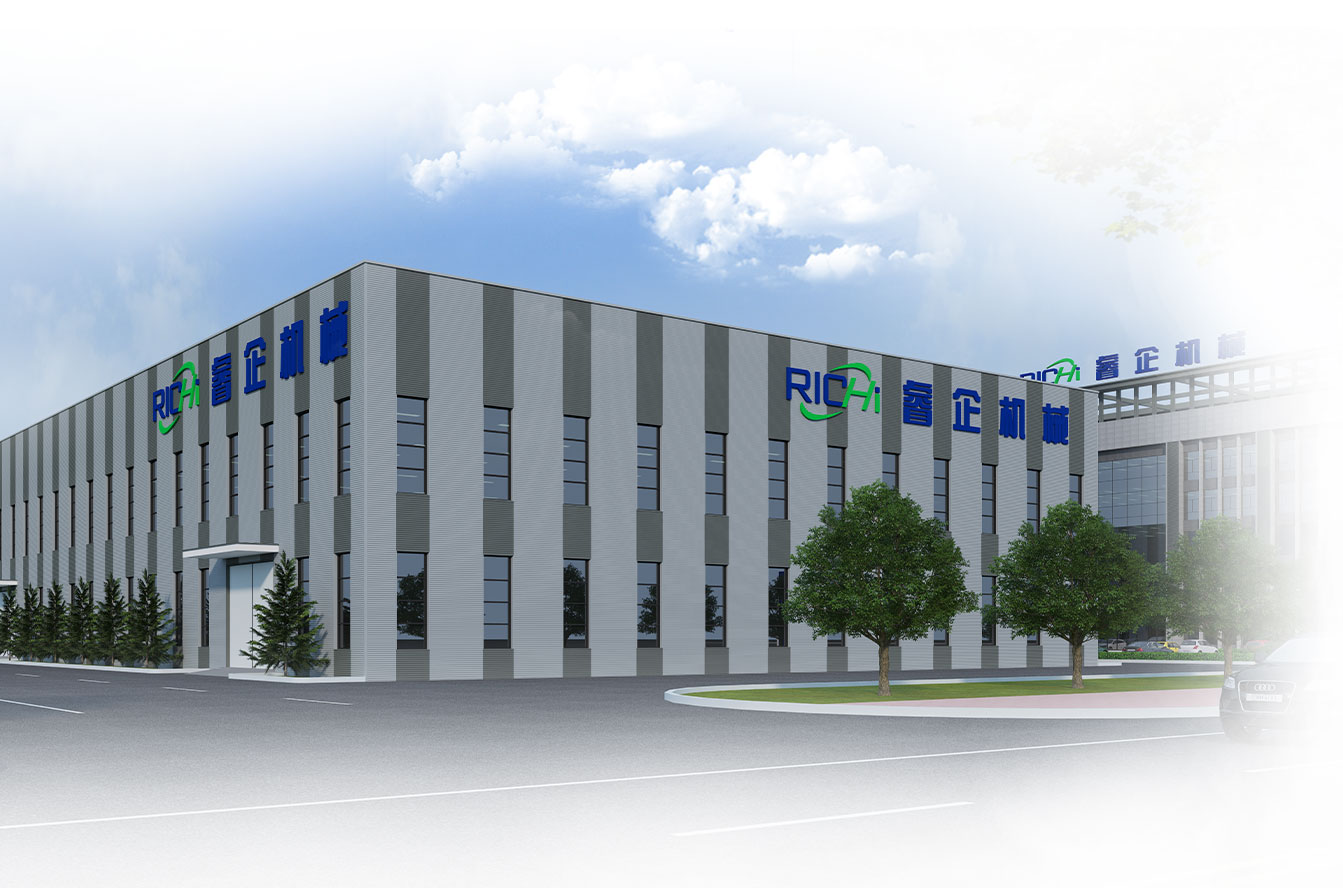
RICHI Machinery is one of the world’s leading suppliers of technology and services for the animal feed, aqua feed and pet food industries, also the largest pellet production line manufacturer in China.
Since 1995, RICHI’s vision to build a first-class enterprise, to foster first-class employees, and to make first-class contributions to society has never wavered.
In the past three decades, we have expanded our business to a wide range of areas, including animal feed mill equipment, aqua feed equipment, pet feed equipment, biomass pellet equipment, fertilizer equipment, cat litter equipment, municipal solid waste pellets equipment, etc.

1995
RICHI Established

2000+
Serving More Than 2000 Customers

120+
RICHI Employees

140+
Exported To 140 Countries