 0086-138 3838 9622
4 T/H Furniture Wood Pellet Plant in the Netherlands
RICHI MACHINERY
Four Presses Turn Furniture Residues Into Fuel
A logistics business near Eindhoven added manufacturing to its collection network with this 4 T/H furniture wood pellet plant in the Netherlands. Clean offcuts and shavings arrive from furniture workshops around North Brabant and pass through a shared grinding route to four parallel presses. Separating unfinished wood at collection protects fuel quality and makes the incoming material easier to handle inside the existing building.
The biomass pellet plant occupies 2,000 m² and employs ten people. It operates one eight-hour shift over 300 working days. At the 4 T/H line rate, 2,400 scheduled hours provide a theoretical maximum of 9,600 tonnes before service stops. Collection, production and dispatch are coordinated within this single-shift programme.
Twelve furniture workshops within approximately 60 km provide a 9,601-tonne annual material pool. Separate collection arrangements for offcuts and shavings keep bulky pieces, loose meal and incompatible panel waste from becoming one mixed load. This makes receiving checks faster and improves stock control.
Accepted material arrives at approximately 8–12% moisture. The dry-feed configuration omits a thermal dryer, while four 90 kW presses divide the pressing duty. Offcut dimensions and the proportion of light shavings govern how the shared grinder is fed.
4T/H
capacity
$320,000
investment
Netherlands
location
Biofuel
project type
RICHI MACHINERY
A Logistics Operator Adds Material Acceptance Rules
The customer brought fifteen years of logistics experience and an existing building to the venture. Organised collection routes provided a useful base for the pellet business. The processing operation added material acceptance rules, machine maintenance and finished-fuel handling to that established transport capability. The change from collection to manufacturing makes material consistency a commercial asset. A furniture supplier benefits from a clear acceptance list and predictable collections, while the pellet operator gains fewer surprises at unloading. Written collection instructions can therefore improve production as much as an additional handling machine, particularly where different workshops share a transport route.
Existing electricity, municipal water and sewer services supported the site conversion. Within the workshop, raw wood moves towards grinding and pressing, while bagged pellets leave through a separate dispatch area. The arrangement keeps collection vehicles and finished-product handling from competing for the same working space. The 2,000 m² floor needs to accommodate movement as well as equipment. A loaded vehicle, loader and pallet truck require different turning and working areas. Keeping the layout tied to those movements protects useful storage capacity and avoids using the press service aisle as a temporary receiving area during busy collections.
RICHI’s task was to connect a dependable offcut collection network with compact production equipment that fitted the customer’s available building.
Painted timber, laminated board, glue-rich panels and packaging are excluded from the accepted wood. Collection bins preserve that separation before the truck reaches the plant. Preventing contamination at the furniture workshop reduces sorting work and protects the fuel throughout the rest of the process. Finished furniture components should remain separate from residue collected before painting or assembly. Even a mostly clean load can contain a small quantity of panel pieces or hardware. Giving each supplier the same acceptance rules reduces the chance that a driver or receiving operator has to make a difficult judgement after the truck is already loaded.
The wood pellet manufacturing plant configuration uses the dry condition of accepted wood to avoid dryer heat demand. RICHI’s scope starts with defining the feed opening and particle preparation needed by the four presses. The dry-feed route works best when incoming material remains within the agreed size and moisture window. RICHI can compare the proportion that goes directly to grinding with any fraction needing additional preparation. This makes the receiving arrangement part of the equipment selection and keeps a difficult minority of oversized pieces from setting the duty of the whole line.
RICHI MACHINERY
Collection Economics Across Twelve Suppliers
Supplier collections provide clean wood in both solid and loose forms. Delivery planning takes account of vehicle volume, unloading time and the space available in the receiving bay. The material schedule is:
| Raw Material | Annual purchasing allowance (tonnes) | As-Received Moisture | Cost (USD/ton) | Source |
|---|---|---|---|---|
| Wood offcuts and shavings | 9,601 | 8-12% | $0 (free) + $10 transport | Twelve furniture factories |
The collection arrangement used a zero purchase charge for accepted residue and a US$10-per-tonne transport allowance. Vehicle utilisation therefore matters directly to delivered material cost. Keeping unsuitable panel waste out of the load also avoids paying to transport material that the plant cannot use. The absence of a residue purchase charge makes transport and handling particularly visible in the material cost. Empty return journeys, waiting at the supplier and repeated unloading can consume that advantage. The customer’s logistics background is useful here: collections can follow the space available at the workshop rather than arrive independently of the production schedule.
The annual material pool supports the one-shift production programme and provides flexibility for supplier deliveries. Moisture removal and screening affect the weight of saleable pellets. Inbound weighing, stock movements and bagged output provide the customer with a straightforward way to manage yield and schedule collections. Short-term stock allows the mill to keep running when one supplier’s collection is delayed. Long accumulation of mixed residues is less useful if it blocks access or makes older material difficult to identify. A supply schedule showing both tonnes and vehicle frequency helps RICHI compare stock buffers with the space left for product dispatch.
RICHI MACHINERY
Dry Offcuts Reduce Thermal Equipment Requirements
The wood pellet production line uses dry accepted residues without a thermal dryer. The preparation route concentrates on offcut size, magnetic protection and uniform feeding, leaving more of the building available for covered material and finished stock.
Covered transport and segregated indoor storage protect the 8–12% moisture advantage. Moisture acceptance should be checked on representative samples at receiving rather than inferred from the supplier’s use of kiln-dried timber. Shavings can absorb water during a brief exposed transfer even when the supplier stores them dry. Covered loading and prompt unloading are therefore part of the no-dryer route. Receiving samples should represent the load rather than the dry surface, allowing the operator to protect the common grinding and press-feeding system from an isolated wet pocket.
Direct grinding is appropriate only for pieces within the grinder’s approved opening and cutting capability. Long rails, large blocks and dense offcuts need separate preparation or rejection; a grapple loader does not replace primary size reduction. A material sample for equipment selection should include the largest pieces normally collected, not only a bag of fine sawdust. The proportion of those larger pieces affects preparation duty and labour at receiving. Providing photographs with a scale and a description of the collection method helps RICHI design the actual inlet and transfer arrangement.
Omitting thermal drying reduces the number of process stages, eliminates dryer-fuel handling and simplifies the flow inside the building. The commercial benefit depends on maintaining the dry incoming supply: wet loads are kept apart from accepted production stock.
RICHI MACHINERY
Four Parallel Presses With Central Grinding
| Equipment | Quantity | Power | Function |
|---|---|---|---|
| Belt conveyors | 4 | 1.5kW each | Material transfer |
| Wood grinder | 1 | 75kW | Fine meal preparation |
| Grapple loader | 1 | Diesel | Raw material handling |
| Wood pellet presses – 90 kW each | 4 | 90kW each | Approximately 1 T/H each on approved material |
| Air compressor | 1 | 22kW | Pneumatic controls |
| Baghouse filter | 1 | 11kW | Dust collection |
| Integrated wastewater treatment | 1 | — | Sewage treatment |
The equipment package cost US$195,000 within a US$320,000 project investment. The remaining expenditure supported delivery and local project works around the existing building. Reusing the property allowed the customer to direct capital towards production and handling rather than a new industrial building. A machinery comparison is most useful when each supplier prices the same preparation and handling boundary. Buyers should include their retained loader, building access and electrical services in the inquiry. RICHI can then identify the equipment interfaces and separate machinery from local installation, giving the customer a clearer basis for budgeting the full workshop conversion.
The loader is locally sourced. Its capacity and safe access must suit the receiving area and grinder inlet; purchase cost and service support remain part of the customer’s local scope.
Four 40-foot containers carried the machinery through Rotterdam in 2023. Sea and inland freight totalled US$8,000. The port route gave the customer a practical delivery link to North Brabant, followed by installation inside the existing workshop.
RICHI MACHINERY
Half the Building Supports Material and Product Storage
The layout totals 2,000 m²: 600 m² grinding, 200 m² pressing, 1,000 m² warehouse and 200 m² office. The pressing zone also needs defined service access and a cooling interface; storage needs separate raw and finished allocations rather than a single undifferentiated bay. The warehouse allocation occupies half the indoor area, reflecting the volume of incoming wood and the need to keep finished bags protected. Marked raw and finished zones reduce unnecessary handling. An aisle wide enough for the actual pallet movement is more valuable than a nominal storage figure that leaves no practical way to retrieve stock.
| Area | Size (m²) | Function |
|---|---|---|
| Grinding area | 600 | Grinder, conveyors |
| Pelleting area | 200 | Four presses and associated service access; wood pellet extruder machine arrangement |
| Warehouse | 1,000 | Separate accepted offcuts, shavings and cooled finished pellets |
| Office | 200 | Admin, sales |
RICHI MACHINERY
Four Presses Need a Balanced Distribution System
The furniture residue pellet production line in the Netherlands distributes prepared meal from one grinding area to four presses. The arrangement combines a compact common upstream route with the flexibility to service one press while the others remain available.
Material Receiving
The loader handles accepted offcuts and shavings within the receiving zone. Workers remove foreign material before grinding and separate pieces that exceed the approved feed opening. Covered storage protects the dry incoming stock.
Common Grinding
The 75 kW grinder prepares the accepted residue for pressing. Even loading, screen maintenance and aspiration keep meal delivery steady. Material distribution between the four presses follows the available prepared feed. The preparation team can watch how each supplier’s mix passes through the grinder and adjust the loading rate accordingly. A high proportion of already fine shavings behaves differently from dense blocks. Keeping the load even helps the downstream feeder distribute meal without alternating between empty bins and sudden surges.
Four-Press Pelleting
Each wood pellet mill contributes approximately 1 T/H to the combined 4 T/H line. The presses produce 8 mm fuel pellets. Feed rate and die condition are managed separately at each machine, supporting maintenance without stopping every press. Four presses also create four service positions. Clear access around each unit allows die work and lubrication without crowding an adjacent operator. For another furniture wood pellet production line in the Netherlands, the layout should show both the operating route and the space needed when a press is opened for maintenance.
Pellet quality depends on preparation as well as pressing. Moisture, fines and durability checks connect the condition of each incoming wood batch with the finished fuel. This is particularly useful when the proportion of shavings changes between furniture suppliers.
Product Handling
Discharged pellets lose heat before packing, and loose fines are separated from the saleable product. Temperature and moisture checks protect bagged stock. RICHI can include dedicated cooling and screening in comparable installations where continuous high-volume dispatch calls for a more compact downstream route.
RICHI MACHINERY
Sell to a Fuel Specification
The North Brabant location supports regional deliveries to fuel merchants and compatible heating users. Buyers evaluate the product against:
- Boiler fuel specifications for diameter, moisture, ash and durability.
- Bagged distribution requirements, storage conditions and seasonal demand.
- Delivered cost including packaging and transport rather than factory-gate price alone.
- Cross-border requirements if serving Belgium or Germany.
A furniture wood pellet production line in the Netherlands serves its market through consistent fuel specifications and dependable delivery. Bag strength, pallet protection and stock rotation matter alongside the pellets themselves, especially when the customer supplies merchants with limited indoor storage. A merchant buying small bags may prioritise pallet stability and clean handling, while an industrial user may prioritise bulk transfer and regular deliveries. Stating the intended channel at equipment selection stage helps avoid a packing section that can fill bags quickly but cannot clear them from the line at the required rate.
RICHI MACHINERY
Service One Press While Keeping the Others Available
A four-press layout offers partial output during a press stop, but the shared grinder, feed distribution and packing route remain common dependencies. A planned stop on the shared grinder is therefore different from a stop on one press. Maintenance scheduling should reflect that difference. Wear checks on common preparation equipment protect every downstream machine, while press-specific service can be staggered where the production and dispatch calendar allows. The customer can coordinate those shared stops with quieter collection periods, leaving the available press capacity focused on the batches needed for the next scheduled deliveries.
Operating advantages:
- Source segregation can simplify acceptance of unfinished solid wood.
- Dry accepted feed avoids a thermal dryer within the agreed specification.
- One stopped press leaves approximately three quarters of pressing duty available.
Production coordination:
- A 4 T/H route in 15 kg bags needs about 267 filled bags per hour plus sealing and stacking.
- Balance meal delivery and schedule grinder maintenance outside peak dispatch periods.
RICHI MACHINERY
RICHI Equipment Within an Existing Dutch Building
RICHI connected material preparation, parallel pressing and product handling with the customer’s existing property. The project work covered: The existing building determines where machines can be placed, but service access determines how comfortably they can be operated for years. The arrangement therefore considers covers, lifting access and wear-part removal alongside the conveyor route. Buyers can include those details when comparing an upgrade inside their own furniture-residue workshop.
- Process layout: grinder, buffer, four-press distribution and downstream product handling.
- Equipment package: conveyors, presses, extraction and product-handling interfaces.
- Installation support: alignment, feed balance and access checks.
- Training: die service, moisture sampling, safe isolation and batch quality records.
- Spares: four press-compatible die provisions and the grinder’s wear components.
RICHI MACHINERY
Prepare a Furniture Residue Pellet Line Inquiry
For a furniture wood pellet plant in the Netherlands, provide the information that governs actual equipment selection:
- Accepted wood categories, contamination controls and supplier collection arrangements.
- Seasonal moisture results and covered stock capacity.
- Maximum offcut dimensions and the proportion of shavings versus solid pieces.
- Required output, available productive hours and buyer fuel specification.
The grinding, pressing, conveying, compressor and filter drives total 474 kW of connected motor power. For a similar four-press installation, the supply assessment also includes downstream equipment and starting current. Providing site electrical details with the inquiry allows local works to be priced alongside the machinery. The site information should also identify equipment that must remain running during installation. This allows connections and commissioning work to be planned around the customer’s existing activities and reduces conflict between production access and machinery assembly.
Send representative offcuts and shavings, your building drawing and the required bag format to RICHI. The proposal can compare press arrangements, preparation duties and cooling options, with machinery, installation and delivery costs clearly separated. Include the expected split between loose and bagged incoming residue and between bagged and bulk sales. RICHI can use those two handling decisions to compare receiving labour, storage volume and downstream equipment, making the proposal specific to the customer’s collection network rather than a generic four-press machinery list.
● RICHI MACHINERY
RICHI Service

● Consulting
Customer Consultation
We want to have a deep understanding of your industrial process, to know your exact needs of feed, wood, biomass, fertilizer or other pellet processing.
● Design
biomass Pellet Plant Design
Based on your unique situation and industrial process, we will tailor complete pellet plant you need, and inform you of every additional detail that could facilitate operation, minimize total cost.
● Manufacturing
Equipment Manufacturing
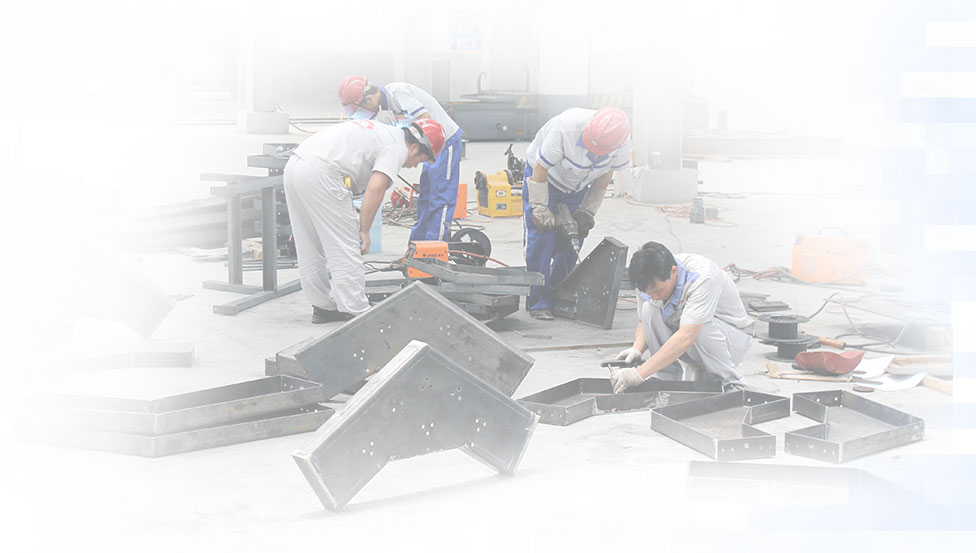
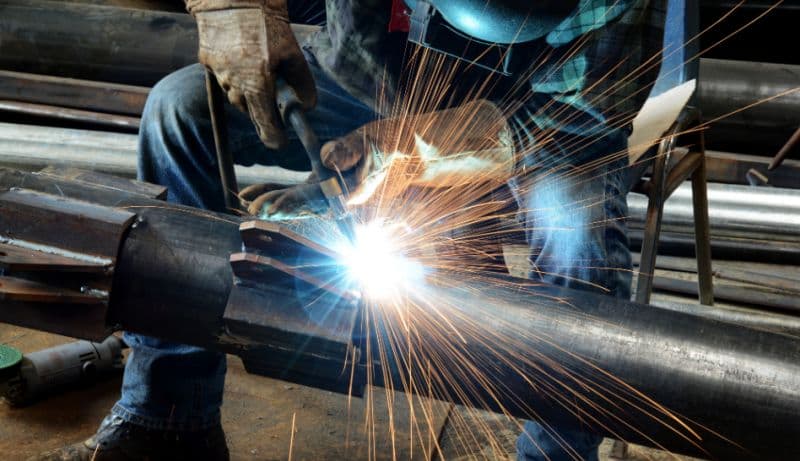
The critical components of the of the complete pellet production line equipment are built in our own workshops in Asia. Additional equipment is manufactured by our worldwide network of reliable partners.

● Testing
Quality Inspection & Testing
Before leaving the factory, all equipment will be inspected by the quality inspection department. We can also provide customers with testing services from a single machine to a complete pellet plant system, and provide you with real actual data for “worry-free use.”

● Delivery
Equipment Delivery
In equipment boxing and packaging, we adopt professional packaging and modular solutions to ensure the safe and non-destructive delivery of pellet plant equipment.
● Installation
Installation & Commissioning
Whether you choose your own subcontractor for the erection phase or you want to install everything together with us, a Richi supervisor will be around to make sure everything is mounted in a safe and thorough way.

● Training
Staff Training
We provide comprehensive training for the technicians of each project. We can also continue to provide support for the technicians during latter project operation.
● After-sales
Project Follow-Up
When everything is up and running our Richiers will help you further whenever needed. We are ready to answer your call 24/7.We’ll also visit you regularly to learn about your needs.
Who we are
RICHI Machinery is one of the world’s leading suppliers of technology and services for the animal feed, aqua feed and pet food industries, also the largest pellet production line manufacturer in China.
Since 1995, RICHI’s vision to build a first-class enterprise, to foster first-class employees, and to make first-class contributions to society has never wavered.
In the past three decades, we have expanded our business to a wide range of areas, including animal feed mill equipment, aqua feed equipment, pet feed equipment, biomass pellet equipment, fertilizer equipment, cat litter equipment, municipal solid waste pellets equipment, etc.

1995
RICHI Established

2000+
Serving More Than 2000 Customers

120+
RICHI Employees

140+
Exported To 140 Countries