 0086-138 3838 9622
Complete Biomass Pellet Line in Australia
RICHI MACHINERY
Project Overview
A 2t/h complete biomass pellet line in Australia was commissioned in early 2024 for a client in the Riverina region of New South Wales, approximately 450km southwest of Sydney. The facility processes 6,000 tons of agricultural and wood waste annually into 5,000 tons of premium biomass pellets for the Australian industrial and residential heating markets.
The biomass pellet plant operates one 8-hour shift per day, 300 days per year (2,400 total operating hours), with 4 employees. Total investment was $72,000 USD, of which $8,500 was allocated to environmental protection (baghouse filter, dust enclosures, and wastewater collection).
What makes this 2t/h complete biomass pellet line in Australia unique is its feedstock blend and its repurposed location. The client uses walnut shells – 3,000 t/yr sourced from local walnut orchards and sawdust and shavings – 3,000 t/yr from timber mills.
The facility is built within an existing industrial site that previously housed a charcoal production line, allowing the client to utilize existing infrastructure, power supply, and even share equipment like the crusher and baghouse with the dormant operation.
2T/H
capacity
$72,000
investment
Australia
location
Biofuel
project type
RICHI MACHINERY
The First Call – “I Have Two Waste Streams and an Idle Factory”
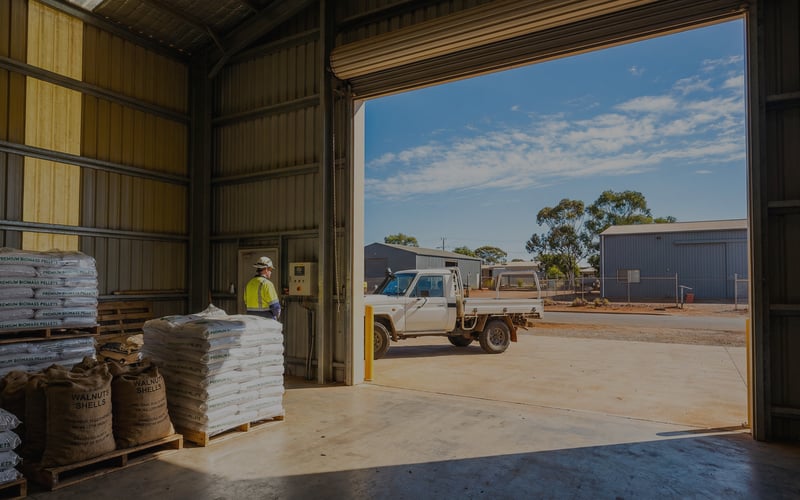
The client owned a site that previously operated a 1,000 t/yr charcoal production line. The charcoal business had slowed due to market conditions and stricter emissions regulations. The site had a 1,200m² warehouse, a 5m³ septic system, a 250kVA transformer, and a fully functional dust collection system.
He had two sources of raw material: walnut shells from processing plants in the Riverina (a major walnut-growing region) and sawdust from local timber mills. Both were dry (moisture under 12%) and required no drying.
His question: “Can I set up a 2t/h complete biomass pellet line in Australia inside my existing factory using walnut shells and sawdust?”
We told him yes. The existing infrastructure would save him significant capital. The walnut shells would need crushing (they are harder than wood), but the sawdust could go directly to pelleting. No dryer needed.
RICHI MACHINERY
Raw Materials – Walnut Shells and Sawdust
The client set up collection agreements with two walnut processing plants and three timber mills within a 100km radius.
| Raw Material | Annual Input (tons) | As-Received Moisture | Cost (USD/ton) | Source |
|---|---|---|---|---|
| Walnut shells | 3,000 | 10-12% | $35 | Walnut processing plants |
| Sawdust and shavings | 3,000 | 10-15% | $25 | Local timber mills |
| Total | 6,000 | Avg 11-13% | $30 avg |
The client pays $35/ton for walnut shells – they are dense, high-calorific value material. Sawdust is cheaper at $25/ton. The blend produces a pellet with excellent burn characteristics.
Total input 6,000 tons, output 5,000 tons. The 1,000-ton difference accounts for:
- Dust collected: approximately 0.5 tons (returned to production)
- Moisture loss: minimal (raw material is already dry)
- Packaging waste: negligible
The client also generates about 0.3 tons of contaminants – plastic, nails, stones from the manual sorting process, which is sent to landfill.
RICHI MACHINERY
Equipment List – Sharing and New
The client shared the crusher and baghouse with the existing dormant charcoal line. The crusher was rated for 15,000 t/yr – more than enough for both operations.
| Equipment | Quantity | Power | Function | Status |
|---|---|---|---|---|
| Crusher | 1 | 75kW | Crushing walnut shells to <1mm | Shared with charcoal line |
| Enclosed screw feeder | 3 | 2.2kW each | Material transfer | New |
| Biomass pellet mills | 2 | 110kW each | Pelleting (2.5 t/h each) | New |
| Finished belt | 1 | 1.5kW | Pellet transfer | New |
| Cooling fans | 3 | 0.5kW each | Air cooling | New |
| Bagging machine | 1 | 2.2kW | Bagging | New |
| Baghouse dust collector | 1 | 7.5kW | Dust collection | Shared with charcoal line |
| Fan | 1 | 5.5kW | Baghouse air flow | Shared |
| Trucks | 2 | Diesel | Material transport | Existing |
Equipment price (new items, EXW Qingdao port): $48,000 USD
The shared equipment (crusher and baghouse) had already been depreciated on the charcoal line’s books, so the client allocated only a portion of their value to this biomass pellet project.
Shipping: Two 40-foot containers. Departed Qingdao September 15, 2023. Arrived Port of Melbourne, Australia on October 28, 2023. Sea freight: $5,800 USD. Rail freight from Melbourne to the Riverina region (about 500km) added $2,200 USD.
RICHI MACHINERY
The client’s existing building was 1,200m², divided into three zones.
| Area | Size (m²) | Function |
|---|---|---|
| Raw material storage | 400 | Walnut shell and sawdust storage |
| Production area | 650 | Crusher, pellet mills, cooling, bagging |
| Finished goods storage | 150 | Bagged pellets |
RICHI MACHINERY
Process Flow – Two Feedstocks, One Line
Here’s how the 2t/h complete biomass pellet line in Australia actually runs.
Step 1 – Manual Sorting
Walnut shell and sawdust are dumped on the receiving floor. Workers manually remove contaminants: plastic bottles, cigarette packs, cigarette butts, nails. This produces about 0.3 tons/year of solid waste.
Step 2 – Crushing – Walnut Shells Only
Walnut shell are fed into the crusher. Output size: <1mm particles. Sawdust bypasses this step. The crusher is enclosed and connected to the baghouse.
Step 3 – Pelleting
Both materials are fed into two biomass pellet making machines via enclosed screw feeders. Each mill produces 2.5 t/h, but the client runs them at 70-80% capacity for sustained operation. Total output: 3.5-4.0 t/h (derated to 2.5 t/h for the 8-hour shift).
The pelleting process is ambient temperature forming. High pressure (300T) generates friction heat (55-65°C), softening the lignin. No added binders. The mills are enclosed, and the enclosed screw feeders prevent dust escape.
Step 4 – Cooling
Pellets exit at 55-65°C and are conveyed on the finished belt. Three cooling fans blow ambient air across the pellets. By the time they reach the end of the belt, temperature has dropped to 30-35°C.
Step 5 – Bagging and Storage
Cooled pellets are bagged using the bagging machine and stacked in the finished goods storage. The client sells about 70% in 15kg bags (retail) and 30% in bulk bags (industrial).
RICHI MACHINERY
Dust Collection – Shared Baghouse
The client shared the existing baghouse with the charcoal line. The system had sufficient capacity (designed for 15,000 t/yr crushing; actual load from both operations was well under that).
System specifications:
- Type: Pulse-jet baghouse
- Collection points: Crusher, pellet mill inlets, screw feeder connections
- Collection efficiency: 99% on particles >0.1μm
Emissions:
- Collected dust: returned to production
- Stack emissions: well below NSW EPA limits
The client also implemented enclosure measures: enclosed screw feeders and enclosed pellet mill inlets.
RICHI MACHINERY
The Australian Market for Biomass Pellets
Australia’s biomass pellet market is growing. The country has:
- A large agricultural sector producing walnut shells, almond shells, rice husks, and other residues
- Rising energy prices making biomass competitive
- Government incentives through the Renewable Energy Target (RET)
- A developing export market to Japan and South Korea
The client’s customers:
- A poultry farm in New South Wales (150 tons/month)
- A food processing plant (100 tons/month)
- Retail customers via hardware stores (167 tons/month)
The client is exploring export to Japan, where Australian wood pellets are in demand due to their low ash and high calorific value.
RICHI MACHINERY
What the Client Learned
We spoke with the client in July 2024, five months after startup. Here are his observations.
What worked well:
- Shared equipment. “The crusher and baghouse were already there. Saved me $30,000.”
- Two-mill configuration. “If one biomass fuel pellet machine needs maintenance, I run one mill at 1.25 t/h. No lost production.”
- No dryer. “Australian walnut shells and sawdust are dry. Saved $100,000.”
What he would change:
- “Walnut shells are harder than I expected.” The crusher blades wear out twice as fast as with wood. He’s ordering spare blades ($800).
- “The cooling fans need more airflow.” He’s adding two more fans ($300).
- “I need a moisture meter for incoming material.” He’s ordering a handheld meter ($200).
RICHI MACHINERY
What We Provided
For this 2t/h complete biomass pellet line in Australia, we delivered:
- Process design – Dual-feedstock line with shared equipment integration.
- Equipment package – Two biomass pellet presses, screw feeders, belt conveyor, cooling fans, bagging machine.
- Installation supervision – Our engineer spent 10 days in New South Wales.
- Operator training – Two days on die changes, feedstock blending, and Australian compliance.
- Spare parts kit – One spare die per mill (two total), bearings, belts, and filter bags.
RICHI MACHINERY
Thinking About a Pellet Line in Australia?
If you’re looking at a 2t/h complete biomass pellet line in Australia – or anywhere with agricultural residues – here’s what we’ve learned from this project:
- Walnut shells are excellent feedstock. High calorific value, low ash. But they wear crusher blades faster than wood. Budget for spare blades.
- Shared equipment saves capital. If you have an existing industrial site with dust collection or power infrastructure, use it.
- No dryer needed. Australian agricultural residues are often sun-dried. Test your feedstock moisture before buying a dryer.
- Two mills at 2.5 t/h each is a sweet spot. Run them at 70-80% for sustained operation. One spare gives you redundancy.
The client in New South Wales is already profitable and planning to expand to 10,000 t/yr by adding a third mill.
Contact us for a site assessment or equipment quote. We can provide references from this biomass pellet production line project upon request.
● RICHI MACHINERY
RICHI Service

● Consulting
Customer Consultation
We want to have a deep understanding of your industrial process, to know your exact needs of feed, wood, biomass, fertilizer or other pellet processing.
● Design
biomass Pellet Plant Design
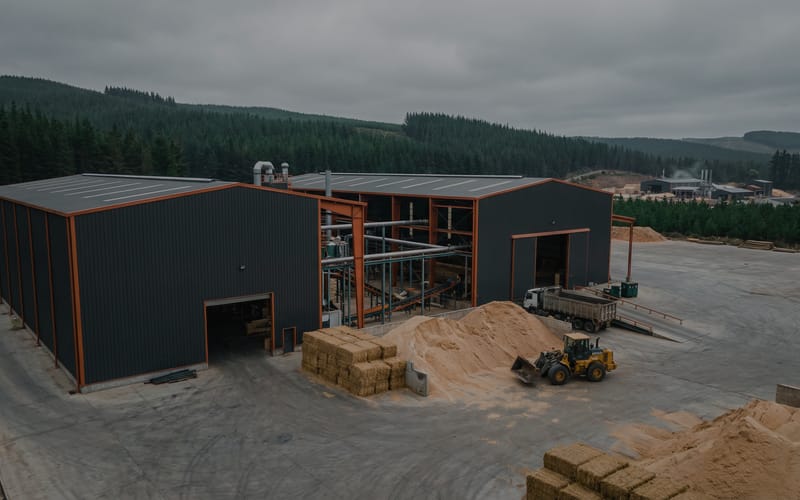
Based on your unique situation and industrial process, we will tailor complete pellet plant you need, and inform you of every additional detail that could facilitate operation, minimize total cost.
● Manufacturing
Equipment Manufacturing
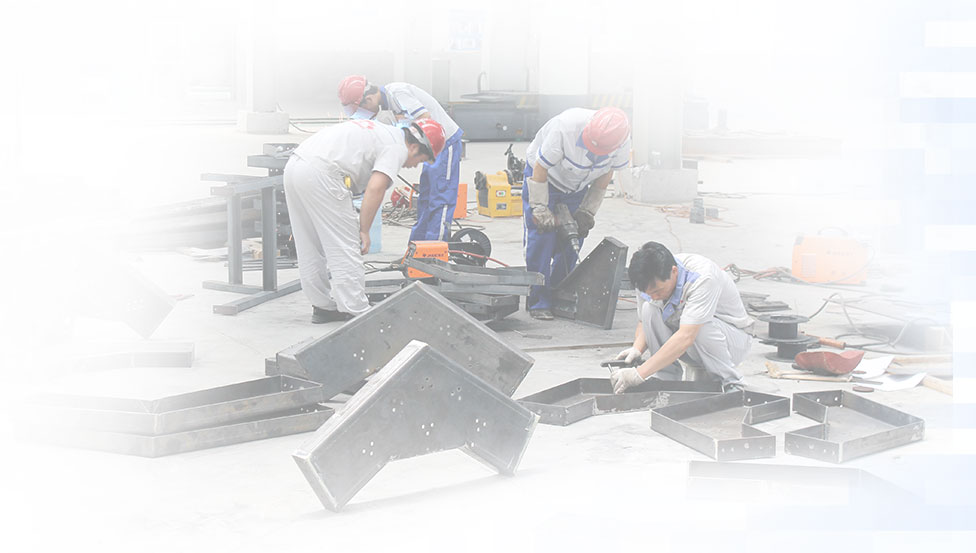
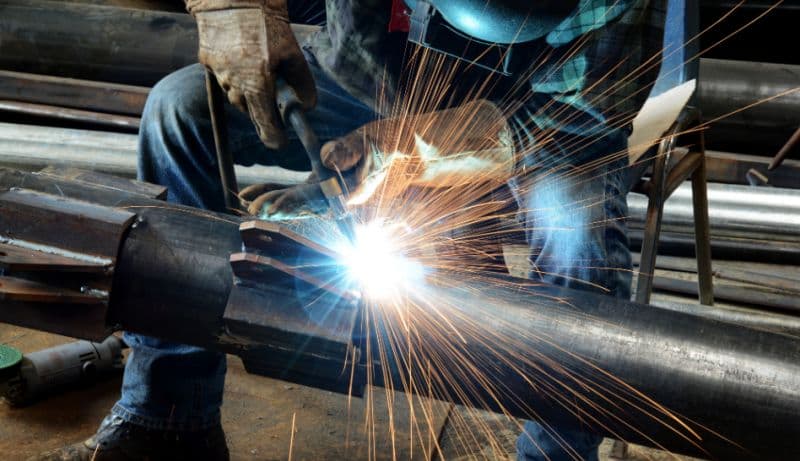
The critical components of the of the complete pellet production line equipment are built in our own workshops in Asia. Additional equipment is manufactured by our worldwide network of reliable partners.
● Testing
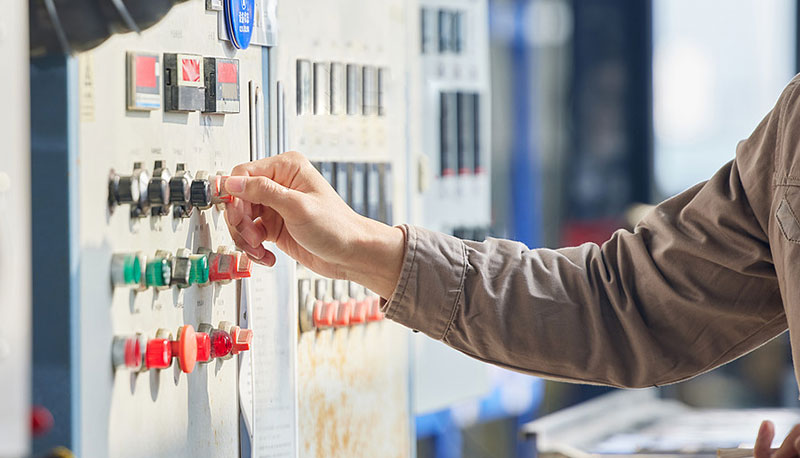
Quality Inspection & Testing
Before leaving the factory, all equipment will be inspected by the quality inspection department. We can also provide customers with testing services from a single machine to a complete pellet plant system, and provide you with real actual data for “worry-free use.”

● Delivery
Equipment Delivery
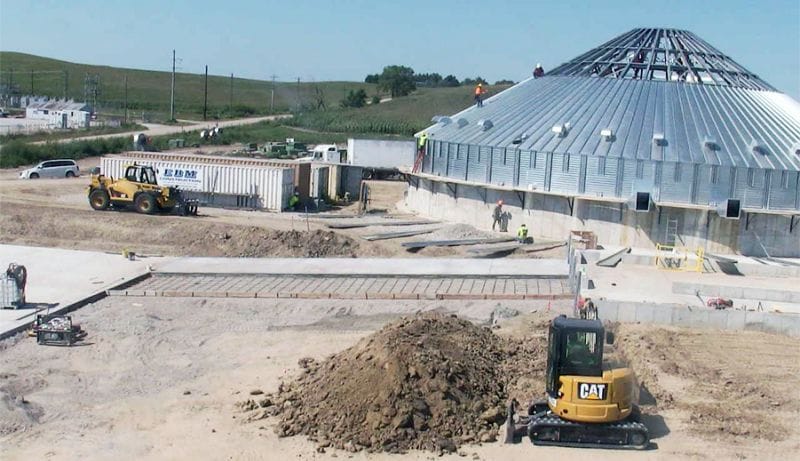
In equipment boxing and packaging, we adopt professional packaging and modular solutions to ensure the safe and non-destructive delivery of pellet plant equipment.
● Installation
Installation & Commissioning
Whether you choose your own subcontractor for the erection phase or you want to install everything together with us, a Richi supervisor will be around to make sure everything is mounted in a safe and thorough way.

● Training
Staff Training
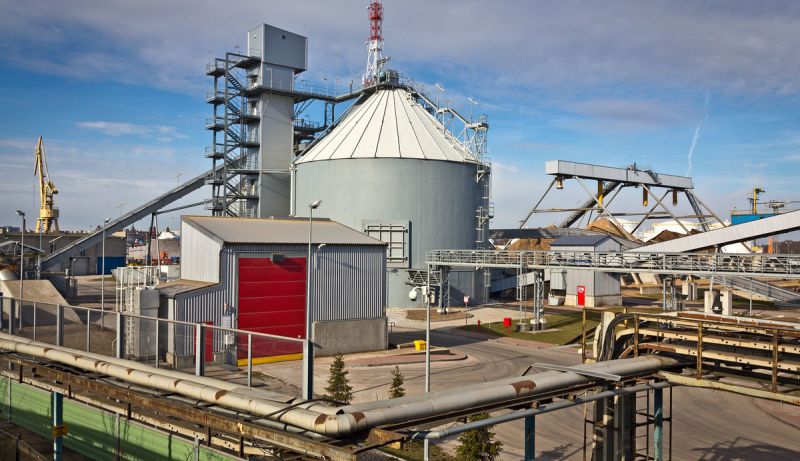
We provide comprehensive training for the technicians of each project. We can also continue to provide support for the technicians during latter project operation.
● After-sales
Project Follow-Up
When everything is up and running our Richiers will help you further whenever needed. We are ready to answer your call 24/7.We’ll also visit you regularly to learn about your needs.
Who we are
RICHI Machinery is one of the world’s leading suppliers of technology and services for the animal feed, aqua feed and pet food industries, also the largest pellet production line manufacturer in China.
Since 1995, RICHI’s vision to build a first-class enterprise, to foster first-class employees, and to make first-class contributions to society has never wavered.
In the past three decades, we have expanded our business to a wide range of areas, including animal feed mill equipment, aqua feed equipment, pet feed equipment, biomass pellet equipment, fertilizer equipment, cat litter equipment, municipal solid waste pellets equipment, etc.

1995
RICHI Established

2000+
Serving More Than 2000 Customers

120+
RICHI Employees

140+
Exported To 140 Countries