 0086-138 3838 9622
Wood Pellet Manufacturing Facility in Romania
RICHI MACHINERY
Project Background: Why Arad County?
Romania has been quietly becoming a serious player in the biomass heating market, especially in the western plains and the Carpathian foothills. Arad County sits right in a sweet spot. You’ve got:
- Forestry operations in the Apuseni Mountains to the east
- Furniture manufacturing hubs around Satu Mare and Oradea
- Agricultural waste (sunflower husks, corn stalks) from the plains to the west
But here’s the catch most foreign equipment suppliers miss: the collection and storage infrastructure isn’t like Germany’s. Waste wood piles sit outside. They get rained on. Then they sit under a tarp for three days and start heating up internally.
So a static, one-size-fits-all pellet line? That’s a recipe for frequent jams and unhappy operators.
The client wanted a 2t/h wood pellet manufacturing facility that could handle average feedstock MC between 12-18%, with occasional spikes to 22-24% during wet weeks. No forced hot-air dryer (too expensive on electricity and maintenance). But also no naive assumption that everything arrives at 10% MC.
2T/H
capacity
$178,000
investment
Romania
location
Biofuel
project type
RICHI MACHINERY
The First Call: A Realistic Start
We got an inquiry in late May 2024. Not one of those polished, multi-page RFQs with every detail pre-defined. It was shorter. The subject line just said: “2t/h wood pellet manufacturing facility – need realistic setup.”
The guy on the other end—let’s call him the project lead—had done some homework. He knew the local market. He knew what biomass was available. But he was stuck on one thing: inconsistent moisture content in Romanian waste wood.
He’d seen too many wood pellet production lines in Hungary and Serbia fail within six months because they copied a German or Austrian design. Those designs assume perfect, kiln-dried sawdust. That’s not what he had.
He had access to:
- Furniture factory offcuts (10-14% MC)
- Construction waste wood (often 18-22% MC, sometimes higher after rain)
- Some pallet shredding leftovers
His big question wasn’t “how many horsepower?” It was: “How do you engineer a 2t/h wood pellet manufacturing facility that won’t choke when a load of slightly damp trim shows up?”
That’s the kind of conversation we actually like. Not a spec sheet fight. A real problem.
RICHI MACHINERY
Raw Materials & Consumption
The feedstock mix is straightforward but requires careful inbound management. Here’s what the client secured contracts for before signing with us:
| Raw Material Type | Annual Consumption (tons) | Max Storage on Site (tons) | As-Received Moisture | Source |
|---|---|---|---|---|
| Waste wood (furniture grade) | 3,200 | 80 | 10-14% | Local cabinet manufacturer |
| Construction waste wood (clean, untreated) | 1,500 | 60 | 16-22% | Demolition waste sorting facility |
| Pallet scraps | 302 | 40 | 12-18% | Logistics depot in Timișoara |
| Total | 5,002 | 180 | Variable |
The total input-to-output ratio is about 1.0004:1 by weight, accounting for moisture loss and dust collection. The client actually overbought slightly on purpose—5002 tons input for 5000 tons output—to have buffer for fine particle loss and the occasional rejected bale.
No binders or additives. The natural lignin in the wood does the binding work during the pelleting step. That’s one less thing to buy and store.
RICHI MACHINERY
The Custom Process Flow
We didn’t just hand over a standard P&ID. We sat down and walked through each step with their local operations guy. Here’s what the actual 2t/h wood pellet manufacturing facility flow looks like, with the tweaks we made specifically for this region:
Step 1 – Reception and Manual Pre-Sorting
Before anything hits the metal, a two-person team pulls out obvious contaminants: stones, metal brackets, plastic wrapping, and the occasional piece of painted wood that shouldn’t go into clean biomass. They run a 6-hour shift, not continuous. The rest of the time, material feeds from the storage pile.
Step 2 – Magnetic Separation (Overbelt Magnet)
We spec’d an overbelt magnetic separator, not just a drum magnet. Why? Because Romanian waste wood sometimes has long pieces of rebar or steel strapping that can wrap around a drum and cause a shutdown. The overbelt pulls it off from above before it reaches the crusher.
Step 3 – Primary Crushing (Slow-Speed Shredder)
The client initially asked about a high-speed hammer mill. We talked them out of it. High-speed mills hate variable moisture. They get screen blinding and generate too much fine dust that clumps. Instead, we used a low-speed (150 RPM) twin-shaft shredder with interchangeable screens. First pass takes material down to 30-50mm chips.
Step 4 – Intermediate Storage and Blending (Live Bottom Bin)
This is the part that makes the 2t/h wood pellet manufacturing plant actually work. A live bottom bin with variable-speed discharge allows them to blend drier furniture waste (14% MC) with wetter construction waste (20% MC) before final milling. The bin has internal sweep augers to prevent bridging—a common problem with fibrous wood that’s slightly compressed.
Step 5 – Fine Grinding (Hammer Mill with Reversible Hammers)
Now we do use a hammer mill, but only after the moisture is blended down to <16% average. We chose a 132kW unit with hardened, reversible hammers. The client can flip hammers every 150 hours instead of replacing them. Screen size: 6mm for biomass pellet standard.
Step 6 – Pelleting (One Main Pellet Mill, No Standby)
The heart of the 2t/h wood pellet manufacturing facility is a single ring-die wood pellet mill. Model: RICHI 508. Die hole diameter: 8mm for residential-grade heating pellets. We designed it for 2-2.5 t/h sustained output, not maxed-out nameplate capacity. The motor is 200kW, running at 80-85% load during normal operation.
No external heating. Friction alone raises the wood temperature to 90-110°C, enough to soften lignin naturally.
Step 7 – Cooling and Screening (Counterflow Cooler + Scalping Screen)
Straight out of the die, pellets are soft and hot (~80°C). They go into a counterflow air cooler for 15-20 minutes. Then a double-deck screener removes fines (which get cycled back to the pellet mill inlet).
Step 8 – Bagging and Bulk Loading
The client chose a mix: 15kg retail bags (for local home heating market) and bulk truck loading for industrial customers (brick factories, greenhouses). Two bagging spouts, one manual palletizer.
RICHI MACHINERY
Equipment List (What Actually Got Installed)
Not a showroom list. These are the actual machines delivered in August 2024.
| Equipment | Quantity | Role |
|---|---|---|
| Overbelt magnetic separator | 1 | Tramp metal removal |
| Low-speed twin-shaft shredder | 1 | Primary size reduction (30-50mm) |
| Live bottom blending bin | 1 | Moisture equalization |
| Hammer mill (132kW, 6mm screen) | 1 | Fine grinding |
| Ring-die wood pellet press | 1 | Main pelleting |
| Counterflow cooler | 1 | Temperature reduction |
| Double-deck screener | 1 | Fines removal |
| Bagging spouts | 2 | 15kg bags |
| Front-end loader | 1 | Feedstock handling |
| Forklift | 1 | Bag palletizing |
| Truck scale | 1 | Inbound/outbound weighing |
Total wood pellet processing equipment cost (EXW, Qingdao port): $178,000 USD
RICHI MACHINERY
Plant Layout and Building Constraints
The client leased an existing industrial building in an organized park near Arad. Not purpose-built for pellets, so we had to adapt.
- Total footprint used: 2,040 m²
- Main production hall: 1,400 m² (one floor)
- Raw material storage: 200 m² (separate bay)
- Finished goods storage: integrated within main hall
- General solid waste storage: 20 m² (dust collection bags, metal scrap)
- Office + break area: 400 m² over three floors (ground: showroom/rest, first: offices + small kitchen, second: rest area for shift workers)
The building height was 8 meters at the eaves—tight but workable. We had to put the cooler on a mezzanine to gravity-feed into the screener. The pellet mill sits on a reinforced concrete base (vibration was a concern; the neighbor unit does light fabrication).
No external silos. The client decided against them due to local permitting delays. Instead, they use the 200 m² storage bay for loose wood chips and run a daily shift to keep the blending bin fed.
RICHI MACHINERY
Utilities and Operating Schedule
Power: 400V, 50Hz grid supply. Total connected load is 520kW, but actual running draw is around 350-380kW at full production. The local grid in Arad industrial zone is stable; no voltage sags reported so far.
Water: Only for staff. No process water. Municipal supply, 20 people, 50L/person/day = 300 m³/year. Sewage to municipal treatment after a simple septic tank.
Labor: 8 people total, not 20. The original plan overestimated. Actual crew:
- 2 material handlers (loader + forklift)
- 2 operators (one on pellet mill, one on hammer mill/cooler)
- 1 quality/bagging
- 1 maintenance/electrical
- 1 site manager
- 1 cleaner/relief
Shift: 8 hours/day, 300 days/year = 2,400 operating hours.
RICHI MACHINERY
The Real Headache We Solved (And Why It Matters)
About three weeks after commissioning, the client called. Pellets were coming out with surface cracks and high fines. Output had dropped to 1.2 t/h.
We flew a technician from our regional support hub in Budapest. First thing he checked: moisture at the pellet mill inlet. It was 19%. The construction waste pile had gotten rained on for two days, and the blending bin wasn’t being fed proportionally because the loader operator was rushing.
The fix wasn’t new hardware. It was a simple blending protocol:
- Every morning, test moisture of each feedstock pile with a handheld meter.
- Calculate blend ratio to hit 14-15% target.
- Set live bin discharge speeds accordingly.
We also added a small moisture meter display at the operator station. Cost: $400. The client later added a second blending bin so they could pre-mix a shift’s worth of material at the correct ratio.
That’s the difference between selling a box and engineering a solution. The 2t/h wood pellet manufacturing facility now runs at 2.1-2.3 t/h consistently, even during Romania’s wet autumn months.
RICHI MACHINERY
Environmental and Operational Notes
No forced-draft dryer means no combustion permit hassles. That was a deliberate choice. In Arad County, getting an environmental permit for a biomass dryer adds 4-6 months and $15,000 in fees.
Dust control: Two baghouse filters. One for the hammer mill, one for the pellet mill. Both discharge into sealed containers. Collected dust gets re-pelleted (it’s just fine wood, after all).
Noise: The pellet mill runs at about 95 dB at 1 meter. Building is concrete sandwich panels. At the property line (30 meters away), it’s under 65 dB. Compliant with Romanian norms.
Waste streams:
- Ferrous metal: sold to scrap dealer (about 15 tons/year)
- Dust: re-used (zero waste)
- Rejected pellets: crushed and re-pelleted
RICHI MACHINERY
Timeline
| Milestone | Date |
|---|---|
| Initial inquiry | May 22, 2024 |
| Technical proposal sent | June 5, 2024 |
| Site visit (our rep + client) | June 18, 2024 |
| Contract signed | June 28, 2024 |
| Payment received (30% deposit) | July 5, 2024 |
| Manufacturing complete | August 10, 2024 |
| Shipped from Qingdao | August 15, 2024 |
| Arrived Constanța | September 12, 2024 |
| Installation start | September 25, 2024 |
| First pellets produced | October 18, 2024 |
| Performance acceptance signed | November 5, 2024 |
From first email to first saleable pellet: just under 5.5 months.
RICHI MACHINERY
Why Romania Right Now for Wood Pellets?
The EU’s push away from Russian natural gas has created a real opportunity in Central and Eastern Europe. Romania specifically:
- Has its own natural gas, but prices for households still doubled between 2021 and 2023. Pellets are now cost-competitive.
- Subsidy programs for replacing old coal/wood stoves with modern pellet boilers (through AFM – Administration of Environmental Fund).
- Surplus waste wood from furniture manufacturing (the region around Reghin and Satu Mare produces thousands of tons annually).
- Trucking distance to Hungary and Serbia is short, so export is viable if local demand softens.
The client’s 2t/h wood pellet manufacturing facility produces about 5,000 tons annually. At current wholesale prices in Romania (€180-210/ton), that’s roughly €900,000 to €1.05 million in annual revenue. Even after paying for raw material (€25-35/ton delivered), electricity, labor, and maintenance, the payback period is comfortably under 24 months.
And that’s at conservative prices. During the peak winter of 2022, retail bagged pellets hit €450/ton in some Romanian cities.
RICHI MACHINERY
What We Actually Provide
A customer doesn’t just buy a pellet mill. They buy a production plan.
For this wood pellet plant construction project, we delivered:
- Process design (layout, material flow, moisture management strategy)
- Equipment selection (right machine for Romanian waste wood, not a German spec sheet)
- Installation supervision (our guy slept in Arad for 12 nights)
- Operator training (two days on blending ratios, die gap settings, hammer reversal schedule)
- Spare parts kit (one extra die, two sets of hammers, belts, bearings – enough for 2,000 operating hours)
We didn’t just email a manual. We did a WhatsApp video call at 9 PM on a Saturday when the automatic lubricator fault code popped up. That’s the actual service.
RICHI MACHINERY
A Few Things We’d Do Differently
If we did this biomass pellet project again:
- Add a second blending bin from the start. The single bin works, but dual bins would allow continuous operation while refilling.
- Spec a slightly larger cooler. The current unit handles 2 t/h fine, but during summer (30°C ambient), pellets come out at 45°C instead of 35°C. Still within spec, but higher than ideal for bagging.
- Convince the client to buy a moisture meter with data logging. They’re using a $150 handheld now. It’s fine, but a mounted near-IR meter at the pellet mill inlet would automate the blending.
But the client was on a budget. And the 2t/h wood pellet manufacturing facility works. It makes money. That’s what counts.
RICHI MACHINERY
Thinking About Your Own Project?
If you’re looking at biomass pellets—whether from wood, agricultural residues, or even sunflower husks—the questions aren’t just about “which pellet mill brand.” The real questions are:
- What’s your actual feedstock moisture range, week to week?
- Do you have covered storage, or will rain be a problem?
- Who’s your local electrical contractor for the 400V connection?
- What’s your exit plan for fines and rejected pellets?
We’ve done 2t/h wood pellet manufacturing facilities in Serbia, Bulgaria, Poland, and now Romania. Each one needed a slightly different hammer mill screen, a different blending strategy, a different cooler sizing.
We don’t guess. We ask the messy questions first. Then we build.
If this sounds like the kind of realistic conversation you want to have—whether you’re in Cluj, Craiova, or somewhere else entirely—send us a message. Tell us what raw material you have, not what equipment you think you need. We’ll take it from there.
● RICHI MACHINERY
RICHI Service

● Consulting
Customer Consultation
We want to have a deep understanding of your industrial process, to know your exact needs of feed, wood, biomass, fertilizer or other pellet processing.

● Design
biomass Pellet Plant Design
Based on your unique situation and industrial process, we will tailor complete pellet plant you need, and inform you of every additional detail that could facilitate operation, minimize total cost.
● Manufacturing
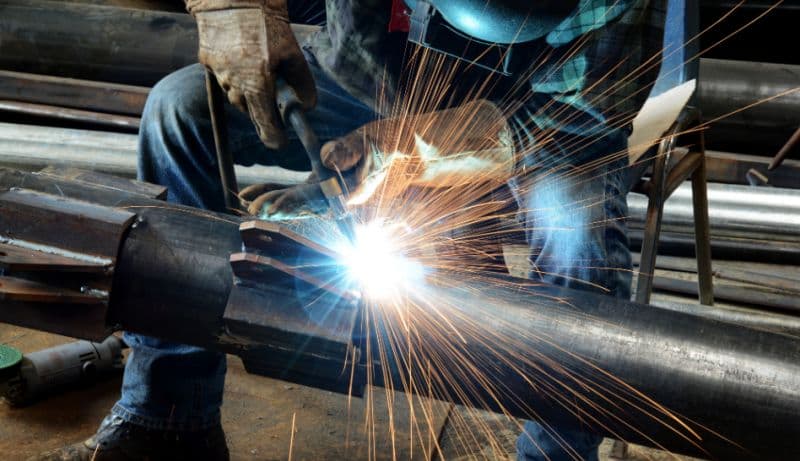
Equipment Manufacturing
The critical components of the of the complete pellet production line equipment are built in our own workshops in Asia. Additional equipment is manufactured by our worldwide network of reliable partners.
● Testing
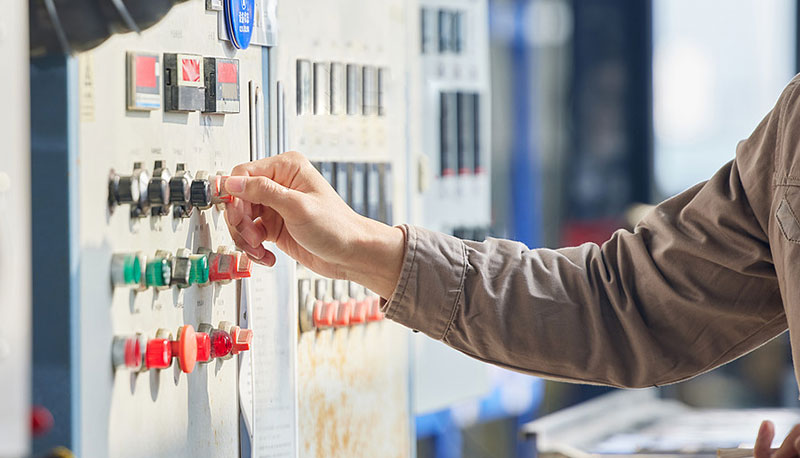
Quality Inspection & Testing
Before leaving the factory, all equipment will be inspected by the quality inspection department. We can also provide customers with testing services from a single machine to a complete pellet plant system, and provide you with real actual data for “worry-free use.”

● Delivery
Equipment Delivery
In equipment boxing and packaging, we adopt professional packaging and modular solutions to ensure the safe and non-destructive delivery of pellet plant equipment.
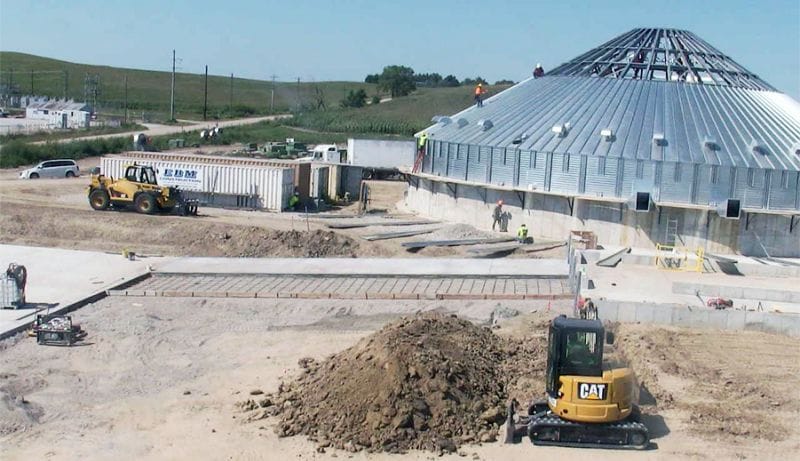
● Installation
Installation & Commissioning
Whether you choose your own subcontractor for the erection phase or you want to install everything together with us, a Richi supervisor will be around to make sure everything is mounted in a safe and thorough way.

● Training
Staff Training
We provide comprehensive training for the technicians of each project. We can also continue to provide support for the technicians during latter project operation.
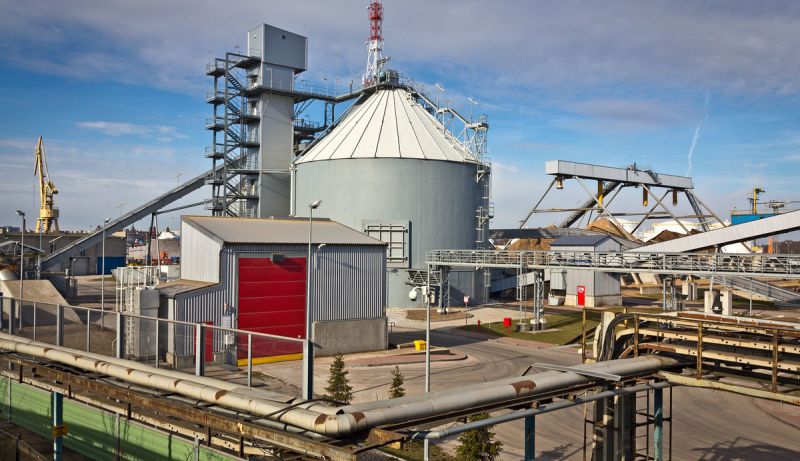
● After-sales
Project Follow-Up
When everything is up and running our Richiers will help you further whenever needed. We are ready to answer your call 24/7.We’ll also visit you regularly to learn about your needs.
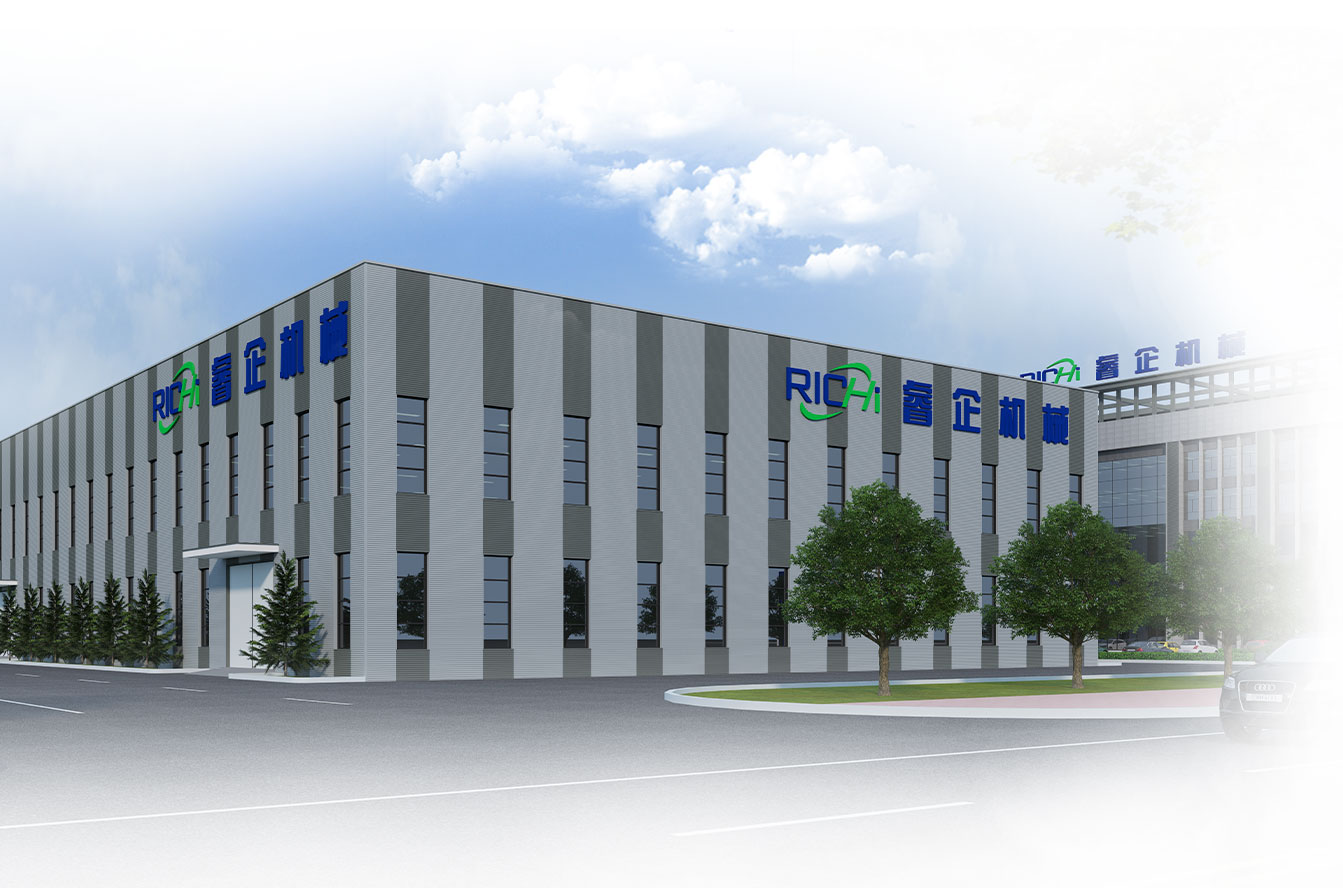
Who we are
RICHI Machinery is one of the world’s leading suppliers of technology and services for the animal feed, aqua feed and pet food industries, also the largest pellet production line manufacturer in China.
Since 1995, RICHI’s vision to build a first-class enterprise, to foster first-class employees, and to make first-class contributions to society has never wavered.
In the past three decades, we have expanded our business to a wide range of areas, including animal feed mill equipment, aqua feed equipment, pet feed equipment, biomass pellet equipment, fertilizer equipment, cat litter equipment, municipal solid waste pellets equipment, etc.

1995
RICHI Established

2000+
Serving More Than 2000 Customers

120+
RICHI Employees

140+
Exported To 140 Countries