 0086-138 3838 9622
Wood Pellet Factory Construction in Chile
RICHI MACHINERY
overview
The 5t/h wood pellet factory construction in Chile started from a very simple idea: turn low-value wood offcuts into something that can actually be sold year-round. What looks like a small-capacity pellet plant on paper turned out to be a carefully balanced system between raw material variability, plant layout, and dust control.
This 5t/h wood pellet plant construction in Chile is designed as a single-line pelletizing plant with an annual output of 10,000 tons. The configuration is not complicated, but every part — from crushing to dust collection — had to be adjusted based on how Chilean wood processing waste behaves in real conditions.
5T/H
capacity
$268,000
investment
Chile
location
Biofuel
project type
RICHI MACHINERY
How This Project Started
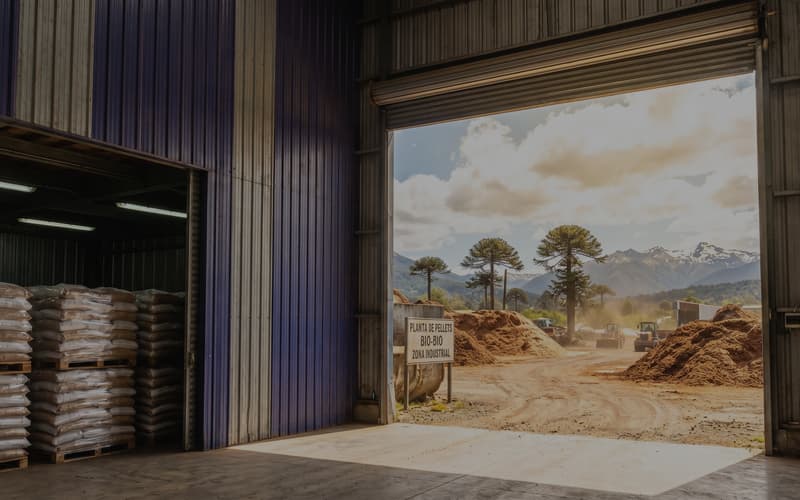
The client operates a mid-sized woodworking workshop in southern Chile, mainly processing pine and mixed hardwood for construction use. For years, waste was simply stacked or sold cheaply to nearby users.
Around March 2024, the client reached out with a straightforward question:
“We don’t want a big plant. Just something that runs reliably and doesn’t eat too much power. Can 5 tons per hour actually work for pellets?”
By May 2024, after several rounds of layout adjustments and raw material testing discussions, the project contract was signed.
The idea wasn’t to build a large biomass energy facility. Instead, the goal was:
- stabilize waste disposal
- create an additional revenue stream
- keep investment controlled
That’s why the capacity stayed at 5t/h, even though raw material supply could support more.
RICHI MACHINERY
Project Snapshot
| Item | Data |
|---|---|
| Project Name | 5t/h wood pellet factory construction in Chile |
| Raw Material | Pure wood offcuts (no paint, no glue) |
| Final Product | Biomass fuel pellets |
| Pellet Size | 8 mm |
| Annual Output | 10,000 tons |
| Working Days | 250 days/year |
| Working Time | 8 hours/day |
| Total Workers | 10 |
| Plant Area | 2,600 m² |
| Equipment Investment | ~USD 268,000 |
RICHI MACHINERY
Raw Material Situation
At first glance, “wood waste” sounds simple. In practice, it wasn’t.
The material came from:
- pine processing scraps
- hardwood trimming residues
- occasional mixed wood blocks
Moisture fluctuated depending on season. Some batches were close to 10%, others went above 20%. That’s why the process had to tolerate variation rather than assume ideal input.
Raw Material Consumption
| Material | Specification | Annual Consumption |
|---|---|---|
| Wood offcuts | Natural wood only (no coating, no glue) | 10,000 t/a |
| Pellet die | Metal | 2 sets/year |
A small but important detail:
During early discussions, the client considered buying cheaper mixed waste. That idea was dropped after explaining how adhesives would affect pellet quality and emissions.
RICHI MACHINERY
Plant Layout — A Simple Rectangle, But Not Random
The workshop is a rectangular 2,600 m² enclosed building. No fancy structure, but enough height to handle conveyors and airflow.
Originally, finished products were planned in the north area. During installation, this was shifted to the south side. It sounds minor, but it actually improved forklift movement and reduced crossing paths.
Functional Zoning
- Production zone: center of the workshop
- Raw material storage: west side (~400 m²)
- Finished pellet storage: south side (~1000 m²)
- Solid waste area: inside workshop (~10 m²)
Material flow is kept linear. No backtracking. That helps more than people think.
RICHI MACHINERY
Equipment Configuration
No oversized configuration here. Everything was selected to match the 5t/h throughput.
Equipment List
| Equipment | Quantity |
|---|---|
| Wood pellet mill | 2 |
| Wood chipper machine | 1 |
| Wood pellet hammer mill | 2 |
| Automatic bagging machine | 3 |
| Loader | 3 |
| Forklift (3 tons) | 1 |
| Air compressor | 1 |
| Fans | 2 |
One thing noticed during commissioning:
Running two wood pellet extruder machines instead of one larger unit gave better flexibility. When moisture fluctuates, operators can adjust load between machines.
RICHI MACHINERY
Process Flow — Not Complicated, But Needs Control
Instead of over-designing, this wood pellet production line follows a classic route. What matters is stability.
Production Steps
- Crushing
- Wood offcuts are fed into the crusher
- Output size: ~40×50 mm blocks
- Magnetic separation removes nails
- Dust collected via hood + bag filter
- Grinding
- Crushed wood enters hammer mills
- Final size: ≤14 mm sawdust
- Negative pressure system moves material
- Dust again routed to central bag filter
- Pelletizing
- Screw conveyor feeds material into wood granulator machines
- No additives, purely physical compression
- Final pellet diameter: 8 mm
- Dust collected from machine exhaust
- Cooling & Storage
- Pellets transferred via belt conveyor
- Stored in finished product area
RICHI MACHINERY
Dust Control — A Key Adjustment During Installation
Originally, only a bag filter system was planned.
During commissioning, operators reported visible dust in crushing and grinding zones. Not extreme, but enough to justify improvement.
So an additional step was introduced:
- spray mist system in critical areas
This reduced airborne dust significantly without affecting material moisture too much.
RICHI MACHINERY
Water & Utilities
Water usage is minimal and controlled.
| Type | Consumption |
|---|---|
| Staff use | 0.5 m³/day |
| Spray system | 1 m³/day |
| Wastewater | ~0.45 m³/day |
No process wastewater is generated. Most water from spray evaporates.
Power supply comes from the local industrial grid. No special infrastructure required.
RICHI MACHINERY
A Few Things That Didn’t Go Perfectly
Not everything worked immediately.
During the first trial:
- some material was too wet → pellets came out soft
- then too dry → production dropped
Operators had to learn to “read” the material:
“After a few days, they could tell just by touching the sawdust.”
That’s the kind of adjustment no manual really teaches.
RICHI MACHINERY
Shipping & Logistics
- Port of departure: Qingdao Port, China
- Destination port: Port of San Antonio, Chile
All wood pellet processing equipment was shipped by sea in standard containers. No oversized cargo was required, which kept logistics costs reasonable.
RICHI MACHINERY
Why This Type of Project Works Well in Chile
Chile has a strong wood processing industry, especially in the south. That means:
- steady supply of wood residues
- growing demand for biomass fuel
- increasing pressure on waste management
Small-to-medium pellet plants like this one fit well:
- manageable investment
- quick installation
- flexible operation
This biomass pellet project didn’t aim to be the biggest. It aimed to be stable — and that’s exactly why it works.
RICHI MACHINERY
A Practical Takeaway for New Buyers
Many clients ask whether they should start with a larger plant.
From this case, a few observations:
- A 5t/h wood pellet factory construction in Chile is enough to build experience
- Raw material consistency matters more than capacity
- Layout planning affects daily efficiency more than expected
And one thing that often gets overlooked:
It’s better to run a small plant well than struggle with a large one.
RICHI MACHINERY
What This Project Really Shows
This project is not about scale. It’s about control.
From raw material handling to dust management, every small decision adds up. The line itself is not complicated, but making it run smoothly took real adjustments.
For anyone considering a similar 5t/h wood pellet factory construction in Chile, the first step is not choosing equipment — it’s understanding your material.
That’s usually where the real conversation starts.
● RICHI MACHINERY
RICHI Service

● Consulting
Customer Consultation
We want to have a deep understanding of your industrial process, to know your exact needs of feed, wood, biomass, fertilizer or other pellet processing.
● Design
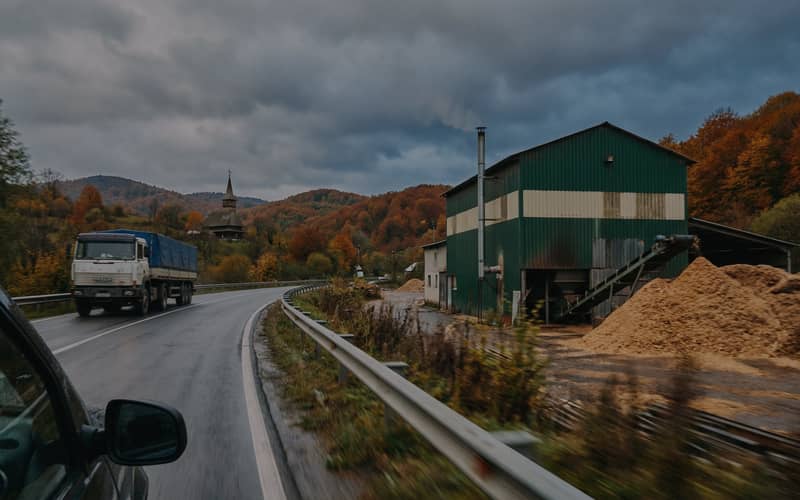
Wood Pellet Plant Design
Based on your unique situation and industrial process, we will tailor complete pellet plant you need, and inform you of every additional detail that could facilitate operation, minimize total cost.
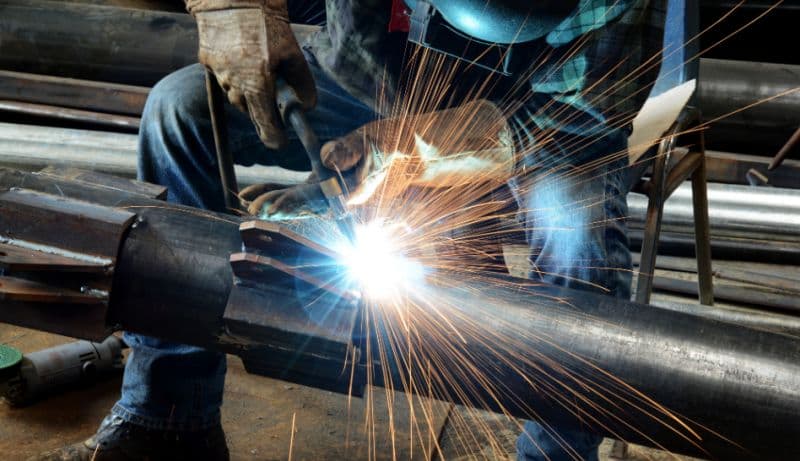
● Manufacturing
Equipment Manufacturing
The critical components of the of the complete pellet production line equipment are built in our own workshops in Asia. Additional equipment is manufactured by our worldwide network of reliable partners.
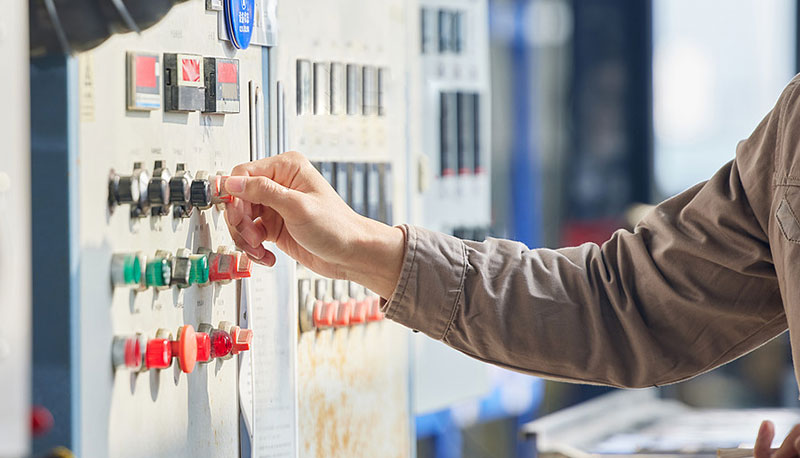
● Testing
Quality Inspection & Testing
Before leaving the factory, all equipment will be inspected by the quality inspection department. We can also provide customers with testing services from a single machine to a complete pellet plant system, and provide you with real actual data for “worry-free use.”

● Delivery
Equipment Delivery
In equipment boxing and packaging, we adopt professional packaging and modular solutions to ensure the safe and non-destructive delivery of pellet plant equipment.
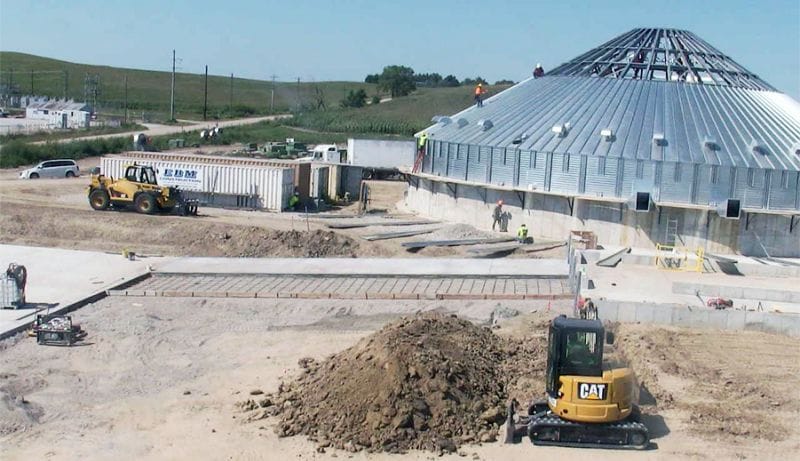
● Installation
Installation & Commissioning
Whether you choose your own subcontractor for the erection phase or you want to install everything together with us, a Richi supervisor will be around to make sure everything is mounted in a safe and thorough way.

● Training
Staff Training
We provide comprehensive training for the technicians of each project. We can also continue to provide support for the technicians during latter project operation.
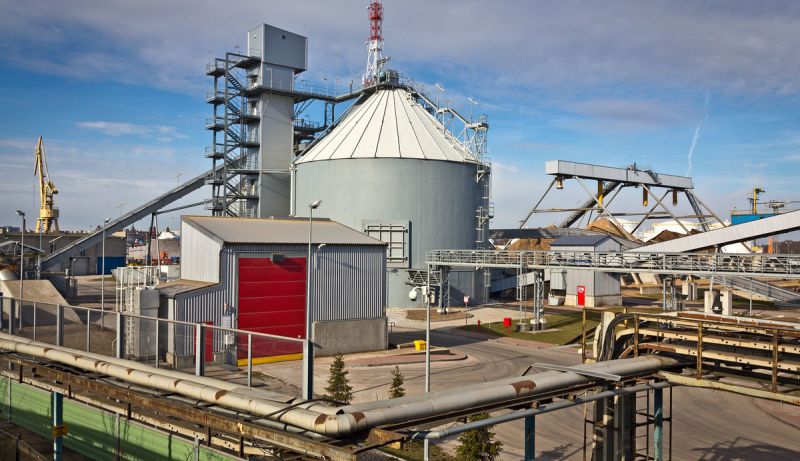
● After-sales
Project Follow-Up
When everything is up and running our Richiers will help you further whenever needed. We are ready to answer your call 24/7.We’ll also visit you regularly to learn about your needs.
Who we are
RICHI Machinery is one of the world’s leading suppliers of technology and services for the animal feed, aqua feed and pet food industries, also the largest pellet production line manufacturer in China.
Since 1995, RICHI’s vision to build a first-class enterprise, to foster first-class employees, and to make first-class contributions to society has never wavered.
In the past three decades, we have expanded our business to a wide range of areas, including animal feed mill equipment, aqua feed equipment, pet feed equipment, biomass pellet equipment, fertilizer equipment, cat litter equipment, municipal solid waste pellets equipment, etc.

1995
RICHI Established

2000+
Serving More Than 2000 Customers

120+
RICHI Employees

140+
Exported To 140 Countries