 0086-138 3838 9622
Wood Fuel Pellet Production Line in Kenya

RICHI MACHINERY
Overview
The wood fuel pellet production line in Kenya is a small-scale industrial project established to convert locally available wood residues into standardized fuel pellets, meeting the energy demands of nearby factories and households. Operating at a designed capacity of 2 tons per hour, the production line yields approximately 4,000 tons of wood pellets per year.
The facility utilizes an existing industrial workshop formerly used for furniture manufacturing, covering a total area of 1,000 m². Within this space, the production line integrates all processing stages including chipping, milling, drying, pelletizing, and packaging, arranged in a circular workflow to optimize material handling. Auxiliary areas such as raw material storage, semi-finished product warehouses, finished product storage, and a small office (15 m²) are accommodated within the same building.
The plant is designed to operate with a three-person team, working one 10-hour shift per day, 200 days per year, allowing for efficient management of labor costs while maintaining stable output. A small restroom facility (10 m²) is also available for staff convenience.
The primary raw materials include wood offcuts, scrap wood, and other high-calorific-value residues sourced from nearby woodworking facilities and farms. The drying process relies on waste wood as fuel, providing energy efficiency and cost savings.
The wood fuel pellet production line in Kenya employs the following main equipment:
| Equipment Name | Model | Quantity | Notes |
|---|---|---|---|
| Wood Chipper Machine | 216 | 1 | Equipped with cyclone + bag filter |
| Wood Pellet Hammer Mill | 800 | 1 | Equipped with cyclone + bag filter |
| Wood Chip Dryer | 1200 | 1 | Equipped with cyclone + bag filter |
| Wood Pellet Mill | 520 | 1 | Equipped with bag filter |
| Belt Conveyor | 1075/400*6 | 4 | For material transfer |
| Automatic Bagging Machine | K50 | 1 | For final pellet packaging |
The total project investment, including machinery, installation, and auxiliary infrastructure, is estimated at $120,000 USD, which is within the typical range for a 1.5–2 t/h wood pellet production line in Kenya.
1.5-2T/H
capacity
$120,000 USD
investment
100+
location
Biofuel
project type
RICHI MACHINERY
Project Background and Client Profile
Kenya has witnessed rapid urbanization and industrial growth, leading to rising energy demands in both commercial and domestic sectors. Traditional fuels such as charcoal and firewood are under pressure due to deforestation concerns and rising costs. Consequently, biomass pellet fuel offers a clean, sustainable, and cost-effective alternative.
The client initiating this wood pellet plant construction project is a local energy solutions entrepreneur seeking to provide alternative fuel to factories and institutions in the surrounding area. The client’s primary objective is to leverage abundant wood residues from small-scale sawmills, furniture factories, and agroforestry operations to produce high-quality pellets.
The chosen project site is strategically located near sources of wood residues, ensuring consistent raw material supply and reducing logistics costs. With a design capacity of 2 t/h, the plant is intended to meet year-round pellet supply requirements, while remaining scalable for future expansion.
Project rationale:
- Convert locally available wood residues into marketable fuel pellets.
- Provide a cleaner and more efficient energy source compared to charcoal and firewood.
- Promote sustainable waste management by utilizing wood waste.
- Ensure economic viability for small to medium-sized enterprises in Kenya.
RICHI MACHINERY
Raw Materials
The wood fuel pellet production line in Kenya relies on wood offcuts and scrap wood, materials which are widely available from local furniture and timber operations. These materials are high in calorific value, non-toxic, and suitable for pelletizing without additional additives.
The complete wood pellet plant ensures no use of materials containing paint, glue, ink, or other hazardous substances, maintaining product quality and compliance with environmental standards. The drying furnace uses waste wood as fuel, providing energy efficiency.
| Raw Material Type | Annual Supply (t) | Max Storage (t) | Source |
|---|---|---|---|
| Wood offcuts | 6,000 | 30 | Local sawmills and furniture shops |
| Scrap wood | 2,000 | 10 | Wood processing factories |
The fuel pellet plant follows a just-in-time storage approach, generally storing no more than one day’s production in raw material storage. This minimizes degradation, moisture accumulation, and fire risks.
RICHI MACHINERY
Production Process and Technology
The wood fuel pellet production line in Kenya uses a mechanical compression technology without chemical additives, relying solely on physical pressure to form pellets. The process workflow is as follows:
1. Raw Material Receiving and Storage
- Raw materials are delivered by trucks and temporarily stored in the workshop.
- Materials are sorted to remove oversized debris or foreign objects before processing.
2. Chipping and Milling
- Large wood residues are first chipped using a 216-type chipping machine.
- Chipped material is then milled with an 800-type hammer mill to achieve a uniform particle size suitable for pelletizing.
- Dust generated during chipping and milling is collected using cyclones and bag filters, ensuring clean air in the workshop.
3. Drying
- Material moisture content is critical for pellet quality. Drying is performed in a 1200-type drum dryer.
- The furnace uses waste wood fuel, heating air that passes through the drum to reduce material moisture to an optimal 10–12%.
- Particulate emissions from drying are filtered using cyclone + bag filter + water bath system and released through a 15 m exhaust stack.
4. Pelletizing
- Dried biomass is elevated to the 520-type wood pellet machine, where rollers compress the material through a die to form pellets of 6–10 mm in diameter.
- No chemical binders are added, and pellets require no post-drying.
- Dust collection is applied at the pellet machine using a local hood and bag filter system.
5. Packaging and Storage
- Finished pellets are automatically packaged in small bags for distribution.
- Off-spec or broken pellets are recycled back to the hopper for reprocessing.
- Packaged pellets are stored in a 40 m² finished product warehouse within the workshop.
RICHI MACHINERY
Environmental Protection Measures
Environmental management is an integral part of the wood fuel pellet production line in Kenya project:
1. Wastewater
- No production wastewater is generated.
- Water used for dust suppression in the drying and milling processes is recirculated, minimizing consumption.
2. Solid Waste
- General waste is collected and sent to local municipal facilities.
- Wood dust and off-spec pellets are recycled back into production.
- Ash from the drying furnace is sold as fertilizer or soil conditioner.
3. Air Emissions
- Chipping, milling, and pelletizing dust is collected using cyclone + bag filter systems.
- Drying emissions are treated with multi-stage filtration before discharge.
- Kitchen and staff areas have minimal emissions due to small-scale operations.
4. Noise Control
- High-noise equipment is installed on vibration-reducing foundations.
- Production workshop structure provides natural acoustic insulation.
RICHI MACHINERY
Labor and Work Schedule
The wood fuel pellet production line in Kenya is designed for 3 full-time operators.
- Shift system: One 10-hour shift per day.
- Working days: 200 days per year.
- Staff facilities: Small office (15 m²), restroom (10 m²), and basic kitchen.
- No on-site accommodation is provided, aligning with local labor practices.
RICHI MACHINERY
Layout and Material Flow
The workshop layout is designed for operational efficiency:
- Raw material storage located centrally for easy access.
- Chipping → Milling → Drying → Pelletizing arranged in a circular workflow, minimizing material handling time.
- Finished product warehouse is adjacent to pellet machine for rapid storage.
- Auxiliary facilities such as office and restroom are placed near the production floor for convenience.
The layout of wood fuel pellet production line in Kenya also considers neighboring sensitive points, with high-noise and dust-generating equipment positioned to reduce impacts on nearby residents.
RICHI MACHINERY
Investment and Economic Analysis
The estimated total investment for the 2 t/h wood fuel pellet production line in Kenya is approximately $120,000 USD, including:
- Equipment purchase and installation: $95,000
- Civil works and internal utilities: $10,000
- Environmental control systems: $10,000
- Contingency and misc.: $5,000
Operational costs are projected based on local energy prices, labor rates, and raw material sourcing. With annual production of 4,000 tons, the line is expected to break even within 3–4 years, depending on pellet market prices and local demand.
RICHI MACHINERY
Market Potential in Kenya
Kenya’s energy sector is increasingly recognizing biomass pellets as a sustainable alternative:
- Charcoal and firewood prices are high due to deforestation.
- Industrial users, bakeries, and small factories are potential customers.
- Availability of wood residues ensures low feedstock cost.
- Growing environmental regulations favor cleaner energy sources, enhancing market adoption.
This project demonstrates that small-scale pellet production is both feasible and profitable in Kenya, creating opportunities for rural employment and local energy security.
RICHI MACHINERY
Conclusion
The wood fuel pellet production line in Kenya represents a well-designed, small-scale, environmentally responsible industrial project:
- Utilizes locally available wood residues efficiently.
- Operates at 2 t/h, producing 4,000 tons annually.
- Employs modern dust control and drying technologies.
- Minimizes labor requirements while ensuring stable production.
- Offers significant market potential in a country with growing demand for sustainable energy.
RICHI Machinery provided comprehensive technical support, equipment supply, and process optimization guidance, ensuring smooth project implementation and reliable operations.
By leveraging local resources and proven technology, this project serves as a model for small-scale, high-efficiency wood pellet production in Kenya and similar markets.
● RICHI MACHINERY
RICHI Service

● Consulting
Customer Consultation
We want to have a deep understanding of your industrial process, to know your exact needs of feed, wood, biomass, fertilizer or other pellet processing.

● Design
wood Pellet Plant Design
Based on your unique situation and industrial process, we will tailor complete pellet plant you need, and inform you of every additional detail that could facilitate operation, minimize total cost.
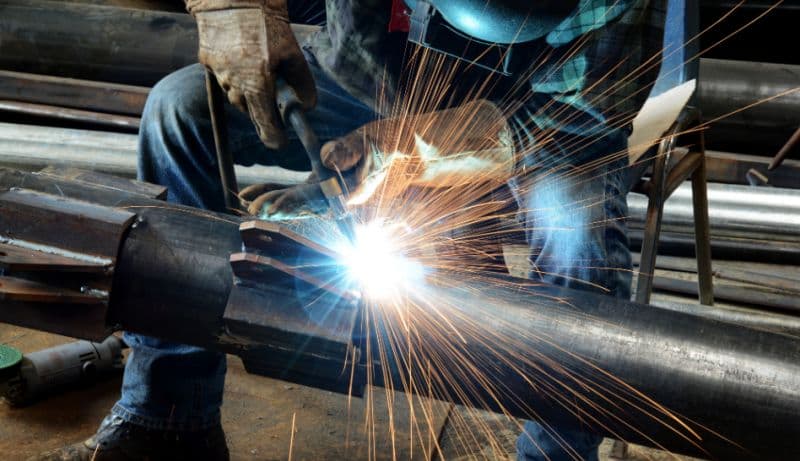
● Manufacturing
Equipment Manufacturing
The critical components of the of the complete pellet production line equipment are built in our own workshops in Asia. Additional equipment is manufactured by our worldwide network of reliable partners.
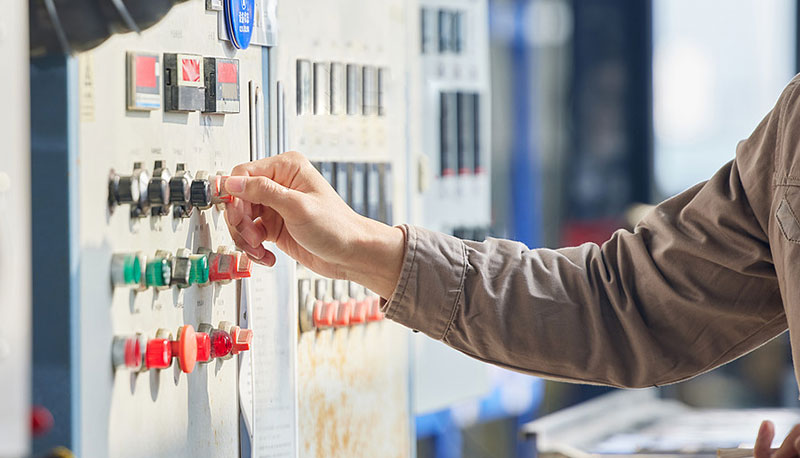
● Testing
Quality Inspection & Testing
Before leaving the factory, all equipment will be inspected by the quality inspection department. We can also provide customers with testing services from a single machine to a complete pellet plant system, and provide you with real actual data for “worry-free use.”

● Delivery
Equipment Delivery
In equipment boxing and packaging, we adopt professional packaging and modular solutions to ensure the safe and non-destructive delivery of pellet plant equipment.
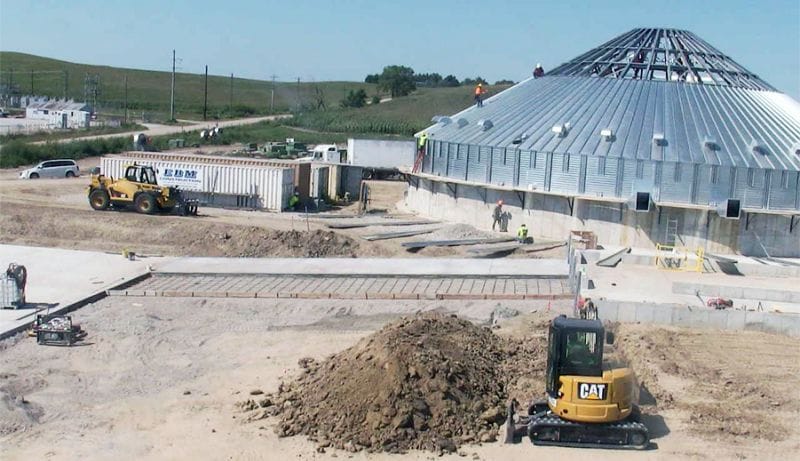
● Installation
Installation & Commissioning
Whether you choose your own subcontractor for the erection phase or you want to install everything together with us, a Richi supervisor will be around to make sure everything is mounted in a safe and thorough way.

● Training
Staff Training
We provide comprehensive training for the technicians of each project. We can also continue to provide support for the technicians during latter project operation.
● After-sales
Project Follow-Up
When everything is up and running our Richiers will help you further whenever needed. We are ready to answer your call 24/7.We’ll also visit you regularly to learn about your needs.
Who we are
RICHI Machinery is one of the world’s leading suppliers of technology and services for the animal feed, aqua feed and pet food industries, also the largest pellet production line manufacturer in China.
Since 1995, RICHI’s vision to build a first-class enterprise, to foster first-class employees, and to make first-class contributions to society has never wavered.
In the past three decades, we have expanded our business to a wide range of areas, including animal feed mill equipment, aqua feed equipment, pet feed equipment, biomass pellet equipment, fertilizer equipment, cat litter equipment, municipal solid waste pellets equipment, etc.

1995
RICHI Established

2000+
Serving More Than 2000 Customers

120+
RICHI Employees

140+
Exported To 140 Countries