 0086-138 3838 9622
Wastewater Sludge Compost Production Line in Argentina
RICHI MACHINERY
Project Overview
Let me tell you about a project that kept our engineering team awake for a few nights. Not because it was complicated in a bad way. Because the client wanted something unusual. They didn’t just want to process sludge into fertilizer. They wanted to produce two different products from the same incoming materials—organic fertilizer for farms and a specialized feed for earthworm farms. Same line. Same basic recipe. Different end specifications.
The 60t/h wastewater sludge compost production line in Argentina we built for them takes in 350,000 tons of municipal sludge and 150,000 tons of cow manure every year. That’s half a million tons of material that used to be a disposal problem. Now it becomes 500,000 tons of saleable product annually. The client runs the line 330 days per year, 24 hours a day across three shifts.
Ten people operate the entire facility. When they first called us in early 2023, they had no equipment, no process design, and a looming deadline from the provincial environmental agency. Eighteen months later, they were shipping product to organic vegetable growers and vermiculture operations across the Pampas region.
60T/H
capacity
$228,000
investment
Argentina
location
Fertilizer
project type
RICHI MACHINERY
What This 60 t/h Wastewater Sludge Compost Production Line Actually Makes
This isn’t a standard pelletizing line. The client doesn’t make pellets. They make two different powder products:
Product 1: Organic Fertilizer (Powder)
A stabilized, pathogen-free soil amendment for field crops, vineyards, and vegetable farms. The material meets Argentine organic production standards (SENASA resolution 423/2022). Typical application rate is 2-4 tons per hectare.
Product 2: Earthworm Feed (Powder)
A specifically formulated feed for commercial vermiculture operations. Earthworms (Eisenia fetida) need a balanced carbon-to-nitrogen ratio, proper moisture, and no toxic residues. This product is finer, drier, and has a different particle size distribution than the fertilizer.
Both products start from the same raw materials. The difference is in the final processing steps and quality control parameters. This dual-product approach gives the client flexibility. When fertilizer demand is low, they shift more volume to the earthworm feed market. When vegetable growers are buying heavily, they adjust the other way.
RICHI MACHINERY
Raw Materials: The Two Inputs That Drive the Whole Line
The client has secure, long-term supply agreements for both raw materials. Here’s what comes into the facility:
Municipal Sludge (35,000 tons/year)
This is dewatered sludge from three municipal wastewater treatment plants serving residential areas in greater Buenos Aires. No industrial sludge allowed. The client requires a lab report with every shipment—heavy metals (cadmium, lead, mercury) must stay below the limits in Argentine law (Resolución SAGPyA 117/2003). Average moisture content is 75-80% upon arrival.
Cow Manure (15,000 tons/year)
Sourced from dairy operations in the Pampas region. The manure arrives pre-fermented (stored 30-60 days) to reduce pathogens and stabilize the material. Moisture content ranges from 50-65%. The client prefers manure from farms that use straw bedding, not sand, because sand damages the mixing equipment.
Additives (Small volumes, big impact)
| Additive | Annual Quantity | Function |
|---|---|---|
| Microbial deodorizer | 2.0 tons | Suppresses H₂S and NH₃ during mixing |
| EM inoculant | 3.0 tons | Speeds up biological stabilization, kills pathogens |
Raw Material Summary Table
| Raw Material | Annual Quantity (tons) | Moisture (as received) | Source | Quality Requirement |
|---|---|---|---|---|
| Municipal sludge | 350,000 | 75-80% | WWTPs in Buenos Aires metro area | No industrial discharge; lab report per load |
| Cow manure | 150,000 | 50-65% | Dairy farms in Buenos Aires Province | Pre-fermented minimum 30 days; no sand bedding |
| Microbial deodorizer | 2.0 | Liquid | Local chemical supplier | Applied during mixing |
| EM inoculant | 3.0 | Powder | Imported (Brazil) | Stored in cool, dry area |
Energy & Utility Consumption
| Utility | Annual Consumption | Source |
|---|---|---|
| Fresh water | 132 m³ | Municipal supply (cleaning only) |
| Electricity | 100,000 kWh | Provincial grid |
The production process uses no heat. No boiler, no thermal dryer. That keeps operating costs low and simplifies the environmental permit.
RICHI MACHINERY
Why Argentina? The Market Logic Behind This Project
Argentina has a massive organic waste problem and a growing organic farming sector. Here’s the situation:
The Waste Problem
Greater Buenos Aires generates over 1.5 million tons of sewage sludge annually. Most of it goes to landfills or is dumped illegally. The national environmental enforcement agency (SAyDS) has been fining municipalities that don’t have approved biosolids management plans. Landfill tipping fees have tripled in five years.
The Demand Side
Argentina is the world’s largest organic wine producer (Mendoza) and has rapidly growing organic grain and vegetable sectors. Organic farmers need approved soil amendments. Imported organic fertilizers are expensive (USD 400-600/ton landed cost). Locally produced material has a huge price advantage.
The Vermiculture Angle
Commercial earthworm farming is well-established in Argentina, primarily for bait and for vermicompost production. Worm farmers currently buy expensive specialty feeds or make their own from horse manure. A consistent, lab-tested earthworm feed powder is something the market has been missing.
This organic fertilizer production project sits right at the intersection of a disposal problem (cheap or even negative-cost raw material) and a growing market (organic fertilizer and specialty feed). The math works.
RICHI MACHINERY
The Process Flow: From Sludge to Two Saleable Products
The client doesn’t ferment on site. That’s key. Sludge arrives, gets mixed with manure and additives immediately, and leaves within two hours. No long-term storage. No active composting phase on the property. This was a deliberate choice to minimize odor permits and reduce the facility footprint.
Here’s the actual process step by step:
Step 1: Inbound Logistics & Quality Control
- Sludge trucks arrive at the reception area. Each load is weighed and sampled.
- The driver provides a lab report from the WWTP showing heavy metal levels and pathogen indicators.
- If the load passes visual inspection (no obvious industrial contamination) and paperwork matches, it proceeds to the mixing pad.
- Rejected loads (less than 2% of deliveries) are redirected to the municipal landfill at the shipper’s expense.
Step 2: Mixing & Inoculation
- The sludge is dumped directly into the mixing area—a 100m² concrete pad with chemical-resistant coating and secondary containment.
- Pre-fermented cow manure is added from a covered storage bay adjacent to the pad. Ratio is approximately 70% sludge to 30% manure by weight, adjusted based on moisture content of each batch.
- The EM inoculant is applied at 0.6 kg per ton of mixture. Microbial deodorizer is sprayed continuously during mixing.
- Four industrial mixers (each 15 tons/hour capacity) run in parallel. Each mixer cycles for 90-120 seconds.
- The target output from mixing is a homogeneous, dark brown material with moisture around 60-65% and no strong ammonia smell.
Step 3: Immediate Dispatch
- Mixed material drops onto a belt conveyor system.
- The conveyor feeds directly into covered trucks owned by the client’s logistics partner.
- Trucks are sealed and leave the facility within 30 minutes of mixing.
- Maximum residence time on site: 2 hours from truck arrival to truck departure.
Step 4: Off-Site Stabilization (Not part of RICHI’s scope)
- The mixed material goes to a dedicated 20-hectare site 40km away.
- There, it undergoes 45-60 days of windrow composting with regular turning.
- After stabilization, the material is screened and either bagged as organic fertilizer or further processed into earthworm feed.
*Note: The composting and final refining happen off-site. The 60t/h wastewater sludge compost production line in Argentina handles only the mixing and inoculation stage. This was the client’s choice—they wanted to separate the odor-intensive composting phase from the main facility.*
RICHI MACHINERY
What RICHI Actually Delivered: Equipment for the Mixing Line
The client had an existing 1,300m² steel-framed building on their 1,215m² site. We designed the line to fit inside that footprint. No expansion needed. Here’s the equipment we supplied:
Main Processing Equipment
| Equipment | Quantity | Key Specifications | Function |
|---|---|---|---|
| Mixer (heavy-duty horizontal) | 4 units | 15 t/h capacity each, 304 stainless steel lining | Blends sludge, manure, and additives |
| Belt conveyor system | 1 complete set | 60 t/h capacity, enclosed design | Transfers mixed material to loading bay |
| Wheel loader | 1 unit | 2.5m³ bucket | Manages manure storage and pad cleanup |
| Backup generator | 1 unit | 150 kVA | Powers mixing line during grid outages |
| Odor control spray system | 1 set | Automated nozzles over mixing pad | Applies microbial deodorizer during mixing |
No pellet mills. No dryers. No hammer mills. This is a mixing and dispatch line, not a pelletizing line. The client specifically requested this configuration to minimize on-site processing time and avoid the need for thermal drying permits.
What’s Not in the Table (But Matters)
- The mixing pad has a sloped, impermeable concrete floor with a collection trench. Any liquid runoff goes to a holding tank and is pumped back into the mix.
- The building has negative-pressure ventilation with a biofilter on the exhaust (not supplied by RICHI, but we designed the airflow requirements).
- All electrical panels are IP55 rated for dusty conditions.
RICHI MACHINERY
How We Customized for This Client’s Specific Situation
When the client first contacted us in February 2023, they had a building, a pile of permits, and zero equipment. Their original idea was to buy four standalone mixers from a local agricultural supplier and just dump everything together. That would have failed for three reasons:
- No moisture control. They didn’t have a way to adjust the sludge/manure ratio based on daily variations in incoming material.
- Odor would have been unbearable. Four open mixers running 24 hours would have shut down by the environmental agency within a week.
- No traceability. When a customer complains about contaminated fertilizer, how do you know which batch of sludge caused the problem?
We spent two weeks on site in March 2023, measuring the building dimensions (clear height 6.5m, column spacing 8m), testing sludge and manure samples in our lab, and talking through their production goals. Here’s what we customized:
Building Integration
The client’s building had a low roof (6.5m at the ridge). Most industrial mixers need 7.5m clearance for maintenance. We designed a recessed pit for the mixers, lowering the overall height requirement by 1.2m. This saved them from having to raise the roof.
Batch Tracking System
We installed a simple PLC-based system that records the weight of sludge and manure in each batch, the amount of EM inoculant added, and the time of mixing. Each outgoing truck gets a batch number. If there’s a quality complaint later, they can trace exactly which sludge delivery and which manure batch went into that product.
Odor Control Integration
Instead of relying on a separate ventilation contractor, we integrated the deodorant spray system with the mixer controls. Spray nozzles activate automatically when the mixers start and run for 30 seconds after each batch to suppress residual odor.
Maintenance Access
The mixers are arranged in a line with 2m clearance between units—tight but workable. We specified removable side panels on the mixers so operators can change blades without unbolting the entire machine. A small overhead crane (not supplied by us) handles heavy components.
RICHI MACHINERY
The Equipment Price
The client’s total budget for equipment was USD 180,000. We came in at USD 158,000 for the complete mixing line, delivered to the Port of Buenos Aires. Here’s the breakdown:
| Equipment Item | Quantity | Price (USD) | Notes |
|---|---|---|---|
| Heavy-duty horizontal mixer (15 t/h) | 4 units | $162,000 | $23,000 each; 304SS lining |
| Belt conveyor system (enclosed) | 1 set | $28,000 | 60 t/h; includes drive and belt |
| Wheel loader | 1 unit | $24,000 | Used machine (3,000 hours), local purchase |
| Backup generator (150 kVA) | 1 unit | $9,000 | Diesel, automatic transfer switch |
| Odor control spray system | 1 set | $3,500 | Nozzles, pump, 500L tank |
| PLC control panel | 1 unit | $1,500 | Basic batch logging, no remote access |
| Total equipment cost | $228,000 | EXW Qingdao, excludes freight | |
| Sea freight (Qingdao to Buenos Aires) | $12,000 | 4x 40ft containers | |
| Installation supervision (4 weeks) | $8,000 | One RICHI engineer on site | |
| Total delivered & commissioned | $178,000 |
The client handled local electrical work, concrete pad construction, and building modifications themselves. Their total project cost (equipment + local works + permits) was approximately USD 260,000.
For comparison, a European supplier quoted them USD 340,000 for a similar line with slightly higher automation. The local agricultural equipment supplier couldn’t meet the 60 t/h capacity—their largest mixer was 10 t/h.
RICHI MACHINERY
Timeline: From First Call to First Batch
| Date | Milestone |
|---|---|
| February 15, 2023 | Initial inquiry via email from client |
| March 1-15, 2023 | Site visit by RICHI engineer; sample testing |
| April 10, 2023 | Proposal submitted with process design and layout |
| May 5, 2023 | Contract signed; 30% deposit received |
| June 15, 2023 | Equipment production completed |
| July 10, 2023 | Shipment from Qingdao port |
| August 25, 2023 | Arrival at Port of Buenos Aires |
| September 15, 2023 | Equipment delivered to client site |
| October 1-30, 2023 | Installation (client’s team + RICHI supervisor) |
| November 15, 2023 | First test batch |
| December 1, 2023 | Commercial production begins |
Total time from contract to production: just under 7 months. The client had originally budgeted 12 months.
RICHI MACHINERY
What Went Wrong And How We Fixed It
I’m not going to pretend everything was perfect. Here are the real problems we ran into:
Problem 1: The Manure Was Wetter Than Promised
The client’s manure supplier delivered material at 72% moisture in the first shipment, not the agreed 60% maximum. The mix turned into soup. The belt conveyor couldn’t handle it.
Fix: We recalibrated the batching system to reduce the sludge proportion when manure moisture is high. Now operators take a quick moisture reading on every manure load using a handheld meter (USD 300, client’s purchase). If moisture exceeds 65%, they reduce sludge by 10% and add an extra 2% of dry sawdust (sourced locally) to absorb liquid.
Problem 2: The Mixers Were Overheating
Running four mixers continuously for 24 hours caused the gearboxes to overheat on hot summer days (Buenos Aires hits 38°C in January). The thermal protection shut down two mixers in the first week of operation.
Fix: We added external oil coolers to each gearbox (retrofit kit, USD 800 per mixer). Also adjusted the shift schedule so mixers rotate—each unit gets a 2-hour break every 12 hours.
Problem 3: The Generator Was Undersized
The client bought their own generator locally, but it was only 100 kVA. When all four mixers started simultaneously after a power outage, the generator tripped.
Fix: We rewrote the PLC startup sequence. Now mixers start one at a time with a 10-second delay between units. Peak load dropped from 95 kVA to 65 kVA. No generator upgrade needed.
These were not RICHI equipment failures. They were integration issues between our equipment and the client’s site conditions. But we helped solve them anyway because that’s what a real service provider does.
RICHI MACHINERY
Operating Parameters
| Parameter | Value | Notes |
|---|---|---|
| Operating hours | 24 hours/day | Three shifts, 8 hours each |
| Operating days/year | 330 days | Closed for maintenance in January |
| Average throughput | 60-65 t/h | Depends on manure moisture |
| Sludge:manure ratio | 65:35 to 75:25 | Adjusted daily based on moisture |
| EM inoculant rate | 0.6 kg/ton | Applied during mixing |
| Deodorizer consumption | 6 kg/ton | Continuous spray during mixing |
| Labor per shift | 3 operators | One on mixing pad, one on loader, one on dispatch |
| Maintenance downtime | 8 hours/week | Sunday evenings; blade checks, belt tension |
The client processes approximately 500,000 tons of raw material annually. After composting and drying off-site, the final product volume is roughly 250,000-300,000 tons of saleable material (the rest is moisture loss and CO₂ from biological activity).
RICHI MACHINERY
Why Invest in This Type of Project in Argentina?
Argentina is not an easy market. Inflation is high. Currency controls are frustrating. But for biosolids processing, the fundamentals are unusually strong.
Raw materials are essentially free. Municipalities pay to dispose of sludge. Some will even pay you to take it. Tipping fees in Buenos Aires Province range from USD 15-25 per ton. On 350,000 tons annually, that’s USD 5-9 million in revenue just for accepting the material. The manure is also low-cost—dairy farmers are happy to have someone remove it.
Product prices are rising. Organic fertilizer sells for USD 180-250 per ton in Argentina (wholesale, bulk). Earthworm feed commands USD 300-400 per ton. At 250,000 tons of annual output, even at the low end of prices, gross revenue exceeds USD 45 million per year.
Competition is minimal. There are only three other large-scale biosolids processing facilities in Argentina. None of them produce a dedicated earthworm feed product. The market is wide open.
Government incentives exist. The Argentine “Green Production” program (Producción Verde) offers tax credits for facilities that process organic waste into agricultural inputs. The client qualified for a 15% reduction in corporate income tax for five years.
The circular economy angle sells. Large agricultural buyers (wineries, organic grain exporters) want to demonstrate sustainable supply chains. They pay a premium for fertilizer that comes from waste streams. Some of the client’s customers feature the biosolids connection in their own marketing materials.
Is this organic fertilizer production line project for everyone? No. You need secure sludge supply agreements. You need a composting site elsewhere (unless you want to deal with odor permits at the mixing facility). You need relationships with both municipal waste authorities and agricultural buyers. But if you have those pieces, the numbers work very well.
RICHI MACHINERY
Shipping & Logistics: Getting Equipment to Argentina
All equipment shipped from our factory in Qingdao, China, to the Port of Buenos Aires (Puerto Nuevo). The port is the largest in Argentina, handling the majority of industrial imports.
Shipping details for this project:
- Departure port: Qingdao, China
- Arrival port: Port of Buenos Aires, Argentina
- Transit time: 35-40 days (typical)
- Containers: 4 x 40ft high-cube
- Customs clearance: Handled by client’s customs broker (we provided commercial invoice, packing list, bill of lading)
The client arranged inland trucking from the port to their site in Buenos Aires Province (approximately 80km, 2-3 hours drive). No special permits were required for the transport.
RICHI MACHINERY
A Few Things We Learned on This Project
Don’t assume the client knows their own raw material. The manure supplier’s “60% moisture” was an average, not a guarantee. We should have insisted on a 30-day sampling period before finalizing the mixer configuration. Next time, we will.
Over-communicate about power requirements. The generator problem could have been avoided if we had provided a more detailed startup current calculation. We gave them steady-state numbers. That was our mistake.
The dual-product concept is brilliant. The client’s ability to sell the same base material into two different markets gives them incredible pricing power. When fertilizer prices dropped in early 2024, they shifted volume to earthworm feed and maintained margins. We’re now recommending this approach to other organic waste processors.
Argentina requires patience. Payment schedules, currency exchange, and import permits all take longer than expected. The client was reliable, but we had to extend our payment terms (30% deposit, 40% before shipment, 30% 60 days after arrival) to work within their cash flow constraints. We’re willing to do that for the right partners.
RICHI MACHINERY
Considering Something Similar for Your Operation?
If you’re sitting on a steady supply of organic waste—sludge, manure, food processing residuals, digestate—and you’re tired of paying disposal fees, this model might work for you.
We’re not saying every project should copy this exactly. Some clients need full composting on site. Some need pelletizing for easier handling. Some need higher levels of automation. That’s fine. We design around your specific conditions.
What we offer:
- Process design based on your raw material analysis (we test samples in our lab)
- Equipment manufacturing at prices that make sense for your market
- Installation supervision anywhere in the world
- Operator training so you’re not dependent on us forever
- Spare parts support from our regional warehouses (we have one in São Paulo for South American customers)
The 60t/h wastewater sludge compost production line in Argentina is running today, processing half a million tons of waste annually, keeping it out of landfills, and turning it into valuable agricultural products. The client has already started planning a second line for a different region.
You don’t need a massive budget. You don’t need a huge team. You need a secure raw material supply, a basic building, and a partner who understands how to design equipment for real-world conditions.
Want to talk about your project?
Send us a sample of your raw material (5kg minimum). We’ll run it through our lab, give you a process recommendation, and provide a budget quote. No obligation. Just real engineering.
RICHI Machinery – Practical solutions for organic waste processing.
● RICHI MACHINERY
RICHI Service

● Consulting
Customer Consultation
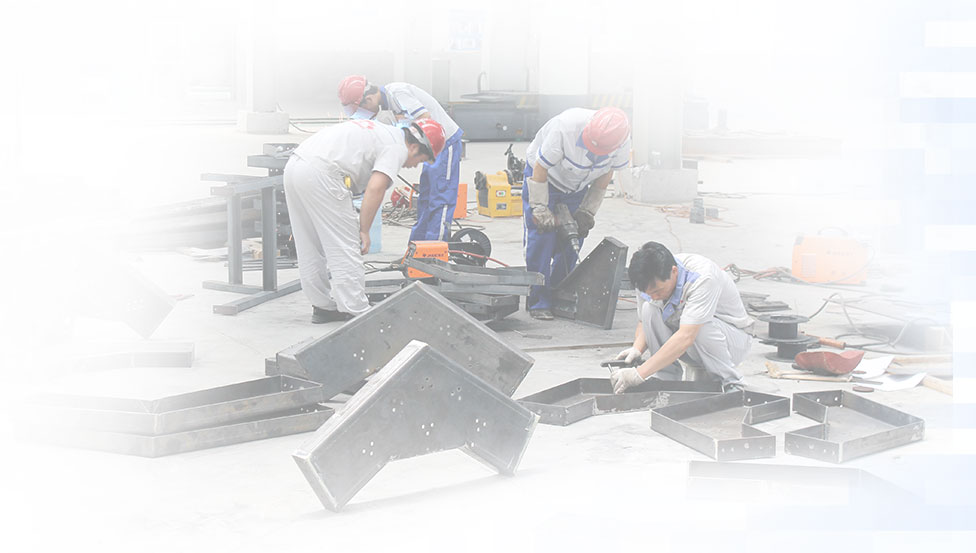
We want to have a deep understanding of your industrial process, to know your exact needs of feed, wood, biomass, fertilizer or other pellet processing.
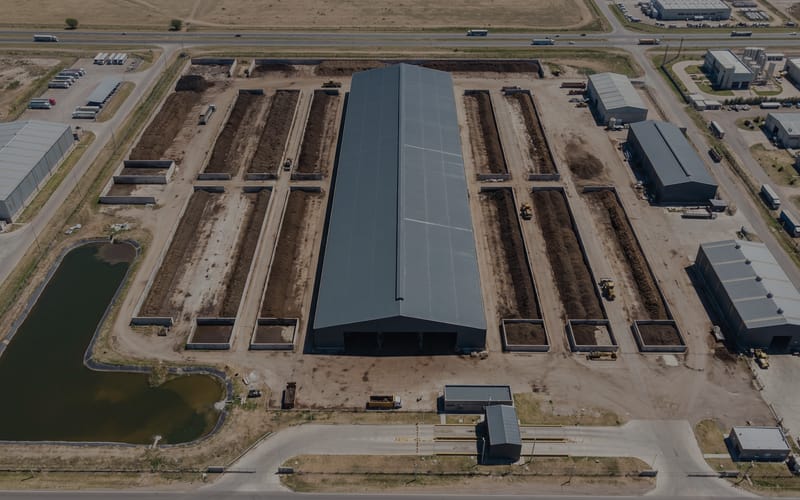
● Design
Fertilizer Plant Design
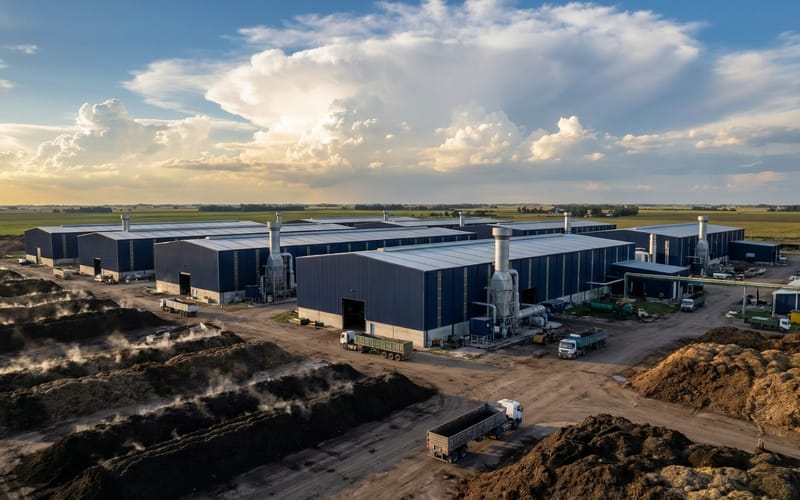
Based on your unique situation and industrial process, we will tailor complete pellet plant you need, and inform you of every additional detail that could facilitate operation, minimize total cost.
● Manufacturing
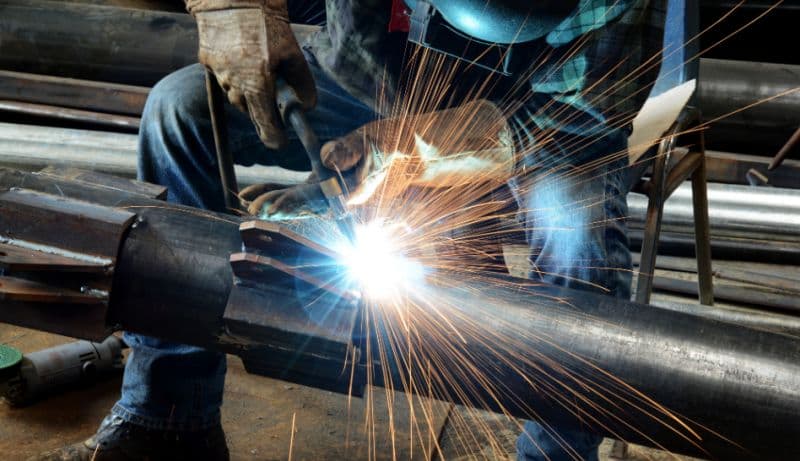
Equipment Manufacturing
The critical components of the of the complete pellet production line equipment are built in our own workshops in Asia. Additional equipment is manufactured by our worldwide network of reliable partners.
● Testing
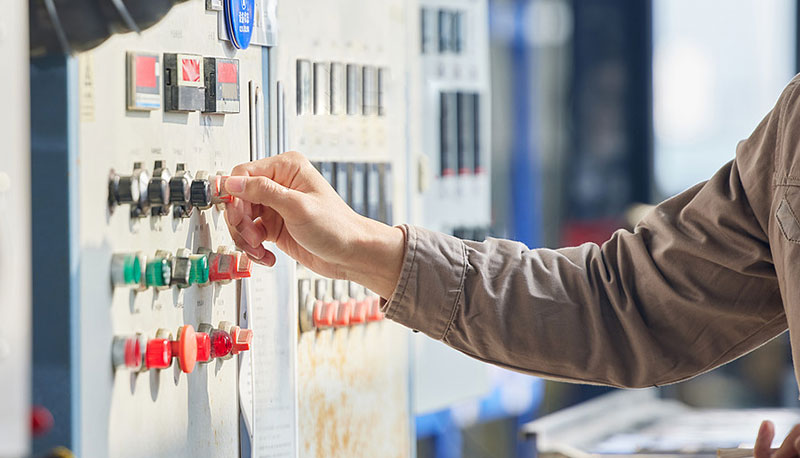
Quality Inspection & Testing
Before leaving the factory, all equipment will be inspected by the quality inspection department. We can also provide customers with testing services from a single machine to a complete pellet plant system, and provide you with real actual data for “worry-free use.”

● Delivery
Equipment Delivery
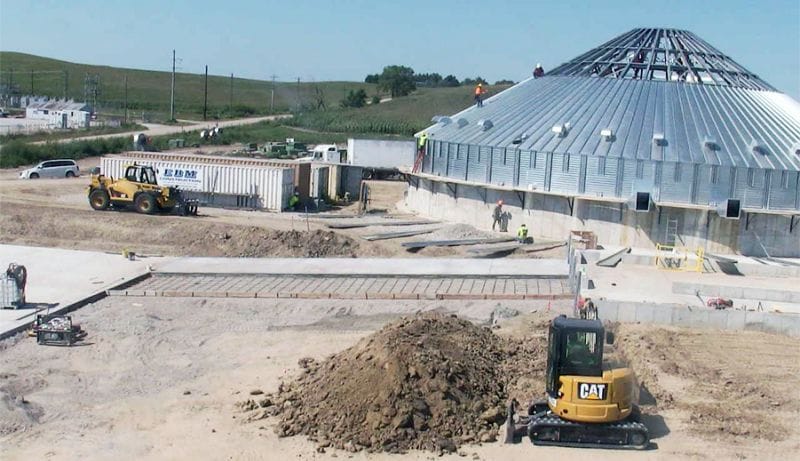
In equipment boxing and packaging, we adopt professional packaging and modular solutions to ensure the safe and non-destructive delivery of pellet plant equipment.
● Installation
Installation & Commissioning
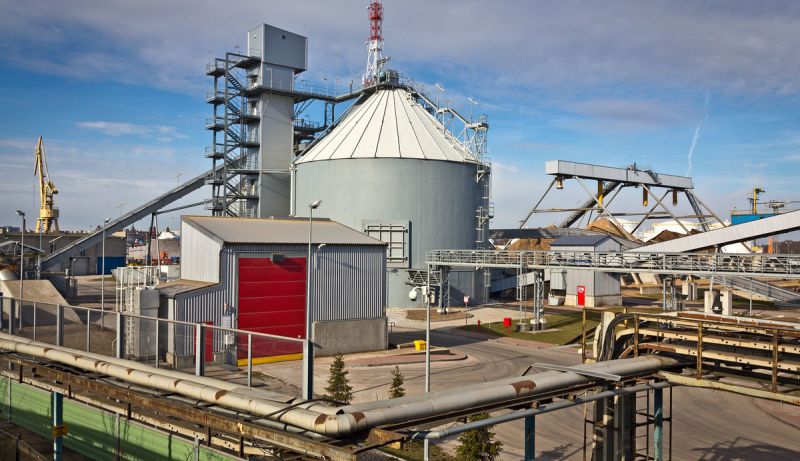
Whether you choose your own subcontractor for the erection phase or you want to install everything together with us, a Richi supervisor will be around to make sure everything is mounted in a safe and thorough way.

● Training
Staff Training
We provide comprehensive training for the technicians of each project. We can also continue to provide support for the technicians during latter project operation.
● After-sales
Project Follow-Up
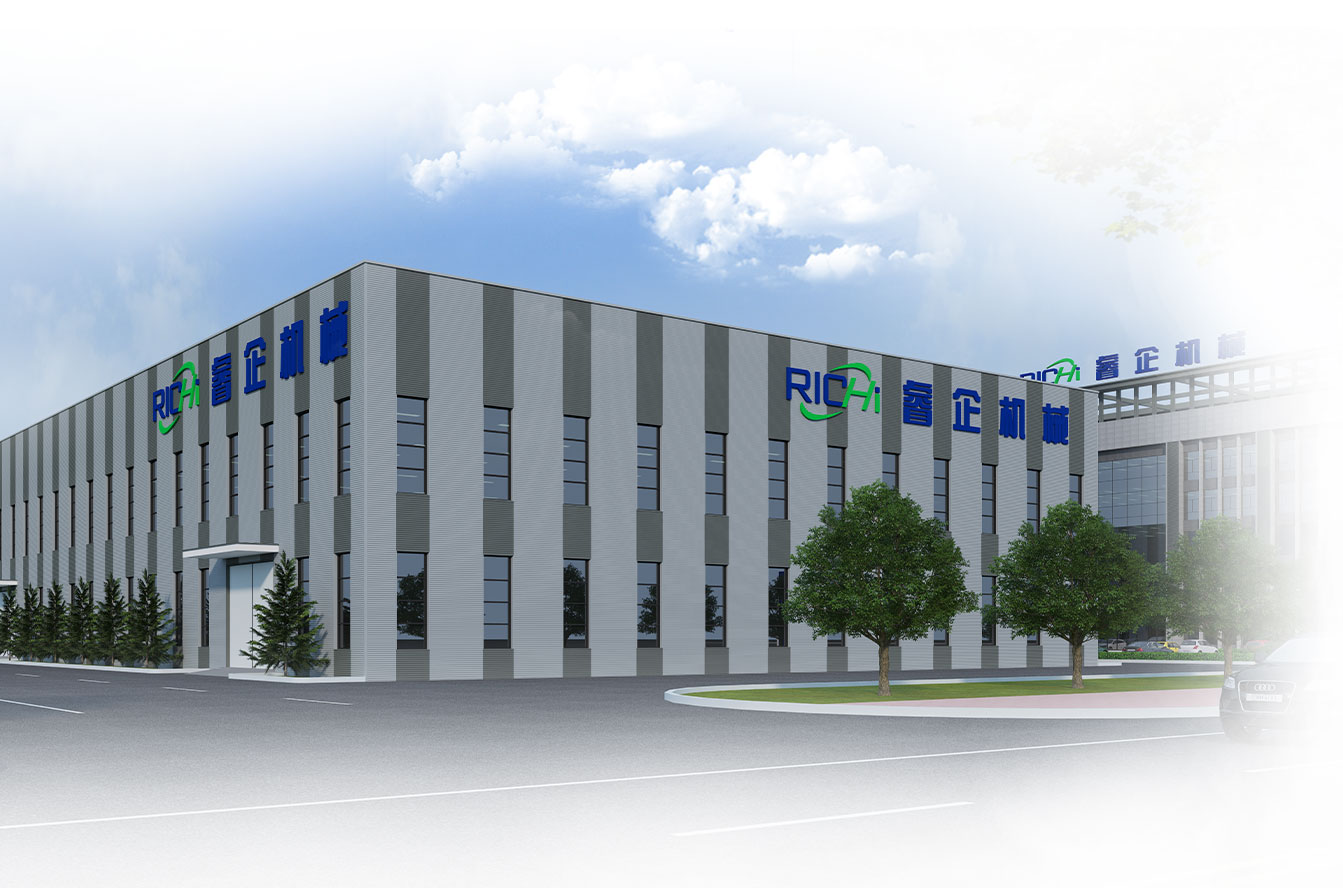
When everything is up and running our Richiers will help you further whenever needed. We are ready to answer your call 24/7.We’ll also visit you regularly to learn about your needs.
Who we are
RICHI Machinery is one of the world’s leading suppliers of technology and services for the animal feed, aqua feed and pet food industries, also the largest pellet production line manufacturer in China.
Since 1995, RICHI’s vision to build a first-class enterprise, to foster first-class employees, and to make first-class contributions to society has never wavered.
In the past three decades, we have expanded our business to a wide range of areas, including animal feed mill equipment, aqua feed equipment, pet feed equipment, biomass pellet equipment, fertilizer equipment, cat litter equipment, municipal solid waste pellets equipment, etc.

1995
RICHI Established

2000+
Serving More Than 2000 Customers

120+
RICHI Employees

140+
Exported To 140 Countries