 0086-138 3838 9622
Soybean Cat Litter Production Line in Poland
RICHI MACHINERY
overview
Back in early 2024, we got an inquiry that looked pretty straightforward on paper. A pet product manufacturer in southern Poland wanted to set up a small but efficient operation. The target? A 1t/h soybean cat litter production line in Poland using soybean residue (okara) and corn flour as the main ingredients.
The client had done some homework already. They knew the local pet market was growing fast. Polish consumers were moving away from bentonite-based litters toward plant-based, flushable options. But they weren’t sure about the equipment side.
We started talking in February 2024. By April, they flew two of their production managers to our facility in China. We spent three days going through material tests, running their okara samples through our lab-scale pellet mill, adjusting moisture levels, and figuring out why their first few homemade batches either crumbled too easily or turned into hard chunks that didn’t absorb well. That’s when things got real.
1T/H
capacity
$132,000
investment
Poland
location
Cat Litter
project type
RICHI MACHINERY
Project Background – Why Poland, Why Now?
Poland has one of the fastest-growing pet care markets in Central Europe. According to industry data, the number of households with cats increased by nearly 18% between 2019 and 2023. But here’s the thing – most cat litters on Polish shelves are still imported bentonite or silica gel products. Natural plant-based litters? Limited options, mostly from German or Czech brands, and priced at a premium.
Our client saw this gap. They had access to okara – soybean pulp left after tofu and soy milk production – from several food processing plants in the Wrocław and Poznań regions. Normally, this material goes to biogas plants or animal feed operations. The client figured they could upgrade it into high-value cat litter. Corn flour was readily available from local mills. Additives and natural pigments? Easy to source.
The planned capacity made sense for the local market size. A 1t/h soybean cat litter production line in Poland running 8 hours per day, 300 days per year gives roughly 2,400 tons annually. The client’s original target was 2,000 tons plus 10,000 accessory kits (scoops, mats, bags). That’s a manageable volume for a first-phase investment.
Here’s the facility situation. The client wasn’t building from nothing. They leased an existing 3,030 m² steel-framed building in an industrial park. The structure was solid – about 8 meters to the eaves, enough for a two-tier equipment layout. But the floor wasn’t perfectly level in some spots, and the power supply was only 250 kVA. We had to work around that.
RICHI MACHINERY
What the Client Asked For – And What They Didn’t Say
Initial inquiry: “We need a complete line to make soybean cat litter, around 1 ton per hour. Can you send a quote?”
That was it. No details on moisture control, no mention of dust management, nothing about final pellet hardness. Happens all the time.
We scheduled a video call. Showed them our standard configuration for plant-based cat litter – mixing, pelleting, drying, cooling, screening, packaging. Then we asked the important questions: What’s your typical okara moisture when you receive it? Do you have a steam source? What’s your target pellet diameter? How much fines are you willing to tolerate?
Turns out, the okara arrived at 72-78% moisture. Straight from the tofu presses, it’s basically wet fiber. Without proper drying before mixing, the pellets would never hold shape. The client thought they could just add more corn flour to absorb the water. That doesn’t work – you end up with uneven hydration and mold issues later.
We ran tests. The ideal mix was 50% okara (pre-dried to 12% moisture), 48.5% corn flour, and 1.5% additives including natural green pigment and guar gum as a binder. Total added water during mixing was about 8% of dry weight. That gave us a workable mash for the pellet mill.
RICHI MACHINERY
Equipment Configuration – What Went Into the Line
The client had already listed basic equipment in their internal planning documents. But a list of names isn’t a working production line. We had to match each machine to their real-world constraints.
Building limitations. The 3,030 m² space had to fit the entire line plus raw material storage (bags of okara, corn flour, additives), finished goods storage, and a small office area. We designed a vertical layout: mixing and pelleting on an elevated mezzanine (2.5 meters high), drying and cooling on ground level, screening and packaging near the exit bay. This kept material flowing by gravity where possible, reducing the number of bucket elevators from 8 to 6.
Power constraints. The 250 kVA supply couldn’t run everything at once. We added a soft starter on the 37 kW pellet mill motor and sequenced the dryer fans so they didn’t peak simultaneously. The client later upgraded to 320 kVA, but the soft starter stayed – it’s gentler on the gearbox anyway.
Dust control. Soybean flour is dusty. Not explosive like wood flour, but fine enough to coat every surface if you don’t manage it. We specified two dust collection points: one at the mixer discharge and one at the screener return. Each feeds into a pulse-jet baghouse. Collected fines go back into the mixer – zero waste.
Here’s the actual equipment list we delivered, with specifications the client could actually use for maintenance planning:
| Equipment Name | Quantity | Key Specification |
|---|---|---|
| Feed hopper with agitator | 1 | 1.5 m³, stainless steel liner |
| Screw conveyor (mixer feed) | 1 | 150 mm dia, variable speed |
| Ribbon mixer | 1 | 2,000 L capacity, 15 kW |
| Bucket elevator (mixer to pellet mill) | 1 | 8 m lift, plastic cups |
| Cat litter pellet mill | 2 | 37 kW main motor, 4 mm die |
| Bucket elevator (pellet mill to dryer) | 1 | 7 m lift |
| Rotary drum dryer | 1 | Electric heating, 120 kW |
| Bucket elevator (dryer to cooler) | 1 | 6 m lift |
| Counterflow cooler | 1 | 1.5 m² cooling area |
| Bucket elevator (cooler to screener) | 1 | 5 m lift |
| Vibrating screener | 1 | Two decks, 1.5 kW |
| Bucket elevator (screener to bin) | 1 | 4 m lift |
| Finished product bin | 1 | 5 m³ |
| Automatic packaging scale | 1 | 5-15 kg bags, 8 bags/min |
| Pulse-jet dust collector | 2 | 3,000 m³/h each |
| Air compressor | 1 | 15 kW, screw type |
| Control panel with PLC | 1 | Touchscreen, remote access |
The client had originally specified three mixers in their internal plan. We reduced that to one large ribbon mixer with a longer cycle time (6 minutes per batch). Less equipment to maintain, fewer transfer points for dust leaks, and the batch size (1,200 kg per mix) matched their hourly target perfectly.
RICHI MACHINERY
The Process – Step by Step, What Actually Happens on the Floor
Let me walk you through how this 1t/h soybean cat litter production line in Poland runs on a normal day.
Step 1: Raw material preparation
Okara arrives in 25 kg bags, already pre-dried by the tofu supplier to 12% moisture. The client negotiated this – fresh okara is heavy (70% water), expensive to ship, and spoils within 48 hours. Pre-dried at source costs a bit more per ton but saves a ton of headache. Corn flour comes in 50 kg paper bags. Additives in 5 kg pails.
An operator loads the feed hopper using a manual bag tipper with dust extraction. The hopper has an agitator to prevent bridging – corn flour likes to stick.
Step 2: Mixing
The ribbon mixer runs a 6-minute cycle:
- First 2 minutes: dry ingredients only (okara, corn flour, additives)
- Next 30 seconds: water injection (about 8% of batch weight)
- Final 3.5 minutes: mixing to achieve uniform moisture distribution
Target moisture after mixing: 19-21%. If it’s below 18%, pellets crack. Above 22%, they stick in the die and the pellet mill labors.
Step 3: Pelleting
Discharge from the mixer drops into a bucket elevator feeding two cat litter pellet machines. Why two instead of one larger unit? Redundancy. If one mill needs a die change or bearing replacement, the line keeps running at half capacity. The mills use 4 mm dies with 45 mm effective thickness – standard for cat litter. Die speed is 280 RPM. Output per mill is about 550 kg/h, giving us a comfortable 1,100 kg/h total.
The first few runs were rough. Pellets came out looking okay but had soft centers. We adjusted the conditioner residence time from 15 seconds to 30 seconds by slowing the feeder screw. That extra steam contact time (we added a small electric steam generator, 50 kW) gelatinized the corn starch better. Problem solved.
Step 4: Drying
Fresh pellets exit the mill at 55-60°C with 18% moisture. The bucket elevator drops them into a mesh belt dryer. This is an electric unit – no gas line available at the facility. Heating elements warm incoming air to 110°C. Dwell time is 25 minutes. Outlet moisture targets 8-10%.
We learned something during commissioning. The dryer discharge temperature was hitting 75°C, which made pellets too brittle after cooling. Added a variable-speed exhaust fan to pull more air through – dropped exit temperature to 58°C. Much better.
Step 5: Cooling
The counterflow cooler pulls ambient air upward through the pellet bed. Cooling time is about 10 minutes. Outlet temperature drops to 5°C above ambient. This step is critical for preventing condensation in the final packaging.
Step 6: Screening
Pellets pass over a two-deck vibrating screener. Top deck (5 mm) removes oversized agglomerates. Bottom deck (2 mm) separates fines. Oversize gets crushed in a small roller mill and returns to the screener feed. Fines go back to the mixer via a closed screw conveyor. Acceptable pellets (2-5 mm) drop to the finished bin.
Step 7: Packaging
The automatic scale fills valve bags or pre-made pouches. The client runs mostly 6 kg and 10 kg bags for retail, plus 15 kg for pet store bulk bins. Packaging speed averages 7 bags per minute. Bags are heat-sealed, date-coded, and palletized by hand.
RICHI MACHINERY
What We Had to Fix After Startup
No project goes perfectly. I’ll be honest – the first week of production was frustrating.
Problem 1: Pellet hardness variation
Morning runs produced harder pellets than afternoon runs. Turned out the ambient temperature in the workshop (uninsulated steel building) was swinging from 12°C at 8 AM to 28°C by 2 PM. The cooler couldn’t compensate enough. Solution: we added a temperature sensor on the dryer outlet linked to the feed rate controller. When outlet temp exceeds 60°C, the PLC reduces the dryer feed rate by 15% automatically.
Problem 2: Dust accumulation in the cooler
The counterflow cooler’s air intake was pulling in dust from the workshop floor. That dust ended up in the finished product. Embarrassing. We added a pre-filter (simple G4 panel filter) on the cooler air inlet. Costs almost nothing, fixed the issue completely.
Problem 3: Packaging scale drift
The automatic scale was under-filling by 50-100 grams after running for 2-3 hours. The load cell was sensitive to vibration from the nearby bucket elevator. We isolated the scale platform with rubber mounts and added a 2-second stabilization delay before each dump. Accuracy came back to ±15 grams.
The client’s production manager kept a log. By week three, they were running at 92% efficiency (target 85%). Fines generation was under 3% of total output. Moisture content in final bags stayed between 8.5% and 9.5% – well within spec.
RICHI MACHINERY
Raw Materials – What’s Actually Going Into the Hopper
The client’s original material list was simple. But we added some detail based on what works in real production:
| Material | Annual Usage (tons) | Form | Storage | Notes |
|---|---|---|---|---|
| Dried okara (soybean residue) | 1,000 | Powder, 25 kg bags | Ambient, dry area | 12% max moisture upon receipt |
| Corn flour | 985 | Fine powder, 50 kg bags | Ambient, dry area | 200 mesh particle size |
| Natural green pigment | 10 | Powder, 5 kg pails | Cool, dark storage | Chlorophyll-based |
| Guar gum binder | 8 | Powder, 5 kg pails | Ambient, sealed | 200 mesh, food grade |
| Other additives (preservatives, citric acid) | 2 | Powder, 2 kg pails | Cool, dry | For pH adjustment |
| Cat litter accessory kits | 10,000 units | N/A | Palletized | Scoops, mats, sample bags |
The okara supply contract is with a tofu plant about 40 km away. They deliver twice per week. The client installed a moisture meter at the receiving bay – any load above 14% moisture gets rejected. Happened twice in the first three months.
Corn flour comes from a mill in the Lublin region. The client switched suppliers after the first month because the original flour had inconsistent particle size (some 100 mesh, some 300 mesh). That variability messed up the mixing cycle. New supplier guaranteed 200 mesh ±10%.
RICHI MACHINERY
Investment and Costs – What the Client Actually Paid
The client’s total investment was $218,000 USD. Here’s the breakdown. Keep in mind this is for a 1t/h soybean cat litter production line in Poland – not a giant industrial line, but a serious commercial operation.
| Cost Category | Amount (USD) | Notes |
|---|---|---|
| Equipment (ex-works, China) | $132,000 | All machinery listed above |
| Shipping (Qingdao to Gdańsk) | $18,500 | 40-foot HC container + breakbulk for dryer |
| Customs clearance & duties | $12,800 | Poland’s VAT not included (reclaimable) |
| Installation & commissioning | $24,000 | Our team (2 engineers, 3 weeks on-site) |
| Electrical & control wiring | $8,500 | Local contractor, client arranged |
| Building modifications | $9,200 | Mezzanine, dust extraction ducting |
| Training & documentation | $5,000 | Included operator manuals, video guides |
| Spare parts kit | $6,000 | Dies, rollers, bearings, belts |
| Contingency & miscellaneous | $22,000 | Unexpected items (like the pre-filter) |
| Total | $228,000 |
The cat litter making machine cost is lower than European or American brands, obviously. But we didn’t cut corners on critical components: main bearings are SKF, motors are Siemens-compatible (Chinese-made but with European certification), PLC is Delta. The dryer heating elements are Italian. The client visited our factory and saw the assembly line – that’s what sealed the deal.
Shipping from Qingdao to Gdańsk took 32 days. Gdańsk is Poland’s largest seaport and a major Baltic hub. Customs clearance took another 5 days – the client used a local broker who specializes in industrial machinery. No major issues, though the paperwork for the electric dryer (CE marking, RoHS compliance) needed two rounds of revision.
RICHI MACHINERY
Production Economics – Does It Make Money?
The client shared their numbers with us after six months of operation. I can’t give exact profit margins, but here’s the rough picture.
Operating costs per ton of finished cat litter:
- Raw materials (okara, corn flour, additives): $210/ton
- Electricity (consumption around 180 kWh/ton): $32/ton
- Labor (3 operators per shift, 8 hours): $18/ton
- Packaging materials (bags, labels): $25/ton
- Maintenance & consumables (dies, rollers): $12/ton
- Depreciation (equipment over 8 years): $14/ton
- Total operating cost: $311/ton
Selling price: The client sells to pet stores and online retailers at $550-600 per ton wholesale. Premium retail bags (6 kg, branded) go for the equivalent of $680/ton.
Gross margin per ton: $239 to $369, depending on the sales channel.
At 2,000 tons annual production, gross profit runs between $478,000 and $738,000. That’s before taxes and overhead (rent, sales, administration). The client expects to recover the full $218,000 investment within 8-10 months.
Not bad for a line that fits in a leased building and runs one shift per day.
RICHI MACHINERY
Challenges Specific to Poland – And How We Adapted
Poland isn’t China or Germany. Some things are easier, some are harder.
Electricity cost. Poland’s industrial electricity rates are high compared to China – around €0.16-0.18 per kWh. That’s why the client runs only one shift. A second shift would push power costs to $64/ton, eating into margin. We optimized the dryer’s heating schedule to use residual heat from the pellet mill motors (captured via a simple heat exchanger). Saved about 12% on dryer power.
Winter operation. The building isn’t heated. In January, ambient temperatures drop to -10°C. The corn flour hopper started bridging badly. We added a low-wattage heating jacket (48V, safe for dusty areas) around the hopper cone. Problem solved. The cooling air in winter actually helps – pellets exit the cooler at 0-2°C, which is fine.
Labor skills. Polish industrial workers are generally well-trained, but nobody had run a cat litter line before. We spent extra time on training – three full weeks instead of the usual two. The client’s team picked it up fast. By the second week, they were adjusting parameters on their own.
Waste disposal. The line generates almost zero solid waste (fines go back into production). But the dust collectors need periodic emptying – about 50 kg per week. That’s clean soybean flour, so the client gives it to a local pig farmer. No disposal cost.
RICHI MACHINERY
Why Soybean Cat Litter Makes Sense in Poland
Let me step back and look at the bigger picture. Why is a 1t/h soybean cat litter production line in Poland a smart investment right now?
Imported bentonite is getting expensive. Poland has bentonite deposits, but most are low-quality. High-quality bentonite litter comes from Ukraine, Germany, or Greece. Shipping costs have gone up. Import duties fluctuate. A local plant-based product avoids all that.
Environmental regulations are tightening. The EU’s Single-Use Plastics Directive doesn’t directly target cat litter, but the trend is clear. Biodegradable, flushable products are favored. Soybean cat litter breaks down in water and can be composted. Several Polish municipalities have started offering separate collection for compostable pet waste. That’s a big deal.
Polish pet owners are price-sensitive but quality-aware. They won’t pay premium prices for a bad product. But they will pay 20-30% more for something that’s clearly better – less dust, better odor control, flushable. The client’s product hits all three.
Raw material availability is stable. Poland isn’t a major soybean producer (most soybeans are imported for animal feed), but the tofu industry is growing. There are tofu plants in Wrocław, Warsaw, Kraków, and Gdańsk. Okara is a waste stream they’re happy to sell cheap. The client has already lined up a second supplier in case the first one has a production issue.
RICHI MACHINERY
What the Client Says Now
I talked to their production manager last month (January 2025). The line has been running for about 10 months. A few quotes from that conversation:
“The first month was painful. We had pellets falling apart, dust everywhere, and one day the dryer tripped the main breaker. But after your team made those adjustments, it’s been rock solid.”
“We’re running at about 1,100 kg per hour now, sometimes 1,200 if the material is good. The bottleneck is actually the packaging line – we’re adding a second scale next quarter.”
“Our biggest customer is a pet store chain with 40 locations across southern Poland. They switched entirely from German bentonite to our soybean litter. Price is similar, but they say customers complain less about dust.”
“Would we buy from RICHI again? Yes. But next time we’d ask for a larger dryer. That’s the only thing we’d change.”
Fair feedback. The dryer is adequate for 1 t/h, but if they want to expand to 1.5 t/h, they’ll need a bigger unit or a second dryer.
RICHI MACHINERY
Thinking About Doing Something Similar?
Here’s my advice if you’re considering a plant-based cat litter line in your market.
First, check your raw material. Okara works great, but so do pea fiber, rice hulls, corn cobs, even spent grain from breweries. Run a test batch. See how it pellets, how it absorbs, whether it smells after a week.
Second, don’t underestimate drying. Most plant-based litters need controlled moisture. A bad dryer will ruin your product and your reputation.
Third, start small but plan for growth. This client’s 1 t/h line was the right size for their market. But they designed the building with space for a second line. The electrical panel has spare breakers. The dust collection ducting has capped tees for future connections.
Fourth, work with someone who’s done it before. We’ve built cat litter lines using soybean, pea, corn, wheat, and even bamboo fiber. Each material behaves differently. The learning curve is real.
RICHI MACHINERY
Need to Talk Through Your Project?
If you’re looking at setting up a 1t/h soybean cat litter production line in Poland – or anywhere else, for that matter – get in touch. We can run your material through our lab, give you real numbers on moisture requirements and energy consumption, and help you figure out if the numbers work.
We ship from Qingdao. For Poland, the nearest major port is Gdańsk. From there, trucking to most industrial areas takes 1-2 days.
Not ready to buy? No problem. Just send us 5 kg of your raw material. We’ll test it, send you a video of the pelletizing results, and give you a rough equipment recommendation. No charge. That’s how we started with this Polish client back in February 2024.
The cat litter market is growing. Plant-based products are the future. The technology works. The economics work. The only question is whether you’re ready to move.
● RICHI MACHINERY
RICHI Service

● Consulting
Customer Consultation
We want to have a deep understanding of your industrial process, to know your exact needs of feed, wood, biomass, fertilizer or other pellet processing.

● Design
Cat Litter Pellet Plant Design
Based on your unique situation and industrial process, we will tailor complete pellet plant you need, and inform you of every additional detail that could facilitate operation, minimize total cost.
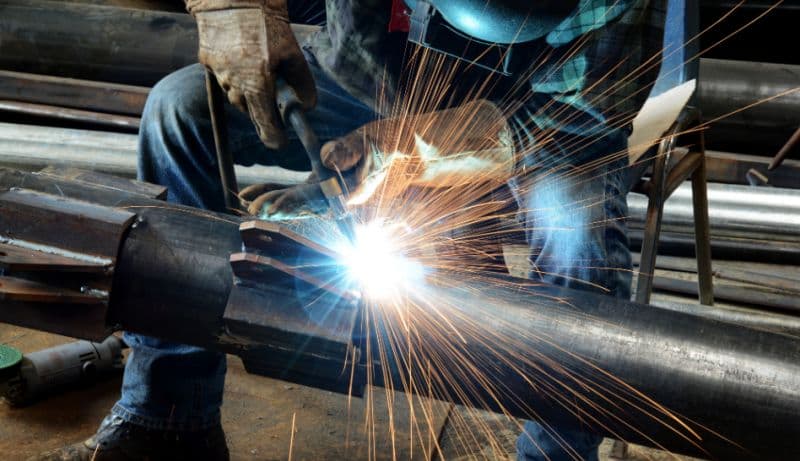
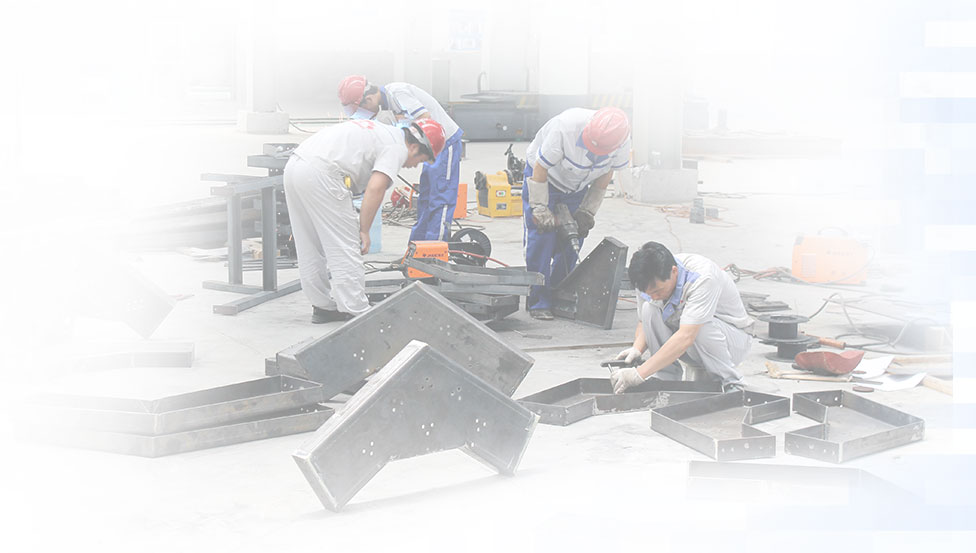
● Manufacturing
Equipment Manufacturing
The critical components of the of the complete pellet production line equipment are built in our own workshops in Asia. Additional equipment is manufactured by our worldwide network of reliable partners.
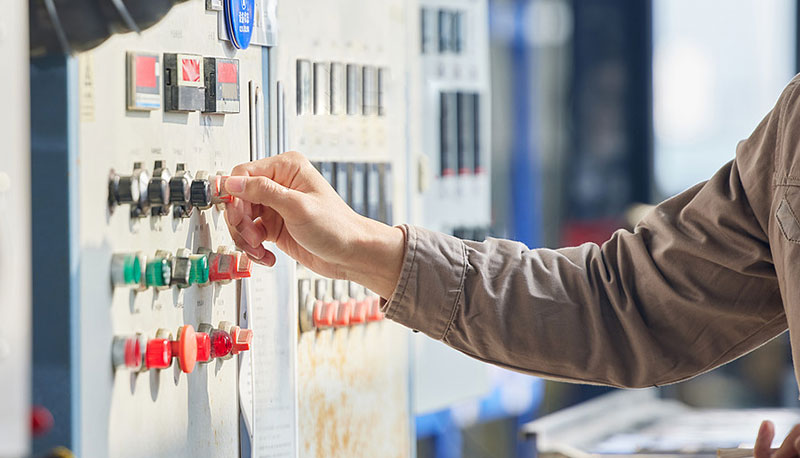
● Testing
Quality Inspection & Testing
Before leaving the factory, all equipment will be inspected by the quality inspection department. We can also provide customers with testing services from a single machine to a complete pellet plant system, and provide you with real actual data for “worry-free use.”
● Delivery
Equipment Delivery
In equipment boxing and packaging, we adopt professional packaging and modular solutions to ensure the safe and non-destructive delivery of pellet plant equipment.
● Installation
Installation & Commissioning
Whether you choose your own subcontractor for the erection phase or you want to install everything together with us, a Richi supervisor will be around to make sure everything is mounted in a safe and thorough way.

● Training
Staff Training
We provide comprehensive training for the technicians of each project. We can also continue to provide support for the technicians during latter project operation.
● After-sales
Project Follow-Up
When everything is up and running our Richiers will help you further whenever needed. We are ready to answer your call 24/7.We’ll also visit you regularly to learn about your needs.
Who we are
RICHI Machinery is one of the world’s leading suppliers of technology and services for the animal feed, aqua feed and pet food industries, also the largest pellet production line manufacturer in China.
Since 1995, RICHI’s vision to build a first-class enterprise, to foster first-class employees, and to make first-class contributions to society has never wavered.
In the past three decades, we have expanded our business to a wide range of areas, including animal feed mill equipment, aqua feed equipment, pet feed equipment, biomass pellet equipment, fertilizer equipment, cat litter equipment, municipal solid waste pellets equipment, etc.

1995
RICHI Established

2000+
Serving More Than 2000 Customers

120+
RICHI Employees

140+
Exported To 140 Countries