 0086-138 3838 9622
Turnkey Wood Pellet Plant in Laos
RICHI MACHINERY
Project Overview
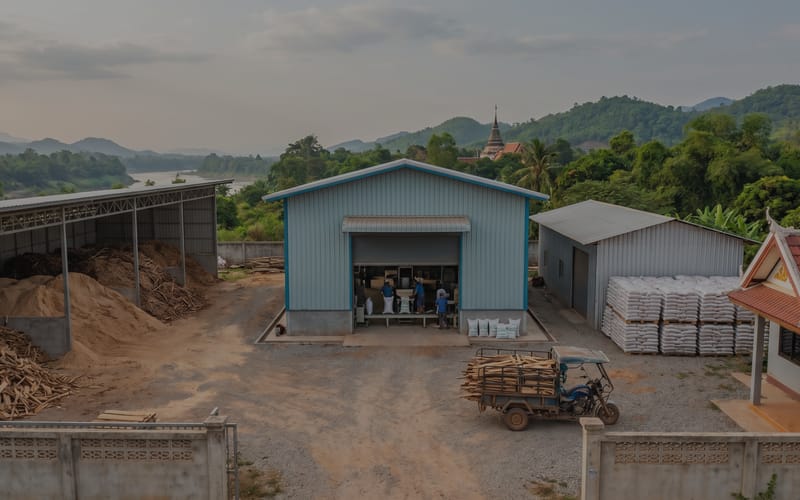
A 4t/h turnkey wood pellet plant in Laos was commissioned in early 2024 for a client in Vientiane Province, about 60km north of the capital. The facility processes 10,550 tons of wood waste annually into 10,000 tons of premium biomass pellets for industrial boilers, textile factories, and export markets.
The plant operates one 10-hour shift per day, 320 days per year (3,200 total operating hours), with just 5 employees. Total investment was $280,500 USD, of which $5,200 was allocated to environmental protection (cyclone separators, baghouse filters, and a hazardous waste storage area).
What makes this 4t/h turnkey wood pellet plant in Laos particularly attractive is the feedstock sourcing strategy. The client collects wood offcuts and sawdust from the furniture manufacturing and wood carving industries around Vientiane. Laos has a growing wood processing sector producing rosewood, mahogany, and teak products for export.
The carving and milling process generates thousands of tons of offcuts and sawdust annually. Previously, this material was burned or dumped. The client saw an opportunity to turn this low-cost residue into high-value fuel for the local industrial market.
4T/H
capacity
$280,500
investment
Laos
location
Biofuel
project type
RICHI MACHINERY
The First Call – “I Have Access to Free Sawdust”
The client called us in May 2023. He had been running a small timber trading business for years. He noticed that furniture factories around Vientiane were paying to have their wood waste hauled away. At the same time, rising electricity costs were pushing garment factories and brick kilns to look for cheaper alternatives. Charcoal prices had increased by 60% in two years.
He had a building (2,000m² total land, 800m² workshop) previously used as a laundry facility. He had a water well, basic electrical wiring, and a concrete floor. He had saved about $30,000 over five years.
His question: “Can I buy a 4t/h turnkey wood pellet plant in Laos that runs on wet sawdust without a dryer?”
We asked about moisture content. He sent samples. The wood carving waste was mixed: some was kiln-dried offcuts from furniture making (8-10% moisture), some was air-dried sawdust from storage piles (15-18% moisture). The average was about 12-14% – perfect for pelleting. No dryer needed. That saved him $20,000-30,000 upfront.
We told him yes. A 4t/h turnkey wood pellet plant in Laos could work with his feedstock if he stored material under cover and rejected wet loads during the rainy season.
RICHI MACHINERY
Raw Materials – Two Feedstocks, Low Cost
The client set up collection agreements with five wood carving workshops and two sawmills within a 30km radius.
| Raw Material | Annual Input (tons) | As-Received Moisture | Cost (USD/ton) | Source |
|---|---|---|---|---|
| Wood offcuts | 4,220 | 10-12% | $15 | Furniture factories |
| Sawdust | 6,330 | 12-15% | $12 | Sawmills and carving shops |
| Total | 10,550 | Avg 11-13% | $13 avg |
The client pays farmers and small mills per kilogram delivered. For offcuts, he pays 40,000 Lao Kip per kg (about $2 USD) – which is 2x what they would get for selling it as firewood. For sawdust, he pays less because it’s more abundant.
Total input 10,550 tons, output 10,000 tons. The 550-ton difference accounts for moisture evaporation (about 549 tons) and dust collected (about 0.5 tons). The client also generates about 1 ton of waste packaging annually, which is sold to recyclers.
RICHI MACHINERY
Why No Dryer?
Most wood waste in tropical countries is too wet for direct pelleting. Fresh sawdust from tropical hardwoods can be 25-35% moisture. A dryer would cost $15,000-25,000 and consume significant energy.
The client avoided this by doing two things:
First: He only collects from furniture factories that use kiln-dried lumber. Their offcuts are already at 8-10% moisture. The sawdust from their collection systems is 10-12% moisture.
Second: He built covered storage (Raw Material Warehouse Storage Area – 200m² indoor + 240m² covered outdoor) at his facility. Any material that arrives above 15% moisture goes into a separate bay and air-dries for 1-2 weeks before processing.
This 4t/h turnkey wood pellet plant in Laos has no dryer and no hot air furnace. The client saved $25,000 upfront and avoids ongoing fuel costs.
The trade-off: during the rainy season (June-October), he either shuts down or buys dry material from farmers who stored properly. He chose to run at reduced capacity for 4 months and use that time for maintenance. His customers understand the seasonal supply.
RICHI MACHINERY
Equipment List – Simple and Reliable
| Equipment | Quantity | Power | Function |
|---|---|---|---|
| Wood chipper machine | 1 | 22kW | Primary size reduction for offcuts |
| Wood pellet hammer mill | 1 | 37kW | Fine grinding to 5mm particles |
| Cyclone separators | 2 | 3.7kW each | Pre-dust collection |
| Baghouse filters | 2 | 1.5kW each | Final dust collection |
| Bucket elevators | 3 | 1.5kW each | Material transfer |
| Wood pellet mills | 2 | 132kW each | Main pelleting |
| Belt conveyor | 8 meters | 1.5kW | Material transfer |
| Unloaders | 2 | 1.1kW, 1.5kW | Hopper discharge |
| Bin dischargers | 3 | 1.1kW each | Bin discharge |
| Wheel loader | 1 | Diesel | Raw material handling |
| Hand pallet truck | 1 | Manual | Finished goods handling |
| Hand carts | 3 | Manual | In-plant transport |
Equipment price (EXW Qingdao port): $280,500 USD
The client bought the wheel loader locally in Vientiane – cheaper than importing, and local service is available.
Shipping: Two 40-foot containers. Departed Qingdao August 15, 2023. Arrived Vientiane Port, Laos (Thanaleng Dry Port, a rail-connected facility) on September 28, 2023. Sea + rail freight: $3,500 USD. Inland trucking added $500 USD.
RICHI MACHINERY
Facility Layout – 2,000m² Total Site, 800m² Built
The client leased a former laundry facility on a 2,000m² plot. Total built area 800m². We reorganized the space.
| Area | Size (m²) | Function |
|---|---|---|
| Production workshop | 250 | Crusher, hammer mills, pellet mills, bagging |
| Raw material indoor storage | 200 | Covered storage for sawdust and offcuts |
| Open raw material yard | 240 | Covered storage for large offcuts |
| Finished goods storage | 120 | Bagged pellets awaiting shipment |
| Office | 160 | Admin, sales, records |
| Toilet | 1.5 | Staff use |
| Wastewater storage | 105m³ | Treated sewage storage (reused as fertilizer) |
| Fire water pond | 225m³ | Emergency fire suppression runoff |
| Hazardous waste storage | 12 | Used oil, lubricants |
The production workshop is steel frame construction, 7 meters at the eaves – tall enough for the wood fuel pellet making machines. The layout follows the process flow: raw material reception at the east, crushing and grinding in the center, pelleting and bagging at the west.
The client installed a 0.5m³ septic tank for staff sewage. Treated effluent goes to the 105m³ wastewater storage pond and is used as fertilizer on nearby farmland. No discharge to local rivers.
RICHI MACHINERY
Process Flow – Complete Production Line
Here’s how the 4t/h turnkey wood pellet plant in Laos actually runs.
Step 1 – Raw material receiving and storage
Trucks deliver wood offcuts and sawdust to the covered storage areas. The client stores about 500 tons at a time – enough for 10-12 days of production. Offcuts are stacked in the outdoor yard under tarpaulins. Sawdust is stored indoors.
Step 2 – Chipping
Large offcuts are fed into the wood chipper crusher. Output size: 20-30mm chips. Small offcuts and sawdust bypass this step.
Step 3 – Hammer milling
All material is fed into the two hammer mills. The mills run in parallel, each processing about 2.2 t/h. Screen size: 6mm. Output is a uniform powder – 95% passing through a 2mm screen.
Step 4 – Cyclone separation
Ground material passes through two cyclone separators. The cyclones remove coarse dust (about 70% of total dust load) before the material goes to the pellet mills. Collected dust is returned to the hammer mills.
Step 5 – Pelleting
Two wood chip pellet machines run simultaneously. Each mill produces 2 t/h. Total output: 3.9-4.2 t/h. Die size: 8mm for industrial boilers. The client runs all two wood pellet presses during the 10-hour shift, producing about 40 tons per day.
The pelleting process uses friction heat (100-120°C) to soften the lignin in the wood, which acts as a natural binder. No added binders or glues.
Step 6 – Bagging and storage
Pellets drop onto a belt conveyor and are bagged manually at the end of the wood pellet production line. The client uses 25kg woven polypropylene bags. Bags are stacked on pallets and moved to the finished goods storage using a hand pallet truck.
Step 7 – Dust collection
Two baghouse filters (9 bags and 36 bags) capture fine dust from the hammer mill and wood granulator machines. Collected dust (about 0.5 tons per year) is mixed back into the feedstock. The client also uses fabric covers to seal equipment connection points, minimizing fugitive dust.
RICHI MACHINERY
Emissions Compliance – Meeting Lao Standards
Laos does not have the same stringent emissions limits as Western countries, but the client wanted to be responsible. He installed:
- Two cyclone separators (coarse dust removal)
- Two baghouse filters (fine dust removal)
- Fully enclosed workshop (walls and roof)
- Fabric seals on all equipment connections
Calculated emissions:
- Total dust generated: 0.4748 t/yr
- Captured by cyclones and baghouses: 0.1638 t/yr (returned to production)
- Fugitive dust (workshop): 0.2225 t/yr
- Emission rate: 0.0254 kg/h
The client’s workshop is in a rural area, 70m from the nearest house. Fugitive dust settles inside the building or on the client’s property. No complaints from neighbors.
RICHI MACHINERY
Operating Costs – After Six Months
The wood pellet processing plant has been operating since February 2024. Here are the numbers from July 2024.
| Cost Category | Monthly (USD) | Annual (USD) | Notes |
|---|---|---|---|
| Wood waste | $1,130 | $13,560 | 86 tons at $13/ton average |
| Electricity | $210 | $2,520 | 1,500 kWh/month at $0.14/kWh |
| Labor (5 people) | $200 | $2,400 | $40/month per person (rural Laos) |
| Maintenance & spares | $150 | $1,800 | Dies, bearings, belts |
| Building lease | $200 | $2,400 | 2,000m² site |
| Total monthly | $1,890 | $22,680 |
Revenue:
| Product | Monthly Output (tons) | Price (USD/ton) | Monthly Revenue |
|---|---|---|---|
| Biomass pellets | 833 | $120 | $100,000 |
Monthly net profit: $98,110 USD. Annual net profit: $1.18 million USD.
RICHI MACHINERY
The Lao Market for Wood Pellets
Laos is an emerging market for biomass pellets. The country has:
- A growing textile and garment industry (boilers for dyeing and pressing)
- Brick and ceramic kilns looking for alternatives to expensive imported coal
- Increasing electricity costs (pellets are cheaper for heating)
The client’s current customers:
- Two garment factories in Vientiane Province (200 tons/month each)
- A brick kiln in Vientiane (300 tons/month)
- Retail customers in Vientiane (household stoves) – 100 tons/month
He can’t keep up with demand. He’s already planning to add a third wood pelletizer in 2026 to reach 6 t/h.
RICHI MACHINERY
What the Client Learned
We spoke with the client in July 2024, five months after startup. Here are his observations.
What worked well:
- No dryer. “I saved $25,000 and I don’t have to buy fuel for a furnace.”
- The covered storage. “During the rainy season, my material stays dry. No downtime.”
- The two-mill configuration. “If one mill needs maintenance, I run one mills at 2 t/h. No lost production.”
What he would change:
- “I should have built more covered storage.” During the rainy season, his open yard material gets wet. He’s adding a roof to the 240m² yard.
- “The baghouse filter bags need replacement every 4 months, not 6.” He’s budgeting for more frequent replacements.
- “I need a forklift.” Manual pallet handling is slow. He’s looking at a used forklift ($3,000).
He also noted that finding qualified mechanics in Vientiane Province is difficult. He hired one mechanic full-time and sent him for training at a local industrial equipment shop.
RICHI MACHINERY
What We Provided
For this 4t/h turnkey wood pellet plant in Laos, we delivered more than just equipment.
- Process design – Including cyclone sizing, dust collection integration, and workshop layout.
- Equipment package – Crusher, hammer mills, cyclones, baghouses, pellet mills, conveyors, unloaders.
- Installation supervision – Our engineer spent 12 days in Vientiane Province.
- Operator training – Three days on moisture management, die changes, and cyclone maintenance.
- Spare parts kit – Two spare dies (one per mill size), ten sets of hammer mill screens, bearings, belts, and filter bags.
We also provided a simple moisture meter ($150). The client bought this from us as an add-on.
RICHI MACHINERY
Thinking About a Turnkey Plant in Laos?
If you’re looking at a 4t/h turnkey wood pellet plant in Laos – or anywhere in Southeast Asia – here’s what we’ve learned from this wood pellet plant construction project:
- Drying is not always necessary. If your raw material is kiln-dried offcuts from furniture factories, you can skip the dryer. That saves $20,000-30,000 upfront.
- Covered storage is critical. Wet wood waste will ruin your production. Spend money on a good roof.
- Start with local customers. Garment factories and brick kilns in Vientiane buy consistently and pay on time.
- Buy a spare die. The client’s first dies are still running, but he has spares on the shelf. No downtime if a die cracks.
The client in Vientiane Province is already profitable. He’s expanding. If you have access to wood waste and a market for industrial heat, this model works.
Contact us for a site assessment or equipment quote. We can provide references from this biomass pellet project upon request.
● RICHI MACHINERY
RICHI Service

● Consulting
Customer Consultation
We want to have a deep understanding of your industrial process, to know your exact needs of feed, wood, biomass, fertilizer or other pellet processing.

● Design
biomass Pellet Plant Design
Based on your unique situation and industrial process, we will tailor complete pellet plant you need, and inform you of every additional detail that could facilitate operation, minimize total cost.
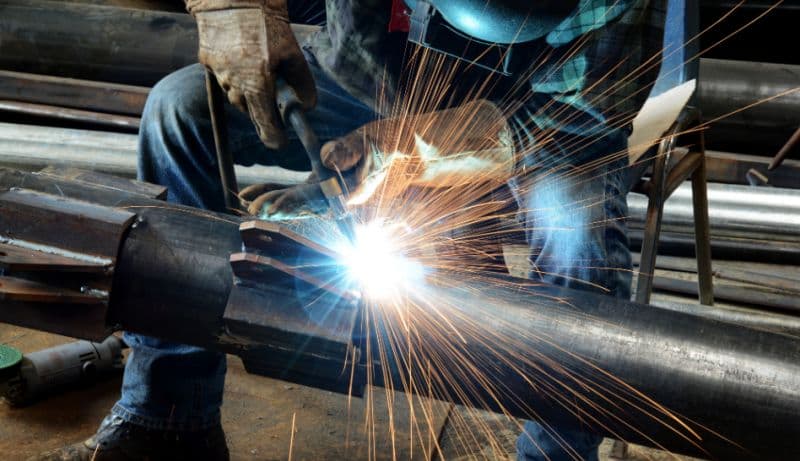
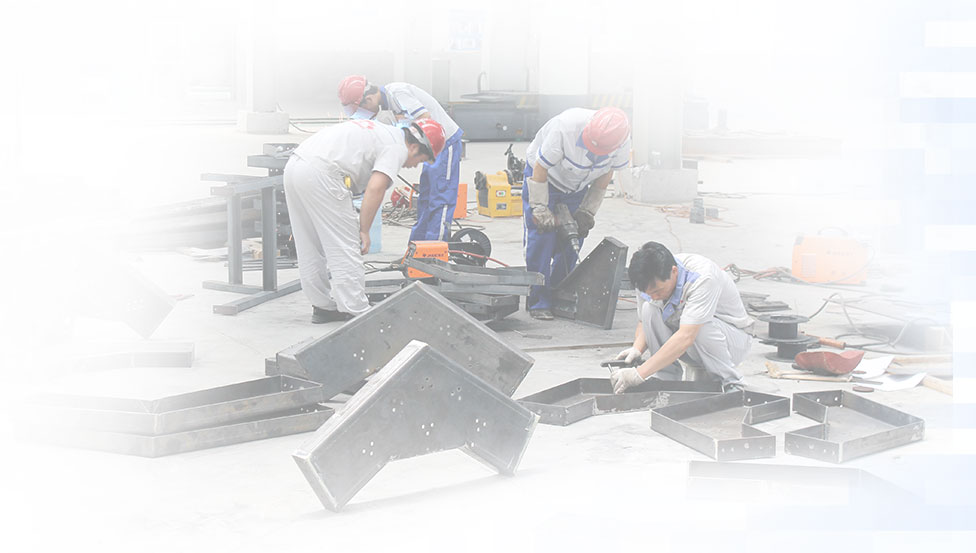
● Manufacturing
Equipment Manufacturing
The critical components of the of the complete pellet production line equipment are built in our own workshops in Asia. Additional equipment is manufactured by our worldwide network of reliable partners.
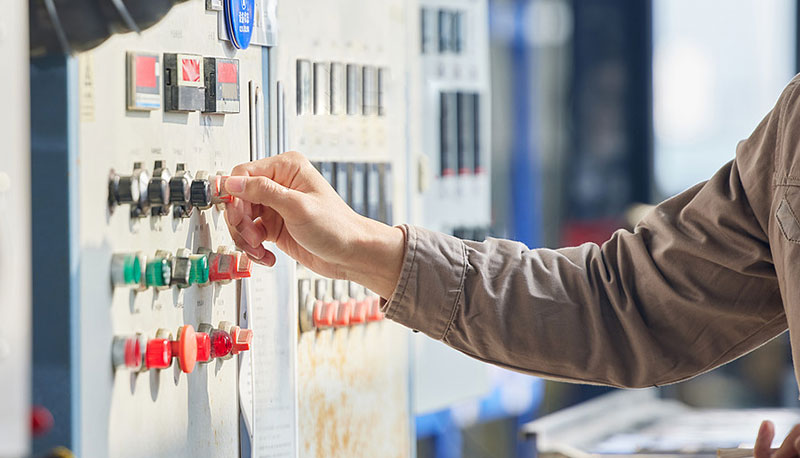
● Testing
Quality Inspection & Testing
Before leaving the factory, all equipment will be inspected by the quality inspection department. We can also provide customers with testing services from a single machine to a complete pellet plant system, and provide you with real actual data for “worry-free use.”

● Delivery
Equipment Delivery
In equipment boxing and packaging, we adopt professional packaging and modular solutions to ensure the safe and non-destructive delivery of pellet plant equipment.
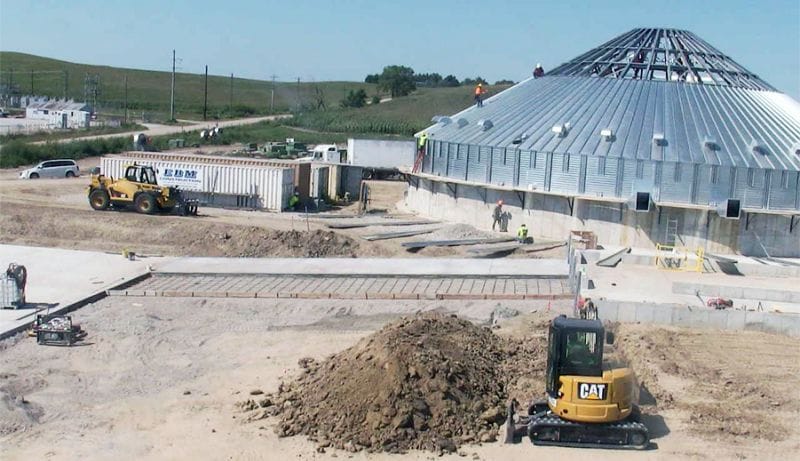
● Installation
Installation & Commissioning
Whether you choose your own subcontractor for the erection phase or you want to install everything together with us, a Richi supervisor will be around to make sure everything is mounted in a safe and thorough way.

● Training
Staff Training
We provide comprehensive training for the technicians of each project. We can also continue to provide support for the technicians during latter project operation.
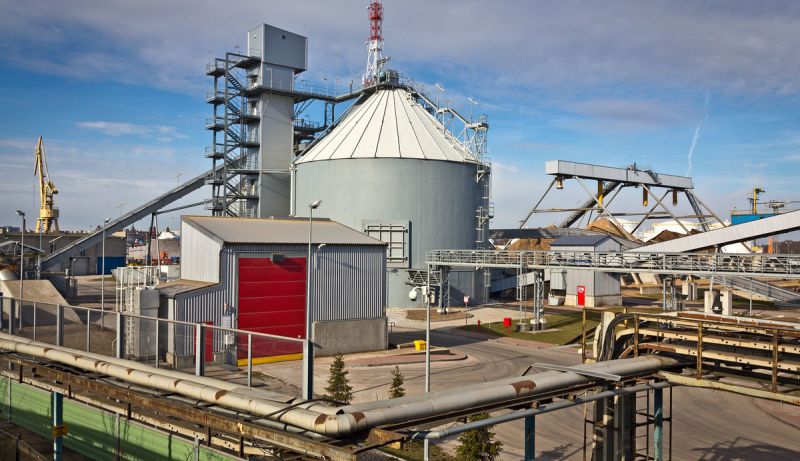
● After-sales
Project Follow-Up
When everything is up and running our Richiers will help you further whenever needed. We are ready to answer your call 24/7.We’ll also visit you regularly to learn about your needs.
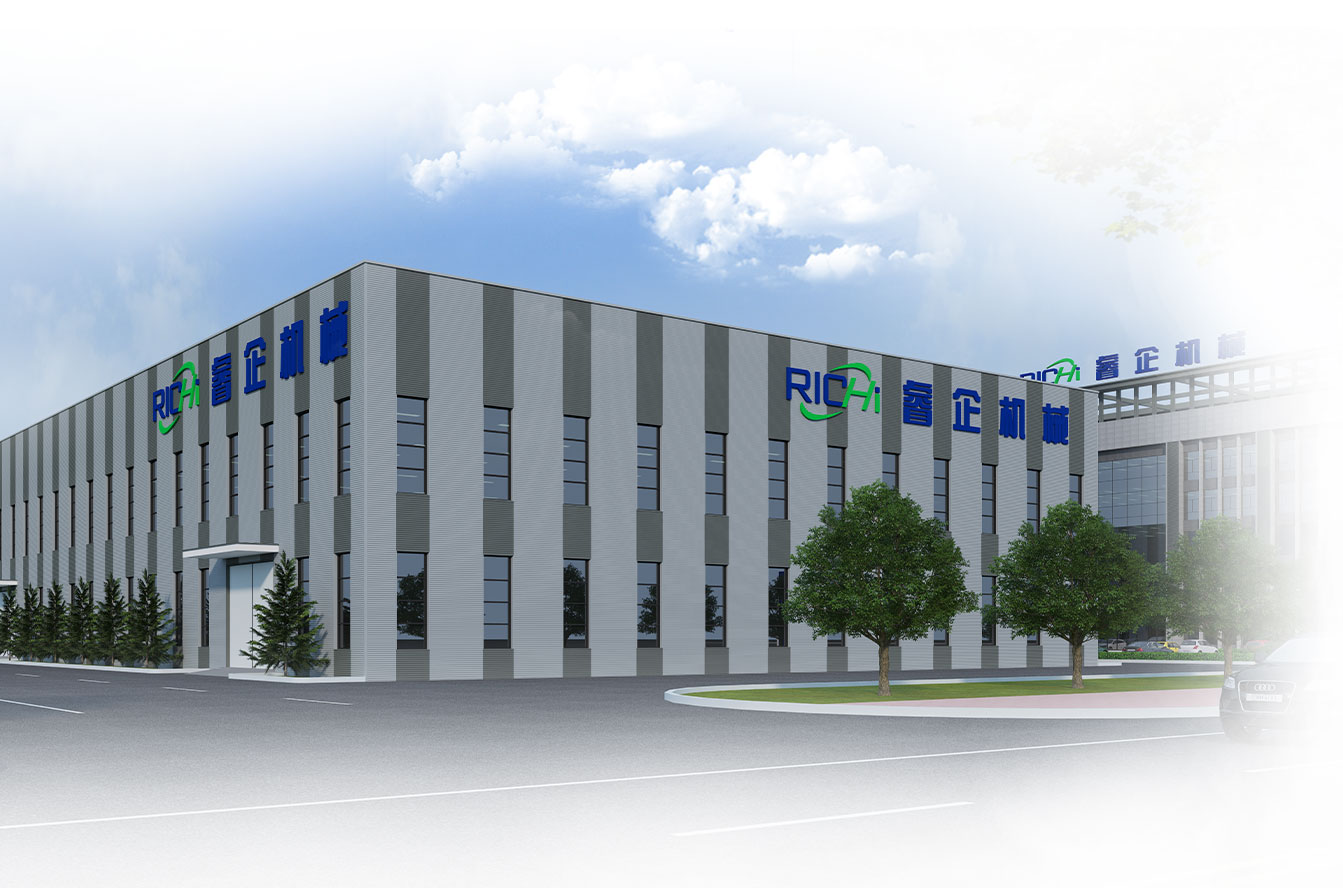
Who we are
RICHI Machinery is one of the world’s leading suppliers of technology and services for the animal feed, aqua feed and pet food industries, also the largest pellet production line manufacturer in China.
Since 1995, RICHI’s vision to build a first-class enterprise, to foster first-class employees, and to make first-class contributions to society has never wavered.
In the past three decades, we have expanded our business to a wide range of areas, including animal feed mill equipment, aqua feed equipment, pet feed equipment, biomass pellet equipment, fertilizer equipment, cat litter equipment, municipal solid waste pellets equipment, etc.

1995
RICHI Established

2000+
Serving More Than 2000 Customers

120+
RICHI Employees

140+
Exported To 140 Countries