 0086-138 3838 9622
Turnkey Livestock Bedding Pellet Line in Bulgaria
RICHI MACHINERY
project overview
A Bulgarian customer reached out to us in February 2025. He wasn’t looking for fuel pellets. He wanted a complete 8t/h turnkey livestock bedding pellet line in Bulgaria that could process wheat straw and softwood shavings into animal bedding. The target output was 8 tons per hour, running two shifts per day. His biggest headache? He had tried importing bedding pellets from Romania, but logistics costs ate up his margins. Local production was the only way forward.
We visited his site near Plovdiv in early March. The existing building was about 2,800 m², with a clear height of only 5.5 meters at the eaves. That meant we couldn’t use a tall tower-style drying system. We had to design a horizontal layout.
The customer also emphasized one thing repeatedly: the final bedding pellets must be 6-8 mm in diameter and 15-25 mm in length, with very low fines. Fuel pellet dimensions (6 mm × 30 mm+) would not work. Horses and dairy cows are sensitive to dust and hard edges. So we adjusted the die specification and added a dedicated screening step after the pellet mill. That was the real customization.
8T/H
capacity
$487,000
investment
Bulgaria
location
Bedding
project type
RICHI MACHINERY
Why bedding pellets, not fuel?
The customer explained his math. In Bulgaria, a ton of straw fuel pellets sells for around €140-160. But livestock bedding pellets, made from the same raw materials, sell for €210-240 per ton.
The premium comes from stricter quality control: lower dust (<1%), controlled pellet length (15-25 mm), and higher absorbency. His primary customers were horse stables near Sofia and dairy farms in the Plovdiv region. He also had a deal with a German equestrian supply company to export about 30% of his output.
RICHI MACHINERY
Raw materials available locally
Bulgaria grows a lot of wheat and corn. The Thracian Plain (where Plovdiv is located) produces massive amounts of straw every July-August. The customer secured contracts with three local farmers for 8,000 tons of wheat straw annually. He also arranged with a furniture factory in Pazardzhik for 3,500 tons of pine and beech shavings per year.
The average moisture content of the incoming material was around 14-18% — acceptable for direct pelleting without a separate dryer, though we still recommended a small drying step in winter months.
| Raw Material Type | Annual Supply (tons) | Moisture (as received) | Source |
|---|---|---|---|
| Wheat straw | 8,000 | 12-16% | Local farms (30 km radius) |
| Corn stalks | 3,000 | 15-18% | Neighboring villages |
| Pine shavings | 2,500 | 10-12% | Furniture factory waste |
| Beech shavings | 1,000 | 10-12% | Secondary wood processing |
The customer also planned to experiment with sunflower husks later, but that wasn’t in Phase 1.
Equipment configuration for bedding pellets
Here’s what we actually supplied. The Livestock Bedding Pellet Line in Bulgaria was designed as turnkey, meaning we handled everything from the receiving pit to the bagging scale. The customer wanted a clear list for his bank loan application, so we provided this table:
| Equipment Name | Quantity | Notes |
|---|---|---|
| Rough shredder (7.5 t/h) | 1 unit | For bale breaking of straw |
| Magnetic separator | 2 units | Protection for hammer mill and pellet mill |
| Hammer mill (90 kW) | 1 unit | Screen size 6 mm for bedding |
| Cyclone separator + airlock | 1 set | Primary dust collection |
| Pulse baghouse filter | 2 units | One for hammer mill, one for pellet mill |
| Screw conveyor (horizontal) | 3 units | Transfer between bins |
| Bucket elevator | 2 units | Vertical lifting |
| Conditioning bin (15 m³) | 1 unit | For moisture adjustment |
| Animal bedding pellet mill | 2 units | Running in parallel for 8 t/h total |
| Counterflow cooler | 1 unit | Cools pellets from 80°C to <5°C above ambient |
| Pellet screener | 1 unit | Removes fines (<1% target) |
| Automatic bagging scale | 1 unit | 15-25 kg bags |
| Control cabinet + PLC | 1 set | Local control with manual override |
The livestock bedding pellet mill dies were customized with an effective thickness of 45 mm (instead of 55 mm for fuel) and a compression ratio of 1:5.5. This produces a softer pellet that breaks apart easily when animals step on it, but still holds together during bagging and transport.
RICHI MACHINERY
How the bedding pellet line actually runs
The process starts with bales. The customer uses a front-end loader to feed straw bales into the rough shredder. That machine tears the bales apart without over-grinding. From there, a belt conveyor (with a magnetic head pulley) moves the material to the hammer mill. The hammer mill uses 6 mm screens. Why 6 mm? For bedding, you don’t need powder. You need fibrous particles that will interlock inside the pellet die. Too fine, and the bedding becomes dusty. Too coarse, and the pellet mill struggles.
After grinding, a cyclone separates most of the material. The fine dust goes to a baghouse filter — that collected dust gets fed back into the conditioning bin. No waste.
The conditioned material (moisture adjusted to 14-15% using a small water spray system inside the conditioning bin) drops into the pellet mill feeder. The two pellet mills run at 280 kW each. At 8 t/h total, each mill handles about 4 t/h, which is well within their comfortable operating range. We didn’t push them to the limit because bedding pellets need consistent die temperature — too hot, and the lignin becomes brittle.
After pelleting, the hot pellets (around 80°C) fall into the counterflow cooler. Cooling takes about 15-20 minutes. The cooled pellets then go through a screener. That screener is critical. It removes any fines below 2 mm. Those fines get recycled back to the hammer mill.
Finally, the clean, cooled bedding pellets go to the bagging scale. The customer uses 20 kg paper bags with handles — his equestrian customers prefer that size.
RICHI MACHINERY
The customer’s original concerns
When we first talked on the phone in February 2025, the customer had three main worries.
First, he said: “My building height is only 5.5 meters. Can you fit a full line in there?” Most pellet plants we design use a tower layout with the cooler and screener elevated. That requires at least 8 meters. For his building, we redesigned everything on one floor. The bucket elevators are shorter, and the cooler sits on a low platform (1.5 meters high) with a screw conveyor feeding the screener below. It’s not as elegant as a tower, but it works.
Second: “I don’t want to spend money on a dryer.” We tested his straw moisture in March. Average was 15%, which is borderline. For fuel pellets, 15% is fine. For bedding pellets, we prefer 13-14% to avoid mold during storage. So we added a small drying chamber using waste heat from the pellet mill motors. It’s not a full dryer — just a hot air injection system that reduces moisture by 2-3%. That was enough.
Third: “How do I know the pellets won’t hurt my customers’ animals?” We sent him samples from a similar bedding line we installed in Romania. He tested them on his own horses. After two weeks, he confirmed there was no respiratory irritation, and the bedding absorbed urine well without turning into sludge. That’s when he signed the contract.
RICHI MACHINERY
Project timeline and costs
The customer first contacted us on February 18, 2025. We sent a technical proposal on March 5. He visited our manufacturing facility in China on March 20 (we covered his hotel; he paid for flights). The contract was signed on April 2, 2025.
Equipment price (FOB Qingdao port): $487,000 USD
This includes the shredder, hammer mill, two pellet mills, cooler, baghouse filters, conveyors, control panel, and spare parts kit (dies, rollers, bearings).
- Sea freight from Qingdao to Burgas Port (Bulgaria’s main Black Sea port): $8,500 USD (40-foot container x 4)
- Customs clearance and inland transport to Plovdiv: $4,200 USD
- Installation supervision (our engineer on-site for 21 days): $9,500 USD
- Total project investment (equipment + shipping + installation): $509,200 USD
The customer spent another $35,000 on electrical wiring, air compressor, and a small front-end loader locally.
RICHI MACHINERY
Production data after three months
We commissioned the Turnkey Livestock Bedding Pellet Line in late June 2025. By September, the customer was running 16 hours per day (two shifts). Actual output averaged 7.6-8.2 t/h depending on the straw-to-wood ratio. With 100% straw, output dropped to 7.2 t/h. With 50% straw + 50% pine shavings, it hit 8.3 t/h. The customer now blends 40% straw with 60% wood shavings for his premium bedding product.
- Electricity consumption: 185-195 kWh per ton of pellets
- Pellet durability index (PDI): 94.5% (fuel pellets usually target 97%+, but bedding actually needs slightly lower durability so it doesn’t feel like rocks)
- Fines percentage after screening: 0.6-0.8%
- Daily production (16 hours): 120-130 tons
RICHI MACHINERY
Market outlook for livestock bedding pellets in Bulgaria
Bulgaria has about 25,000 horses (according to the national statistics office) and over 300,000 dairy cows. Most stables currently use imported bedding pellets from Hungary or Serbia, or they use chopped straw. But chopped straw is messy — it gets kicked out of stalls quickly. Bedding pellets absorb more liquid and last longer.
The customer told me in August that his biggest challenge is not demand — it’s keeping up with orders. He already signed contracts with four horse clubs near Sofia and two organic dairy farms. His German buyer wants 500 tons per month starting January 2026.
The Bulgarian government also offers subsidies under the “Rural Development Program” for investments in agricultural waste processing. The customer applied and got back about 15% of his equipment cost. That’s worth checking for any similar project in the EU.
RICHI MACHINERY
Why this specific design works for bedding
Here’s something most people get wrong. A fuel pellet plant and a bedding pellet line look similar on paper. Same hammer mill. Same ring die pellet machine. Same pellet cooler machine. But the differences are in the details.
Fuel pellets need high density and high durability. You use a thick die, high compression ratio, and you grind the material very fine (4 mm screen or smaller). Bedding pellets need lower density, lower durability, and more fiber length. You use a slightly thinner die, lower compression ratio, and a larger screen size (6 mm). You also want to avoid over-drying. Bedding that’s too dry creates dust. Bedding that’s too wet grows mold. The sweet spot is 12-14% final moisture.
We also added a dedicated fines screener after the cooler. Most fuel pellet machine lines skip this or use a simple vibrating screen. For bedding, you really need to remove everything under 2 mm. Those tiny particles are what cause respiratory problems in animals.
RICHI MACHINERY
A few things that surprised the customer
First, he didn’t expect the pellet mill to run quieter with the bedding die. The lower compression ratio means less friction. The mill runs at about 82 dB instead of 88 dB.
Second, he was surprised by how much the straw blend matters. Pure straw pellets are lighter and more absorbent, but they create more dust. Adding 40-50% wood shavings cuts dust by about 60%. He now markets two products: “Economy” (100% straw) and “Premium” (straw + wood blend).
Third, storage. Bedding pellets don’t like humidity. The customer had to seal his warehouse better and add passive ventilation. We didn’t think of that during design — he figured it out himself after the first batch softened in a rainy week.
RICHI MACHINERY
Practical advice if you’re considering a similar line
If you’re reading this and thinking about your own turnkey livestock bedding pellet line, here’s what I’d tell you based on this Bulgarian project.
First, test your raw material moisture across all seasons. Summer straw is dry. Winter straw (stored outdoors) can be 22% moisture. That will choke your pellet mill. Have a plan for blending or light drying.
Second, don’t over-spec the hammer mill screen. Start with 6 mm. Try 5 mm only if your pellets are falling apart. Bedding pellets need some fiber length to stay together.
Third, budget for a good screener. It’s tempting to skip it to save money. Don’t. Your customers will complain about dust, and you’ll lose the premium price.
Fourth, talk to your local veterinary or agricultural extension office. In Bulgaria, the customer got a small grant for “animal welfare improvement” because bedding pellets reduce ammonia emissions compared to straw. That might apply in your country too.
RICHI MACHINERY
Still available for consultation
We finished this project in July 2025. The customer is now running profitably and just ordered a spare parts package (dies, rollers, bearings) for next year. If you have a similar raw material — wheat straw, rice straw, corn stalks, sunflower husks, or softwood shavings — and you’re aiming for 5-10 t/h output, we can design a custom layout for your building.
We ship from Qingdao to Burgas (Bulgaria’s main Black Sea port), or to Rijeka (Croatia) if you’re further west, or to Piraeus (Greece) for southern Balkans. Sea freight costs have stabilized recently — about $2,000-$2,500 per 40-foot container to most European ports.
The key is to start with a clear idea of your final pellet size and hardness. Don’t assume fuel pellet equipment works for bedding. It doesn’t. Tell us your animal type (horses? cows? poultry?), your raw material, and your target output. We’ll send you a process flow diagram and a budget quote within one week.
● RICHI MACHINERY
RICHI Service

● Consulting
Customer Consultation
We want to have a deep understanding of your industrial process, to know your exact needs of feed, wood, biomass, fertilizer or other pellet processing.
● Design
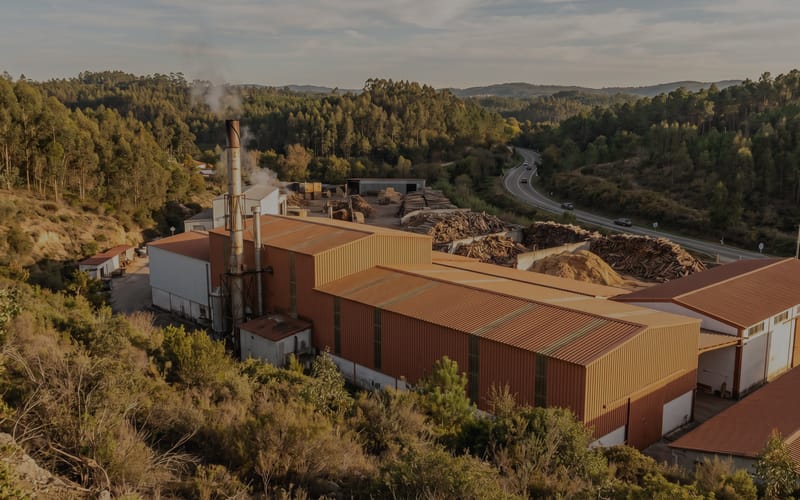
biomass Pellet Plant Design
Based on your unique situation and industrial process, we will tailor complete pellet plant you need, and inform you of every additional detail that could facilitate operation, minimize total cost.
● Manufacturing
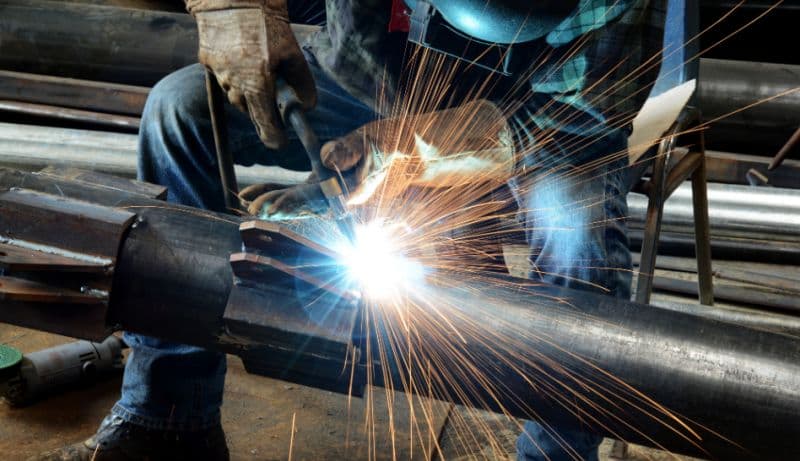
Equipment Manufacturing
The critical components of the of the complete pellet production line equipment are built in our own workshops in Asia. Additional equipment is manufactured by our worldwide network of reliable partners.

● Testing
Quality Inspection & Testing
Before leaving the factory, all equipment will be inspected by the quality inspection department. We can also provide customers with testing services from a single machine to a complete pellet plant system, and provide you with real actual data for “worry-free use.”

● Delivery
Equipment Delivery
In equipment boxing and packaging, we adopt professional packaging and modular solutions to ensure the safe and non-destructive delivery of pellet plant equipment.
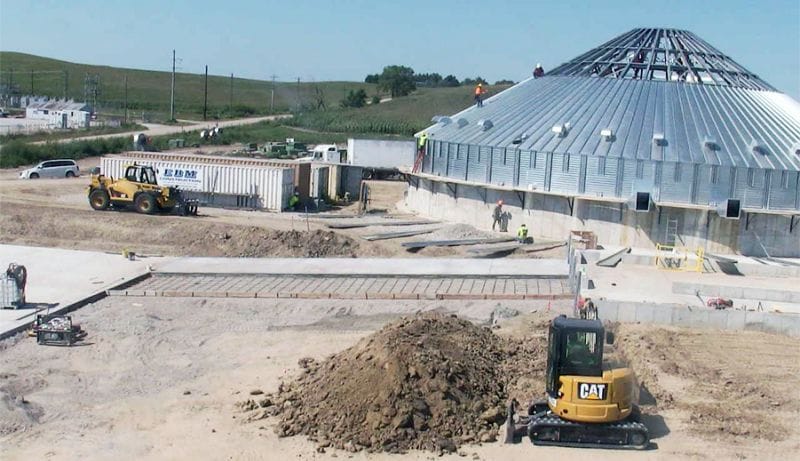
● Installation
Installation & Commissioning
Whether you choose your own subcontractor for the erection phase or you want to install everything together with us, a Richi supervisor will be around to make sure everything is mounted in a safe and thorough way.

● Training
Staff Training
We provide comprehensive training for the technicians of each project. We can also continue to provide support for the technicians during latter project operation.

● After-sales
Project Follow-Up
When everything is up and running our Richiers will help you further whenever needed. We are ready to answer your call 24/7.We’ll also visit you regularly to learn about your needs.
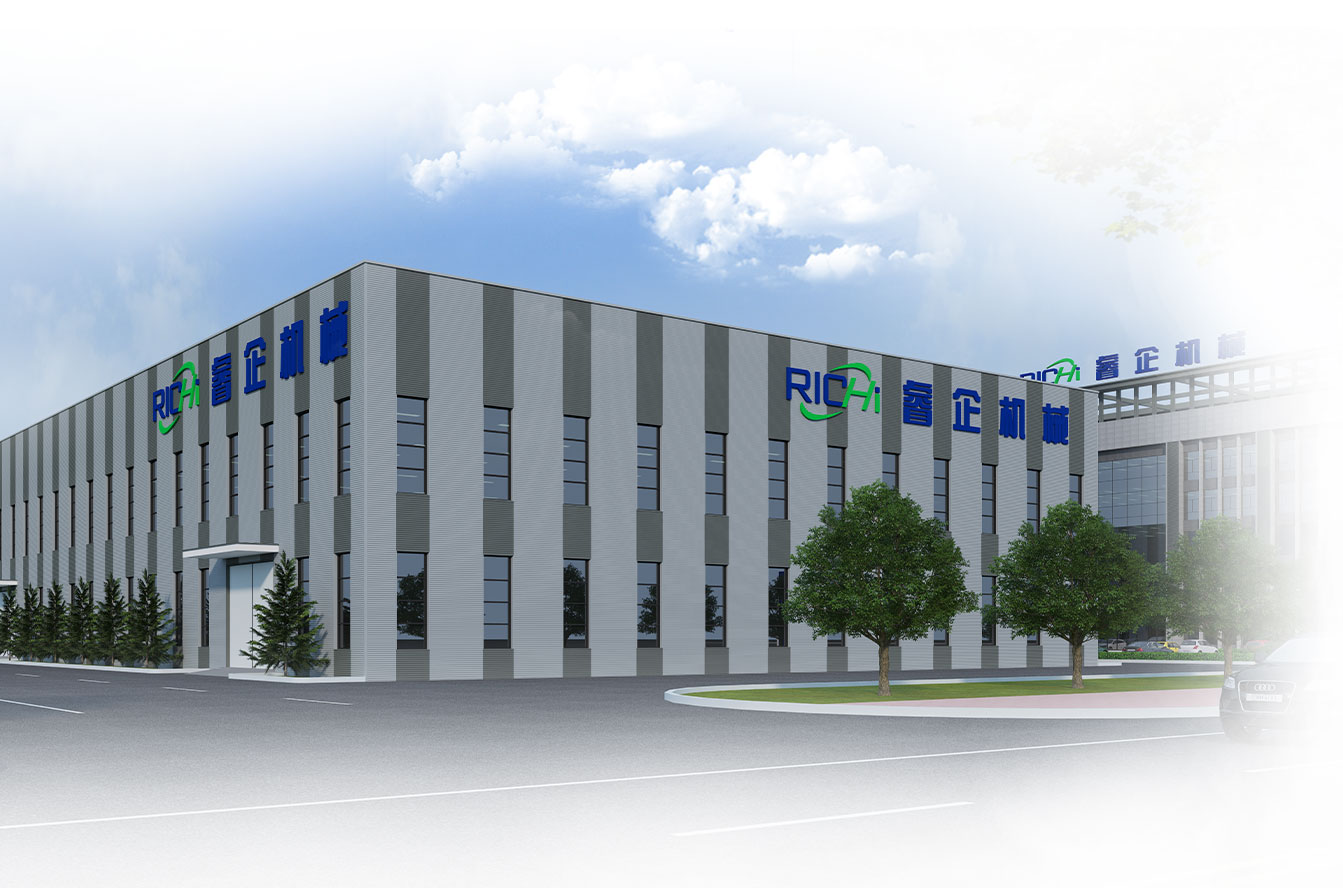
Who we are
RICHI Machinery is one of the world’s leading suppliers of technology and services for the animal feed, aqua feed and pet food industries, also the largest pellet production line manufacturer in China.
Since 1995, RICHI’s vision to build a first-class enterprise, to foster first-class employees, and to make first-class contributions to society has never wavered.
In the past three decades, we have expanded our business to a wide range of areas, including animal feed mill equipment, aqua feed equipment, pet feed equipment, biomass pellet equipment, fertilizer equipment, cat litter equipment, municipal solid waste pellets equipment, etc.

1995
RICHI Established

2000+
Serving More Than 2000 Customers

120+
RICHI Employees

140+
Exported To 140 Countries