 0086-138 3838 9622
Tofu Cat Litter Production Plant for Soybean Residue in Thailand
RICHI MACHINERY
Project Overview
A pet product startup approached RICHI Machinery to build a 1-1.5t/h tofu cat litter production plant for soybean residue in Thailand with an annual capacity of 3,000 tons of tofu cat litter (running 8 hours per day, 300 days per year). The facility produces high-quality, biodegradable, clumping cat litter from soybean residue (okara), corn starch, and natural binders.
The client is located in the Samut Sakhon province, about 40km southwest of Bangkok. This region is Thailand’s largest seafood and food processing hub, with dozens of tofu and soybean product factories generating abundant soybean residue (okara) as a byproduct. The client saw an opportunity to convert this waste material into a high-value pet product.
Market background: The global cat litter market is about $10 billion annually, growing at 4-5% per year. Clay-based (bentonite) litter still dominates, but environmental concerns are driving growth in plant-based alternatives. Tofu cat litter (made from soybean residue) has several advantages:
- Biodegradable – can be composted or flushed (in small quantities)
- Dust-free – better for cats and humans with respiratory issues
- Clumping – forms tight clumps that don’t break apart
- Odor control – natural soybean fibers absorb ammonia effectively
- Lightweight – about 30-40% lighter than clay litter
The client’s target market is urban cat owners in Bangkok, Chiang Mai, and other major Thai cities.
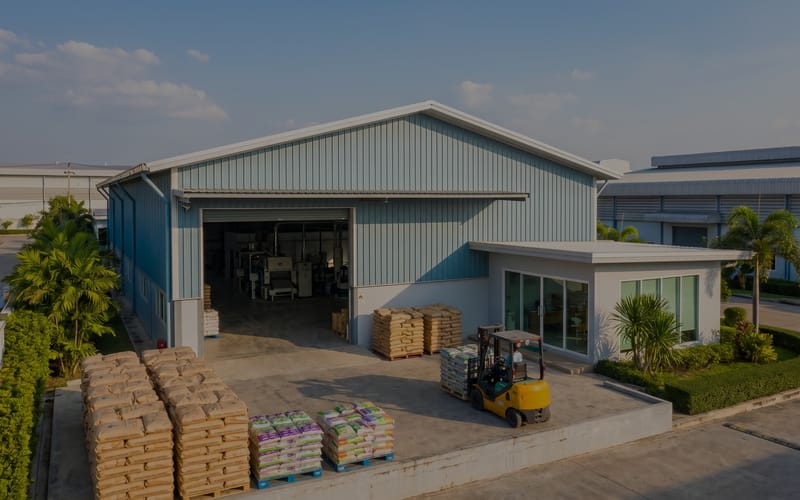
The client’s facility is a space (1,550m²) in a small industrial park in Samut Sakhon. The building was originally used for photography equipment manufacturing, but the client converted it for cat litter production. The total investment was about $85,000 USD including equipment, building modifications, and initial raw material inventory.
This case explains how RICHI designed this cat litter production line specifically for tofu cat litter – a product that behaves very differently from biomass pellets.
1-1.5T/H
capacity
$85,000
investment
Thailand
location
Cat Litter
project type
RICHI MACHINERY
Why Tofu Cat Litter?
Thailand’s pet industry has exploded in the last decade. Rising disposable income, smaller living spaces (apartments), and changing attitudes toward pets as family members have driven demand for premium pet products.
Thailand pet market statistics:
| Segment | Annual value (THB) | Annual value (USD) | Growth rate |
|---|---|---|---|
| Pet food | 50 billion | $1.43 billion | 8-10% |
| Pet accessories | 15 billion | $429 million | 10-12% |
| Pet litter | 3-4 billion | $86-114 million | 15-20% |
Current cat litter market share in Thailand:
| Type | Market share | Price (THB/kg) | Notes |
|---|---|---|---|
| Bentonite clay | 60% | 30-50 | Most common, but heavy and non-biodegradable |
| Silica gel | 20% | 80-120 | Expensive, non-biodegradable |
| Tofu (imported) | 15% | 80-100 | Growing fast, but expensive |
| Other (wood, paper) | 5% | 40-60 | Niche |
The client saw the gap: locally produced tofu cat litter would be 40-50% cheaper than imported product, with faster delivery and fresher material.
Raw material availability: Samut Sakhon has over 50 tofu and soybean product factories. These factories generate tons of soybean residue (okara) daily – currently sold as low-value animal feed or disposed of as waste. The client can purchase okara for 5-8 THB/kg ($0.14-0.23) – about 10-20% of the cost of imported soybean fiber.
RICHI MACHINERY
Raw Materials: What Goes Into Tofu Cat Litter
Tofu cat litter is made from three main ingredients plus minor additives:
1. Soybean residue (okara) –Pea Fiber (65% of formula)
- Source: Local tofu factories in Samut Sakhon
- Form: Wet or semi-dry fiber (the client buys dried fiber at 10-12% moisture)
- Function: Primary absorbent material – holds 3-4x its weight in liquid
- Quality requirement: High purity (no protein remaining – residual protein can cause odor)
2. Corn starch (30% of formula)
- Source: Imported from Thailand’s corn belt (Nakhon Sawan, Kamphaeng Phet)
- Form: Fine powder, 100 mesh
- Function: Binding agent – gelatinizes when wet, creating tight clumps
3. Guar gum (2% of formula)
- Source: Imported from India (Thailand has limited guar production)
- Form: Powder
- Function: Natural binder and clumping agent – improves clump strength
4. Vegetable oil powder (0.5% of formula)
- Source: Local supplier
- Form: Powdered fat
- Function: Lubrication for pellet mill, reduces dust
5. Fragrance (trace, 0.05%)
- Source: Imported from China or Thailand
- Form: Liquid or powder
- Function: Adds light scent (optional – many customers prefer unscented)
Annual raw material consumption:
| Raw Material | Annual (tons) | Storage form | Supplier | Cost (THB/kg) | Cost (USD/kg) |
|---|---|---|---|---|---|
| Soybean residue (okara) | 1,900 | 25kg bags | Local tofu factories | 6 | $0.17 |
| Corn starch | 1,000 | 25kg bags | Domestic | 15 | $0.43 |
| Guar gum | 50 | 25kg bags | Imported (India) | 120 | $3.43 |
| Vegetable oil powder | 4 | 20kg bags | Local | 80 | $2.29 |
| Fragrance | 0.05 | Small bottles | Imported | 2,000 | $57.14 |
| Total dry input | 2,954.05 | — | — | — | — |
Wait, where’s the water? Water (250 tons/year) is added during mixing (about 8-10% of batch weight) to hydrate the starch and fibers. Most of this water evaporates during drying (the dryer removes it). The output is 3,000 tons of finished cat litter – slightly higher than dry input because of water retained in the final product (about 8-10% moisture).
Water addition during mixing: About 80-100 liters per ton of dry mix. The client’s formula: 1,000kg dry mix + 80-100kg water → 1,080-1,100kg wet mix → after drying loses 80-100kg water → 1,000kg final product.
Quality control for raw materials:
| Material | Test | Acceptable range |
|---|---|---|
| Soybean residue | Moisture | <10% |
| Soybean residue | Protein content | <3% (high protein causes odor) |
| Soybean residue | Fiber length | 10-50 microns |
| Corn starch | Moisture | <12% |
| Corn starch | Purity | >98% starch |
| Guar gum | Viscosity (1% solution) | >5,000 cP |
The client rejects any raw material that doesn’t meet these specs. In the first three months, they rejected about 5% of incoming soybean residue (mostly due to moisture >10% or visible contamination).
RICHI MACHINERY
The Site and Building
The client’s facility is in a single-story steel-framed structure with concrete floor and 8m ceiling height.
Building layout:
| Area | Size (m²) | Use |
|---|---|---|
| Production area | ~500 | Mixing, pelletizing, drying |
| Raw material storage | ~400 | 25kg bags stacked on pallets |
| Finished product storage | ~400 | Bagged cat litter (vacuum-sealed) |
| Office/break room | ~150 | Admin, staff break area |
| Packaging area | ~100 | Bagging and vacuum sealing |
| Total | ~1,550 | — |
Layout choices:
The client chose a simple linear layout (west to east):
- Raw material storage at the west end (receiving area)
- Mixing area in the southwest corner
- Pelletizing in the center
- Drying (gas-fired oven) in the east-central area
- Cooling, packaging, and finished goods at the east end
This layout keeps material moving in one direction – no backtracking.
Why the client didn’t need a large space: At 1-1.5 t/h, the line needs only 500m² for production. The rest is storage. The building’s 8m ceiling height allows stacking bagged raw materials 2-3 pallets high.
RICHI MACHINERY
Equipment Configuration
| Equipment | Quantity | Power (each) | Function |
|---|---|---|---|
| Mixer (ribbon blender) | 2 units | 15 kW | Mixing dry ingredients with water |
| Screw conveyor | 1 unit | 2.2 kW | Transfer mix to pellet mill |
| Cat litter pellet machine | 2 units | 45 kW | Extrude into pellets (room temperature) |
| Dryer (gas-fired belt) | 2 units | — | Remove moisture at 65°C |
| Gas burner | 1 unit | — | Heat source for dryer |
| Packaging system | 2 units | 2.2 kW | Automatic bagging and vacuum sealing |
| Baghouse dust collector | 1 unit | 5.5 kW | Collects dust at mixing and packaging |
| Air compressor | 1 unit | 7.5 kW | For pneumatic controls |
Cost of whole set cat litter making machines (FOB Qingdao): $48,500 USD
Why this specific configuration for tofu cat litter:
1. Pellet mills operate at room temperature (no conditioning). Unlike biomass fuel pellets (which need heat to activate lignin) or animal feed (which needs steam conditioning), tofu cat litter pellets are formed at ambient temperature. The mixture is moist (about 30-35% moisture after mixing) and sticky – it extrudes easily without heat. Heat would actually damage the product (starch would gelatinize too early, causing hard pellets that don’t clump well).
2. Gas-fired belt dryer (65°C). The pellets exit the mill at 30-35% moisture. They need to be dried to 8-12% for storage stability. But temperature matters: above 70°C, the starch gelatinizes and the pellets become hard and non-absorbent. The client’s dryer operates at 60-65°C, slow enough to remove moisture without cooking the starch. Drying takes about 2-3 hours.
3. Two mixers for batch processing. The recipe is mixed in batches (500kg per batch). While one mixer is discharging to the pellet mill, the other mixer is preparing the next batch. This allows continuous pellet mill operation.
4. Vacuum packaging system. Tofu cat litter is hygroscopic (absorbs moisture from the air). If stored in regular bags, it will absorb humidity and lose clumping ability within weeks. The client uses vacuum-sealed bags (5kg, 7kg, 10kg sizes) to keep the product dry.
RICHI MACHINERY
Process Flow
Step 1: Raw Material Receiving and Storage
All raw materials arrive in 25kg bags (except fragrance, which is in small bottles). A forklift moves pallets from the truck to the raw material storage area.
The client’s storage system:
- Soybean residue: 60 pallets (about 7-10 days of production)
- Corn starch: 30 pallets (about 7 days)
- Guar gum: 5 pallets (about 30 days)
- Oil powder: 2 pallets (about 60 days)
All materials are stored at ambient temperature (25-35°C in Samut Sakhon). Humidity is controlled by dehumidifiers (the client installed 2 units, cost about $800 each) to prevent clumping of starch and guar gum.
Step 2: Batching and Weighing
Operators manually weigh each ingredient using a digital floor scale (500kg capacity, ±100g accuracy).
Batch formula (500kg dry mix):
| Ingredient | Weight (kg) | Percentage |
|---|---|---|
| Soybean residue | 325 | 65% |
| Corn starch | 150 | 30% |
| Guar gum | 10 | 2% |
| Vegetable oil powder | 2 | 0.4% |
| Fragrance | 0.01 | 0.002% |
| Total dry | 487.01 | — |
| Water | 42 | — |
| Total wet mix | ~529 | — |
Why manual batching? The client’s production volume (3,000 tons/year, about 10 tons/day) is small enough that a fully automated batching system ($50,000+) wasn’t justified. Two operators can weigh and batch 10 batches per day (5 tons) – about 2.5 hours of work. The rest of the shift is spent monitoring the pellet mill and dryer.
Step 3: Mixing
(Engineer’s note: This is the most critical step for tofu cat litter. Even distribution of water and guar gum determines clumping quality.)
The operator loads the dry ingredients into the ribbon blender (15 kW, 500kg capacity). The blender runs for 3 minutes to dry-mix the ingredients.
Then the operator adds water (42 liters per batch) through a spray bar inside the mixer. The water is added gradually over 1 minute while the mixer runs.
Mixing parameters:
- Dry mix time: 3 minutes
- Water addition: 1 minute (spraying)
- Wet mix time: 5 minutes (after water addition)
- Total cycle: 9 minutes per batch
Target consistency: The mixture should feel like wet sand – clumps when squeezed but doesn’t release water. The client tests every batch by hand: grab a handful, squeeze. If water drips out, too wet (reduce water). If it doesn’t clump, too dry (add water).
Why a ribbon blender instead of a paddle mixer? Ribbon blenders are gentler on the fibers. Paddle mixers can break down the soybean fibers, reducing absorbency. Ribbon blenders fold the material rather than beating it.
Step 4: Pelletizing (Room Temperature)
(Engineer’s note: No steam, no heat, no preconditioning. The wet mix goes directly into the pellet mill.)
The wet mix discharges from the mixer into a screw conveyor (2.2 kW) that feeds two pellet mills (45 kW each).
Pellet mill parameters for tofu cat litter:
| Parameter | Value | Notes |
|---|---|---|
| Die diameter | 350 mm | Standard size for this application |
| Die hole diameter | 6 mm | Produces 6.5mm pellets |
| Compression ratio | 3:1 | Very low – gentle extrusion |
| Die speed | 120-150 RPM | Slower than biomass (200+ RPM) |
| Operating temperature | Ambient (30-35°C) | No conditioning |
| Moisture entering mill | 30-35% | Higher than biomass (12-15%) |
| Throughput per mill | 0.5-0.75 t/h | Combined 1-1.5 t/h |
Why low compression ratio (3:1)? Tofu cat litter pellets need to be soft and friable (they break apart when wet to form clumps). High compression ratio would produce hard, dense pellets that don’t absorb water quickly. The 3:1 ratio is gentle – just enough to form a pellet that holds together for packaging and transport but falls apart in contact with moisture.
Pellet quality checks (every 30 minutes):
| Parameter | Target | Method |
|---|---|---|
| Diameter | 6-7 mm | Caliper (20 pellets) |
| Length | 10-20 mm | Caliper (50 pellets) |
| Moisture (exit mill) | 30-35% | Portable meter |
| Pellet integrity | Holds shape | Squeeze test |
No die heating, no cooling water – the pellet mill runs at ambient temperature. If the die gets too hot (friction), the starch will gelatinize and the pellets will become hard. The client monitors die temperature with an infrared gun. If temperature exceeds 45°C, they slow the mill or stop to let it cool.
Step 5: Drying
This is the second most critical step. Too hot, and you cook the starch. Too fast, and pellets crack on the surface.)
Wet pellets (30-35% moisture) are conveyed to two gas-fired belt dryers.
Dryer parameters:
| Parameter | Value |
|---|---|
| Type | Belt conveyor oven, gas-fired |
| Temperature | 60-65°C |
| Residence time | 2-3 hours |
| Airflow | Recirculating (80% recirculated, 20% fresh) |
| Fuel | LPG (Thailand’s most available gas) |
| Moisture out | 8-12% |
Drying process:
The pellets are spread in a 5-8cm thick layer on a perforated stainless steel belt (1.5m wide, 12m long). The belt moves slowly through the oven (about 4-6 cm per minute). Hot air (60-65°C) is blown upward through the belt from below, then recirculated.
The oven has three temperature zones:
- Zone 1 (inlet): 65°C – initial surface drying
- Zone 2 (middle): 60°C – bulk moisture removal
- Zone 3 (outlet): 55°C – final conditioning
Why three zones? Rapid drying at high temperature causes case hardening – the outer surface dries and hardens while the inside remains wet. When the pellet is used, it won’t absorb water evenly (poor clumping). Three zones with decreasing temperatures allow gentle, even moisture removal.
The client’s drying test protocol:
Every hour, the operator takes samples from the outlet and measures moisture using a digital meter (calibrated weekly against oven drying at 105°C/24h). Target: 8-12%.
If moisture >12%, the client slows the belt speed (longer residence time) or slightly increases temperature (max 65°C). If moisture <8%, they increase belt speed or reduce temperature.
Energy consumption for drying:
| Parameter | Value |
|---|---|
| LPG consumption | 40-50 kg per ton of finished product |
| LPG cost (Thailand) | 20-25 THB/kg ($0.57-0.71) |
| Drying cost per ton | 800-1,250 THB ($23-36) |
Drying is the most expensive part of the process (about 30-40% of operating cost). The client is exploring solar pre-drying (using a greenhouse) to reduce LPG consumption, but hasn’t implemented it yet.
Step 6: Cooling
Dried pellets (60-65°C, 8-12% moisture) exit the dryer and drop onto a cooling conveyor (2m wide, 5m long). Ambient air is blown across the pellets from fans (2 units, 1.5 kW each).
Cooling time: 30-45 minutes until pellets reach ambient temperature (30-35°C in Samut Sakhon). The cooling conveyor has a perforated belt – air is pulled upward through the pellet bed (similar to a counterflow cooler but horizontal).
Why cooling matters: If pellets are packaged warm, condensation will form inside the bag (warm air holds more moisture; when it cools, water droplets form on the inside of the bag). This moisture will be absorbed by the pellets, raising moisture content above 12% and causing mold or loss of clumping ability.
The client’s rule: No packaging until pellets are below 40°C. They use an infrared thermometer to check temperature at the cooling conveyor discharge.
Step 7: Screening
Cooled pellets pass through a vibrating screener (2 decks):
| Deck | Screen size | Function |
|---|---|---|
| Top deck | 8 mm | Removes oversize (>15mm) – these are returned to the mixer (they get re-wet and re-pelleted) |
| Bottom deck | 4 mm | Removes fines (<4mm) – these are also returned to the mixer |
Acceptable product: Pellets between 4mm and 15mm (most are 6-12mm). These go to the packaging hopper.
Reject rate: About 3-5% of production is rejected (oversize or fines). This material is added back to the next batch (the client calculates the reject percentage and reduces raw material accordingly).
Step 8: Packaging (Vacuum Sealed)
Acceptable pellets are conveyed to the packaging area, which has two automatic packaging systems (2.2 kW each).
Why vacuum sealing? Tofu cat litter is hygroscopic – it absorbs moisture from the air. In Thailand’s humid climate (70-90% RH year-round), pellets left in open air will absorb 2-3% moisture within 24 hours. After a week, they become soft and lose clumping ability.
The client’s packaging process:
- Bagging: Pellets are filled into multi-layer bags (PET/PE/aluminum foil laminate – the same material used for coffee bags). Bag sizes: 5kg, 7kg, and 10kg.
- Vacuum sealing: The bag is placed in a vacuum chamber (1.5kW). Air is removed (pressure drops to 0.5-1.0 kPa), and the bag is heat-sealed.
- Labeling: A printed label with batch number, production date, and expiration date (12 months from production) is applied.
- Cartoning: For retail, vacuum-sealed bags are placed in printed cardboard boxes (1 bag per box for 5kg and 7kg; 1 or 2 bags per box for 10kg).
Packaging specifications:
| Bag size | Bags per pallet | Pallet weight (kg) | Retail price (THB/bag) |
|---|---|---|---|
| 5kg | 200 | 1,000 | 250 ($7.14) |
| 7kg | 140 | 980 | 340 ($9.71) |
| 10kg | 100 | 1,000 | 475 ($13.57) |
Quality check at packaging: Every 50th bag is opened and tested for:
- Moisture (should be 8-12%)
- Pellet integrity (squeeze test – should hold shape but crumble under pressure)
- Clumping test (see below)
Clumping test (performed daily):
- Weigh 100g of pellets into a 500ml beaker
- Add 50ml of water (simulates cat urine)
- Wait 30 seconds
- Remove the clump with a spoon
- The clump should be firm, not breaking apart, with no wet pellets left in the beaker
- Weigh the clump – it should absorb 3-4x its weight in water (300-400g total)
The client’s product achieves 320-350g clump weight from 100g pellets – excellent performance.
RICHI MACHINERY
Utilities and Consumption
Water usage (process water only):
| Category | Volume (m³/day) | Notes |
|---|---|---|
| Mixing water | 1.2 | 42 liters/batch × 29 batches/day (10 tons/day) |
| Equipment washing | 0.5 | Daily cleaning of mixers and pellet mills |
| Total | 1.7 | — |
Electricity consumption:
| Equipment | kW average | Hours/day | kWh/day | kWh/year |
|---|---|---|---|---|
| Mixers (2) | 10 (5 each avg) | 8 | 80 | 24,000 |
| Screw conveyor | 1.5 | 8 | 12 | 3,600 |
| Pellet mills (2) | 60 (30 each avg) | 8 | 480 | 144,000 |
| Mesh belt dryers (fans, motors) | 15 | 8 | 120 | 36,000 |
| Cooling fans | 2 | 8 | 16 | 4,800 |
| Packaging systems | 3 | 6 | 18 | 5,400 |
| Dust collector | 3 | 8 | 24 | 7,200 |
| Air compressor | 5 | 8 | 40 | 12,000 |
| Lighting, office | 2 | 10 | 20 | 6,000 |
| Total | ~101.5 | — | 810 | 243,000 kWh |
LPG consumption (drying):
| Parameter | Value |
|---|---|
| LPG per ton of product | 45 kg (average) |
| Annual LPG (3,000 tons) | 135,000 kg (135 tons) |
| LPG cost (20 THB/kg) | 2,700,000 THB/year ($77,140) |
| LPG cost per ton | 900 THB/ton ($25.70) |
Total energy cost per ton: Electricity (365 THB) + LPG (900 THB) = 1,265 THB/ton ($36.15/ton).
RICHI MACHINERY
Product Specifications (Tofu Cat Litter)
The client’s product is tested according to international standards for cat litter (ISO/TR 14294 for clumping, modified for small-scale testing).
Typical analysis:
| Parameter | Value | Test method |
|---|---|---|
| Pellet diameter | 6-7 mm | Caliper (20 pellets) |
| Pellet length | 10-15 mm | Caliper (50 pellets) |
| Moisture | 8-11% | Drying oven (105°C, 24h) |
| Bulk density | 550-600 kg/m³ | 1L cylinder, poured |
| Clump weight (100g pellets + 50ml water) | 320-350g | In-house test |
| Clump strength | Firm, doesn’t break when lifted | Visual |
| Dust content | <0.5% (practically zero) | Sieve test (pan) |
| Ammonia absorption | >90% in 30 minutes | Lab test |
| Biodegradability | 100% in 90 days (composting) | Lab test |
| pH (in water) | 6.5-7.5 | Meter |
Comparison with imported tofu litter (China, Japan):
| Parameter | Client’s product | Imported (typical) |
|---|---|---|
| Price (THB/kg) | 45-60 ($1.29-1.71) | 80-100 ($2.29-2.86) |
| Clump weight (100g pellets) | 320-350g | 300-350g |
| Dust | <0.5% | <0.5% |
| Biodegradability | 100% | 100% |
| Delivery time | 1-2 days | 2-3 weeks |
| Freshness (production to customer) | <30 days | >90 days |
The client’s product is functionally equivalent to imported tofu litter but 40-50% cheaper. The shorter supply chain means fresher product (less risk of moisture absorption during storage).
RICHI MACHINERY
How RICHI Customized This Line for Tofu Cat Litter
The client had specific requirements that shaped the equipment design:
Requirement 1: The product is completely different from biomass pellets. No heat during pelleting. Gentle mixing to preserve fiber length. Low compression ratio.
RICHI solution:
- Pellet mill with 3:1 compression ratio (vs 5-6:1 for biomass)
- No conditioner (no steam, no preheating)
- Ribbon blender instead of paddle mixer (gentler on fibers)
- Die speed reduced to 120-150 RPM (vs 180-220 RPM for biomass)
- Room temperature operation (die not heated or cooled)
Requirement 2: The client had a small budget (less than $50,000 for equipment). They couldn’t afford automated batching, PLC controls, or expensive drying systems.
RICHI solution:
- Manual batching (digital scale, 500kg capacity – cost $500)
- Simple control panel with push buttons (no PLC – cost 1,200vs8,000+ for PLC)
- Gas-fired belt dryer (basic model, no temperature zoning beyond simple baffles – cost 12,000vs30,000+ for industrial dryer)
- The client did the installation themselves (RICHI provided detailed drawings and video calls)
Requirement 3: Vacuum sealing is essential for shelf life. The client couldn’t find affordable vacuum packaging equipment in Thailand.
RICHI solution: Provided two automatic vacuum packaging systems (chamber type, 2.2 kW each) from a Chinese supplier that RICHI partners with. Cost: 4,500forbothunits(includingseafreight).ComparableequipmentinThailandwouldcost6,000-8,000 per unit.
Requirement 4: The client has limited technical knowledge (first-time manufacturer). They needed simple, easy-to-operate equipment.
RICHI solution:
- Provided a 2-day training video (in Thai language, subtitled in English)
- Labeled all buttons on the control panel in Thai
- Provided a laminated “recipe card” for each formula (ingredients in kg, mixing time, pelleting speed, drying temperature)
- WhatsApp support (24-hour response time)
RICHI MACHINERY
Lessons Learned (For Other Pet Product Startups)
Lesson 1: Tofu cat litter is not biomass pellets. Don’t try to adapt a biomass line for cat litter. The equipment is different:
- Biomass: high compression ratio, high heat, aggressive mixing
- Cat litter: low compression ratio, low heat, gentle mixing
For other startups: Work with a supplier who understands the product. RICHI has experience with tofu cat litter (we’ve supplied 15+ lines in China, Vietnam, Indonesia). Don’t buy from a supplier who only sells biomass equipment.
Lesson 2: Moisture control is everything. If incoming moisture is too high (soybean residue >10%), pellets won’t hold together. If drying temperature is too high (>70°C), starch gelatinizes and pellets become hard (poor clumping). If final moisture is too high (>12%), pellets will mold in the bag. If final moisture is too low (<8%), pellets will be dusty and break apart.
The client’s moisture tracking:
| Stage | Target moisture | Acceptable range |
|---|---|---|
| Soybean residue (incoming) | <8% | 6-10% |
| Wet mix (after mixing) | 30-32% | 28-35% |
| After pelleting | 30-32% | 28-35% |
| After drying | 10-11% | 8-12% |
| Before packaging | <11% | <12% |
Lesson 3: Packaging is critical. The client tested regular plastic bags (polyethylene) first. After 2 weeks in Thailand’s humidity (80% RH), pellet moisture increased from 10% to 15% – product was unusable. Vacuum sealing is essential.
Lesson 4: Guar gum is expensive but worth it. The client tried a recipe without guar gum (using only corn starch as binder). Clump strength was poor – clumps broke apart when scooped. Adding 2% guar gum increased clump strength by 50% and cost about 120 THB/batch ($3.43) – less than 1% of the batch value.
Lesson 5: Start with a small line. The client considered a 3 t/h line (about 150,000equipment)butdecidedon1−1.5t/h(48,500). This was wise – they learned the process, made mistakes, and refined their formula without losing a fortune. When demand grows, they will add a second line in the same building.
RICHI MACHINERY
Summary: Tofu Cat Litter Production Line
| Parameter | Value |
|---|---|
| Annual output | 3,000 tons (1-1.5 t/h × 8h/day × 300 days/year) |
| Raw material input | 2,954 tons dry + 250 tons water (lost in drying) |
| Main equipment | 2 × mixers (ribbon blender, 15 kW), 2 × pellet mills (45 kW, 3:1 ratio, 6mm die, room temp), 2 × gas belt dryers (60-65°C) |
| Product specifications | Diameter 6-7mm, length 10-15mm, moisture 8-12%, bulk density 550-600 kg/m³, clump weight 320-350g |
| Electricity consumption | 243,000 kWh/year (81 kWh/ton) |
| Staff | 5 (2 mixing/pelleting, 1 drying, 2 packaging, owner as manager) |
| Building area | 1,550 m² (leased) |
| Total investment | $90,000 USD |
| Payback | 5.5 weeks |
Final note from RICHI: This client was a true startup – no manufacturing experience, limited budget, small leased space. But they did their homework: they understood the product requirements (low temperature, gentle mixing, vacuum packaging). They chose the right equipment for the application. They started small and learned before scaling.
Tofu cat litter is different from biomass pellets. The equipment is different. The process is different. But the opportunity is real – pet owners in emerging markets are willing to pay premium prices for eco-friendly, high-performance products.
If you are considering a tofu cat litter project, we recommend:
- Test your raw material – send us 5kg of soybean residue, we’ll produce 500g of cat litter and send you samples with clump test results
- Start small – a 1-1.5 t/h line like this client’s can be expanded by adding more pellet mills
- Invest in packaging – vacuum sealing is essential for shelf life; don’t skip it
- Control moisture at every step – from incoming fiber to final bagged product
- Focus on clump quality – that’s what customers pay for
The client in Thailand is now the largest local producer of tofu cat litter. Their product is in 200+ pet stores across Thailand. They are profitable and growing. All from a $48,500 equipment purchase.
For more information about RICHI tofu cat litter production equipment or to discuss your specific product, contact our sales team at [enquiry@richipelletmachine.com] or visit our website. We offer free raw material testing – send us 5kg of your soybean residue (okara), we’ll run it through our lab and send you cat litter samples with clump test data.
RICHI Machinery — Pet product solutions since 1995.
● RICHI MACHINERY
RICHI Service

● Consulting
Customer Consultation
We want to have a deep understanding of your industrial process, to know your exact needs of feed, wood, biomass, fertilizer or other pellet processing.

● Design
cat litter Pellet Plant Design
Based on your unique situation and industrial process, we will tailor complete pellet plant you need, and inform you of every additional detail that could facilitate operation, minimize total cost.
● Manufacturing
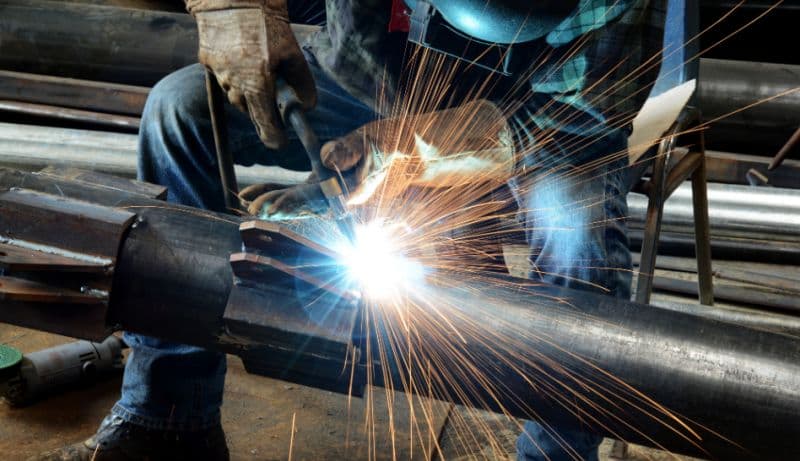
Equipment Manufacturing
The critical components of the of the complete pellet production line equipment are built in our own workshops in Asia. Additional equipment is manufactured by our worldwide network of reliable partners.
● Testing
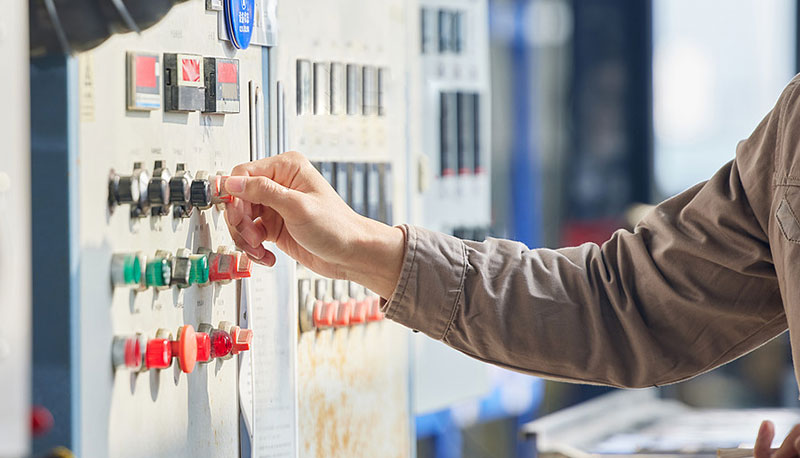
Quality Inspection & Testing
Before leaving the factory, all equipment will be inspected by the quality inspection department. We can also provide customers with testing services from a single machine to a complete pellet plant system, and provide you with real actual data for “worry-free use.”

● Delivery
Equipment Delivery
In equipment boxing and packaging, we adopt professional packaging and modular solutions to ensure the safe and non-destructive delivery of pellet plant equipment.
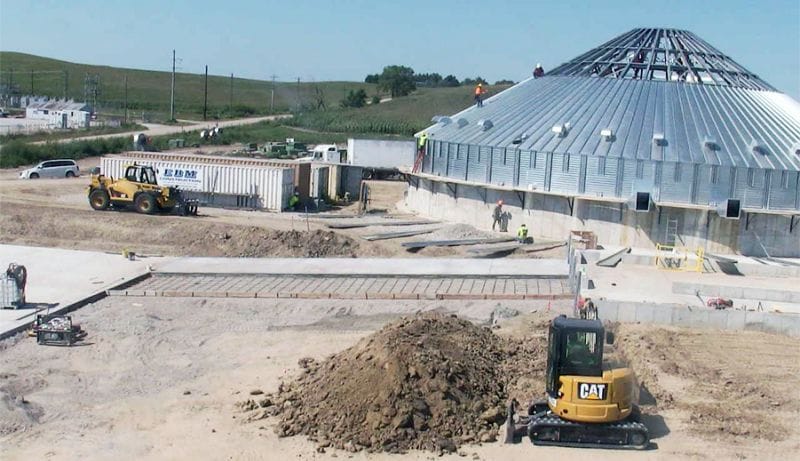
● Installation
Installation & Commissioning
Whether you choose your own subcontractor for the erection phase or you want to install everything together with us, a Richi supervisor will be around to make sure everything is mounted in a safe and thorough way.

● Training
Staff Training
We provide comprehensive training for the technicians of each project. We can also continue to provide support for the technicians during latter project operation.
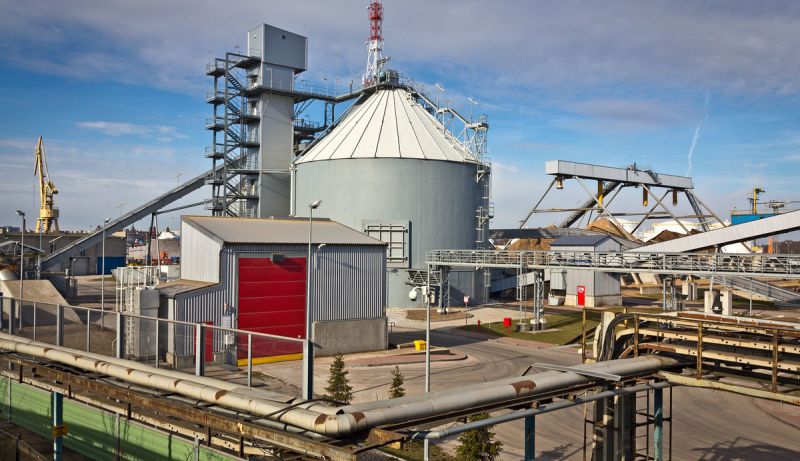
● After-sales
Project Follow-Up
When everything is up and running our Richiers will help you further whenever needed. We are ready to answer your call 24/7.We’ll also visit you regularly to learn about your needs.
Who we are
RICHI Machinery is one of the world’s leading suppliers of technology and services for the animal feed, aqua feed and pet food industries, also the largest pellet production line manufacturer in China.
Since 1995, RICHI’s vision to build a first-class enterprise, to foster first-class employees, and to make first-class contributions to society has never wavered.
In the past three decades, we have expanded our business to a wide range of areas, including animal feed mill equipment, aqua feed equipment, pet feed equipment, biomass pellet equipment, fertilizer equipment, cat litter equipment, municipal solid waste pellets equipment, etc.

1995
RICHI Established

2000+
Serving More Than 2000 Customers

120+
RICHI Employees

140+
Exported To 140 Countries