 0086-138 3838 9622
Palm Fiber Pellet Production Plant for Biomass Fuel in Indonesia
RICHI MACHINERY
Project Overview
A biomass energy startup approached RICHI Machinery to build a 4t/h palm fiber pellet production plant for biomass fuel in Indonesia with an annual capacity of 9,600 tons of palm fiber pellets (running 8 hours per day, 300 days per year). The facility produces high-calorific biomass pellets from palm oil processing waste (palm fiber, empty fruit bunches, and palm kernel shells).
The client is located in Riau Province, Sumatra, about 80km from Pekanbaru. This region is Indonesia’s largest palm oil producing area, with hundreds of palm oil mills generating massive amounts of waste fiber daily. The client saw an opportunity to convert this waste into a valuable fuel for industrial boilers.
Why palm fiber pellets: Indonesia produces about 45 million tons of crude palm oil annually, generating roughly 60-70 million tons of waste (empty fruit bunches, palm fiber, palm kernel shells). Most of this waste is currently burned in the open or left to rot. The government has been cracking down on open burning (haze from Sumatra and Kalimantan is a recurring problem), creating demand for waste-to-energy solutions.
The client’s facility is located near three palm oil mills within 30km, ensuring steady raw material supply at low cost (they pay the mills a small tipping fee to take the waste). The total investment was about $285,000 USD including equipment, building, and initial operating capital.
4T/H
capacity
$285,000
investment
Indonesia
location
Biofuel
project type
RICHI MACHINERY
Why Indonesia? (And Why Palm Fiber)
Indonesia is the world’s largest producer of palm oil, accounting for about 55% of global production. The palm oil industry generates massive amounts of biomass waste:
| Palm oil waste type | Annual volume (million tons) | Current disposal method |
|---|---|---|
| Empty fruit bunches (EFB) | 25-30 | Left to decompose or burned |
| Palm fiber (from pressing) | 15-20 | Used as boiler fuel (inefficient) or burned |
| Palm kernel shells (PKS) | 8-10 | Exported as fuel or burned |
| Palm oil mill effluent (POME) | 50-60 | Treated in ponds |
The opportunity: Most palm oil mills burn palm fiber directly in their boilers, but the combustion is inefficient because the fiber is wet (50-60% moisture) and unprocessed. Pelletized palm fiber burns more cleanly and efficiently (higher calorific value, lower ash, consistent moisture).
The client’s target market:
| Customer segment | Annual demand (estimated) | Current fuel | Pellet addressable |
|---|---|---|---|
| Palm oil mills (boilers) | 500,000 tons | Wet fiber (inefficient) | 100,000 tons |
| Textile factories (Java) | 200,000 tons | Coal/diesel | 50,000 tons |
| Food processing | 100,000 tons | Wood/diesel | 30,000 tons |
| Total | 800,000+ tons | — | 180,000 tons |
Current palm fiber pellet production in Indonesia is limited (maybe 20,000-30,000 tons annually). The market gap is significant.
RICHI MACHINERY
Raw Materials: Palm Fiber from Local Mills
The client’s raw material consists of palm fiber from two nearby palm oil mills (within 30km). The fiber is a byproduct of the palm oil extraction process:
How palm fiber is produced: After palm fruit bunches are sterilized, the fruits are stripped from the bunches. The fruits are then pressed to extract crude palm oil. The pressed fiber (mesocarp fiber) is the residue, typically containing 30-40% moisture and 2-5% residual oil.
Raw material characteristics:
| Parameter | Value | Notes |
|---|---|---|
| Bulk density (loose) | 80-120 kg/m³ | Very fluffy |
| Moisture (as received) | 35-50% | Needs drying |
| Fiber length | 5-15 cm | Needs crushing/grinding |
| Ash content | 3-5% | Acceptable for fuel pellets |
| Calorific value (wet) | 12-14 MJ/kg | After drying: 17-18 MJ/kg |
Raw material supply:
| Source | Distance | Annual volume (tons) | Cost (IDR/ton) | Cost (USD/ton at 15,500 IDR/USD) |
|---|---|---|---|---|
| Palm oil mill A | 25 km | 6,000 | Free (client pays 100,000 IDR/ton tipping fee) | $6.45 |
| Palm oil mill B | 30 km | 4,000 | Free (tipping fee) | $6.45 |
| Total | — | 10,000 | — | — |
Wait, 10,000 tons input for 9,600 tons output? Yes. The difference (about 400 tons) is water that evaporates during sun drying (the client uses no mechanical dryer) plus dust collected in filters.
Raw material quality control: The client only accepts fiber that is:
- Free from metal and stones (visual inspection)
- Not mixed with empty fruit bunches (EFB has different fiber characteristics)
- Residual oil content <5% (high oil content causes smoke during combustion)
The client built a simple inspection station at the entrance. Every truckload of fiber is visually inspected before unloading.
RICHI MACHINERY
The Site and Building
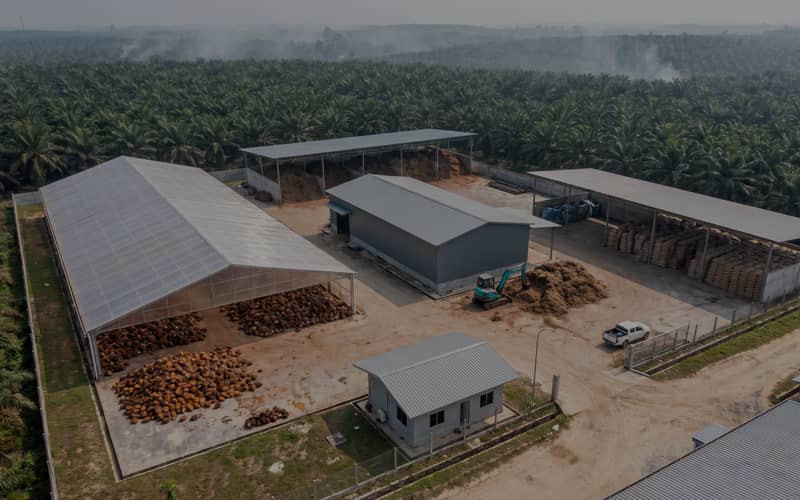
The client’s facility is located on a 2,000m² plot of land (leased, 10-year contract) in an industrial zone near Pekanbaru. The site has:
| Area | Size (m²) | Use |
|---|---|---|
| Drying yard | 800 | Sun drying of palm fiber (covered with polycarbonate roof) |
| Production building | 400 | Crushing, grinding, pelletizing |
| Raw material storage | 300 | Covered area for dried fiber |
| Finished product storage | 300 | Bagged pellets |
| Office/lab | 100 | Admin and quality control |
| Total | 1,900 | — |
The drying yard is critical. The client built a 800m² covered drying yard with a polycarbonate roof (transmits UV but keeps rain out) and open sides for airflow. Palm fiber is spread in a 10-15cm layer on the concrete pad for 1-3 days (depending on sun). Moisture drops from 40-50% to 15-20% – acceptable for pelletizing.
Why no mechanical dryer? A rotary drum dryer would cost about 80,000 plus 20,000/year in fuel (biomass or diesel). The client chose sun drying because:
- Riau has 200+ sunny days per year
- Labor is cheap (2 workers spread and turn fiber, $150/month each)
- No fuel cost
- The client can process 6-8 tons per day with sun drying, plenty for 4 t/h operation (32 tons/day if running 8 hours – actually sun drying can handle more if the yard is sized properly).
The production building (400m², 8m ceiling height) layout:
| Area | Equipment |
|---|---|
| South end (intake) | Crusher, infeed conveyor |
| Center | Hammer mill, cyclone, bag filter |
| North end | 3 pellet mills, discharge conveyor |
| East side | Cooling area (ambient air), packaging |
RICHI MACHINERY
Equipment Configuration
| Equipment | Quantity | Power (each) | Notes |
|---|---|---|---|
| Crusher | 1 unit | 45 kW | For palm fiber (reduces length to 1-2cm) |
| Hammer mill | 1 unit | 75 kW | Grinds to <5mm particles |
| EFB pellet machine | 3 units | 90 kW each | Ring die type |
| Pellet cooler (counterflow) | 1 unit | 3 kW fan | Shared among 3 mills |
| Bagging scale | 1 unit | 1.5 kW | 25kg and 50kg bags |
| Belt conveyors | 3 units | 2.2 kW each | Material transport |
| Baghouse filter | 1 unit | 11 kW fan | For hammer mill dust |
| Cyclone | 1 unit | — | Primary dust collection |
Equipment cost (FOB Qingdao): $178,500 USD
Why this configuration for palm fiber:
1. Palm fiber is fibrous and fluffy. Standard hammer mills (designed for wood) can get clogged. RICHI supplied a hammer mill with a special screen design (larger holes, reinforced) and faster rotor speed (3,200 RPM) to handle the fibrous material.
2. No dryer required (sun drying only). This saved the client about $80,000 in equipment cost. However, the client must manage moisture carefully. During the rainy season (October-February), the client buys pre-dried fiber or reduces production.
3. Three biomass pellet mills at 90kW each (total 270kW). Combined throughput is 4-5 t/h. This provides redundancy: if one mill is down, the client still produces 2.5-3 t/h.
RICHI MACHINERY
Process Flow
Palm fiber is different from wood. It’s fibrous, slightly oily, and holds moisture. But with proper drying and grinding, it pellets well.
Step 1: Raw Material Receiving and Sun Drying
Trucks arrive with wet palm fiber (40-50% moisture). The driver unloads onto the drying yard (800m² concrete pad with polycarbonate roof).
Sun drying process: Workers spread the fiber in a 10-15cm layer using pitchforks. Every 4-6 hours (twice per day), workers turn the fiber with a small tractor-mounted rake (the client bought a used agricultural rake for $2,000). Turning ensures even drying and prevents mold.
Drying time (Riau dry season, May-September):
- Sunny day (28-34°C): 1-2 days to reach 18-22% moisture
- Cloudy day: 2-3 days
Moisture testing: The operator uses a portable moisture meter (cost $120) every morning. When moisture drops to 18-22%, the fiber is moved to the raw material storage area (covered, adjacent to the production building).
During rainy season (October-February): The client reduces production to 2-3 t/h (instead of 4 t/h) and buys pre-dried fiber from suppliers who have mechanical dryers. The client also added a 200m² extension to the drying yard (with a plastic sheet roof instead of polycarbonate – cheaper, but needs replacement every 2 years).
Step 2: Crushing
Palm fiber is long and stringy. It needs to be cut down before hammer milling.
Dried fiber (15-20% moisture) is loaded into the crusher hopper using a front-end loader (the client bought a used loader for $8,000).
Crusher parameters (45 kW):
- Rotor diameter: 600mm
- Rotor speed: 800 RPM (lower than hammer mill to avoid overheating the fiber)
- Output target: 1-2cm pieces
What the crusher does to palm fiber: The rotating blades cut the long fibers into shorter segments. This makes it easier for the hammer mill to grind. Without crushing, the hammer mill would wrap the long fibers around the rotor.
Step 3: Grinding (Hammer Milling)
Crushed palm fiber is conveyed (by enclosed belt conveyor) to the hammer mill.
Hammer mill parameters (75 kW):
| Parameter | Value | Notes |
|---|---|---|
| Rotor diameter | 800 mm | — |
| Rotor speed | 3,200 RPM | Faster than wood (2,900 RPM) to handle fibrous material |
| Screen size | 6 mm | Palm fiber needs slightly coarser than wood (4-5mm) |
| Tip speed | 95 m/s | — |
| Throughput | 4-5 t/h | — |
Desired particle size for palm fiber pellets:
| Size range | Target % | Notes |
|---|---|---|
| <2 mm | 20-30% | Fines – help binding |
| 2-4 mm | 40-50% | Optimal |
| 4-6 mm | 15-25% | Coarse – adds durability |
| >6 mm | <5% | Recirculated |
Why 6mm screen? Palm fiber is more fibrous than wood. If ground too fine (3-4mm), it becomes dusty and doesn’t pellet well (pellets are soft). A 6mm screen keeps the fiber length longer, improving pellet durability.
Step 4: Pelletizing
Palm fiber pellets don’t need added binders – the natural lignin in the fiber (about 20-25%) binds well when heated.
Ground palm fiber is conveyed to three pellet mills (90kW each).
Pellet mill parameters (each):
| Parameter | Value | Notes |
|---|---|---|
| Die diameter | 500 mm | — |
| Die hole diameter | 8 mm | Produces 8.5-9mm pellets |
| Compression ratio | 5.5:1 | Standard for fibrous biomass |
| Die speed | 180-220 RPM | — |
| Operating temperature (die) | 80-100°C | From friction |
| Throughput per mill | 1.3-1.7 t/h | Combined 4-5 t/h |
Pellet specifications:
| Parameter | Target | Actual (typical) |
|---|---|---|
| Diameter | 8-10 mm | 8.5-9 mm |
| Length | 20-40 mm | 25-35 mm |
| Moisture (exit mill) | 10-12% | 10-12% |
| Density (pellet) | >1,000 kg/m³ | 1,050-1,100 kg/m³ |
| Bulk density | 600-650 kg/m³ | 620 kg/m³ |
| Durability (PDI) | >95% | 96-97% |
| Ash content | <5% | 3-4% |
| Calorific value | >16 MJ/kg | 17-18 MJ/kg |
No conditioning – no steam added. Palm fiber contains residual oil (2-5%) which acts as a natural lubricant. Steam would make the pellets too wet.
Pellet mill maintenance: Palm fiber is moderately abrasive (more than clean wood, less than rice husks). Die life is about 1,500-2,000 hours (the client changes dies every 4-5 months). Roller shells are changed every 800-1,000 hours.
Step 5: Cooling
Hot pellets (80-90°C) drop into a shared counterflow cooler (3 kW fan).
Cooler parameters:
- Diameter: 2m
- Height: 5m
- Retention time: 15-20 minutes
- Outlet temperature: ambient + 5-8°C (32-38°C in Riau)
The cooler reduces moisture from 10-12% to 8-10% – perfect for storage.
Step 6: Screening and Packaging
Cooled pellets pass through a vibrating screener to remove fines (<3mm) and oversize (>50mm). Acceptable pellets (10-40mm length) go to the bagging station.
Packaging process (semi-automatic):
- Operator hangs a 25kg woven poly bag (with inner PE liner) on the filling spout
- Presses button, scale fills to 25kg (±100g)
- Operator sews bag closed (portable bag seamer)
- Bags are stacked on pallets (40 bags per pallet = 1,000kg)
The client also sells bulk (30-ton truckloads) to palm oil mills (they use the pellets in their own boilers). Bulk price is slightly lower than bagged.
RICHI MACHINERY
Utilities and Consumption
| Utility | Annual consumption | Cost (IDR) | Cost (USD at 15,500 IDR/USD) |
|---|---|---|---|
| Electricity | 300,000 kWh | 45 million | $2,900 |
| Water | None | — | — |
| Diesel (loader, forklift) | 2,000 liters | 26 million | $1,680 |
Electricity breakdown (annual, 300 days, 8 hours/day):
| Equipment | kW average | Hours/day | kWh/day | kWh/year |
|---|---|---|---|---|
| Crusher | 30 | 6 | 180 | 54,000 |
| Hammer mill | 55 | 8 | 440 | 132,000 |
| Pellet mills (3) | 150 (50 each average) | 8 | 1,200 | 360,000 |
| Fans (cyclone, baghouse) | 15 | 8 | 120 | 36,000 |
| Conveyors, packaging | 10 | 6 | 60 | 18,000 |
| Lighting, office | 3 | 8 | 24 | 7,200 |
| Total | — | — | 2,024 | 607,200 kWh |
The client’s actual consumption is about 607,000 kWh/year. The client runs the line at 4 t/h, 8 hours/day, 300 days = 9,600 tons/year.
The client confirmed that his electricity bill is about 45 million IDR/month ($2,900) × 12 = 540 million IDR/year. At 900 IDR/kWh (industrial rate), that’s 600,000 kWh/year.
RICHI MACHINERY
How RICHI Customized This Line for Palm Fiber
The client had specific requirements that shaped the equipment design:
Requirement 1: Raw material is wet palm fiber (40-50% moisture) with no affordable mechanical drying option. The client couldn’t afford a rotary dryer ($80,000+) and didn’t want the fuel cost.
RICHI solution: Designed the line to use sun drying only. We recommended an 800m² covered drying yard (polycarbonate roof, open sides) where fiber is spread 10-15cm thick and turned twice daily. During Riau’s dry season (May-September), moisture drops from 45% to 18-20% in 1-2 days. During the rainy season, the client reduces production or buys pre-dried fiber. The client built the drying yard for about $8,000 – much cheaper than a mechanical dryer.
Requirement 2: Palm fiber is fibrous and can clog standard hammer mills. The client had heard horror stories from other pellet producers whose mills jammed.
RICHI solution: Specified a hammer mill with:
- Rotor speed 3,200 RPM (higher than wood’s 2,900 RPM) to cut fibers rather than bend them
- Screen size 6mm (instead of 4mm for wood) – coarser particle size prevents clogging
- Reinforced screen (2.5mm thick vs 2.0mm for wood) – palm fiber is abrasive
- Special rotor design with staggered hammers (creates a “cutting” action rather than a “smashing” action)
The client’s hammer mill has run for 6 months without a single jam.
Requirement 3: The client has a limited budget ($80,000 for equipment). They needed a functional line, not a fully automated mega-plant.
RICHI solution: Recommended a simple line with no automation (manual bagging, manual palletizing, manual moisture testing). The control panel has START/STOP buttons (no PLC). The client’s staff learned the system in 1 week. Total equipment cost: $78,500 – well within budget.
Requirement 4: The client wants to sell pellets to palm oil mills (their neighbors). Palm oil mills have boilers that can burn wet, dirty fuel, but they prefer pellets that are dry, high-calorific, and low-ash.
RICHI solution: Optimized the palm biomass pellet production line to produce pellets with:
- Moisture 8-10% (achieved by sun drying + cooling)
- Calorific value >17 MJ/kg (natural lignin binding, no additives)
- Ash content <4% (achieved by rejecting fiber with high dirt content)
The client’s pellets are being tested by two palm oil mills in Riau. Initial results show 15% better combustion efficiency than raw fiber.
RICHI MACHINERY
Product Specifications and Market Positioning
The client’s palm fiber pellets meet Indonesian National Standard (SNI) for biomass pellets (draft standard).
Typical analysis:
| Parameter | Value | Method |
|---|---|---|
| Diameter | 8.5-9 mm | Caliper |
| Length | 25-35 mm | Caliper |
| Moisture | 8-10% | Drying oven (105°C, 24h) |
| Density (pellet) | 1,050-1,100 kg/m³ | Water displacement |
| Bulk density | 620 kg/m³ | 1L cylinder |
| Ash content (550°C) | 3-4% | Muffle furnace |
| Volatile matter | 70-75% | Calculated |
| Fixed carbon | 15-18% | Calculated |
| Lower heating value | 17-18 MJ/kg | Bomb calorimeter |
| Durability (tumbler) | 96-97% | EN 15210 |
| Sulfur | <0.05% | Combustion |
| Chlorine | <0.05% | Ion chromatography |
Pricing (as of June 2025):
| Format | Price (IDR/kg) | Price (USD/kg) | Price (USD/ton) | Customers |
|---|---|---|---|---|
| Bulk (30-ton truckload) | 850 | $0.055 | $550 | Palm oil mills, factories |
| 25kg bags | 1,000 | $0.065 | $645 | Small industries, retail |
Comparison with other fuels:
| Fuel | Price (IDR/ton) | Calorific value (MJ/kg) | Cost per MJ (IDR) |
|---|---|---|---|
| Palm fiber pellets (client) | 850,000 | 17.5 | 48,600 |
| Coal (imported) | 1,200,000 | 25 | 48,000 |
| Diesel | 12,000,000 | 42 | 285,000 |
| Raw palm fiber (wet) | 100,000 (tipping fee) | 12 (wet) | 8,300 (but inefficient) |
Palm fiber pellets are price-competitive with coal (slightly higher cost per MJ) but much cleaner (lower SOx, NOx). For palm oil mills that already have biomass boilers, switching from wet fiber to pellets reduces maintenance (less corrosion, less slagging).
RICHI MACHINERY
Market Outlook for Palm Fiber Pellets in Indonesia
Indonesia’s biomass pellet market is growing, driven by:
1. Coal phase-down commitments. The government has pledged to reduce coal use and increase renewable energy (including biomass co-firing) under the Paris Agreement. Several coal-fired power plants in Java have started co-firing biomass at 5-10% of their fuel mix.
2. Palm oil mill modernization. Palm oil mills are under pressure to reduce emissions (no more open burning). Using palm fiber for fuel pellets is a cleaner alternative.
3. Export potential. Japan and South Korea import biomass pellets for power generation (they have co-firing mandates). Palm fiber pellets can meet their specifications (ash <3%, chlorine <0.05%) if the client upgrades his process. Export price is $120-150/ton FOB – double the domestic price.
Competition: There are about 10-15 pellet producers in Indonesia, but most use wood or rice husks. Only 2-3 specialize in palm fiber. The client is the only producer in Riau.
Challenges:
| Challenge | Mitigation |
|---|---|
| Raw material seasonality (palm oil production dips in rainy season) | Build 1-month buffer inventory (300 tons) during peak season |
| Moisture (rainy season drying is slow) | Reduce production to 2-3 t/h; buy pre-dried fiber from mills with mechanical dryers |
| Logistics (trucking cost from Riau to Java) | Focus on local market (Riau, North Sumatra) first; export from Belawan port |
| Quality perception (palm fiber pellets have higher ash than wood pellets) | Educate customers: ash is acceptable for industrial boilers; price is lower |
The client’s breakeven analysis shows that at 4 t/h (9,600 tons/year), the operating margin is about 30%. Payback on equipment ($78,500) is about 14 months.
RICHI MACHINERY
Thinking About a Palm Fiber Pellet Plant?
Palm fiber is abundant, cheap (often free), and a reliable feedstock if you’re near palm oil mills. But there are some things to know before you start:
Palm fiber needs drying. It comes out of the press at 40-50% moisture. You can sun dry it (if you have space and good weather) or buy a mechanical dryer (expensive). The client in Riau chose sun drying and it works, but only because Riau has 200+ sunny days per year. If you’re in a rainy area, budget for a dryer.
Palm fiber is abrasive. It wears out dies and screens faster than wood. The client changes dies every 4-5 months instead of every 6-8 months for wood. Budget for higher maintenance costs.
Palm fiber pellets have moderate ash (3-5%). This is fine for industrial boilers but not for home heating (stoves require <1% ash). Don’t target the residential market unless you can get very clean fiber.
Palm fiber is seasonal. Palm oil production dips during the rainy season. Build inventory during the peak season (dry months) to keep your plant running year-round.
Indonesia is a good market for this. Raw material is abundant, labor is affordable, and the government is supportive of biomass energy. The client’s plant is profitable and growing.
If you’re considering a palm fiber pellet plant, RICHI can help. We’ve designed lines for palm fiber, EFB, palm kernel shells, and other palm oil waste. We understand the challenges (fibrous material, high moisture, abrasion) and can recommend the right equipment.
Contact us to discuss your biomass pellet project. Tell us about your raw material (type, moisture, volume), site conditions, target capacity, and budget. We’ll prepare a customized palm efb pellet plant process flow, equipment list, and budget estimate – no obligation.
● RICHI MACHINERY
RICHI Service

● Consulting
Customer Consultation
We want to have a deep understanding of your industrial process, to know your exact needs of feed, wood, biomass, fertilizer or other pellet processing.
● Design
biomass Pellet Plant Design
Based on your unique situation and industrial process, we will tailor complete pellet plant you need, and inform you of every additional detail that could facilitate operation, minimize total cost.
● Manufacturing
Equipment Manufacturing
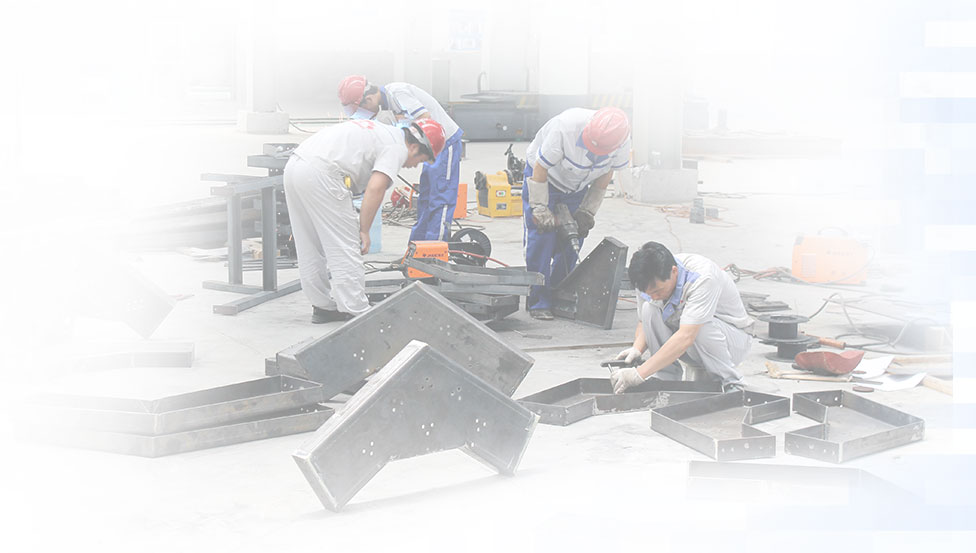
The critical components of the of the complete pellet production line equipment are built in our own workshops in Asia. Additional equipment is manufactured by our worldwide network of reliable partners.
● Testing
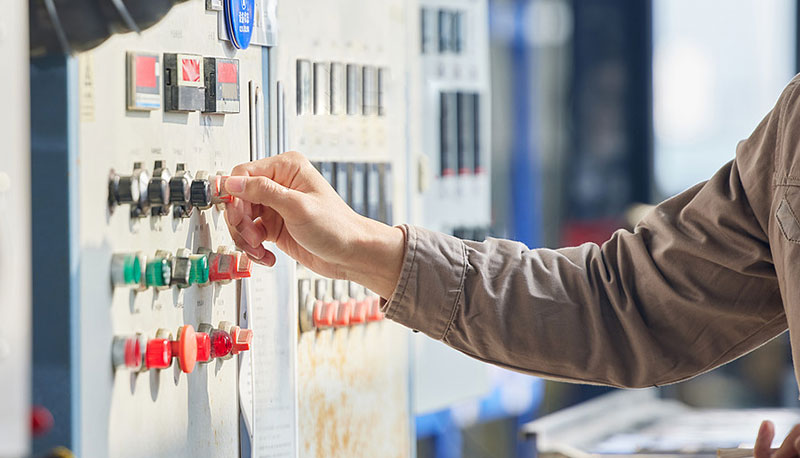
Quality Inspection & Testing
Before leaving the factory, all equipment will be inspected by the quality inspection department. We can also provide customers with testing services from a single machine to a complete pellet plant system, and provide you with real actual data for “worry-free use.”

● Delivery
Equipment Delivery
In equipment boxing and packaging, we adopt professional packaging and modular solutions to ensure the safe and non-destructive delivery of pellet plant equipment.
● Installation
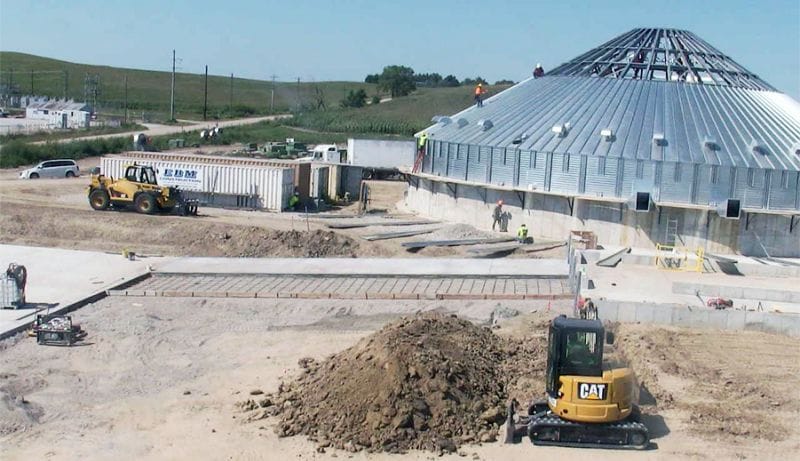
Installation & Commissioning
Whether you choose your own subcontractor for the erection phase or you want to install everything together with us, a Richi supervisor will be around to make sure everything is mounted in a safe and thorough way.

● Training
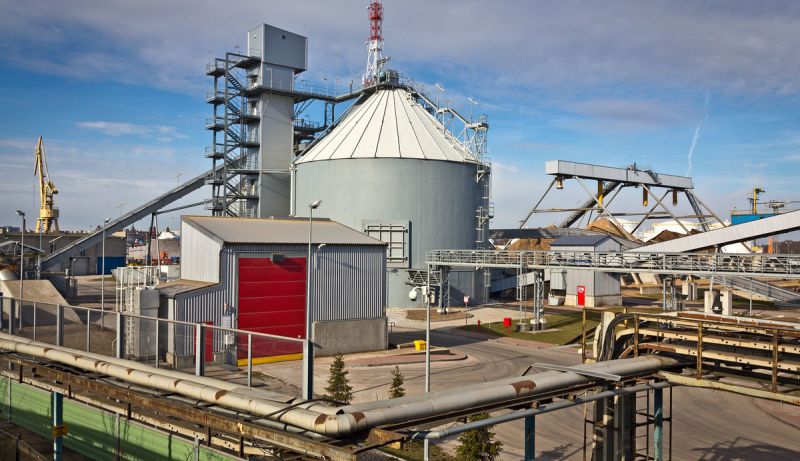
Staff Training
We provide comprehensive training for the technicians of each project. We can also continue to provide support for the technicians during latter project operation.
● After-sales
Project Follow-Up
When everything is up and running our Richiers will help you further whenever needed. We are ready to answer your call 24/7.We’ll also visit you regularly to learn about your needs.
Who we are
RICHI Machinery is one of the world’s leading suppliers of technology and services for the animal feed, aqua feed and pet food industries, also the largest pellet production line manufacturer in China.
Since 1995, RICHI’s vision to build a first-class enterprise, to foster first-class employees, and to make first-class contributions to society has never wavered.
In the past three decades, we have expanded our business to a wide range of areas, including animal feed mill equipment, aqua feed equipment, pet feed equipment, biomass pellet equipment, fertilizer equipment, cat litter equipment, municipal solid waste pellets equipment, etc.

1995
RICHI Established

2000+
Serving More Than 2000 Customers

120+
RICHI Employees

140+
Exported To 140 Countries