 0086-138 3838 9622
Tofu Cat Litter Processing Plant in Vietnam
Tofu Cat Litter Processing Plant in Vietnam turns qualified dry soy fibre blends into a defined 2 t/h litter product. Matched wet forming, measured water removal and controlled packing help the operator develop a repeatable private-label offer.
RICHI MACHINERY
Make a Product Pet Retailers Can Assess
Tofu Cat Litter Processing Plant in Vietnam is designed for 2 t/h of dried, screened litter using purchased dry soy fibre and other qualified dry ingredients. The production scope begins with stable incoming powders rather than fresh, highly perishable soybean curd residue.
The commercial goal is a repeatable clumping product for private-label and distribution customers. Controlled mixing, forming, drying and packing support that goal. One appropriately sized forming machine serves the line, with drying capacity and industrial electrical supply sized to the water actually being removed.
2 T/H
capacity
USD 260,000
investment
Vietnam
location
Cat litter
project type
RICHI MACHINERY
The Customer Buys a Litter Experience
A pet retailer is unlikely to reorder because a factory owns a long machine list. It reorders when bags pour consistently, clumps can be lifted and fines stay within the agreed specification. The Tofu Cat Litter Processing Plant in Vietnam therefore links equipment decisions to the behaviour of the finished product.
For a Vietnam tofu cat litter production line, the starting questions are product diameter, clumping method, moisture, fragrance policy and pack format. A distributor may prioritize a familiar texture and bag size, while a private-label customer needs its own approved appearance and declaration. Those choices should be settled before die and packing specifications are frozen.
Dry soy fibre is important to the project boundary. Fresh okara contains substantial water and deteriorates rapidly without appropriate handling. Buying a dried, traceable fibre avoids pretending that bagged wet residue can be stored like flour. If fresh okara is the intended source, upstream stabilization and dehydration require a separate engineering scope.
The Tofu Cat Litter Processing Plant in Vietnam uses one 3 mm product as its base duty. A second diameter or recipe requires forming and dryer trials, especially where starch content or water addition changes. A product family can share equipment, but it cannot share an untested promise that every formula runs at the same rate.
Commercial samples should be evaluated using an agreed protocol. Water absorption, clump strength, breakage, fines, odour performance and packaging integrity provide useful purchasing evidence. A claim such as dust-free, edible or universally safe to flush is outside what a machine specification can prove.
Vietnam’s humid storage and distribution conditions make moisture protection relevant even after a satisfactory factory drying test. The product needs suitable bags, sealing and warehouse practice. Drying the pellets properly is only one part of keeping them in a saleable condition until the customer opens the bag.
RICHI MACHINERY
Specify the Dry Ingredients Clearly
The reference procurement blend is 50% dried soy fibre, 30% corn flour, 18% corn starch and 2% qualified binder by incoming dry-ingredient mix mass. The proportions total 100%. They define a trial blend, not a universal formulation or an assurance that any locally available material will perform identically.
The Tofu Cat Litter Processing Plant in Vietnam needs supplier specifications for moisture, particle size, contaminants and microbiological condition where relevant. Changes in fibre source can alter water uptake and extrusion behaviour. Starch and binder selection also affect clumping, drying demand and finished strength.
For this Vietnamese plant-based cat litter factory, the annual dry-ingredient allowance is 5,200 tonnes at 10% moisture. Finished production is 5,000 tonnes at 8% moisture. Incoming dry matter is 4,680 tonnes, while finished dry matter is 4,600 tonnes; the balance allows for screened and handling losses.
Dried ingredients are stored in identified lots, protected from floor moisture, pests and roof leaks. A supplier’s use of the word soy does not make different products interchangeable. Soybean meal, dried okara fibre and other soy-processing materials have different compositions and need separate acceptance criteria.
The Tofu Cat Litter Processing Plant in Vietnam keeps fragrances and other optional additions outside the base recipe until the customer approves them. Their compatibility with the process, product declaration and animal exposure requires evaluation. A pleasant smell in a sample does not establish sustained odour-control performance.
Raw-material receiving also includes practical checks for flowability. Fine powders that compact in a bag may bridge in a hopper or dose unevenly. Equipment selection must reflect the measured bulk density and handling behaviour, rather than using ingredient weight alone to size bins and feeders.
The Tofu Cat Litter Processing Plant in Vietnam should establish an approved reference bag as well as an approved loose sample. Bag transport can create fines and change how the product pours. A distributor evaluates the product it receives, so packaging and handling trials belong in development rather than after a supply commitment.
A Vietnam clumping cat litter production line can record absorption and clump tests using simple, repeatable procedures agreed with the buyer. Test water volume, contact time and the method of lifting the clump should be stated. Otherwise two apparently different results may reflect different methods rather than different products.
The customer can also specify whether the bag is sold by weight, volume or another permitted basis. Low-density ingredients and the finished cylinder geometry affect bag volume. The packing machine, warehouse plan and product declaration must be checked against the actual commercial format.
RICHI MACHINERY
Mixing, Forming and Drying as One Process
Weigh a controlled batch
Individual ingredients are dosed into a 600 kg working-batch mixer. At an eight-minute complete cycle, its theoretical wet-mix capacity is 4.5 t/h, above the required forming feed. The complete cycle includes loading, mixing and discharge; the working fill must be confirmed with the actual low-density blend.
Add water by recipe
Process water is metered rather than judged only by hand feel. The annual allowance is 900 tonnes, added to approximately 5,111 tonnes of accepted ingredient mix after losses. This produces roughly 6,011 tonnes of wet forming feed, at about 23.5% moisture on the planning basis.
Form a consistent cylinder
One purpose-configured cat litter pellet machine is specified for at least 2.5 t/h wet feed, against the calculated requirement of approximately 2.40 t/h. A 90 kW main-drive allowance is used for electrical planning. The final model and performance duty require the selected formulation trial; a conventional feed-pellet capacity is not substituted for cat litter performance.
Remove the process water
The mesh belt dryer is specified for at least 500 kg/h water evaporation. Calculated evaporation is approximately 1,011 tonnes annually, or 404 kg/h across 2,500 productive hours. The dryer is therefore selected by water duty and residence-time trials, not only by a label stating two tonnes of product per hour.
Cool, classify and fill
Dried litter is cooled before screening and sealed packing. Fines return only when their cleanliness and effect on the recipe are controlled. The base finished geometry is 3 mm diameter and approximately 6–12 mm length, subject to the customer’s approved texture and clumping results.
The Tofu Cat Litter Processing Plant in Vietnam targets 8% final moisture as an engineering basis. Water activity and storage performance must also be measured. An average moisture result cannot prove that every pellet is uniformly dry or that the packaged product has a validated shelf life.
The process sequence is chosen to protect both throughput and product quality. Drying follows wet forming, and cooling follows drying. Operators should not send warm, incompletely dried product to the bagger simply because the forming machine can continue running.
For the Tofu Cat Litter Processing Plant in Vietnam, validation uses representative production samples rather than a hand-selected small batch. The customer should see how the product behaves after handling and storage, including how fines and clumps perform after the bag has travelled through its intended distribution route.
RICHI MACHINERY
The Electrical Supply Is a Major Interface
The base drying system uses electric heat, with a 750 kW heating allowance. Mechanical and auxiliary connected-load allowance is 220 kW, giving approximately 970 kW total connected load. This makes the project an industrial utility requirement; a small workshop connection would not support the stated production scope.
The Tofu Cat Litter Processing Plant in Vietnam budgets average combined electrical demand at 600 kW during production. Across 2,500 net hours, that is approximately 1.5 million kWh annually, including dryer heat. The figure is a planning allowance to be checked through the heater, airflow and motor schedule.
Electric heating avoids a combustion fuel-handling system in this base layout. It does not make drying energy disappear. If the owner prefers steam or another indirect heat source, the dryer interface, local services and investment boundary must be recalculated together before quotation.
Annual water allowance is approximately 1,200 m³: 900 m³ for controlled recipe addition and 300 m³ for staff and supporting cleaning needs. Most added process water leaves through the dryer exhaust. It should not be described as water permanently retained in the finished product.
The Tofu Cat Litter Processing Plant in Vietnam separates sanitary water, cleaning discharge and stormwater. Dry housekeeping can reduce unnecessary wet cleaning around powder equipment. Where wet cleaning is required, equipment must be dried and released before new production to avoid turning hygiene work into a source of clumped raw materials.
Dust collection serves bag opening, dosing, screening and filling. Access for filter inspection and safe removal of collected powder is part of the utility layout. A site-specific dust and fire assessment establishes the protection arrangements rather than relying on the plant-based description of the ingredients.
RICHI MACHINERY
Select for the Wet Duty, Not the Catalogue Label
| Equipment function | Base configuration |
|---|---|
| Powder preparation | Receiving screen and foreign-material controls |
| Mixing | One 600 kg working-batch mixer |
| Forming | One unit rated for at least 2.5 t/h tested wet mix |
| Drying | One belt dryer, at least 500 kg/h water evaporation |
| Product finishing | One cooling and screening route |
| Packing | One 5 kg bag station, at least 10 bags per minute |
The cat litter production line does not need several forming machines to reach a duty that one suitable unit can handle. The selected wet-feed allowance covers the approximately 2.40 t/h process requirement. Its usefulness depends on the actual mix, product size and continuous operating test.
For the Tofu Cat Litter Processing Plant in Vietnam, the packer duty is also checked. Ten 5 kg bags per minute equal 3 t/h theoretical filling capacity, above the 2 t/h finished rate. Bag handling, sealing and carton or pallet work still need adequate labour and buffering.
The cat litter making machine is an important machine, but the dryer is equally important to the saleable output. A forming machine may deliver wet cylinders while the dryer limits finished production. Supplier comparisons should therefore state wet-feed rate, evaporation duty, finished moisture and accepted product quality together.
No particular cat litter machine model is claimed here without a formulation-specific selection record. Drive and throughput values are engineering allowances. A credible proposal identifies which figures are confirmed equipment parameters and which need material trials, instead of borrowing specifications from feed or biomass applications.
The Vietnam tofu litter manufacturing plant also needs sensible cleanout access. A private-label operation may change recipe, colour or fragrance, and residual material can carry over into the next order. Product changeovers should be evaluated before promising a large number of small custom batches on one calendar.
RICHI MACHINERY
Five Thousand Tonnes With a Real Packing Plan
The Tofu Cat Litter Processing Plant in Vietnam operates on 10 net production hours per day for 250 days, giving 5,000 tonnes annually at the stated finished duty. Staggered staffing and relief cover the working window. Planned net hours do not remove the need for cleaning, inspection and maintenance time.
Planning headcount is 15: six production operators, four handling staff, two quality staff, one maintenance technician and two coordinators. Roles are allocated around the line and distribution workload. Automation supports repeatable dosing and filling but does not replace receiving checks or final product release.
The proposed covered layout is 1,300 m² within a suitable existing industrial property. It allocates 350 m² to ingredients, 450 m² to processing, 150 m² to drying services, 250 m² to finished goods and 100 m² to support. External loading access and required separation must be verified on the actual premises.
The Tofu Cat Litter Processing Plant in Vietnam stock plan should follow order frequency and bag volume. Five-kilogram bags occupy more warehouse and handling capacity than a dense bulk commodity at the same tonnage. Finished-product space cannot be estimated from weight alone without pack dimensions and pallet rules.
Batch records connect ingredient lots, water addition, forming settings, drying conditions and packed quantities. Retained samples support customer enquiries and investigations. That practical traceability is particularly useful for a Vietnam private label cat litter plant producing several customer designs on shared equipment.
RICHI MACHINERY
A Budget for the Defined Dry-Ingredient Route
The equipment budget is USD 175,000. The total project investment budget is USD 260,000. The planning scope assumes an available suitable building and includes the defined forming and electric-drying line, with allowances for installation, electrical distribution, services, commissioning and contingency.
The Tofu Cat Litter Processing Plant in Vietnam budget does not include buying land, constructing a new factory or establishing upstream fresh-okara dehydration. A major utility reinforcement outside the property also requires separate appraisal. Those boundaries matter when comparing a complete project with a low equipment-only figure.
The final offer requires the actual dry ingredients, product specification, bag design and site utility information. Moisture variation can change drying energy and available output. The owner should receive a proposal whose performance basis matches the material that will be purchased commercially.
For this Vietnam soy fibre cat litter plant, keeping one suitable former and one packing route controls unnecessary complexity. The budget is not reduced by ignoring water evaporation, electrical capacity or cleanout access. Those are necessary functions for producing a product a distributor can assess and reorder.
For the Tofu Cat Litter Processing Plant in Vietnam, a useful supplier trial records the exact dry mix, water addition, wet-feed rate and dryer discharge condition. The customer should receive enough information to connect the trial product to the proposed equipment duty. A small attractive sample without those conditions cannot establish continuous finished output.
A controlled production launch can start with one recipe and one bag format. This gives the operator time to confirm seals, dust control, batch coding and storage behaviour before offering multiple private-label variants. Additional products are introduced through documented trials rather than by changing several variables during a live order.
The investment discussion then remains focused on functions the customer can assess: repeatable dosing, sufficient evaporation, stable forming and reliable packing. A professional proposal explains how those functions work together. It does not need inflated machine counts or claims of an established customer history to be persuasive.
RICHI MACHINERY
Develop Your Vietnam Litter Product
Ask RICHI Machinery to evaluate your dried soy fibre, starch blend and target retail sample. The Tofu Cat Litter Processing Plant in Vietnam can then be scoped around a tested product and a clear 2 t/h finished duty. We can map forming, drying, utilities and packing into one practical proposal. Bring your preferred bag size and customer acceptance tests so the equipment discussion starts with the product you intend to sell.
● RICHI MACHINERY
RICHI Service

● Consulting
Customer Consultation
We want to have a deep understanding of your industrial process, to know your exact needs of feed, wood, biomass, fertilizer or other pellet processing.

● Design
cat litter Pellet Plant Design
Based on your unique situation and industrial process, we will tailor complete pellet plant you need, and inform you of every additional detail that could facilitate operation, minimize total cost.
● Manufacturing
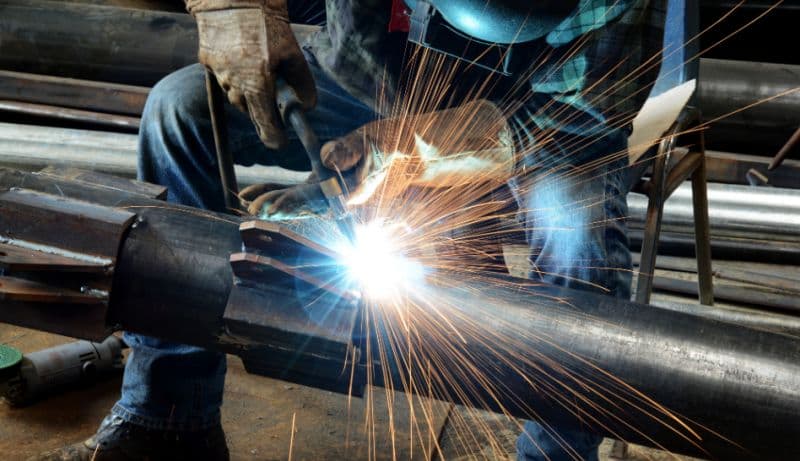
Equipment Manufacturing
The critical components of the of the complete pellet production line equipment are built in our own workshops in Asia. Additional equipment is manufactured by our worldwide network of reliable partners.
● Testing
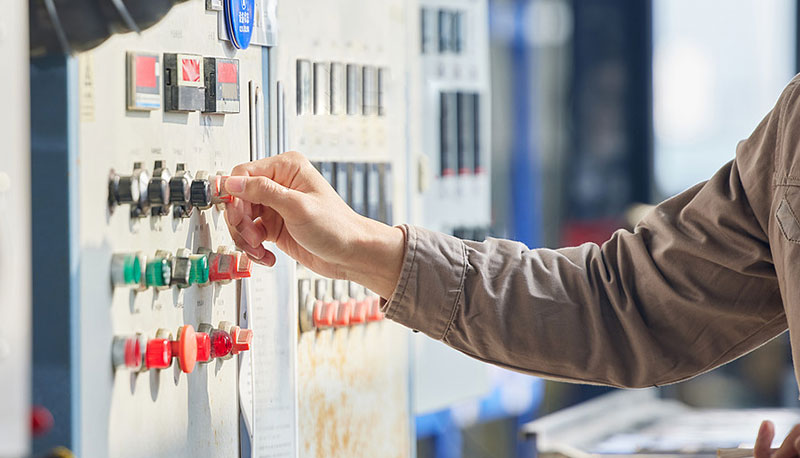
Quality Inspection & Testing
Before leaving the factory, all equipment will be inspected by the quality inspection department. We can also provide customers with testing services from a single machine to a complete pellet plant system, and provide you with real actual data for “worry-free use.”
● Delivery
Equipment Delivery
In equipment boxing and packaging, we adopt professional packaging and modular solutions to ensure the safe and non-destructive delivery of pellet plant equipment.
● Installation
Installation & Commissioning
Whether you choose your own subcontractor for the erection phase or you want to install everything together with us, a Richi supervisor will be around to make sure everything is mounted in a safe and thorough way.

● Training
Staff Training
We provide comprehensive training for the technicians of each project. We can also continue to provide support for the technicians during latter project operation.
● After-sales
Project Follow-Up
When everything is up and running our Richiers will help you further whenever needed. We are ready to answer your call 24/7.We’ll also visit you regularly to learn about your needs.
Who we are
RICHI Machinery is one of the world’s leading suppliers of technology and services for the animal feed, aqua feed and pet food industries, also the largest pellet production line manufacturer in China.
Since 1995, RICHI’s vision to build a first-class enterprise, to foster first-class employees, and to make first-class contributions to society has never wavered.
In the past three decades, we have expanded our business to a wide range of areas, including animal feed mill equipment, aqua feed equipment, pet feed equipment, biomass pellet equipment, fertilizer equipment, cat litter equipment, municipal solid waste pellets equipment, etc.

1995
RICHI Established

2000+
Serving More Than 2000 Customers

120+
RICHI Employees

140+
Exported To 140 Countries