 0086-138 3838 9622
Modern Pig Feed Processing Plant in Russia

RICHI MACHINERY
overview
This comprehensive case study details the successful implementation of a state-of-the-art pig feed processing plant in Russia, representing a strategic investment by a leading domestic agricultural holding to strengthen the entire pork production value chain.
Located in the strategic Belgorod Oblast, a region renowned as Russia’s pork production hub, this facility was conceived to address critical gaps in domestic feed production capacity and quality. The holding recognized that modern, nutritionally optimized feed was the cornerstone for improving productivity and competitiveness in the global pork market.
The project involved the construction of a new, integrated facility on a 39-acre greenfield site, featuring a multi-story production building designed for maximum efficiency in material handling. The plant boasts an impressive annual production capacity of 240,000 metric tons of complete pelleted pig feed, operating at a calculated throughput of 33.3 tons per hour across three shifts.
With a total investment of $3 million, which included a $1.9 million equipment package from RICHI Machinery, this pig feed processing plant in Russia stands as a testament to modern agro-industrial development. It effectively reduces the Russian pork industry’s reliance on imported feed and establishes new benchmarks for quality, efficiency, and scale in domestic production.
30-35T/H
capacity
$1.9 million
investment
Russia
location
Feed
project type
RICHI MACHINERY
Project Background: Vertical Integration for National Self-Sufficiency
The client is a major Russian agricultural holding with significant operations in grain cultivation and pork production. Despite being one of the world’s largest wheat exporters, Russia has historically faced challenges in producing sufficient high-quality, compound feed for its growing livestock sector. The client’s existing pork operations were dependent on a mix of imported feed and lower-quality local products, creating supply chain vulnerabilities and limiting growth potential.
The strategic decision to build this pig feed processing plant in Russia was driven by several compelling factors:
- Supply Chain Security: To create a reliable, internal source of high-performance feed for the holding’s own expanding swine herds, insulating operations from international price fluctuations and trade disruptions.
- Quality Control: To produce scientifically formulated feeds that precisely meet the nutritional requirements of different pig growth stages (starter, grower, finisher), thereby improving feed conversion ratios and overall herd health.
- Economic Efficiency: To capitalize on the holding’s own grain production (wheat and barley) as primary raw materials, thereby capturing value across the entire chain from field to farm.
- Import Substitution: To align with national agricultural policy goals of increasing domestic production and reducing reliance on imported agricultural products.
The substantial 240,000 TPY capacity was determined based on a detailed analysis of the holding’s current and projected pork production needs, with surplus capacity planned for commercial sales to other local producers, creating a new revenue stream.
RICHI MACHINERY
Raw Material Strategy: Leveraging the Russian Breadbasket
A fundamental competitive advantage of this pig feed processing plant in Russia is its strategic access to the nation’s vast grain belt. The client’s own farms in the fertile Black Earth region provide a substantial portion of the cereal base, ensuring consistent quality and cost control.
The formulation is built around a core of locally sourced wheat and barley, which are excellent energy sources. Protein is supplied by imported soybean meal, a global standard for balanced amino acid profiles. The recipe is enhanced with locally produced sunflower meal, a common by-product in Russia, and precise blends of vitamins, minerals, and amino acids to create a complete, balanced ration.
Table: Annual Raw Material Consumption Profile
| Raw Material | Annual Consumption (tons) | Max Storage (tons) | Packaging / Storage | Primary Source |
|---|---|---|---|---|
| Wheat | 50,000 | 6,000 | Bulk, Silos | Client’s farms, Belgorod/Kursk Oblasts |
| Barley | 30,000 | 4,000 | Bulk, Silos | Client’s farms, Belgorod/Kursk Oblasts |
| Soybean Meal | 60,000 | 2,400 | 1-ton Big Bags | Imported (South America) |
| Sunflower Meal | 20,000 | 2,400 | 1-ton Big Bags | Local Russian Oilseed Crushers |
| Wheat Bran | 20,000 | 2,400 | 1-ton Big Bags | Local Russian Flour Mills |
| Vegetable Oil | 8,500 | 500 | Tanker | Local Russian Suppliers |
| Molasses | 3,200 | 500 | Tanker | Local Russian Sugar Refineries |
| Premixes & Additives | 25,100 | 800 | 25 kg Bags | International & Local Suppliers |
RICHI MACHINERY
Production Process: Precision Manufacturing for Animal Nutrition
The production technology at this pig feed processing plant in Russia is based on a modern, automated batch mixing and pelleting system. This process is designed to handle a wide range of raw materials and produce a durable, hygienic, and highly palatable pelleted feed that maximizes nutrient availability.
A Detailed Walk-Through of the Integrated Production Line:
- Raw Material Receiving and Cleaning: Bulk grains (wheat, barley) are received by truck and pneumatically conveyed into large storage silos. All grains and meals pass through magnetic separators and screening systems to remove ferrous metals and other impurities, protecting downstream equipment and ensuring product purity.
- Grinding: The core grains are ground to a uniform particle size using high-capacity hammer mills. This is a critical step for improving mixing homogeneity, pelleting efficiency, and overall digestibility. This stage is a significant source of dust and noise.
- Batching and Mixing: The ground grains, protein meals, premixes, and micro-ingredients are precisely weighed according to computerized formulations. The batches are then discharged into high-speed, twin-shaft mixers to achieve a perfectly homogeneous blend. Liquid ingredients like vegetable oil and molasses (diluted with water) are injected into the mixer to coat the particles and enhance palatability.
- Conditioning and Pelleting: The mixed mash is conditioned with steam to raise its temperature and moisture content. This pre-gelatinizes the starch, making it more digestible and acting as a natural binder. The conditioned mash is then forced through die holes in a ring-die pig feed pellet machine, forming dense, durable pellets. The friction during this process further cooks the feed, improving its hygienic status.
- Cooling and Screening: The hot, soft pellets are discharged into a vertical counter-flow cooler, where ambient air cools them and removes excess moisture, stabilizing them for storage. The cooled pellets are then screened to remove fine particles (fines), which are recycled back to the pelleting process.
- Coating and Packaging: The on-spec pellets can be coated with a liquid fat application to further increase energy density. The finished feed is then either loaded into bulk trucks for delivery to the holding’s own farms or automatically bagged into 25-50 kg sacks for commercial distribution.
RICHI MACHINERY
Core Equipment: The Backbone of a Modern Feed Mill
For this high-capacity pig feed processing plant in Russia, the client required robust, energy-efficient, and highly automated equipment. RICHI Machinery supplied the core processing and bulk handling systems. The total equipment package was valued at $1.9 million.
Table: Key Production Equipment List
| Process Stage | Equipment | Model / Specification | Qty | Key Function |
| Raw Material Handling | Bulk Storage Silos | 1,000-ton capacity | 14 | Storage for grains and meals |
| Bucket Elevators & Conveyors | Various | 15+ | Enclosed transport throughout the plant | |
| Size Reduction | Hammer Mill | RICHI SFSP 112×60 | 6 | High-capacity grinding for consistent particle size |
| Batching & Mixing | Batch Weighing System | Computer-controlled | 3 | Precise formulation execution |
| Twin-Shaft Mixer | RICHI SLHSJ 8.0 | 5 | Rapid, homogeneous mixing of dry and liquid ingredients | |
| Pelleting & Post-Processing | Conditioner | Double-shaft | 4 | Optimal steam infusion for starch gelatinization |
| Ring-Die Pellet Mill | RICHI SZLH 420 | 3 | Forms high-quality, durable pellets | |
| Vertical Cooler | SKLN 40 | 3 | Cools and stabilizes pellets post-pelleting | |
| Dust Control | Pulse-Jet Bag Filters | Custom 30,000 m³/h | 8+ | Comprehensive dust control at all transfer points |
RICHI MACHINERY
Environmental Management and Operational Sustainability
The plant was designed to meet stringent Russian environmental standards, with a focus on minimizing its footprint.
- Emissions Control: Dust emissions from material transfer points, grinders, and coolers are effectively controlled by a comprehensive network of pulse-jet bag filters. All filtered air is exhausted through stacks exceeding 15 meters in height, ensuring compliance with air quality regulations.
- Water and Waste Management: The process uses minimal water, primarily for molasses dilution and steam generation. Sanitary wastewater from staff facilities is treated in a modern, compact on-site biological treatment plant before discharge. Solid waste is minimized; collected dust is reintroduced into the product, and metal impurities are recycled.
- Noise Control: High-noise equipment like hammer mills and pellet mills are housed in acoustically insulated enclosures within the main production building, and the plant’s location within an industrial zone mitigates impact on the surrounding community.
RICHI MACHINERY
The RICHI Advantage: A Partnership for Cold-Climate Excellence
RICHI Machinery was selected for our proven expertise in designing feed mills for challenging climates and our ability to deliver integrated, automated solutions. For this pig feed processing plant in Russia, our collaboration included:
- Climate-Adapted Design: We specified equipment and layouts suitable for the harsh Russian winter, including considerations for material flow in low temperatures and equipment robustness.
- Automation and Control: We integrated our pig feed mill equipment with a plant-wide SCADA system, allowing for precise recipe management, production tracking, and operational efficiency monitoring.
- Training and Localization: We provided extensive training for Russian operators and maintenance teams and supported the establishment of a local spare parts inventory.
RICHI MACHINERY
Conclusion: A Cornerstone for Russia’s Agricultural Ambition
The successful commissioning of this pig feed processing plant in Russia is more than just the launch of a single facility; it represents a significant step forward in the modernization and self-sufficiency of the Russian livestock sector. It demonstrates how strategic investment in advanced processing infrastructure can create value, enhance food security, and drive regional economic development.
The outlook for the Russian pork and feed industries remains positive, supported by government policies and growing domestic consumption. For agricultural holdings and investors looking to capitalize on this growth, investing in a modern pig feed processing plant in Russia is a strategically sound and financially compelling opportunity.
Ready to build the future of animal nutrition in Russia or the CIS?
Contact RICHI Machinery to leverage our experience and technology. From initial feasibility studies to complete turnkey plants, we deliver solutions built for performance and profitability.
● RICHI MACHINERY
RICHI Service

● Consulting
Customer Consultation
We want to have a deep understanding of your industrial process, to know your exact needs of feed, wood, biomass, fertilizer or other pellet processing.

● Design
pig feed Plant Design
Based on your unique situation and industrial process, we will tailor complete pellet plant you need, and inform you of every additional detail that could facilitate operation, minimize total cost.

● Manufacturing
Equipment Manufacturing
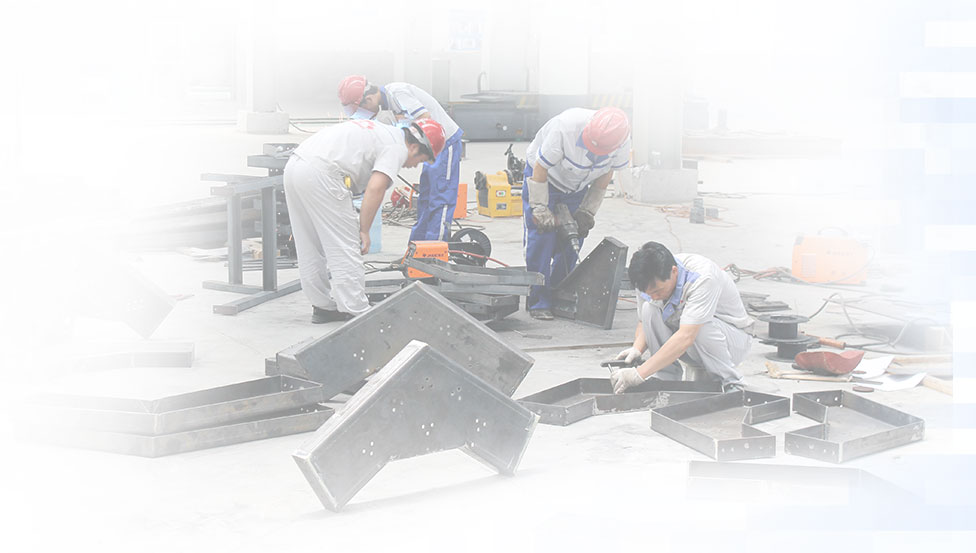
The critical components of the of the complete pellet production line equipment are built in our own workshops in Asia. Additional equipment is manufactured by our worldwide network of reliable partners.

● Testing
Quality Inspection & Testing
Before leaving the factory, all equipment will be inspected by the quality inspection department. We can also provide customers with testing services from a single machine to a complete pellet plant system, and provide you with real actual data for “worry-free use.”

● Delivery
Equipment Delivery
In equipment boxing and packaging, we adopt professional packaging and modular solutions to ensure the safe and non-destructive delivery of pellet plant equipment.
● Installation
Installation & Commissioning
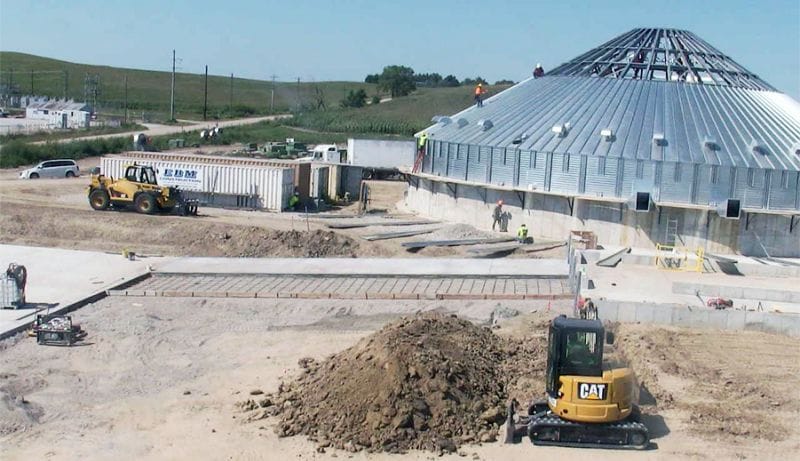
Whether you choose your own subcontractor for the erection phase or you want to install everything together with us, a Richi supervisor will be around to make sure everything is mounted in a safe and thorough way.

● Training
Staff Training
We provide comprehensive training for the technicians of each project. We can also continue to provide support for the technicians during latter project operation.
● After-sales
Project Follow-Up
When everything is up and running our Richiers will help you further whenever needed. We are ready to answer your call 24/7.We’ll also visit you regularly to learn about your needs.
Who we are
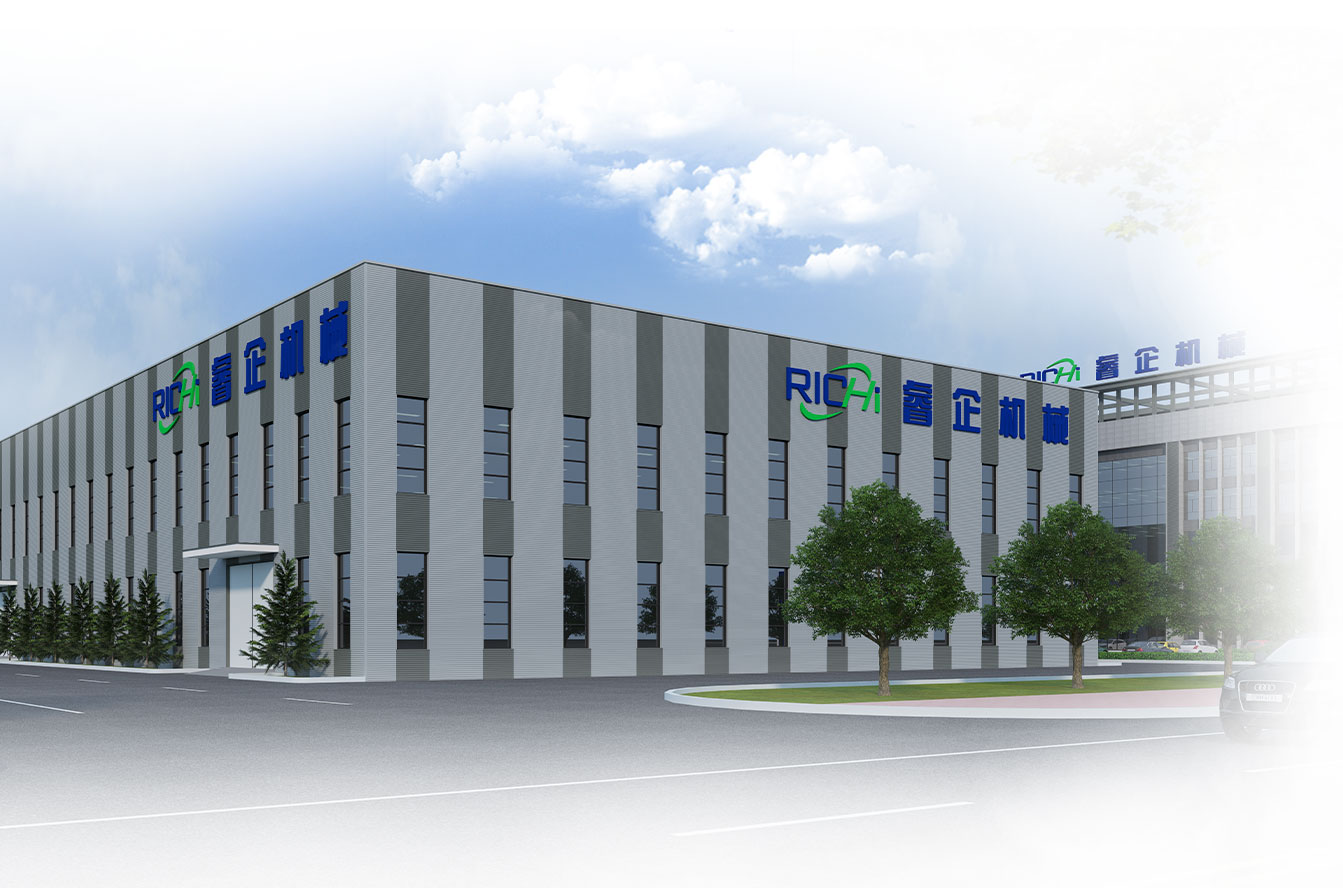
RICHI Machinery is one of the world’s leading suppliers of technology and services for the animal feed, aqua feed and pet food industries, also the largest pellet production line manufacturer in China.
Since 1995, RICHI’s vision to build a first-class enterprise, to foster first-class employees, and to make first-class contributions to society has never wavered.
In the past three decades, we have expanded our business to a wide range of areas, including animal feed mill equipment, aqua feed equipment, pet feed equipment, biomass pellet equipment, fertilizer equipment, cat litter equipment, municipal solid waste pellets equipment, etc.

1995
RICHI Established

2000+
Serving More Than 2000 Customers

120+
RICHI Employees

140+
Exported To 140 Countries