 0086-138 3838 9622
Aquafeed Extrusion System in Chile
RICHI MACHINERY
overview
The 6t/h aquafeed extrusion system in Chile was not initially planned as a full-scale industrial investment. It started with a feed distributor trying to solve a very specific problem—unstable supply of high-quality floating fish feed in southern Chile. After about eight months of back-and-forth discussions, this 6t/h aquafeed extrusion system in Chile gradually evolved into a complete pelletizing plant project, integrating raw material handling, fine grinding, extrusion, drying, coating, and packaging.
What makes this fish feed mill project worth sharing is not just the capacity or configuration. It’s how the system was adjusted step by step to match local raw materials, labor conditions, and energy costs. The client didn’t want an overcomplicated plant. They wanted something that works every day, not something that looks good only on paper.
6T/H
capacity
USD 880,000
investment
Chile
location
Feed
project type
RICHI MACHINERY
A Quick Look at the Project
The client operates a mid-sized aquaculture supply business in southern Chile, mainly serving freshwater fish farms. Over the past few years, they noticed a consistent issue—imported extruded feed prices were rising, and delivery times were becoming unpredictable.
So instead of continuing as a trader, they decided to move upstream.
This 6t/h aquafeed extrusion system in Chile is designed for:
- Capacity: 6 tons per hour
- Annual output: 20,000 tons of extruded fish and shrimp feed
- Product type: Full-price floating aquafeed (extruded)
- Operation: 300 days/year, 10 hours/day, single shift
- Workforce: 20 people
The facility combines newly built workshops with existing buildings, which required some careful layout compromises during design.
RICHI MACHINERY
How the Conversation Started
The first inquiry came in March 2023. It wasn’t very technical.
The client asked something like:
“Can we produce stable floating feed locally using fishmeal and soybean meal?”
That was it.
No layout, no detailed requirements. Just a concern about feed stability and cost.
By May 2023, after a few calls and raw material discussions, it became clearer:
- They had access to fishmeal, soybean meal, and flour locally
- Oil (fish oil + soybean oil) was available but storage needed planning
- They preferred extrusion over traditional pelletizing
- Moisture control and floatability were critical
The contract was signed in September 2023, with a relatively tight delivery schedule.
RICHI MACHINERY
Raw Materials
Chile has good access to marine protein sources, which makes extrusion feed projects quite suitable. The formulation here is fairly standard but adjusted slightly for local sourcing.
| Raw Material | Annual Consumption (t/a) | Form | Notes |
|---|---|---|---|
| Fishmeal | 4320 | Powder, bagged | Main protein source |
| Soybean meal | 6400 | Powder, bagged | Stable supply |
| Flour | 4800 | Powder, bagged | Binder & energy |
| Fish oil | 240 | Liquid, drums | Post-extrusion coating |
| Soybean oil | 240 | Liquid, bulk | Supplementary oil |
| Other additives | 0.17 | Powder | Premix & micro-additives |
| Natural gas | 500,000 m³/year | Pipeline | Drying & steam |
| Electricity | 200,000 kWh/year | Grid | Stable supply |
| Fresh water | 6753 m³/year | Municipal | Conditioning & cooling |
One thing we noticed during early trials—the flour quality varied slightly between suppliers. It affected pellet expansion. The client later fixed this by locking one supplier.
RICHI MACHINERY
Equipment Configuration
The aqua feed mill equipment list is quite long, but below is a clean version without model numbers—easier for quick review.
Raw Material Receiving & Cleaning
| Equipment | Quantity | Function |
|---|---|---|
| Receiving hoppers & grids | 2 | Manual feeding |
| Bucket elevators | 2 | Vertical transport |
| Drum pre-cleaner | 1 | Remove impurities |
| Magnetic separators | 2 | Remove metal |
| Dust collectors | 4 | Dust control |
Batching & Mixing (Primary + Secondary)
| Equipment | Quantity |
|---|---|
| Batching bins | 34 total |
| Screw feeders | 30+ |
| Paddle mixers | 3 |
| Buffer bins | Multiple |
Grinding System
| Equipment | Quantity |
|---|---|
| Fine grinder | 1 |
| Ultra-fine pulverizers | 2 |
| Cyclones & air conveying | 2 lines |
| Screening system | 2 |
Extrusion & Drying Section
| Equipment | Quantity |
|---|---|
| Conditioning system | 2 sets |
| Twin-screw extruders | 2 |
| Cooling water system | 1 |
| Cyclones | Multiple |
| Gas-fired belt dryer | 1 |
| Drying conveyor | 1 |
| Grading screens | 2 |
Coating & Packaging
| Equipment | Quantity |
|---|---|
| Vacuum coater | 1 |
| Liquid dosing tanks | 2 |
| Packing scales | 3 |
| Sewing conveyors | 3 |
Auxiliary Systems
| Equipment | Quantity |
|---|---|
| Liquid addition system | 2 |
| Air compressor | 1 |
| Steam generators | 2 |
| Dust collection system | Full coverage |
RICHI MACHINERY
Process Flow
Instead of a single straight line, this 6t/h aquafeed extrusion system in Chile works like a layered system. Each section has its own rhythm.
Here’s the simplified but realistic sequence:
- Raw Material Feeding
- Fishmeal, soybean meal, and flour are manually fed
- Initial cleaning removes debris and metal
- Primary Batching & Mixing
- Automated batching based on formulation
- First-stage mixing ensures base uniformity
- Fine Grinding
- Materials are ground to fine powder
- Particle size consistency is critical here
- Ultra-Fine Grinding
- Further refinement improves extrusion quality
- Air conveying stabilizes flow
- Secondary Mixing
- Oils and additives partially introduced
- Moisture adjusted before conditioning
- Conditioning
- Steam + water added
- Temperature: 100–130°C
- Moisture: ~28%
- Extrusion
- Twin-screw floating fish feed extruder machine system
- Sudden pressure drop → expansion
- Starch gelatinization + protein denaturation
- Drying
- Gas-heated airflow removes moisture
- This stage took some tuning during commissioning
- Coating
- Vacuum spraying of fish oil / soybean oil
- Improves energy density
- Cooling
- Natural air cooling
- Stabilizes pellets
- Screening & Packaging
- Qualified pellets → packing
- Oversize/undersize → return system
RICHI MACHINERY
A Few Real Observations from Commissioning
During the first week of trial runs, things didn’t go perfectly.
- The first batches were too soft after extrusion
- Moisture was slightly high entering the dryer
- Oil coating was uneven at the beginning
Typical issues, nothing unusual.
After adjusting:
- Steam input stabilized
- Dryer airflow increased slightly
- Coating pressure recalibrated
By day 10, the pellets had consistent floatability and density.
RICHI MACHINERY
Factory Layout Considerations
The site wasn’t empty land. Part of it was already built.
That created a few constraints:
- Limited ceiling height in one section
- Fixed positions for storage buildings
- Need to connect new and old structures
We adjusted by:
- Using vertical conveyors where possible
- Splitting production zones across floors
- Keeping extrusion and drying in the highest section
It’s not a textbook layout, but it works efficiently.
RICHI MACHINERY
Utilities & Operation Details
- Steam supply: 2 × 0.5 t/h gas steam generators
- Water usage: Mainly for conditioning and cooling
- Wastewater: Minimal, mostly reused internally
- Dust handling: Collected and reused in production
One important detail—dust is not treated as waste. It goes back into the process.
RICHI MACHINERY
Investment & Cost
The client was quite cautious about budget.
- Total project investment: ~USD 1420,000
- Equipment cost: ~USD 880,000
This is considered reasonable for a 6t/h extrusion aqua feed production line system with full auxiliary sections.
RICHI MACHINERY
Why This Project Makes Sense in Chile
Chile has a strong aquaculture industry, especially salmon and freshwater fish.
That creates:
- Stable demand for high-quality feed
- Increasing preference for locally produced feed
- Rising import costs (which pushes local production)
A system like this 6t/h aquafeed extrusion system in Chile sits right in the middle—large enough to supply multiple farms, but not too large to over-invest.
RICHI MACHINERY
Final Thoughts from Our Side
This Aqua Feed Plant project is a good example of something we often tell customers:
A fish feed production line doesn’t need to be perfect on day one.
It needs to be adjustable.
From raw material variation to moisture control, extrusion is sensitive. The key is having a system that operators can understand and tweak.
We handled:
- Process design
- Equipment manufacturing
- Installation guidance
- Commissioning support
- Operator training
And after handover, we still get occasional messages from the client. Usually about optimizing formulas or improving throughput.
If you’re looking at setting up something similar, don’t start with equipment. Start with your raw materials and target feed type. That’s usually where the real discussion begins.
● RICHI MACHINERY
RICHI Service

● Consulting
Customer Consultation
We want to have a deep understanding of your industrial process, to know your exact needs of feed, wood, biomass, fertilizer or other pellet processing.

● Design
Aqua Feed Plant Design
Based on your unique situation and industrial process, we will tailor complete pellet plant you need, and inform you of every additional detail that could facilitate operation, minimize total cost.
● Manufacturing
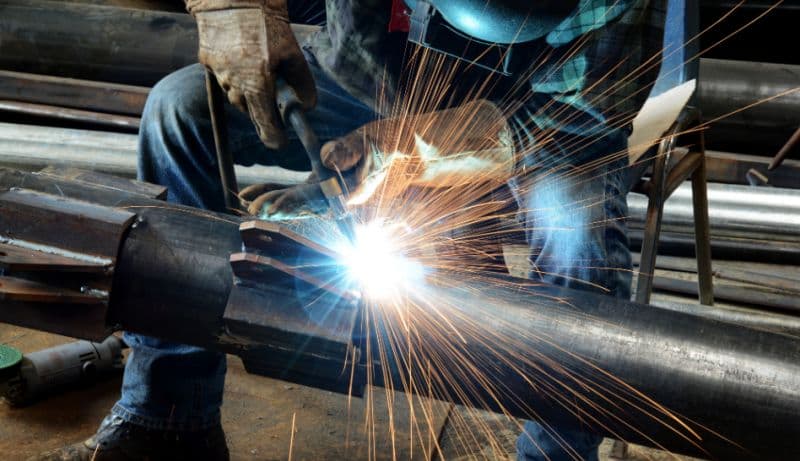
Equipment Manufacturing
The critical components of the of the complete pellet production line equipment are built in our own workshops in Asia. Additional equipment is manufactured by our worldwide network of reliable partners.
● Testing
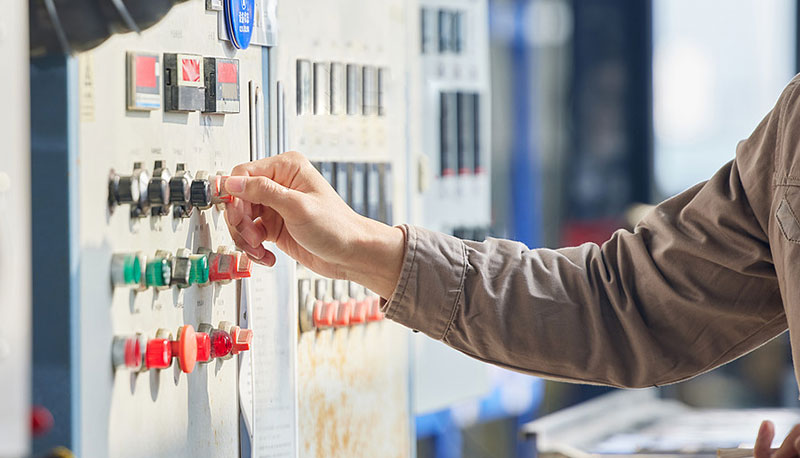
Quality Inspection & Testing
Before leaving the factory, all equipment will be inspected by the quality inspection department. We can also provide customers with testing services from a single machine to a complete pellet plant system, and provide you with real actual data for “worry-free use.”

● Delivery
Equipment Delivery
In equipment boxing and packaging, we adopt professional packaging and modular solutions to ensure the safe and non-destructive delivery of pellet plant equipment.
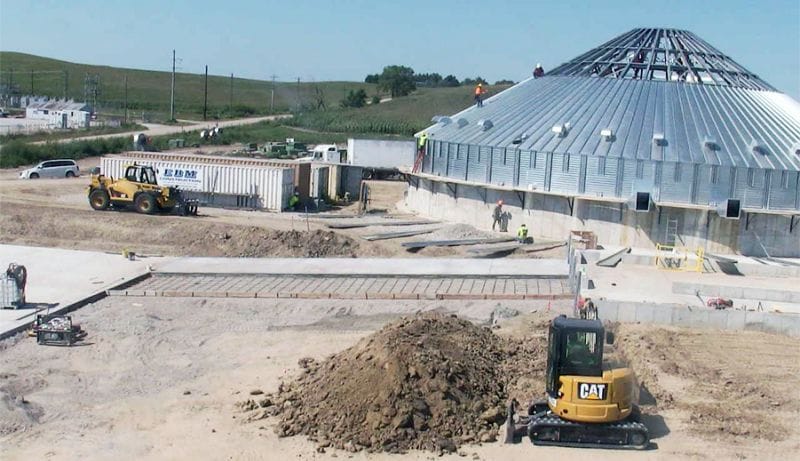
● Installation
Installation & Commissioning
Whether you choose your own subcontractor for the erection phase or you want to install everything together with us, a Richi supervisor will be around to make sure everything is mounted in a safe and thorough way.

● Training
Staff Training
We provide comprehensive training for the technicians of each project. We can also continue to provide support for the technicians during latter project operation.
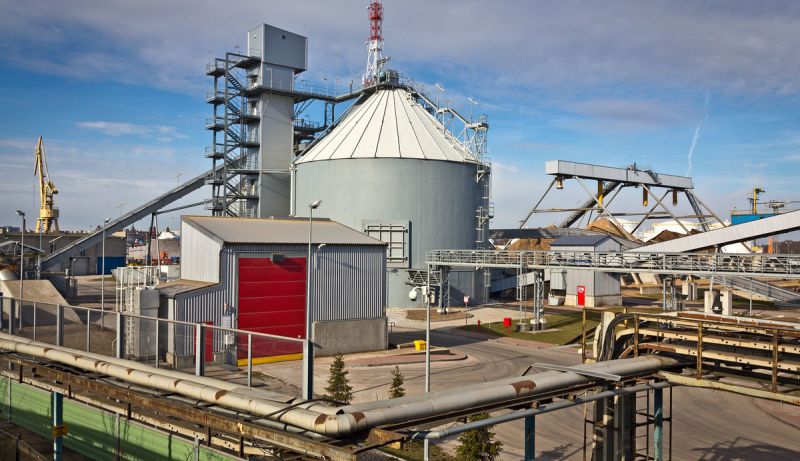
● After-sales
Project Follow-Up
When everything is up and running our Richiers will help you further whenever needed. We are ready to answer your call 24/7.We’ll also visit you regularly to learn about your needs.
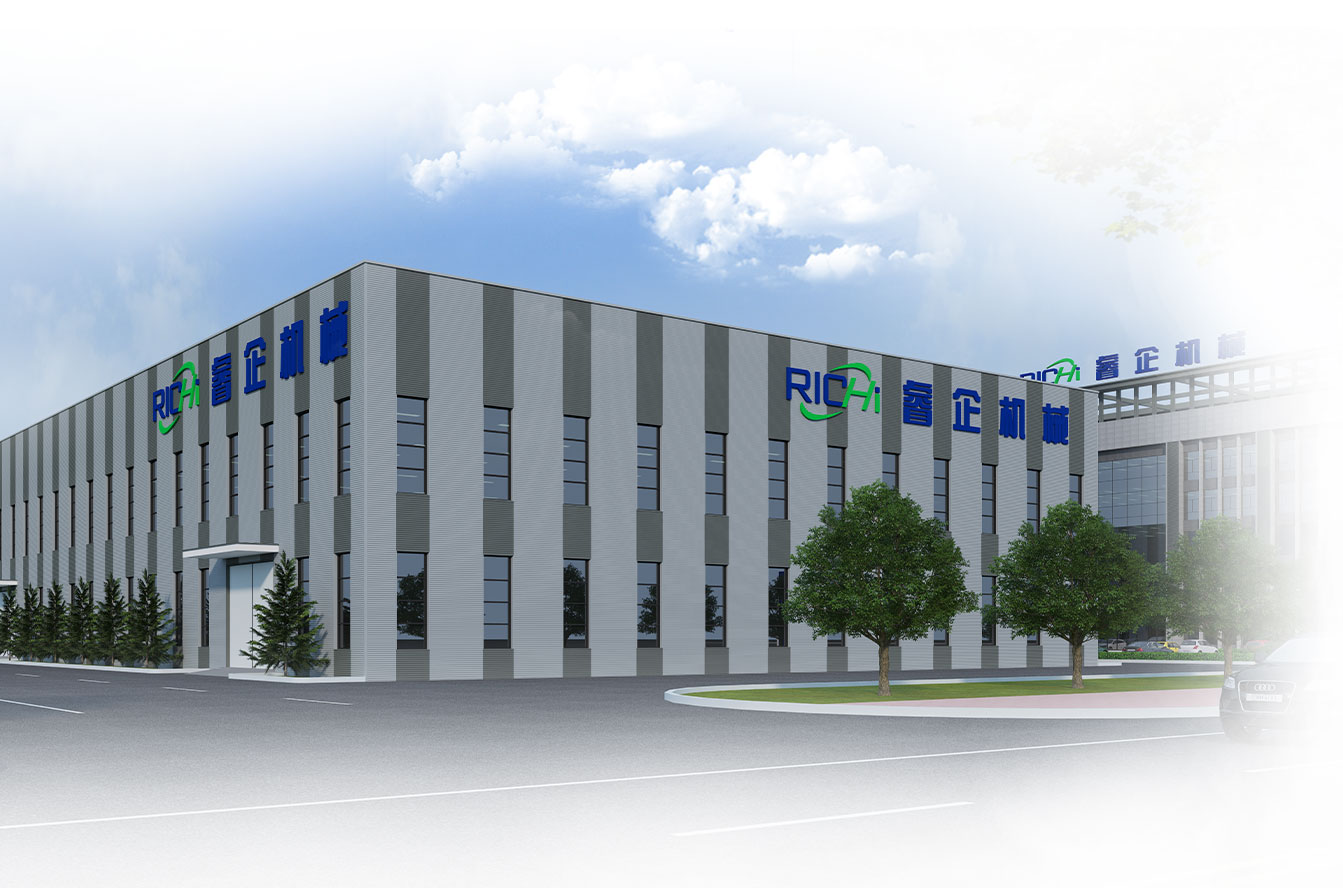
Who we are
RICHI Machinery is one of the world’s leading suppliers of technology and services for the animal feed, aqua feed and pet food industries, also the largest pellet production line manufacturer in China.
Since 1995, RICHI’s vision to build a first-class enterprise, to foster first-class employees, and to make first-class contributions to society has never wavered.
In the past three decades, we have expanded our business to a wide range of areas, including animal feed mill equipment, aqua feed equipment, pet feed equipment, biomass pellet equipment, fertilizer equipment, cat litter equipment, municipal solid waste pellets equipment, etc.

1995
RICHI Established

2000+
Serving More Than 2000 Customers

120+
RICHI Employees

140+
Exported To 140 Countries