 0086-138 3838 9622
Small Wood Pellet Line in South Korea
RICHI MACHINERY
Project Overview
1T/H small wood pellet line in South Korea was designed as a compact biomass recycling solution for a woodworking client aiming to turn daily production waste into a stable fuel product. The system operates as a practical pellet production line, converting clean wood offcuts into approximately 2,500 tons of biomass pellets annually.
This 1t/h wood pellet processing plant in South Korea runs about 2,400 hours per year with a simple configuration, focusing on reliability rather than automation complexity. The project fully utilizes an existing factory building of 1,989.5 m², keeping investment under control while maintaining a steady output.
From the beginning, the idea behind this small pelletizing line was not to build something large or overly automated, but to make sure every ton of raw material could be converted into saleable pellets without unnecessary complexity.
The biomass pellet plant was designed around real constraints: limited space, variable raw material size, and a workforce with no prior pelletizing experience. That shaped almost every technical decision along the way.
1T/H
capacity
$40,000
investment
South Korea
location
Biofuel
project type
RICHI MACHINERY
Where It Really Began
The inquiry came in January 2024.
The client runs a small furniture component workshop located in the Gyeonggi region. Daily operations generated a steady flow of wood scraps—nothing hazardous, mostly clean cuts, but inconsistent in size and density.
At first, these residues were either:
- Stored temporarily
- Sold at very low prices
- Or simply removed as waste
Disposal costs were rising, and space inside the workshop was getting tight. The turning point came when the client noticed nearby small heating companies starting to purchase biomass pellets locally.
The question shifted from “how to dispose” to:
“Can this waste become a stable product line?”
After about six weeks of technical exchanges—mostly focused on raw material testing and layout feasibility—the direction became clear: build a 1t/h small wood pellet line in South Korea that fits inside the existing plant.
Contract signed in March 2024.
RICHI MACHINERY
What the Client Actually Needed
Interestingly, the client didn’t initially ask for a full wood pellet production line. The first request was only for a pellet machine.
But after reviewing:
- Raw material flow
- Workshop size
- Daily waste volume
It became obvious that a standalone machine wouldn’t solve the problem.
The final requirement looked like this:
- Handle ~8 tons/day of wood residues
- Keep operation simple (no highly skilled operators required)
- Fit into existing building without reconstruction
- Ensure stable pellet quality for local market sales
RICHI MACHINERY
Site Conditions and Layout Decisions
The available space was already fixed:
- Total land area: 1,989.5 m²
- Production workshop: 1,529.5 m²
- Raw material area: 400 m²
- Office building: 70 m² (2 floors)
One constraint stood out immediately:
The building height was moderate, not ideal for vertical systems.
So the layout of this wood fuel pellet plant was designed in a horizontal flow:
Raw material → Crushing → Grinding → Pelletizing → Storage → Packing
This avoided material backflow and reduced handling time.
RICHI MACHINERY
Production Plan
The plant focuses on a single product:
| Product | Annual Output | Operating Hours |
|---|---|---|
| Biomass wood pellets | 2500 tons | 2400 h |
The output is modest, but steady. That was more important to the client than peak capacity.
RICHI MACHINERY
Raw Materials
South Korea has a well-developed furniture manufacturing sector, which provides a consistent source of clean wood residues.
This biomass pellet project uses only untreated wood waste—a key point.
Raw Material Details
| Material | Annual Consumption (t) | Max Storage (t) | Storage Method | Notes |
|---|---|---|---|---|
| Wood offcuts | 2500 | 100 | Indoor stacking | No paint, no plastic |
A practical note:
Even within “clean wood,” density varies. Some batches required slight adjustments in feed rate during production.
RICHI MACHINERY
Energy & Resource Consumption
| Resource | Annual Usage | Notes |
|---|---|---|
| Electricity | 350,000 kWh | Main production energy |
| Water | 100 t | Domestic use only |
No process wastewater is generated, which simplified compliance with local environmental requirements.
RICHI MACHINERY
Equipment Configuration
The wood pellet processing equipment selection for this 1t/h small wood pellet line in South Korea was intentionally conservative.
Equipment List
| No. | Equipment | Capacity | Quantity |
|---|---|---|---|
| 1 | Wood chipper machine | 1000 kg/h | 1 |
| 2 | Wood Pellet hammer mill | 1000 kg/h | 1 |
| 3 | Wood pellet mill | 1000 kg/h | 1 |
This setup allowed flexible operation.
During maintenance, production didn’t need to stop completely.
RICHI MACHINERY
Process Flow
The process itself is not complicated, but small details matter.
1. Crushing
Large wood pieces are reduced in size.
- Dust is generated here
- Controlled via centralized collection
2. Grinding
Material is processed into fine sawdust.
- Particle size directly affects pellet quality
- Too coarse → weak pellets
- Too fine → higher power consumption
3. Pelletizing
This is where most adjustments happen.
- ضغط: 50–100 MPa
- Temperature rises to 80–90°C naturally
No steam conditioning is used.
4. Storage and Packing
Finished pellets are stored in bins and packed based on order requirements.
No automated packing system was installed initially—manual + semi-auto approach kept costs low.
RICHI MACHINERY
Environmental Measures
South Korea enforces fairly strict industrial emission standards, even for small plants.
This wood pellet plant construction project included:
- Dust control: Bag filter system, 15m exhaust
- Wastewater: Only domestic sewage, treated and reused
- Solid waste: Dust recycled back into production
- Noise: Equipment placed away from boundaries + vibration control
RICHI MACHINERY
Workforce and Operation
| Item | Value |
|---|---|
| Staff | 10 |
| Working hours | 8 hours/day |
| Working days | 300 days/year |
Operators required about one week of training before independent operation.
RICHI MACHINERY
Investment and Cost
This project was designed to stay within a reasonable budget.
- Equipment cost: approx. $40,000
- Total investment: around $70,000
For South Korea, this falls into the “low-risk small industrial investment” category.
RICHI MACHINERY
Delivery and Logistics
- Loading port: Qingdao Port, China
- Destination port: Busan Port, South Korea
Transit time: about 7–10 days
Installation began shortly after arrival.
RICHI MACHINERY
Market Situation in South Korea
Biomass energy is gradually gaining traction, especially for:
- Small heating systems
- Industrial boilers
- Rural energy applications
A 1t/h wood pellet processing plant in South Korea doesn’t aim at export markets.
Instead, it fits into local supply chains.
Demand is not explosive, but it’s stable.
This project didn’t try to do too much.
- Raw materials were already available
- Space was already built
- Equipment matched real needs
That combination made the pelletizing line practical and sustainable.
RICHI MACHINERY
Final Engineering Perspective
Small projects like this often perform better than large, overdesigned plants.
Not because they are more advanced—but because they are better matched to reality.
The 1t/h small wood pellet line in South Korea is a good example of that balance.
Most discussions usually start with equipment.
But in practice, the key questions are different:
- How stable is your raw material supply?
- What moisture range are you dealing with?
- How many hours per day will you actually run?
Once those are clear, building the right small wood pellet plant becomes much easier.
● RICHI MACHINERY
RICHI Service

● Consulting
Customer Consultation
We want to have a deep understanding of your industrial process, to know your exact needs of feed, wood, biomass, fertilizer or other pellet processing.
● Design
biomass Pellet Plant Design
Based on your unique situation and industrial process, we will tailor complete pellet plant you need, and inform you of every additional detail that could facilitate operation, minimize total cost.
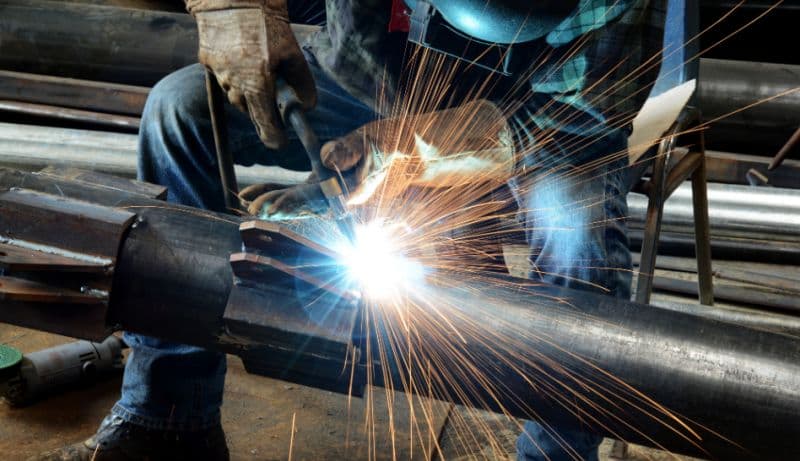
● Manufacturing
Equipment Manufacturing
The critical components of the of the complete pellet production line equipment are built in our own workshops in Asia. Additional equipment is manufactured by our worldwide network of reliable partners.
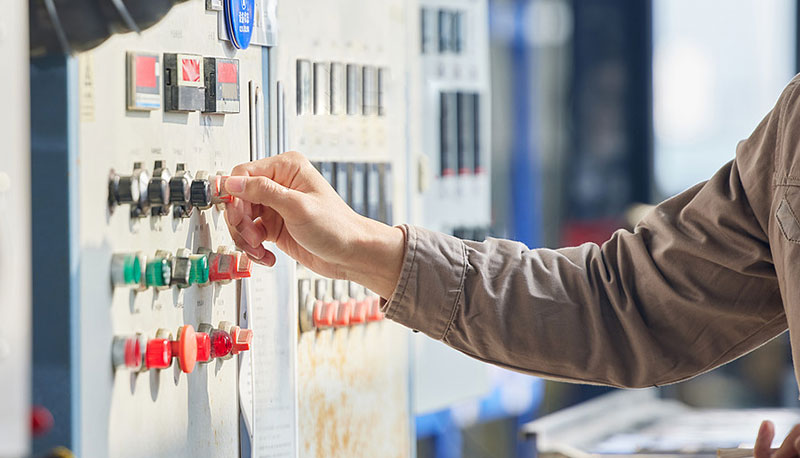
● Testing
Quality Inspection & Testing
Before leaving the factory, all equipment will be inspected by the quality inspection department. We can also provide customers with testing services from a single machine to a complete pellet plant system, and provide you with real actual data for “worry-free use.”

● Delivery
Equipment Delivery
In equipment boxing and packaging, we adopt professional packaging and modular solutions to ensure the safe and non-destructive delivery of pellet plant equipment.
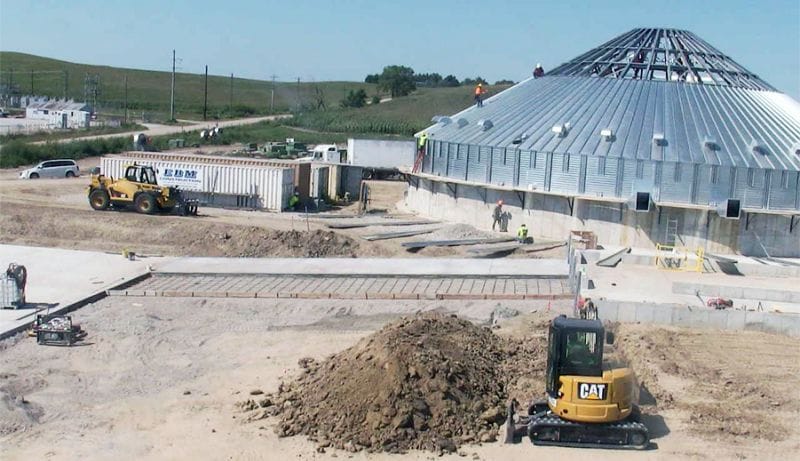
● Installation
Installation & Commissioning
Whether you choose your own subcontractor for the erection phase or you want to install everything together with us, a Richi supervisor will be around to make sure everything is mounted in a safe and thorough way.

● Training
Staff Training
We provide comprehensive training for the technicians of each project. We can also continue to provide support for the technicians during latter project operation.
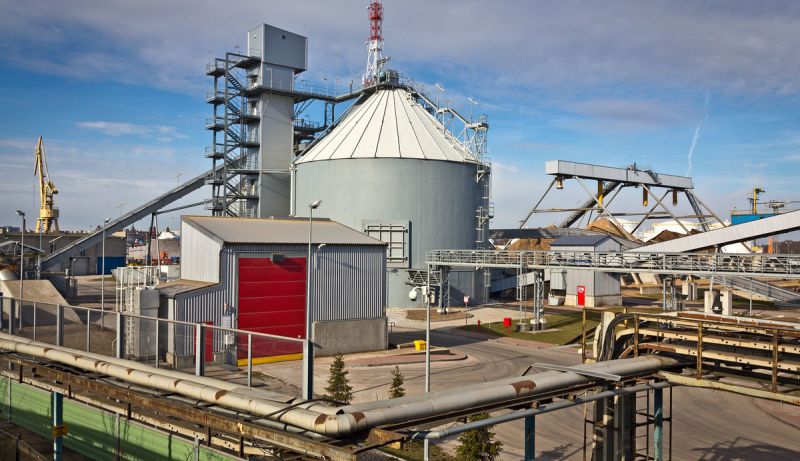
● After-sales
Project Follow-Up
When everything is up and running our Richiers will help you further whenever needed. We are ready to answer your call 24/7.We’ll also visit you regularly to learn about your needs.
Who we are
RICHI Machinery is one of the world’s leading suppliers of technology and services for the animal feed, aqua feed and pet food industries, also the largest pellet production line manufacturer in China.
Since 1995, RICHI’s vision to build a first-class enterprise, to foster first-class employees, and to make first-class contributions to society has never wavered.
In the past three decades, we have expanded our business to a wide range of areas, including animal feed mill equipment, aqua feed equipment, pet feed equipment, biomass pellet equipment, fertilizer equipment, cat litter equipment, municipal solid waste pellets equipment, etc.

1995
RICHI Established

2000+
Serving More Than 2000 Customers

120+
RICHI Employees

140+
Exported To 140 Countries