 0086-138 3838 9622
Ruminant Feed Production Line in Ethiopia

RICHI MACHINERY
overview
This case study presents the design, implementation, and prospects of a modern ruminant cattle feed production line in Ethiopia, with an annual capacity of 60,000 tons (equivalent to about 12 tons per hour, assuming 312 working days and 16 hours per day).
The project was initiated by a large-scale cattle and dairy cooperative located in the Oromia region of Ethiopia. The cooperative owns multiple dairy farms, beef cattle ranches, and goat herds, yet has long relied on imported and fragmented feed resources. Rising import prices and fluctuating raw material supply prompted the cooperative to invest in an integrated feed processing facility designed to enhance feed security, improve livestock productivity, and strengthen long-term economic resilience.
The facility is designed to:
- Utilize locally available raw materials such as maize, soybean meal, wheat bran, cottonseed cake, and DDGS (distillers dried grains with solubles).
- Produce balanced ruminant feed pellets suitable for dairy cattle, beef cattle, and small ruminants.
- Introduce modern milling, batching, and pelleting technologies that ensure feed consistency and high nutritional standards.
- Operate with energy efficiency, dust control systems, and low environmental impact.
- Achieve a realistic investment budget of USD 430,000, consistent with a 12t/h commercial animal feed production line in Ethiopia’s economic context.
This cattle feed plant project demonstrates how affordable industrial feed solutions can transform livestock farming in emerging economies, particularly in Africa, where the livestock sector is vital for livelihoods and food security.
12T/H
capacity
USD 430,000
investment
Ethiopia
location
Feed
project type
RICHI MACHINERY
Project Background
Ethiopia holds the largest livestock population in Africa, with over:
- 70 million cattle (dairy and beef),
- 40 million sheep,
- 50 million goats, and
- substantial camel and equine populations.
Despite this vast livestock resource base, the productivity of Ethiopian livestock remains far below international standards, largely due to insufficient nutrition. Farmers often rely on crop residues (straw, maize stover) and limited natural grazing, which cannot meet the nutritional requirements of high-yield dairy cows or fattening beef cattle.
Currently, most commercial compound feed in Ethiopia is imported or produced by small, semi-automatic plants, leading to:
- High feed costs,
- Inconsistent quality,
- Lack of tailored formulations for ruminants,
- Supply chain bottlenecks.
Recognizing this gap, the Ethiopian government has included feed self-sufficiency in its Livestock Master Plan (LMP). The cooperative client, already managing over 15,000 head of dairy cattle and beef cattle combined, identified feed production as a strategic investment to:
- Reduce dependency on external suppliers,
- Ensure stable feed supply throughout the year,
- Improve animal productivity (milk yield and meat weight gain),
- Strengthen competitiveness in the domestic dairy and beef markets.
Thus, the ruminant cattle feed production line in Ethiopia project was conceptualized as a localized, medium-scale ruminant feed mill, directly aligned with Ethiopia’s national livestock development strategy.
RICHI MACHINERY
Investor Profile
The investor is a large cooperative of cattle and dairy farmers based in Ethiopia’s Oromia region. The cooperative:
- Owns five large-scale dairy farms with over 8,000 lactating cows,
- Manages three beef cattle ranches focusing on fattening operations,
- Coordinates with smaller goat and sheep herders for integrated feed distribution.
Prior to this ruminant cattle feed production line in Ethiopia project, the cooperative faced several challenges:
- Unstable feed prices: dependence on imported protein meals and premixes.
- Nutritional imbalance: locally mixed feeds lacked uniform quality.
- Post-harvest losses: large volumes of crop residues (maize stover, wheat bran) went underutilized.
By investing in its own 12t/h feed processing line, the cooperative aims to:
- Secure its supply chain by utilizing local resources.
- Improve herd performance with scientifically formulated feed.
- Reduce production costs per liter of milk and per kilogram of beef.
- Supply surplus feed to surrounding farmers, creating an additional revenue stream.
This strategic investment thus combines self-sufficiency with market expansion.
RICHI MACHINERY
Production Capacity and Scale
- Annual Capacity: 60,000 tons of ruminant feed.
- Hourly Capacity: 6 tons/hour.
- Operating Days: 312 days per year.
- Shifts: 2 shift of 16 hours per day
Feed Product Types
The fully automatic cattle feed plant is designed to manufacture:
- Dairy cattle feed pellets – high-energy, balanced with protein and fiber.
- Beef cattle feed pellets – formulated for fattening and weight gain.
- Sheep and goat feed pellets – adapted for small ruminants with adjusted protein and fiber levels.
- Concentrate mixes – for blending with roughages on farms.
The formulation flexibility ensures that the plant can respond to market demand and seasonal raw material availability.
RICHI MACHINERY
Process Flow Design
The cattle feed production line follows a fully automated flow from raw material intake to finished pellet packaging.
Main Processing Steps
- Raw Material Receiving and Cleaning
- Corn, soybean meal, wheat bran, and cottonseed cake are received in bulk.
- Impurities (stones, metals, dust) are removed by sieves and magnets.
- Crushing (Hammer Mill System)
- Coarse raw materials such as maize are ground to the required particle size (1–3 mm).
- Ensures uniform mixing and digestibility for ruminants.
- Batching and Mixing
- Ingredients are weighed according to precise formulations.
- A twin-shaft paddle mixer achieves uniform blending with CV ≤ 5%.
- Conditioning and Pelleting
- Steam conditioning softens fibers, improves starch gelatinization, and enhances pellet durability.
- Ring-die cattle feed pellet machine compresses the mixture into 6–8 mm pellets, optimal for cattle and sheep.
- Cooling and Screening
- Counterflow cooler reduces pellet temperature to ambient +5°C.
- Vibratory screener removes fines, ensuring consistent pellet quality.
- Packaging and Storage
- Pellets are bagged in 25–50 kg polypropylene bags or stored in bulk silos.
- Ready for dispatch to cooperative farms and external customers.
RICHI MACHINERY
Equipment Configuration
The feed mill adopts a 12 tons per hour fully automatic ruminant feed production line, equipped with internationally recognized machinery optimized for Ethiopia’s local context. All equipment is supplied with energy-efficient motors, dust collection systems, and PLC-based automation.
Major Equipment List
| Section | Equipment | Model/Capacity | Main Function | Notes |
|---|---|---|---|---|
| Raw Material Handling | Intake pit with scraper conveyor | 15 m³ | Receiving bulk maize, soybean meal, wheat bran | Equipped with dust cover |
| Cleaning | Drum pre-cleaner + Permanent magnet | 20 t/h | Removal of stones, dust, metals | Essential for feed safety |
| Crushing | Hammer mill | SFSP66×80, 110 kW | Crushing maize and other grains to 1–3 mm | Fitted with aspiration system |
| Dosing/Batching | Electronic weighing scales | 3,000 kg/batch | Precise ingredient measurement | Accuracy ≤ ±0.2% |
| Mixing | Twin-shaft paddle mixer | SLHS2,000L | Mixing efficiency CV ≤ 5% | Mixing time 90 seconds |
| Conditioning | Double-layer conditioner | Stainless steel, steam-heated | Moisture addition, starch gelatinization | Improves pellet durability |
| Pelleting | Ring die livestock feed pellet machine | SZLH420, 110 kW | 6–8 mm pellets for ruminants | Output 6 t/h |
| Cooling | Counterflow cooler | SKLN20×20 | Reduces pellet temperature to ambient +5°C | Prevents mold |
| Screening | Vibratory screener | SFJH110×2C | Removes fines and oversized pellets | Ensures uniformity |
| Packaging | Automatic packing machine | DCS-50 | 25–50 kg bags | Accuracy ±0.2% |
| Auxiliary | Dust collector & cyclone | Bag filter type | Airborne dust removal | Improves working conditions |
| Control | PLC automation system | Siemens-based | Controls batching, pelleting, packaging | Reduces labor costs |
This feed mill equipment configuration ensures a balance between investment cost and operational efficiency. The pellet mill model SZLH420 is widely used for medium-scale ruminant feed pellet production lines and offers reliable performance in Ethiopia’s environment.
RICHI MACHINERY
Raw Materials and Material Balance
Major Raw Materials
The ruminant cattle feed production line in Ethiopia primarily utilizes locally available agricultural by-products and grains:
- Maize (corn) – energy source.
- Soybean meal – high-protein supplement.
- Wheat bran – fiber and energy.
- Cottonseed cake – protein and fat.
- DDGS (Distillers dried grains with solubles) – protein, fiber, and energy.
- Minerals & premixes – vitamins, trace elements, salt.
Typical Ruminant Feed Formula (Dairy Cattle, % by weight)
| Ingredient | Percentage (%) |
|---|---|
| Maize | 35 |
| Soybean meal | 20 |
| Wheat bran | 18 |
| Cottonseed cake | 10 |
| DDGS | 12 |
| Mineral premix | 5 |
Material Balance for Annual Production
- Annual Output: 60,000 tons (finished pellets).
- Conversion Ratio: 1.02 (raw materials : finished feed).
- Annual Raw Material Requirement: ≈ 61,200 tons.
| Raw Material | Proportion (%) | Quantity (tons/year) |
|---|---|---|
| Maize | 35 | 21,420 |
| Soybean meal | 20 | 12,240 |
| Wheat bran | 18 | 11,016 |
| Cottonseed cake | 10 | 6,120 |
| DDGS | 12 | 7,344 |
| Mineral premix | 5 | 3,060 |
| Total | 100 | 61,200 |
Sourcing Strategy
- Maize and wheat bran: sourced from Ethiopian smallholder farmers and milling companies.
- Soybean meal: imported from Sudan and domestic processors.
- Cottonseed cake: supplied by Ethiopian oilseed crushing plants.
- DDGS: imported in limited quantities, with plans for local ethanol industry sourcing.
- Mineral premixes: supplied by international feed additive companies.
This balance shows the feed mill’s reliance on both domestic and imported inputs, which is realistic for Ethiopia. The cooperative plans to gradually increase local sourcing as domestic oilseed and ethanol industries expand.
RICHI MACHINERY
Environmental and Safety Measures
Environmental Considerations
Although feed production is relatively low-polluting compared to other industries, the ruminant cattle feed production line in Ethiopia project incorporates strict environmental safeguards to minimize its footprint:
- Dust Control:
- Bag filters and cyclones installed at hammer mill, mixer, and pellet mill discharge points.
- Ensures dust emissions are ≤ 20 mg/m³, complying with FAO-recommended standards.
- Noise Control:
- Noise from crushers and pellet mills enclosed with sound-proof panels.
- Worker exposure limited to ≤ 85 dB (with PPE support).
- Wastewater Management:
- Minimal water usage (mainly for steam generation and cleaning).
- Condensed steam recycled.
- No industrial effluent discharge.
- Solid Waste Management:
- Packaging scraps (plastic, PP bags) collected and recycled.
- Screening fines reused in production.
- Energy Efficiency:
- Motors equipped with variable frequency drives (VFD).
- Steam boiler optimized for biomass fuel (rice husk/wood waste).
Worker Health and Safety
- Personal Protective Equipment (PPE): gloves, dust masks, safety helmets, and earplugs mandatory.
- Training Programs: operators trained in machinery operation, fire prevention, and first aid.
- Fire Safety:
- Fire extinguishers placed near pelleting and boiler sections.
- Fire hydrants installed in warehouse areas.
- Emergency Preparedness: evacuation routes and drills established.
Compliance
The ruminant cattle feed production line in Ethiopia project adheres to:
- Ethiopia’s Environmental Protection Authority (EPA) guidelines for industrial facilities.
- International Feed Safety Standards (HACCP principles).
- Occupational Health and Safety (OHS) regulations.
By implementing these measures, the feed mill ensures both environmental sustainability and safe working conditions, which are critical for long-term operation and community acceptance.
RICHI MACHINERY
Investment Cost and Economic Analysis
Investment Cost Estimate
Based on the 12 t/h feed line configuration and the Ethiopian context, the investment is estimated as follows:
| Cost Category | Description | Estimated Amount (USD) |
|---|---|---|
| Equipment purchase & installation | Pellet mill, hammer mill, mixer, cooler, packing, conveyors, control system | 350,000 |
| Civil works | Factory building (2,500 m²), warehouse, silos, roads, foundations | 35,000 |
| Utilities & auxiliaries | Boiler, steam pipes, dust collection, electrical system | 15,000 |
| Pre-operation expenses | Training, design, transport, customs duties | 10,000 |
| Working capital | Raw material stock (2,000 tons), packaging materials, additives | 20,000 |
| Total Initial Investment | 430,000 USD |
This figure is within the 430,000 USD range, which is realistic for Ethiopia’s construction costs and machinery import tariffs.
Operating Costs
| Item | Annual Cost (USD) |
|---|---|
| Raw materials (61,200 tons at avg. 200 USD/ton) | 12,240,000 |
| Labor (35 staff) | 150,000 |
| Utilities (electricity, biomass fuel, water) | 80,000 |
| Maintenance & repairs | 40,000 |
| Packaging & logistics | 120,000 |
| Administration & overheads | 50,000 |
| Total OPEX | 12,680,000 |
RICHI MACHINERY
Plant Layout and Organization
Land and Buildings
- Total Land Area: ~8,000 m².
- Built-up Area: 2,500 m² feed plant + 2,000 m² warehouse + 1,000 m² office & utilities.
- Green Area: 20% for landscaping and environmental compliance.
Functional Zoning
- Raw Material Zone – grain silos, intake pit, and storage warehouse.
- Processing Zone – hammer mill, mixer, pellet mill, cooler.
- Auxiliary Zone – boiler house, dust collection, maintenance workshop.
- Finished Product Zone – packaging line, warehouse, truck loading bay.
- Administrative Zone – offices, staff facilities, laboratory.
Plant Layout Principle
- One-way flow of materials: from raw material intake → cleaning → crushing → mixing → pelleting → cooling → packaging → finished goods warehouse.
- Minimized cross-contamination: additives and premixes stored separately.
- Worker safety: walkways separated from heavy machinery and trucks.
RICHI MACHINERY
Labor and Operation Plan
Workforce Structure
| Department | Number of Staff | Role |
|---|---|---|
| Management | 3 | General manager, production manager, finance officer |
| Production | 18 | Operators for crusher, mixer, pellet mill, packers |
| Maintenance | 5 | Mechanical and electrical technicians |
| Quality Control | 3 | Lab analysts, feed formulation specialist |
| Logistics & Warehouse | 4 | Forklift drivers, stock managers |
| Administration | 2 | HR, procurement |
| Total | 35 staff |
Work Shifts
- Normal Operation: 2 shift × 16 hours/day.
Training
RICHI Machinery provides on-site training for operators, focusing on:
- Machine operation & troubleshooting.
- Safety and maintenance.
- Feed formulation and quality assurance.
RICHI MACHINERY
Ethiopia Market Outlook
Livestock Sector
- Ethiopia is Africa’s largest cattle producer (70+ million head).
- Only 15% of dairy cattle receive formulated feed.
- Government targets doubling milk output by 2030, requiring large volumes of compound feed.
Feed Market Potential
- Current feed demand in Ethiopia estimated at 10 million tons annually, but industrial supply is only ~1.5 million tons.
- Huge gap creates opportunities for modern feed mills.
- Ruminant feed specifically is underserved, as most feed mills focus on poultry.
Policy Support
- Ethiopia’s Livestock Master Plan (LMP) promotes private sector feed investment.
- Import substitution strategy: encourages use of local maize, bran, oilseed meals.
- Tariff reductions on machinery imports for agricultural projects.
Competitive Advantage of the Project
- Strategic location in Oromia, close to dairy farms and crop suppliers.
- Cooperative’s integrated demand ensures stable off-take.
- Ability to supply surplus feed to smallholders strengthens rural networks.
RICHI MACHINERY
Conclusion and Recommendations
This project demonstrates that a 12 t/h ruminant cattle feed production line in Ethiopia is both technically feasible and economically profitable.
Key success factors:
- Reliable raw material base: maize, bran, soybean meal, and cottonseed cake.
- Appropriate scale: 60,000 tons/year matches both cooperative demand and external market opportunities.
- Reasonable investment: USD 220,000, recoverable in less than one year.
- Sustainability: dust control, biomass boiler, recycling of fines.
- Market potential: Ethiopia’s livestock sector expansion ensures long-term feed demand.
Recommendations
- Gradual Expansion – start with 2 shift (60,000 tons/year).
- Local Sourcing – increase procurement from Ethiopian oilseed processors to reduce reliance on imports.
- Diversification – introduce sheep and goat feed formulas to capture broader market.
- Quality Branding – establish a strong brand to differentiate from low-quality, small-scale feed mills.
- Partnerships – collaborate with government and NGOs to supply feed to smallholder farmers, strengthening rural livelihoods.
This case study of a ruminant cattle feed production line in Ethiopia illustrates how affordable, medium-scale feed mills can drive agricultural transformation in emerging economies. With robust equipment, efficient processes, and strong market fundamentals, the project sets a benchmark for future livestock feed investments across Africa.
● RICHI MACHINERY
RICHI Service

● Consulting
Customer Consultation
We want to have a deep understanding of your industrial process, to know your exact needs of feed, wood, biomass, fertilizer or other pellet processing.

● Design
cattle Pellet Plant Design
Based on your unique situation and industrial process, we will tailor complete pellet plant you need, and inform you of every additional detail that could facilitate operation, minimize total cost.
● Manufacturing
Equipment Manufacturing
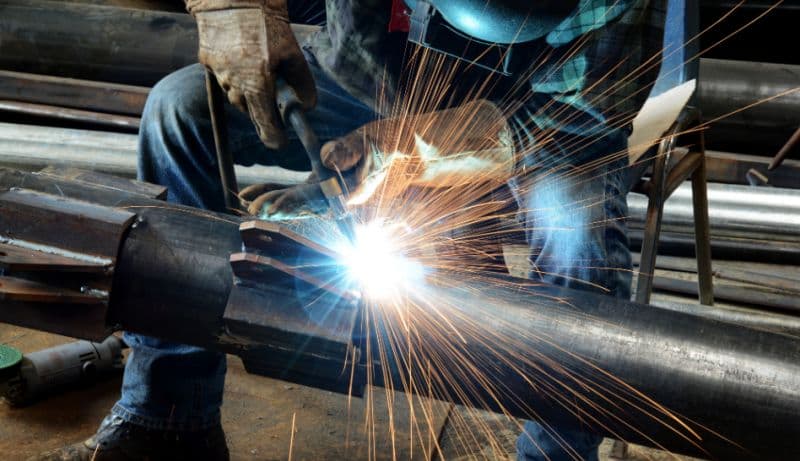
The critical components of the of the complete pellet production line equipment are built in our own workshops in Asia. Additional equipment is manufactured by our worldwide network of reliable partners.

● Testing
Quality Inspection & Testing
Before leaving the factory, all equipment will be inspected by the quality inspection department. We can also provide customers with testing services from a single machine to a complete pellet plant system, and provide you with real actual data for “worry-free use.”

● Delivery
Equipment Delivery
In equipment boxing and packaging, we adopt professional packaging and modular solutions to ensure the safe and non-destructive delivery of pellet plant equipment.
● Installation
Installation & Commissioning
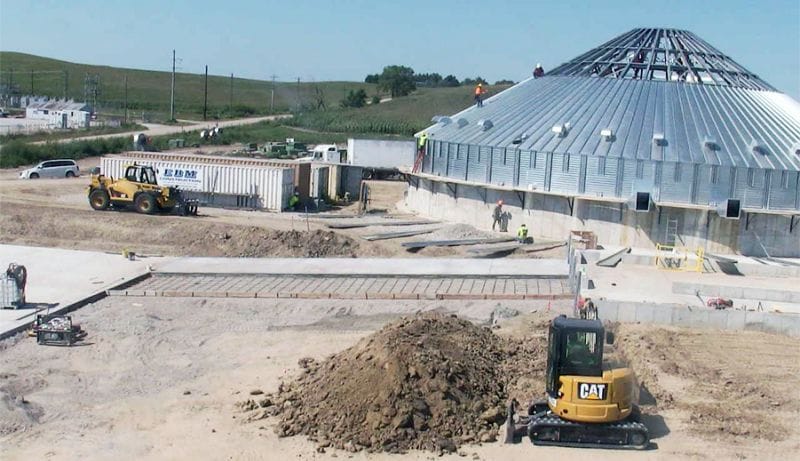
Whether you choose your own subcontractor for the erection phase or you want to install everything together with us, a Richi supervisor will be around to make sure everything is mounted in a safe and thorough way.

● Training
Staff Training
We provide comprehensive training for the technicians of each project. We can also continue to provide support for the technicians during latter project operation.
● After-sales
Project Follow-Up
When everything is up and running our Richiers will help you further whenever needed. We are ready to answer your call 24/7.We’ll also visit you regularly to learn about your needs.
Who we are
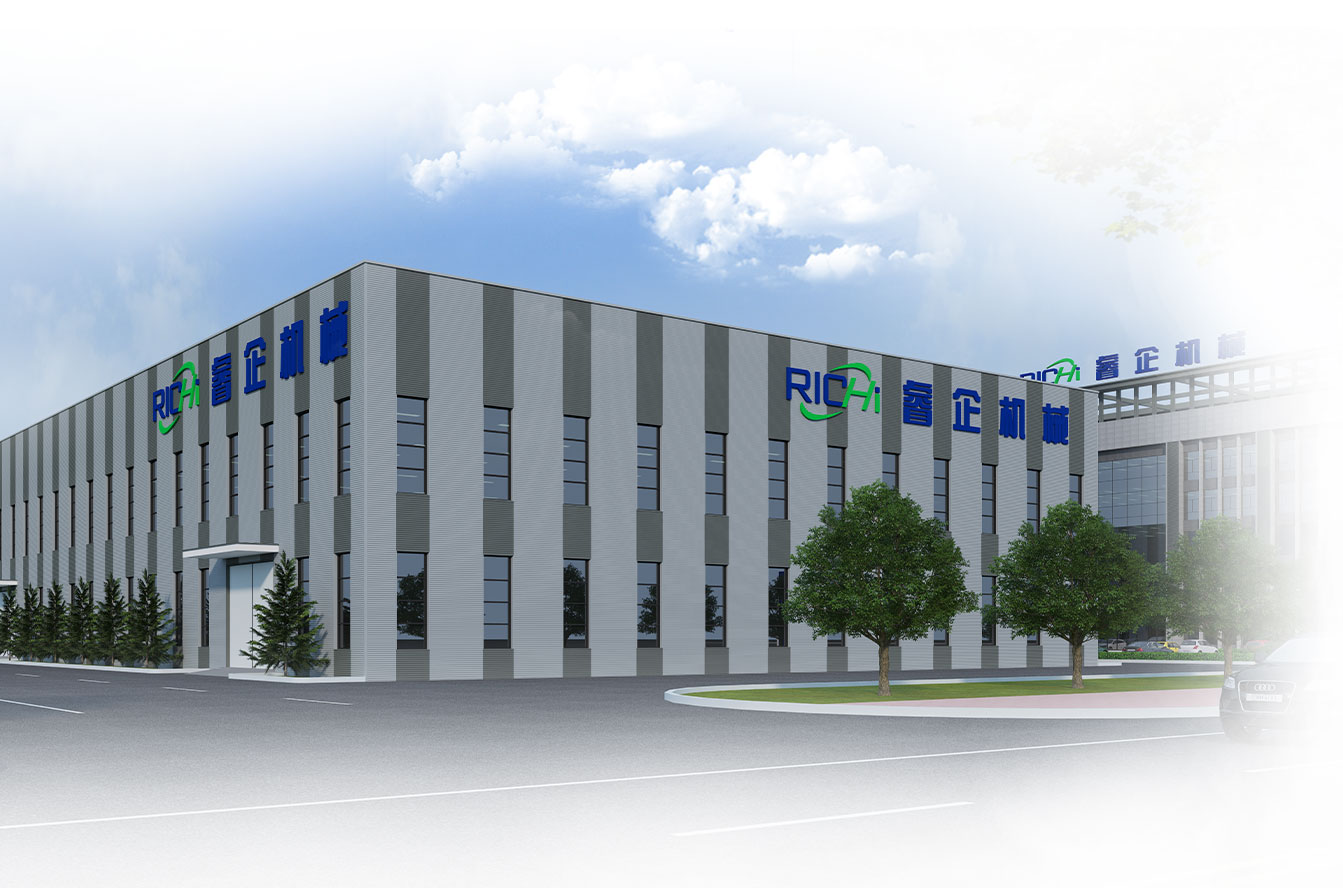
RICHI Machinery is one of the world’s leading suppliers of technology and services for the animal feed, aqua feed and pet food industries, also the largest pellet production line manufacturer in China.
Since 1995, RICHI’s vision to build a first-class enterprise, to foster first-class employees, and to make first-class contributions to society has never wavered.
In the past three decades, we have expanded our business to a wide range of areas, including animal feed mill equipment, aqua feed equipment, pet feed equipment, biomass pellet equipment, fertilizer equipment, cat litter equipment, municipal solid waste pellets equipment, etc.

1995
RICHI Established

2000+
Serving More Than 2000 Customers

120+
RICHI Employees

140+
Exported To 140 Countries