 0086-138 3838 9622
Bamboo Pellet Production Line in Kenya

RICHI MACHINERY
overview
Kenya, located in East Africa, is experiencing rapid growth in both sustainable agriculture and renewable energy initiatives. Bamboo, as a fast-growing, renewable, and versatile material, has gained increasing attention for its applications in furniture, construction, handicrafts, and energy.
The bamboo pellet production line in Kenya leverages the abundant bamboo resources in Western and Central Kenya, particularly in counties like Kakamega, Bungoma, and Kisii, which provide a steady supply of mature bamboo suitable for industrial processing.
This biomass pellet project focuses on producing bamboo-based products and renewable energy pellets, including:
- Bamboo chopsticks: lightweight, eco-friendly, and designed for both local consumption and export markets.
- Bamboo strips: high-quality raw bamboo for handicraft and industrial applications.
- Bamboo biomass pellets: renewable solid fuel suitable for industrial boilers, domestic heating, and power generation.
The facility is planned to be constructed on a 3,000 m² site in the outskirts of Kisumu County, where local infrastructure, including roads and electricity, supports medium-scale industrial operations. The total investment is approximately $290,000 USD, reflecting equipment procurement, installation, civil works, and environmental compliance measures. Once fully operational, the project is expected to achieve:
- Annual production of 1,000 tons of bamboo chopsticks
- Annual production of 200 tons of bamboo strips
- Annual production of 4,000 tons of biomass pellets
The bamboo biomass pellet production line is designed for 2-3 tons per hour capacity, enabling consistent supply while allowing flexibility to meet fluctuating market demand.
2-3T/H
capacity
$290,000
investment
Kenya
location
Biofuel
project type
RICHI MACHINERY
Project Background
The decision to establish a bamboo pellet production line in Kenya stems from multiple factors:
- Abundant bamboo resources: Kenya’s native bamboo species, particularly Bambusa vulgaris and Oxytenanthera abyssinica, provide renewable raw material for chopsticks, strips, and biomass pellets. Bamboo grows quickly and requires minimal chemical fertilizers or pesticides.
- Sustainability incentives: The Kenyan government and development agencies encourage renewable energy and biomass projects to reduce dependency on fossil fuels and mitigate deforestation. Biomass pellets can directly substitute wood, coal, or LPG in local industries.
- Market demand: Local and regional markets are increasingly seeking eco-friendly alternatives to single-use plastics and conventional cooking fuels. Bamboo chopsticks, strips, and pellets fit this trend.
- Circular resource use: The project adopts a zero-waste approach. Bamboo residues from chopstick and strip production are fully recycled into biomass pellets, minimizing environmental impact.
The client behind this biomass pellet plant project is a consortium of local agro-industrial entrepreneurs with experience in small-scale bamboo processing. Their strategic aim is to diversify revenue streams, produce renewable energy fuel, and supply value-added bamboo products to both domestic and export markets.
The project’s operational scale (2-3 t/h) is tailored to match Kenya’s local market, labor costs, and available raw material supply. By combining bamboo chopstick production and biomass pelletization in a single facility, the project maximizes resource efficiency and returns.
RICHI MACHINERY
Project Site and Facilities
The facility will occupy a 3,000 m² site, including production, storage, and auxiliary areas. The total building area is approximately 2,800 m². The project consists of four main components:
Main Production Facilities
The production workshop covers 2,000 m² and accommodates:
- Raw material storage
- Bamboo chopstick production line
- Bamboo strip processing line
- Biomass pellet production line
The workshop uses steel frame construction, suitable for industrial machinery and flexible layouts.
Auxiliary Facilities
Auxiliary buildings total 800 m², including:
- Office and staff living quarters: 200 m², single-story, brick construction
- Product warehouse: 500 m², steel frame
- Bamboo drying room: 100 m², for chopsticks and strips
Utilities
- Electricity: Supplied by the local Kisumu County grid
- Water: Sourced from municipal pipelines, mainly for staff use
Environmental Management Facilities
Kenya’s environmental regulations require proper management of emissions, wastewater, and solid waste. The project includes:
- Wastewater treatment: Small-scale sedimentation tanks and grease traps for staff sanitation wastewater; rainwater collection for factory dust suppression
- Air pollution control: Bag filters and cyclones installed at dust generation points (cutting, slicing, pelletizing)
- Noise control: Vibration dampers, soundproofing, and equipment enclosures
- Solid waste handling: Bamboo residues fully recycled; minor hazardous wastes like lubricating oil and oil-soaked rags stored in secure containers for proper disposal
RICHI MACHINERY
Product Portfolio and Standards
The project will produce three main product types, following Kenya and international standards:
| Product | Unit | Annual Output | Specifications / Remarks |
|---|---|---|---|
| Bamboo chopsticks | t | 1,000 | 3,000 pairs per set, 25 kg/set, moisture < 5% |
| Bamboo strips | t | 200 | Diameter 4.8–5.5 mm, length 1.6 m, moisture < 5% |
| Biomass pellets | t | 4,000 | Diameter 6–8 mm, length 10–36 mm, moisture ~5% |
Chopsticks and strips are suitable for export or local consumption, while biomass pellets are targeted at industrial users (boilers, heating systems) and households seeking clean-burning fuel.
RICHI MACHINERY
Raw Materials
Kenya’s bamboo pellet production line relies primarily on locally sourced bamboo and residues from bamboo product manufacturing. Secondary materials include lubricating oil for equipment maintenance.
Raw materials overview:
| Type | Material | Annual Supply (t) | Average Moisture | Source |
|---|---|---|---|---|
| Raw bamboo | Bamboo culms | 8,000 | 40% | Local bamboo farms and surrounding counties |
| Bamboo residues | Chips, dust, offcuts | 6,154 | 40% | Byproducts from chopstick and strip production |
| Lubricating oil | Industrial oil | 0.5 | – | Purchased locally |
| Energy | Biomass pellets | 600 | 5% | Produced on-site |
| Water | – | 480 m³ | – | Municipal water supply |
| Electricity | – | 200,000 kWh | – | Kisumu County grid |
The bamboo residues are fully recycled into biomass pellets, ensuring resource efficiency and reducing environmental impact.
RICHI MACHINERY
Production Equipment
The bamboo pellet production line in Kenya uses modern, reliable equipment sourced from RICHI Machinery, ensuring high efficiency and product quality. Key machinery includes:
| No. | Equipment | Specification | Quantity | Purpose |
|---|---|---|---|---|
| 1 | Cutting table | DN-111X | 1 | Bamboo culm cutting |
| 2 | Sorting machine | SACW-DJ10 | 1 | Thickness sorting |
| 3 | Splitting machine | Model 700 | 1 | Bamboo splitting |
| 4 | 3-in-1 drawing machine | LFZ-4 | 1 | Bamboo stripping for chopsticks |
| 5 | Automatic cutting machine | JS-5415 | 1 | Bamboo strip segmenting |
| 6 | Shaping & sharpening machine | DN-667 | 1 | Chopstick forming & tip sharpening |
| 7 | Automatic sorter | – | 1 | Chopstick defect sorting |
| 8 | Hot air furnace | Biomass fuel | 1 | Drying chopsticks & strips |
| 9 | Bag filter | – | 1 | Dust removal |
| 10 | Crusher | SFSP68*100 | 1 | Bamboo shredding for pellets |
| 11 | Dryer | Integrated, biomass-fueled | 1 | Raw material drying |
| 12 | Ring die bamboo pellet machine | 420-90 kW, 8-level | 1 | Pellet production |
| 13 | Rotary sieve | – | 1 | Pellet grading |
| 14 | Bag filter | – | 1 | Dust removal |
| 15 | Forklift | – | 1 | Material handling |
| 16 | Air compressor | – | 1 | Pneumatic tools |
| 17 | Loader | – | 1 | Material loading |
The total equipment investment is approximately $220,000 USD, which is well-suited for the project’s 3 t/h production capacity.
RICHI MACHINERY
Production Process
Bamboo Chopsticks & Strips
The process combines traditional bamboo craftsmanship with modern automation:
- Bamboo delivery and cutting: Fresh bamboo culms are cut to 160 cm lengths.
- Sorting: Cut bamboo is sorted by thickness.
- Splitting: Culms are split into strips with controlled widths.
- Drawing & stripping: Strips are processed through 3-in-1 machines to remove outer skin and inner yellow, producing uniform bamboo fibers.
- Segmenting: Bamboo fibers are cut to standardized lengths.
- Shaping & sharpening: Bamboo sticks are formed and sharpened to specifications.
- Drying: Bamboo products are dried in biomass-fueled hot air ovens or sun-dried. Target moisture content <5%.
- Quality inspection: Manual and semi-automated sorting ensures defect-free products.
- Packaging & storage: Finished chopsticks and strips are packed for distribution or export.
Biomass Pellets
The biomass pellets are produced from bamboo residues, ensuring circular use of material:
- Crushing: Bamboo chips and dust are crushed to particle size <5 mm.
- Drying: Material is dried to moisture <5% using biomass-fueled dryers.
- Pelletizing: Material is fed into ring die biomass pellet mill machines at 80–100°C. No binders are added; extrusion forms solid pellets.
- Screening: Pellets are graded; undersized pieces are reprocessed.
- Cooling: Finished pellets are cooled and packed for storage or sale.
RICHI MACHINERY
Waste Management
ustainable operation includes rigorous waste handling:
- Bamboo residues: 100% recycled into pellets.
- Dust from processing: 43.4 t/a collected via bag filters, reused in pellet production.
- Pellet rejects: ~100 t/a reprocessed.
- Hot air furnace ash: 84 t/a collected and sold as organic soil amendment.
- Waste packaging: ~0.5 t/a sold to recycling stations.
- Hazardous wastes: Lubricating oils (0.5 t/a) and oil-soaked rags (0.1 t/a) stored and disposed through certified handlers.
- Domestic waste: Generated by 20 staff members, ~6 t/a, collected by municipal services.
RICHI MACHINERY
Labor and Operations
- Staffing: 20 employees working in a single shift, 8 hours/day, 300 days/year.
- On-site accommodation: Staff live near the facility for operational efficiency.
- Training: Personnel trained in safety, quality control, and equipment maintenance.
RICHI MACHINERY
Project Financial Overview
- Total investment: ~$290,000 USD
- Equipment: $220,000
- Civil works: $40,000
- Utilities and environmental compliance: $30,000
- Annual outputs: 5,200 tons of combined products (chopsticks, strips, pellets)
- Operational costs: Local labor (~$12/day per worker), utilities, maintenance, raw bamboo procurement (~$50–70/t)
The financial structure ensures reasonable ROI for small to medium-scale Kenyan operations.
RICHI MACHINERY
Market Outlook in Kenya
Kenya’s renewable energy and sustainable agriculture sectors are growing rapidly. Bamboo pellets can:
- Replace charcoal or firewood for domestic cooking
- Serve as industrial boiler fuel for local agro-industries
- Reduce deforestation pressure
- Meet increasing demand from eco-conscious consumers and export markets
Similarly, bamboo chopsticks and strips can supply:
- Local hospitality and catering sectors
- Export to East Africa, Middle East, and Europe
The bamboo pellet production line in Kenya combines renewable energy production with value-added bamboo processing, providing an integrated solution for sustainable growth.
RICHI MACHINERY
RICHI Machinery’s Role
RICHI Machinery provides:
- High-quality, durable pellet machines
- Customized bamboo processing solutions
- Complete turnkey support: installation, training, and after-sales
- Energy-efficient systems designed for small-to-medium scale operations
Clients benefit from:
- Reduced downtime and maintenance
- Optimized pellet quality and production consistency
- Environmental compliance support
By partnering with RICHI Machinery, investors in Kenya can be confident of establishing a profitable and environmentally responsible bamboo pellet production line.
RICHI MACHINERY
Conclusion
This project demonstrates the potential for a bamboo pellet production line in Kenya to generate renewable energy, supply eco-friendly products, and create local employment. The combination of bamboo chopsticks, strips, and biomass pellets ensures maximum resource utilization, minimal waste, and alignment with Kenya’s sustainable development goals.
With professional equipment from RICHI Machinery, the project is fully equipped to meet technical, environmental, and market requirements, providing a model for replication across East Africa.
● RICHI MACHINERY
RICHI Service

● Consulting
Customer Consultation
We want to have a deep understanding of your industrial process, to know your exact needs of feed, wood, biomass, fertilizer or other pellet processing.

● Design
bamboo Pellet Plant Design
Based on your unique situation and industrial process, we will tailor complete pellet plant you need, and inform you of every additional detail that could facilitate operation, minimize total cost.
● Manufacturing
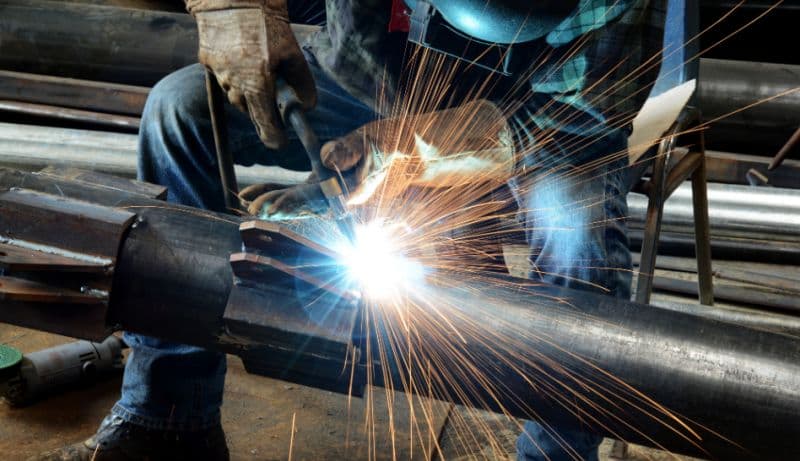
Equipment Manufacturing
The critical components of the of the complete pellet production line equipment are built in our own workshops in Asia. Additional equipment is manufactured by our worldwide network of reliable partners.
● Testing
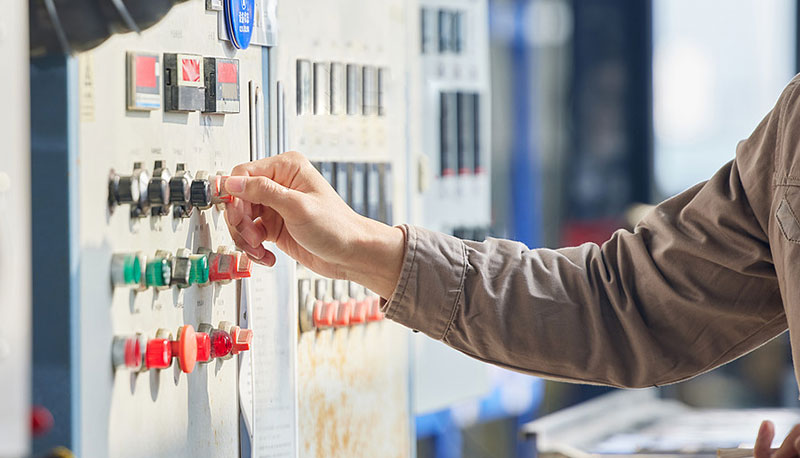
Quality Inspection & Testing
Before leaving the factory, all equipment will be inspected by the quality inspection department. We can also provide customers with testing services from a single machine to a complete pellet plant system, and provide you with real actual data for “worry-free use.”

● Delivery
Equipment Delivery
In equipment boxing and packaging, we adopt professional packaging and modular solutions to ensure the safe and non-destructive delivery of pellet plant equipment.
● Installation
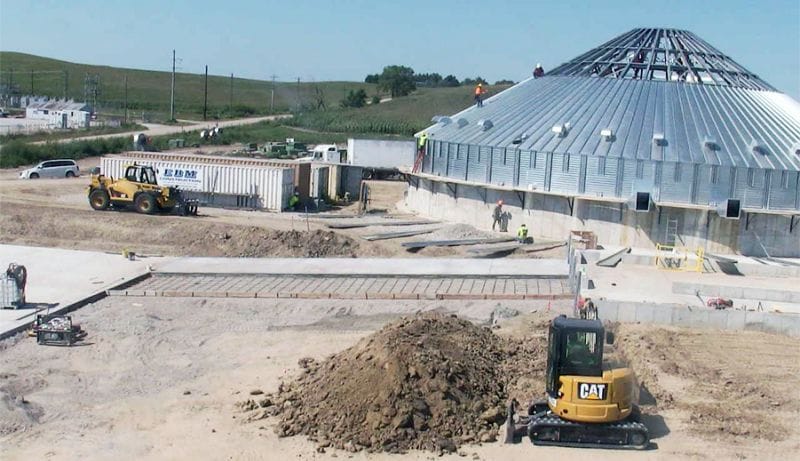
Installation & Commissioning
Whether you choose your own subcontractor for the erection phase or you want to install everything together with us, a Richi supervisor will be around to make sure everything is mounted in a safe and thorough way.

● Training
Staff Training
We provide comprehensive training for the technicians of each project. We can also continue to provide support for the technicians during latter project operation.
● After-sales
Project Follow-Up
When everything is up and running our Richiers will help you further whenever needed. We are ready to answer your call 24/7.We’ll also visit you regularly to learn about your needs.
Who we are
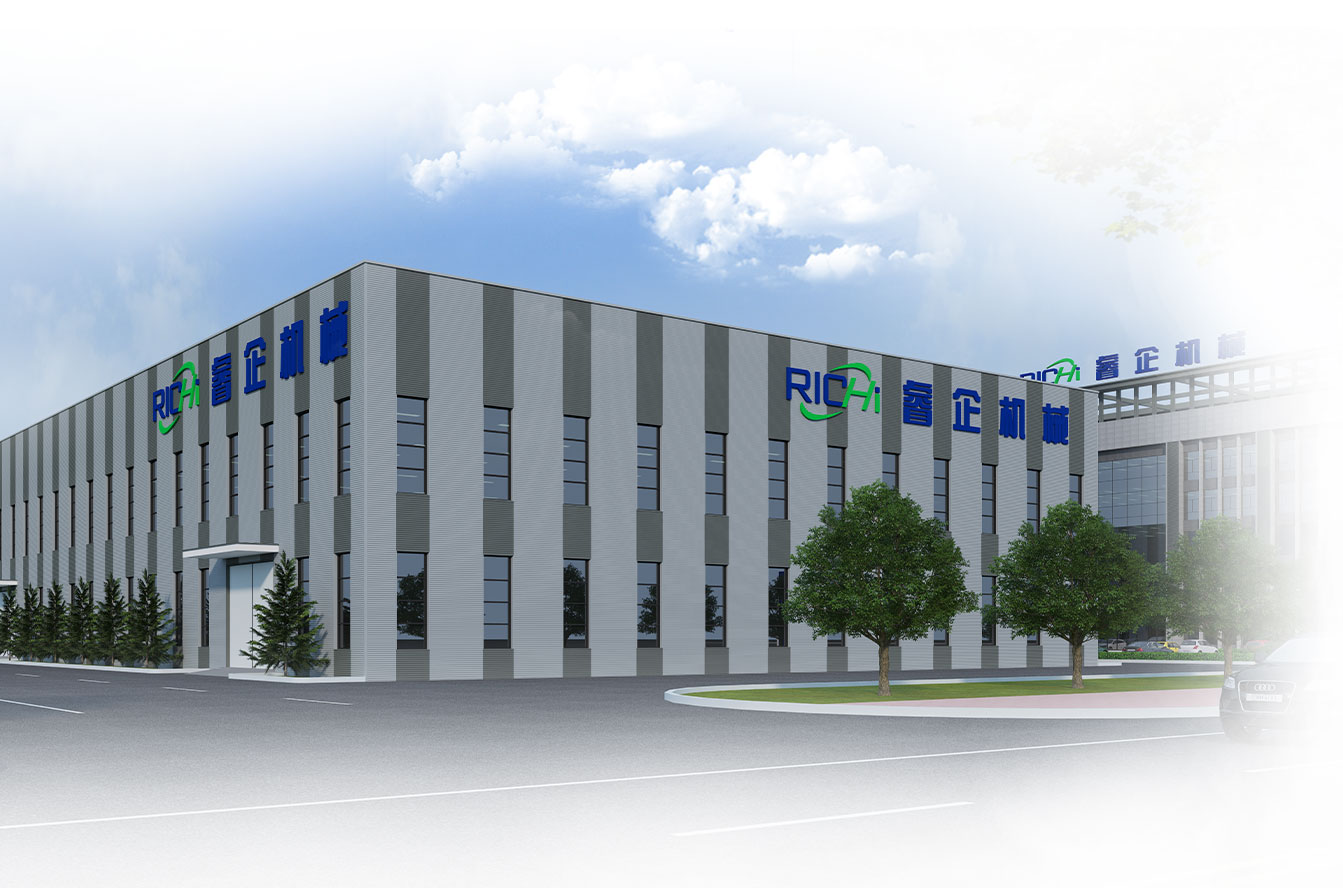
RICHI Machinery is one of the world’s leading suppliers of technology and services for the animal feed, aqua feed and pet food industries, also the largest pellet production line manufacturer in China.
Since 1995, RICHI’s vision to build a first-class enterprise, to foster first-class employees, and to make first-class contributions to society has never wavered.
In the past three decades, we have expanded our business to a wide range of areas, including animal feed mill equipment, aqua feed equipment, pet feed equipment, biomass pellet equipment, fertilizer equipment, cat litter equipment, municipal solid waste pellets equipment, etc.

1995
RICHI Established

2000+
Serving More Than 2000 Customers

120+
RICHI Employees

140+
Exported To 140 Countries