0086-138 3838 9622
Poultry and fish feed production line in Bangladesh
The buyer began with a floating-fish-feed enquiry and developed the purchase to include poultry pellets. The plan pairs a 500 KG/H fish-feed module with a separate SZLH250 poultry press, using shared preparation equipment for scheduled product batches.

RICHI MACHINERY
A floating-feed enquiry with a poultry module added to the plan
This poultry and fish feed production line in Bangladesh began with an email on February 25, 2022. The customer, a feed-factory operator, first asked for equipment to make floating fish feed. Poultry-feed processing became part of the purchase as the technical discussions progressed.
“How are you? I am looking for a floating fish feed production line.”
This customer owns a medium-sized feed factory in Bangladesh, serving fish farms in the country. The new purchase was intended to widen the products that the business could supply, while keeping the two feed programmes manageable within one factory.
The customer wanted to retain a clear floating-feed product and add conventional poultry pellets. Some ingredients and preparation equipment can serve either programme, but the recipes, forming machines and finishing requirements differ. That distinction shaped the combined process plan.
After discussions on the technical arrangement, equipment selection and capacity, the two parties signed the contract on June 21, 2022. Packaging and delivery arrangements formed part of the commercial planning for the equipment purchase.
The fish feed production line therefore has a defined floating-feed target of 500 KG/H and a separate poultry-pelleting module. Production is planned by product, with the shared preparation and finishing stations setting the timetable for each order.
500 KG/H
floating-feed target
US$86,000
equipment contract
Bangladesh
location
Feed
project type
RICHI MACHINERY
Grain meals protein ingredients and separate feed recipes
The ingredient plan includes fish meal, plant-protein meals, corn meal, wheat bran, oils and premixes. Fish and poultry recipes use these ingredients in different proportions. Ingredient quality and the nutritional specification are agreed before the factory settles the batch weights.
| Ingredient group | Purpose in the recipe | Preparation check |
|---|---|---|
| Fish and plant-protein meals | Protein ingredients | Analysis quality and fineness |
| Corn meal and wheat bran | Energy and other nutrients | Condition and particle size |
| Fish oil or other feed oil | Formulated lipid addition | Dose and application point |
| Vitamin and mineral premix | Small-dose nutrients | Correct product and weighing |
| Feed-grade binder if needed | Recipe-dependent binding aid | Suitability and specified inclusion |
The ingredients are purchased for use at the Bangladesh factory. Each ingredient lot is checked against its supplier specification and kept identifiable through storage and batching. A binder, where the recipe calls for one, must be suitable for feed use. Oil addition is matched to the intended lipid level and the processing route.
RICHI MACHINERY
Shared preparation followed by extrusion or ring-die pelleting
The poultry and fish feed production line in Bangladesh shares ingredient handling and batch mixing, then separates the prepared meal into the appropriate forming route. The fish product needs extrusion and drying; the poultry product uses conditioning and ring-die pressing.
The process sequence is receiving and preparation, recipe weighing, mixing, the selected forming route, product-specific finishing, screening and bagging. The shared mixer prepares one identified feed batch at a time. Fine-ground ingredients are required for the fish recipe, so incoming meal sizes and any additional grinding duty are checked during process design.
- Receive and weigh: Identify ingredients before they enter the multi-bin batching arrangement. Weigh the formula by product, with separate controls for small additions and liquids. Ready-ground meals must meet the particle-size requirement of the feed that will use them.
- Mix an identified batch: The horizontal double-shaft mixer combines the weighed ingredients for either fish feed or poultry feed. The batch has one recipe and one destination. Oil additions follow that recipe and the selected process. The operator clears the mixer and selects the correct destination before switching products.
- Make floating fish feed: The 500 KG/H design duty uses fish-feed extrusion. Formulation, moisture and the extrusion conditions govern expansion and final density. After extrusion, drying removes the excess moisture. Surface oil is applied in a measured amount at the agreed finishing point to meet the nutritional formula.
- Make poultry pellets: Prepared poultry mash follows its own conditioning and SZLH250 ring-die route. Die choice and operating conditions are matched to the agreed feed. This module makes conventional pellets, while the fish-feed module serves the expanded floating product.
- Finish and pack: The countercurrent cooler, vibrating screen and semi-automatic bagging station serve scheduled batches. Screening separates accepted product from fines. Compatible returns stay with their own formulation, and bags retain the product and batch identity.
After the fish product reaches its agreed final moisture, it is cooled and screened for bagging. Dry finished feed is stored under suitable covered conditions. Product temperature, moisture, bag closure and stock rotation govern storage planning for the actual formulation.
Sharing a cooler or packing station calls for a production schedule. Fish-feed drying remains a separate duty upstream of final cooling. Simultaneous forming is only useful when meal supply, buffers and downstream equipment can support both products, so the working plan starts with defined product campaigns.
RICHI MACHINERY
The two purchased product directions and later recipes
The first product directions are floating fish feed and conventional poultry pellets. They have separate specifications for ingredients, size and physical quality. Further products can be assessed through recipe trials and a review of the processing duty.
| Product | Processing basis |
|---|---|
| Floating fish feed | Extrusion drying and final cooling |
| Poultry pellets | SZLH250 conditioning and pelleting |
| Sinking fish feed | Separate density and stability trials |
| Other specialist feeds | Recipe and equipment suitability review |
Pig, rabbit and ruminant recipes each need their own ingredient and capacity assessment. Shrimp and crab feeds also require a specific fineness and water-stability process. The factory can review those products later, with the equipment and tests chosen for the intended diet and feeding behaviour.
RICHI MACHINERY
Equipment functions matched to the two forming routes
The poultry module is specified with an SZLH250 ring-die press. For planning, the manufacturer’s compound-feed reference is 1–1.5 T/H with a 22 kW main motor. Recipe trials determine the net poultry output for the chosen die and operating conditions. The fish module has a 500 KG/H design target and requires its own extrusion and finishing arrangement.
| Equipment or interface | Function or selection basis |
|---|---|
| Ingredient bins and weighing | Recipe-controlled ingredient dosing |
| Meal-preparation interface | Required fineness before mixing |
| Horizontal double-shaft mixer | Prepare each product batch |
| Fish-feed extrusion module | 500 KG/H floating-feed design duty |
| Fish-feed drying interface | Remove extrusion moisture |
| Oil dosing and spraying | Apply the formulated oil addition |
| SZLH250 poultry press | 22 kW main-motor reference |
| Countercurrent cooler and screen | Cool and grade the product |
| Semi-automatic bagging station | Weigh and close identified bags |
| PLC conveying and buffers | Coordinate scheduled material flow |
The PLC cabinet coordinates recipe selection, routing and the operating sequence. Operators still confirm ingredient weights, clear residues at changeovers and check the product being packed. Drying heat, conditioning services and the connected electrical load are defined from the final equipment schedule. Energy demand is checked against the selected equipment and its operating conditions.
RICHI MACHINERY
Scheduling orders through the shared equipment
Fish feed and poultry pellets can run at different productive rates even when they use the same preparation area. A fish-feed campaign needs fine meal and dryer availability. A poultry campaign needs the appropriate mash and die setup. The customer’s order book determines how time is divided between them.
The example below uses 500 KG/H of accepted fish feed and the 1–1.5 T/H poultry reference to compare two order sizes. These are assumed steady working rates for scheduling, not production records or proof that the modules can operate at the same time.
| Illustrative order | Working rate | Productive time |
|---|---|---|
| 2 tonnes floating fish feed | 500 KG/H | 4 hours |
| 3 tonnes poultry pellets | 1–1.5 T/H | 2–3 hours |
Running these example lots in sequence uses 6–7 productive hours before start-up, cleaning, product changes and stoppages. The actual elapsed time also depends on preparation and finishing. Packed output is recorded after screening, while compatible return fines remain within their own feed programme.
RICHI MACHINERY
Keeping the two products clear at handover
The handover needs a recipe, setup and finished-product check for each feed. Operators should know which route a batch will follow before it leaves the mixer, and the bag label should identify the product being dispatched. This matters when one factory serves both fish farms and poultry buyers.
The poultry feed production line gives the customer a conventional feed product alongside the floating range. Its grain and protein balance, die specification and packed-feed checks are settled for the intended birds. The final die size is chosen within the planned 4–6 mm range for the intended poultry product and growth stage.
The floating fish feed production line needs a defined moisture-removal and oil-application arrangement after extrusion. Finished samples are assessed for the required floating behaviour and size, with the product kept separate from poultry batches during screening, packing and storage.
Planning a poultry and fish feed production line in Bangladesh starts with the split between fish-feed and poultry orders. Send RICHI the tonnage for each product, required pellet sizes, ingredient forms and the factory’s electricity and heat supply. Existing equipment details also help define the additional grinding, drying and packing duty in a proposal suited to your order mix.
● RICHI MACHINERY
RICHI Service

● Consulting
Customer Consultation
We want to have a deep understanding of your industrial process, to know your exact needs of feed, wood, biomass, fertilizer or other pellet processing.

● Design
Animal feed Pellet Plant Design
Based on your unique situation and industrial process, we will tailor complete pellet plant you need, and inform you of every additional detail that could facilitate operation, minimize total cost.
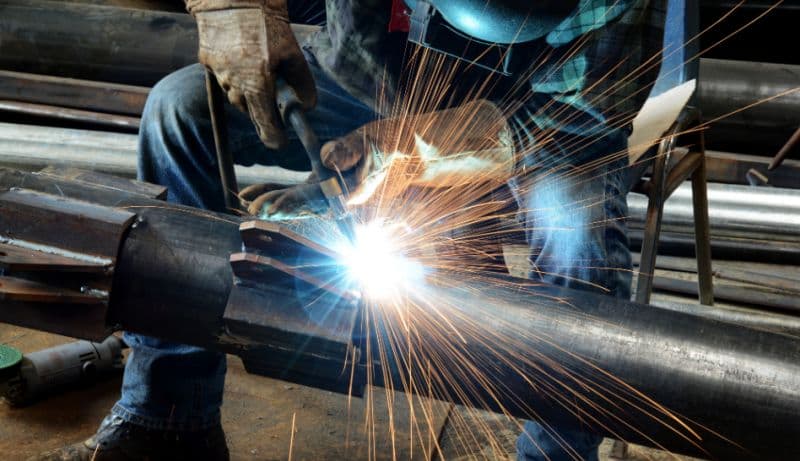
● Manufacturing
Equipment Manufacturing
The critical components of the of the complete animal feed mill equipment are built in our own workshops in Asia. Additional equipment is manufactured by our worldwide network of reliable partners.
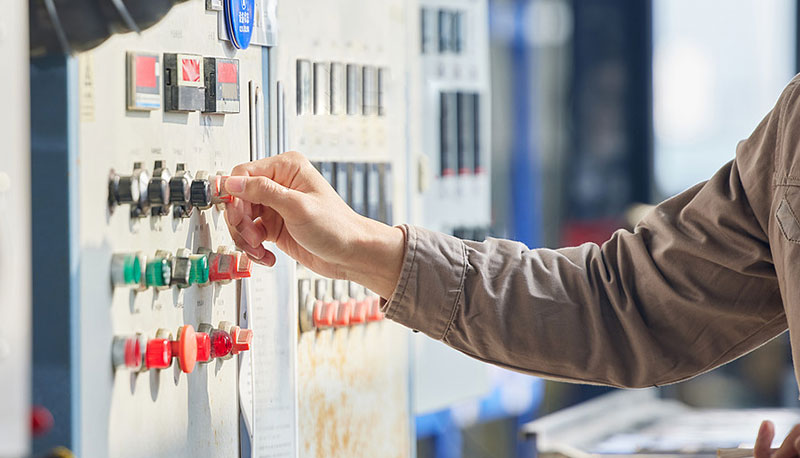
● Testing
Quality Inspection & Testing
Before leaving the factory, all equipment will be inspected by the quality inspection department. We can also provide customers with testing services from a single machine to a complete feed mill plant system, and provide you with real actual data for “worry-free use.”

● Delivery
Equipment Delivery
In equipment boxing and packaging, we adopt professional packaging and modular solutions to ensure the safe and non-destructive delivery of feed mill equipment.
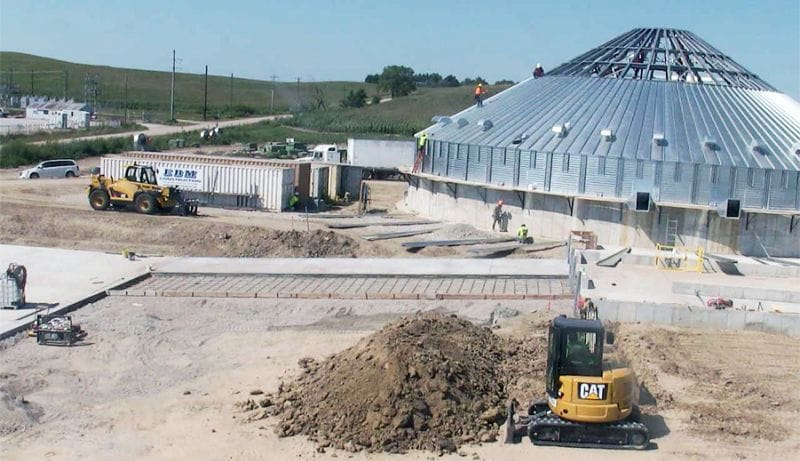
● Installation
Installation & Commissioning
Whether you choose your own subcontractor for the erection phase or you want to install everything together with us, a Richi supervisor will be around to make sure everything is mounted in a safe and thorough way.

● Training
Staff Training
We provide comprehensive training for the technicians of each poultry fish feed production line in Bangladesh project. We can also continue to provide support for the technicians during latter project operation.
● After-sales
Project Follow-Up
When everything is up and running our Richiers will help you further whenever needed. We are ready to answer your call 24/7.We’ll also visit you regularly to learn about your needs.
Who we are
RICHI Machinery is one of the world’s leading suppliers of technology and services for the animal feed, aqua feed and pet food industries, also the largest pellet production line manufacturer in China.
Since 1995, RICHI’s vision to build a first-class enterprise, to foster first-class employees, and to make first-class contributions to society has never wavered.
In the past three decades, we have expanded our business to a wide range of areas, including animal feed mill equipment, aqua feed equipment, pet feed equipment, biomass pellet equipment, fertilizer equipment, cat litter equipment, municipal solid waste pellets equipment, etc.

1995
RICHI Established

2000+
Serving More Than 2000 Customers

120+
RICHI Employees

140+
Exported To 140 Countries