 0086-138 3838 9622
Poultry Feed Manufacturing Plant in Nigeria

RICHI MACHINERY
overview
In 2023, RICHI Machinery successfully supported a Nigerian client in the development of a medium-scale poultry feed manufacturing plant in Nigeria with an hourly output of 5 tons and an annual production capacity of 10,000 tons. The project was initiated in response to Nigeria’s growing poultry industry and the rising local demand for high-quality, affordable animal feed.
The poultry feed production line is designed to process a variety of raw materials including maize, soybean meal, wheat bran, and other nutritional additives into nutritionally balanced poultry feed pellets. The complete production system, supplied by RICHI Machinery, includes grinding, mixing, pelleting, cooling, screening, and packaging processes. The total investment for the equipment section was approximately $180,000. The project adhered to environmental guidelines and operational safety standards applicable to Nigeria.
5T/H
capacity
$180,000
investment
Nigeria
location
Feed
project type
RICHI MACHINERY
Project Background and Client Profile
Nigeria possesses one of the largest and most rapidly expanding livestock sectors in Africa, with poultry farming representing a critical component of both the agricultural economy and local food security. However, a significant challenge faced by many local farmers is the inconsistent quality and high cost of commercially available feed. Most small to medium-scale farms rely on imported feed or manually mixed rations, which often lack nutritional balance, are prone to contamination, and lead to higher production costs and lower yields.
Recognizing this market gap, our client, a long-established agribusiness entrepreneur with existing operations in grain trading and storage, identified an opportunity to integrate vertically by establishing a feed manufacturing plant in Nigeria. The primary objective was to create a reliable supply of high-quality, affordable poultry feed for local farmers, thereby reducing their dependence on imports and enhancing the overall productivity of the poultry value chain in the region.
After a comprehensive feasibility study and market analysis conducted throughout early 2023, the client decided to invest in a complete feed pellet production line. The project was designed with a capacity of 5 tons per hour, operating 8 hours per day for 250 working days per year, resulting in an annual output of 10,000 tons. This capacity was carefully chosen to meet substantial local demand while remaining manageable in terms of initial investment, operational complexity, and raw material sourcing within the Nigerian context.
The client selected RICHI Machinery as the equipment supplier and technical partner in April 2023, following a detailed consultation process that included material testing, factory layout planning, and economic modeling. The production line was commissioned and began operation in November 2023.
RICHI MACHINERY
Raw Materials Used in the Project
The success of a feed manufacturing plant in Nigeria heavily depends on a consistent and cost-effective supply of raw materials. Nigeria is a major producer of several key grains and oilseeds, which form the backbone of animal feed formulations. The client’s existing involvement in the grain sector provided a strategic advantage in sourcing core ingredients reliably and at competitive prices.
The production line is designed to handle a wide variety of raw materials, which are meticulously proportioned to create nutritionally optimized feed for different growth stages of poultry (starters, growers, and layers). The primary materials used, along with their specifications, are detailed below:
| Raw Material Type | Annual Consumption (tons) | Typical Moisture Content | Key Characteristics & Notes |
|---|---|---|---|
| Maize | 6,000 | 12-14% | Locally sourced; provides the primary energy component. Requires cleaning and grinding. |
| Soybean Meal | 2,500 | 10-12% | Imported or from local processors; primary source of protein. |
| Wheat Bran | 800 | 11-13% | By-product of local flour mills; adds fiber and aids pellet binding. |
| Groundnut Cake | 400 | 9-11% | Locally available; secondary protein source. |
| Bone Meal | 150 | 8-9% | Provides essential minerals like calcium and phosphorus. |
| Vitamin & Mineral Premix | 50 | <5% | Imported; critical for ensuring complete nutritional profile. |
| Salt & Other Additives | 100 | <5% | For enhancing palatability and providing electrolytes. |
The formulation process is dynamic and can be adjusted based on seasonal availability and fluctuations in raw material prices, a crucial flexibility for operating efficiently in the Nigerian market.
RICHI MACHINERY
Detailed Production Process and Technology
The production process for this feed manufacturing plant in Nigeria was engineered by RICHI Machinery to be robust, energy-efficient, and capable of producing a superior quality pellet. The entire process is sequential and integrated, ensuring consistency and hygiene from raw material intake to finished product packaging.
a. Receiving and Pre-cleaning: Raw materials, primarily maize and soybean meal, are delivered in bags. Maize undergoes pre-cleaning to remove dust, stones, and other foreign materials before storage.
b. Grinding: The core ingredients are conveyed to a hammer mill (part of the RICHI supplied system) where they are ground into a fine powder. This step is crucial for achieving a uniform mixture and ensuring high digestibility for the poultry. The hammer mill is designed for high efficiency with a low noise level and dust emission.
c. Mixing: The ground materials are then precisely batched by weight according to the formulated recipe into a double-shaft paddle mixer. This mixer ensures a homogenous blend in a short cycle time, guaranteeing that every pellet contains the correct nutritional balance. Micro-ingredients like vitamins and minerals are added during this stage via a micro-dosing system.
d. Pelleting: The mixed powder is conditioned with steam to increase temperature and moisture content, which plasticizes the natural starches and proteins. This conditioned mash is then fed into a RICHI ring die poultry feed pellet making machine. The machine compresses the material through the die holes under high pressure and temperature, forming dense, durable pellets. This process (gelatinization) improves feed digestibility, destroys anti-nutritional factors, and reduces waste during feeding.
e. Cooling and Screening: The hot, soft pellets exiting the pellet mill are conveyed to a counter-flow cooler, where ambient air is used to reduce their temperature and moisture content, hardening them for storage and handling. The cooled pellets are then passed over a vibrating screen to separate any fine particles (fines), which are recycled back to the mixing process, ensuring zero waste.
f. Packaging: The finished pellets are automatically weighed and packed into 25 kg or 50 kg woven PP bags using an automated packaging scale. The bags are then sealed and palletized for storage or immediate dispatch.
This streamlined process, supported by RICHI’s reliable equipment, ensures high production efficiency, consistent product quality, and operational durability suitable for the Nigerian industrial environment.
RICHI MACHINERY
Environmental and Social Considerations
The establishment of this poultry feed manufacturing plant in Nigeria was planned with a strong commitment to environmental sustainability and social responsibility. All environmental management measures were designed in line with local Nigerian regulations and best practices.
Waste Management: The production process is designed to be virtually waste-free. Dust generated during receiving and grinding is captured by a cyclone and baghouse dust collection system and reintroduced into the process. All organic fines from screening are recycled. No industrial wastewater is generated as the process does not use water for cooling or cleaning; steam conditioning is the only water input, and it is consumed in the process. General sanitation and cleaning of the facility use minimal water, and any runoff is managed on-site through simple filtration; there is no discharge into any external water bodies or rivers.
Emissions and Noise Control: The boiler for steam generation is a low-emission model using clean fuels. Dust emissions are controlled throughout the plant with efficient collectors. Acoustic enclosures on high-noise equipment like the hammer mill and pellet mill protect worker health and minimize noise pollution for the surrounding community.
Social Impact: The project has created 15 direct jobs in a rural area, providing stable income and technical training for operators. By producing high-quality feed locally, it supports hundreds of local poultry farmers, improves animal health and productivity, and contributes to Nigeria’s goals of agricultural self-sufficiency and economic diversification.
RICHI MACHINERY
Project Economics and Investment Breakdown
The total project investment was carefully calibrated to ensure viability and an attractive return on investment within the Nigerian market. The major capital expenditure was on machinery and installation. The investment breakdown for the equipment and direct setup costs is outlined below. Notably, the client utilized an existing owned warehouse structure, significantly reducing construction costs.
| Cost Component | Amount (USD) | Description |
|---|---|---|
| Main Equipment Cost | $165,000 | Includes RICHI grinding, mixing, pelleting, cooling, screening, and conveying systems. |
| Auxiliary Equipment | $15,000 | Includes dust collectors, boiler, electrical control systems, and spare parts. |
| Total Equipment Cost | $180,000 | Turnkey supply from RICHI Machinery. |
| Installation & Commissioning | $20,000 | Conducted by RICHI engineers (included technical training). |
| Utilities & Site Modification | $25,000 | Electrical upgrades, steam piping, and minor civil works. |
| Working Capital & Initial Raw Material Stock | $50,000 | For initial operational expenses. |
| Total Project Investment | ~$275,000 |
The poultry feed mill project‘s economics are robust. Based on current local material and utility costs, the production cost is estimated at approximately $380 per ton. With an average selling price of $480-$500 per ton for quality poultry feed, the plant generates a healthy margin. The investment is projected to be paid back within 2.5 to 3 years of operation based on the current market demand and utilization rate.
RICHI MACHINERY
Market Prospects for Feed Production in Nigeria
The future for feed manufacturing in Nigeria is exceptionally bright. The nation’s population is large, young, and rapidly urbanizing, driving a sustained increase in demand for animal protein, particularly chicken and eggs. The government’s continued policies aimed at promoting agricultural industrialization and reducing food imports further create a favorable environment for investments in the feed sector.
However, the market still faces a significant deficit in high-quality, locally produced feed. Many existing operations are small, inefficient, and lack the technology to produce nutritionally optimized pellets. This gap presents a substantial opportunity for modern, well-equipped plants like the one described in this case study.
A poultry feed manufacturing plant in Nigeria, especially one utilizing modern pellet technology, is not just a business venture but a critical link in strengthening the national agricultural value chain. It enhances food security, creates employment, and supports the growth of ancillary industries. The potential for expansion, either by increasing shift hours or adding additional lines, is significant as market penetration deepens.
RICHI MACHINERY
Why Partner with RICHI Machinery?
Our client’s success story underscores the value of choosing the right technology partner. RICHI Machinery provided far more than just a collection of machines. We delivered a comprehensive solution:
- Expertise and Customization: We designed a complete plant layout tailored to the client’s existing building and specific raw material profile.
- Robust and Efficient Technology: Our equipment is engineered for durability and high performance in challenging operating environments, ensuring consistent output and minimal downtime.
- Full-Service Support: From initial consultation and material testing to installation, commissioning, and operator training, we provided end-to-end support.
- Cost-Effectiveness: We offer advanced technology at a competitive investment point, ensuring our clients achieve a faster return on investment and long-term profitability.
If you are considering investing in a poultry feed manufacturing plant in Nigeria or any other country, partner with a company that has a proven track record. Let RICHI Machinery’s expertise guide you from concept to profitable operation.
Contact RICHI Machinery today to schedule a free consultation and receive a customized feasibility study and quotation for your project.
● RICHI MACHINERY
RICHI Service

● Consulting
Customer Consultation
We want to have a deep understanding of your industrial process, to know your exact needs of feed, wood, biomass, fertilizer or other pellet processing.

● Design
biomass Pellet Plant Design
Based on your unique situation and industrial process, we will tailor complete pellet plant you need, and inform you of every additional detail that could facilitate operation, minimize total cost.
● Manufacturing
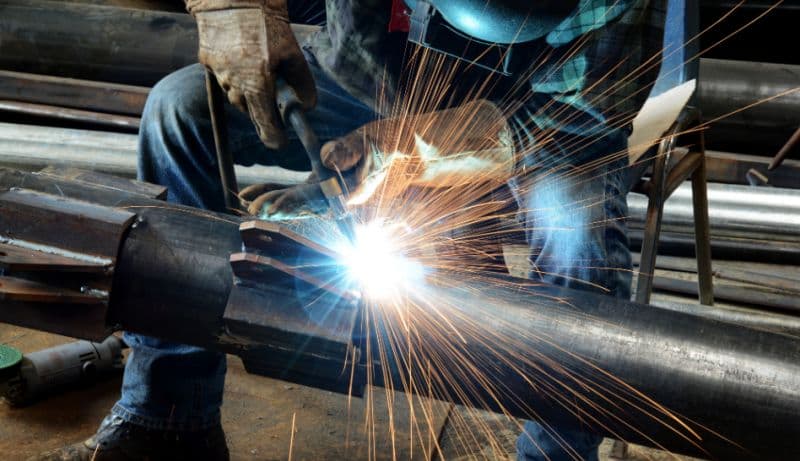
Equipment Manufacturing
The critical components of the of the complete pellet production line equipment are built in our own workshops in Asia. Additional equipment is manufactured by our worldwide network of reliable partners.
● Testing
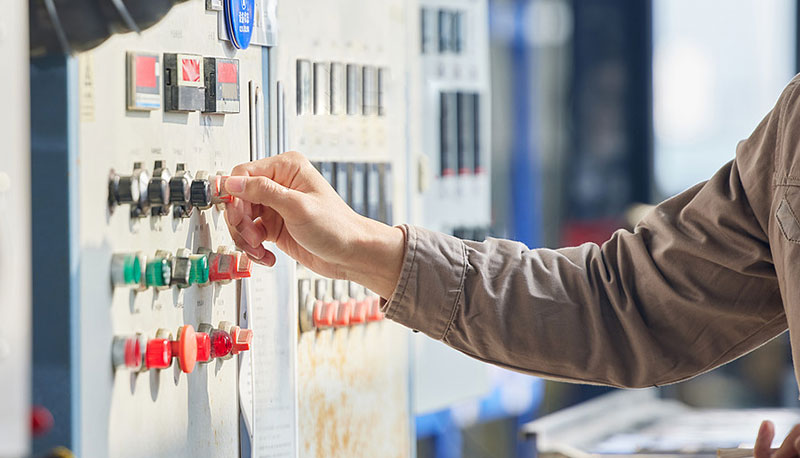
Quality Inspection & Testing
Before leaving the factory, all equipment will be inspected by the quality inspection department. We can also provide customers with testing services from a single machine to a complete pellet plant system, and provide you with real actual data for “worry-free use.”

● Delivery
Equipment Delivery
In equipment boxing and packaging, we adopt professional packaging and modular solutions to ensure the safe and non-destructive delivery of pellet plant equipment.
● Installation
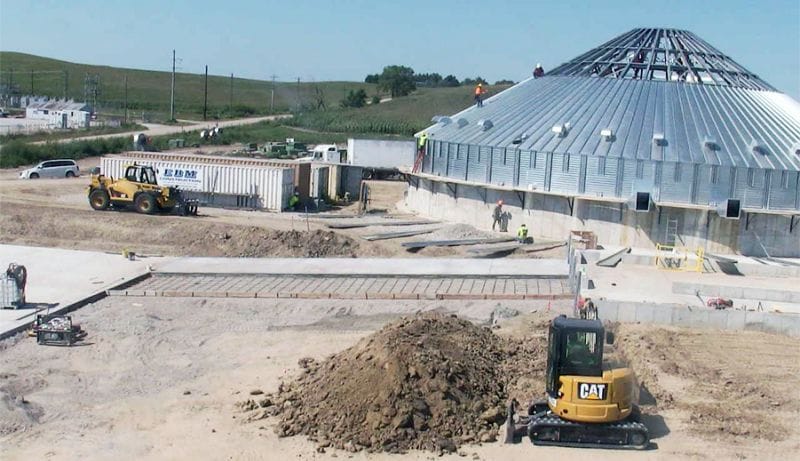
Installation & Commissioning
Whether you choose your own subcontractor for the erection phase or you want to install everything together with us, a Richi supervisor will be around to make sure everything is mounted in a safe and thorough way.

● Training
Staff Training
We provide comprehensive training for the technicians of each project. We can also continue to provide support for the technicians during latter project operation.
● After-sales
Project Follow-Up
When everything is up and running our Richiers will help you further whenever needed. We are ready to answer your call 24/7.We’ll also visit you regularly to learn about your needs.
Who we are
RICHI Machinery is one of the world’s leading suppliers of technology and services for the animal feed, aqua feed and pet food industries, also the largest pellet production line manufacturer in China.
Since 1995, RICHI’s vision to build a first-class enterprise, to foster first-class employees, and to make first-class contributions to society has never wavered.
In the past three decades, we have expanded our business to a wide range of areas, including animal feed mill equipment, aqua feed equipment, pet feed equipment, biomass pellet equipment, fertilizer equipment, cat litter equipment, municipal solid waste pellets equipment, etc.

1995
RICHI Established

2000+
Serving More Than 2000 Customers

120+
RICHI Employees

140+
Exported To 140 Countries