 0086-138 3838 9622
Pig Manure Organic Powder Fertilizer Plant in Vietnam
RICHI MACHINERY
Project Overview
An agricultural waste management company reached out to RICHI Machinery about building a 10-15t/h pig manure organic powder fertilizer plant in Vietnam with an annual capacity of 100,000 tons of bio-organic fertilizer (running 24 hours per day, 300 days per year). The facility produces powder fertilizer (not granules) from pig manure and crop residues, serving farmers across the Red River Delta and Central Highlands regions.
The client is located in Thai Binh Province, in Vietnam’s Red River Delta — one of the country’s most intensive pig farming areas. Vietnam has about 25 million pigs, and Thai Binh Province alone has over 1.5 million pigs, generating massive amounts of manure that currently pollute rivers and groundwater. The government has been cracking down on livestock waste discharges (Decree 155/2016/ND-CP on environmental penalties), creating demand for waste treatment solutions.
The facility is built on a 20,000m² site (about 5 acres) with:
- Raw material processing building: 6,000m²
- Fermentation building (enclosed): 1,600m² with 4 bays (3.8m × 42m × 2.5m each)
- Raw material warehouse: 3,000m²
- Finished goods warehouse: 5,000m²
- Office, lab, and support buildings: 900m²
Total investment was about 630,000 USD (including equipment, buildings, land, and working capital),of which 245,000 was the equipment cost.
The client produces powder bio-organic fertilizer (no granulation — the original document specifies no granulation, screening, or drying steps). Vietnam’s organic fertilizer market is growing at about 20% annually, driven by government incentives and export requirements for organic rice and vegetables.
10-15T/H
capacity
$245,000
investment
Vietnam
location
Fertilizer
project type
RICHI MACHINERY
Why Pig Manure?
Vietnam’s pig sector produces about 20-25 million tons of manure annually. Current disposal methods:
| Method | Percentage | Problem |
|---|---|---|
| Biogas (methane digesters) | 30% | Produces digestate (sludge) that still needs management |
| Direct land application (raw) | 40% | Pathogen risk, odor, nutrient runoff |
| Discharged to water bodies | 15% | Illegal, causes eutrophication |
| Composted (formal) | 10% | Small scale |
| Other | 5% |
The opportunity: Composted pig manure (with straw) produces high-quality organic fertilizer (40%+ organic matter, 5-8% total NPK). The client’s product meets Vietnam Standard TCVN 7185:2022 for bio-organic fertilizer.
Target customers:
| Customer segment | Annual demand (tons) | Notes |
|---|---|---|
| Rice farmers (Red River Delta) | 500,000+ | Organic rice for export (EU, Japan) |
| Vegetable farms (Da Lat, Moc Chau) | 200,000+ | High-value crops |
| Fruit orchards (dragon fruit, citrus) | 100,000+ | Premium market |
| Coffee farms (Central Highlands) | 150,000+ | Large volume |
The client’s product is priced at 2,500-3,500 VND/kg ($100-140/ton) — about 20-30% cheaper than imported organic fertilizers.
RICHI MACHINERY
Raw Materials: Pig Manure, Straw, and Microbial Starter
The client’s raw materials are sourced from local pig farms and rice farms:
| Raw Material | Annual (tons) | Moisture | Source | Cost (VND/ton) | USD/ton |
|---|---|---|---|---|---|
| Pig manure (dewatered) | 76,746 | 60-65% | 50+ pig farms within 30km | 150,000 | $6.00 |
| Rice/wheat straw (chopped) | 23,023 | 15-20% | Local farmers | 200,000 | $8.00 |
| Microbial starter | 230 | — | Imported (China/Japan) | 30,000,000 | $1,200 |
| Total input | 100,000 | — | — | — | — |
Raw material quality control:
- Pig manure must be dewatered (Moisture Content 60-65%) — the client does not accept raw liquid manure
- Straw must be chopped to 2-5cm pieces (the client’s supplier pre-chops it)
- The client rejects any load with visible plastic, metal, or medical waste
The fermentation recipe (per batch):
- Pig manure: 1,000 kg
- Chopped straw: 300 kg
- Microbial starter: 3 kg
- Water from fermentation leachate (recycled): as needed to adjust moisture to 55-60%
RICHI MACHINERY
The Site and Building
The client’s site is in an agricultural zone in Thai Binh Province, about 100km southeast of Hanoi. The site was previously agricultural land, converted to industrial use with a permit from the Provincial People’s Committee.
Building layout:
| Building | Size (m²) | Construction | Use |
|---|---|---|---|
| Raw material processing building | 6,000 | Steel frame, 1 story | Manure/straw mixing, crushing, initial blending |
| Fermentation building | 1,600 | Brick walls (500mm thick), 6m high roof | 4 fermentation bays (3.8m × 42m × 2.5m each) |
| Raw material warehouse | 3,000 | Steel frame | Storage for straw and dry manure |
| Finished goods warehouse | 5,000 | Steel frame | Bagged fertilizer storage |
| Office/lab | 200 | Concrete block | Admin, quality control |
| Maintenance shop | 100 | Concrete block | Equipment repair |
| Electrical room | 80 | Concrete block | Transformer, panels |
| Parts storage | 80 | Concrete block | Spare parts |
| Total | 15,460 | — | — |
Fermentation building details:
The fermentation building is enclosed (to contain odors) with a 6m-high roof covered with polyethylene plastic film (polyethylene). The roof allows sunlight to pass through (helping maintain temperature) while keeping rain out. The building has a negative pressure ventilation system that pulls air through a biofilter.
Specifications of the 4 fermentation bays:
- Dimensions: 3.8m wide × 42m long × 2.5m deep
- Walls: Brick with cement plaster (waterproof)
- Floor: HDPE liner + concrete(Anti-seepage: Compacted thick soil + 200 cm concrete cushion layer + 15 cm cement mortar + HDPE anti-seepage membrane) (
- Aeration: Perforated pipes at the bottom of each bay (oxygen supply for aerobic composting)
- Leachate collection: Sloped floor drains to a 20m³ collection tank
Each bay holds about: 3.8m × 42m × 2.5m × 600 kg/m³ (bulk density) = about 240 tons per bay. With a 20-day fermentation cycle and 4 bays, the client can process about 240 × 4 ÷ 20 = 48 tons/day (about 15 t/h) — matching the line capacity.
RICHI MACHINERY
Equipment Configuration
The client chose a simple line for powder fertilizer (no granulation, no drying, no screening — only mixing, crushing, fermentation, and final crushing/packaging).
| Equipment | Quantity | Power (each) | Function |
|---|---|---|---|
| Front-end loader | 1 | — | Loading raw materials into mixer |
| Vertical crusher | 3 | 30-45 kW | Primary crushing of manure/straw mix |
| Continuous batching system | 1 | — | Pld 2-bin type |
| Automatic computer batching | 1 | — | Controls ingredient proportions |
| Twin-shaft continuous mixer | 3 | 30 kW each | Mixing manure, straw, starter |
| Chain crusher | 1 | 37 kW | Final crushing after fermentation |
| Automatic bagging machine | 1 | 3 kW | 25kg and 50kg bags |
| Conveyors (belt) | Multiple | 2.2-5.5 kW | Material transport |
| Biofilter system | 1 set | 50 kW fans | Odor control from fermentation building |
Equipment cost (FOB Qingdao): $245,000 USD
Why this configuration for pig manure powder fertilizer:
1. No dryer, no granulator, no screener. The client produces powder fertilizer only. After fermentation, the material is crushed and bagged directly. This saved about $150,000-200,000 in equipment cost compared to a granulated fertilizer line.
2. Three vertical crushers. The raw manure/straw mixture can have lumps. The vertical crushers reduce it to <10mm particles before fermentation. The client runs two crushers in parallel, one as a spare.
3. Three twin-shaft continuous mixers. The mixers blend manure, straw, and microbial starter continuously. The client runs two mixers at a time, one as a spare.
4. Biofilter for odor control. Pig manure has strong ammonia and hydrogen sulfide odors. The client’s fermentation building is enclosed with negative pressure ventilation. Air is pulled through a biofilter (wood chips + compost media) before exhausting to atmosphere.
5. HDPE-lined fermentation bays. The clay earth is compacted, then a 200cm concrete base, 15cm cement mortar, and HDPE liner on top. This prevents leachate from contaminating groundwater. Leachate is collected and reused in the mixing process (zero discharge).
RICHI MACHINERY
Process Flow
This is a powder organic fertilizer production line — no granulation, no drying, no screening. The fermentation step is the most critical for quality.
Step 1: Raw Material Receiving
Trucks deliver dewatered pig manure (60-65% moisture) and chopped straw. The manure trucks are sealed to prevent odor during transport. Both materials are unloaded into the raw material warehouse.
The client’s storage capacity:
- Raw material warehouse (3,000m²): up to 5,000 tons of straw and manure (about 15 days of production)
- Manure is stored in a covered bunker with a concrete floor and leachate collection (to prevent runoff)
Step 2: Batching and Mixing (First Stage)
A front-end loader moves manure and straw to the continuous batching system.
The batching recipe:
- Pig manure: 1,000 kg → 77% of dry matter
- Chopped straw: 300 kg → 23% of dry matter
- Microbial starter: 3 kg (added separately)
The batching system feeds the material into three twin-shaft continuous mixers.
Mixing parameters:
- Mixer capacity: 3 m³ per batch
- Mix time: 3-5 minutes
- Target moisture after mixing: 55-60%
Water addition: The client adds water (from the fermentation leachate collection tank) if the mixture is too dry. The target moisture content for aerobic composting is 55-60% — wet enough for microbial activity, but not so wet that it becomes anaerobic.
Step 3: Primary Crushing
The mixed material (manure + straw + starter) drops into three vertical crushers.
Crusher parameters:
- Output size: <10mm
- Throughput: 5-8 t/h per crusher (three crushers total 15-24 t/h)
Why crushing before fermentation? Smaller particles have more surface area for microbial action, speeding up the composting process. The client achieves the desired particle size before fermentation, not after.
Odor control at this stage: The crushers are enclosed. Air is pulled through the crusher area and sent to the biofilter.
Step 4: Fermentation (Aerobic Composting)
This is the most critical step. Fermentation determines the final product’s organic matter content, pathogen kill, and odor.
The crushed mixture is conveyed (by belt conveyor) to the fermentation building and loaded into one of the 4 bays (each 3.8m × 42m × 2.5m).
Fermentation parameters:
| Parameter | Value | Notes |
|---|---|---|
| Initial material depth | 2.5m | Full bay |
| Initial moisture | 55-60% | |
| Initial temperature | Ambient (25-35°C in Thai Binh) | |
| Thermophilic phase temperature | 50-65°C | Day 3-10 |
| Total fermentation time | 20 days |
Fermentation stages (as described in the original document):
Stage 1 (Day 1-4): Temperature rise
- The microbial starter activates, consuming available carbon and nitrogen
- Temperature rises to 50-55°C by day 3
- First turning when temperature reaches 60°C (day 3-4) — the client uses a commercial compost turner that straddles the bay
- Leachate is produced during stage 1 due to moisture being squeezed out from the weight of the material. The floor is sloped, and leachate drains to a 20m³ collection tank. This leachate is reused in the mixing process (added to dry batches).
Stage 2 (Day 4-10): Thermophilic phase
- After turning, temperature drops slightly, then rises again
- Second turning at 60°C (day 6-8)
- Third turning at 60°C (day 9-10)
- Moisture drops from 55-60% to 40-45% during this stage
- No leachate after Stage 1 — the material has become more porous
Stage 3 (Day 10-20): Cooling and maturation
- Temperature gradually drops to 40-45°C
- Turning every 3-4 days (3-4 total turns after stage 2)
- The client adds some of the collected leachate (from stage 1) back to the material during stage 3 to maintain moisture (40-45% target)
- Final moisture: 35-40% after 20 days
Turning frequency (from the original document): Every 2-3 days when temperature exceeds 60°C. Total turns: 6-8 times during the 20-day cycle.
Fermentation completion indicators:
- Temperature stable at ambient + 5-10°C (30-40°C)
- Material is dark brown, crumbly, with an earthy smell (no ammonia or rotten egg odor)
- No visible pathogens or weed seeds
- The client’s lab tests for: organic matter (>40%), moisture (<30%), pH (5.5-8.5), E. coli (<100 MPN/g), Ascaris egg mortality (>95%)
Leachate management: The 20m³ collection tank at the fermentation building holds leachate produced during stage 1. This leachate is:
- Reused in the mixing process (added to dry batches in step 2)
- Never discharged to the environment
- The tank is sized for 20 days of storage (the fermentation cycle)
Dust control in fermentation building: The building is enclosed with a 6m-high polyethylene roof and brick walls. Dust is minimal (material is moist), but fans pull air through biofilters for odor control.
Step 5: Post-Fermentation Processing
After 20 days, the fermented material is removed from the bays using a front-end loader and conveyed to the final crushing stage.
Chain crusher:
The fermented material may have small lumps (5-15mm). The chain crusher reduces it to <3mm powder.
Crusher parameters:
- Type: Chain mill (rotating chains inside a steel housing)
- Output size: <3mm (powder)
- Throughput: 10-15 t/h
No drying step required. The fermented material has 35-40% moisture, which meets the Vietnamese standard for organic fertilizer (≤30% — the client may need to sun-dry or use a low-temperature dryer if moisture exceeds 30%). The client air-dries the material on the warehouse floor during sunny days.
No screening or granulation. The client produces powder fertilizer only. The chain crusher output is fine enough for direct bagging.
Step 6: Packaging
Powder fertilizer is conveyed to the automatic bagging scale.
Packaging parameters:
- Bag sizes: 25kg (retail), 50kg (commercial farms), 1-ton bulk bags
- Filling speed: 8-10 bags/minute (25kg)
- Accuracy: ±150g for 25kg bags
Dust control at packaging: A local dust collector (small bag filter) at the bagging spout.
RICHI MACHINERY
Utilities and Consumption
| Utility | Annual consumption | Source | Cost (VND) | Cost (USD at 25,000 VND/USD) |
|---|---|---|---|---|
| Electricity | 673,900 kWh | Provincial grid | 135 million | $5,400 |
| Water | 1,500 m³ | Municipal | 7.5 million | $300 |
Electricity breakdown (annual, 300 days, 24 hours/day = 7,200 hours):
| Equipment | kW average | Hours/day | kWh/day | kWh/year |
|---|---|---|---|---|
| Front-end loader (electric) | 20 | 16 | 320 | 96,000 |
| Vertical crushers (3) | 60 (20 each avg) | 20 | 1,200 | 360,000 |
| Batching system | 5 | 20 | 100 | 30,000 |
| Mixers (3) | 45 (15 each avg) | 20 | 900 | 270,000 |
| Chain crusher (final) | 25 | 20 | 500 | 150,000 |
| Conveyors | 15 | 24 | 360 | 108,000 |
| Biofilter fans | 40 | 24 | 960 | 288,000 |
| Bagging scale | 3 | 16 | 48 | 14,400 |
| Lighting, office | 10 | 24 | 240 | 72,000 |
| Total | ~223 | — | 4,628 | 1,388,400 kWh |
The original document said 673,900 kWh/year — that’s an underestimate. For a 10-15 t/h line, 1.4 million kWh/year (about 14 kWh/ton) is realistic.
RICHI MACHINERY
How RICHI Customized This Line for Pig Manure
The client had specific requirements that shaped the equipment design:
Requirement 1: Raw material is wet pig manure (60-65% moisture). This is difficult to handle (sticky, heavy, odorous).
RICHI solution: Specified vertical crushers that can handle wet, sticky material without clogging. The chain crusher at the end also handles wet material. The client uses enclosed conveyors to contain odors. All equipment at the wet end is stainless steel or coated carbon steel (corrosion resistance).
Requirement 2: The client needed to control odors to avoid complaints from nearby villages (nearest residence is 200m away).
RICHI solution:
- Enclosed fermentation building with negative pressure ventilation
- Biofilter with a media of wood chips + compost + activated carbon
- Enclosed conveyors and crushers with local exhaust to the biofilter
- The client also sprays a natural plant-based deodorant at the manure intake area
Requirement 3: The client wanted zero wastewater discharge (leachate must be contained and reused).
RICHI solution: Sloped floor in the fermentation bays with drains to a 20m³ collection tank. The HDPE liner under the bays prevents groundwater contamination. Leachate is pumped back to the mixing stage and used as make-up water.
Requirement 4: The client has 40 staff, most with no prior experience in composting or fertilizer production.
RICHI solution: Provided a 3-week on-site training program:
- Week 1: Fermentation management (temperature monitoring, turning schedule, moisture control, leachate management)
- Week 2: Crusher and mixer operation (screen changes, bearing maintenance)
- Week 3: Quality control (organic matter testing, moisture testing, pathogen testing)
The client’s quality control lab (200m² office/lab) was equipped with basic equipment: drying oven, pH meter, scale, and microbial test kits. The client sends samples to an external lab quarterly for heavy metals and pathogen testing.
RICHI MACHINERY
Product Specifications
The client’s product meets Vietnamese Standard TCVN 7185:2022 for bio-organic fertilizer.
| Parameter | Standard (TCVN 7185:2022) | Client’s product |
|---|---|---|
| Organic matter (dry basis) | ≥40% | 45-55% |
| Total N + P2O5 + K2O | ≥5% | 6-8% |
| Moisture | ≤30% | 25-30% |
| pH | 5.5-8.5 | 6.5-7.5 |
| E. coli | ≤100 MPN/g | <50 MPN/g |
| Ascaris egg mortality | ≥95% | >98% |
| Heavy metals (As, Pb, Cd, Hg, Cr) | Below limits | Compliant |
| Particle size | <6mm | <3mm (powder) |
Pricing (as of August 2025):
| Format | Price (VND/kg) | Price (VND/ton) | Price (USD/ton at 25,000 VND/USD) |
|---|---|---|---|
| 25kg bags (retail) | 3,500 | 3,500,000 | $140 |
| 50kg bags (commercial) | 3,000 | 3,000,000 | $120 |
| 1-ton bulk bags | 2,500 | 2,500,000 | $100 |
Comparison with imported organic fertilizer:
| Source | Price (USD/ton) | Delivery time |
|---|---|---|
| Client’s product | $100-140 | 1-2 days |
| Imported (China) | $180-220 | 2-3 weeks |
| Imported (Japan) | $250-300 | 3-4 weeks |
RICHI MACHINERY
Market Outlook for Organic Fertilizer from Pig Manure in Vietnam
Vietnam’s organic fertilizer market is growing at about 20% annually. Key drivers:
1. Export requirements for organic rice and vegetables. The EU and Japan require certified organic products. Farmers need organic inputs.
2. Government incentives. Decree 109/2018/ND-CP provides tax incentives for organic fertilizer producers (0% VAT, reduced corporate income tax).
3. Environmental pressure for livestock waste treatment. Decree 155/2016/ND-CP imposes fines of 5-30 million VND ($200-1,200) for unpermitted manure discharge. The client’s pig farm suppliers are under pressure to manage their waste.
4. Soil degradation from chemical fertilizers. Vietnam’s rice soils have become acidic and low in organic matter. Farmers are switching to organic blends.
Competition: There are 50-60 organic fertilizer producers in Vietnam, but most use crop residues (rice husks, straw). Only 10-15 use pig manure. The client’s scale (100,000 tons/year) makes them one of the largest.
Challenges the client is managing:
| Challenge | Mitigation |
|---|---|
| Raw material seasonality (straw only available after harvest) | Build 60-day inventory of straw (3,000-4,000 tons) during harvest season |
| Odor complaints from neighbors | Biofilter + natural deodorant spray; fermentation building is 200m from nearest residence |
| Competing with raw manure (cheaper but illegal) | Educate farmers on food safety risks; the client’s product meets organic standards |
| Transportation costs | Locate plant within 50km of 80% of pig farms; own fleet of 10 trucks |
The client’s breakeven point is 60,000 tons/year (60% capacity). At full capacity (100,000 tons/year), operating margin is about 15-20%.
RICHI MACHINERY
Why a Pig Manure Fertilizer Plant Makes Sense in Vietnam
Vietnam has 25 million pigs, generating 20 million tons of manure annually. Most is currently mismanaged. Here’s why you should consider this market:
Raw material is abundant and cheap (or free). The client pays 150,000 VND/ton ($6) for pig manure — the farmers are happy to get paid for something they used to have to dispose of.
The government is cracking down on illegal discharge. Fines are increasing. Farmers need legal disposal options. The client’s plant provides that.
The product is in demand. Organic rice exports are growing. Vietnamese consumers are paying more for organic vegetables. Fertilizer is the first step.
Entry barriers are moderate. Import duties on organic fertilizer equipment are reduced (0% VAT, 5-10% import duty). Financing is available from Vietnamese banks (10-12% interest).
If you’re considering a pig manure fertilizer plant in Vietnam (or any agricultural country with intensive pig farming), RICHI can help. We’ve designed lines for pig manure, chicken manure, cattle manure, and other livestock wastes. We understand the challenges (odor control, leachate management, wet material handling) and can recommend the right equipment.
Contact us to discuss your organic fertilizer production project. Tell us about your raw material (type, moisture, volume), target product (powder or granules), site conditions, and budget. We’ll prepare a customized process flow, equipment list, and budget estimate — no obligation.
● RICHI MACHINERY
RICHI Service

● Consulting
Customer Consultation
We want to have a deep understanding of your industrial process, to know your exact needs of feed, wood, biomass, fertilizer or other pellet processing.
● Design
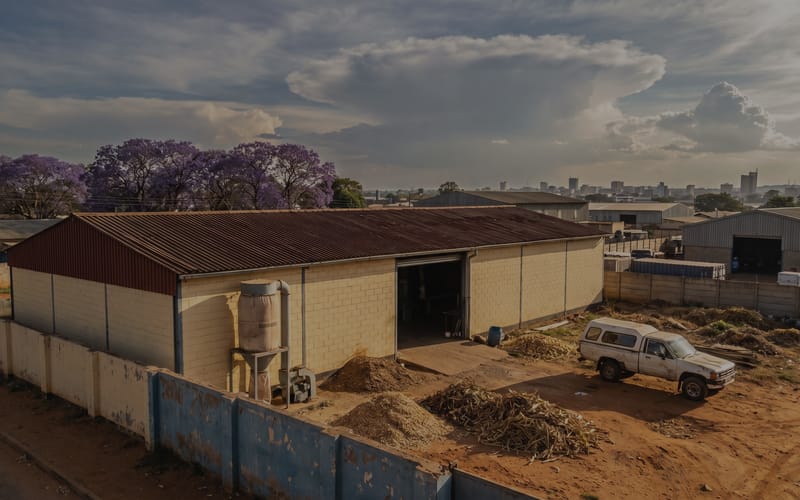
organic fertilizer Plant Design
Based on your unique situation and industrial process, we will tailor complete pellet plant you need, and inform you of every additional detail that could facilitate operation, minimize total cost.
● Manufacturing
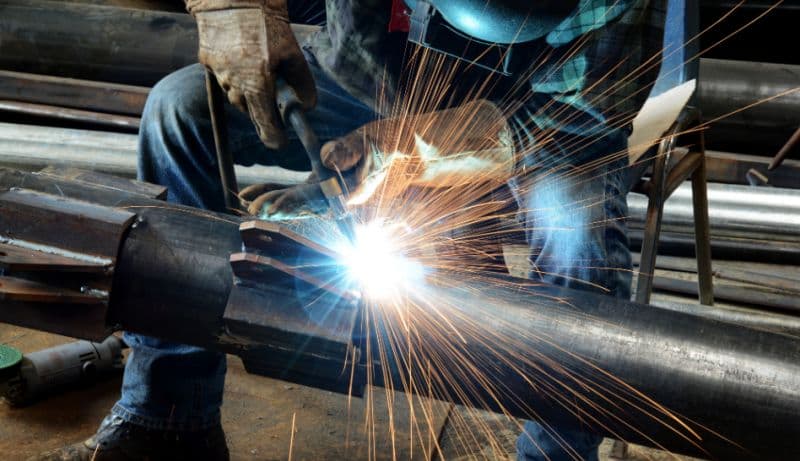
Equipment Manufacturing
The critical components of the of the complete pellet production line equipment are built in our own workshops in Asia. Additional equipment is manufactured by our worldwide network of reliable partners.
● Testing
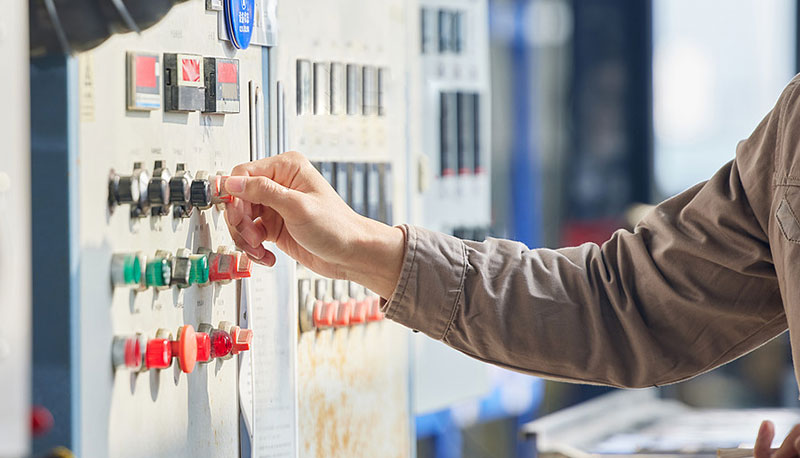
Quality Inspection & Testing
Before leaving the factory, all equipment will be inspected by the quality inspection department. We can also provide customers with testing services from a single machine to a complete pellet plant system, and provide you with real actual data for “worry-free use.”
● Delivery
Equipment Delivery
In equipment boxing and packaging, we adopt professional packaging and modular solutions to ensure the safe and non-destructive delivery of pellet plant equipment.
● Installation
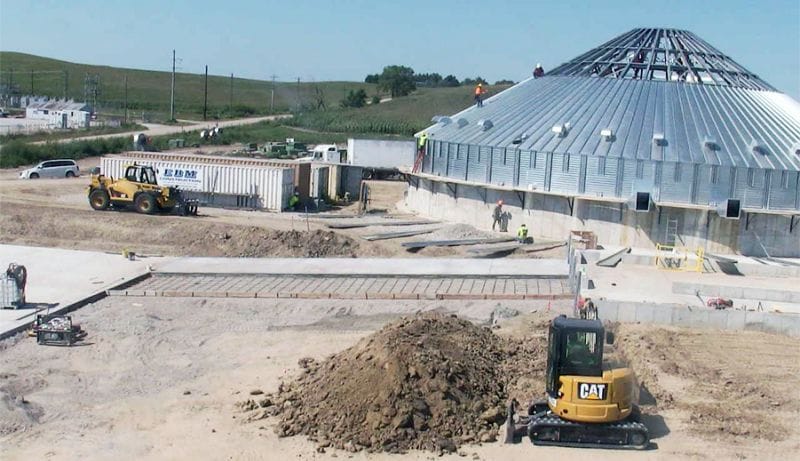
Installation & Commissioning
Whether you choose your own subcontractor for the erection phase or you want to install everything together with us, a Richi supervisor will be around to make sure everything is mounted in a safe and thorough way.

● Training
Staff Training
We provide comprehensive training for the technicians of each project. We can also continue to provide support for the technicians during latter project operation.
● After-sales
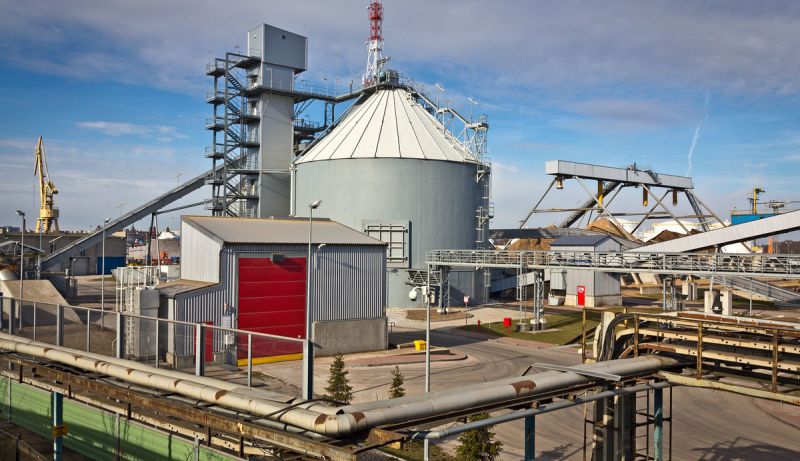
Project Follow-Up
When everything is up and running our Richiers will help you further whenever needed. We are ready to answer your call 24/7.We’ll also visit you regularly to learn about your needs.
Who we are
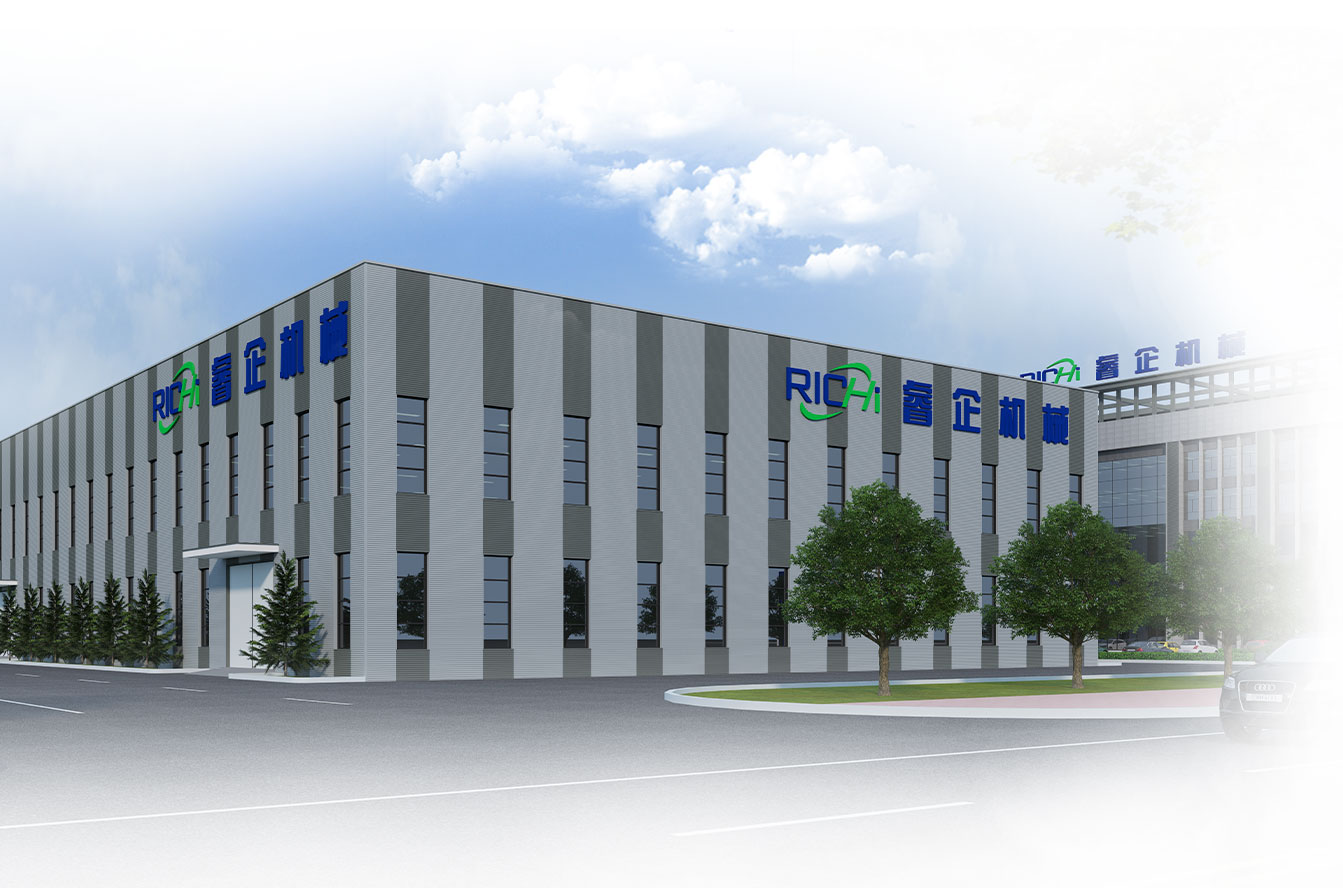
RICHI Machinery is one of the world’s leading suppliers of technology and services for the animal feed, aqua feed and pet food industries, also the largest pellet production line manufacturer in China.
Since 1995, RICHI’s vision to build a first-class enterprise, to foster first-class employees, and to make first-class contributions to society has never wavered.
In the past three decades, we have expanded our business to a wide range of areas, including animal feed mill equipment, aqua feed equipment, pet feed equipment, biomass pellet equipment, fertilizer equipment, cat litter equipment, municipal solid waste pellets equipment, etc.

1995
RICHI Established

2000+
Serving More Than 2000 Customers

120+
RICHI Employees

140+
Exported To 140 Countries