 0086-138 3838 9622
Pig Fish Feed Production Line in Myanmar
RICHI MACHINERY
overview
This isn’t a single-product line. It’s a dual-purpose setup. The client needed 20 tons per hour of pig feed and 5 tons per hour of fish feed from the same facility. Same raw material intake, different grinding fineness, different pellet specifications, different conditioning requirements.
Most suppliers we talked to said: “Build two separate lines.” But the client didn’t have space or budget for that. So we designed a 25t/h pig fish feed production line that shares 70% of the equipment but splits at the critical points—finer grinding for fish, different die specs, separate cooling and coating sections.
The client is in Myanmar’s Ayeyarwady region, about 45 km west of Yangon. That area has hundreds of pig farms and a growing number of catfish and rohu operations. Imported feed from Thailand is expensive—about $480 per ton for pig grower, $520 for fish feed. Local feed mills mostly make mash or poor-quality pellets that disintegrate in water.
So the owner, who ran a small trading business before this, saw an opening. He had 3,000 square meters of land, a building shell, and about $140,000 USD saved. He needed a complete system that could produce both types reliably.
25T/H
capacity
$66,400 USD
investment
Myanmar
location
Feed
project type
RICHI MACHINERY
When He First Called Us
The initial inquiry came through our website’s WhatsApp button in late February 2024. The message was short: “Need pig feed and fish feed line. Total 25t per hour. Send price.”
That’s it. No details on raw materials, no power specs, no mention of whether he had a boiler or not.
We called him the next day. We talked for about 45 minutes. Here’s what we learned:
- He had already bought a second-hand 4 t/h boiler from a closed textile factory. That saved him some money but meant we had to design around its steam output.
- His raw material suppliers were within 80 km: corn from Hinthada, rice bran from local mills, fishmeal from Ngaputaw.
- He had no experience running a fish pig feed pellet machine. Never even seen one operate in person.
- His budget for RICHI equipment was $300,000–$400,000, excluding installation.
That last point was tight. A typical 25 t/h single-line animal feed mill plant from European suppliers starts at $250,000 just for the pelleting section. We had to be creative.
We signed a preliminary agreement in March 2024 after he visited our customer reference site in Mandalay (a smaller 8 t/h poultry feed production line). He saw our 420 mill running and said, “This is enough for me.”
Contract signed: April 10, 2024.
RICHI MACHINERY
Raw Materials: What Arrives at the Gate
Myanmar grows plenty of corn and has a decent oilseed crushing industry. But the quality varies. Wet season corn can be 18% moisture. Dry season corn drops to 12%. That affects grinding and pellet durability.
The client set up three receiving pits: one for corn (bulk trucks), one for meals (bagged, stacked on pallets), and one for liquids (molasses and oil). Here’s the actual annual consumption we calculated together. I’m putting this table here because procurement managers always ask for it.
| Raw Material | Annual Quantity (tons) | Form | Storage Method | Moisture (as received) |
|---|---|---|---|---|
| Corn | 27,500 | Whole kernel | Silo (1,500t cap) | 13–18% |
| Wheat bran | 3,400 | Coarse powder | Bagged, 250t max | 11–13% |
| Rapeseed meal | 2,500 | Granular | Bagged, 500t max | 10–12% |
| Soybean meal | 9,437.5 | Granular | Bagged, 500t max | 10–12% |
| Cottonseed meal | 1,875 | Granular | Bagged, 500t max | 11–13% |
| Fishmeal | 312.5 | Fine powder | Bagged, 50t max | 8–10% |
| Vegetable oil | 4,500 | Liquid | Tank, 500t cap | N/A |
| Vitamin premix | 62.5 | Powder | Bagged, 10t max | <5% |
| Amino acids (threonine) | 62.5 | Crystalline | Bagged, 10t max | <1% |
| Propionic acid (mold inhibitor) | 25 | Liquid | Drum, 7t max | N/A |
| Enzyme blend | 9.375 | Powder | Bagged, 3t max | <5% |
| Garlicin premix | 6.25 | Liquid | Drum, 2t max | N/A |
| Mineral premix | 62.5 | Powder | Bagged, 10t max | <5% |
| Biomass fuel (for boiler) | 225 | Powder/bale | Covered storage, 20t | 15–20% |
The corn alone takes up most of the storage. We recommended a 300-ton/day receiving capacity because during harvest season (November–January), trucks line up. If you can’t unload fast, you lose suppliers to the next mill.
RICHI MACHINERY
The Equipment List
This is exactly what went into two 40-foot containers from Qingdao to Yangon port. No model numbers here—just what the machines do and why we chose them.
| Equipment | Quantity | Power (kW) | Function |
|---|---|---|---|
| Drum pre-cleaner | 1 | 5.5 | Remove stones, sticks, trash from incoming corn |
| Permanent magnetic separator | 1 | N/A | Pull out tramp iron before milling |
| Hammer mill feed grinder(coarse, pig feed) | 1 | 90 | Grind corn/bran to 1.5–2.0mm |
| Ultra-fine grinder (fish feed) | 1 | 75 | Grind to 0.6–0.8mm for fish digestion |
| Batching scale (16 bins) | 1 | 3.0 | Weigh up to 2 tons per batch |
| Double-shaft paddle mixer | 1 | 22 | Mix 1.5 tons per batch, CV <5% |
| Ring die pellet machine (SZLH-420) | 2 | 110 | Main pelleting, 25 t/h total capacity |
| Steam conditioning system | 1 | 0.75 | Inject steam, raise mash to 80–85°C |
| Counterflow pellet cooler machine | 1 | 5.5 + fans | Cool pellets from 75°C to ambient+5°C |
| Crumblers (for pig feed only) | 1 | 11 | Break pellets into smaller sizes for piglets |
| Coating drum (for fish feed oil) | 1 | 4.0 | Apply 6–8% oil post-pelleting |
| Vibrating screener | 1 | 1.5 | Remove fines before bagging |
| Automatic bagging scale | 1 | 2.2 | 50kg/bag, 12 bags/minute |
| Pulse dust collection system | 2 | 15 each | Capture dust at mill and mixer |
| Control panel (PLC, semi-auto) | 1 | N/A | Manual start/stop with interlock |
Total RICHI equipment cost (FOB Qingdao): $66,400 USD
That’s under his budget. We saved money by not including an automatic palletizer (he uses manual labor for stacking) and by using a local electrical contractor for wiring instead of our full automation package.
RICHI MACHINERY
How the Process Actually Flows
The client’s building is four stories. That’s important because gravity does a lot of the material movement. No need for extra bucket elevators between every step.
Here’s the sequence we laid out. I’m numbering it because the client’s operators still refer to these steps by number during shift handovers.
Step 1 – Intake and cleaning (ground floor pit)
Trucks dump corn into a receiving pit with a grate. A screw conveyor moves it to the drum pre-cleaner. Trash (stones, cobs, rope) drops into a bin. The client pays a local farmer to take that trash for free—cheaper than landfill.
Step 2 – Magnetic separation and coarse grinding
Clean corn passes a permanent magnet, then drops into the 90 kW hammer mill. Screen size: 2.0 mm for pig feed, 1.5 mm for fish feed. The client changes screens between runs. Takes about 20 minutes. They do pig feed in the morning, fish feed in the afternoon.
Step 3 – Batching and mixing
Ground material goes up to the third floor into 16 bins (each 10–30 tons capacity). The PLC weighs each ingredient into a scale hopper. Target batch size: 1,500 kg. Mixed in the double-shaft paddle mixer for 90 seconds. The client tested mixing time and found 75 seconds was enough for uniformity (CV 4.2%), but they keep 90 seconds as a safety margin.
Step 4 – Fine grinding (fish feed only)
For fish feed, the mixed mash drops into the 75 kW ultra-fine grinder. This is the key difference between the two product lines. Pig feed doesn’t need 0.6 mm particles. Fish do. If you skip this step, fish pellets disintegrate in water within 10 minutes.
Step 5 – Conditioning and pelleting
Conditioner adds steam from the 4 t/h boiler. Temperature target: 80–85°C for pig feed, 85–90°C for fish feed (higher temp helps gelatinize starch for floatation). Retention time in conditioner: 25–30 seconds.
The ring die animal feed pellet mill runs at 132 kW. Die specs:
- Pig feed: 4.5 mm diameter, 65 mm effective thickness, 1:14 compression ratio
- Fish feed: 3.0 mm diameter, 55 mm thickness, 1:18 compression ratio
The client keeps spare dies on hand. Changeover takes two people about 45 minutes.
Step 6 – Cooling and crumbling
Hot pellets (75°C) drop into the counterflow cooler. Airflow pulls from bottom to top. Cooling time: about 10 minutes. Final pellet temperature: 30–35°C.
For pig feed only, pellets then pass through the crumbler. Piglets need smaller particles (2–3 mm). The crumbler breaks 4.5 mm pellets without creating too many fines.
Step 7 – Coating (fish feed only)
Fish feed gets oil coating after cooling. The coating drum sprays vegetable oil at 6–8% of pellet weight. This improves energy density and helps the pellets float. Without coating, fish feed sinks immediately.
Step 8 – Screening and bagging
Final step: vibrating screener removes fines (recycled back to the mixer). Clean pellets go to the bagging scale. The client uses woven polypropylene bags with a plastic liner. 50 kg per bag. Two workers sew the tops manually. They bag about 15 tons per hour at peak.
RICHI MACHINERY
The Fish Feed Test
The client was nervous about floatation. He’d seen other fish feed in Myanmar that sank after 20 seconds. So we did a test on site during commissioning.
We took fresh 3 mm fish pellets, dropped 50 pellets into a bucket of water. After 2 hours, 48 were still floating. Two sank because they had small cracks. The client’s uncle, who runs a catfish farm, watched and said (translated), “This is as good as Thai feed.”
That moment sold him on the 25t/h pig fish feed production line more than any spec sheet could.
RICHI MACHINERY
Utilities and Operating Costs
The client keeps a logbook. We saw it when I visited in December 2024. Here’s what he spends monthly.
| Utility | Monthly Consumption | Cost (USD/month) |
|---|---|---|
| Electricity (grid, 0.12 USD/kWh) | 48,000 kWh | $5,760 |
| Boiler biomass fuel (rice husks + corn cobs) | 18.75 tons | $1,125 |
| Diesel for backup generator (occasional) | 200 liters | $52 |
| Water (well, own pump) | 480 m³ | $0 (pumping cost only) |
| Labor (12 operators, 1 supervisor, 1 manager) | N/A | $4,200 |
| Maintenance (dies, rollers, bearings, screens) | N/A | $800 |
Total monthly operating cost (excluding raw materials): $11,937 USD
Raw material cost varies. He buys corn at $210/ton during harvest, $260/ton off-season. Fishmeal is expensive—$850/ton imported from India. But his fish feed sells for $550/ton, and pig feed at $380/ton. Margins are decent.
RICHI MACHINERY
How We Handled the Dual-Output Challenge
The hardest part of designing this 25t/h pig fish feed production line wasn’t the equipment. It was scheduling. The client only runs one shift per day (8 hours). To make 20 tons of pig feed and 5 tons of fish feed, he needs to switch configurations mid-day.
We built a simple checklist on the control panel:
- 8:00–11:00: Pig feed (coarse grind, 4.5mm die, no coating)
- 11:00–11:30: Change screens, change die, clean magnet (yes, magnets need cleaning)
- 11:30–13:30: Fish feed (fine grind, 3mm die, coating)
- 13:30–14:00: Change back to pig setup
- 14:00–16:00: Pig feed again
That schedule works. He produces exactly 25 tons per day on average. Some days less if there’s a power outage (common in rural Myanmar), but he installed a 150 kVA generator for those days.
RICHI MACHINERY
What We Learned During Commissioning
I flew to Yangon in June 2024 for commissioning. Flew into Yangon International Airport, then drove 90 minutes to the site. The client had prepared everything—foundation bolts were aligned, electrical conduit was run, boiler was working.
But three things went wrong.
First: The client’s local electrician wired the motor for the ultra-fine grinder backward. It ran, but the grinding chamber overheated because the fan was blowing the wrong direction. We swapped two phases. Fixed.
Second: The steam conditioner was injecting too much water. The mash came out at 22% moisture—pellets were soft and crumbled. We adjusted the nozzle position and reduced water flow. Target 16–18% moisture at die inlet.
Third: The client didn’t have enough cooling time after pelleting. He wanted to bag immediately to save space. We showed him that warm pellets in a sealed bag sweat, then mold grows within a week. He built a simple open-floor cooling area. Problem solved.
These are normal. No one gets it perfect on day one.
RICHI MACHINERY
Why Myanmar for This Type of Line?
Myanmar’s livestock sector grew about 7% per year from 2015 to 2023, even with political instability. Pig population is around 6.5 million head. Fish farming (mostly catfish, rohu, and tilapia) has expanded in Ayeyarwady, Yangon, and Bago regions.
But feed manufacturing is still underdeveloped. Most small mills use old Chinese hammer mills and no steam conditioning. Pellets are hard on the outside, raw on the inside. Fish feed often sinks because it’s not properly gelatinized.
The government’s Myanmar Agricultural Development Bank (MADB) has a loan program for feed mills that use locally sourced raw materials. Our client qualified for a $60,000 loan at 8.5% interest over 5 years. That covered his building modifications and local installation costs.
Also, Myanmar doesn’t have import restrictions on feed milling equipment (unlike some agricultural machinery). HS code 8436.80 covers pellet mills at 5% import duty. Our client paid about $4,300 in duties at Yangon port.
RICHI MACHINERY
Shipping and Logistics
We shipped from Qingdao Port on May 15, 2024. Two 40-foot high-cube containers. Sea route: Qingdao → South China Sea → Strait of Malacca → Andaman Sea → Yangon Port (also called Thilawa Port). Transit time: 14 days.
Yangon Port handles about 90% of Myanmar’s sea freight. It’s congested, but our client hired a local clearance agent (cost $600) who got the containers out in 5 days. Road transport to the site took another day—two trucks, $450 total.
No rail option. Roads are okay but slow during monsoon (June–September). We timed delivery for May to avoid rain delays.
RICHI MACHINERY
What the Client Says Now
“I thought buying from China would be risky. But RICHI sent an engineer. He stayed two weeks. My workers learned how to change dies, adjust steam, clean magnets. Now if something breaks, we fix it ourselves. The fish feed floats. The pigs eat the pig feed. I’m already planning a second line in Mandalay.”
RICHI MACHINERY
Could This Work for You?
Maybe you’re in a similar situation. High imported feed prices. Local raw materials available but no one processing them into quality pellets. A building sitting there. A boiler from some closed factory.
We don’t just sell machines. We help you figure out the sequence, the die specs, the moisture targets, the changeover procedures. We’ve done this in over 80 countries. The 25t/h pig fish feed production line in Myanmar is one example. There’s another in Nigeria (different raw materials), another in Indonesia (different fish species). Every project gets adjusted.
Send us your raw material list. Tell us your target output split (70% pig, 30% fish? 50/50?). We’ll run a small sample in our lab and tell you exactly which die and which grinder screen you need.
No obligation. Just a conversation.
Contact RICHI Machinery
We design, build, and commission dual-output animal feed production lines for pig, poultry, fish, shrimp, and ruminants. Ask for the Myanmar case file. We’ll share the client’s contact if he agrees.
● RICHI MACHINERY
RICHI Service

● Consulting
Customer Consultation
We want to have a deep understanding of your industrial process, to know your exact needs of feed, wood, biomass, fertilizer or other pellet processing.

● Design
Feed Pellet Plant Design
Based on your unique situation and industrial process, we will tailor complete pellet plant you need, and inform you of every additional detail that could facilitate operation, minimize total cost.
● Manufacturing
Equipment Manufacturing
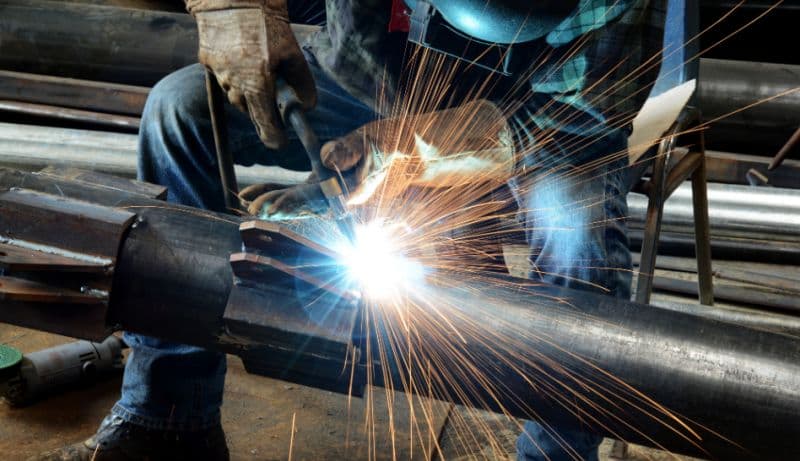
The critical components of the of the complete pellet production line equipment are built in our own workshops in Asia. Additional equipment is manufactured by our worldwide network of reliable partners.
● Testing
Quality Inspection & Testing
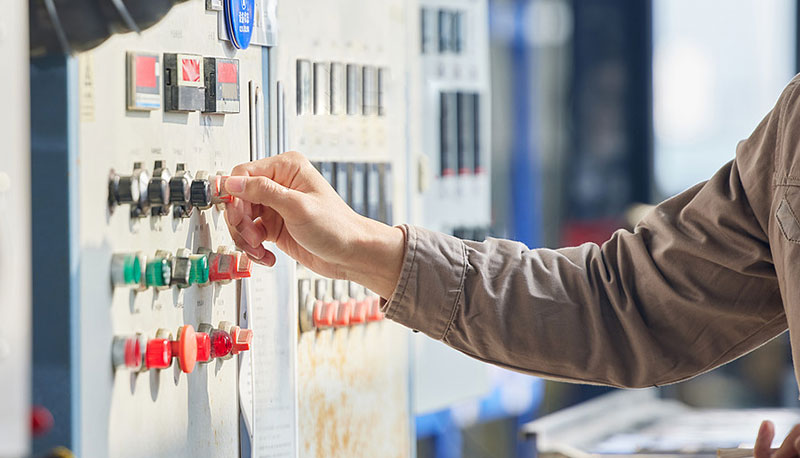
Before leaving the factory, all equipment will be inspected by the quality inspection department. We can also provide customers with testing services from a single machine to a complete pellet plant system, and provide you with real actual data for “worry-free use.”

● Delivery
Equipment Delivery
In equipment boxing and packaging, we adopt professional packaging and modular solutions to ensure the safe and non-destructive delivery of pellet plant equipment.
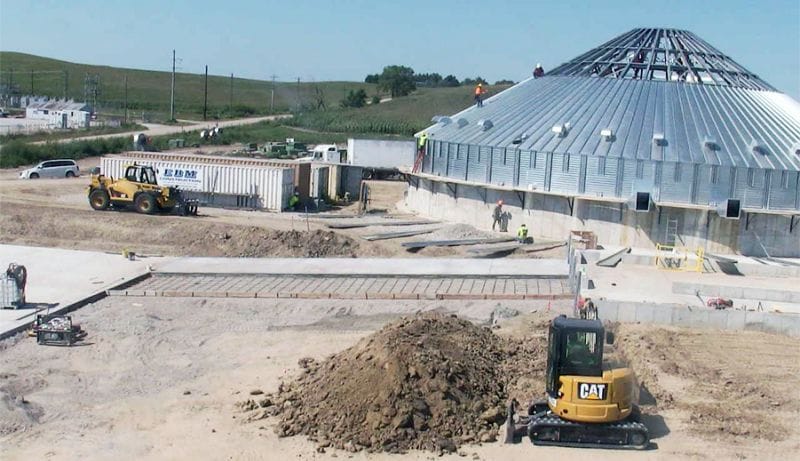
● Installation
Installation & Commissioning
Whether you choose your own subcontractor for the erection phase or you want to install everything together with us, a Richi supervisor will be around to make sure everything is mounted in a safe and thorough way.

● Training
Staff Training
We provide comprehensive training for the technicians of each project. We can also continue to provide support for the technicians during latter project operation.
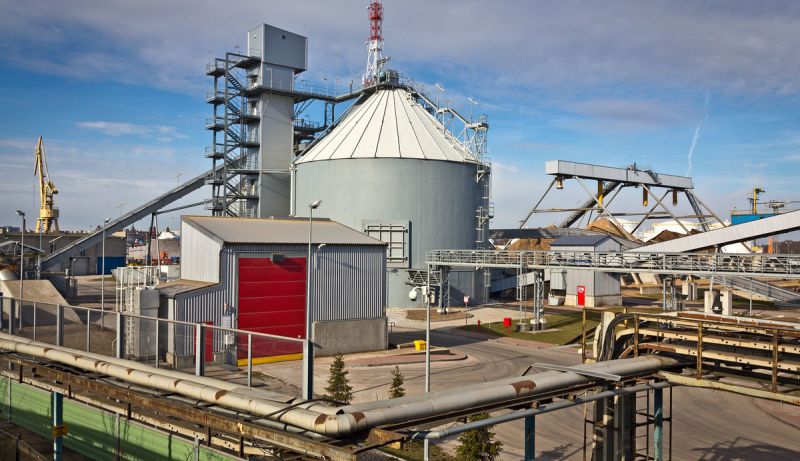
● After-sales
Project Follow-Up
When everything is up and running our Richiers will help you further whenever needed. We are ready to answer your call 24/7.We’ll also visit you regularly to learn about your needs.
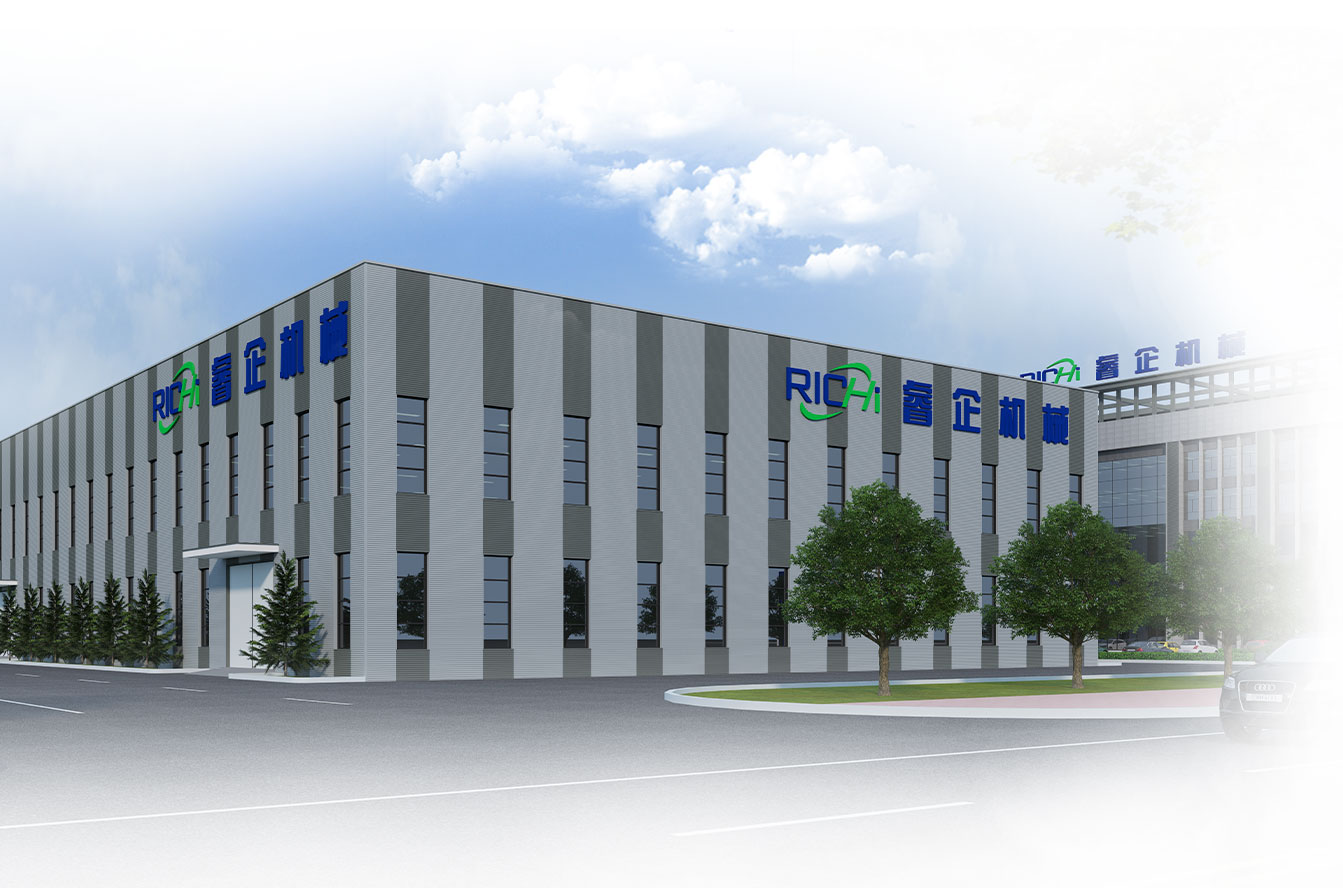
Who we are
RICHI Machinery is one of the world’s leading suppliers of technology and services for the animal feed, aqua feed and pet food industries, also the largest pellet production line manufacturer in China.
Since 1995, RICHI’s vision to build a first-class enterprise, to foster first-class employees, and to make first-class contributions to society has never wavered.
In the past three decades, we have expanded our business to a wide range of areas, including animal feed mill equipment, aqua feed equipment, pet feed equipment, biomass pellet equipment, fertilizer equipment, cat litter equipment, municipal solid waste pellets equipment, etc.

1995
RICHI Established

2000+
Serving More Than 2000 Customers

120+
RICHI Employees

140+
Exported To 140 Countries