 0086-138 3838 9622
Pig feed pellet plant in the Philippines
This is a project about a pig feed pellet plant in the Philippines In January 2025, a livestock farming enterprise in the Philippines took a decisive step toward improving the efficiency and value of its feed production.
The client, a medium-sized pig producer and feed seller with an existing mash feed milling facility, approached RICHI Machinery on January 21, 2025, with a clear vision: they wanted to transition part of their production line to pelletised feed for pigs.

RICHI MACHINERY
overview
For years, the company had been producing high-quality mash feed for their own pig farms and supplying local pig growers in nearby regions. However, they found that the local pig farming market was evolving.
More and more farmers were shifting from mash feed to pelleted feed due to the latter’s advantages in digestibility, reduced wastage, better feed conversion ratios, and ease of storage and handling. Recognizing this change in customer preference, the client knew they needed to adapt or risk losing competitiveness.
Originally, their inquiry was simple: “We have an existing feed milling facility that produces feed mash. We want to attach a pelletiser to produce feed pellets for pigs. We’re looking for a capacity.” That was the first message they sent to RICHI.
However, behind this simple question lay a larger plan. They were not merely looking to add a pellet machine — they wanted to future-proof their operation. RICHI’s technical team understood this immediately and, after several rounds of in-depth discussions and feasibility evaluations, proposed a comprehensive upgrade plan. This plan did not just add a pelletiser — it revitalized the entire feed processing flow, ensuring production quality and future scalability.
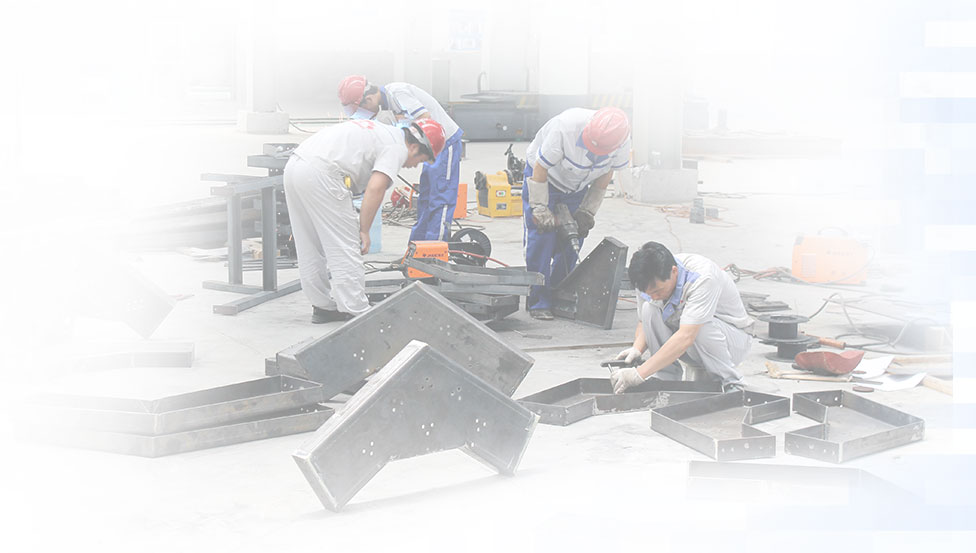
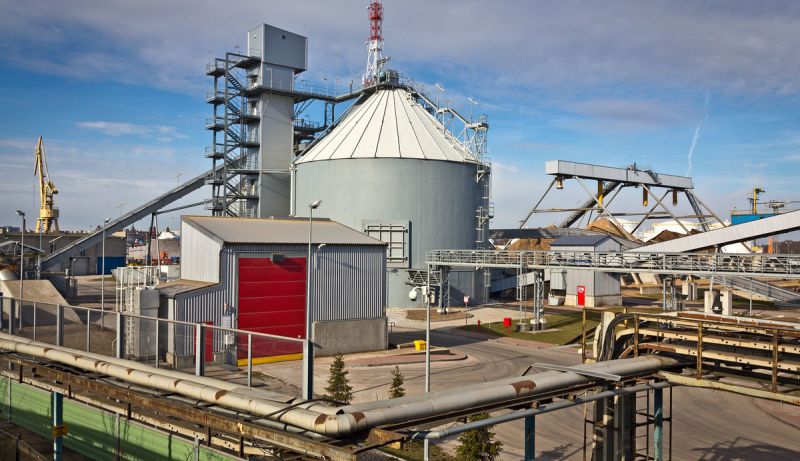
On May 29, 2025, after four months of technical consultations, design modifications, and detailed ROI evaluations, the client officially signed the pig feed pellet plant in the Philippines project contract with RICHI Machinery. The total equipment investment was $198,000 USD — a sum carefully calculated to deliver both immediate production benefits and long-term value. (The images above are not actual images and will be updated after the project is completed.)
20T/H
capacity
$198,000
investment
Philippines
location
Feed
project type
RICHI MACHINERY
Local Raw Materials: Abundant, Accessible, and Sustainable
The Philippines is rich in agricultural resources, which supports a steady supply of feed raw materials for pig production.
This client’s upgraded plant will continue to use locally sourced corn as the primary energy ingredient, combined with rice bran, wheat bran, soybean meal, copra meal, and fish meal for protein. Additionally, smaller amounts of premixes, vitamins, minerals, and essential amino acids are incorporated to ensure balanced nutrition tailored to the growth stages of pigs.
All these raw materials are sourced from domestic suppliers within the client’s province and nearby regions. This not only supports local agriculture but also reduces supply chain costs and stabilizes raw material availability — a key advantage in the increasingly competitive Southeast Asian feed market.
RICHI MACHINERY
A Customized Process Flow for Efficiency and Quality
The 20TPH pig feed pellet plant in the Philippines was designed with one goal in mind: maximum quality at optimal cost. Since the client already operated a functional crushing system and packaging unit, RICHI’s engineers focused on modernizing the mixing, pelleting, crumbling, and screening stages.
The upgraded process flow for this plant looks like this:
Feeding → Crushing (existing) → Mixing → Pelleting → Cooling → Crumbling → Screening → Packing (existing)

Here’s how each stage works in practice:
- Mixing: The upgraded mixing system ensures that each batch of raw material is uniformly blended before pelleting. This consistency is critical for ensuring that each pellet contains the intended nutrition levels, which directly affects animal health and growth performance.
- Pelleting: This is the core of the new system. Raw materials are conditioned with steam, pressed through ring dies, and formed into uniform, dense pig feed pellets. Pellets offer superior feed efficiency and are much easier for farmers to transport and store.
- Cooling: Freshly pelleted feed is hot and moist; the cooling stage removes excess heat and moisture, stabilizing pellet quality and preventing mold during storage.
- Crumbling: For different pig growth stages, especially piglets, feed needs to be smaller in size. The crumbling system breaks the standard pellets down into the required size without excessive fines.
- Screening: Finally, a robust screening system separates out any powder or broken pieces, ensuring only properly formed pellets reach the packaging stage.
With this tailor-made flow, the pig feed pellet plant in the Philippines can produce pig feed pellets with high nutritional integrity, low wastage, and high durability — all essential attributes for both in-house use and external sales.
RICHI MACHINERY
Versatility for Future Products
Although the current focus is on pig feed pellets, the upgraded 20TPH pig feed pellet plant in the Philippines is not limited to this.
With minor adjustments in raw material formulation and die configurations, this same line can produce feed pellets for poultry, cattle, sheep, or even aquatic animals such as fish, if the client decides to diversify. This production flexibility allows the client to adapt quickly to shifts in local market demand, helping them remain resilient in a competitive industry.
RICHI MACHINERY
Major Equipment at the Heart of the Plant
The following key machines make up the core of the new pig feed pellet plant in the Philippines:
- Mixing System: High-efficiency double-shaft paddle mixers for rapid and homogeneous blending.
- Pelleting System: A robust ring die pig feed pellet machine engineered for consistent performance and minimal downtime.
- Cooling System: Counterflow coolers that stabilize pellet temperature and moisture levels.
- Pellet Crumbling System: Precision rollers that crumble pellets to uniform sizes for younger pigs.
- Screening System: Multi-layer vibrating screens that ensure final product quality by removing fine powder and oversized pieces.
All equipment for pig feed pellet plant in the Philippines is engineered with wear-resistant materials and energy-saving features, which helps reduce operational costs and maintenance frequency over the long run.
RICHI MACHINERY
The Future of Pig Feed Pellets in the Philippines
Pig farming remains one of the backbones of the Philippine livestock industry. With changing market dynamics and a growing middle-class population, consumer demand for higher-quality pork is steadily increasing. This, in turn, raises the bar for feed quality and efficiency.
Today’s pig farmers are more informed and quality-focused than ever. Pelleted feeds help them improve daily weight gain, feed conversion ratios, and farm hygiene — all of which directly contribute to better farm profitability.
In this context, the client’s upgraded 20TPH pig feed mill positions them strongly in the local market. Not only can they serve their own growing farms with superior pellets, but they can also expand their sales network to supply neighboring pig farmers and cooperatives that lack their own pelleting capacity.
RICHI MACHINERY
An Investment with Long-Term Payback
This pig feed pellet plant in the Philippines project is more than a simple equipment purchase; it is a strategic transformation. By investing $198,000 USD in this Mixing & Pelleting & Crumbling & Screening System, the client has secured a clear path to higher feed quality, more stable production, and greater control over their product portfolio.
When the equipment ships out of the RICHI factory and begins installation in October 2025, it will mark the next milestone in the client’s business growth. Full operation is expected by the end of 2025 — a timeline that aligns perfectly with the region’s seasonal demand cycles and market trends.
RICHI MACHINERY
Building Success Together
For RICHI Machinery, this pig feed pellet plant in the Philippines project showcases more than technical excellence — it demonstrates the power of partnership and trust. The client started with a simple question and a single machine in mind but found a partner capable of delivering a comprehensive upgrade plan tailored to their exact needs.
By investing in proven, customizable feed machinery and local service support, the client gains not only reliable equipment but also peace of mind. They know they have a partner ready to help them scale up, diversify, and stay competitive in an ever-changing market.
In a world where animal nutrition and food safety standards grow more demanding each year, projects like this one remind us that strategic investments today are the foundation for sustainable farming tomorrow.
If you’re considering upgrading your feed production, or starting a new feed pellet line, RICHI Machinery’s experience, technical knowledge, and end-to-end solutions stand ready to help you turn your plans into profitable reality. This pig feed pellet plant in the Philippines is living proof that smart investments in feed technology pay off — for the producer, for the local agricultural community, and for the future of livestock farming in Southeast Asia.
● RICHI MACHINERY
RICHI Service

● Consulting
Customer Consultation
We want to have a deep understanding of your industrial process, to know your exact needs of feed, wood, biomass, fertilizer or other pellet processing.

● Design
feed Pellet Plant Design
Based on your unique situation and industrial process, we will tailor complete animal feed mill plant you need, and inform you of every additional detail that could facilitate operation, minimize total cost.
● Manufacturing
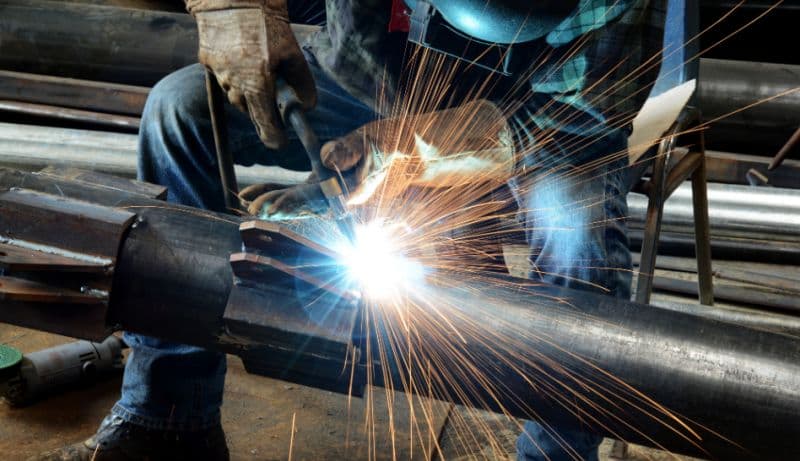
Equipment Manufacturing
The critical components of the of the complete animal feed production line equipment are built in our own workshops in Asia. Additional equipment is manufactured by our worldwide network of reliable partners.
● Testing
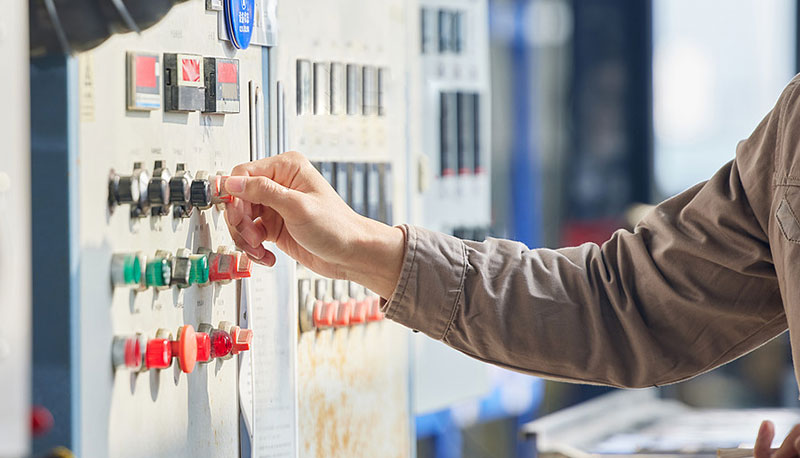
Quality Inspection & Testing
Before leaving the factory, all equipment will be inspected by the quality inspection department. We can also provide customers with testing services from a single machine to a complete pellet plant system, and provide you with real actual data for “worry-free use.”

● Delivery
Equipment Delivery
In equipment boxing and packaging, we adopt professional packaging and modular solutions to ensure the safe and non-destructive delivery of feed mill equipment.
● Installation
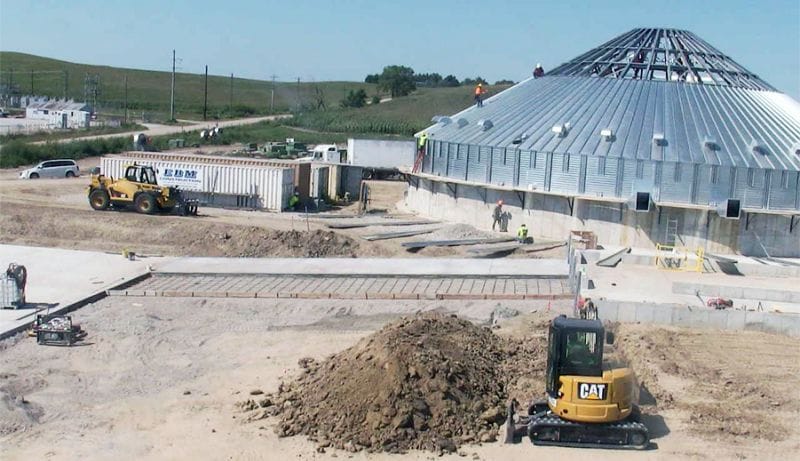
Installation & Commissioning
Whether you choose your own subcontractor for the erection phase or you want to install everything together with us, a Richi supervisor will be around to make sure everything is mounted in a safe and thorough way.

● Training
Staff Training
We provide comprehensive training for the technicians of each animal feed factory project. We can also continue to provide support for the technicians during latter project operation.
● After-sales
Project Follow-Up
When everything is up and running our Richiers will help you further whenever needed. We are ready to answer your call 24/7.We’ll also visit you regularly to learn about your needs.
Who we are
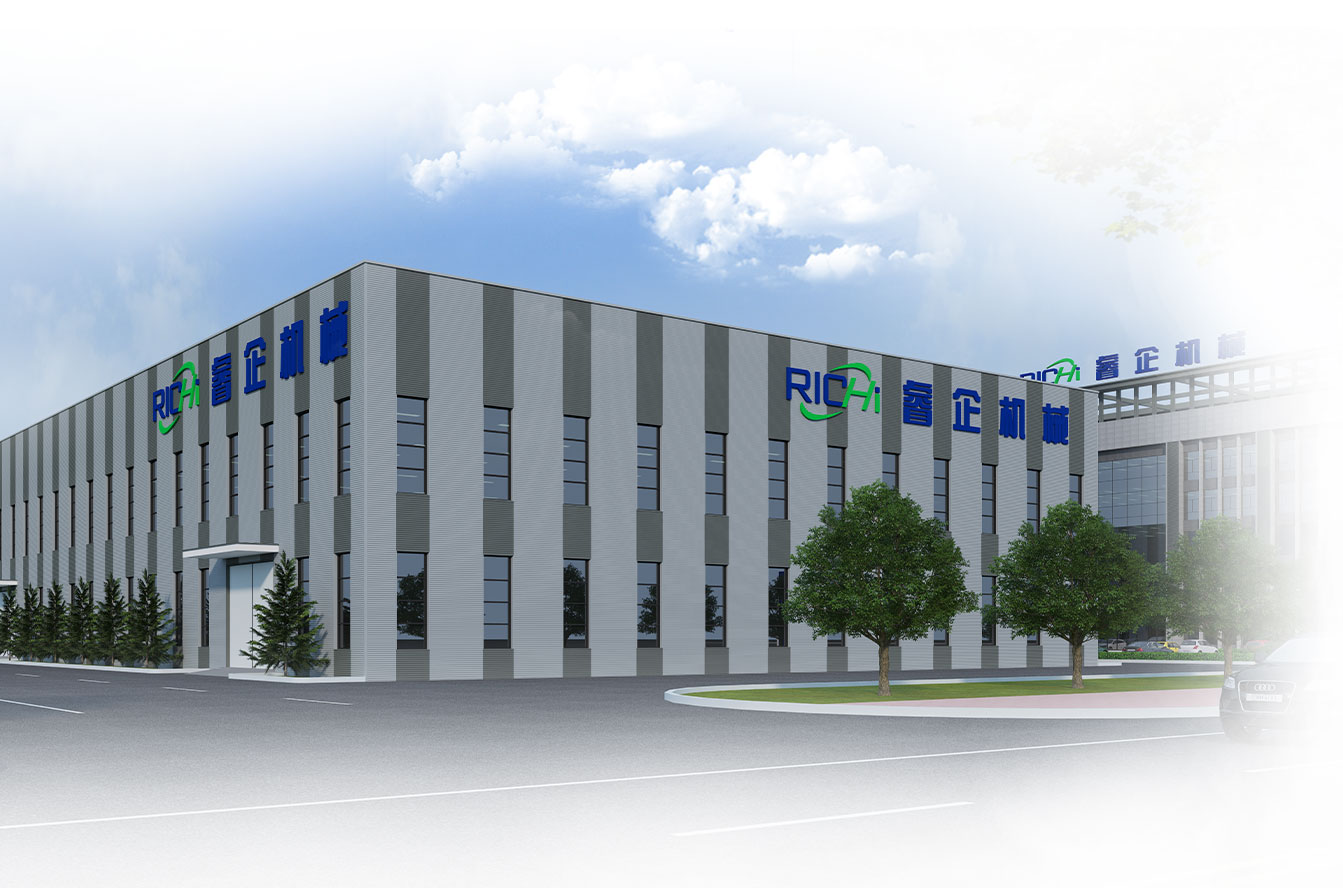
RICHI Machinery is one of the world’s leading suppliers of technology and services for the animal feed, aqua feed and pet food industries, also the largest pellet production line manufacturer in China.
Since 1995, RICHI’s vision to build a first-class enterprise, to foster first-class employees, and to make first-class contributions to society has never wavered.
In the past three decades, we have expanded our business to a wide range of areas, including animal feed mill equipment, aqua feed equipment, pet feed equipment, biomass pellet equipment, fertilizer equipment, cat litter equipment, municipal solid waste pellets equipment, etc.

1995
RICHI Established

2000+
Serving More Than 2000 Customers

120+
RICHI Employees

140+
Exported To 140 Countries