 0086-138 3838 9622
Multifunctional Fuel Pellet Production Line in Poland
RICHI MACHINERY
Project Overview
This 25t/h multifunctional fuel pellet production line in Poland is a large-scale integrated solid fuel processing facility designed to handle multiple waste streams, including industrial general solid waste, construction waste-derived combustibles, municipal mixed waste fractions, and agricultural biomass. The final products include RDF fuel rods (Refuse Derived Fuel) and biomass fuel rods, both compliant with fuel standards for thermal power generation.
The biomass pellet project was developed based on the client’s long-term strategy to participate in the circular economy and waste-to-energy sector. With a total annual output of 120,000 tons, the plant is designed to operate continuously with a high degree of automation, enabling stable processing of heterogeneous raw materials with varying moisture content and physical characteristics.
25T/H
capacity
$1.35 million
investment
Poland
location
Fuel
project type
RICHI MACHINERY
Project Highlights
The 25t/h multifunctional fuel pellet production line in Poland integrates waste sorting, shredding, drying, pelletizing, and emissions control into a unified production system. The facility utilizes modular workshops, allowing flexible allocation of RDF and biomass production lines within existing industrial buildings.
Key features include:
- Dual production system: RDF fuel rods + biomass fuel rods
- High-capacity shredding, crushing, and pelletizing equipment
- Fully enclosed conveying and dust collection systems
- Thermal drying system using natural gas indirect heating
- Integrated environmental protection systems (dust, wastewater, odor control)
- Centralized material handling and automated logistics flow
This configuration ensures that the 25t/h biomass pellet plant can process diverse feedstocks while maintaining stable output quality and compliance with European environmental standards.
RICHI MACHINERY
Client Background and Investment Motivation
The operational project is established in Poland due to access to stable waste streams and strong demand for alternative fuels in the European energy market.
Poland has been actively transitioning toward renewable energy and alternative fuels, particularly in industrial heating and cement/power generation sectors. The availability of:
- Industrial waste (textile scraps, wood waste)
- Construction and demolition waste
- Municipal solid waste fractions
- Agricultural residues (straw, wood chips, husks)
makes it an ideal location for a multifunctional fuel pellet production line in Poland.
The client’s goal was to build a flexible platform capable of:
- Converting heterogeneous waste into standardized fuel products
- Supplying RDF to power plants and cement kilns
- Producing biomass pellets for boilers and heating systems
- Achieving stable long-term revenue through diversified feedstock sourcing
RICHI MACHINERY
Project Composition
Engineering Components
| Category | Section | Description |
| Main Engineering | Office Building | 5-storey administrative office |
| Workshop 1 | Biomass wet material pretreatment (shredding & drying) | |
| Workshop 2 | RDF & biomass pellet production workshop and warehouse | |
| Workshop 3 | Material sorting, crushing, and screening | |
| Workshop 4 | Finished product warehouse and general solid waste storage | |
| Workshop 5 | Waste crushing area and hazardous waste storage | |
| Utilities | Water Supply | Municipal water supply system |
| Drainage | Rainwater and wastewater separation system | |
| Power Supply | Regional electrical grid | |
| Environmental | Dust Control | Bag filters + cyclone separators |
| Wastewater | Reuse after treatment | |
| Noise Control | Enclosures and damping systems | |
| Storage & Transport | Storage | Raw material and finished product warehouses |
| Transport | Forklifts and loaders for internal logistics |
RICHI MACHINERY
Production Capacity
| Product | Annual Output (10,000 t units) | Application |
|---|---|---|
| RDF Fuel Pellets | 90,000 t/a | Used in power plants and industrial boilers |
| Biomass Fuel Pellets | 30,000 t/a | Used as renewable solid fuel |
RICHI MACHINERY
Main Equipment Configuration
| Section | Equipment | Quantity | Function |
| RDF Line | Shredder | 1 | Processing textiles and soft waste |
| Crusher | 1 | Crushing wood and solid waste | |
| Hammer Mill | 2 | Fine grinding | |
| RDF Pellet Mill | 6 | Fuel rod forming | |
| Conveying System | Multiple | Enclosed material transport | |
| Biomass Line | Crusher | 1 | Raw biomass size reduction |
| Dryer System (Natural Gas) | 1 set | Moisture reduction | |
| Biomass Fuel Pellet Machine | 3 | Biomass pelletizing | |
| Feeding & Storage System | Multiple | Buffer and storage | |
| Auxiliary | Forklift / Loader | Several | Material handling |
RICHI MACHINERY
Raw Materials Overview
RDF Production Raw Materials
| Category | Material Type | Annual Consumption |
|---|---|---|
| Industrial Waste | Textile waste, wood scraps, shoe materials | 4.7 million tons |
| Construction Waste | Recovered combustibles | 2.9 million tons |
| Mixed Waste | Sorted combustible fractions | 2.0 million tons |
Biomass Raw Materials
| Category | Material Type | Annual Consumption |
|---|---|---|
| Agricultural Waste | Straw, corn cobs, husks | 3.929 million tons |
RICHI MACHINERY
Production Process Flow
RDF Fuel Rod Production Process
- Raw Material Receiving & Feeding: Municipal solid waste (MSW) or similar combustible waste is delivered to the plant and unloaded into the receiving area. Materials are then fed into the system via enclosed conveyors or loaders. Initial manual sorting may be applied to remove large impurities or hazardous materials.
- Primary Shredding: The raw waste is transported via enclosed belt conveyors into a primary shredder. This step reduces large and bulky materials into smaller pieces (typically 100–300 mm) suitable for further processing.
- Secondary Shredding: The pre-shredded materials are conveyed to a secondary crusher for further size reduction. The output size is typically reduced to 30–80 mm to ensure better uniformity.
- Screening and Separation: The crushed materials pass through a screening system. Oversized particles are returned to the crusher for reprocessing. At this stage, ferrous metals are removed using magnetic separators, and lightweight/non-combustible fractions may be separated using air classification systems.
- Drying: The processed materials are transported to a rotary drum dryer through enclosed conveyors. The drying system reduces moisture content to approximately 10%–20%, using hot air generated from a combustion system. This step ensures the material is suitable for densification.
- Fine Size Reduction: Depending on the material composition, a fine crusher or hammer mill may be used to further refine particle size, improving pelletizing consistency.
- Pelletizing / Densification: The dried and sized RDF material is fed into a pellet mill or briquetting machine. Under high pressure, the material is compressed into solid fuel pellets without or with minimal binder addition.
- Cooling: Fresh pellets are discharged at high temperature and are conveyed to a counterflow cooler. This step reduces temperature and stabilizes pellet structure to prevent deformation.
- Final Screening: The cooled pellets are screened to remove fines and broken particles. Rejected fines are recycled back into the pelletizing system.
- Storage and Packaging: Qualified RDF pellets are conveyed to storage silos or sent to an automatic packaging system for bagging or bulk loading.
Biomass Fuel Rod Production Process
- Raw Material Receiving & Storage: Biomass raw materials such as wood chips, sawdust, straw, or agricultural residues are delivered and stored in the raw material yard or bins.
- Feeding System: Materials are fed into the biomass pellet production line via loaders, screw conveyors, or chain conveyors depending on plant layout.
- Crushing / Size Reduction: Raw biomass is processed through a hammer mill or wood crusher to achieve a uniform particle size (typically 3–5 mm). This improves pelletizing efficiency and final pellet quality.
- Drying: If the raw material moisture content is too high, it is sent to a rotary drum dryer. The moisture is reduced to approximately 10%–15% using a hot air system.
- Material Conditioning: Before pelletizing, materials may pass through a conditioning process where moisture or steam is added. This helps improve material plasticity and activates lignin for better binding.
- Pelletizing: The conditioned material is fed into a ring die biomass pellet mill. Under high temperature and pressure, the biomass is compressed into cylindrical pellets, relying on natural lignin as a binder.
- Cooling: The freshly produced pellets are transported to a counterflow cooler to reduce temperature and increase hardness and durability.
- Screening: Pellets pass through a vibrating screen to separate fines and broken pellets. The separated fines are recycled back into the biomass pellet press.
- Packaging / Storage: Qualified pellets are stored in silos or packed into bags (e.g., small bags or ton bags) for shipment and sale.
RICHI MACHINERY
Environmental Protection System
The 25t/h multifunctional fuel pellet production line in Poland adopts a comprehensive environmental control strategy:
Air Emissions
- Dust from crushing, conveying, and pelletizing is collected via:
- Cyclone separators
- Baghouse filters
- Spray oxidation systems
- Natural gas combustion exhaust is discharged through 15m stacks
Wastewater Treatment
- Domestic wastewater treated via septic systems
- Production wastewater recycled after treatment
- Spray and condensation water reused for road dust suppression
Solid Waste Management
- Recyclable metals and glass separated and sold
- Dust collected and reused in production
- Hazardous waste stored in dedicated warehouse
RICHI MACHINERY
Utility Consumption
| Resource | Annual Consumption |
|---|---|
| Water | 1,255 m³ |
| Electricity | 19.6 million kWh |
| Natural Gas | 177,000 m³ |
RICHI MACHINERY
Operational Conditions
- Workforce: 30 personnel
- Operation mode: Two-shift system
- Working hours: 8 hours/shift
- Annual operation days: 300 days
RICHI MACHINERY
Why This 25 t/h Multifunctional Fuel Pellet Production Line in Poland Is a Strong Investment
This fuel pellet plant project demonstrates several key advantages:
- Diversified raw material sourcing reduces supply risk
- Dual product system increases revenue stability
- High-capacity design (25t/h) ensures economies of scale
- Strict environmental compliance aligns with EU regulations
- Flexible feedstock adaptability supports long-term operation
RICHI MACHINERY
Our Role in the Project
From concept to commissioning, we provided:
- Process design and capacity planning
- Customized layout for existing workshop structures
- Equipment manufacturing and integration
- Installation guidance and commissioning support
- Operator training and after-sales service
- Spare parts supply and technical upgrades
This project reflects not just equipment delivery, but a complete turnkey pellet plant solution, enabling the client to successfully launch and operate a 25t/h multifunctional fuel pellet production line in Poland from the ground up.
● RICHI MACHINERY
RICHI Service

● Consulting
Customer Consultation
We want to have a deep understanding of your industrial process, to know your exact needs of feed, wood, biomass, fertilizer or other pellet processing.

● Design
biomass Pellet Plant Design
Based on your unique situation and industrial process, we will tailor complete pellet plant you need, and inform you of every additional detail that could facilitate operation, minimize total cost.
● Manufacturing
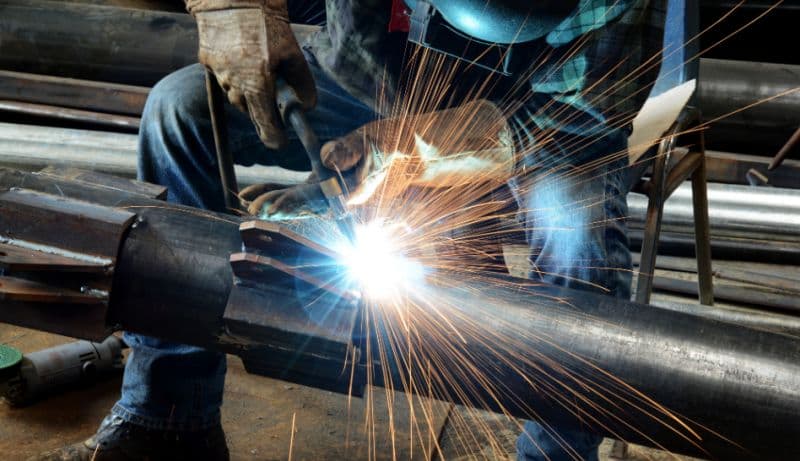
Equipment Manufacturing
The critical components of the of the complete pellet production line equipment are built in our own workshops in Asia. Additional equipment is manufactured by our worldwide network of reliable partners.
● Testing
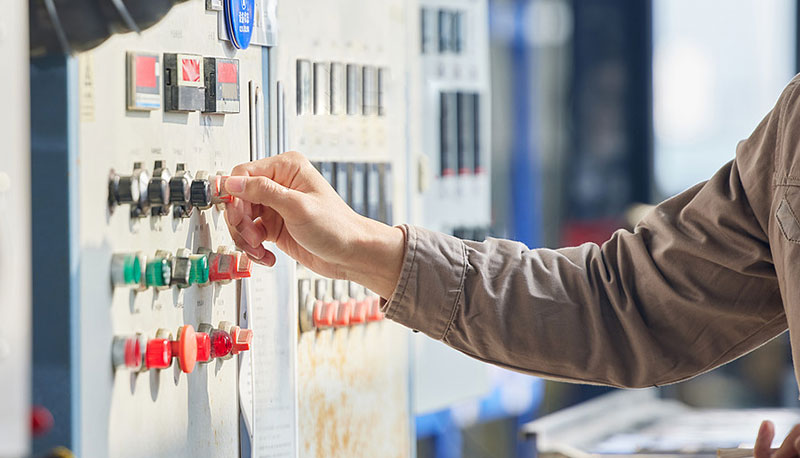
Quality Inspection & Testing
Before leaving the factory, all equipment will be inspected by the quality inspection department. We can also provide customers with testing services from a single machine to a complete pellet plant system, and provide you with real actual data for “worry-free use.”

● Delivery
Equipment Delivery
In equipment boxing and packaging, we adopt professional packaging and modular solutions to ensure the safe and non-destructive delivery of pellet plant equipment.
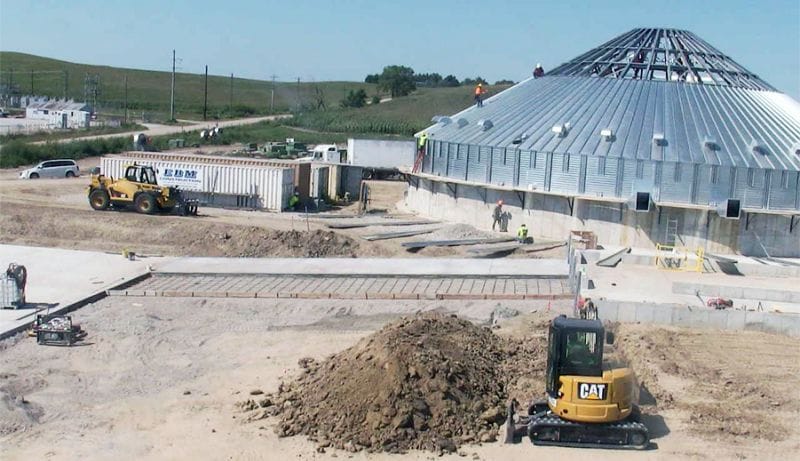
● Installation
Installation & Commissioning
Whether you choose your own subcontractor for the erection phase or you want to install everything together with us, a Richi supervisor will be around to make sure everything is mounted in a safe and thorough way.

● Training
Staff Training
We provide comprehensive training for the technicians of each project. We can also continue to provide support for the technicians during latter project operation.
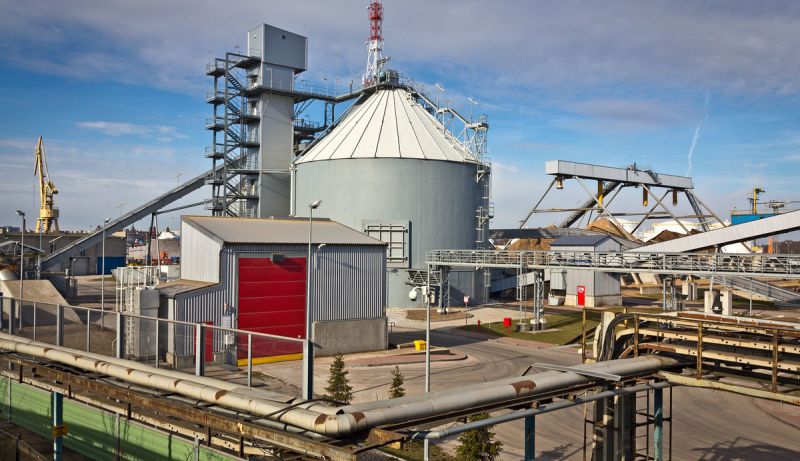
● After-sales
Project Follow-Up
When everything is up and running our Richiers will help you further whenever needed. We are ready to answer your call 24/7.We’ll also visit you regularly to learn about your needs.
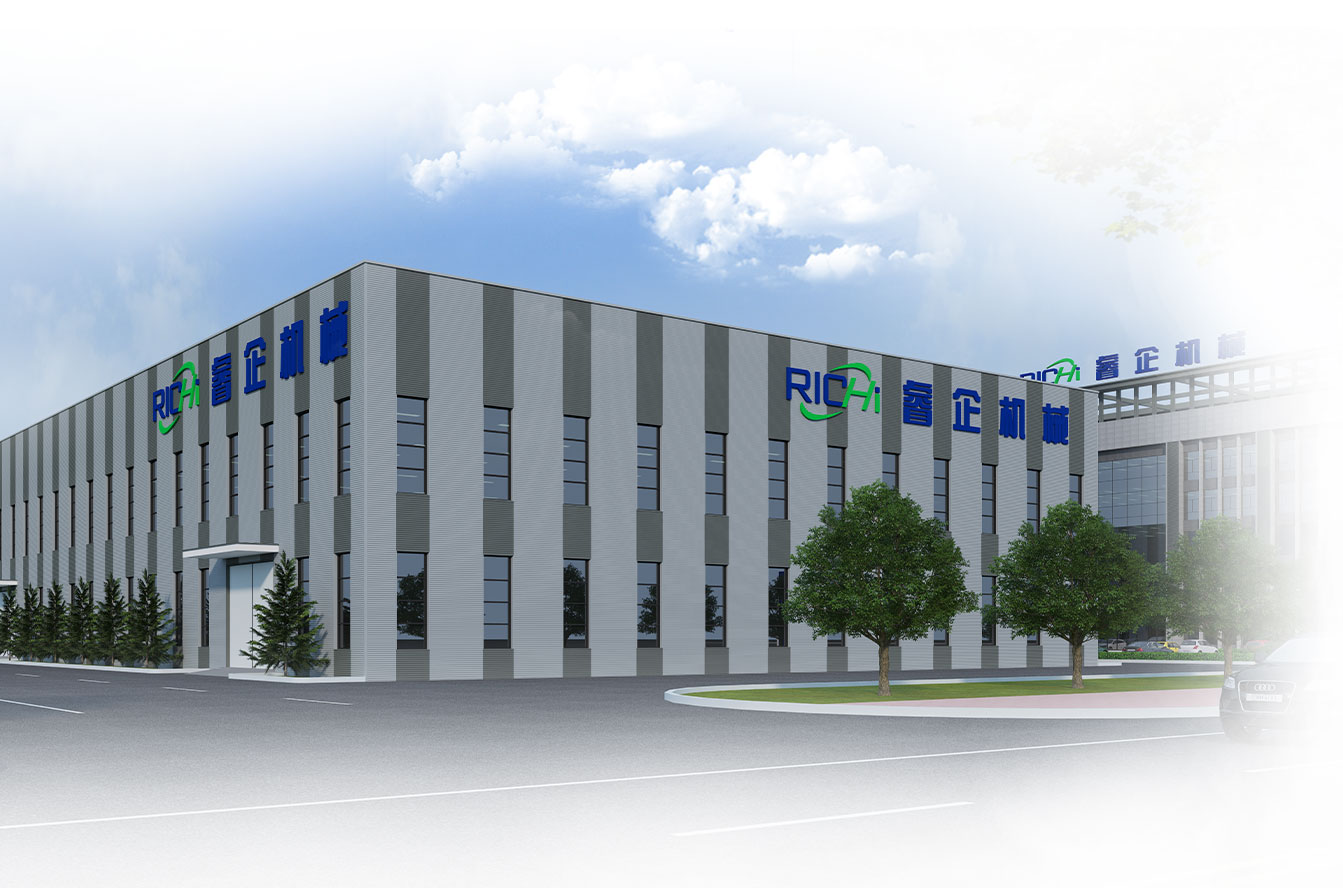
Who we are
RICHI Machinery is one of the world’s leading suppliers of technology and services for the animal feed, aqua feed and pet food industries, also the largest pellet production line manufacturer in China.
Since 1995, RICHI’s vision to build a first-class enterprise, to foster first-class employees, and to make first-class contributions to society has never wavered.
In the past three decades, we have expanded our business to a wide range of areas, including animal feed mill equipment, aqua feed equipment, pet feed equipment, biomass pellet equipment, fertilizer equipment, cat litter equipment, municipal solid waste pellets equipment, etc.

1995
RICHI Established

2000+
Serving More Than 2000 Customers

120+
RICHI Employees

140+
Exported To 140 Countries