 0086-138 3838 9622
Small Biomass Wood Agricultural Residues Pellet Plant in Chile
RICHI MACHINERY
Project Snapshot
This 1–1.5 t/h small biomass wood agricultural residues pellet plant in Chile wasn’t planned as a large investment at the beginning. The client started with a very practical question: “We already have sawdust and crop waste piling up—can this be turned into fuel instead of waste?”
The project eventually developed into a compact but fully functional biomass pellet production line, designed for mixed raw materials. The plant produces about 3000 tons of biomass fuel pellets per year, running one shift daily with a small team of 8 operators.
Another important point—this small biomass pellet plant in Chile was built inside an existing industrial yard. No fancy infrastructure. Limited space. That shaped almost every engineering decision we made later.
1-1.5T/H
capacity
USD 65,000
investment
Chile
location
Fuel
project type
RICHI MACHINERY
Project Overview
This 1–1.5 t/h small biomass wood agricultural residues pellet plant in Chile is designed for flexible raw material handling and stable daily production.
The system integrates crushing, drying, pelletizing, and packing into a compact layout, keeping investment under control while ensuring consistent pellet quality.
At its core, this biomass pelletizing plant focuses on balancing moisture and particle size, since the client uses mixed feedstock: wood waste + agricultural residues.
Basic Project Information
| Item | Data |
|---|---|
| Project Type | Biomass pellet fuel processing plant |
| Capacity | 1–1.5 t/h |
| Annual Output | 3000 tons/year |
| Working Days | 300 days/year |
| Working Hours | 8 hours/day |
| Labor | 8 people |
| Total Investment | ~USD 110,000 |
| Equipment Cost | ~USD 65,000 |
| Location | Central Chile |
| Plant Area | 3176 m² |
RICHI MACHINERY
How the Inquiry Started
The first email came in March 2024. It wasn’t detailed.
Just a few lines:
“We have wood waste and crop residues. Moisture high. Want small pellet machine line. Budget limited.”
We’ve seen this many times. When the conversation continued, the real situation became clearer:
- The client runs a small wood processing yard
- Nearby farms produce corn stalks, peanut shells, and straw
- Raw materials are seasonal and inconsistent
- Storage space is limited
- Electricity supply is stable, but fuel cost is high
By May 2024, after several layout revisions and material testing discussions, the contract was signed.
RICHI MACHINERY
Raw Materials
In Chile, raw materials are not as uniform as in large forestry countries. That’s why this biomass wood pellet plant construction project was designed to accept mixed inputs.
Before finalizing the design, we asked the client to send moisture and size estimates. The numbers weren’t perfect, but good enough.
Raw Material Composition
| Material Type | Proportion | Annual Volume (t) | Moisture |
|---|---|---|---|
| Wood waste (sawdust, bark, branches) | 85% | 4485 | ~30% |
| Agricultural residues | 15% | Included above | 25–35% |
Typical agricultural materials:
- Corn stalks
- Peanut shells
- Rice straw (limited)
- Tobacco stems (seasonal)
One issue we noticed early:
Wood material was fine, but agricultural residues were too fibrous and uneven.
So we adjusted the crushing stage accordingly.
RICHI MACHINERY
Energy & Utility Consumption
| Item | Consumption | Source |
|---|---|---|
| Water | 120 m³/year | Municipal |
| Electricity | 300,000 kWh/year | Grid |
Water is mainly used for domestic use, not production. No wet processing here.
RICHI MACHINERY
Equipment Configuration
We didn’t overload this project with too many machines. The idea was simple: keep it reliable.
Crushing Section
| Equipment | Quantity |
|---|---|
| Feeding conveyor | 1 |
| Crusher | 1 |
| Hammer mill | 1 |
| Fan system | 1 |
| Cyclone separator | 1 |
| Bag dust collector | 1 |
Drying Section
| Equipment | Quantity |
|---|---|
| Conveyor | 2 |
| Hot air furnace | 1 |
| Rotary dryer | 1 |
| Induced draft fan | 1 |
| Cyclone | 1 |
| Buffer silo | 1 |
Pelletizing Section
| Equipment | Quantity |
|---|---|
| Feeding conveyor | 1 |
| Screw feeder | 1 |
| Biomass pellet mill (90 kW) | 1 |
| Dust collector | 1 |
Cooling & Packing
| Equipment | Quantity |
|---|---|
| Finished conveyor | 1 |
| Packing machine | 1 |
RICHI MACHINERY
Process Flow
This small biomass pelletizing line in Chile follows a fairly standard process—but the details matter.
1. Pre-crushing
- Raw materials reduced to 10–30 mm
- Necessary for agricultural residues
- Helps avoid blockage in hammer mill
Small note:
The client initially skipped this step to save cost.
It didn’t work. We added it back later.
2. Fine Crushing
- Output size: <5 mm
- Ensures good pellet formation
- Dust controlled via cyclone + bag filter
3. Drying
- Moisture reduced from ~30% → 15%
- Temperature: 50–60°C
- Residence time: ~20 minutes
The first week after commissioning:
“Material sometimes too wet, sometimes too dry.”
We adjusted airflow and feeding speed. After that, stable.
4. Pelletizing
This is where things get sensitive.
- Temperature inside die: 70–110°C
- Lignin softens → natural binder
- No additives used
If moisture is wrong:
- Too wet → soft pellets
- Too dry → high wear, low output
5. Cooling & Packing
- Pellets cooled naturally
- Packed into 20–40 kg bags
RICHI MACHINERY
Environmental Handling
Instead of complex systems, we used practical solutions:
Air Emissions
- Cyclone + bag filter system
- Central exhaust stack (~15 m)
- Fan airflow: 8000–10000 m³/h
Wastewater
- Only domestic wastewater
- Treated via septic system
- Reused for nearby land
Solid Waste
| Type | Handling |
|---|---|
| Dust | Recycled into production |
| Ash | Sold as fertilizer |
| Domestic waste | Municipal collection |
Noise Control
- Fully enclosed workshop
- Equipment base damping
- Layout separation
RICHI MACHINERY
Layout Considerations
The site wasn’t large, so layout mattered.
- Raw material yard near entrance (north side)
- Production workshop south side
- Office west side
We kept material flow mostly linear, avoiding backtracking.
RICHI MACHINERY
Shipping & Delivery
- Departure Port: Qingdao Port, China
- Arrival Port: Port of San Antonio, Chile
Delivery time: ~35 days
Installation team arrived about 10 days after equipment delivery.
RICHI MACHINERY
Timeline
| Stage | Time |
|---|---|
| First Inquiry | March 2024 |
| Technical Proposal | April 2024 |
| Contract Signing | May 2024 |
| Production | June–August 2024 |
| Shipment | September 2024 |
| Installation | October 2024 |
| Trial Run | November 2024 |
RICHI MACHINERY
A Few Observations After Running
After about 2 months of operation:
- Output stabilized around 1.2 t/h
- Dust recovery worked better than expected
- Agricultural residues needed stricter size control
One thing the operator said:
“The machine is stable, but raw material is never stable.”
That’s actually the key challenge in small biomass plants.
RICHI MACHINERY
Market Outlook in Chile
Chile’s energy market is shifting quietly.
- Increasing pressure to reduce fossil fuel use
- Industrial users looking for alternative fuels
- Agricultural waste still underutilized
Small-scale biomass pellet plants in Chile are not yet saturated. Especially in regions with mixed farming and forestry.
This kind of 1–1.5 t/h biomass wood pellet production line fits well for:
- Small factories
- Agricultural cooperatives
- Local fuel suppliers
This biomass pellet project is not large. Not complex either.
But it’s realistic.
That’s usually what works best.
We didn’t just supply a biomass fuel pellet machine—we helped the client figure out:
- how to use mixed raw materials
- how to stabilize moisture
- how to keep investment under control
If you’re planning something similar, the first thing worth checking isn’t the machine.
It’s your raw material.
Everything else follows from that.
● RICHI MACHINERY
RICHI Service

● Consulting
Customer Consultation
We want to have a deep understanding of your industrial process, to know your exact needs of feed, wood, biomass, fertilizer or other pellet processing.

● Design
biomass Pellet Plant Design
Based on your unique situation and industrial process, we will tailor complete pellet plant you need, and inform you of every additional detail that could facilitate operation, minimize total cost.
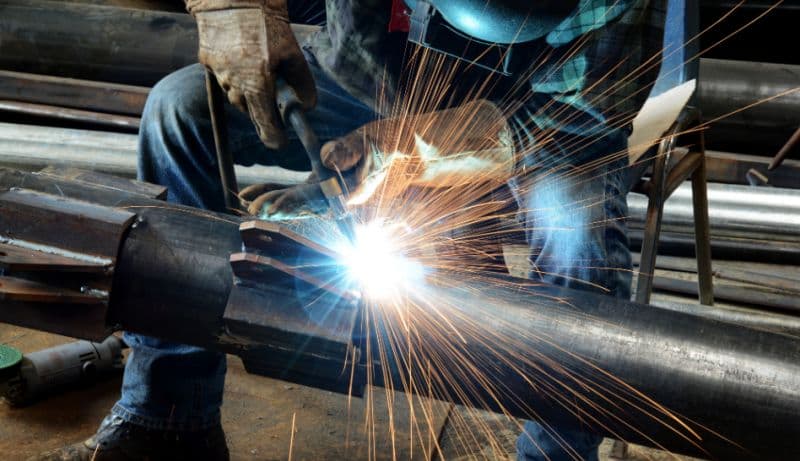
● Manufacturing
Equipment Manufacturing
The critical components of the of the complete pellet production line equipment are built in our own workshops in Asia. Additional equipment is manufactured by our worldwide network of reliable partners.
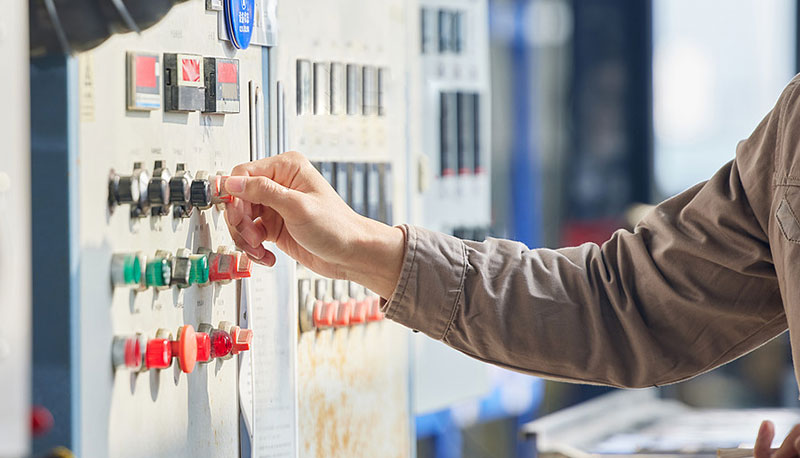
● Testing
Quality Inspection & Testing
Before leaving the factory, all equipment will be inspected by the quality inspection department. We can also provide customers with testing services from a single machine to a complete pellet plant system, and provide you with real actual data for “worry-free use.”

● Delivery
Equipment Delivery
In equipment boxing and packaging, we adopt professional packaging and modular solutions to ensure the safe and non-destructive delivery of pellet plant equipment.
● Installation
Installation & Commissioning
Whether you choose your own subcontractor for the erection phase or you want to install everything together with us, a Richi supervisor will be around to make sure everything is mounted in a safe and thorough way.

● Training
Staff Training
We provide comprehensive training for the technicians of each project. We can also continue to provide support for the technicians during latter project operation.
● After-sales
Project Follow-Up
When everything is up and running our Richiers will help you further whenever needed. We are ready to answer your call 24/7.We’ll also visit you regularly to learn about your needs.
Who we are
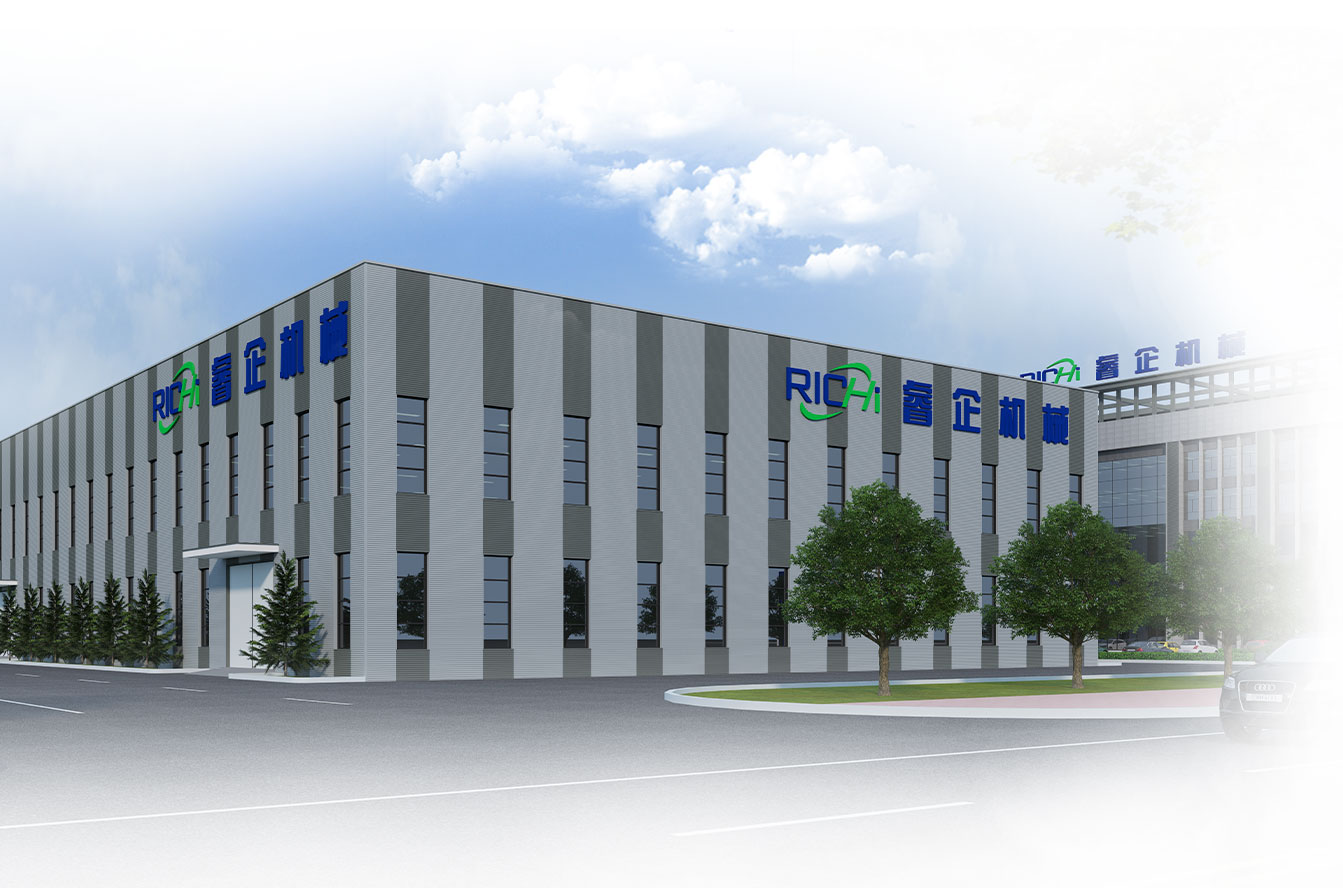
RICHI Machinery is one of the world’s leading suppliers of technology and services for the animal feed, aqua feed and pet food industries, also the largest pellet production line manufacturer in China.
Since 1995, RICHI’s vision to build a first-class enterprise, to foster first-class employees, and to make first-class contributions to society has never wavered.
In the past three decades, we have expanded our business to a wide range of areas, including animal feed mill equipment, aqua feed equipment, pet feed equipment, biomass pellet equipment, fertilizer equipment, cat litter equipment, municipal solid waste pellets equipment, etc.

1995
RICHI Established

2000+
Serving More Than 2000 Customers

120+
RICHI Employees

140+
Exported To 140 Countries