 0086-138 3838 9622
Large Poultry Feed Factory in Brazil
RICHI MACHINERY
overview
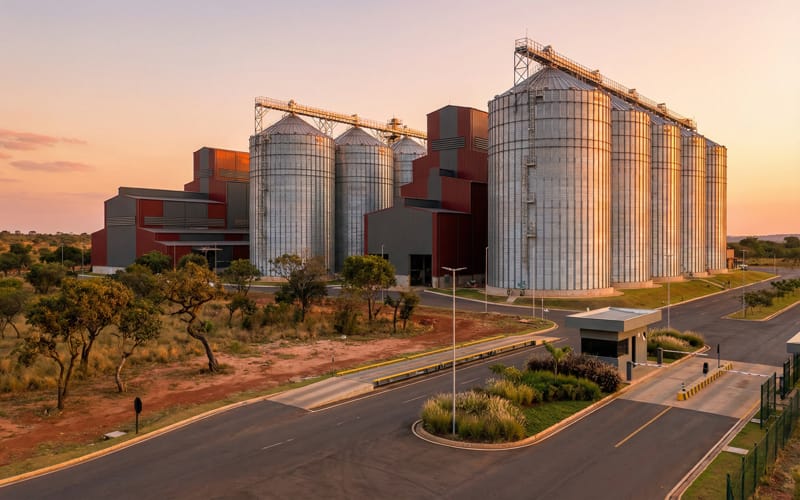
In mid-2020, RICHI Machinery completed the engineering design, equipment manufacturing, and technical commissioning support for a large poultry feed factory in Brazil, located in the state of Minas Gerais. This landmark project represents a strategic investment by one of Brazil’s major agricultural producers, designed to produce 300,000 tons annually of high-quality poultry feed for integrated broiler and layer operations throughout the region.
The large poultry feed factory in Brazil was developed by a subsidiary of a major Brazilian agribusiness group with extensive operations across the livestock sector. As part of a vertically integrated production system encompassing breeding farms, hatcheries, and animal feed processing plants, this feed mill serves as the nutritional backbone for the company’s poultry operations, which include multiple slaughterhouses and distribution centers throughout southeastern Brazil.
Brazil’s animal feed industry continues to demonstrate remarkable resilience and growth. According to the National Union of the Animal Feed Industry (Sindirações), total feed production in Brazil is projected to reach approximately 89.9 million tonnes in 2025, with the poultry sector accounting for the largest share—broiler feed alone expected to reach 37.9 million tonnes. This large poultry feed factory in Brazil positions the client to capture value from this expanding market while ensuring supply security for their own integrated operations.
Located on a 26,667 m² site (approximately 6.6 acres), this large poultry feed factory in Brazil encompasses 66,796.58 m² of built area, including a six-story main process tower, multiple storage silos, administration buildings, and support facilities. The facility operates 310 days per year, with two 8-hour shifts, producing approximately 967 tons of finished feed daily.
The total investment for this large poultry feed factory in Brazil reached USD 9.8 million, with equipment investment of approximately USD 4.5 million (FOB Qingdao) . The project was completed on an accelerated timeline, with commercial production commencing in August 2020.
60T/H
capacity
$ 4.5 million
investment
Brazil
location
Feed
project type
RICHI MACHINERY
Project Background and Investment Rationale
The Investor Profile
The client behind this large poultry feed factory in Brazil is a wholly-owned subsidiary of one of Brazil’s premier agribusiness groups, founded in December 2016 with initial capital of 500,000 Brazilian Real. The parent company’s operations span the entire agricultural value chain—from livestock breeding and genetics to feed production, farming operations, and meat processing.
The company’s integrated business model creates natural synergies between feed production and animal agriculture. By owning the feed supply chain, they ensure consistent quality, traceability, and cost control across their poultry operations while capturing margins that would otherwise flow to third-party suppliers.
Brazil’s livestock sector is undergoing a structural shift towards greater efficiency and market stability, driven in large part by modern confined feeding systems. As production becomes more technical and margins more sensitive to input volatility, intensive finishing has taken on a central role in smoothing supply cycles and improving national competitiveness. This large poultry feed factory in Brazil exemplifies this trend toward vertical integration and operational efficiency.
The Brazilian Poultry Market Opportunity
Brazil stands as one of the world’s agricultural powerhouses, and its poultry sector represents a global competitive advantage. Several factors make this large poultry feed factory in Brazil particularly well-timed:
Market Size and Growth: Brazil’s total feed production is projected to reach 89.9 million tonnes in 2025, with the broiler sector alone accounting for 37.9 million tonnes. The layer sector expects growth of 6.5% in feed demand.
Export Leadership: Brazil is set to anchor global poultry supply growth, with production forecast to rise to 15.8 million metric tons in 2026. The lifting of bans by key markets such as China and the EU late in 2025 has restored momentum, while demand across Latin America—particularly Mexico—remains robust.
Competitive Advantage: As a major producer of both corn and soybean meal, Brazil has a competitive advantage when producing animals for subsequent slaughter, decreasing the cost of feed. For crop season 2024/2025, USDA forecasts increased crops from the previous harvest, further strengthening this advantage.
Domestic Demand: The growing demand for poultry products, such as meat and eggs, is a significant driver of the Brazilian poultry feed market. According to the U.S. Department of Agriculture, Brazil’s total human consumption of chicken meat increased from 10.02 million metric tons in 2022 to 10.12 million metric tons in 2024.
Why This Investment?
The decision to construct this large poultry feed factory in Brazil reflected several strategic considerations:
Vertical Integration: By producing feed in-house, the company captures margins throughout the production chain while ensuring consistent quality for their poultry operations. Feed typically represents 70-75% of poultry production costs, making this integration strategically critical.
Quality Control: Direct control over ingredient selection, processing parameters, and quality testing ensures consistent nutrition aligned with the company’s genetic lines and production goals.
Scale Economics: At 300,000 tons annual capacity, this facility achieves economies of scale that smaller operations cannot match, reducing per-ton production costs and improving competitiveness.
Supply Security: Brazil’s unique ability to grow a massive second corn crop (the Safrinha) ensures a year-round supply of fresh, high-energy feed. This consistency supports uniform bird weight and quality regardless of season.
Facility Scale and Throughput
This large poultry feed factory in Brazil operates at a substantial scale, processing approximately 243,000 tons of wheat, 39,000 tons of oilseed meals, and various other ingredients annually.
Key Operational Parameters
| Parameter | Value |
|---|---|
| Operating Days per Year | 310 |
| Production Shifts | 3 Shifts (8 hours each) |
| Processing Rate (Design) | 60 Tons/Hour |
| Raw Material Consumption | ~300,000 Tons/Year |
| Finished Product Output | 300,000 Tons/Year |
| Wheat/Corn Consumption | 243,000 t/a (81% of formulation) |
| Oilseed Meal Consumption | 39,000 t/a (13% of formulation) |
| Additives & Premixes | 16,800 t/a (5.6% of formulation) |
| Natural Gas Consumption | 1.35 Million m³/Year |
| Power Consumption | 6.9 Million kWh/Year |
| Water Consumption | 2,961 m³/Year + 30,368 m³ Softened |
| Staffing | 50 Total |
RICHI MACHINERY
Site Selection and Facility Layout
Site Location and Context
This large poultry feed factory in Brazil occupies a strategically located 26,667 m² site in Minas Gerais state, one of Brazil’s key agricultural regions. The location was selected based on several criteria:
- Raw Material Access: Proximity to major grain-producing regions ensures reliable supply of corn, wheat, and soybeans. Brazil’s 2026 projected record harvest of approximately 353 million metric tons of grains and oilseeds provides abundant raw material availability.
- Customer Proximity: Located within the company’s integrated production region, minimizing finished product transportation distances to poultry operations.
- Utility Availability: Access to grid electricity and natural gas infrastructure with adequate capacity.
- Transportation Infrastructure: Excellent road connections to major highways and proximity to rail networks serving Santos port for potential export opportunities.
Facility Layout
The large poultry feed factory in Brazil comprises multiple interconnected structures designed for optimal material flow:
Main Process Building: A six-story, 600 m² footprint structure reaching 43 meters in height—the operational heart of the facility. This vertical design allows gravity flow between processing stages, minimizing conveying requirements and energy consumption.
Storage Infrastructure:
- 1000T Silos: 800 m² footprint, 31.5 meters high (9-story tower structure)
- 250T Silos: 100 m² footprint, 24.5 meters high (7-story tower structure)
- Receiving Shed: 420 m², 11.05 meters high
- Raw Material Warehouse: 3,050 m², 7.35 meters high
Support Buildings:
- Administration Complex: 1,470 m² total (720 m² + 750 m² buildings)
- Maintenance/Boiler Room: 220 m²
- Dining Hall: 220 m²
- Gate House: 20 m²
- Waste Storage: 18 m²
Utility Infrastructure:
- Fire Water Reservoir: 130 m², -4 meters depth
- Emergency Catch Basin: 200 m², 800 m³ capacity, -4 meters depth
Facility Area Breakdown
| Structure | Footprint (m²) | Height/Floors | Function |
|---|---|---|---|
| Main Process Building | 600 | 6 Stories (43m) | Feed Production |
| 1000T Silos | 800 | 9 Stories (31.5m) | Grain Storage |
| 250T Silos | 100 | 7 Stories (24.5m) | Grain Storage |
| Receiving Shed | 420 | 1 Story (11.05m) | Raw Material Intake |
| Raw Material Warehouse | 3,050 | 1 Story (7.35m) | Ingredient Storage |
| Administration Buildings | 1,470 | 2-4 Stories | Offices, Labs, Accommodation |
| Maintenance/Boiler Room | 220 | 1 Story | Utilities |
| Dining Hall | 220 | 1 Story | Employee Facilities |
| Support Buildings | 38 | 1 Story | Gate House, Waste Storage |
| Total Built Area | 66,796.58 m² | Includes All Floors |
RICHI MACHINERY
Raw Materials and Formulation Strategy
Ingredient Sourcing in the Brazilian Context
For this large poultry feed factory in Brazil, raw material sourcing reflects Brazil’s status as an agricultural superpower. Brazil is the world’s largest soybean producer, with projected 2025/26 production of approximately 176 million metric tons, and the third-largest corn producer at approximately 138 million metric tons.
Raw Material Consumption by Ingredient
| Ingredient | Annual Consumption (tons) | Formulation Percentage | Source |
|---|---|---|---|
| Wheat/Corn | 243,000 | 81.0% | Local Farms/Contract |
| Oilseed Meals (Soybean, etc.) | 39,000 | 13.0% | Regional Crushers |
| Calcium Carbonate/Stone | 4,800 | 1.6% | Local Mines |
| Amino Acids | 3,000 | 1.0% | Imported/Domestic |
| Whey Powder | 690 | 0.2% | Dairy Industry |
| Vegetable Oil | 390 | 0.1% | Regional Processors |
| Premixes | 6,000 | 2.0% | Specialty Suppliers |
| Other Additives | 3,000 | 1.0% | Various |
| Total | 300,000 | 100% |
Wheat and Corn as Primary Energy Sources
While Brazilian poultry feeds traditionally rely heavily on corn, this large poultry feed factory in Brazil incorporates wheat as a significant energy source. Wheat inclusion at this level reflects both availability and nutritional strategy:
- Energy Density: Both grains provide readily available carbohydrates for rapid growth
- Protein Contribution: Wheat contributes meaningful protein, reducing soybean meal requirements
- Availability: Brazil’s grain surplus ensures consistent supply at competitive prices
- Formulation Flexibility: Ability to adjust corn/wheat ratios based on relative pricing
The projected 2026 record harvest of 353 million metric tons of grains and oilseeds ensures abundant raw material availability at competitive prices.
Soybean Meal Specifications
Soybean meal represents the primary protein source, sourced from regional crushers processing Brazil’s abundant soybean crop:
- Protein Content: 46-48% (standard high-protein meal)
- Fiber: <3.5%
- Moisture: <12%
- Urease Activity: 0.05-0.20 pH rise (properly processed)
Brazil’s soybean typically has higher protein content due to favorable climate and soil quality, providing a nutritional advantage for Brazilian-produced feeds.
Additive and Premix Strategy
Modern poultry nutrition requires precise inclusion of micro-ingredients. This large poultry feed factory in Brazil incorporates a comprehensive range of additives:
- Amino Acids: Lysine, methionine, threonine for protein optimization
- Vitamins: A, D, E, B-complex
- Minerals: Calcium, phosphorus, trace minerals
- Enzymes: Phytase for improved phosphorus utilization
- Other Additives: Antioxidants, mold inhibitors
Natural Gas and Energy Consumption
The facility’s 6 t/h natural gas boiler consumes approximately 1.35 million m³ annually, supplied via pipeline with LNG backup storage (30 m³ tank). Natural gas characteristics:
| Parameter | Value |
|---|---|
| Methane Content | 93-95% |
| Higher Hydrocarbons | 4.5-6.5% |
| Other Components | 0.2-0.5% |
| Density (Gas) | 0.717 kg/m³ |
| Lower Heating Value | 36.96 MJ/m³ |
RICHI MACHINERY
Processing Equipment and Technology
Complete Equipment Inventory
The large poultry feed factory in Brazil incorporates a comprehensive range of processing equipment designed for efficient, high-capacity operation.
Major Equipment Summary
| Equipment Type | Quantity | Function |
|---|---|---|
| Drag Conveyor | 11 | Horizontal Material Transport |
| Bucket Elevator | 14 | Vertical Material Transport |
| Raw Material Screen | 4 | Impurity Removal |
| Permanent Magnet | 5 | Ferrous Metal Removal |
| Hammer Mill | 4 | Particle Size Reduction |
| Single-Shaft Mixer | 1 | Homogeneous Blending |
| Poultry Feed Pellet Making Machine | 4 | Pellet Production |
| Counterflow Cooler | 5 | Pellet Temperature Reduction |
| Stabilizer | 4 | Product Conditioning |
| Pellet Screen | 4 | Size Classification |
| Extruder | 1 | Specialty Processing |
| Dual-Scale Packaging System | 1 | Bag Filling |
| Sewing Conveyor | 1 | Bag Closing |
| Mobile Bulk Scale | 2 | Bulk Loadout |
| Natural Gas Boiler (6 t/h) | 1 | Steam Generation |
Receiving and Cleaning Systems
The large poultry feed factory in Brazil features dedicated receiving systems for different ingredient types:
Wheat/Corn Receiving:
- Hydraulic truck dumpers within enclosed receiving shed
- Two pulse baghouse dust collection systems at intake
- Drag conveyors and bucket elevators transport to double-drum screens
- Permanent magnetic drums for ferrous removal
- Optional vibrating screen path for additional cleaning
Oilseed Meal Receiving:
- Manual unloading station
- Three pulse baghouse dust collection systems
- Drag conveyors and bucket elevators to drum screens
- Permanent magnetic drums for ferrous removal
- Transfer to spiral steel storage bins
Minor Ingredient Receiving:
- Automated bag breaking and dumping system
- Dust collection at dump point
- Drag conveyor to粉料 screen
- Permanent magnet protection
- Rotary distributor to配料 bins
Grinding and Extrusion Systems
Primary Grinding: Four hammer mills serve the main grinding requirements:
- Configuration: Under-sieve discharge with pneumatic assist
- Screen Sizes: 3-8 mm depending on target particle size
- Control: Automated based on amperage and throughput
Extrusion Capability: A dedicated extruder processes corn for specialty feeds:
- Application: Nursery diets, high-energy formulations
- Process: High-temperature, short-time thermal processing
- Cooling: Dedicated cooler with cyclone dust recovery
batching and Mixing
The batching system represents the technological heart of this large poultry feed factory in Brazil:
- Batching Bins: Multiple bins with high/low level indicators
- Batching Scales: Electronic weighing systems with ±0.1% accuracy
- Mixer: Single-shaft, high-efficiency design
- Liquid Addition: Automated oil metering and spraying
Pellet Mill System
Four feed mill pellet machines provide pelleting capacity with redundancy:
- Conditioning: Steam addition to 60-70°C
- Die Sizes: Interchangeable for various pellet diameters
- Cooling: Counterflow coolers (5 units)
- Stabilizers: Retention for product quality
- Screening: Multi-deck screens for size classification
Dust Collection System
This large poultry feed factory in Brazil incorporates an extensive dust collection network with 18 separate exhaust points:
| Emission Point | Control Equipment | Stack Height |
|---|---|---|
| Wheat/Corn Receiving | 2× Pulse Baghouse | 15m (P1) |
| Wheat/Corn Initial Cleaning | Cyclone + Pulse Baghouse | 15m (P2) |
| Wheat/Corn Screening | Cyclone + Pulse Baghouse | 15m (P3) |
| Oilseed Meal Receiving | 3× Pulse Baghouse | 15m (P4) |
| Oilseed Meal Initial Cleaning | Pulse Baghouse | 15m (P5) |
| Minor Ingredient Receiving | Pulse Baghouse | 15m (P6) |
| Main Process (粒料) | Pulse Baghouse | 15m (P7) |
| Main Process (粉料) | Pulse Baghouse | 15m (P8) |
| Hammer Mill #1 | Pulse Baghouse | 15m (P9) |
| Hammer Mill #2 | Pulse Baghouse | 15m (P10) |
| Extrusion/Cooling | Cyclone | 43m (P11) |
| Premix Addition | Pulse Baghouse | 15m (P12) |
| Pellet Cooling #1 | Cyclone | 43m (P13) |
| Pellet Cooling #2 | Cyclone | 43m (P14) |
| Pellet Cooling #3 | Cyclone | 43m (P15) |
| Finished Product Packaging | Pulse Baghouse | 15m (P16) |
| Natural Gas Boiler | Low-NOx Burner | 8m (P17) |
| Kitchen | Grease Filter | Roof (P18) |
All collected dust is returned to the process stream at appropriate points, achieving zero particulate waste while recovering valuable feed material.
RICHI MACHINERY
Production Process and Quality Control
Process Flow Description
The large poultry feed factory in Brazil employs a comprehensive manufacturing process designed for consistent, high-quality poultry feed production.
Process Flow Summary
Raw Material Receiving → Cleaning/Magnetic Separation → Storage → Grinding/Extrusion →配料 → Mixing → Conditioning → Pelleting → Cooling → Stabilizing → Screening → Packaging/Loadout
Detailed Process Steps
Step 1: Raw Material Receiving and Initial Cleaning
Wheat, corn, and oilseed meals arrive via truck and are unloaded within the enclosed receiving shed. Hydraulic truck dumpers for grains and manual unloading for bagged materials feed into dedicated receiving systems. Each system includes:
- Dust collection at dump points
- Drag conveyors for horizontal transfer
- Bucket elevators for vertical lift
- Initial screening (double-drum or rotary screens)
- Permanent magnetic separation
Step 2: Storage
Cleaned materials transfer to storage:
- Grains to 1000T or 250T silos
- Oilseed meals to spiral steel bins
- Minor ingredients to warehouse storage
Step 3: Main Process Receiving and Screening
Materials drawn from storage pass through additional cleaning before配料:
- Grains: Rotary drum screens, permanent magnets, flow scales
- Oilseed meals: Rotary drum screens, permanent magnets
- Powdered ingredients: Powder screens, permanent magnets
Step 4: Grinding and Extrusion
For formulations requiring grinding, materials flow to hammer mill feed grinders. For specialty products requiring extrusion, corn passes through the extruder, cooler, and secondary grinding before batching.
Step 5:Batching
Batching operates under computer control, with ingredients drawn from bins according to formula:
- Major ingredients weighed on main scales
- Minor ingredients on dedicated micro-scales
- Liquids metered directly to mixer
Step 6: Mixing
Batched ingredients discharge to the mixer. During the mixing cycle:
- Liquid oil addition via spray nozzles
- Mixing time optimized for homogeneity
- Discharge to surge bin
Step 7: Pelleting
For pelleted products, mixed mash is conveyed to pellet mill surge bins, then to conditioners where steam addition raises temperature to 60-70°C. Conditioned mash passes through pellet mill dies, emerging as cylindrical pellets at 75-85°C.
Step 8: Cooling and Stabilizing
Hot pellets enter counterflow pellet cooler machines where ambient air drawn upward reduces temperature. Cooled pellets pass through stabilizers for additional retention time before screening.
Step 9: Screening and Packaging
Pellets enter multi-deck screens for size classification:
- Oversize: Returned to grinder/crumblizer
- Target size: To finished product bins
- Fines: Returned to pellet mill
Finished products discharge to:
- Packaging system (bagged product)
- Bulk loadout (bulk truck/trailer)
Quality Control
The large poultry feed factory in Brazil operates a comprehensive quality control program:
Incoming Material Testing:
- Proximate analysis (moisture, protein, fat, fiber)
- Physical inspection
- Mycotoxin screening (corn/wheat)
In-Process Testing:
- Particle size analysis
- Mixing uniformity
- Pellet durability
- Moisture content
Finished Product Specifications:
| Parameter | Broiler Starter | Broiler Grower | Broiler Finisher | Layer |
|---|---|---|---|---|
| Crude Protein (%) | 22-24 | 20-22 | 18-20 | 16-18 |
| Crude Fat (%) | 5-7 | 5-7 | 4-6 | 3-5 |
| Crude Fiber (%) | <4 | <4 | <5 | <6 |
| Calcium (%) | 0.9-1.1 | 0.9-1.1 | 0.8-1.0 | 3.5-4.0 |
| Available Phosphorus (%) | 0.45-0.50 | 0.45-0.50 | 0.40-0.45 | 0.35-0.40 |
RICHI MACHINERY
Environmental Management and Sustainability
Brazilian Environmental Regulatory Framework
This large poultry feed factory in Brazil operates under Brazil’s comprehensive environmental regulatory system, including federal, state, and local requirements. Key frameworks include:
- CONAMA Resolutions: National Environmental Council standards for air quality, water quality, and waste management
- State Environmental Agency Permits: Minas Gerais state operating license
- Municipal Approvals: Local land use and operating permits
Air Quality Management
The facility’s extensive dust collection system (18 separate exhaust points) ensures compliance with Brazilian emission standards. Key features:
- Pulse baghouse collectors on all major process exhausts (99%+ efficiency)
- Cyclones on high-volume cooling operations
- Low-NOx burner on natural gas boiler
- Enclosed conveying throughout
- Continuous opacity monitoring on major stacks
Water and Wastewater Management
Water Consumption:
| Use | Daily Consumption (m³) | Annual (m³) | Source |
|---|---|---|---|
| Domestic (50 staff) | 6.0 | 1,860 | Well |
| Landscape Irrigation | 8.67 (4.8 recycled) | 2,688 | Well + Recycled |
| Boiler Feed (Softened) | 97.96 | 30,367.6 | Purchased |
| Total Fresh Water | 9.87 | 2,961 | |
| Total Purchased Softened | 97.96 | 30,367.6 |
Wastewater Treatment:
- Boiler Blowdown: 1.96 m³/day used for dust suppression and equipment washing
- Kitchen Wastewater: Grease trap pretreatment
- Sanitary Wastewater: Septic system followed by 8 m³/day packaged treatment plant
- Treated Effluent: Used for landscape irrigation
Solid Waste Management
| Waste Type | Source | Annual Quantity | Management Method |
|---|---|---|---|
| Screening Impurities | Initial cleaning | Significant | Municipal collection |
| Iron Contaminants | Permanent magnets | 10-15 tons | Sold to recycler |
| Dust Collector Fines | All collectors | Process-dependent | Returned to production |
| Packaging Waste | Raw material bags | 30-40 tons | Sold to recycler |
| General Waste | Offices, lunchroom | 5-8 tons | Municipal collection |
Emergency Preparedness
The facility includes an 800 m³ emergency catch basin capable of containing firewater or accidental spills, preventing environmental contamination in emergency situations.
RICHI MACHINERY
Implementation and Commissioning
Project Timeline
| Phase | Duration | Key Activities |
|---|---|---|
| Initial Planning | Q1 2018 | Feasibility study, site selection |
| Permitting | Q2-Q3 2018 | Environmental licenses, construction permits |
| Contract Signing | Q4 2018 | Equipment selection, terms |
| Engineering Design | Q1-Q2 2019 | Detailed layout, structural engineering |
| Equipment Manufacturing | Q2-Q4 2019 | Fabrication at RICHI Qingdao |
| Shipping | Q1 2020 | Ocean freight to Santos |
| Site Civil Works | Q1-Q2 2020 | Foundations, utilities, buildings |
| Equipment Installation | Q2-Q3 2020 | Mechanical installation, electrical |
| Commissioning | Q3 2020 | Testing, tuning, operator training |
| Commercial Production | August 2020 | Ramp-up to full capacity |
Logistics and Shipping
All major equipment for this large poultry feed factory in Brazil was manufactured at RICHI’s Qingdao facility and shipped via containerized and break-bulk freight:
- Port of Loading: Qingdao Port, China
- Destination Port: Santos Port, Brazil
- Shipping Duration: Approximately 35-40 days
- Customs Clearance: Santos (5-7 days typical)
- Inland Transport: Santos to Minas Gerais site (1-2 days by truck)
Santos is Latin America’s busiest port and a major gateway for agricultural and industrial imports, with excellent road connections to southeastern Brazil’s industrial heartland.
Installation and Commissioning Support
RICHI provided comprehensive technical support throughout the poultry feed mill project:
- On-Site Supervision: 12 weeks during mechanical installation
- Electrical & Controls: 4 weeks on-site during system startup
- Operator Training: Comprehensive 3-week program for all shifts
- Process Optimization: 3 weeks post-commissioning support
RICHI MACHINERY
Investment Outlook for Poultry Feed Manufacturing in Brazil
Market Fundamentals
Brazil presents one of the world’s most attractive markets for poultry feed manufacturing. With total feed production projected to reach 89.9 million tonnes in 2025 and the poultry sector accounting for the largest share, the market offers substantial and expanding demand.
Brazil Feed Market Indicators
| Indicator | Value | Trend |
|---|---|---|
| Total Feed Production (2025) | 89.9 Million Tonnes | +2.8% vs 2024 |
| Broiler Feed (2025) | 37.9 Million Tonnes | +2.6% |
| Layer Feed Growth | 6.5% | Strong |
| Poultry Production (2026) | 15.8 Million Metric Tons | Increasing |
| Corn Production (2025/26) | ~138 Million Tonnes | Slightly Lower |
| Soybean Production (2025/26) | ~176 Million Tonnes | Record High |
Poultry Sector Driving Demand
Brazil’s poultry sector continues to expand, with production forecast to reach 15.8 million metric tons in 2026. The lifting of bans by key markets such as China and the EU late in 2025 has restored export momentum, while demand across Latin America remains robust.
Several factors support continued growth:
- Export Leadership: Brazil anchors global poultry supply growth, with competitive feed costs and strong international pricing
- Domestic Consumption: Rising demand for poultry meat and eggs drives feed consumption
- Vertical Integration: Major producers control the entire chain from feed to finished product
- Genetic Improvement: Modern genetics require precise nutrition, increasing feed value
Raw Material Advantage
Brazil’s position as a major producer of both corn and soybean meal creates a significant competitive advantage for feed manufacturers:
Corn: Brazil is the world’s third-largest corn producer, with projected 2025/26 production of approximately 138 million metric tons. The unique ability to grow a massive second corn crop (Safrinha) ensures year-round supply.
Soybeans: Brazil is the world’s largest soybean producer, with projected 2025/26 production of approximately 176 million metric tons—3.6% larger than the previous record. This abundance ensures competitive pricing and consistent quality.
Feed Cost Advantage: Feed represents approximately 70-75% of poultry production costs. Brazil’s grain surplus acts as a buffer against global price spikes, allowing local producers to maintain competitive positions.
Structural Trends in Brazilian Livestock
Brazil’s livestock sector is undergoing a structural shift towards greater efficiency and market stability, driven in large part by modern confined feeding systems. As production becomes more technical and margins more sensitive to input volatility, intensive finishing has taken on a central role in smoothing supply cycles and improving national competitiveness.
Regional Processing Opportunities
Brazil’s vast geography offers diverse opportunities for feed manufacturing:
- Southern Region: Traditional agricultural heartland with established infrastructure
- Southeast (Minas Gerais): Growing poultry sector with excellent market access
- Central-West: Expanding grain production with new processing capacity
- Northeast: Emerging market with population growth and improving infrastructure
Sustainability and Low-Carbon Production
2026 sees a massive shift toward “Low-Carbon” grain production in Brazil. This trend creates opportunities for feed manufacturers to differentiate products based on sustainability credentials—particularly important for export-oriented poultry producers serving environmentally conscious markets.
Future Outlook
The Brazilian poultry sector will continue its expansion, with feed manufacturing playing an increasingly strategic role in competitive production. Key trends include:
- Precision Nutrition: Feed manufacturers developing enzyme-optimized and amino acid-balanced compositions aimed at improving feed conversion ratios
- Vertical Integration: Major producers controlling the entire chain from grain to processed meat
- Export Growth: Brazil’s competitive advantage in feed costs supporting continued export expansion
- Sustainability Focus: Low-carbon certification becoming a market differentiator
RICHI MACHINERY
starting large poultry feed factory in Brazil
This large poultry feed factory in Brazil represents a world-class facility designed to serve the needs of modern, integrated poultry production. By leveraging Brazil’s competitive advantage in grain production, employing state-of-the-art processing technology, and operating at efficient scale, the facility achieves compelling economics while supporting the client’s broader livestock operations.
Key success factors include:
- Strategic Location: Proximity to raw materials and end-users
- Appropriate Scale: 300,000-ton annual capacity achieves economies of scale
- Technology Selection: Modern equipment provides efficiency and quality advantages
- Integrated Design: Vertical material flow reduces operating costs
- Environmental Responsibility: Comprehensive dust collection and wastewater treatment
- Quality Focus: Extensive quality control ensures consistent specifications
For poultry integrators, feed manufacturers, and agricultural investors seeking to participate in Brazil’s growing protein market, modern feed manufacturing offers compelling opportunities. Brazil’s unique combination of abundant raw materials, growing domestic demand, and export competitiveness creates favorable conditions for value-added processing facilities.
The success of this large poultry feed factory in Brazil demonstrates the value of professional engineering, quality equipment, and comprehensive technical support. RICHI Machinery brings decades of feed manufacturing technology experience to the Brazilian market, with equipment specifically engineered for the demands of large-scale production.
For more information about RICHI poultry feed manufacturing systems or to discuss your specific project requirements in Brazil or other Latin American markets, contact our international sales team. We welcome inquiries from feed manufacturers, poultry integrators, and agricultural investors seeking to evaluate the potential of feed manufacturing in their markets.
● RICHI MACHINERY
RICHI Service

● Consulting
Customer Consultation
We want to have a deep understanding of your industrial process, to know your exact needs of feed, wood, biomass, fertilizer or other pellet processing.

● Design
poultry Pellet Plant Design
Based on your unique situation and industrial process, we will tailor complete poultry feed plant you need, and inform you of every additional detail that could facilitate operation, minimize total cost.

● Manufacturing
Equipment Manufacturing
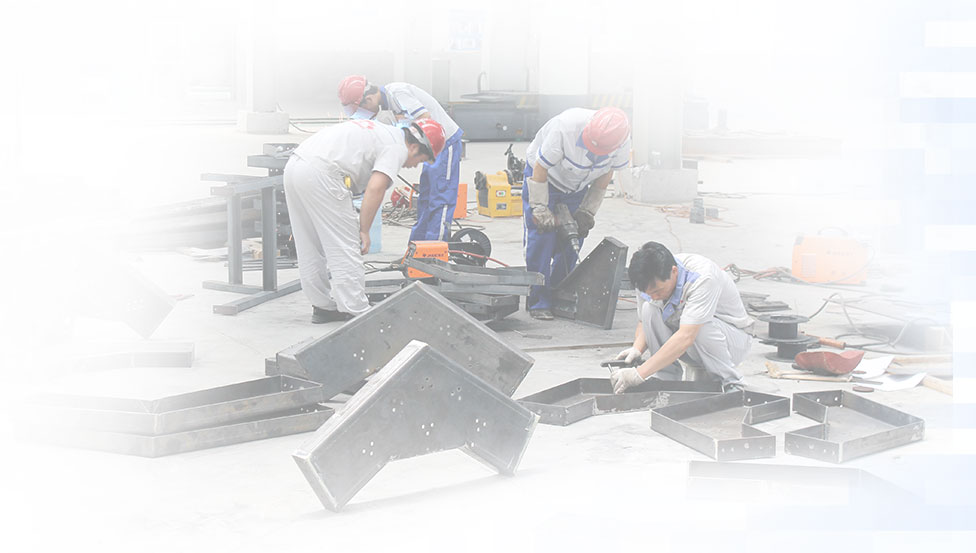
The critical components of the of the complete poultry feed production line equipment are built in our own workshops in Asia. Additional equipment is manufactured by our worldwide network of reliable partners.

● Testing
Quality Inspection & Testing
Before leaving the factory, all equipment will be inspected by the quality inspection department. We can also provide customers with testing services from a single machine to a complete pellet plant system, and provide you with real actual data for “worry-free use.”

● Delivery
Equipment Delivery
In equipment boxing and packaging, we adopt professional packaging and modular solutions to ensure the safe and non-destructive delivery of pellet plant equipment.
● Installation
Installation & Commissioning
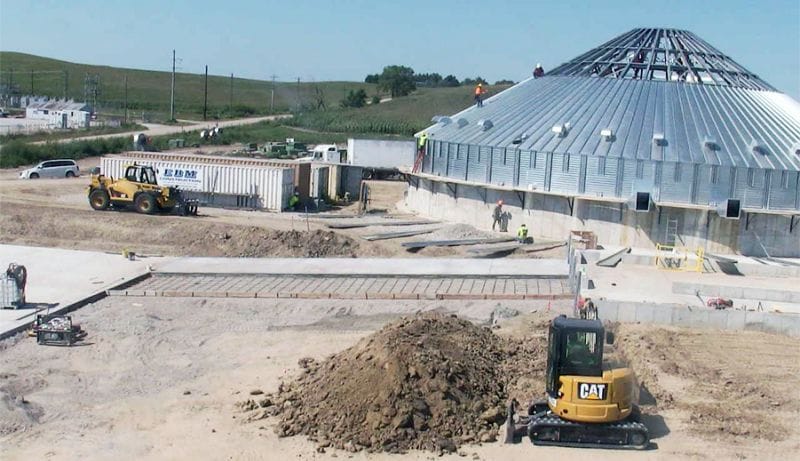
Whether you choose your own subcontractor for the erection phase or you want to install everything together with us, a Richi supervisor will be around to make sure everything is mounted in a safe and thorough way.

● Training
Staff Training
We provide comprehensive training for the technicians of each project. We can also continue to provide support for the technicians during latter project operation.
● After-sales
Project Follow-Up
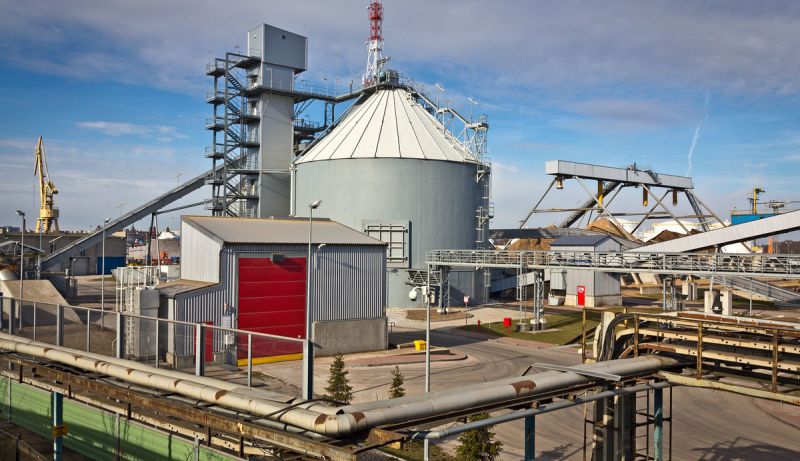
When everything is up and running our Richiers will help you further whenever needed. We are ready to answer your call 24/7.We’ll also visit you regularly to learn about your needs.
Who we are
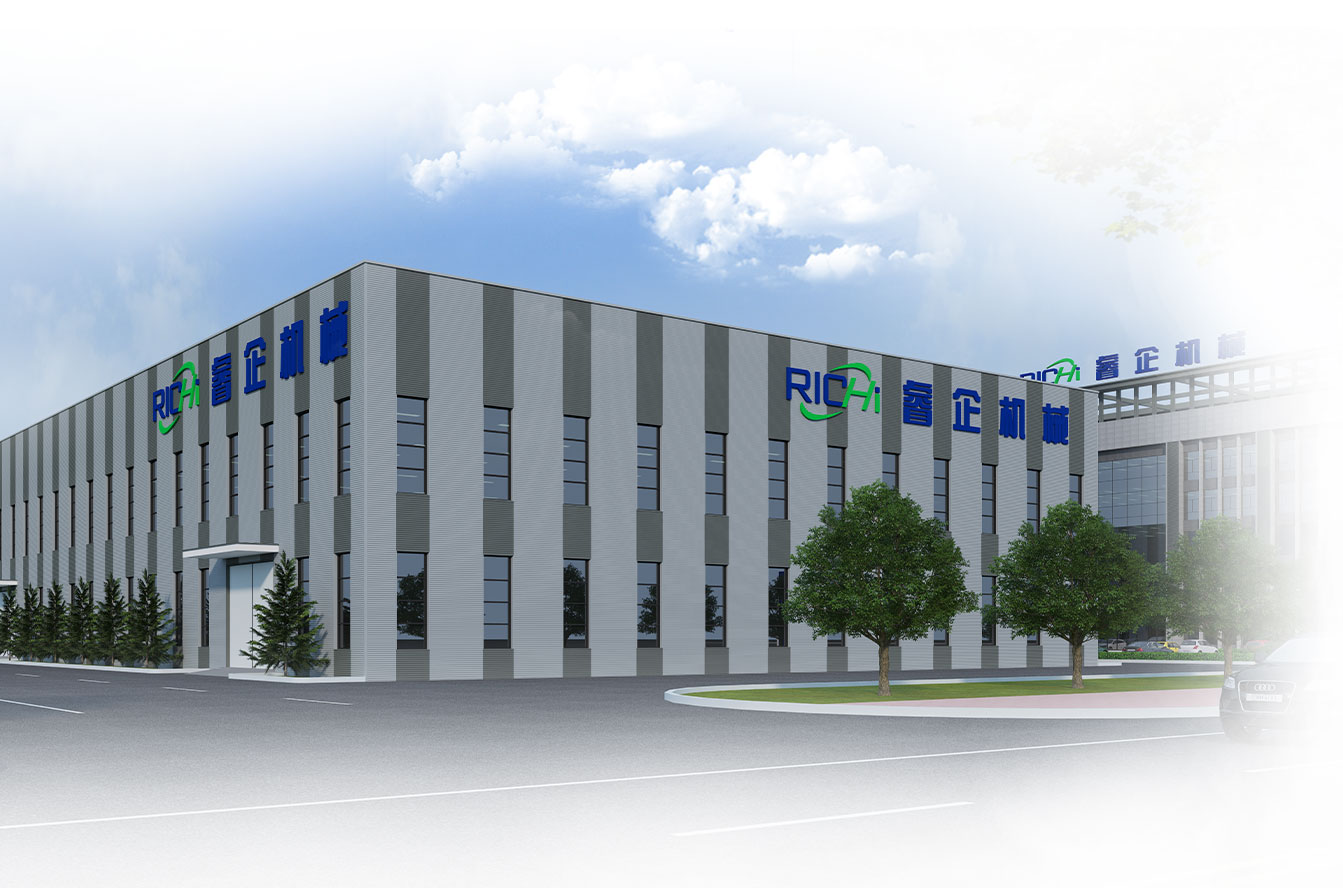
RICHI Machinery is one of the world’s leading suppliers of technology and services for the animal feed, aqua feed and pet food industries, also the largest pellet production line manufacturer in China.
Since 1995, RICHI’s vision to build a first-class enterprise, to foster first-class employees, and to make first-class contributions to society has never wavered.
In the past three decades, we have expanded our business to a wide range of areas, including animal feed mill equipment, aqua feed equipment, pet feed equipment, biomass pellet equipment, fertilizer equipment, cat litter equipment, municipal solid waste pellets equipment, etc.

1995
RICHI Established

2000+
Serving More Than 2000 Customers

120+
RICHI Employees

140+
Exported To 140 Countries