 0086-138 3838 9622
1–2 T/H Dog Food Production Line in Kazakhstan
RICHI’s dog food production line in Kazakhstan connects grain preparation, twin-screw extrusion and finished-kibble packing in one coordinated system. The 1–2 T/H configuration suits a food producer developing its own dry dog food range. At the upper production rate, it supports a 3,000-tonne annual plan on one shift, with time reserved for cleaning, recipe changes and routine servicing.

RICHI MACHINERY
From Purchased Ingredients to a Consistent Dry Dog Diet
Whole cereals, purchased poultry meal and dried fibre ingredients form the starting material route. Grain is reduced before fine grinding; protein meals enter through a separate powder intake. The system then cooks, shapes, dries and coats the kibble. This dry-ingredient approach suits a small commercial dog food factory without an attached rendering operation. Separate cat-food and aquatic-feed lines can also be configured for their respective products.
The production target is measured at the packing end: 1–2 tonnes of saleable kibble per hour. For the annual plan, 2 T/H over 1,500 effective hours yields 3,000 tonnes. The 260-day, eight-hour shift calendar provides 2,080 scheduled hours, leaving 580 hours for non-production work. A product running at 1 T/H needs 3,000 effective hours for the same annual volume and therefore a longer operating calendar.
This pet food production line combines automatic ingredient weighing with a controlled dog kibble extrusion system, zoned belt drying and separate fat and palatant dosing. The process brief includes a six-person roster, a 630 kVA electrical reference and dedicated clean-side finishing. The layout keeps ingredient traffic away from exposed finished food while giving operators access to mill screens, the extruder and dryer cleaning points.
1–2 T/H
Packed Kibble Output
US$310,000
Total Project Investment
Kazakhstan
Project Country
Dog Food
Production Application
RICHI MACHINERY
A Compact Factory With Separate Raw and Finished Zones
A single-shift factory needs storage and working access as well as machinery space. The reference site allocates 480 m² to processing, with separate ingredient and finished-product stores. Batching platforms use the building height, while finishing remains accessible from the clean side. Forklift routes, maintenance withdrawal space and the boiler service area are planned together so routine handling does not obstruct the production team.
| Space / service | Planning allocation | Operating purpose |
|---|---|---|
| Process workshop | 480 m²; reference clear height 8–10 m | Batching, grinding, extrusion, drying and separate clean-side finishing; structural and maintenance checks before layout approval |
| Ingredient store | 240 m²; 50-tonne working-stock target | Approximately four scheduled operating days of dry blend at annual-average consumption; lot segregation and protected nutrient storage |
| Finished store | 180 m²; 45-tonne stock target | Approximately four average dispatch days on the 260-day calendar; identified hold and released stock with dry dispatch access |
| Boiler / water services | 70 m² | One 2 T/H steam boiler, water treatment and condensate equipment; safe separation and access subject to site review |
| Support rooms | 70 m² | Maintenance, hygiene and quality-sampling functions outside exposed finished-product handling |
| Office / staff facilities | 80 m² | Production records, changing and staff services |
| Site and floor-area basis | 2,000 m² plot; 1,120 m² footprint; 1,200 m² gross floor area | 80 m² internal platforms included in gross area; remaining 880 m² outside for access, utilities and separation |
| Electrical provision | 630 kVA reference; approximately 466 kW connected | At 0.85 power factor, nominal active capacity is about 536 kW; check starting, harmonics, voltage and available service |
| Operating calendar / staffing | 260 days × 8 h = 2,080 scheduled hours; six-person roster | 1,500 effective hours at 2 T/H; four active posts require 8,320 scheduled staff-hours, compared with 10,800 at 1,800 h per person |
| Water / environmental interfaces | Separate process addition, boiler, domestic and controlled washing duties | Local discharge agreement, dust controls, boiler exhaust and solid-material disposition form part of site engineering |
| Project investment | Fixed amount shown in the project overview | Recorded investment for this completed project; quotations for other factories are prepared separately against their own scope |
RICHI MACHINERY
One Extruder Supported by the Complete Process
The dog food production line in Kazakhstan uses one twin-screw extruder, supported by enough preparation and finishing capacity to maintain its feed supply. The selected equipment duty uses a 110 kW twin-screw unit. Its operating duty is tied to the stated dry formulation and kibble geometry. A whole-line product trial confirms net output after drying, coating and screening, rather than relying on the extruder’s momentary discharge rate.
| Equipment / quantity | Engineering specification | Why it fits the upper-rate duty |
|---|---|---|
| Receiving and batching / one set | Separate cereal and meal intake; magnets; ten bins; 500 kg batch scale | At least 3 T/H receiving; 5 T/H gross batching at a six-minute cycle |
| Cereal hammer mill / one | 37 kW drive allowance; 2 T/H whole-cereal duty | Cereal portion is 60% of the base blend, about 1,178 kg/h; fine purchased meals bypass coarse reduction |
| Premixer / one | 500 kg working batch; 7.5 kW allowance | Combines cereal reduction with purchased protein meals before final fine grinding |
| Fine-grinding module / one | 110 kW selected drive; at least 2.5 T/H on the stated blend | Starting criterion: 95% passing 250 µm; confirm by sieve and throughput trial |
| Final mixer / one | 500 kg batch; 11 kW allowance; checked micro-addition point | 5 T/H gross at a six-minute complete cycle; uniformity test sets actual mixing time |
| Twin-screw extruder / one | 110 kW twin-screw main-drive duty; 15 kW conditioner; 3 kW feeder; 3 kW cutter | Specify 2 T/H net kibble through the complete line; approximately 2,399 kg/h conditioned inlet and 2,334 kg/h wet die discharge |
| Multi-pass Mesh belt dryer / one | 600 kg/h water evaporation; 37 kW fan and drive allowance | Reference evaporation approximately 457 kg/h; indirect steam heating with zoned air control |
| Atmospheric coater / one | At least 2.5 T/H; 7.5 kW allowance; independent fat and powder metering | 1,840 kg/h screened core plus 140 kg/h fat and 20 kg/h palatant; assess absorption in trials |
| Cooler and grading / one finishing set | 9 kW cooler; three screening positions totalling 3 kW | Positions serve intake, uncoated-core grading and final grading; finished handling specified at least 2.5 T/H |
| Packing / one station | Six complete 10 kg bags/min; 7.5 kW allowance; metal detection | 3.6 T/H gross compared with 2 T/H net product; include closing, checking and pallet removal |
| Gas-fired steam boiler / one | 2 T/H rated steam; 7.5 kW auxiliaries | About 1.12 T/H generated steam at the base duty; about 1.43 T/H at the 600 kg/h dryer evaporation design point |
| Shared auxiliaries / one coordinated set | Transfers/bins 18 kW; aspiration 11; liquids 4; compressed air 7.5; water treatment 3 | Matched controls and access; raw dust handling separate from finished-product ventilation |
| Building and service loads | Ventilation 12 kW; lighting/controls 6; supplemental room heat 30; forklift charger 6 | Total connected electrical allowance is 465.5 kW, including the process equipment above |
RICHI MACHINERY
Ingredients Output and Annual Utility Requirements
Poultry meal dog food production depends on consistent ingredient analysis as much as machine selection. The sizing blend below totals 100% before coating, with separate additions of poultry fat and dry palatant. It is a reference for equipment and utility calculations. A qualified nutritionist sets the commercial diet, including protein quality, amino acids, minerals, vitamins and life-stage suitability, from the actual ingredient specifications.
| Material / account | Annual design quantity | Basis and meaning |
|---|---|---|
| Saleable dog kibble | 3,000 tonnes | 1,500 effective hours × 2 T/H; packed-product basis |
| Wheat | 884 tonnes; 30% of dry base | Accepted ingredient mass; whole grain is coarsely ground before blending |
| Corn | 589 tonnes; 20% of dry base | Accepted mass; receiving condition and mycotoxin controls are ingredient-specific |
| Rice | 294 tonnes; 10% of dry base | Accepted mass; specify grain or compatible broken-rice supply |
| Poultry meal | 736 tonnes; 25% of dry base | Purchased dried meal; quality, ash, fat and protein set by nutritionist specification |
| Soybean meal | 265 tonnes; 9% of dry base | Approved heat-treated meal; verify composition and supplier quality |
| Dried beet pulp | 88 tonnes; 3% of dry base | Defined fibre ingredient; final particle size suited to the intended die |
| Nutrient package | 88 tonnes; 3% of dry base | Combined minerals, vitamins and amino-acid adjustments; not a universal 3% premix inclusion |
| Accepted base blend | 2,944 tonnes at 12% moisture | 100% sizing blend; ingredient rows rounded independently |
| Gross base purchases / intake separation | 2,974 / 30 tonnes | 1% gross receiving rejection allowance; excluded from accepted blend |
| Post-dryer poultry fat | 210 tonnes | 7% of saleable output; negligible water in this calculation |
| Dry palatant | 30 tonnes at 5% moisture | 1% of saleable output; supplier identity and microbiological specification checked |
| Conditioner water / direct steam | 501 / 153 tonnes | Added to accepted base; 28% combined conditioner moisture |
| Conditioned / wet die discharge | 3,599 / 3,501 tonnes | 26% moisture at die discharge; approximately 97 tonnes flash water removed before the dryer |
| Dryer evaporation / total dry core | 685 / 2,816 tonnes | Core at 8% moisture; 56 tonnes segregated, leaving 2,760 tonnes for coating |
| Final product moisture | 7.41% calculated; 7–9% provisional release band | 2,760 tonnes core plus fat and palatant; water activity and shelf life checked separately |
| Generated steam / condensate return | 1,675 / 1,370 tonnes | Dryer duty assumes 4 MJ/kg evaporation and 2 MJ/kg usable steam heat; 10% steam-service allowance and 90% indirect condensate recovery |
| New incoming water | Approximately 974 m³ | 501 conditioner addition + 374 boiler raw supply + 78 domestic + 20 controlled washing, using unrounded values for totals |
| Wastewater collection | Approximately 149 m³ | About 19 treatment reject + 50 boiler blowdown + 62 domestic + 18 washing; discharge route separately agreed |
| Natural gas | Approximately 145,604 Nm³ | 2.8 MJ/kg generated steam, 90% boiler efficiency and 35.8 MJ/Nm³ lower heating value as calculation assumptions |
| Electricity | Approximately 453,000–558,000 kWh | 260–330 kW process × 1,500 h; 8 kW common × 2,080 h; 30 kW heat × 1,400 equivalent h; 4,000 kWh charging |
| Solid-material accounting | Approximately 30 tonnes intake rejects and 56 tonnes held core | Hold, assess and dispose through approved routes; no automatic rework assumed in this mass balance |
RICHI MACHINERY
How the Kibble Moves Through Eight Processing Sections
The process moves from raw-side inspection to controlled cooking and clean-side finishing. After extrusion, the pet food dryer reduces moisture before liquid fat and dry palatant are added. Cooling, grading, metal detection and bagging complete the route. Batch codes link the final bags to the ingredient lots and process records, giving the operator a practical way to investigate a quality issue or isolate a held production lot.
1
Separate Grain Intake From Purchased Meals
Cereals arrive as whole grain or approved broken grain; poultry meal, soybean meal and dried beet pulp arrive as dry ingredients. Screening removes coarse foreign matter and magnets protect downstream equipment. Receiving checks address moisture, supplier identity, visible contamination and ingredient-specific risks. Fresh meat would need refrigerated reception and a separate preparation route, so it is excluded from this dry-feed configuration.
2
Weigh Each Batch Before It Reaches the Mills
Ten bins organise the main ingredients and provide space for approved lot segregation. A 500 kg batch scale feeds the system in controlled quantities, with fast and fine dosing used for larger components. Small additions are checked and recorded at a dedicated point. At a six-minute complete cycle, the batching stage offers 5 T/H gross capacity against approximately 1,963 kg/h of base-blend demand.
A dog food fine grinding system must deliver a consistent meal through the full batch. The initial sieve target is at least 95% passing 250 µm, with the coarse tail checked for its effect on die flow and kibble texture. Most added fat is kept for coating after drying. This avoids loading the mills with the finished recipe’s full fat addition and helps control smearing, screen blinding and unnecessary recirculation.
3
Prepare the Grain Fraction and Premix the Base
One cereal hammer mill prepares wheat, corn and rice before the premixer brings them together with the dry meals. The coarse mill handles only the grain fraction, approximately 1,178 kg/h at the upper line rate. Meals that already meet the intake specification bypass that coarse step. Where an existing grain mill is suitable, its sieve result, condition and sustained output determine whether it can be retained.
4
Deliver a Fine Meal With a Controlled Coarse Tail
A 110 kW air-classifying fine mill is selected for the complete base blend, with a 2.5 T/H process duty at the agreed particle distribution. Air separation returns oversize material within the grinding circuit and carries finished meal to the filter receiver. Stable meal fineness helps the pet food extruder machine receive a more uniform feed, while accessible wear parts and temperature checks make the grinding stage easier to maintain.
5
Distribute the Nutrient Package Before Cooking
The final 500 kg mixer distributes the nutrient package through the ground base before conditioning. Its six-minute complete cycle provides capacity above the line requirement; a mixing-uniformity test establishes the mixing interval within that cycle. Ingredient sequencing and any heat-sensitive additions follow the approved formula. Separate identification and weight records reduce the risk of a small ingredient being missed or added twice.
6
Control Moisture Cooking and Kibble Geometry
Metered meal, water and steam enter the preconditioner before the twin-screw extruder. The reference moisture profile is 28% at conditioning and 26% at die discharge. An 8 mm diameter and 5–12 mm cut length provide a starting product geometry. Screw speed, cutter setting and thermal input are adjusted together during trials to achieve the required texture, while the food-safety plan establishes the validated treatment conditions.
7
Dry the Core Before Applying Fat and Palatant
A multi-pass belt dryer removes approximately 457 kg of water per hour at the upper output rate. Its selected evaporation duty is 600 kg/h, giving room to adjust bed depth and residence time as the product is developed. Steam heats the circulating drying air indirectly. The starting target is 8% moisture in the uncoated core, checked across the belt and through the kibble before coating begins.
Dog food oil coating equipment meters 140 kg/h of poultry fat onto the screened core at the upper line rate. A separate powder feeder supplies 20 kg/h of dry palatant, so liquid and powder additions remain independently controlled. One atmospheric coater serves the starting recipe. Product trials check absorption and distribution; vacuum coating is a separate option when the product brief requires a different liquid-loading method.
The cooler brings coated kibble within 5°C of packing-room air before grading and metal detection. A single station for automatic dry dog food packing handles six complete 10 kg bags per minute, providing 3.6 T/H gross packing capacity. Initial quality targets are 7–9% moisture, water activity no higher than 0.60 and loose fines no higher than 1%. Commercial release also depends on the agreed microbiological, composition and shelf-life checks.
8
Keep Utilities Cleaning and Product Handling Accessible
Dog food plant winter services include insulated water lines, frost-protected boiler equipment and supplemental heating for service rooms in an already heated property. Dust extraction serves grain intake and grinding; finished-product ventilation follows a separate route. Accessible dosing equipment, cleaning points and clear waste-material paths help the operator maintain hygiene without carrying raw-side dust into the packing area.
RICHI MACHINERY
Build a Product Range the Factory Can Supply Reliably
Dry dog food manufacturing in Kazakhstan can be developed around a focused product range and a predictable replenishment schedule. A first product with a defined formula, kibble size and bag format is easier to schedule than several changing specifications. RICHI can coordinate the equipment interfaces around that starting range, while reserving practical access for later die changes, coating upgrades or a different packing format.
Traceability starts at receiving. Ingredient lot numbers follow the weigh batch, extrusion run, dryer checks and coating additions through to the bag code. A marked hold area separates material awaiting assessment from released stock. The mass account includes a 2% allowance for segregated uncoated core. Its disposition follows the quality procedure; floor sweepings and unidentified material do not enter the clean product route.

Plan Quality Release Alongside Distributor Orders
Warehouse planning follows the sales pattern rather than the extruder’s maximum output. A 45-tonne finished-stock target covers about four average dispatch days on the 260-day calendar. The reference pack is 10 kg, while smaller retail bags need their own filling-speed and labour check. Distributor order sizes, pallet patterns and release times determine how much additional finished storage a wider product range would require.
A commercial dry diet must meet its nutritional and storage brief as well as its shape specification. Ingredient analyses guide the formula; product testing checks composition, moisture and water activity. Palatability and shelf-life work use the actual coated kibble and packaging. Puppy food, adult-maintenance diets and cat food have different nutritional requirements, so changing the label or die does not turn one approved product into another.
Define the Investment Scope and Delivery Interfaces
The pet feed mill project investment is the fixed amount shown above for this completed installation. It is a project-specific figure rather than a standard price for every factory of this capacity. For another site, RICHI prepares a separate quotation around the ingredient route, product specification, existing equipment and local installation conditions, so the buyer can compare a clearly defined supply scope.
The reference line requires about 146,000 Nm³ of gas, 974 m³ of new water and 453,000–558,000 kWh of electricity annually. The water account separates recipe addition, boiler supply, domestic use and controlled washing. Electrical consumption includes process operation, common services, supplemental room heating and forklift charging. These estimates support tariff-based costing; primary property heating remains outside the line account.
Kazakhstan dog food machinery delivery is planned against the actual factory address and receiving terminal. Qingdao is the dispatch origin for the proposed equipment supply, with the rail or multimodal route selected from current carrier offers. Package dimensions, unloading access and indoor placement are resolved before shipment. Installation training then follows the operator’s own recipe, inspection points and daily cleaning sequence.
Planning a dog food production line in Kazakhstan? Send RICHI your ingredient list, target kibble, bag sizes, factory drawing and available utilities. We can turn the 1–2 T/H requirement into a coordinated equipment layout and scoped quotation. Include any existing mills or mixers for a reuse assessment, and identify the first commercial recipe so the performance trial measures the product you intend to sell.
● RICHI MACHINERY
RICHI Service

● Consulting
Customer Consultation
We want to have a deep understanding of your industrial process, to know your exact needs of feed, wood, biomass, fertilizer or other pellet processing.

● Design
biomass Pellet Plant Design
Based on your unique situation and industrial process, we will tailor complete pellet plant you need, and inform you of every additional detail that could facilitate operation, minimize total cost.
● Manufacturing
Equipment Manufacturing
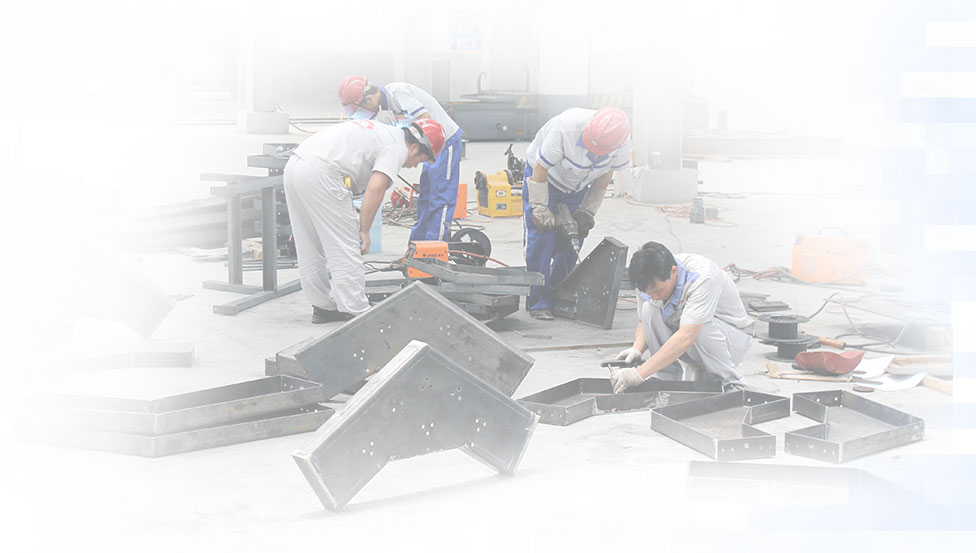
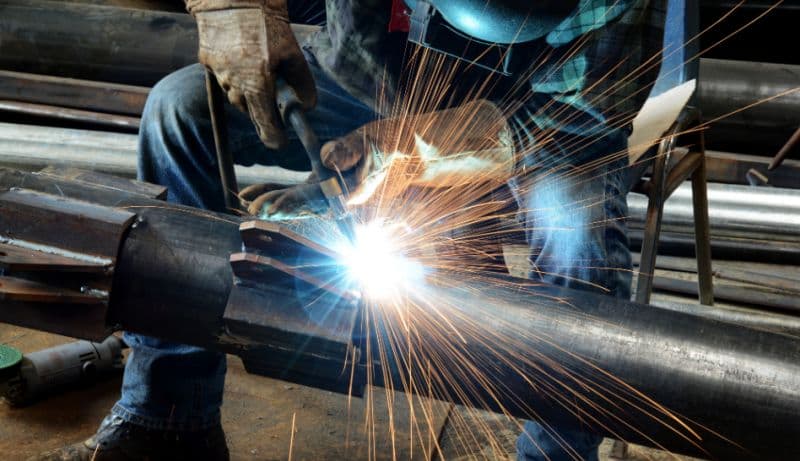
The critical components of the of the complete dog food production line equipment are built in our own workshops in Asia. Additional equipment is manufactured by our worldwide network of reliable partners.

● Testing
Quality Inspection & Testing
Before leaving the factory, all equipment will be inspected by the quality inspection department. We can also provide customers with testing services from a single machine to a complete dog food production line system, and provide you with real actual data for “worry-free use.”

● Delivery
Equipment Delivery
In equipment boxing and packaging, we adopt professional packaging and modular solutions to ensure the safe and non-destructive delivery of pellet plant equipment.
● Installation
Installation & Commissioning
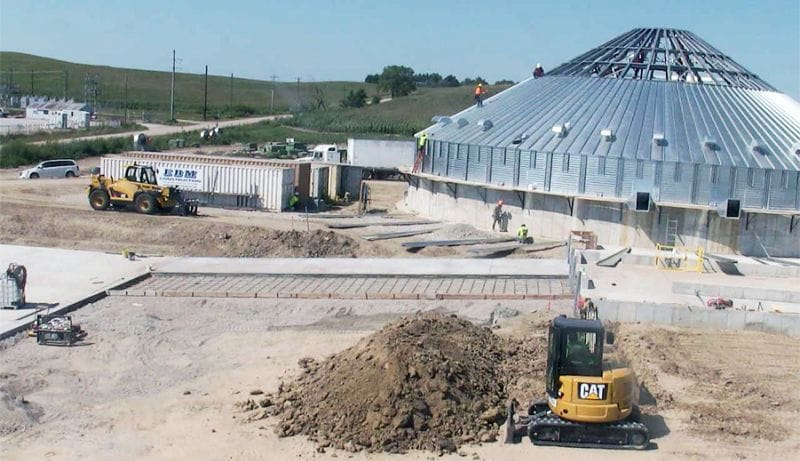
Whether you choose your own subcontractor for the erection phase or you want to install everything together with us, a Richi supervisor will be around to make sure everything is mounted in a safe and thorough way.

● Training
Staff Training
We provide comprehensive training for the technicians of each dog food production line in Kazakhstan project. We can also continue to provide support for the technicians during latter project operation.
● After-sales
Project Follow-Up
When everything is up and running our Richiers will help you further whenever needed. We are ready to answer your call 24/7.We’ll also visit you regularly to learn about your needs.
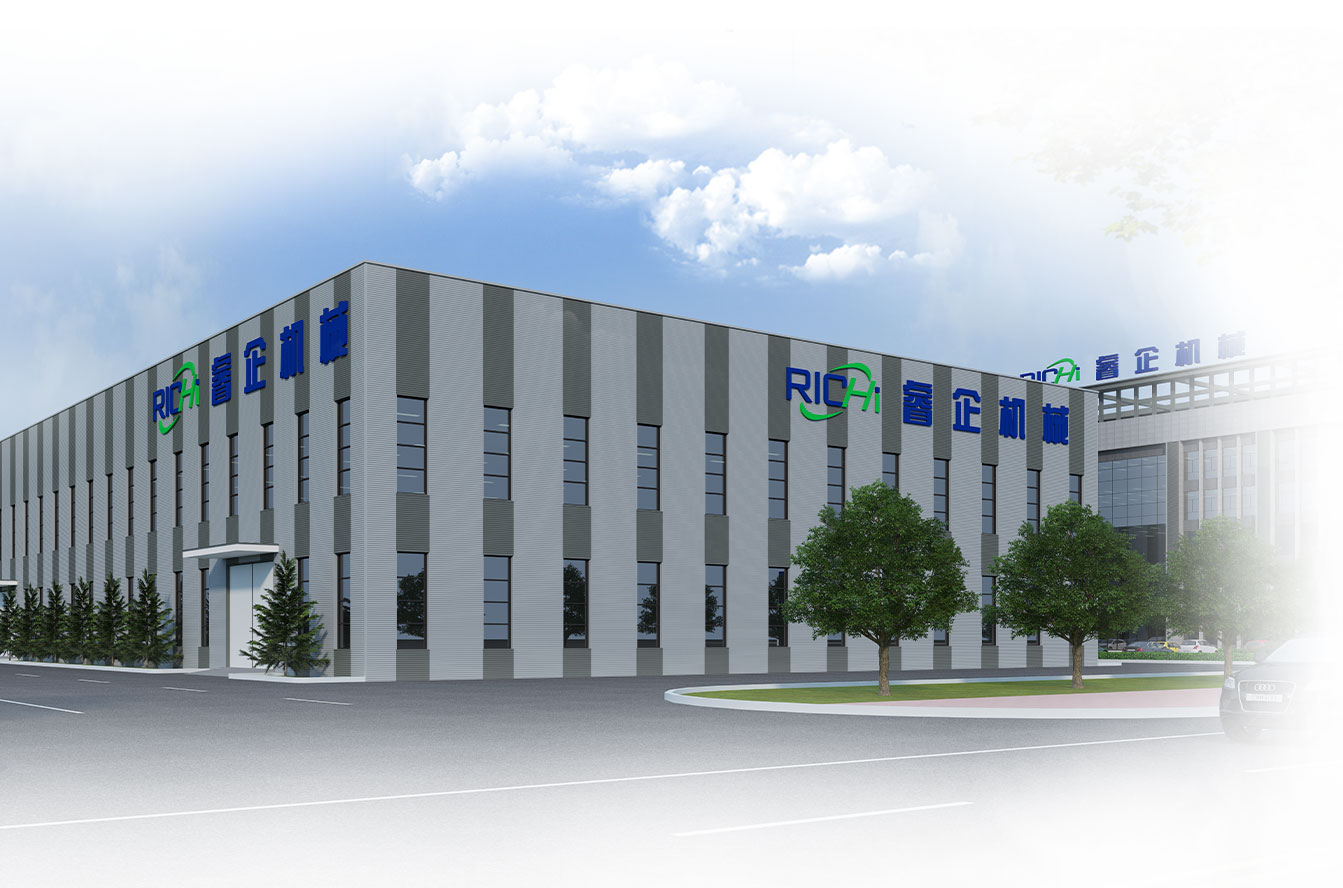
Who we are
RICHI Machinery is one of the world’s leading suppliers of technology and services for the animal feed, aqua feed and pet food industries, also the largest pellet production line manufacturer in China.
Since 1995, RICHI’s vision to build a first-class enterprise, to foster first-class employees, and to make first-class contributions to society has never wavered.
In the past three decades, we have expanded our business to a wide range of areas, including animal feed mill equipment, aqua feed equipment, pet feed equipment, biomass pellet equipment, fertilizer equipment, cat litter equipment, municipal solid waste pellets equipment, etc.

1995
RICHI Established

2000+
Serving More Than 2000 Customers

120+
RICHI Employees

140+
Exported To 140 Countries