 0086-138 3838 9622
Crop Residue Bedding Processing Facility for Agriculture in Poland
RICHI MACHINERY
Project Overview
An agricultural waste management company reached out to RICHI Machinery about building a 10-12t/h crop residue bedding processing facility for agriculture in Poland with an annual capacity of 80,000 tons of animal bedding pellets (running 24 hours per day, 300 days per year). The facility produces soft, absorbent bedding pellets for dairy farms, horse stables, and poultry houses across central and eastern Poland.
The client is located in the Podlaskie Voivodeship, about 200km northeast of Warsaw. This region has a high concentration of dairy farms (Poland has over 4.5 million dairy cattle, with Podlaskie being one of the top milk-producing regions) and crop production (wheat, rye, triticale, and rapeseed). The client saw an opportunity to collect crop residues (straw from wheat, rye, and rapeseed) that are currently being burned in the field or left to rot, and convert them into a valuable product for the livestock industry.
What makes this project different from typical biomass pellet plants is the product application. The client is producing bedding pellets, not fuel pellets. The specifications are different:
| Property | Fuel Pellets | Bedding Pellets (Client’s Product) |
|---|---|---|
| Diameter | 6-10 mm | 6-8 mm |
| Length | 10-40 mm | 10-25 mm |
| Moisture | <10% | 8-12% |
| Density | >1,000 kg/m³ | 900-1,000 kg/m³ (softer) |
| Durability | >97% | >95% (slightly lower is fine) |
| Ash content | <6% (preferably <1%) | Not critical |
| Absorbency | Not a factor | Critical |
| Softness | Not a factor | Important |
The client chose bedding pellets because the market in Poland is underserved. Most bedding pellets in Poland are imported from Germany and the Czech Republic, priced at 800–900 PLN per ton ($190–215). The client can produce locally for 550–650 PLN per ton ($130–155), offering a 25–35% saving for customers.
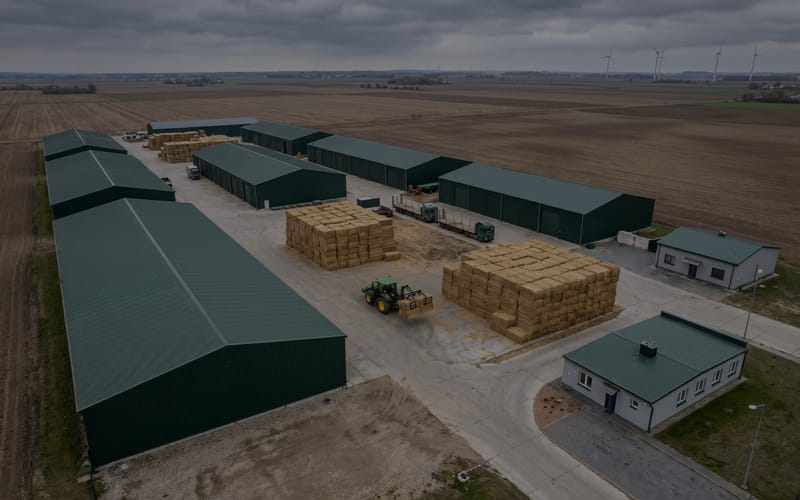
The client’s facility is located on a 2000m² site. The site has originally built for a different purpose. The client repurposed five of them for raw material storage, one for grinding, one for pelletizing and packaging, plus two smaller office buildings.
The total equipment investment was about $500,000 USD.
10-12T/H
capacity
$500,000
investment
Poland
location
Bedding
project type
RICHI MACHINERY
Market Context for Bedding Pellets
Poland has one of the largest livestock sectors in the European Union:
- Dairy cattle: 4.5 million head (5th largest in EU)
- Horses: 350,000 head (recreational and working)
- Poultry: 150+ million birds (broilers and layers)
Current bedding materials and their problems:
| Material | Market share | Problems |
|---|---|---|
| Straw (loose) | 60% | Mold issues, high storage space, inconsistent quality, dust |
| Sawdust | 20% | Inconsistent supply, quality varies, can contain contaminants |
| Imported bedding pellets | 10% | Expensive (800-900 PLN/ton), long lead times |
| Other (peat, etc.) | 10% | Environmental concerns (peat harvesting restricted) |
The client’s market research showed that dairy farmers are the largest potential customers. A dairy cow produces about 50-70 liters of urine and 30-40 kg of manure daily. Good bedding absorbs moisture, keeps cows dry (reduces mastitis risk), and is easy to clean out.
Why straw-based bedding pellets work well:
- Wheat straw has natural absorbency (can absorb 2-3 times its weight in water)
- Pelletizing compresses straw to 20-25% of its original volume (reduces storage and transport cost)
- Pellets are dust-free (better for animal respiratory health)
- Spent bedding can be composted or spread on fields as organic matter
The client’s target selling price is 650-700 PLN per ton delivered ($155-170) – competitive with imported products.
RICHI MACHINERY
Raw Materials: Crop Residues from Local Farms
The client’s raw material strategy is based on wheat straw (primary) supplemented with rye straw and rapeseed straw. All material is sourced from farms within a 100km radius of the facility.
Why straw from these specific crops?
- Wheat straw: Most abundant (Poland produces 12+ million tons annually), good absorbency, relatively low ash (4-6%)
- Rye straw: Slightly softer than wheat, good for horse bedding (less dust)
- Rapeseed straw: Available after rapeseed harvest (August-September), higher absorbency but slightly higher ash (6-8%); the client limits rapeseed straw to 20% of the mix
Raw material mix (annual):
| Raw Material | Annual (tons) | Moisture (%) | Ash content (%) | Source distance (km) | Cost (PLN/ton) | USD/ton (4.2 PLN/USD) |
|---|---|---|---|---|---|---|
| Wheat straw | 48,000 | 12-18 | 4-6 | 30-80 | 180 | $42.90 |
| Rye straw | 20,000 | 12-18 | 4-6 | 30-80 | 170 | $40.50 |
| Rapeseed straw | 12,000 | 15-20 | 6-8 | 40-100 | 160 | $38.10 |
| Total input | 80,000 | — | — | — | — | — |
The actual input is about 80,054 tons to produce 80,000 tons of pellets. The difference (54 tons) is water evaporated (about 30-40 tons during processing) and dust collected in filters (about 14-20 tons). The client’s material balance is very efficient because straw is naturally dry (the client only buys straw with moisture <20% and sun-dries it further if needed).
Raw material quality control:
- Moisture limit: <20% when purchased; the client sun-dries wet bales on the yard during summer months (June-August)
- Foreign material: The client visually inspects every load and rejects bales with plastic, metal, or excessive soil
- Mold: Any bale with visible mold is rejected (moldy straw produces poor pellets and can cause respiratory issues in animals)
The client has contracts with 45+ farmers who supply straw in large round bales (about 500kg each). Bales are stored in five large warehouses (each 4,065m², total 20,325m² of covered storage). The warehouse layout allows for first-in-first-out inventory management – bales are stacked 2-3 high using a telehandler.
RICHI MACHINERY
Site and Building Layout
The buildings are steel-framed with concrete floors and 7.5m ceiling height – plenty of space for the crop residue bedding processing facility.
Building assignments:
| Building | Original Use | Now Used For | Area (m²) |
|---|---|---|---|
| 1# | Warehouse | Raw material storage (straw bales) | 1065 |
| 2# | Production | Grinding, Pelletizing and packaging | 1,065 |
The client’s layout choice: Raw material storage is on the west side of the property, closest to the truck entrance. Grinding is in the middle. Pelletizing is connected to grinding via an enclosed conveyor. Finished product storage is on the east side. This layout minimizes material handling – material flows in one direction from west to east.
Storage capacity:
- Raw material (straw bales): ~6,000 tons (about 3 weeks of production)
- Finished product (bagged pellets): ~5,000 tons (about 2.5 weeks of production)
RICHI MACHINERY
Equipment Configuration
| Equipment | Quantity | Power (each) | Notes |
|---|---|---|---|
| Infeed belt conveyor | 1 sets | 11 kW | Moves straw bales to shredder |
| Bale shredder/de-baler | 1 units | 30 kW | Opens bales and pre-cuts straw |
| Hammer mill | 1 units | 250 kW | Grinds straw to 4-6mm particles |
| Cyclone separator | 2 unit | — | Primary dust separation (grinding) |
| Baghouse filters | 2 units | 15-22 kW | Dust collection (grinding and pelleting) |
| Pellet mill | 2 units | 200 kW | Produces 6-8mm pellets |
| Pellet cooler (counterflow) | 2 units | 11 kW fans | Cools pellets after pelleting |
| Packaging system | 1 unit | 7.5 kW | Semi-automatic, 25kg and 500kg bags |
| Conveyors & elevators | 3 sets | 3-7.5 kW | Material transport |
| Fans | 1 units | 15-30 kW | For dust collection systems |
| Control cabinets | 1 sets | — | PLC control system |
Equipment cost (FOB Qingdao): $50,000 USD
Why this configuration for bedding pellets:
1. Three hammer mills (250 kW each) with 6mm screens. For bedding pellets, the optimal particle size is 4-6mm. Finer particles (2-3mm) produce denser pellets but less absorbency (the fibers are too compressed). Coarser particles (8-10mm) produce soft pellets that break apart easily. The 6mm screen is the sweet spot.
2. Biomass pellet mills (200 kW each, 6mm die holes). Bedding pellets should be 6-8mm diameter. The client uses dies with 6mm holes, producing pellets that expand to 6.5-7mm. The compression ratio is 4:1 (lower than fuel pellets’ 5:1 or 6:1) – this produces softer pellets that are more absorbent.
3. No dryer. Straw is naturally dry (the client only purchases bales with <20% moisture). On sunny days, bales are stored outside for 1-2 days before processing, reducing moisture to 12-15% – perfect for pelleting. This saved the client about $300,000 in equipment cost and eliminates energy consumption for drying.
4. Counterflow coolers (2 units). Pellets exit the mill at 75-85°C and need to cool to ambient temperature. The coolers reduce moisture from 12-14% to 10-12% – ideal for bedding pellets (8-12% target).
RICHI MACHINERY
Process Flow
This line is designed for continuous operation, 24 hours/day, 300 days/year.
Step 1: Raw Material Receiving and Storage
Straw bales arrive on flatbed trucks (15-20 bales per truck, about 8-10 tons). The driver unloads using the truck’s crane (most straw transport trucks in Poland have hydraulic cranes). Bales are stacked in warehouses using a telehandler with bale forks.
The warehouses have concrete floors and steel roofs but open sides (for ventilation – important to prevent mold in straw). The client monitors temperature and humidity in each warehouse. If moisture exceeds 18%, fans are turned on to increase air circulation.
Step 2: Bale Opening and Pre-Shredding
When raw material is needed, bales are moved to the infeed conveyor (2 sets, 11 kW each). The conveyor moves bales to the bale shredder.
Bale shredder function: Two rotating drums with steel teeth tear the bale apart. The shredder reduces the bale to loose straw with a typical particle size of 10-50cm.
Why pre-shred? The hammer mill can’t accept whole bales (they would jam the mill). Pre-shredding reduces the material to a size the hammer mill can handle (10-50cm).
Step 3: Grinding (Hammer Milling)
This is the most energy-intensive step. For bedding pellets, we don’t need ultra-fine powder – 4-6mm particles are ideal.
The pre-shredded straw is conveyed (by enclosed belt conveyor) to three hammer mills in building 2#.
Hammer mill parameters:
| Parameter | Value |
|---|---|
| Rotor width | 1,600 mm |
| Rotor diameter | 1,000 mm |
| Screen size | 6 mm |
| Rotor speed | 1,800-2,200 RPM (VFD-controlled) |
| Tip speed | 75-90 m/s |
| Throughput per mill | 4-5 t/h (total 12-15 t/h at full load) |
Desired particle size distribution for bedding pellets:
| Size range | Target % | Notes |
|---|---|---|
| <2 mm | 20-25% | Fines – help binding |
| 2-4 mm | 40-45% | Optimal |
| 4-6 mm | 25-30% | Coarse – adds softness |
| >6 mm | <5% | Recirculated |
The client tests particle size every shift using a sieve shaker (5 screens: 2mm, 4mm, 6mm, 8mm, 10mm). If too much coarse material (>6mm), the operator slows the feed rate or reduces screen size to 5mm. If too many fines (<2mm), the operator speeds up the feed rate or changes to a 7mm screen (for coarser product, which some horse stables prefer).
Step 4: Milled Straw Storage (Buffer)
Milled straw (now called “fiber”) is pneumatically conveyed to a buffer silo (200 m³ capacity, steel, 10m diameter x 8m height). The silo holds about 4 hours of production (40-50 tons).
Why a buffer silo? The hammer mills run continuously, but the pellet mills can be stopped for die changes without stopping the hammer mills. The buffer silo decouples the two processes.
The silo has:
- High-level sensor (stops the hammer mill feed when silo is 90% full)
- Low-level sensor (alerts operator when silo is 20% full)
Step 5: Pelletizing
Bedding pellets require different die specifications than fuel pellets. Lower compression ratio = softer pellets = better absorbency.
Milled fiber from the buffer silo is conveyed (by screw conveyor) to biomass pellet presses (200 kW each) in building.
Pellet mill parameters (each):
| Parameter | Value | Notes |
|---|---|---|
| Die diameter | 600 mm | Ring die type |
| Die thickness | 90 mm | / |
| Die hole diameter | 6 mm | Produces 6.5-7mm pellets |
| Compression ratio | 4:1 | Lower than fuel pellets (5:1 or 6:1) |
| Die speed | 160-200 RPM | VFD-controlled |
| Operating temperature (die) | 70-85°C | Lower than fuel pellets (80-100°C) |
| Pellet temperature at exit | 65-80°C | / |
| Throughput per mill | 2.5-3.0 t/h | Total 10-12 t/h |
Why lower temperature (70-85°C vs 80-100°C for fuel)? Bedding pellets don’t need high lignin activation – they should be slightly softer than fuel pellets. High temperatures make lignin too brittle. Lower temperatures preserve some fiber flexibility, which improves absorbency (the pellets expand more when wet).
How the biomass granulator works (briefly):
- Milled fiber falls into the feed port and spreads across the inside of the rotating die
- Stationary rollers press the fiber against the die
- Fiber is forced through the die holes under pressure
- Friction heats the fiber to 70-85°C – just enough to soften lignin slightly
- Softened lignin binds the fibers together (no added binders)
- The continuous rod of pellets exits the die and is cut to length by a rotating knife
Knife setting: 15-20mm from die face. The pellets “squirt” out and expand to final length of 10-25mm (the client’s target). The client adjusts the knife for different formulations:
- 100% wheat straw: knife at 18mm → pellets 15-20mm
- 100% rye straw: knife at 15mm → pellets 12-18mm (rye straw is more brittle, shorter pellets prevent dust)
- Mixed straw (wheat + rapeseed): knife at 20mm → pellets 18-25mm (rapeseed straw has longer fibers)
Pellet quality testing (every 2 hours):
- Length: 50 pellets measured with calipers (target 10-25mm)
- Diameter: 20 pellets (target 6-8mm)
- Moisture: portable meter (target 8-12%)
- Density: 1-liter cylinder, tapped 20 times (target 900-1,000 kg/m³)
Step 6: Cooling
Pellets need to cool before bagging. Hot pellets in bags will sweat and mold.
Hot pellets (65-80°C, 12-14% moisture) drop into two counterflow coolers.
Cooler parameters (each):
| Parameter | Value |
|---|---|
| Type | Counterflow, vertical |
| Diameter | 2.5 m |
| Height | 6 m |
| Fan power | 11 kW |
| Airflow | 15,000 m³/h |
| Retention time | 15-20 minutes |
Cooling process:
- Pellets enter at the top and fall slowly through the cooler
- Ambient air (20-25°C in Poland summer, -5 to 5°C in winter) is pulled upward through the pellet bed
- The cooling air removes heat and moisture
- Outlet temperature: ambient + 5-8°C (25-30°C in summer, 0-10°C in winter – still acceptable)
- Outlet moisture: 10-12% (perfect for bedding pellets)
Why counterflow? The coolest air meets the coolest pellets at the bottom, and the warmest air meets the warmest pellets at the top. This provides a smooth temperature gradient, avoiding thermal shock. Counterflow is also more energy-efficient than crossflow coolers (Poland’s energy prices are high – about 0.70 PLN/kWh or $0.17).
Step 7: Screening
Cooled pellets pass through a vibrating screener (3 decks):
| Deck | Screen size | Function |
|---|---|---|
| Top deck | 10 mm | Removes oversize (>25mm) – rejected material goes back to hammer mill |
| Middle deck | 6 mm | Retains acceptable pellets (6-25mm) – goes to packaging |
| Bottom deck | 3 mm | Removes fines (<3mm) – returned to hammer mill |
Acceptable product:
- Length: 10-25mm
- Diameter: 6-8mm
- No fines (<1% by weight)
Step 8: Packaging
Acceptable pellets are conveyed to the packaging area.
The client uses two packaging formats:
1. Small bags (25kg, 40kg) for retail and small farms
- Semi-automatic bagging scale (7.5 kW)
- Capacity: 8-10 bags per minute (25kg)
- Bags: Woven polypropylene with inner PE liner
- Bag closure: Portable bag seamer (sewing machine)
- Palletizing: Manual (2 operators per shift), 40 bags per pallet (1,000kg)
2. Large bags (500kg “super sacks”) for commercial farms
- Single station with load cell
- Operator hangs the super sack, opens the gate, fills to 500kg
- Forklift moves filled sacks to storage
The client’s finished product storage:
- 7,180m² total area
- Capacity: ~5,000 tons (about 2.5 weeks of production)
- Stored at ambient temperature (the buildings are not heated – Poland winters can be -20°C, but pellets are fine at low temperatures as long as they’re dry)
RICHI MACHINERY
Product Specifications (Bedding Pellets)
The client’s product meets Polish standards for animal bedding (no specific national standard, but they follow EU best practices).
Typical analysis:
| Parameter | Value | Method |
|---|---|---|
| Diameter | 6.5-7 mm | Caliper (20 pellets) |
| Length | 12-20 mm | Caliper (50 pellets) |
| Moisture | 10-12% | Drying oven (105°C, 24h) |
| Density (pellet) | 950-1,000 kg/m³ | Water displacement |
| Bulk density | 580-620 kg/m³ | 1L cylinder, tapped |
| Durability (PDI) | 95-97% | Tumbler test (500 rpm) |
| Absorbency | 250-300% (2.5-3x weight) | Water absorption test |
| pH (in water) | 6.5-7.5 | Meter |
| Ash content (550°C) | 5-8% | Muffle furnace |
The client’s product is softer and more absorbent than fuel pellets – that’s intentional. Dairy farmers test absorbency by putting 100g of pellets in a mesh bag, dipping in water for 1 minute, and weighing the wet bag. The client’s product absorbs 250-300g of water per 100g of pellets (2.5-3x). Good fuel pellets absorb only 100-150g (1-1.5x).
Pricing (as of October 2025):
| Format | Price (PLN/ton) | Price (USD/ton) | Customers |
|---|---|---|---|
| Bulk (30-ton truckload) | 550-600 | $131-143 | Large dairy farms, poultry complexes |
| 25kg bags | 650-700 | $155-167 | Small farms, horse stables |
| 500kg super sacks | 600-650 | $143-155 | Medium farms |
Comparison with imported products:
| Product | Price (PLN/ton) | Absorbency | Delivery time |
|---|---|---|---|
| Client’s pellets | 600 | 250-300% | 1-2 days |
| German pellets | 850 | 200-250% | 1-2 weeks |
| Czech pellets | 800 | 200-250% | 1-2 weeks |
| Loose straw | 200-250 | 150-200% | 1-2 days (high storage space needed) |
The client’s product is priced between loose straw (cheaper but less absorbent and higher storage cost) and imported pellets (more expensive but similar quality). The value proposition is strong – farmers save money compared to imported pellets and get better quality than loose straw.
RICHI MACHINERY
How RICHI Customized This Line for Bedding Pellets
The client had specific requirements that shaped the equipment design:
Requirement 1: The product is bedding pellets, not fuel pellets. The client didn’t need high-density, high-durability pellets. They needed soft, absorbent pellets.
RICHI solution:
- Compression ratio 4:1 (instead of 5:1 or 6:1) – lower pressure = softer pellets
- 6mm die holes (produces 6.5-7mm pellets – the client’s target range)
- Lower die temperature (70-85°C instead of 80-100°C) – preserves fiber flexibility
- 6mm hammer mill screen (produces coarser particles than fuel pellets’ 3-4mm)
Requirement 2: The client has 14.5m ceiling height – enough for vertical stacking but limited horizontal space. Seven buildings but only two are used for production.
RICHI solution: Designed the line so the hammer mills and pellet mills are on the ground floor with buffer silos and dust collection above. In building 2#, the hammer mills sit on a 3m-high platform, with the cyclone and baghouse filters on mezzanines above. This saved about 30m of conveyor length and reduced material handling.
Requirement 3: Straw has variable moisture (12-20%) depending on season. No active dryer, but the client needed to handle wet straw during rainy months (October-November, April-May in Poland).
RICHI solution: Recommended sun drying on the concrete yard. The client built a 5,000m² concrete drying pad with a polycarbonate roof (to protect from rain but allow sun exposure). Wet bales (moisture >20%) are stored on the pad for 2-5 days during summer months. During the rainy season, the client buys only dry straw (they pay a premium but avoid drying costs). The client uses a portable moisture meter to check every bale before processing.
Requirement 4: Polish environmental regulations are strict (EU standards). The client needed to meet emission limits for particulate matter (50 mg/m³ for biomass grinding and pelleting).
RICHI solution:
- Cyclone for primary dust collection (removes 85-90%)
- Five baghouse filters for polishing (removes down to <20 mg/m³)
- 23m exhaust stacks (5m above the highest building within 200m, as required by Polish law)
- Enclosed conveyors at all transfer points to minimize fugitive dust
The client passed the emission test in August 2025 with particulate concentration of 18-25 mg/m³ – well below the 50 mg/m³ limit.
Requirement 5: The client has 30 staff operating 3 shifts. They needed a system that is easy to operate and maintain.
RICHI solution:
- Centralized PLC control system with touchscreen interface (in Polish language)
- Automatic startup sequence: fans → hammer mills → biomass pellet making machines → coolers → conveyors (in that order)
- Automatic shutdown sequence: conveyors → pellet mills (wait 5 minutes for material to clear) → hammer mills → fans (wait 2 minutes to clear dust)
- Alarm system for abnormal conditions (bearing temperature >70°C, vibration >5 mm/s, motor overload)
- Remote monitoring (the client’s operations manager can check production status from his phone)
The client’s operators (all Polish nationals with technical backgrounds) were trained for 1 week. After installation, RICHI technicians stayed for 1 week of on-site training. The client’s staff now operate the biomass pellet production line without issues.
RICHI MACHINERY
Market Outlook for Bedding Pellets in Poland
The bedding pellet market in Poland is growing at about 15-20% annually. Key drivers:
1. Dairy farm modernization. Large dairy farms (500+ cows) are switching from loose straw to pellets because pellets are easier to store, less dusty, and more absorbent. A 500-cow dairy uses about 200-300 tons of bedding pellets annually.
2. Horse industry growth. Poland has about 350,000 horses, mostly for recreation and sport. Horse owners prefer pellets over straw because pellets produce less dust (better for respiratory health) and are easier to store in small barns.
3. Poultry sector expansion. Poland is the EU’s largest poultry producer (1.5+ million tons of broiler meat annually). Poultry houses need bedding that is absorbent and low in dust to prevent respiratory disease. Pellets are ideal.
4. Environmental regulations. Burning straw in the field is increasingly restricted (Poland’s Clean Air program). Farmers need alternative ways to dispose of straw. Selling straw to a pellet plant provides income and avoids burning fines (up to 5,000 PLN for illegal burning).
Competition: There are about 15-20 pellet producers in Poland, but most produce fuel pellets. Only 3-4 produce bedding pellets, and none at 80,000 tons/year capacity. The client is the largest bedding pellet facility in the country.
Challenges:
| Challenge | Mitigation |
|---|---|
| Raw material price volatility | Long-term contracts with 45+ farmers (3-5 years), price indexed to wheat prices |
| Seasonal demand (higher in winter) | Build inventory in summer (warehouses hold 2.5 weeks of production) |
| Transport costs | Locate facility within 100km of 60% of customers; use own fleet of 5 trucks |
| Competition from loose straw | Educate farmers about total cost of ownership (storage space, waste disposal, labor) |
RICHI MACHINERY
Considering a Crop Residue Bedding Pellet Facility?
Bedding pellets are a different market than fuel pellets.
Bedding pellets are a different market than fuel pellets. The specifications, customer expectations, and production parameters are all different. But for the right market (intensive livestock regions with abundant straw), it’s a profitable business.
If you are considering a similar project, we recommend:
- Understand your customer’s needs. Dairy farmers want absorbency and low dust. Horse owners want softness and consistent quality. Poultry farmers want absorbency and low respiratory risk. Test your product with potential customers before investing in equipment.
- Source straw locally. Transport is the largest cost in straw logistics. Keep your supply radius under 100km. Build relationships with farmers (long-term contracts at stable prices). Provide incentives for dry straw (pay a premium for bales under 15% moisture).
- Design for straw, not wood. Straw has different properties than wood (higher ash, more variable moisture, different particle size requirements). Use a 4:1 compression ratio, 6mm hammer mill screen, and lower die temperature (70-85°C). Don’t copy a wood pellet line – it won’t produce good bedding pellets.
- Plan for seasonal variations. In Poland, straw is harvested in July-August and is driest then. Buy and store 3-6 months of inventory during harvest season. Use solar drying or covered storage to manage moisture. During wet months, buy from farmers who have covered storage (pay a premium).
- Invest in dust control. Straw dust is explosive (minimum explosive concentration about 50 g/m³). Cyclone + baghouse filters are essential. Enclosed conveyors at transfer points. Regular cleaning of ducts and filters. Fire suppression systems in critical areas.
- Think about packaging. Large dairy farms want bulk (30-ton truckloads) or 500kg super sacks. Small horse stables want 25kg bags. Offer both. Invest in a bagging scale that can handle both formats.
The client in Poland saw an opportunity in a growing market with limited competition. They invested in the right equipment for the application (bedding pellets, not fuel pellets). They designed their line for straw, not wood. They built relationships with farmers for consistent, high-quality raw material. And they are now the largest bedding pellet producer in Poland.
Key specifications for a crop residue bedding processing facility (for agriculture):
| Parameter | Value |
|---|---|
| Annual output | 80,000 tons (10-12 t/h × 24h/day × 300 days/year) |
| Raw material input | 80,054 tons/year (straw bales with <20% moisture) |
| Main equipment | 3 × hammer mills (250 kW, 6mm screen), 4 × pellet mills (200 kW, 6mm die, 4:1 compression ratio) |
| Product specifications | Diameter 6-8mm, length 10-25mm, moisture 10-12%, density 900-1,000 kg/m³, absorbency 250-300% |
| Electricity consumption | 8.5 million kWh/year (106 kWh/ton) |
| Staff | 30 (3 shifts × 10 staff) |
| Total investment | $500,000 USD |
| Payback | 14 months (equipment only), 22 months (total investment) |
For more information about RICHI crop residue processing equipment or to discuss your specific application (bedding pellets, fuel pellets, or other products), contact our sales team at [email] or visit our website. We offer free raw material testing – send us 5kg of your straw, we’ll run it through our lab and send you pellet samples with absorbency and durability data.
RICHI Machinery — Agricultural processing solutions since 1995.
● RICHI MACHINERY
RICHI Service

● Consulting
Customer Consultation
We want to have a deep understanding of your industrial process, to know your exact needs of feed, wood, biomass, fertilizer or other pellet processing.
● Design
biomass Pellet Plant Design
Based on your unique situation and industrial process, we will tailor complete pellet plant you need, and inform you of every additional detail that could facilitate operation, minimize total cost.
● Manufacturing
Equipment Manufacturing
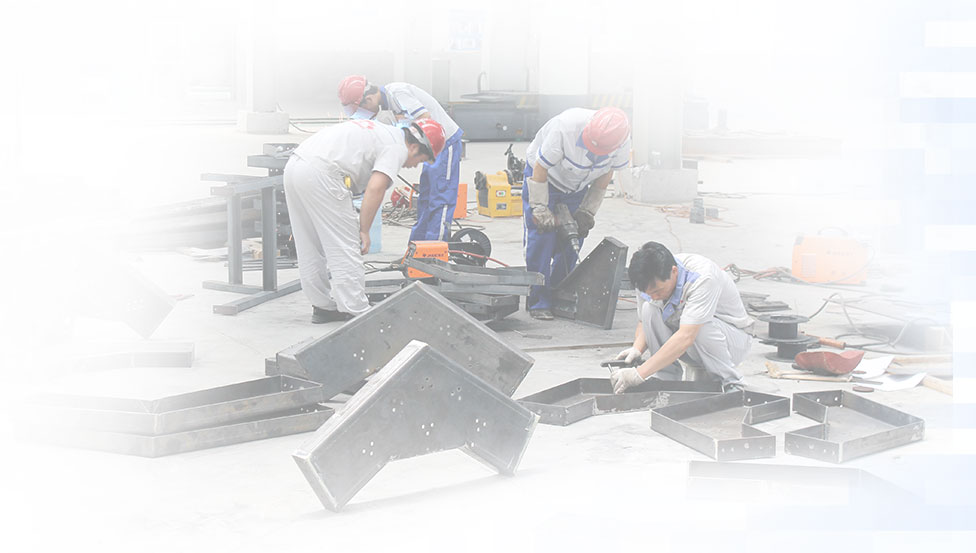
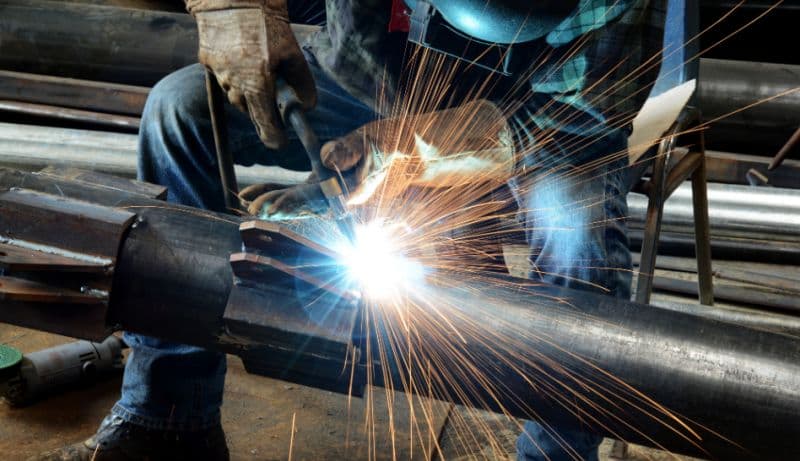
The critical components of the of the complete pellet production line equipment are built in our own workshops in Asia. Additional equipment is manufactured by our worldwide network of reliable partners.

● Testing
Quality Inspection & Testing
Before leaving the factory, all equipment will be inspected by the quality inspection department. We can also provide customers with testing services from a single machine to a complete pellet plant system, and provide you with real actual data for “worry-free use.”

● Delivery
Equipment Delivery
In equipment boxing and packaging, we adopt professional packaging and modular solutions to ensure the safe and non-destructive delivery of pellet plant equipment.
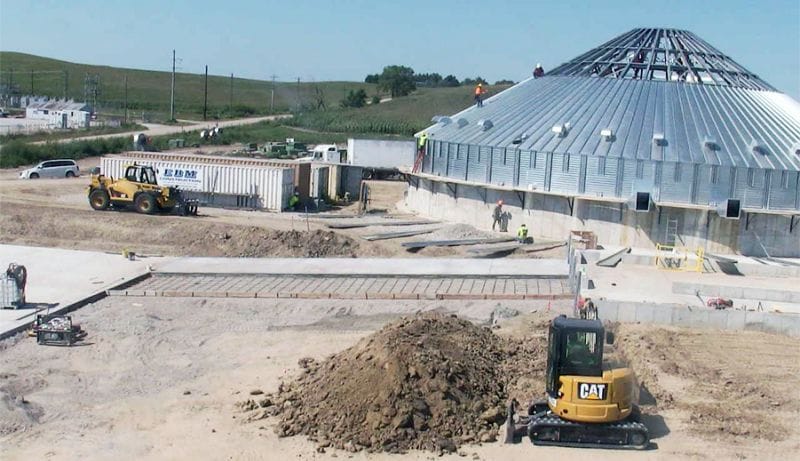
● Installation
Installation & Commissioning
Whether you choose your own subcontractor for the erection phase or you want to install everything together with us, a Richi supervisor will be around to make sure everything is mounted in a safe and thorough way.

● Training
Staff Training
We provide comprehensive training for the technicians of each project. We can also continue to provide support for the technicians during latter project operation.
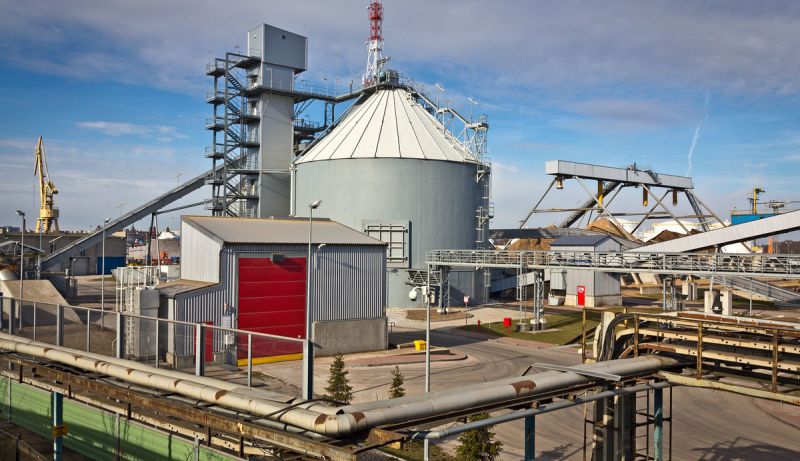
● After-sales
Project Follow-Up
When everything is up and running our Richiers will help you further whenever needed. We are ready to answer your call 24/7.We’ll also visit you regularly to learn about your needs.
Who we are
RICHI Machinery is one of the world’s leading suppliers of technology and services for the animal feed, aqua feed and pet food industries, also the largest pellet production line manufacturer in China.
Since 1995, RICHI’s vision to build a first-class enterprise, to foster first-class employees, and to make first-class contributions to society has never wavered.
In the past three decades, we have expanded our business to a wide range of areas, including animal feed mill equipment, aqua feed equipment, pet feed equipment, biomass pellet equipment, fertilizer equipment, cat litter equipment, municipal solid waste pellets equipment, etc.

1995
RICHI Established

2000+
Serving More Than 2000 Customers

120+
RICHI Employees

140+
Exported To 140 Countries