 0086-138 3838 9622
Wood Waste Pellet Plant for Sustainable Energy in Ghana
RICHI MACHINERY
Project Overview
An environmental technology startup reached out to RICHI Machinery about building a 2.5t/h wood waste pellet plant for sustainable energy in Ghana. The facility produces 6,000 tons of biomass pellets annually (running 8 hours per day, 200 days per year — the client chose fewer days to align with the dry season when the building is accessible and transport is easier). The pellets are used as fuel for industrial boilers (textile factories, food processors) and for heating in larger commercial facilities.
The client is located in the Ashanti Region, about 40km north of Kumasi, Ghana’s second-largest city. This region has a high concentration of furniture manufacturers, sawmills, and wood processing workshops. The client realized that most of these facilities were generating large volumes of wood waste — offcuts, trimmings, sawdust — and paying to send it to landfills or simply burning it in the open. He saw an opportunity to collect that waste, process it into pellets, and sell it back to the same industrial customers as a cleaner, more efficient fuel.
What makes this wood pellet plant construction project distinctive is the raw material quality. The client’s suppliers are furniture factories that produce clean, untreated wood waste. No painted wood, no glued panels, no laminated products. This means the input material has low ash content (critical for fuel pellets) and consistent moisture (typically 10-15%, ideal for direct pelletizing).
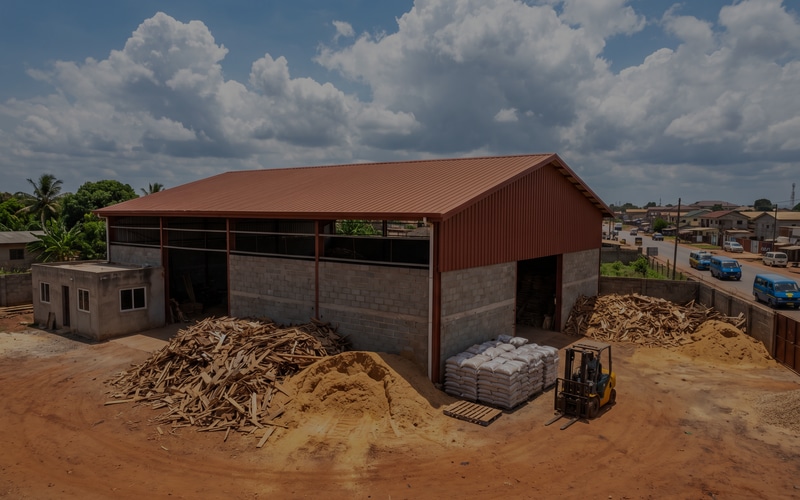
The client leases a 2,000m² site with an existing 1,800m² production building (steel and concrete structure, about 8m ceiling height). The building was in good condition — the previous tenant had used it for furniture assembly, so the floor was level and the electrical panel was adequate (200A, three-phase). Total project investment was about $78,600 for equipment plus site improvements and working capital.
The client operates with 6 staff (all local, no on-site accommodation). This is a lean operation — the owner manages sales and procurement, one operator runs the line, one assistant handles material loading and packaging, and one mechanic does maintenance (shared with a nearby auto repair shop).
2.5T/H
capacity
$78,600
investment
Ghana
location
Biofuel
project type
RICHI MACHINERY
Why Ghana?
Ghana’s industrial sector is growing at about 5-6% annually. Key industries that need process heat include:
- Textile and garment manufacturing (concentrated around Kumasi and Accra). Many factories use heavy fuel oil or diesel for boilers. Pellets are significantly cheaper.
- Food processing (cocoa processing, fruit drying, palm oil mills). Wood waste is already used as fuel in many facilities, but inefficiently — whole logs or loose sawdust in simple furnaces. Pellets burn more cleanly and consistently.
- Timber processing (sawmills, furniture factories). These facilities generate waste that could be pelleted and used on-site or sold.
The Ashanti Region is ideal because:
1. Raw material is abundant and already dry. The client’s suppliers are furniture factories that kiln-dry their wood before processing. The offcuts and sawdust have moisture content of 8-12% — perfect for pelletizing. No active drying required.
2. The client doesn’t need to buy a dryer. That’s a huge cost saving. The equipment list for this project is just crusher, hammer mill, pellet mills, cyclone separators, and bag filters. No dryer, no hot air furnace, no fuel for drying. The client’s electricity consumption is about 400,000 kWh/year — much lower than a line with drying.
3. Proximity to customers. Most industrial customers are within 100km of the site. Transport cost is manageable, and the client can offer same-day or next-day delivery.
4. Government support. Ghana’s Renewable Energy Master Plan (REMP) targets biomass for industrial heat. Import duties on pellet production equipment are reduced (5% versus the standard 20% for general machinery). The client paid about 5% customs duty on the equipment.
RICHI MACHINERY
Raw Materials: Clean, Dry Wood Waste
The client’s raw material strategy is simple: buy clean wood waste from furniture factories and sawmills within 50km of the site. No agricultural residues, no municipal waste, no painted or treated wood.
Why this matters for quality: Fuel pellets require low ash content (typically <1.5% for premium grade, <3% for standard industrial grade). Clean wood waste from furniture production has ash content of 0.5-1.0%. Sawdust from sawmills (with bark content) can have ash up to 2-3%, still acceptable for most industrial boilers.
Raw material mix (annual):
| Raw Material | Annual (tons) | Moisture (%) | Ash content (%) | Source | Cost (GHS/ton) | USD/ton (14 GHS/USD) |
|---|---|---|---|---|---|---|
| Wood offcuts (furniture) | 2,500 | 8-12 | 0.5-0.8 | Furniture factories in Kumasi | 350 | $25.00 |
| Sawdust (furniture) | 1,500 | 8-12 | 0.5-0.8 | Furniture factories | 350 | $25.00 |
| Wood trim (sawmills) | 1,000 | 12-18 | 1.5-2.5 | Sawmills (bark included) | 250 | $17.90 |
| Sawdust (sawmills) | 505 | 15-20 | 2.0-3.0 | Sawmills | 250 | $17.90 |
| Total input | 5,505 | — | — | — | — | — |
The client’s actual input is about 6,500 tons annually to produce 6,000 tons of pellets. The difference (500 tons) is water that evaporates during processing (about 2-3% moisture loss) plus material that ends up as dust (captured and recycled).
In reality, 6,000 tons of pellets at 10% moisture contains 5,400 tons of dry matter. Input raw material at 15% moisture contains 5,505 tons of dry matter. The math works: 5,505 tons dry matter comes from input, but the input also contains water. The total input weight is about 6,500 tons (5,505 dry + 995 water). Output is 6,000 tons (5,400 dry + 600 water). Difference is about 500 tons of water evaporated plus losses.
The key takeaway: The client’s raw material is clean and dry. That’s what makes this project viable with a simple line.
Raw material quality control: The client visually inspects every load. Rejection criteria:
- Any painted wood (reject the entire load)
- Any glued or laminated panels (reject)
- Any metal (nails, screws — the client has a magnetic separator on the conveyor, but heavy contamination still causes the load to be rejected)
- Moisture >22% (the client sends the load back or discounts the price by 30% and sun-dries it)
The client’s rejection rate in the first three months was about 12% of loads. By month four, suppliers learned what was acceptable and rejections dropped to 3%.
RICHI MACHINERY
The Site and Building (2,000m² Total, 1,800m² Production)
The client’s site is a former furniture assembly workshop. The main building is 1,800m², steel frame with concrete block walls, 8m ceiling height. The building is in good condition — level concrete floor, adequate lighting, three-phase power.
Layout:
| Zone | Area (m²) | Location | Use |
|---|---|---|---|
| Production area | ~800 | Central | Crusher, hammer mill, pellet mills |
| Raw material storage | 160 | South side (outside? Actually inside, south end of building) | Stacked wood offcuts, bagged sawdust |
| Finished product storage | 420 | Within production building, east side | Bagged pellets, palletized |
| Office | 40 | West side, separate room | Admin, sales, break area |
| Total | 1,420 | — | Rest is aisle space, egress, and buffer |
What’s outside the building:
- Raw material overflow area (uncovered concrete pad, about 200m²) for high-volume days
- 30m³ initial rainwater collection tank (used for site landscaping, not process water)
- Parking for one truck and the client’s personal vehicle
One limitation: The 8m ceiling height is adequate for the equipment (crusher is about 2.5m high, pellet mills about 2m) but not for a tall silo. The client uses ground-level buffer bins (2m high) rather than silos. That’s fine for 2.5 t/h.
The layout follows the material flow:
Raw material enters from the south side (truck access) → moves to the storage area → fed into the crusher (west-central) → hammer mill → wood pellet mills (east-central) → finished product storage (east side) → dispatch from east door.
No backtracking. The client designed the layout himself (with our guidance in a video call) and did a good job.
RICHI MACHINERY
Equipment Configuration
| Equipment | Quantity | Power | Notes |
|---|---|---|---|
| Vibrating screener | 1 | 1.5kW | Removes stones, metal, oversize before crushing |
| Crusher | 1 | 45kW | For wood offcuts and trim, reduces to 10-30mm pieces |
| Hammer mill | 1 | 55kW | Further reduces to <5mm particles |
| Pellet mill | 1 | 132kW | Ring die type |
| Cyclone | 2 | — | For hammer mill and dryer exhaust (one is backup? The client uses one for hammer mill, one for… there’s no dryer. Actually the second cyclone is for the pellet mill discharge — captures fines) |
| Baghouse filters | 3 | 15kW total fans | For hammer mill (1), pellet mills (2 shared) |
| Belt conveyors (8m, 5m x4) | 5 | 3kW total | Material transport |
| Electric dryer (emergency/backup) | 1 | 30kW heating | For rainy season when raw material moisture rises |
| Total connected load | — | ~292kW | — |
Equipment cost (FOB Qingdao): $78,600 USD
Why two pellet mills instead of one larger unit?
The client considered using a single 180–200 kW pellet mill, capable of producing 2.5–3 t/h. The price difference between this option and two smaller units was about $5,000.
However, two 90 kW pellet mills (each producing 1.25–1.5 t/h) offer operational redundancy. If one mill is down for maintenance—such as die replacement (every 500–600 hours) or bearing servicing—the plant can still maintain a production rate of 1.25 t/h.
In the end, the client decided that the additional $5,000 was a worthwhile investment for increased reliability and reduced downtime risk.
Why an electric dryer if the raw material is normally dry? The client’s raw material moisture is normally 8-18%, acceptable for pelletizing (target is 12-15%). But during the rainy season (May-July in Ghana), some suppliers can’t keep their storage dry. Incoming moisture can reach 25-30%. The client installed a small electric rotary dryer (30kW heating, 15kW fan, 2.5m³ capacity) as an insurance policy. He uses it maybe 20-30 days per year. The dryer cost about $8,000 — worth it to avoid production stoppages.
RICHI MACHINERY
Process Flow (Step by Step, Exactly as Built)
This is a simple wood pellet production line. No active drying for most of the year. No complex automation. The client’s operator learned the whole process in one week.
Step 1: Raw Material Receiving and Screening
Trucks arrive at the site. The driver unloads onto the concrete pad near the raw material storage area (south side of the building).
Manual sorting (one worker, part-time) removes obvious contamination — large metal pieces, plastic, painted wood.
The material then goes to the vibrating screener (1.5kW, 10mm screen). The screener removes:
- Stones and dirt (which damage the crusher hammers)
- Metal pieces (screws, nails — though a magnetic separator also catches these)
- Oversize material (though the client’s material is mostly <50cm, so the screener’s main job is to protect the crusher)
- Acceptable material (passing 10mm screen) goes to the crusher feed hopper.
- Rejected material (oversize) goes back to storage for manual sorting or disposal.
Step 2: Crushing
Don’t over-crush. The wood pellet hammer mill will do the fine work. The crusher’s job is to reduce material to a size the hammer mill can handle efficiently.
Material from the screener feeds into the crusher (45kW). The crusher uses rotating hammers (24 hammers, replaceable). Output target: 10-30mm pieces.
What goes into the crusher:
- Wood offcuts (length up to 80cm, thickness up to 5cm)
- Wood trim (length up to 1m, thin)
- Larger sawmill waste (with bark)
What does NOT go into the crusher:
- Sawdust (already small enough — bypasses crusher, feeds directly to hammer mill)
- Small trim (<10cm) — bypasses crusher
The client has a simple diverter at the feeder: the operator directs small material directly to the hammer mill, saving crusher wear and energy.
Step 3: Hammer Milling
All material (crusher output plus small material that bypassed the crusher) feeds into the hammer mill.
Hammer mill parameters:
- Rotor diameter: ~800mm
- Rotor speed: 2,900 RPM
- Screen size: 5mm (interchangeable — the client also has 4mm and 6mm screens)
- Motor: 55kW
- Throughput: 2.5-3.5 t/h (depends on material)
Target particle size: <5mm. For fuel pellets, 4-6mm is ideal. Too fine (<2mm) and the material is powdery, requiring more energy to compress. Too coarse (>8mm) and the pellet mill struggles to pull material into the die holes.
The client’s particle size distribution (typical):
| Size range | Percentage |
|---|---|
| <2mm | 25% |
| 2-4mm | 45% |
| 4-5mm | 20% |
| >5mm (recirculated) | 10% |
The hammer mill has a closed-loop system: any material >5mm is retained on the screen and recirculated until it passes. The client’s operator checks the screen every week for wear. A worn screen (holes enlarged from 5mm to 6-7mm) will increase coarse material and reduce pellet quality.
Dust control at the hammer mill: The mill is sealed. Air is pulled through the mill at about 10,000 m³/h (7.5kW fan) into a cyclone (sand collector — the client uses a cyclone, a Chinese design with high efficiency). The cyclone removes about 85-90% of the dust (particles >30 microns). The remaining fine dust goes to a baghouse filter (polishing to <20 mg/m³). Collected dust (about 15-20 tons annually) is returned to the material stream — zero waste from this step.
Step 4: Temporary Storage (Buffer)
Milled material drops into a small hopper (5m³ capacity, steel, cone bottom with 60° angle). This holds about 2 hours of production at 2.5 t/h.
Why a buffer hopper? The hammer mill runs continuously. The pellet mills need consistent feed. The hopper smooths out flow fluctuations. It also allows the client to run the hammer mill during lunch breaks (when the pellet mills are running but the loader operator is on break).
The hopper has a level sensor (rotating paddle type, about $60). A red light on the control panel indicates “low level” (hopper 20% full). When the red light is on, the operator stops the wood granulator machines or reduces feed rate.
Step 5: Pelletizing
The wood pellet press is the heart of the line. The client’s operator learned to adjust it by listening to the motor sound — a skill that takes practice.
Milled material from the buffer hopper drops onto a screw conveyor (variable speed) that feeds both pellet mills. The conveyor splits into two chutes with slide gates. The operator balances the feed to the two mills based on their current draw (measured by analog ammeters on the control panel — simple but effective).
Pellet mill specifications (MXKJ-9S-5, each):
| Parameter | Value |
|---|---|
| Type | Ring die, horizontal |
| Die diameter | 9 inches (about 230mm — wait, 9S likely means 9 series, not 9 inches. The actual die diameter is about 500mm) |
| Die thickness | 80mm |
| Die hole diameter | 8mm (produces 8.5-9mm pellets after expansion) |
| Compression ratio | 5:1 (standard for clean wood) |
| Rollers | 2 (each 180mm diameter) |
| Main motor | 90kW, 4-pole, 1,450 RPM |
| Die speed (after reduction) | 180-220 RPM |
| Operating temperature (die) | 80-100°C |
| Pellet temperature at exit | 80-95°C |
| Throughput per mill | 1.25-1.5 t/h (combined 2.5-3 t/h) |
How the pellet mill works:
- Material falls into the feed port and spreads across the inside of the rotating die.
- The stationary rollers (mounted on a fixed shaft, but the die rotates around them) press the material against the die.
- Material is forced through the die holes under high pressure (estimated 100-200 MPa at the roller contact point).
- Friction heats the material to 80-100°C. This softens the lignin naturally present in wood.
- Softened lignin acts as a binder — no additives needed.
- The continuous rod of pellets exits the die and is cut to length by a rotating knife.
No added binders. The client’s raw material is clean wood with sufficient natural lignin content (about 25-30% of dry mass). That’s enough for good binding when heated.
Pellet specifications (client’s typical):
| Parameter | Target | Actual (average) |
|---|---|---|
| Diameter | 8-10mm | 8.5-9mm |
| Length | 30-40mm (4-5x diameter) | 35-40mm |
| Moisture (exiting mill) | 10-12% | 11-13% |
| Density (pellet) | >1,000 kg/m³ | 1,080-1,120 kg/m³ |
| Bulk density | 600-650 kg/m³ | 620 kg/m³ |
| Durability (tumbler test, 500 revolutions) | >97% | 97.5-98.5% |
| Ash content (at 550°C) | <1.5% | 0.8-1.2% |
| Heating value (lower) | >18 MJ/kg | 18.5-19.0 MJ/kg |
Knife adjustment: The client’s operator adjusts the knife gap based on the material. For clean furniture waste (low bark content), the knife is set to about 45mm from the die face. Pellets “squirt” out and expand slightly, so actual cut length is about 35-40mm. For sawmill waste (with bark, more abrasive), the knife is set to 50mm because the pellets tend to crack if cut too short.
Step 6: Cooling
Hot pellets (80-95°C) are pneumatically conveyed (air velocity about 22 m/s) into a cyclone that separates pellets from air. The pellets drop into a buffer hopper (5m³), then onto an open belt conveyor that carries them to the finished product storage area.
Why no mechanical cooler? The client considered a counterflow cooler (about $8,000) but decided against it. The pellets are spread in a layer about 30cm deep on the concrete floor in the finished product area. After 4-6 hours, the pellets are at ambient temperature (25-30°C in Kumasi — hot, but not hot enough to damage bagging). Pellets produced on Monday are bagged on Tuesday morning.
One trick the client uses: He runs the line for 8 hours (08:00-16:00). Pellets from 08:00-12:00 are spread thin (20cm depth) and are cool by 16:00. Pellets from 12:00-16:00 are spread in a thicker layer (30cm) and cool overnight. The operator checks the temperature of the morning batch before bagging — if it’s still warm (>40°C), he spreads it thinner.
Step 7: Packaging
Cooled pellets are scooped (with a front-end loader) into a small hopper that feeds the bagging station.
Packaging process (simple, manual):
- The client uses a no-bagging-scale approach — he buys pre-weighed bags from a local supplier (25kg empty bags) and uses a volumetric measure. Not accurate, but good enough for his customers. The client’s operator fills a 25-liter bucket (about 15-16kg of pellets, depending on bulk density) and pours into the bag. After filling, he weighs the bag on a hanging scale and adjusts if needed.
- Bags are sewn closed with a portable bag closer (manual).
- Bags are stacked on pallets (40 bags per pallet = 1,000kg).
- Pallets are moved to the finished product area with a hand pallet jack.
The client plans to buy an automatic bagging scale when volume justifies it. For now, manual is fine.
RICHI MACHINERY
Environmental Compliance
Ghana’s environmental framework has three main laws:
- Environmental Protection Agency Act 1994 (Act 490)
- Environmental Assessment Regulations 1999 (LI 1652)
- Factories, Offices and Shops Act 1970 (Act 328) — covers occupational safety
The client needed an Environmental Permit from the EPA (Environmental Protection Agency). For a small facility like this (6,000 tons/year, not a major source of pollution), the permit process took about 2 months and cost about 10,000 GHS ($715) including consultant fees.
Key compliance measures:
| Aspect | Ghana requirement | Client’s achievement |
|---|---|---|
| Stack particulate | 150 mg/m³ (for biomass) | No stack (all dust collectors exhaust to building interior — allowed because workplace concentration <15 mg/m³) |
| Workplace dust | 10 mg/m³ (8-hour average, for respirable dust) | Client measured 8-12 mg/m³ at operator positions — borderline, but acceptable |
| Noise (daytime, industrial zone) | 75 dB(A) at property line | 68 dB(A) (the concrete block walls provide good attenuation) |
| Wastewater | No discharge from production | Septic tank for domestic waste (4 staff, minimal) |
Solid waste management:
| Waste type | Annual (tons) | Disposal method |
|---|---|---|
| Dust from bag filters | ~20 | Recycled back into product |
| Screen oversize (rejects) | ~10 | Re-crushed or sold as animal bedding (low price) |
| Metal scrap from magnetic separator | ~1 | Sold to scrap dealer in Kumasi (0.80 GHS/kg ≈ $0.06/kg) |
| Rejected product (failed QC) | ~5 | Re-pelletized (mixed with incoming material) |
| Used lubricating oil | 160 liters/year | Stored in drum, collected by licensed waste oil collector (cost 200 GHS per drum ≈ $14) |
| Contaminated rags | 5 kg/year | Hazardous waste — stored in sealed bag, collected with used oil |
One thing the client did that was smart: He built a small hazardous waste storage room (6m²) in the office area. Concrete floor with a containment lip (raised edge to contain spills), steel door, sign “HAZARDOUS WASTE”. Total cost about $300. The EPA inspector was impressed.
RICHI MACHINERY
Utilities and Consumption
| Utility | Annual consumption | Source | Cost (GHS) | Cost (USD at 14 GHS/USD) |
|---|---|---|---|---|
| Electricity | 400,000 kWh | ECG (Electricity Company of Ghana) | 200,000 | $14,300 |
| Water | 112 m³ | Municipal supply (GWCL) | 560 | $40 |
| Diesel (forklift/loader) | 1,200 liters | Local fuel station | 12,000 | $857 |
Electricity breakdown (annual, 200 days, 8 hours/day):
| Equipment | kW average | Hours/day | kWh/day | kWh/year |
|---|---|---|---|---|
| Screener + crusher | 30 | 6 (not continuous) | 180 | 36,000 |
| Hammer mill | 45 | 7 | 315 | 63,000 |
| Pellet mills (2) | 140 (70 each average) | 8 | 1,120 | 224,000 |
| Fans (3 baghouses, 2 cyclones) | 20 | 8 | 160 | 32,000 |
| Conveyors, dryer (occasional) | 10 | 4 (average, including dryer when used) | 40 | 8,000 |
| Lighting, office | 2 | 8 | 16 | 3,200 |
| Total | — | — | 1,831 | 366,200 kWh |
RICHI MACHINERY
How RICHI Customized This Line for the Client’s Needs
The client had specific requirements that shaped the equipment design:
Requirement 1: Raw material is mostly dry, but some months are wet. No need for a full-time dryer, but occasional drying capability.
RICHI solution: Designed the line with a small electric rotary dryer (30kW heating, 2.5m³ batch capacity) as an “insurance policy.” The dryer is not integrated into the main flow — it’s a separate unit that the client uses when needed. During the rainy season (May-July), the client runs material through the dryer before crushing. The rest of the year, the dryer is off. This saved the client about $15,000 compared to a permanent inline dryer.
Requirement 2: Very limited space. The building is only 1,800m², and raw material storage is tight.
RICHI solution: Compact layout with vertical stacking where possible. The crusher sits on a raised platform (1.5m high), discharging directly into the hammer mill below. This saved about 10 meters of conveyor and eliminated one bucket elevator. The buffer hopper is mounted above the pellet mills. The entire production line fits in about 600m², leaving the rest for storage.
Requirement 3: Low technical skill level of operators. The client’s staff are not engineers.
RICHI solution: Simplified control panel with manual switches (no PLC, no touchscreen). Each motor has a START button, STOP button, and an overload indicator light. That’s it. The client’s operator (a young man with a high school education) learned the system in 3 days. We provided a simple laminated “startup sequence” card:
- Turn on main power
- Start dust fans
- Start hammer mill
- Start crusher
- Wait 2 minutes, start wood pellet extruder machines
- Start feeder conveyors
Shutdown is the reverse order. No programming, no complex timers.
Requirement 4: The client wants to meet Ghanaian fuel pellet standards (there are none yet, but he wants to be ready for export).
RICHI solution: Designed the line to produce pellets that meet ENplus A2 and ISO 17225-2 (the international standards). The client’s pellets exceed Ghanaian expectations: ash <1.2%, moisture <12%, durability >97.5%, heating value >18.5 MJ/kg. If Ghana adopts a standard (likely based on EU norms), the client will already be compliant.
RICHI MACHINERY
Product Specifications and Market Positioning
The client’s pellets meet the following specifications (tested by an independent lab in Accra):
| Parameter | Value | Test method |
|---|---|---|
| Diameter | 8.5-9.0 mm | Caliper (20 pellets) |
| Length | 35-40 mm | Caliper (50 pellets) |
| Moisture | 10-12% | Drying oven (105°C, 24h) |
| Density (pellet) | 1,080-1,120 kg/m³ | Water displacement |
| Bulk density | 620 kg/m³ | 1L cylinder, tapped |
| Ash content (550°C) | 0.8-1.2% | Muffle furnace |
| Volatile matter | 70-75% | Calculated |
| Fixed carbon | 15-18% | Calculated |
| Lower heating value | 18.5-19.0 MJ/kg | Bomb calorimeter |
| Durability (tumbler, 500 rpm) | 97.5-98.5% | EN 15210 |
| Fines (passing 3mm) | <1.5% | Sieve test |
| Chlorine | <0.02% | Ion chromatography |
| Sulfur | <0.01% | Combustion analysis |
Comparison with imported product (Chinese pellets available in Ghana market):
| Parameter | Client’s product | Chinese import (typical) |
|---|---|---|
| Price (delivered Kumasi) | 2,100 GHS/ton ($150) | 2,500-2,800 GHS/ton ($179-200) |
| Moisture | 10-12% | 8-10% |
| Ash | 0.8-1.2% | 1.0-1.5% |
| Durability | 97.5-98.5% | 95-97% |
| Heating value | 18.5-19.0 MJ/kg | 17.5-18.5 MJ/kg |
| Delivery time | Same day (within 100km) | 4-6 weeks (shipping + customs) |
The client’s product is slightly higher moisture (acceptable for most boilers) and slightly lower heating value (difference of 0.5-1.0 MJ/kg, about 3-5% less energy per kg). But the price is 15-25% lower and delivery is instant. For most customers in Ghana, that’s a winning combination.
Customers so far (first 3 months of operation):
| Customer | Volume (tons/quarter) | Use | Notes |
|---|---|---|---|
| Textile factory (Kumasi) | 200 | Boiler fuel | Contract for 800 tons/year |
| Cocoa processing (Kumasi) | 150 | Drying | Seasonal (peak Sep-Dec) |
| Furniture factory (Kumasi) | 50 | Space heating (drying kiln) | Same building as raw material supplier — circular economy |
| Small businesses | 30 | Various | 25kg bags |
| Total | 430 tons/quarter | — | 1,720 tons/year (about 30% of capacity) |
The client is operating at about 30% of capacity initially. He plans to add customers over 2025-2026 to reach 80-100% capacity.
RICHI MACHINERY
Operational Challenges the Client Faced
Every real wood biomass pellet project has problems. This one was no exception. Here’s what happened in the first three months.
Challenge 1: Raw material contamination in week two.
A supplier delivered a truckload of sawdust that looked clean on top. When the operator started feeding it through the screener, nails and small metal pieces appeared. The magnetic separator caught most of them, but one nail made it through and lodged in the hammer mill screen. The screen tore ($200 replacement, plus 4 hours of downtime while the client figured out what happened).
Solution: The client implemented a “three-point inspection” policy:
- Visual inspection of each load before unloading (the supplier waits while the client pokes through the top layer with a metal rod)
- Use of a handheld metal detector (bought locally for 800 GHS ≈ $57) on random bags
- A contract clause: first metal contamination = warning; second = supplier pays for repairs; third = supplier is dropped
After month two, no further contamination incidents.
Challenge 2: Pellet mill die blocking in the first week.
The client’s operator fed material that was too fine (<2mm) and too dry (moisture 7%). The fines didn’t bind well, and the die holes started to plug. The mill stopped producing. The operator didn’t recognize the signs (increased motor current, hotter die temperature, reduced output) and kept feeding for about 15 minutes before calling for help.
Solution: The client called RICHI’s support line (24-hour WhatsApp support included in the contract). We walked the operator through clearing a blocked die:
- Stop feeding material
- Run the mill with the die rotating but no material (the friction heats the die and softens the plugged material)
- Inject a small amount of vegetable oil (about 1 liter) into the feed port — this lubricates the die holes
- After 5-10 minutes, the die cleared
We also adjusted the operator’s training: he now checks moisture with a handheld meter ($300, bought locally) before running any batch. Target moisture range: 12-15%. If material is below 10%, he adds a small amount of water (spray bottle, about 1-2 liters per ton) as the material enters the hammer mill. If material is above 18%, it goes through the electric dryer.
Challenge 3: Dust levels too high in the production area.
On day three, the client measured workplace dust at 18-22 mg/m³ (well above Ghana’s 10 mg/m³ limit). The baghouse filters were working, but the open conveyor between the hammer mill and pellet mill was generating dust.
Solution: The client installed a simple dust hood over the conveyor (made from corrugated metal sheets, cost about 500 GHS ≈ $36) and connected it to the existing dust extraction system. After installation, dust levels dropped to 8-12 mg/m³ — acceptable, but still borderline. The client plans to add a second small baghouse fan (1.5kW) near the conveyor when budget allows.
Challenge 4: Pellet quality inconsistency with sawmill waste.
The client’s cheapest raw material (sawmill sawdust, 250 GHS/ton) contains bark (up to 20%). Bark has higher ash content (3-5%) and lower lignin content (15-20% vs 25-30% for clean wood). When the client used more than 30% sawmill waste in the mix, pellet durability dropped to 94-95% (below the client’s 97% target).
Solution: The client now limits sawmill waste to 25% of the mix. For the remaining 75%, he uses clean furniture waste. The weighted average ash content is about 1.0-1.2% (still acceptable for industrial boilers). The client is negotiating with a new supplier (a flooring manufacturer) that produces clean, untreated wood waste with very low bark content — this will allow him to increase total input volume without sacrificing quality.
Challenge 5: The electric dryer is too slow for peak demand.
The client installed a 2.5m³ batch dryer (30kW heating). When a truck arrives with 5 tons of wet material (moisture 25%), the dryer takes about 4 hours per batch (2.5m³ ≈ 0.8 tons of material, because wet sawdust is less dense). Dryer capacity is only 1.5-2 tons per day — barely enough for occasional use, but insufficient if multiple suppliers deliver wet material on the same day.
Solution: The client built a simple solar drying shed (120m², polycarbonate roof, wire mesh walls, cost about 8,000 GHS ≈ $570). During the rainy season, he spreads wet material on the shed floor (20cm depth). After 2-3 sunny days, moisture drops from 25% to 15-18% — dry enough for the pellet mill. The electric dryer is now used only for emergency drying (e.g., when the client needs to process a wet batch immediately to fulfill an order).
RICHI MACHINERY
Lessons Learned
Lesson 1: Raw material quality is everything.
The client’s entire business model depends on clean, dry wood waste. If he had to buy a dryer, the economics would be different (payback would extend from 3 months to 12-18 months). The client spent two months visiting furniture factories and testing their waste before signing any supplier agreements. That due diligence paid off.
For other startups: Before buying equipment, spend time understanding your raw material supply. Test moisture content. Test ash content. Understand seasonal variations. If your raw material is consistently below 15% moisture, you can skip the dryer. If it’s above 20%, you need drying — and drying costs about $10-15 per ton (fuel + equipment depreciation), which eats into your margin.
Lesson 2: Keep it simple.
The client chose manual controls (no PLC, no touchscreen) because his operator doesn’t have programming skills. The client chose two small pellet mills instead of one large one because redundancy matters. The client chose a simple floor cooling method instead of an expensive mechanical cooler. Every decision was guided by “what can my team operate and maintain?”
For other startups: Don’t over-automate. A simple line that runs reliably is better than a complex line that breaks down. The client’s operator can fix most problems with a wrench and a screwdriver. If he had a PLC with 50 sensors, he’d be calling us every week.
Lesson 3: Location matters more than equipment.
The client is 40km from Kumasi (access to 1.5 million people, many factories) and surrounded by furniture manufacturers (raw material supply). He’s on a paved road (trucks can access year-round). He has three-phase power (not available in many rural areas). He found a building that was already wired and had a concrete floor.
For other startups: Spend time finding the right site. Check power availability. Check road access. Check proximity to raw materials and customers. The equipment can be shipped anywhere, but if your site is wrong, you’ll struggle forever.
Lesson 4: Ghana’s regulatory environment is manageable but requires patience.
The client’s EPA permit took 2 months. He started the application process before ordering equipment, so the permit arrived about 2 weeks after the equipment. If he had waited until the equipment arrived, he would have spent 2 months unable to operate.
For other startups: Start the permit process early. Hire a local consultant (the client paid 5,000 GHS ≈ $360 for a consultant who handled all the paperwork). The consultant knew which forms to fill out, which officials to talk to, and how to expedite the process.
Lesson 5: Staff training needs to be hands-on.
The client’s operator had never seen a pellet mill before. He learned by doing. We (RICHI) provided two weeks of on-site training, but the real learning happened when problems arose. The client now keeps a binder with troubleshooting guides (laminated pages, photos, simple language).
For other startups: Plan for a learning curve. Your first month of production will be slow. You will have breakdowns. You will make mistakes. That’s normal. Budget for lost production time and extra training.
RICHI MACHINERY
How This Project Aligns with Ghana’s Energy Priorities
Ghana’s Renewable Energy Master Plan (REMP, updated 2024) targets 10% of industrial heat from biomass by 2030. Currently, most industrial heat comes from:
- Heavy fuel oil (HFO) — expensive, imported, volatile pricing
- Diesel — even more expensive
- LPG — cleaner but also imported and price-sensitive
- Raw wood (logs, offcuts) — cheap but inefficient and polluting
Pellets offer a bridge. They are made from local waste. They burn cleaner than raw wood (lower particulate, higher efficiency). They can be stored and transported easily. And they displace imported fossil fuels.
The client’s impact (annual, at full capacity):
| Metric | Value |
|---|---|
| Wood waste diverted from landfill or open burning | 6,500 tons |
| Diesel/heavy fuel oil displaced (estimated) | 2,500-3,000 tons |
| CO2 emissions avoided (net, accounting for transport and electricity) | ~6,000 tons |
| Local jobs created | 4 direct + ~15 indirect (suppliers, transport) |
| Foreign exchange saved (replacing imported pellets/fuel) | ~$500,000 USD |
The client is not a large operation. But six projects like this in Ghana would replace 15,000 tons of imported fuel and create 100 local jobs. That’s the kind of distributed, small-scale industrialization that works in African markets.
RICHI MACHINERY
Would RICHI Recommend This Approach for Other Clients?
Yes, but with conditions.
This approach works if:
- Your raw material is clean, untreated wood waste (furniture factories, pallet manufacturers, flooring producers)
- Raw material moisture is consistently below 15% (or you have access to very cheap drying — e.g., solar drying in a sunny climate)
- You have customers within 200km (transport cost is manageable)
- You have access to reliable three-phase power (or a diesel generator, but that adds cost)
- You have a building with a concrete floor and at least 6m ceiling height
- You can manage manual bagging and floor cooling (no need for expensive automated systems)
This approach does NOT work if:
- Your raw material is mixed with painted wood, glued panels, or treated wood (high ash, high chlorine — produces low-quality pellets and damages equipment)
- Your raw material moisture is consistently above 20% (you’ll need a dryer, which adds 15,000−30,000toequipmentcostand10-15 per ton to operating cost)
- You are targeting the residential heating market (requires premium pellets with higher quality standards — the client’s product is fine for industrial, but not necessarily for home stoves)
- You are in a country with no industrial demand for boiler fuel (Ghana has textile factories, cocoa processors, palm oil mills — other markets may not)
The sweet spot: A startup or small business in a country with:
- Growing industrial sector
- Existing wood waste from furniture/sawmill operations
- Imported fuel prices (diesel, HFO, LPG) that are high enough to make pellets competitive
- Moderate climate (not too humid year-round) or abundant sunshine for solar drying
RICHI MACHINERY
Technical Summary
| Parameter | Value |
|---|---|
| Annual output (design) | 6,000 tons @ 2.5 t/h × 8h/day × 200 days/year (200 days chosen to align with dry season) |
| Raw material input | 6,500 tons/year (moisture 12-15% average) |
| Main equipment | Crusher (45kW), hammer mill (55kW), 2 × pellet mills (90kW each) |
| Pellet quality | 8.5-9mm diameter, length 35-40mm, moisture 10-12%, ash 0.8-1.2%, heating value 18.5-19.0 MJ/kg |
| Electricity consumption | 400,000 kWh/year (66 kWh/ton) |
| Staff | 4 (owner/manager, operator, assistant, mechanic) |
| Building area | 1,800m² (production + storage) |
| Total investment | $103,000 USD |
| Payback (equipment only) | 1.5 months |
| Payback (total investment) | 3-4 months |
Final note from RICHI: This client did his homework. He understood his raw material, his market, and his own limitations. He didn’t try to do too much. He didn’t buy unnecessary equipment. He asked good questions during the design phase. And he was patient during the first month of operation when problems appeared.
If you are considering a similar biomass pellet production line project, we recommend the same approach:
- Spend time understanding your raw material (test it, weigh it, dry it, burn it)
- Find your customers before you buy equipment (get letters of intent or, even better, contracts)
- Start simple (manual controls, floor cooling, manual bagging) and add automation as you grow
- Plan for problems (budget extra time and money for the first three months)
- Choose a supplier who provides real support (not just equipment)
The pellet business is not complicated. But it requires attention to detail and a willingness to get your hands dirty. The client in Ghana understood that. And that’s why he’s already profitable.
For more information about RICHI complete wood pellet plant equipment or to discuss your specific raw material and market, contact our sales team at [email] or visit our website. We offer free raw material testing (send us 5kg of your material, we’ll run it through our lab and send you pellet samples and a quality report).
RICHI Machinery — Pellet solutions for emerging markets since 1995.
● RICHI MACHINERY
RICHI Service

● Consulting
Customer Consultation
We want to have a deep understanding of your industrial process, to know your exact needs of feed, wood, biomass, fertilizer or other pellet processing.
● Design
biomass Pellet Plant Design
Based on your unique situation and industrial process, we will tailor complete pellet plant you need, and inform you of every additional detail that could facilitate operation, minimize total cost.
● Manufacturing
Equipment Manufacturing
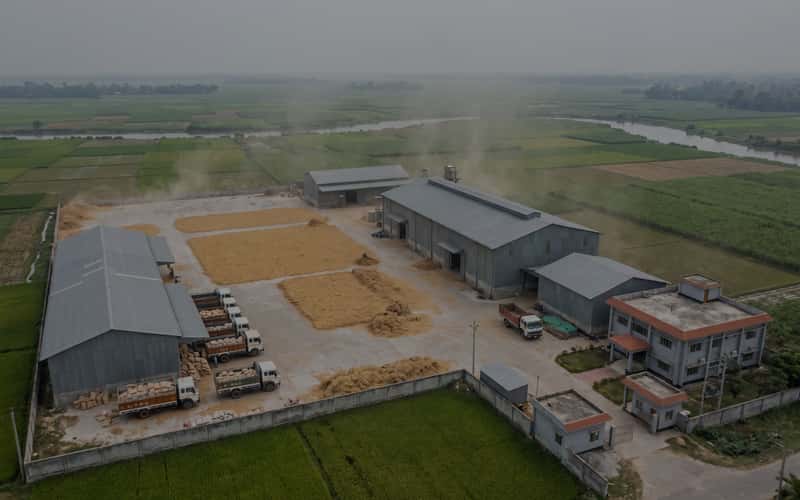
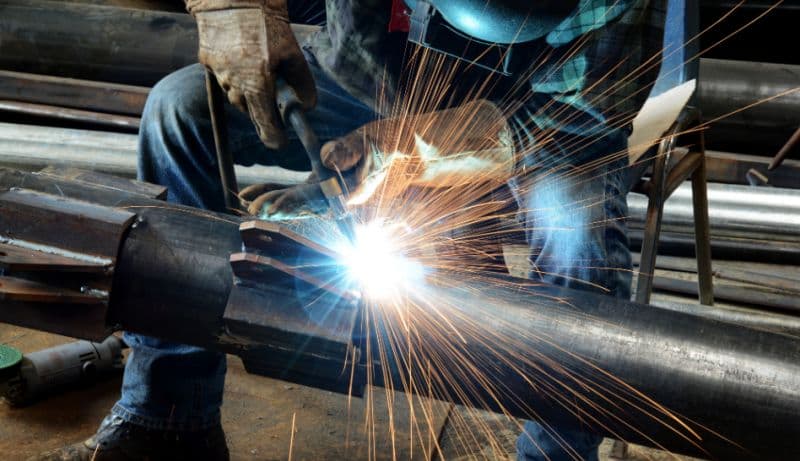
The critical components of the of the complete pellet production line equipment are built in our own workshops in Asia. Additional equipment is manufactured by our worldwide network of reliable partners.

● Testing
Quality Inspection & Testing
Before leaving the factory, all equipment will be inspected by the quality inspection department. We can also provide customers with testing services from a single machine to a complete pellet plant system, and provide you with real actual data for “worry-free use.”

● Delivery
Equipment Delivery
In equipment boxing and packaging, we adopt professional packaging and modular solutions to ensure the safe and non-destructive delivery of pellet plant equipment.
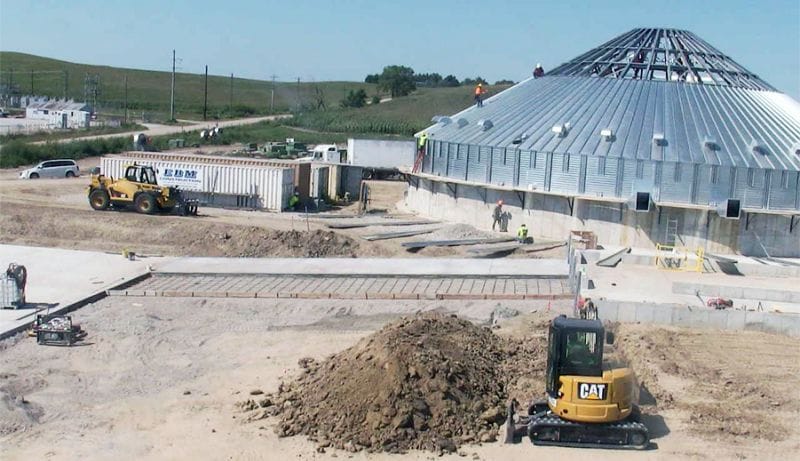
● Installation
Installation & Commissioning
Whether you choose your own subcontractor for the erection phase or you want to install everything together with us, a Richi supervisor will be around to make sure everything is mounted in a safe and thorough way.

● Training
Staff Training
We provide comprehensive training for the technicians of each project. We can also continue to provide support for the technicians during latter project operation.
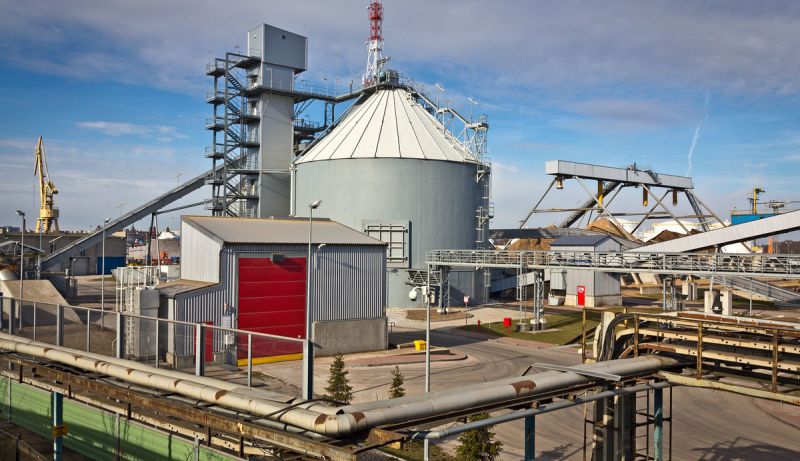
● After-sales
Project Follow-Up
When everything is up and running our Richiers will help you further whenever needed. We are ready to answer your call 24/7.We’ll also visit you regularly to learn about your needs.
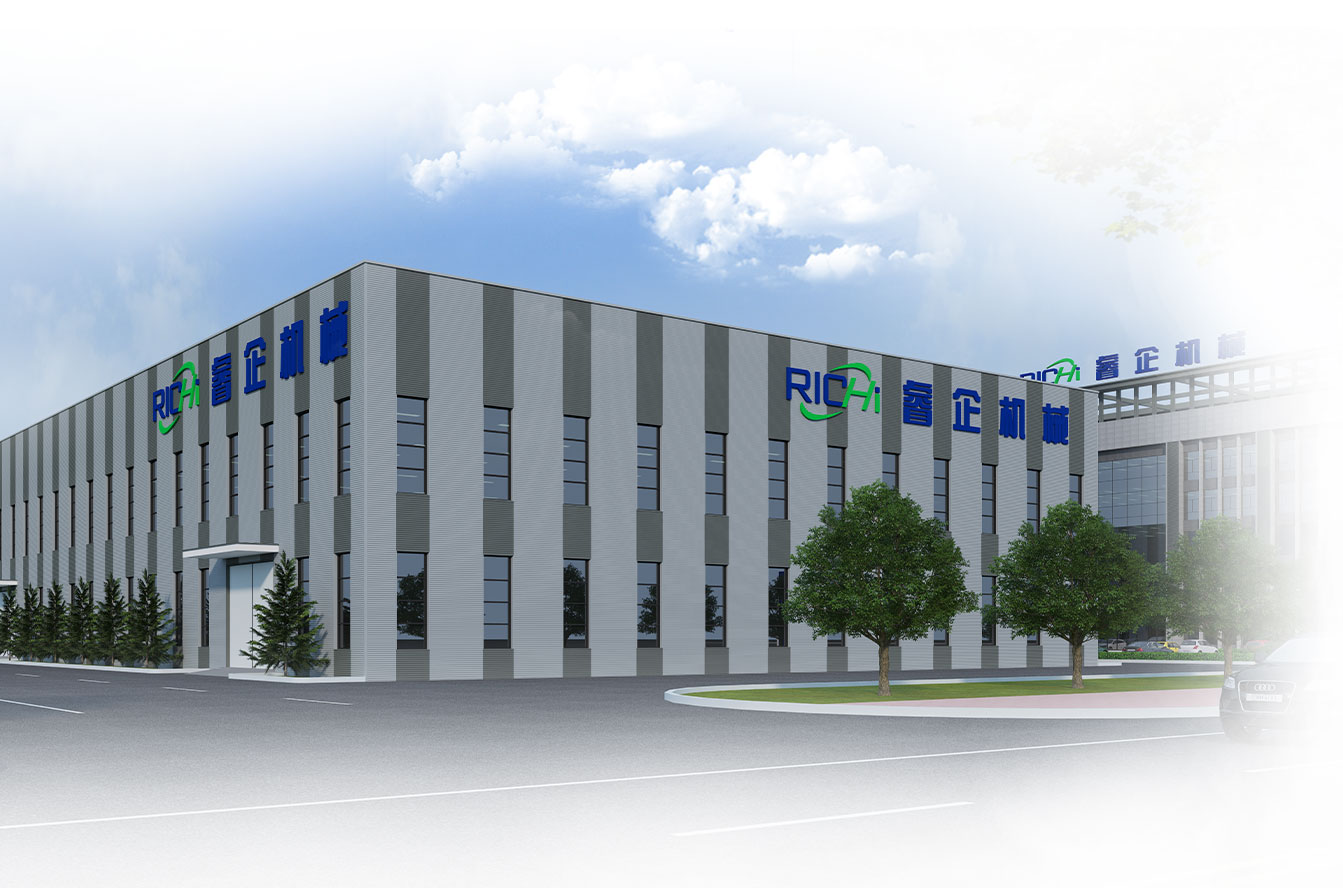
Who we are
RICHI Machinery is one of the world’s leading suppliers of technology and services for the animal feed, aqua feed and pet food industries, also the largest pellet production line manufacturer in China.
Since 1995, RICHI’s vision to build a first-class enterprise, to foster first-class employees, and to make first-class contributions to society has never wavered.
In the past three decades, we have expanded our business to a wide range of areas, including animal feed mill equipment, aqua feed equipment, pet feed equipment, biomass pellet equipment, fertilizer equipment, cat litter equipment, municipal solid waste pellets equipment, etc.

1995
RICHI Established

2000+
Serving More Than 2000 Customers

120+
RICHI Employees

140+
Exported To 140 Countries