 0086-138 3838 9622
Compound Feed Mill Plant in Myanmar
RICHI MACHINERY
overview
This project started with a fairly straightforward request from a medium-sized agribusiness in Yangon, but once we looked closer, it turned into a full redesign rather than a simple upgrade. The client was running a small 3–5 t/h feed line that struggled badly with steam conditioning and seasonal moisture changes.
During the monsoon, raw materials like corn, sorghum, and rice bran would absorb so much moisture that pellet quality dropped immediately. Shrimp farmers were especially unhappy because the pellets were not stable in water.
After several rounds of discussion, we shifted the plan toward a 20 t/h compound feed mill plant designed for both floating fish feed and sinking pellets, targeting roughly 150,000 tons per year. The raw material mix was quite diverse—corn, soybean meal, fishmeal, peanut cake, wheat flour, and oil-based additives—so the key challenge was not just capacity, but consistency in grinding, mixing, and steam control under unstable climate conditions.
From the engineering side, the solution included a complete integrated system covering grinding, batching, mixing, pelleting, extrusion, drying, cooling, fat coating, and bagging.
The floating feed line used extrusion with controlled drying to ensure buoyancy, while the sinking feed line relied on a conditioning and pelletizing process with precise steam input from a 10 t/h gas boiler. We also had to adapt the plant layout to a relatively compact 1.5-hectare site, using a multi-floor production building and carefully separating dust-heavy zones from office and living areas.
After commissioning, a few adjustments were needed—mainly in extruder settings and cooler discharge capacity—but once tuned, the line stabilized at around 18–19 t/h. The plant now runs continuously in three shifts and has already started supplying multiple regional feed distributors, reducing reliance on imported feed and improving product freshness for local aquaculture operations.
20T/H
capacity
$1,280,000
investment
Myanmar
location
Feed
project type
RICHI MACHINERY
First Contact: What the Client Actually Asked
We got an inquiry through our website back in early March 2024. The client was a medium-sized agribusiness based in Yangon. They already had a small mixing line—maybe 3–5 tons per hour—but it was old, inefficient, and couldn’t handle steam conditioning properly. Their words: “We lose too much feed quality during the rainy season. And our shrimp farmers complain about floating pellets.”
They wanted to expand into both floating fish feed and sinking pellets for shrimp and pigs. The target was 20 tons per hour, running three shifts, 320 days a year. That’s roughly 150,000 tons annually.
We spent the first two weeks just talking about raw materials. Not just the list—but where they’d source them, how they’d store them, and what the moisture content looked like during monsoon season. Because in Myanmar, that’s a real problem. You can’t just copy a European or Chinese design and expect it to work.
RICHI MACHINERY
Why Myanmar? Market Reality Behind This Investment
Myanmar has a growing aquaculture sector—especially in Ayeyarwady and Yangon regions. Shrimp farming has picked up, and catfish production is steady. But here’s the thing: most local feed mills are small, outdated, or rely on imported feed from Thailand and Vietnam. That adds cost.
The government has also been pushing for more domestic feed production to reduce imports. So when this client ran the numbers, they saw a clear gap. A modern 20 t/h compound feed mill plant could supply better quality feed at a lower price than imported stuff—while still making a healthy margin.
And because Myanmar has plenty of corn, rice bran, broken rice, and fishmeal (local production in Rakhine and Tanintharyi), raw material access isn’t the bottleneck. The bottleneck is processing technology—especially steam control, fine grinding, and fat coating.
RICHI MACHINERY
What They Wanted to Produce
The client needed two main product lines from the same 20 t/h compound feed mill plant:
| Product Type | Annual Output (tons) | Pellet Size | Purpose |
|---|---|---|---|
| Floating fish feed | 110,000 | 1.5–4.0 mm | Pangasius, tilapia |
| Sinking pellets | 40,000 | 2.0–5.0 mm | Shrimp, pigs |
The floating feed required higher starch gelatinization—so extrusion and proper steam conditioning were critical. The sinking pellets needed good water stability (at least 2 hours in water without breaking). Both demanded fine grinding, precise mixing, and consistent pellet hardness.
RICHI MACHINERY
Raw Materials – What Goes Into the 20 t/h Compound Feed Mill Plant
The client’s raw material list was actually quite diverse. They didn’t rely on just one or two ingredients. That’s smart—it gives flexibility when prices fluctuate.
Here’s the full breakdown they gave us during the initial technical discussion:
| Raw Material | Annual Usage (t) | Max Storage (t) | Form | Notes |
|---|---|---|---|---|
| Corn | 7,500 | 200 | Solid | Local purchase, high moisture in rainy season |
| Wheat | 7,500 | 200 | Solid | Imported via Thilawa port |
| Sorghum | 7,500 | 200 | Solid | Grows well in dry zones |
| Soybean meal | 36,000 | 400 | Solid | Main protein source |
| Rapeseed meal | 4,000 | 100 | Bagged | Lower cost alternative |
| Peanut cake | 10,000 | 250 | Solid | Local supply from Mandalay |
| Fishmeal | 18,000 | 300 | Solid | From Myeik and Rakhine |
| Wheat flour | 30,000 | 350 | Solid | Binder for pellets |
| Tapioca starch | 6,000 | 200 | Solid | For floating expansion |
| Meat meal | 4,000 | 150 | Bagged | Imported |
| Fish oil | 1,800 | 100 | Liquid (drum) | Sprayed after pelleting |
| Soy oil | 6,000 | 250 | Liquid (drum) | Energy source |
| Protein concentrate | 5,000 | 250 | Bagged | High-value additive |
| Bentonite | 3,500 | 150 | Bagged | Binder for sinking feed |
| Additives (vitamins, minerals, etc.) | 3,200 | 150 | Bagged | Micronutrients |
The biggest challenge? Corn and sorghum moisture. During the wet season, we measured incoming moisture as high as 18–20%. That’s too wet for stable pelleting. So we had to adjust the design—added more drying capacity in the cooler section and recommended they build a covered drying yard for incoming grains. Not glamorous, but necessary.
RICHI MACHINERY
Equipment Line – What We Supplied for This 20 t/h Compound Feed Mill Plant
We didn’t just ship a bunch of machines. We designed the whole flow from receiving to bagging. Here’s the actual equipment list (no model numbers—just what matters):
| Equipment | Quantity | Function |
|---|---|---|
| Ribbon mixer | 5 units | Batch mixing, 2 tons per batch |
| Scraper conveyor | 20 units | Horizontal material transfer |
| Bucket elevator | 20 units | Vertical lifting |
| Hammer mill feed grinder | 7 units | Coarse grinding of grains |
| Ultra-fine grinder | 10 units | Fine grinding for shrimp feed |
| Fish feed pellet making machine | 2 units | Sinking pellet production |
| Conditioner | 2 sets | Steam pre-treatment before pelleting |
| Twin screw extruder | 4 units | Floating feed expansion |
| Fish feed dryer machine | 4 units | Moisture reduction after extrusion |
| Counterflow cooler | 6 units | Cooling and final drying |
| Fat coater | 4 units | Oil spray after cooling |
| Pre-cleaner (drum sieve) | 5 units | Remove stones, corn cobs, metal |
| Grading sieve | 16 units | Size classification |
| Bagging scale + sealer | 6 sets | 25–50 kg bags |
| Gas boiler (10 t/h) | 1 unit | Steam for conditioning and extrusion |
The boiler was a point of discussion. They initially wanted a coal boiler (cheaper fuel), but Myanmar’s environmental regulations are tightening. We convinced them to go with natural gas. Yes, operating cost is slightly higher—but no coal ash disposal, no heavy dust, and easier permitting. Long-term, it was the right call.
RICHI MACHINERY
Plant Layout – Working With Limited Space
The client had about 1.5 hectares (15,299 m²) total. That’s not huge for a 20 t/h compound feed mill plant. We had to be clever.
Here’s what the site layout looked like after we finished the design:
- Main production building: 6 floors, 1,497 m² footprint. That’s where grinding, mixing, pelleting, extrusion, drying, and cooling happen.
- Raw material & finished product warehouse: 2 floors, 2,448 m². Ground floor for incoming bags/bulk, upper floor for bagged finished feed.
- Bulk storage silos: 1 floor, 182 m² – just for corn, wheat, and sorghum.
- Unloading shed: 182 m² – covered, with dust collection points.
- Boiler house: 120 m² – separated from main plant for safety.
- Office: 5 floors, 360 m² footprint – not fancy, but functional.
- Staff building: 5 floors, 240 m² – ground floor canteen, upper floors for dormitories (50 workers, 3 shifts).
We put the boiler on the southwest side, away from the main air intake of the production building. The office and staff building are on the southeast side—upwind from the unloading area. Small detail, but it keeps the office dust-free.
One thing the client appreciated: we left space for future expansion. The east side of the warehouse can be extended by another 800 m² without disrupting current operations.
RICHI MACHINERY
Process Flow – How the 20 t/h Compound Feed Mill Plant Actually Runs
Let me walk you through the real sequence. Not a textbook diagram—what actually happens on the floor.
Step 1: Intake and cleaning
Trucks dump corn or sorghum into the receiving pit. A scraper conveyor moves it to a bucket elevator, then to a drum pre-cleaner. The cleaner removes corn cobs, husks, stones, and any metal. Those impurities? Corn cobs get crushed and go back into the line as fiber source. Metal scrap goes to a bin for disposal.
Step 2: Grinding
Clean grain drops into hammer mills for coarse grinding (for pig feed) or ultra-fine grinders for shrimp feed. The shrimp feed requires 0.5 mm particle size—otherwise pellets disintegrate in water.
Step 3: Batching and mixing
Ground materials go to overhead bins. The control system weighs each ingredient automatically—corn, soybean meal, fishmeal, additives, all in sequence. Then into the ribbon mixer. Mix time: 3–4 minutes per batch. Target CV (coefficient of variation) below 5%.
We added a liquid injection port for molasses and oil during mixing. Not all feed mills do this—but for energy-dense shrimp feed, it helps.
Step 4: Conditioning and pelleting (sinking line)
For sinking pellets: mixed meal goes into a conditioner. Steam (from the 10 t/h gas boiler) is injected at 85–90°C, raising moisture to about 17%. Then into the sinking fish feed machine. Die size: 2.0–5.0 mm depending on target species.
Step 5: Extrusion (floating line)
For floating fish feed: the mixed meal goes through a floating fish feed extruder machine. High temperature (120–130°C) and pressure, then sudden expansion. That creates the porous structure that floats. After extrusion, the pellets go through a mesh belt dryer (80–90°C) to reduce moisture from 25–28% down to 10–12%.
Step 6: Cooling
Both sinking and floating pellets pass through a counterflow cooler. Ambient air is pulled through the pellet bed, dropping temperature to within 5°C of room temperature. This also removes surface moisture.
Step 7: Fat coating
After cooling, pellets go into a fat coater. Fish oil or soybean oil is sprayed at room temperature—no smoke, no fumes. For shrimp feed, we add up to 6% oil. For floating fish feed, about 3–4%.
Step 8: Grading and bagging
Pellets pass through a multi-deck sieve. Oversize pellets go back to the grinder. Fines go back to the mixer. Correct-size pellets drop into a bagging scale—usually 25 kg or 50 kg woven bags, heat-sealed with a liner to prevent moisture pickup during storage.
RICHI MACHINERY
Utility Consumption – Real Numbers From the First Month of Operation
After commissioning (August 2024), we tracked actual usage for 30 days:
| Utility | Daily Consumption | Annual (320 days) | Notes |
|---|---|---|---|
| Fresh water | 217.7 m³ | 69,664 m³ | Mostly boiler makeup |
| Boiler feedwater | 175.2 m³/day | 56,064 m³ | Condensate not fully recovered |
| Bio-scrubber top-up | 15 m³/day | 4,800 m³ | Cycled, no discharge |
| Alkali scrubber top-up | 5 m³/day | 1,600 m³ | For boiler flue gas |
| Staff water | 22.5 m³/day | 7,200 m³ | 50 people, showers + canteen |
| Power | 56,250 kWh/day | 18 million kWh/year | Grid supply, no generator |
| Natural gas | 9,375 m³/day | 3 million m³/year | For 10 t/h boiler |
The boiler was running at about 75% load on average. Not maxed out—that leaves room for future expansion.
RICHI MACHINERY
Environmental Controls – What We Did Differently
Myanmar doesn’t have the same strict emission laws as Europe or China. But the client wanted to future-proof the plant. Also, the factory is near a small village—about 500 meters away. Dust and odor complaints would shut them down fast.
So we installed:
- Pulse bag filters at every transfer point, grinder, and mixer outlet. Collected dust goes back into the process—no waste.
- Bio-scrubbers on the extruder and dryer exhausts. These use microorganisms to break down volatile organic compounds. Smells like wet earth, not fish.
- Alkali scrubber on the boiler flue gas. Removes SO₂. Natural gas is clean, but this gives an extra safety margin.
- Three-stage settling tank for washdown water. The final stage feeds into the municipal sewer (after testing showed it met local standards).
The client also built a covered sludge drying bed next to the boiler house. Scrubber sludge dries there and gets mixed into non-food animal feed. Zero liquid discharge.
RICHI MACHINERY
What the First Few Weeks of Production Looked Like
Commissioning started in late July 2024. The first few tons of floating feed? Too soft. They sank after 30 seconds. The client was not happy.
We traced it to two issues:
- The extruder screw configuration was too aggressive—over-expanded the pellets, creating large air pockets that collapsed during drying.
- The animal feed dryer temperature profile was uneven. One zone was running 10°C hotter than the setpoint.
Our team spent three days adjusting screw profiles and recalibrating the dryer thermocouples. By the fourth day, we had floating pellets that stayed up for 12 hours. The client’s fish farmer friend tested them in a pond—came back with a thumbs-up.
Sinking pellets for shrimp were easier. The animal feed pellet mill ran smoothly from day one. But we did have a blockage issue in the cooler discharge. The counterflow cooler’s rotary valve was undersized for the 20 t/h rate. We swapped it for a larger model (shipped via DHL express from our warehouse in Bangkok—arrived in 4 days). After that, no more jams.
RICHI MACHINERY
Staff Training – A Detail Most Suppliers Skip
We didn’t just hand over a manual and leave. Two of our engineers stayed on-site for 15 days after commissioning. We trained:
- Shift supervisors on the PLC control system (how to adjust steam flow, die clearance, extruder screw speed).
- Maintenance crew on bearing lubrication schedules, hammer mill screen changes, and how to spot early wear on pellet mill dies.
- Quality control staff on moisture testing (using a portable oven method) and pellet durability testing (Holmen tester).
The client’s production manager told us later: “The first week after your team left, we had a bearing failure on elevator #7. Your manual had the part number. We bought locally and fixed it in 4 hours. That never would have happened before.”
That’s the kind of feedback we actually care about.
RICHI MACHINERY
Logistics – Shipping From China to Myanmar
All equipment was shipped from Qingdao Port to Yangon’s Thilawa Port. Transit time: about 12–14 days depending on weather and port congestion.
Thilawa is actually well-equipped. They have a dedicated berth for project cargo. We packed everything in 40-foot high-cube containers and flat racks for the larger items (the pellet mill and extruder barrels).
The client handled customs clearance themselves—we provided all the commercial invoices, packing lists, and HS codes. Their local agent cleared everything in 5 days. No major delays.
RICHI MACHINERY
Project Investment – What the Client Actually Paid (USD)
| Item | Cost (USD) | Notes |
|---|---|---|
| Equipment (FOB Qingdao) | $1,280,000 | Mixers, mills, extruders, dryer, boiler, conveyors |
| Sea freight + insurance | $85,000 | Qingdao to Thilawa |
| Customs duty + local transport | $120,000 | Approx. 8% duty rate |
| Civil works (client’s cost) | $1,800,000 | 6-story main building, warehouse, silos |
| Electrical installation | $250,000 | Cables, panels, transformers |
| Piping + steam system | $180,000 | Boiler to machines |
| Installation supervision (our team) | $95,000 | Two engineers, 45 days total |
| Training + commissioning | $40,000 | Included in the service package |
| Contingency | $150,000 | Client’s buffer |
| Total | ~$4,500,000 |
The client financed this partly through a local bank (60% loan at 11% interest over 5 years) and partly from retained earnings. Their payback calculation showed about 2.5 years at full capacity.
RICHI MACHINERY
What Would We Do Differently Next Time?
Honest reflection:
- The cooler rotary valve should have been sized larger from the start. We spec’d it based on bulk density at room temperature—didn’t account for slight expansion during cooling. That’s on us.
- We should have recommended a magnet separator before the hammer mills. The client had one, but it was weak. A small nail got through and damaged screen #3 on the second day. We replaced the screen under warranty, but still—could have been avoided.
- More training on moisture management. The operators initially ran the dryer too hot because they were afraid of high moisture. That burned some pellets. We had to add a second training session just on dryer controls.
But overall? The animal feed mill plant is running at 18–19 tons per hour after three months—not quite 20 yet, but close. The client is happy. They’ve already started selling feed to three cooperatives in Ayeyarwady.
RICHI MACHINERY
Why This 20 t/h Compound Feed Mill Plant Makes Sense in Myanmar
Myanmar imports about 40% of its aquafeed from Thailand. That’s expensive—and unreliable during monsoon season when roads flood. Local production at this scale can undercut imports by 15–20% while offering fresher product.
Also, the government’s Myanmar Aquaculture Development Plan 2025 specifically calls for domestic feed production to reach 1.5 million tons annually. We’re still far from that. So there’s room for more plants.
Raw materials? Myanmar grows enough corn (2.5 million tons/year), rice bran, and broken rice to support multiple 20 t/h compound feed mill plants. Fishmeal production is increasing too—though quality varies. The client actually built a small fishmeal plant next door last year. Smart vertical integration.
RICHI MACHINERY
Thinking About Your Own Project?
If you’re reading this and running numbers in your head—good. That’s exactly what you should be doing.
Every site is different. Your raw materials might be wetter, drier, or have different oil content. Your space might be tighter. Your target species might be different (poultry? cattle? shrimp?).
We don’t copy-paste designs. We ask questions first. Then we run mass balances. Then we simulate the line in our engineering software. Only then do we cut steel.
And we don’t disappear after shipping. Our after-sales team speaks English (and some Burmese, through our partner in Yangon). We keep spare parts for pellet mill dies, hammer mill screens, and extruder screws in our Bangkok warehouse—just a few days away from Myanmar.
So if you’re planning a new animal feed production line, or upgrading an old one, get in touch. Send us your raw material list and your target output. We’ll send back a preliminary layout and equipment list—no charge, no obligation.
● RICHI MACHINERY
RICHI Service

● Consulting
Customer Consultation
We want to have a deep understanding of your industrial process, to know your exact needs of feed, wood, biomass, fertilizer or other pellet processing.

● Design
biomass Pellet Plant Design
Based on your unique situation and industrial process, we will tailor complete pellet plant you need, and inform you of every additional detail that could facilitate operation, minimize total cost.
● Manufacturing
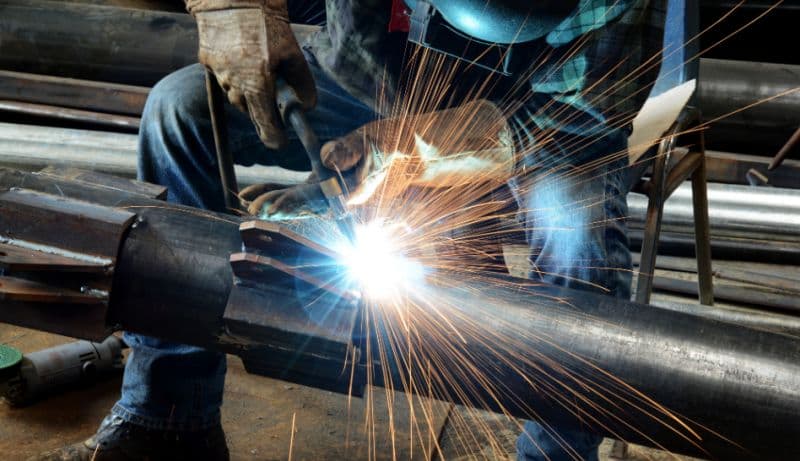
Equipment Manufacturing
The critical components of the of the complete pellet production line equipment are built in our own workshops in Asia. Additional equipment is manufactured by our worldwide network of reliable partners.
● Testing
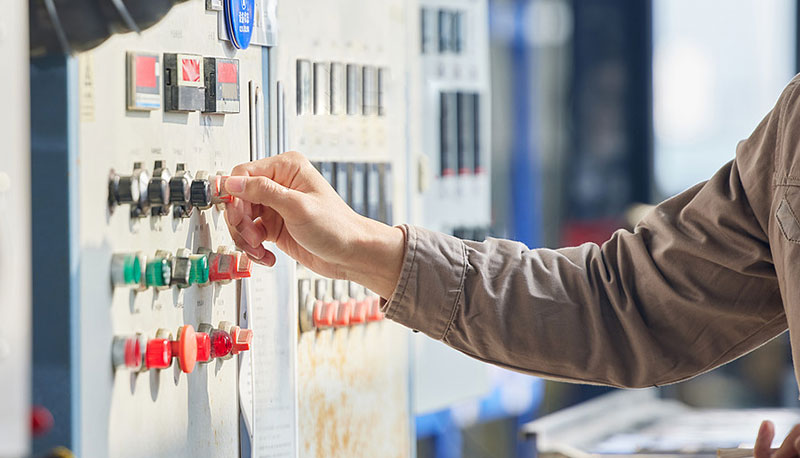
Quality Inspection & Testing
Before leaving the factory, all equipment will be inspected by the quality inspection department. We can also provide customers with testing services from a single machine to a complete pellet plant system, and provide you with real actual data for “worry-free use.”

● Delivery
Equipment Delivery
In equipment boxing and packaging, we adopt professional packaging and modular solutions to ensure the safe and non-destructive delivery of pellet plant equipment.
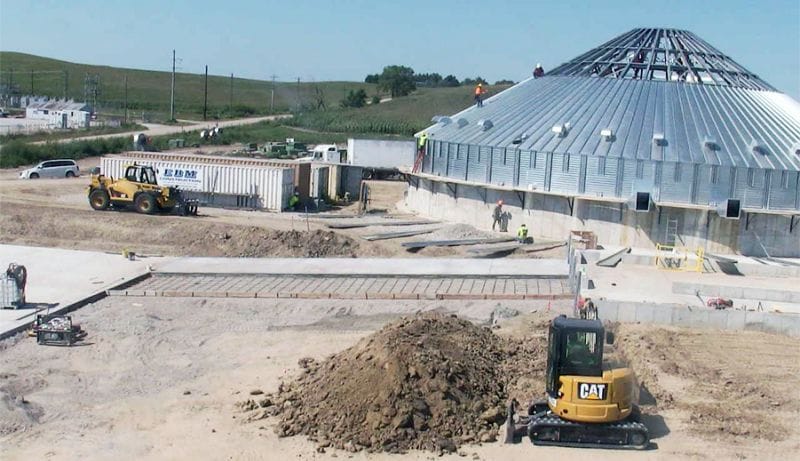
● Installation
Installation & Commissioning
Whether you choose your own subcontractor for the erection phase or you want to install everything together with us, a Richi supervisor will be around to make sure everything is mounted in a safe and thorough way.

● Training
Staff Training
We provide comprehensive training for the technicians of each project. We can also continue to provide support for the technicians during latter project operation.
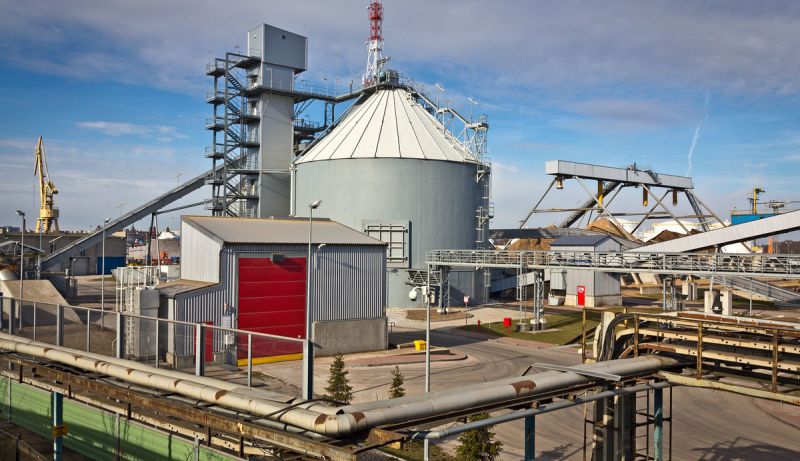
● After-sales
Project Follow-Up
When everything is up and running our Richiers will help you further whenever needed. We are ready to answer your call 24/7.We’ll also visit you regularly to learn about your needs.
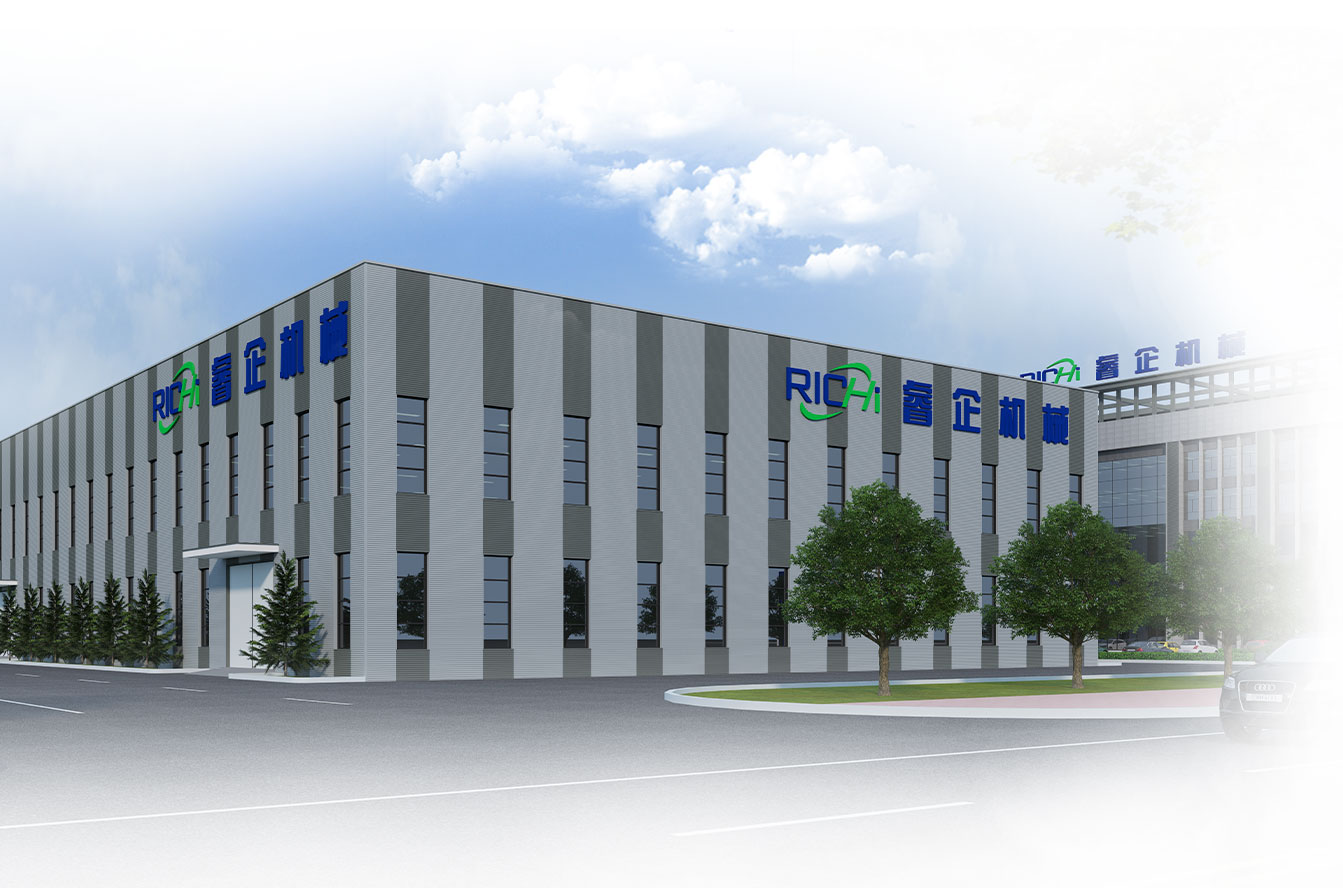
Who we are
RICHI Machinery is one of the world’s leading suppliers of technology and services for the animal feed, aqua feed and pet food industries, also the largest pellet production line manufacturer in China.
Since 1995, RICHI’s vision to build a first-class enterprise, to foster first-class employees, and to make first-class contributions to society has never wavered.
In the past three decades, we have expanded our business to a wide range of areas, including animal feed mill equipment, aqua feed equipment, pet feed equipment, biomass pellet equipment, fertilizer equipment, cat litter equipment, municipal solid waste pellets equipment, etc.

1995
RICHI Established

2000+
Serving More Than 2000 Customers

120+
RICHI Employees

140+
Exported To 140 Countries