0086-138 3838 9622
2.7 T/H complete pine pellet production line in Russia
Replacing a 500 kg/h fuel-pellet line created a second opportunity for this complete pine pellet production line in Russia: supplying both industrial fuel and pine cat litter. The upgrade keeps one matched pressing route, but the two products have separate specifications, campaign records and final release checks.
RICHI MACHINERY
An upgrade with two different product promises
The customer removed the smaller wood pellet production line to make room for the higher-output operation. RICHI’s engineering selection targets 6,000 tonnes of combined annual product, with cat litter taking the larger share of the commercial programme. Fuel and litter quantities are allocated through orders; they are not two separate 6,000-tonne capacities.
The operating plan uses seven staff, one eight-hour day shift and 300 working days, with no night production. At a selected 2.7 T/H accepted rate, about 2,222 productive hours deliver the annual programme within 2,400 scheduled hours. The remaining 178 hours cover service, die changes, cleanout and interruptions. The upgrade programme includes a 45-day installation and commissioning window, coordinated around site readiness.
Fuel customers need pellets that suit boiler feeding and ash removal. Litter customers need consistent size, controlled dust, absorption, breakdown and acceptable odour. Clean untreated pine is the common feedstock, but one successful fuel test does not qualify the same batch as cat litter.
2.7 T/H
capacity
US$130,000
investment
Russia
location
Fuel & litter
project type
RICHI MACHINERY
Make room for the replacement line and truck access
The 3,000 m² site calls for a footprint that leaves vehicle and maintenance access. The engineering layout assigns 1,000 m² to processing, 1,200 m² to covered stock and a 100 m² office footprint with 200 m² gross floor area across two levels. This leaves about 700 m² for access and services before detailed setbacks and loading requirements are resolved.
| Design area /interface | Allocation | Upgrade purpose |
|---|---|---|
| Site | 3,000 m² | Land boundary for the layout design |
| Process building | 1,000 m² | Preparation, pressing, cooling and packing |
| Covered stock | 1,200 m² design allocation | Separate pine receipts, quarantine and released products |
| Office | 100 m² footprint; 200 m² gross floor area | Two-level administration arrangement |
| Access /service land balance | About 700 m² | Loading, circulation and services before detailed layout checks |
| Power connection | 630 kVA preliminary allowance | Existing capacity, starting duty and shared services checked |
| Dust extraction | Source capture and suitable separation | No untested filter percentage or stack-height compliance claim |
| Water /drainage | Personnel supply and separate sanitary handling | No assumed agricultural reuse |
| Maintenance waste | Contained service/waste area | Separate from pine, recoverable fines and finished stock |
RICHI MACHINERY
One pine stream with separate fuel and litter release
The annual programme is 6,000 tonnes across the two pine products. Fuel is intended for suitably equipped industrial users; cat litter is a separate non-fuel product. The table sets out the design release basis so die selection, screening and packaging can follow the buyer rather than treating small pellets as automatically suitable for pets.
| Product /design basis | Fuel campaign | Cat-litter campaign |
|---|---|---|
| Combined annual output | 6,000 tonnes total | Included in the same total; no duplicate tonnage |
| Initial diameter | 8 mm | 6 mm; confirm buyer preference |
| Initial cut length | 10–30 mm | 10–25 mm; trial for use and pack handling |
| Moisture reference | 13% wet basis | 13% wet basis for balance; acceptance depends on storage and absorption tests |
| Release checks | Moisture, ash, net calorific value, durability, fines and buyer limits | Dust after handling, absorption, disintegration, odour, cleanliness and pack stability |
| Raw material | Clean untreated pine | Verified clean untreated pine; no mixed treated-wood stream |
| Packing | Initial 25 kg bag option | Initial 10 kg bag option |
| Campaign control | Identified lot and approved compatible return | Dedicated release label, cleanout and compatible return |
RICHI MACHINERY
Pine identity, moisture and service demand
Pine chips and suitable offcuts supply the common process. Their annual procurement ratio follows the available clean material, while each delivery is checked for species, previous treatment, moisture and foreign matter. Paint, preservative-treated timber, plywood, MDF, laminates and mixed demolition residues are excluded from this pine-litter feedstock.
| Material /utility | Reference quantity | Planning boundary |
|---|---|---|
| Total pine receipts | 6,203.21 tonnes/year | 15% moisture; 1% receiving reject |
| Feedstock split | Clean chips and suitable offcuts | Receipt proportions agreed from actual supply |
| Compatible internal fines | 120 tonnes/year | 2% of accepted product at 13% moisture |
| Domestic water | 105 m³/year | Seven staff ×50 litres ×300 days |
| Sanitary flow | 84 m³/year | 80% domestic return assumption |
| Electricity | About 578,000–711,000 kWh/year | 260–320 kW productive average ×about 2,222 hours |
| Connected load | 379.5 kW | Preparation through packing; no main dryer heat |
| Existing services | Reuse after capacity and condition checks | Old press removal does not prove spare power or airflow capacity |
RICHI MACHINERY
Select the replacement press around net output
One MZLH678 ring-die press with a specified 200 kW main drive is the minimum engineering selection for the chosen 2.7 T/H net rate. The gross duty is about 2.82 T/H after internal fines are included. RICHI matches this to the published 2.5–3 T/H range, then sets the final guarantee from the actual pine, die and product trial.
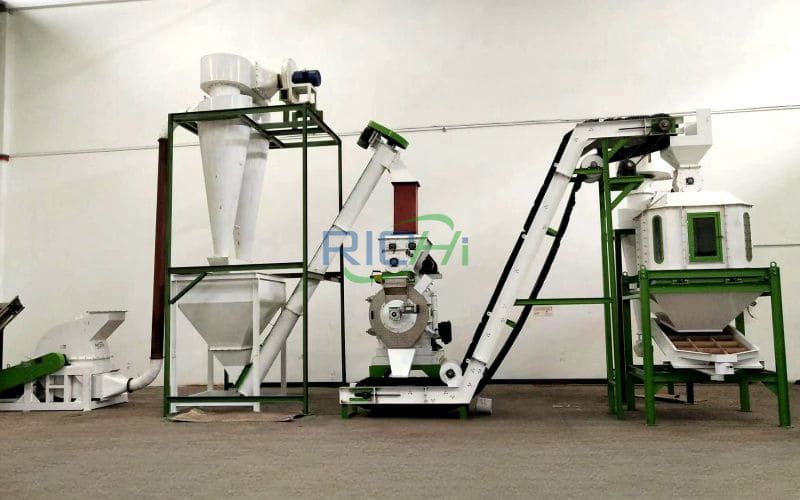
For this complete pine pellet production line in Russia, the press, preparation, cooler and bagging route are selected as one system. A 6 mm litter die and an 8 mm fuel die form the initial campaign plan. If a smaller die or a tighter dust specification lowers accepted throughput, the order schedule is adjusted before more tonnage is committed.
| Process duty | RICHI engineering selection | Required performance |
|---|---|---|
| Coarse pine preparation | One 37 kW wood chipper machine position | ≥3.2 T/H on specified offcuts; suitable chips bypass |
| Fine grinding | One 75 kW working position | ≥3.2 T/H; initial 1–3 mm distribution |
| Press | One MZLH678 wood pellet mill; 200 kW | 2.7 T/H net; about 2.82 T/H gross |
| Press feeding | 7.5 kW allowance | Stable anti-bridging flow |
| Active cooling | 11 kW package allowance | ≥3.2 T/H hot pellets |
| Grading /controlled return | 3 kW allowance | ≥3.2 T/H; separate product release |
| Conveying | 15 kW allowance | Matched route and actual material density |
| Dust extraction | 15 kW allowance | Preparation, finishing and filling duties |
| Bag filling /closing | One 5.5 kW completed-bag route | ≥350 ×10 kg bags/hour; 270/hour required for litter |
| Compressed air /controls | 5.5 kW /5 kW | 379.5 kW total connected reference |
RICHI MACHINERY
Check the services before reusing them
- Water: the dry process has no routine water addition. Domestic consumption is 105 m³/year on the stated seven-person basis; cleaning, initial firewater and other services are separately assessed.
- Drainage: keep sanitary water separate from clean stormwater and any material-area runoff. The 84 m³/year sanitary reference needs the actual approved collection/treatment route; a septic tank alone does not establish irrigation permission.
- Electricity: at 260–320 kW average productive demand, the annual reference is about 578,000–711,000 kWh. A 630 kVA service provides about 535.5 kW at 0.85 power factor. Confirm motor starts and any shared loads before relying on existing distribution.
RICHI MACHINERY
A ring-die route with controlled changeovers
The dry-feed design uses 15% incoming moisture and a 13% finished-product balance reference, both wet basis. It has no main dryer, steam addition or liquid binder. That narrow water-removal duty must be demonstrated in forming and active cooling; a buyer requiring a drier litter or fuel grade needs a different incoming moisture or an added drying assessment.
- Pine preparation: inspect incoming chips and offcuts, remove contaminants and use the chipper only for material that needs primary reduction. Sawdust or suitable fine chips can bypass unnecessary cutting.
- Fine grinding: reduce the accepted pine to the agreed initial particle distribution. Check screen condition, aspiration and actual sieve results; screen aperture is not the final particle size.
- Ring-die pressing: meter the material evenly and use the die selected for each product. Mechanical compression and material binding form the pellet. Pressure, temperature and wear life follow the actual machine and trials; the process is not described as flat-die extrusion or protein gelatinization.
- Cooling and packaging: cool actively, screen fines and keep fuel/litter lots identified. At 10 kg per litter bag, the line needs 270 completed bags/hour; at 25 kg per fuel bag it needs 108/hour. Bag placement, closing and pallet movement form part of the same handling trial.
RICHI MACHINERY
Keep moisture removal and return fines separate
| External annual mass account | Tonnes | Moisture /boundary |
|---|---|---|
| Incoming pine | 6,203.21 | 15% wet-basis moisture |
| Receiving reject | 62.03 | 1% at the same reference moisture |
| Fresh accepted feed | 6,141.18 | 5,220 dry matter +921.18 water |
| Internal compatible return | 120 | 13% moisture; excluded from external balance |
| Gross press feed | 6,261.18 | About 2.82 T/H |
| Gross cooled screened product | 6,120 | Includes circulating fines |
| Net sold fuel and litter | 6,000 | 5,220 dry matter +780 water |
| Forming /cooling evaporation | 141.18 | No added process water or main dryer |
| External total out | 6,203.21 | 6,000 product +62.03 reject +141.18 water |
On this basis, each 6,000 tonnes of sold product contains 5,220 tonnes of dry matter and 780 tonnes of water. The reference receipts are about 6,203 tonnes, including 1% receiving reject. This is a moisture-and-yield design calculation for the combined programme; the actual fuel/litter sales split remains part of production planning.
RICHI MACHINERY
Plan the upgrade around the two buyers
The pine pellet line upgrade in Russia is commercially strongest when it serves two documented buyer briefs. Set fuel chemistry and handling requirements separately from litter dust, absorption and pack requirements. Procurement, campaigns and working capital can then be matched to repeat orders rather than a general prediction of market growth.
- Replacement scope: remove the old press and assess the remaining foundations, power distribution, conveyors and extraction for reuse. The upgrade plan covers shut-down sequence, access, installation and commissioning rather than assuming every existing component fits the new duty.
- Material identity: a pine fuel and cat litter pellet plant in Russia needs traceable pine receipts and clear exclusion rules for treated or composite timber. A low purchase price is not useful if the material fails the litter or fuel specification.
- Two buyer contracts: fuel sales are agreed on tested combustion and handling properties; litter sales on performance, dust and pack condition. No subsidy, guaranteed demand or automatic premium grade is included in the business case.
- Changeover discipline: schedule die changes, cleanout, labels and approved return material before production starts. The smaller litter diameter and tighter dust requirement can reduce accepted output, so trial the product that sets the limiting duty.
- Storage: separate incoming pine from released litter and fuel. Ventilation, dry handling and controlled access remain important even when pellets look cool and dry. Wood pellets can release carbon monoxide in enclosed storage.
- Cold-weather handling: check cooling air, indoor humidity and condensation risks when warm product moves toward colder stock areas. Package only after the actual release conditions are met; do not use a fixed calendar cooling time for every season.
- Budget and continuity: the stated project investment is allocated through the agreed supply scope. Account separately for service upgrades, installation, freight, initial stock and working capital; keep replacement dies, screens and other wear parts available for the planned operating calendar.
Bring RICHI MACHIINERY the old line’s equipment list, the available floor plan and samples of your pine feed. To size a complete pine pellet production line in Russia, we also need the fuel/litter order split, product moisture limits, bag sizes and working calendar. The proposal can then define the replacement press, reusable services, changeover work and installation sequence. Machinery freight is assessed from Qingdao against the confirmed site and inland route.
● RICHI MACHINERY
RICHI Service

● Consulting
Customer Consultation
We want to have a deep understanding of your industrial process, to know your exact needs of feed, wood, biomass, fertilizer or other pellet processing.
● Design
pine Pellet Plant Design
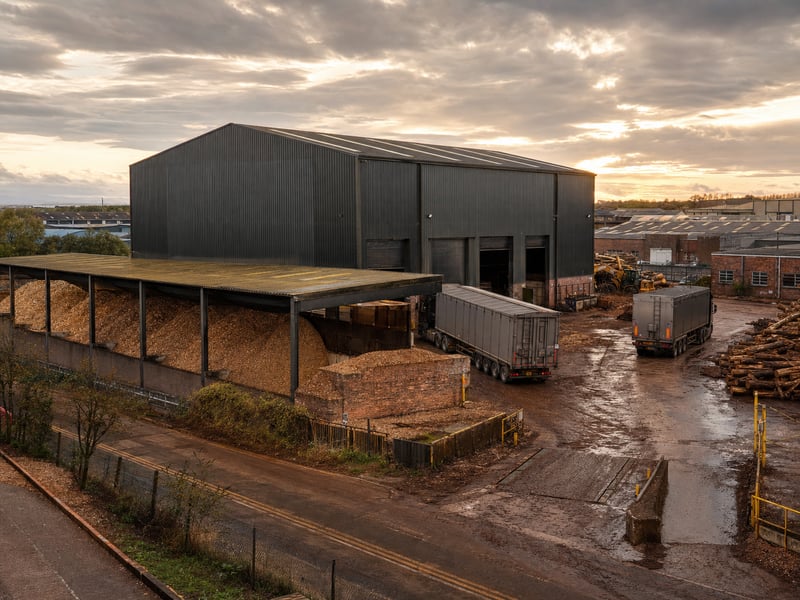
Based on your unique situation and industrial process, we will tailor complete pine wood pellet plant you need, and inform you of every additional detail that could facilitate operation, minimize total cost.
● Manufacturing
Equipment Manufacturing
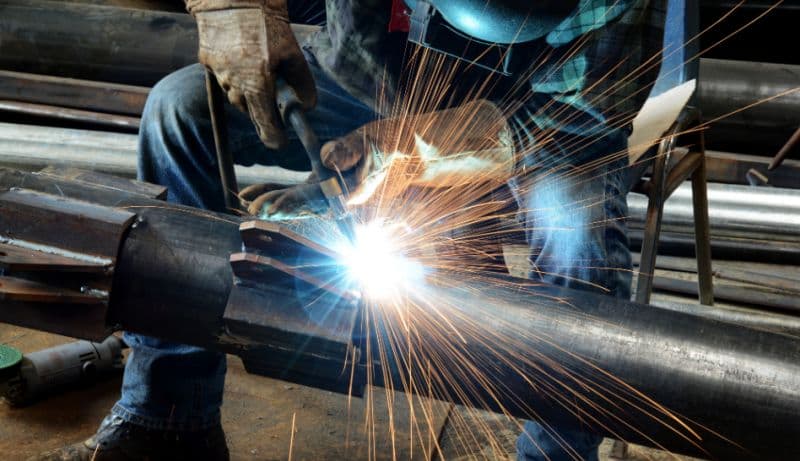
The critical components of the of the complete pine pellet production line equipment are built in our own workshops in Asia. Additional equipment is manufactured by our worldwide network of reliable partners.
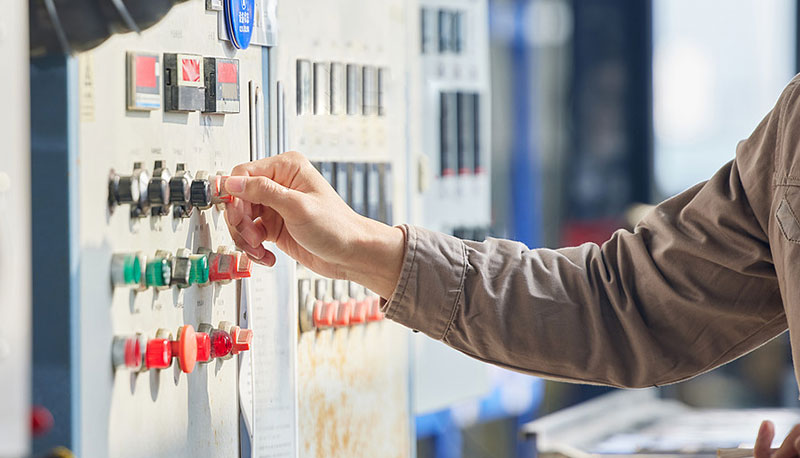
● Testing
Quality Inspection & Testing
Before leaving the factory, all equipment will be inspected by the quality inspection department. We can also provide customers with testing services from a single machine to a complete pellet plant system, and provide you with real actual data for “worry-free use.”

● Delivery
Equipment Delivery
In equipment boxing and packaging, we adopt professional packaging and modular solutions to ensure the safe and non-destructive delivery of pellet plant equipment.
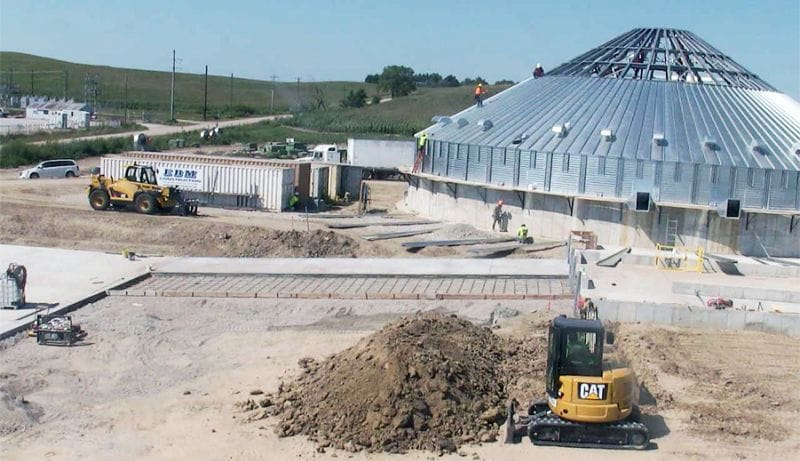
● Installation
Installation & Commissioning
Whether you choose your own subcontractor for the erection phase or you want to install everything together with us, a Richi supervisor will be around to make sure everything is mounted in a safe and thorough way.

● Training
Staff Training
We provide comprehensive training for the technicians of each complete pine pellet production line in Russia project. We can also continue to provide support for the technicians during latter project operation.
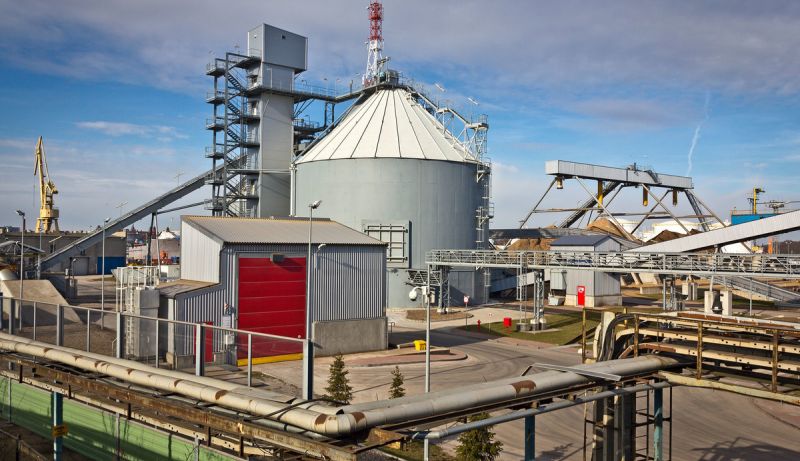
● After-sales
Project Follow-Up
When everything is up and running our Richiers will help you further whenever needed. We are ready to answer your call 24/7.We’ll also visit you regularly to learn about your needs.
Who we are
RICHI Machinery is one of the world’s leading suppliers of technology and services for the animal feed, aqua feed and pet food industries, also the largest pellet production line manufacturer in China.
Since 1995, RICHI’s vision to build a first-class enterprise, to foster first-class employees, and to make first-class contributions to society has never wavered.
In the past three decades, we have expanded our business to a wide range of areas, including animal feed mill equipment, aqua feed equipment, pet feed equipment, biomass pellet equipment, fertilizer equipment, cat litter equipment, municipal solid waste pellets equipment, etc.

1995
RICHI Established

2000+
Serving More Than 2000 Customers

120+
RICHI Employees

140+
Exported To 140 Countries