 0086-138 3838 9622
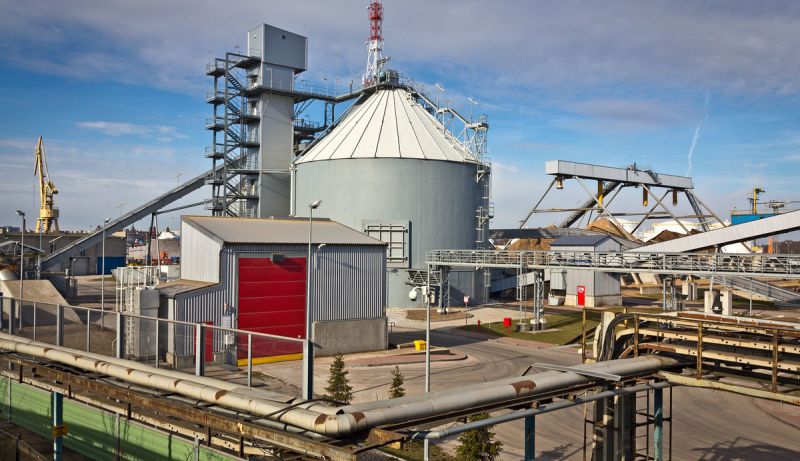
Biomass Sawdust Straw Pellet Production Line in Portugal
RICHI MACHINERY
Project Overview
The 10t/h biomass sawdust straw pellet production line in Portugal was developed around a fairly typical but very real situation: abundant forestry residues in the region, combined with agricultural straw that often has no stable commercial outlet. Instead of treating these materials as waste, the client wanted to convert them into standardized fuel pellets that could be sold to local heating users and small industrial boilers.
From the early discussions, it was clear the client was not chasing highly complex automation. They were more concerned about stability—steady output, predictable moisture control, and the ability to handle mixed raw materials without frequent downtime. That shaped the entire configuration of this biomass pellet plant, from the drying system to the feeding structure of the pelletizing section.
Portugal has a strong biomass energy policy environment, and demand for solid fuel pellets has been gradually increasing, especially in rural and semi-industrial zones. The idea behind this 10t/h biomass pelletizing line in Portugal was to secure a position in that local supply chain while keeping operating costs manageable.
10T/H
capacity
USD 1.1 million
investment
Portugal
location
Fuel
project type
RICHI MACHINERY
Project Background
Portugal has a relatively well-developed forestry sector, particularly in eucalyptus and pine plantations. At the same time, agricultural residues such as straw are generated seasonally in large volumes. In many cases, these materials are either underutilized or sold at very low value.
The client we worked with is not a large energy company, but rather a mid-scale investor who had prior experience in logistics and material handling. Around late 2023, they began exploring biomass pellet production as a diversification move. Rising energy costs and increasing interest in renewable fuels in Portugal made the timing suitable.
Their initial goal was quite straightforward:
- Build a 10 tons/hour biomass pellet production line
- Use locally available sawdust, wood chips, and straw
- Target domestic industrial heating users
- Maintain a relatively simple but reliable production system
One thing they emphasized early: the raw materials would not always be consistent. Moisture content fluctuates, especially with straw. That immediately pushed the design toward a more flexible drying and preprocessing configuration.
RICHI MACHINERY
Project Consultation Process
The communication did not start with a formal project plan. It began with a simple inquiry and gradually evolved:
- February 2024 – Initial inquiry
Client asked about feasibility of mixing wood waste and straw in a single pellet line. - March–April 2024 – Raw material discussion
Photos and samples were shared. Moisture variation became the main concern. - May 2024 – Preliminary process layout
Determined that drying would be essential, especially for straw. - June 2024 – Final configuration confirmed
Pellet mill quantity, drying system, and dust collection approach finalized. - August 2024 – Contract signed
Equipment manufacturing scheduled. - Early 2025 – Installation and commissioning
Trial runs started with mixed raw materials.
During commissioning, operators reported a very typical issue: the first batches of pellets were either slightly too soft or inconsistent in length. That was not unexpected. After adjusting drying temperature and feed rate balance, the system stabilized within about two weeks.
RICHI MACHINERY
Raw Materials
The success of any biomass pellet plant depends heavily on raw material consistency. In this case, the client chose a mixed feedstock approach, combining forestry and agricultural residues.
Portugal’s material supply characteristics are seasonal, so storage planning and preprocessing flexibility were both considered during design.
Main raw materials used in this 10t/h biomass wood pellet production line:
| Raw Material | Annual Supply (tons) | Moisture Content | Notes |
|---|---|---|---|
| Waste wood (sawdust & chips) | 30,000 | 22–23% | Sourced from sawmills and wood workshops |
| Wood powder | 10,000 | 12–13% | Purchased pre-processed material |
| Straw | 13,800 | ~30% | Seasonal agricultural residue |
| Lubricating oil | 0.05 | — | Equipment maintenance |
| Packaging bags | 100 | — | Finished product packaging |
| Water | 316 | — | Domestic and process use |
The mix ratio is not fixed rigidly. Operators adjust blending depending on availability. Straw requires more drying, while sawdust often helps stabilize pellet formation.
RICHI MACHINERY
Production Capacity and Operating Conditions
The design target for the 10t/h biomass sawdust straw pellet production line in Portugal is aligned with:
- Annual output: ~50,000 tons
- Working days: 300 days/year
- Operating shifts: 2 shifts (8 hours each)
- Total workforce: 15 personnel
Electricity is supplied from the local grid, and water usage remains relatively low, mainly used for auxiliary processes and dust suppression.
RICHI MACHINERY
Plant Layout Considerations
The client did not build a new factory from scratch. Instead, they adapted an existing industrial site, which is common in many European biomass projects.
The layout was organized with a focus on material flow rather than strict zoning:
- Raw material storage positioned close to the preprocessing area
- Drying and crushing areas placed centrally to reduce transfer distance
- Pelletizing section isolated to minimize dust interference
- Finished product warehouse separated for safety and logistics
One small but practical issue we observed during layout planning was internal airflow. Pellet plants tend to generate fine dust, and without proper airflow direction and dust extraction points, it can accumulate in corners. This was addressed by integrating centralized dust collection points near key transfer nodes.
RICHI MACHINERY
Main Equipment Configuration
Instead of focusing on model numbers, the emphasis here is on functional grouping of the pellet production line equipment.
Raw Material Processing Section
| Equipment | Function |
|---|---|
| Wood chipper / slicer | Reduces large wood pieces |
| Hammer mill | Fine grinding of biomass |
| Conveyor systems | Material transfer |
| Feeding bins | Buffer storage |
Drying System
| Equipment | Function |
|---|---|
| Rotary drum dryer | Reduces moisture of straw and mixed biomass |
| Hot air furnace | Provides thermal energy |
| Cyclone separator | Removes coarse particles |
| Dust collection system | Controls emissions |
Pelletizing Section
| Equipment | Function |
|---|---|
| Biomass pellet mills (multiple units) | Core forming process |
| Screw feeders | Controlled feeding |
| Buffer silo | Stabilizes input flow |
| Pellet cooling system | Reduces temperature after forming |
Auxiliary Systems
| Equipment | Function |
|---|---|
| Air compressor system | Pneumatic control |
| Automatic packaging line | Final product packaging |
| Dust collectors (centralized) | Environmental control |
RICHI MACHINERY
Process Flow
The process used in this 10t/h biomass sawdust straw pellet production line in Portugal follows a logical sequence, though in real operation some loops exist:
- Raw material intake
Mixed biomass is delivered and stored separately depending on type. - Pre-shredding / cutting
Large wood pieces are reduced in size before further processing. - Drying stage
Straw and high-moisture materials are dried to a stable level.
This step is critical—operators spend a lot of time adjusting drying parameters. - Grinding / fine processing
Materials are processed into uniform particle size suitable for pelletizing. - Mixing and buffering
Different raw materials are blended to maintain consistency. - Pelletizing
Mechanical compression forms pellets without any chemical additives. - Cooling and screening
Pellets are cooled and screened to remove fines. - Packaging
Finished pellets are packed into standard bags for distribution.
RICHI MACHINERY
Product Specification
| Parameter | Value |
|---|---|
| Pellet diameter | 6–10 mm |
| Length | 10–50 mm |
| Moisture content | 16–17% (typical finished range) |
| Density | ≥1000 kg/m³ |
| Compliance | Meets EN-type biomass fuel expectations |
RICHI MACHINERY
Environmental and Operational Considerations
European biomass pellet projects usually require careful attention to emissions and workplace conditions. In this project:
- Dust generated during cutting, crushing, and pelletizing is captured via centralized filtration systems
- Air emissions from drying are treated before discharge
- Wastewater is minimal and mainly domestic, treated through standard municipal systems
- Noise is controlled through enclosure and equipment layout adjustments
- Solid residues such as dust and rejected fines are recycled back into the process
Nothing overly complex, but each part had to be implemented correctly to pass local operational requirements.
RICHI MACHINERY
Equipment Investment Reference
For this 10t/h biomass sawdust straw pellet production line in Portugal, the equipment investment was approximately:
- USD 1.1 million (equipment only)
This includes core processing machines, drying system, pellet mills, conveyors, and auxiliary systems. The final investment depends on the level of automation and dust control configuration selected.
RICHI MACHINERY
Shipping and Logistics
All main equipment was shipped from China via sea freight:
- Departure port: Qingdao Port
- Destination port: Port of Lisbon
Portugal’s port infrastructure is well-developed, and Lisbon serves as a primary entry point for industrial equipment imports.
RICHI MACHINERY
Practical Observations from This Project
During trial runs, a few things stood out that are often underestimated:
- Straw behaves very differently from wood during drying
- Moisture balance directly affects pellet hardness and durability
- Feed consistency into pellet mills is more important than raw capacity
- Small adjustments in airflow or feed rate can noticeably impact output stability
These are the kinds of details that don’t always appear in drawings but become very obvious once the line is running.
RICHI MACHINERY
Market Perspective in Portugal
Biomass pellet demand in Portugal has been gradually increasing, driven by:
- Renewable energy policies
- Industrial heating applications
- Replacement of fossil fuels in rural areas
- Availability of forestry residues
Compared with some larger European markets, Portugal offers a relatively balanced environment—moderate competition, accessible raw materials, and steady domestic demand.
For investors, the key advantage is that raw material sourcing is local and continuous, especially from forestry operations. The challenge lies in maintaining consistent production quality when raw material characteristics fluctuate.
RICHI MACHINERY
Final Remarks on Project Potential
A 10t/h biomass sawdust straw pellet production line in Portugal is not just about equipment capacity. The real value comes from how well the system adapts to raw material variability and how smoothly the entire workflow is integrated.
From our experience working with this project, the clients who succeed are usually the ones who pay attention to:
- Raw material preparation
- Moisture control strategy
- Equipment coordination rather than isolated machines
- Practical operation training for staff
For companies considering entering this field, starting with a well-designed pellet production line and a realistic understanding of local material conditions makes a significant difference.
RICHI Machinery typically stays involved beyond equipment supply—supporting layout planning, process adjustment, installation guidance, and operator training. That kind of involvement tends to matter more than any single machine specification when the goal is stable long-term production.
● RICHI MACHINERY
RICHI Service

● Consulting
Customer Consultation
We want to have a deep understanding of your industrial process, to know your exact needs of feed, wood, biomass, fertilizer or other pellet processing.

● Design
biomass Pellet Plant Design
Based on your unique situation and industrial process, we will tailor complete pellet plant you need, and inform you of every additional detail that could facilitate operation, minimize total cost.
● Manufacturing
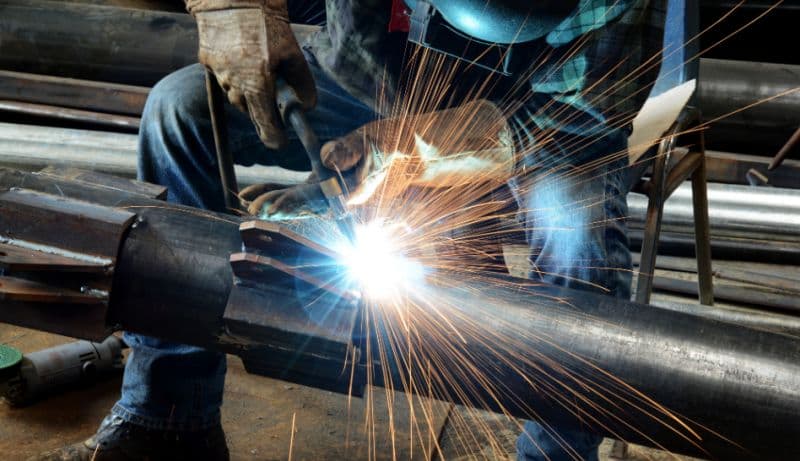
Equipment Manufacturing
The critical components of the of the complete pellet production line equipment are built in our own workshops in Asia. Additional equipment is manufactured by our worldwide network of reliable partners.

● Testing
Quality Inspection & Testing
Before leaving the factory, all equipment will be inspected by the quality inspection department. We can also provide customers with testing services from a single machine to a complete pellet plant system, and provide you with real actual data for “worry-free use.”

● Delivery
Equipment Delivery
In equipment boxing and packaging, we adopt professional packaging and modular solutions to ensure the safe and non-destructive delivery of pellet plant equipment.
● Installation
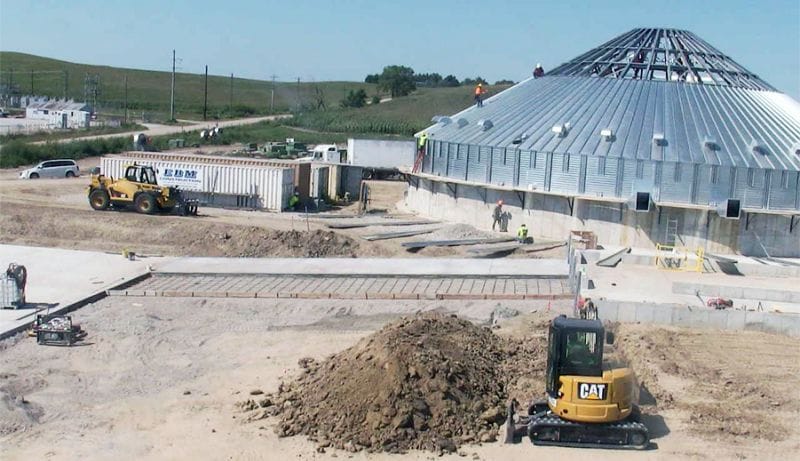
Installation & Commissioning
Whether you choose your own subcontractor for the erection phase or you want to install everything together with us, a Richi supervisor will be around to make sure everything is mounted in a safe and thorough way.

● Training
Staff Training
We provide comprehensive training for the technicians of each project. We can also continue to provide support for the technicians during latter project operation.
● After-sales
Project Follow-Up
When everything is up and running our Richiers will help you further whenever needed. We are ready to answer your call 24/7.We’ll also visit you regularly to learn about your needs.
Who we are
RICHI Machinery is one of the world’s leading suppliers of technology and services for the animal feed, aqua feed and pet food industries, also the largest pellet production line manufacturer in China.
Since 1995, RICHI’s vision to build a first-class enterprise, to foster first-class employees, and to make first-class contributions to society has never wavered.
In the past three decades, we have expanded our business to a wide range of areas, including animal feed mill equipment, aqua feed equipment, pet feed equipment, biomass pellet equipment, fertilizer equipment, cat litter equipment, municipal solid waste pellets equipment, etc.

1995
RICHI Established

2000+
Serving More Than 2000 Customers

120+
RICHI Employees

140+
Exported To 140 Countries