

 0086-138 3838 9622
SMALL BIOMASS PELLET MACHINE

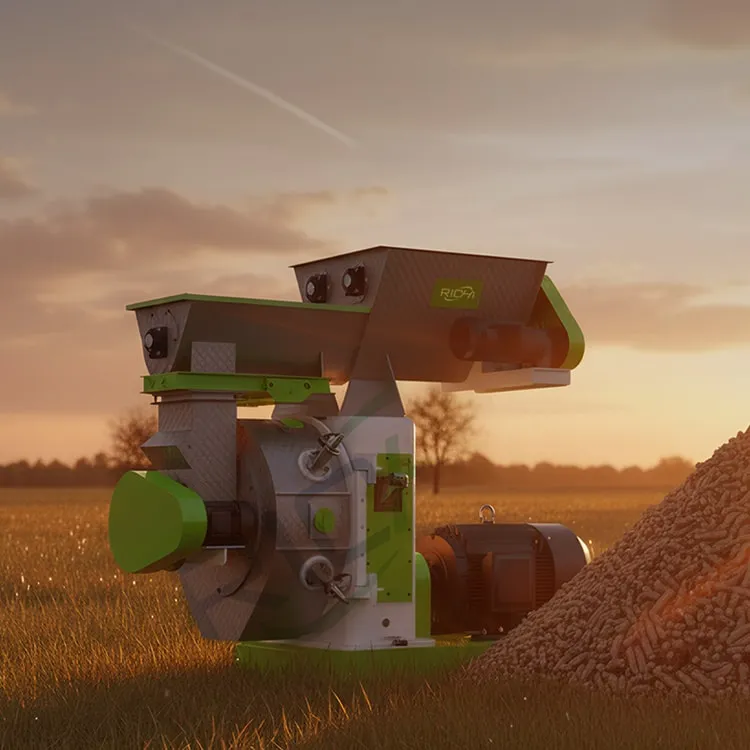
Global Applications & Who It Serves
The biomass pellet press is a versatile core machine for transforming bulk biomass into dense, standardized pellets. It serves a wide range of users, from farmers and forestry operators to entrepreneurs and industrial plant managers. Our machines are proven globally across diverse sectors, converting local raw materials into value-added products for fuel, feed, bedding, soil enhancement, and specialized industrial uses.
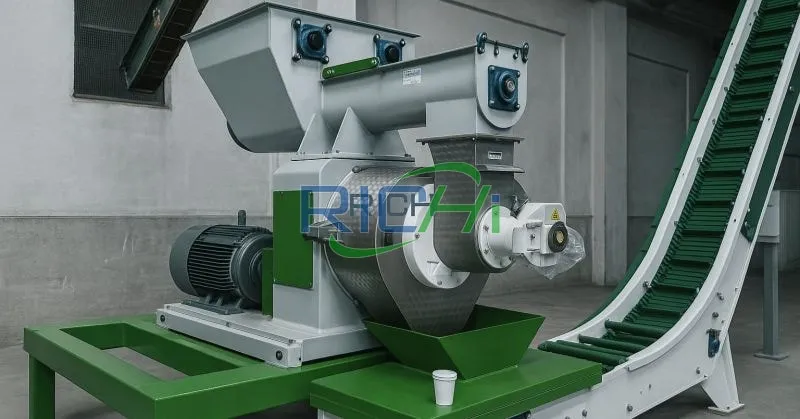

Romania Project
Our biomass pellet press is at the heart of a successful Romanian operation, processing locally sourced wood sawdust and forestry residues. This project consistently produces high-grade wood pellets for clean, efficient industrial heating fuel.
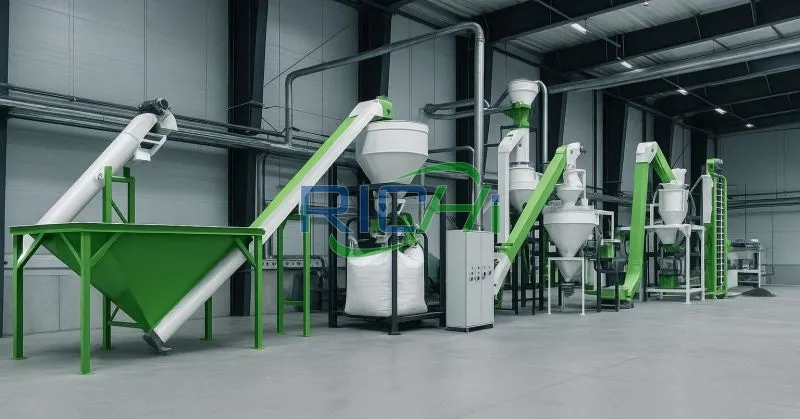
Malaysia Project
In Malaysia, our equipment efficiently converts abundant palm kernel shells and empty fruit bunches into dense biomass fuel. This project supports sustainable power generation by turning agricultural waste into a valuable energy resource.

Argentina Project
This complete production line in Argentina utilizes soybean straw and agricultural stalks. The reliable biomass pellet press here creates uniform pellets optimized for animal feed and biochar production, maximizing farm residue value.
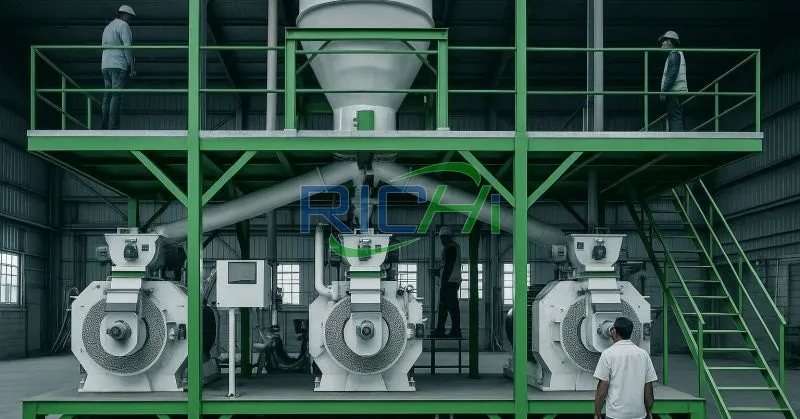
Bangladesh Project
A key solution for rice-growing regions, this project in Bangladesh processes rice husk and straw through our robust pellet press. It effectively generates alternative boiler fuel, providing a practical use for abundant agricultural by-products.
A Wide Range of Raw Materials for Pelletizing
Our biomass pellet press machine is engineered for exceptional versatility in raw material processing. It effectively handles a comprehensive spectrum of organic and inorganic substances, from common agricultural and forestry residues to various industrial and municipal by-products.

Process Almost Any Material Into Pellets
The finished pellets serve countless purposes, from renewable fuel and animal bedding to soil enhancers and industrial adsorbents.

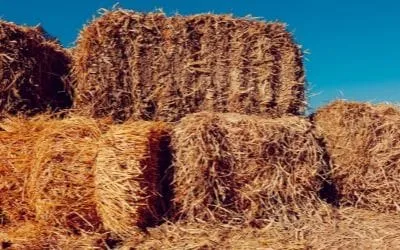
rice straw
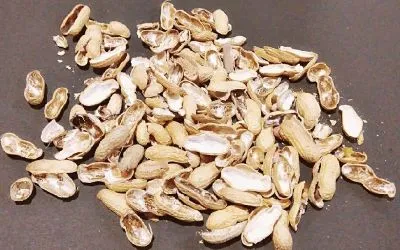
peanuts shell
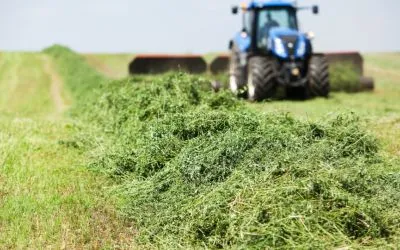
alfalfa

Sunflower shells
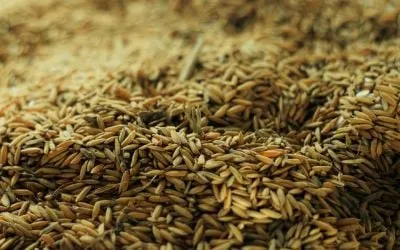
rice husk
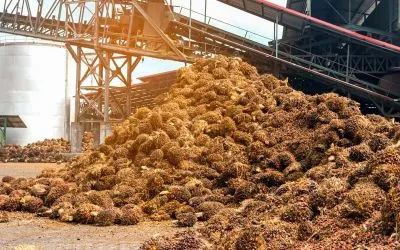
palm waste
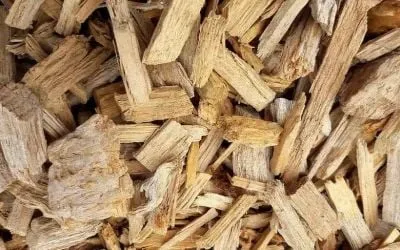
wood chips
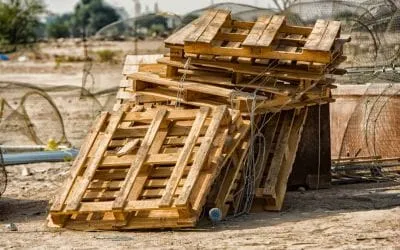
wood pallets
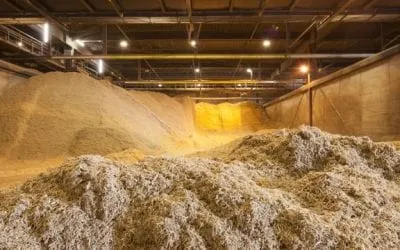
wood sawdust
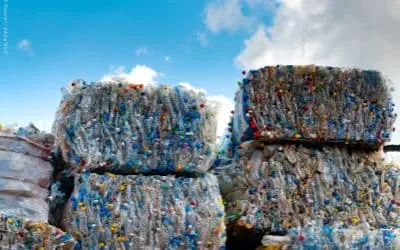
RDF
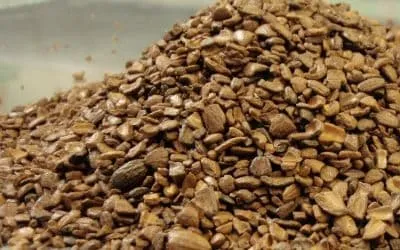
Olive by-products

leaves

hemp
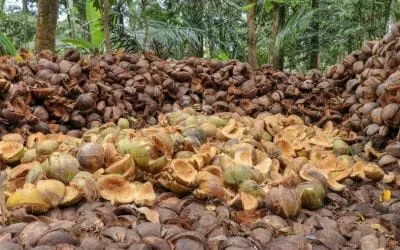
coconut husk

Coffee residue
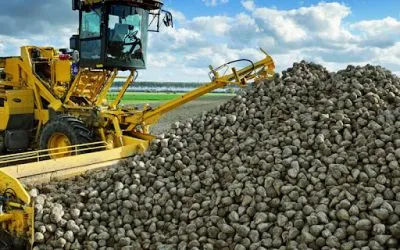
Sugar beet
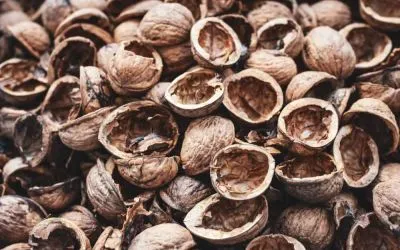
Walnut shell
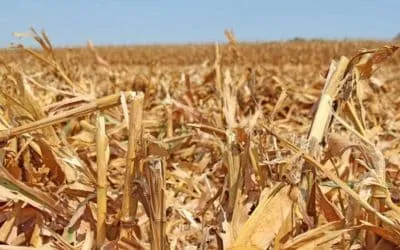
corn stalks
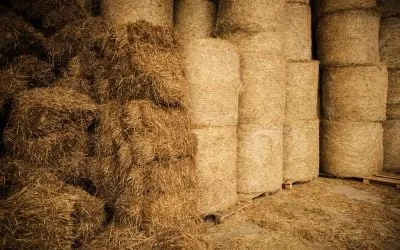
hay
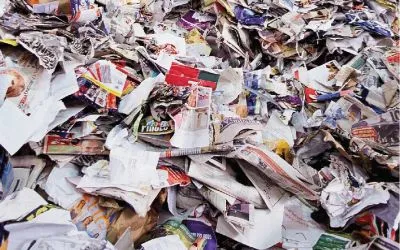
paper/cardboard

Cassava
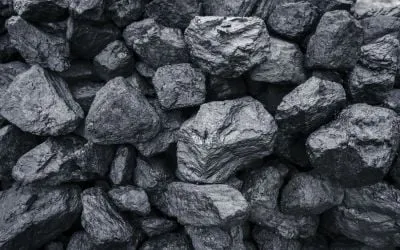
coal
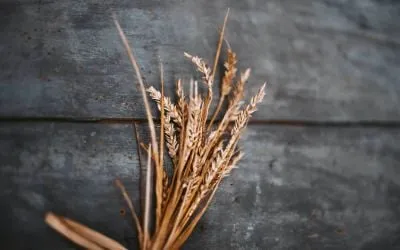
wheat straw

waste tire

wood shavings

Elephant Grass
Bentonite
The machine is compatible with wood sawdust, straw, rice husk, and other crop wastes. It also processes urban and industrial materials like paper, cardboard, RDF, sludge (after pyrolysis), certain plastics, and even minerals like bentonite. This broad compatibility allows for the production of pellets with diverse applications.
By supporting single or blended feedstocks, our press enables you to optimize formulations based on local material availability and your target pellet specifications. Whether you have a primary material or a mix of several, our technology provides a reliable pelleting solution.
Core Components & Technical Advantages
Our biomass pellet press is designed with precision-engineered components that work in harmony to deliver reliable, efficient, and durable performance. From its robust drive system to specialized wear parts, every feature is optimized to ensure stable pellet production with higher output and longer service life.
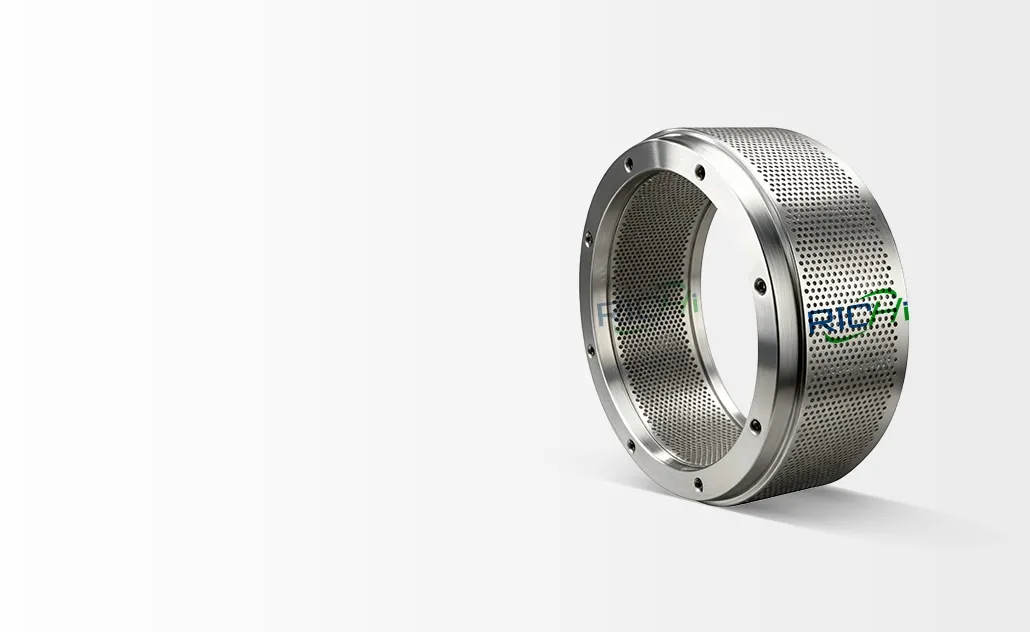
High-Strength Ring Die
The heart of the press features a high-strength, alloy steel ring die. Its innovative quick-release hoop design allows for significantly faster mold changes and maintenance downtime.
Engineered with anti-cracking technology, it is built to withstand high pressure, directly contributing to increased hourly output and total production longevity.
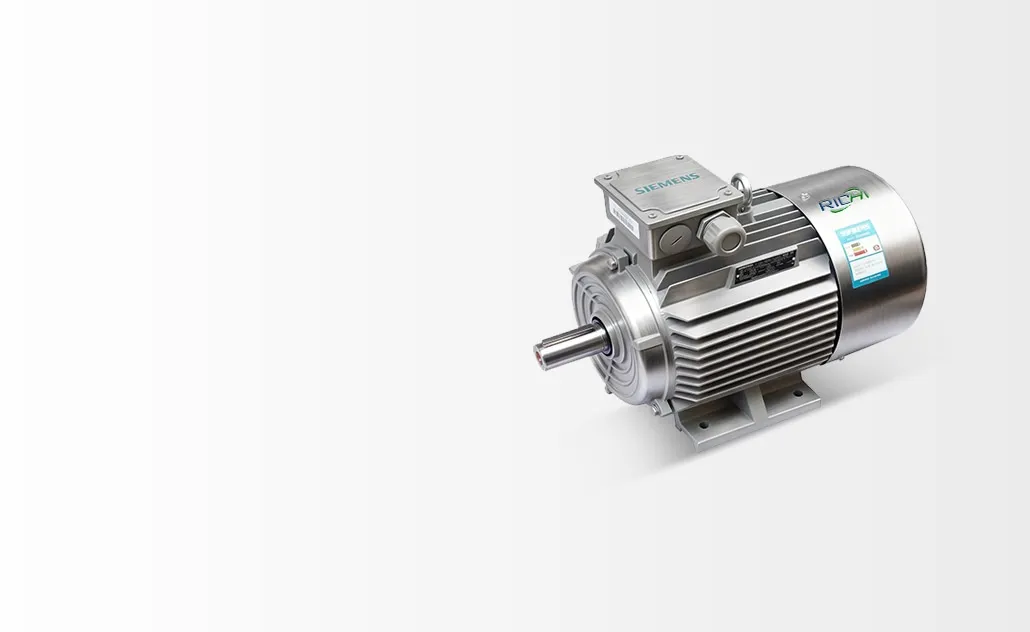
Premium Motor
Equipped with a premium Siemens motor, this biomass pellet press ensures exceptional energy efficiency, consistent torque delivery, and unparalleled operational reliability.
This premium power source translates to lower operating costs and sustained performance under demanding conditions. It provides the stable, powerful drive essential for continuous pelletizing.
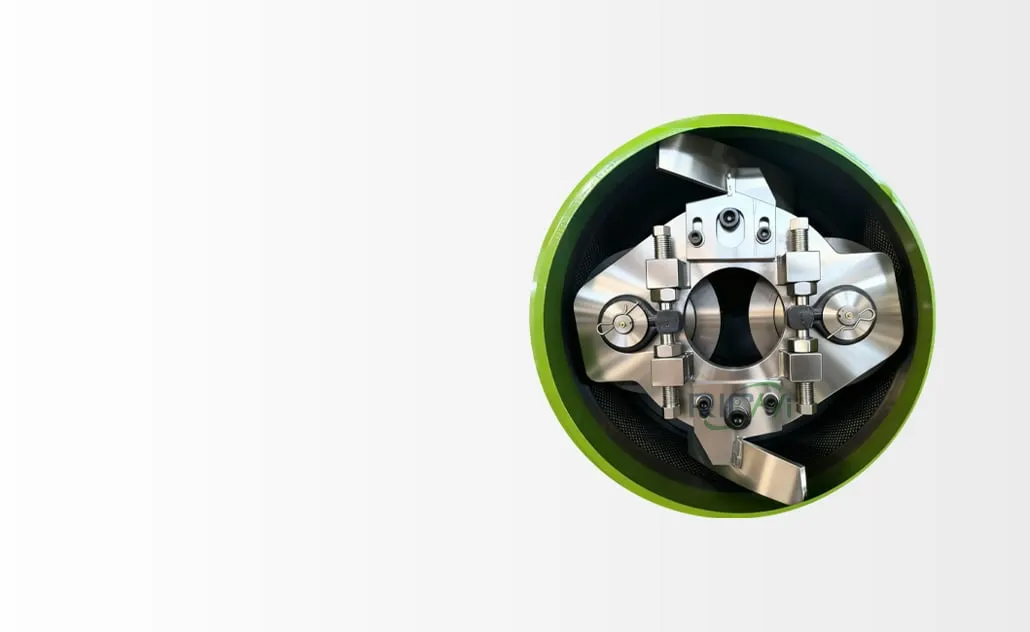
Adjustable Pellet Cutter
An adjustable cutter is positioned at the discharge outlet.
It allows operators to easily set and change the final pellet length to meet specific customer requirements, providing flexibility for different applications without compromising production speed.
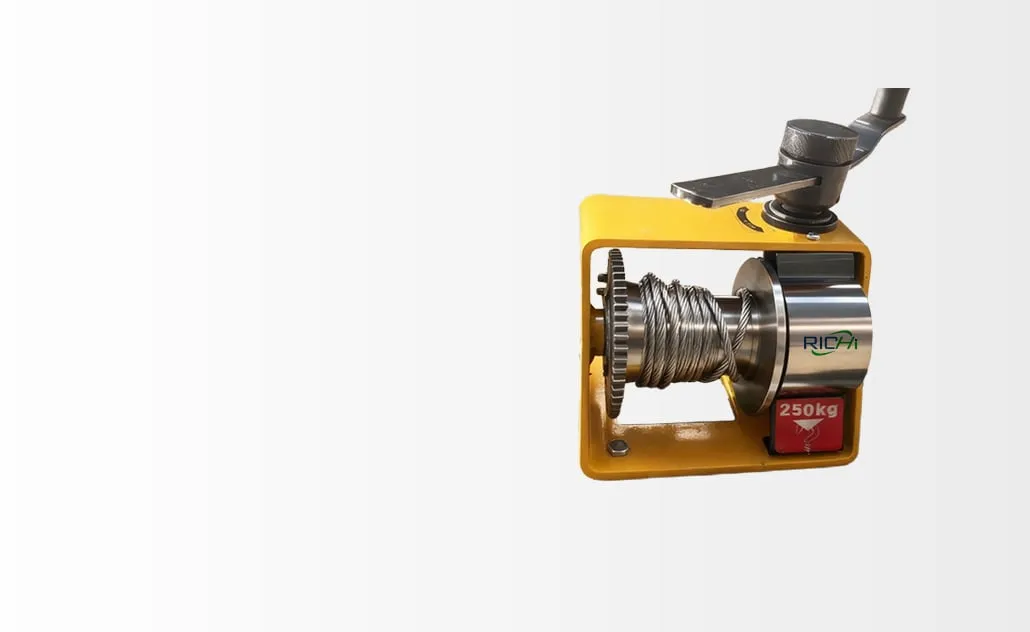
Dedicated Ring Die Hoist System
Designed for operational safety and convenience, this dedicated hoisting device simplifies the handling and replacement of the heavy ring die.
It protects both the critical component and your personnel, making major maintenance tasks faster and safer.
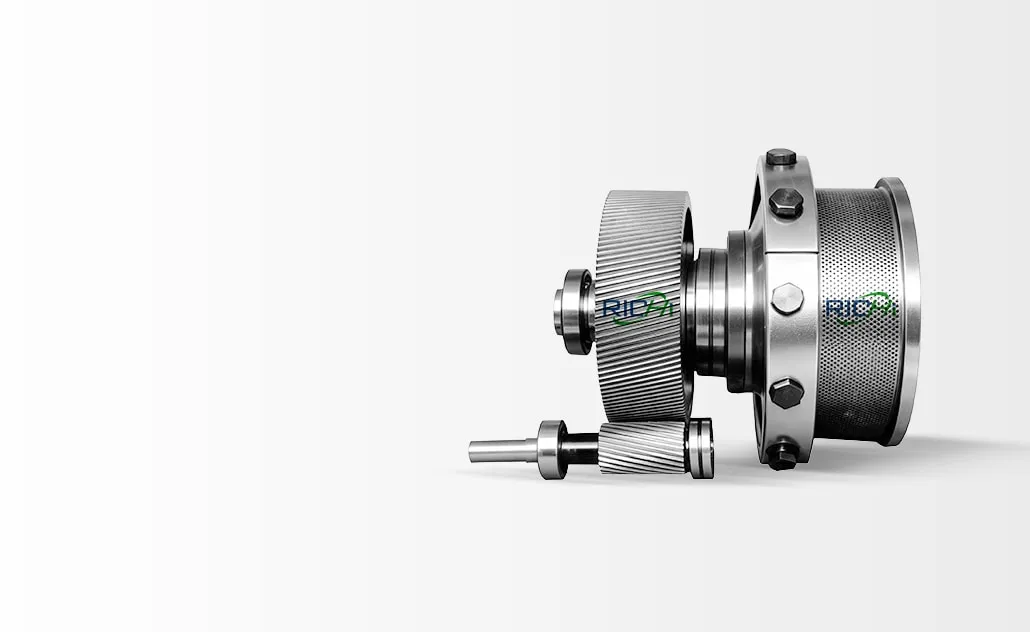
Forced Feeder
The integrated forced feeder actively pushes raw material into the pelletizing chamber, preventing sporadic feeding.
This is crucial for maintaining consistent pellet density and quality, especially with light or fluffy biomass, ensuring the biomass pellet press operates at its optimal capacity.

Durable Pressure Rollers
The pressure rollers work in tandem with the ring die to compress material through the holes.
Made from high-alloy materials and subjected to advanced heat treatment, they offer extreme wear resistance and durability, which are vital for the high-pressure pelletizing process in this biomass pellet press.
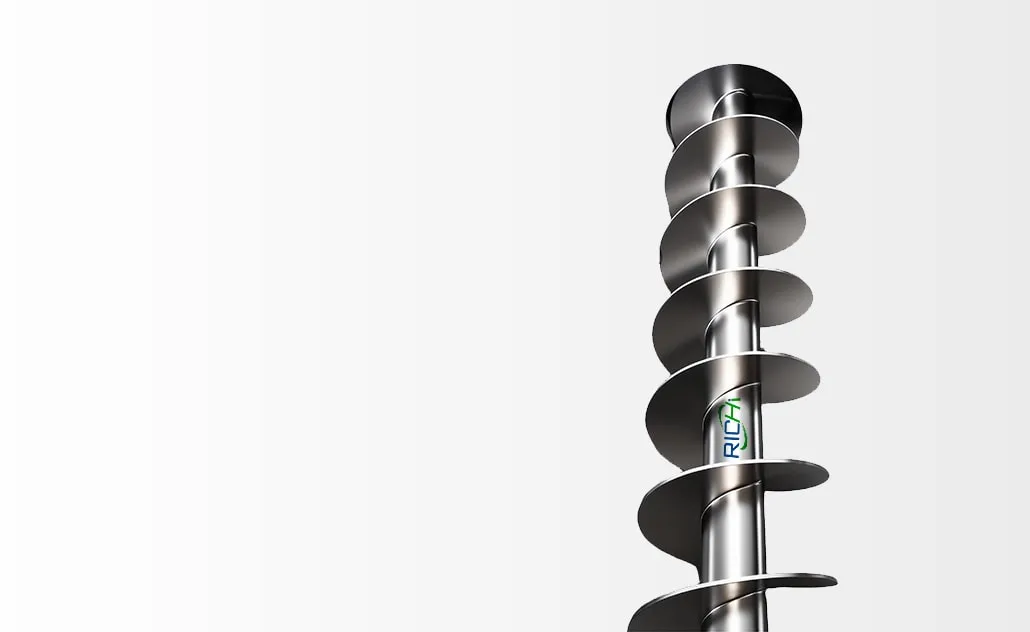
Feed Auger (Feeding Screw)
The feed auger is the first step in the material handling process.
It reliably conveys raw biomass from the bottom of the hopper to the forced feeder at a controlled and adjustable speed, forming the foundation for a consistent and automated feeding process.







Technical Superiority & Operational Benefits
Watch Our Biomass Pellet Press in Action
Our biomass pellet press delivers high-density pellets with a smooth finish and superior hardness, ensuring efficient, clean combustion. The machine operates on a straightforward principle: raw material is fed, compressed between the ring die and rollers, and then cut to uniform length.
Engineered for Maximum Density & Efficiency
Our press delivers unmatched compression, dramatically increasing material density from about 130 kg/m³ to over 1100 kg/m³. This results in pellets with high hardness, smooth surfaces, and excellent combustion properties for higher calorific value and cleaner burning.
Robust Construction for Reliable, High-Output Operation
Built with a heavy-duty cast gearbox and premium components, our machine ensures large output, stable running, and low noise. Its simple yet robust structure guarantees wide applicability and dependable performance in continuous industrial environments.
Superior Pellet Quality for Enhanced Market Value
We produce compact, stylish, and uniform pellets that are more conducive to storage and transportation. Their consistent quality and aesthetic appeal directly translate to higher commercial value and customer satisfaction.
Proven Performance with Hard-to-Pelletize Materials
RICHI’s engineering excels where others struggle. Our biomass pellet press is specifically designed to effectively process materials that are difficult to bond and form, making it a reliable and wise choice for diverse feedstock and business ventures.
Customizable Solutions for Your Specific Needs
We offer extensive customization for your pellet press. This includes tailoring the ring die aperture (4-12mm), roller configuration, feeder type, motor power, and control system to perfectly match your raw material and desired final pellet specification.
Integrated Expertise from a Trusted Manufacturer
Choosing RICHI means partnering with a specialist manufacturer with deep expertise in both feed and biomass pelleting. Our technical strength and manufacturing prowess ensure you receive a machine built for longevity, backed by comprehensive support.
Technical Specifications: MZLH350 Biomass Pellet Press
Below are the detailed specifications for our versatile MZLH350 model, the core machine for reliable and efficient biomass pellet production. This compact unit is designed to deliver stable performance for a wide range of applications.
Capacity
0.3-1.2T/H
Main Motor Power
37KW
Forced Feeder Power
0.75KW
Broken Arch Feeder Power
2.2KW
Ring Die Diameter
350mm
Finished Pellet Diameter
4~12mm
Ring Die Material
42CrMo
Door of Pelleting Room
6mm /SUS304
Gear Box
HT250
Gear/Gear Shaft/Spindle
42CrMo
Main motor series
8P
Forced feeding
Worm gear reducer
Motor
Siemens
Oil seal
Germany/Taiwan
Overload mechanical protection
safety pin
Lubrication system
automatic oil injection
Explore Our Full Range of Biomass Pellet Press Models
Our single machine capacity covers from 0.2 to 8 T/H to meet different project scales. The final output of a biomass pellet press can vary based on your specific raw material type, blend ratio, process requirements, and pellet application. To determine the precise capacity for your needs, please share your material details and production goals with our experts. In addition to the MZLH350, we offer five other robust models. For large-scale requirements exceeding 3-8 T/H, we design efficient solutions utilizing multiple machines in parallel. Our equipment is trusted globally, with the MZLH350 model successfully operating for clients in Romania, Malaysia, Argentina, and Bangladesh, among other countries.

MZLH320
Main Motor Power
22 kw
Broken Arch Feeder Power
2.2 kw
Forced Feeder Power
0.75 kw
Ring Die Inner Diameter
320 mm
Finished Pellet Diameter
4~12 mm
Capacity
0.2-0.6 T/H

MZLH420
Main Motor Power
90 kw
Broken Arch Feeder Power
3 kw
Forced Feeder Power
1.5 kw
Ring Die Inner Diameter
420 mm
Finished Pellet Diameter
4~12 mm
Capacity
1.0-2.0 T/H

MZLH520
Main Motor Power
132 kw
Broken Arch Feeder Power
3 kw
Forced Feeder Power
1.5 kw
Ring Die Inner Diameter
520 mm
Finished Pellet Diameter
4~12 mmm
Capacity
1.5-3.0 T/H

MZLH678
Main Motor Power
185 kw
Broken Arch Feeder Power
3 kw
Forced Feeder Power
1.5 kw
Ring Die Inner Diameter
673 mm
Finished Pellet Diameter
4~12 mm
Capacity
2.5-5.0 T/H

MZLH768
Main Motor Power
250 kw
Broken Arch Feeder Power
4 kw
Forced Feeder Power
1.5 kw
Ring Die Inner Diameter
762 mm
Finished Pellet Diameter
4~12 mm
Capacity
3.0-8.0 T/H
Key Factors for Optimal Biomass Pellet Production
Successful pelleting relies on balancing several material and process variables. Our extensive experience across hundreds of global projects has given us deep insight into optimizing each factor for your specific feedstock and target pellet. These four elements are fundamental to achieving high quality, stable output, and low wear on your biomass pellet press. Optimal pellet production depends on your specific materials and goals. Our engineers will analyze your requirements to configure the ideal biomass pellet press parameters for your project.
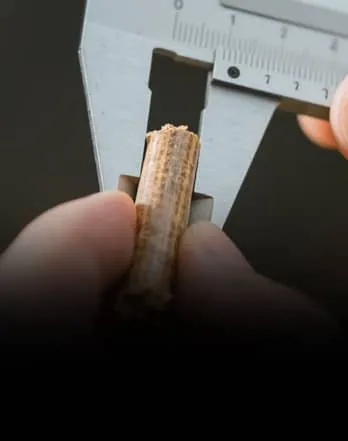
Raw Material
Particle Size
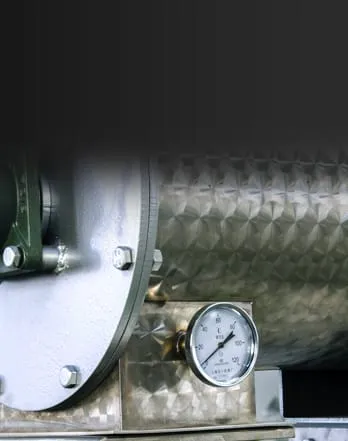
Moisture Content
Before Pelletizing

Pelletizing
Temperature

Ring Die
Compression Ratio
Successful pelletizing is a science that balances material properties with mechanical precision. Our team of experts has mastered this balance across thousands of projects globally. We can help you analyze your specific raw materials and recommend the optimal parameters for your small biomass pellet machine, ensuring you achieve the highest quality and yield from day one.
Proven Biomass Pellet Projects

Biomass Pellet Press in Mexico
To enhance local agricultural sustainability, an agribusiness invested in feed production. Our tailored solution processes field residues into nutritious pellets, supporting the regional livestock industry.

Biomass Pellet Press in Angola
An entrepreneur addressed local fuel scarcity with an affordable biofuel alternative. Our durable pellet press line transforms abundant wood waste into a reliable energy source for industries.
Romania

Biomass Pellet Press in Romania
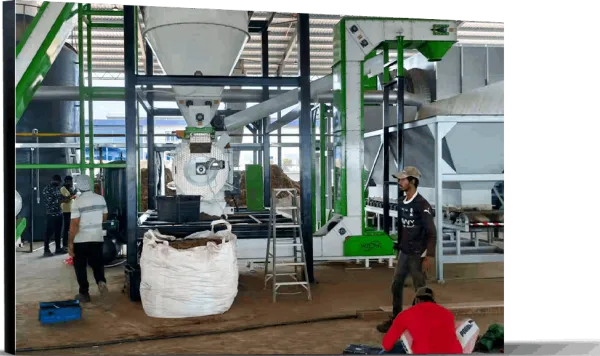
Raw materials : Wood Sawdust & Shavings
A timber processor needed to add value to its production waste. Our complete pelletizing line enabled the production of premium heating pellets, successfully capturing a share in the local renewable fuel market.
Start Project
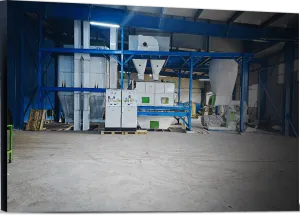
Malaysia
Biomass Pellet Press in Malaysia
Raw materials : Palm Kernel Shells (PKS)
Facing the challenge of plantation by-product disposal, this project aimed for on-site energy generation. Our robust press line efficiently converts this fibrous waste into a consistent industrial-grade fuel source.
Start Project
USA
Biomass Pellet Press in the USA
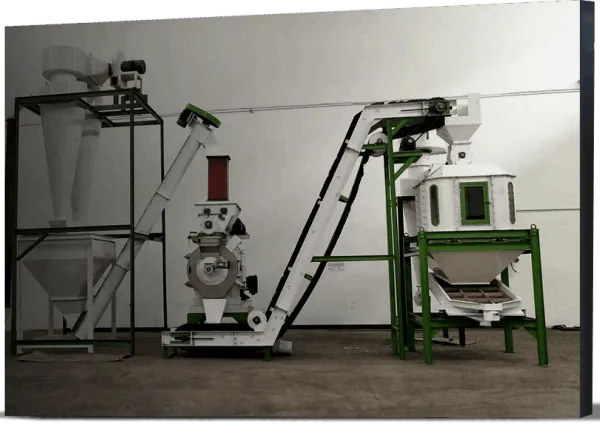
Raw materials : Mixed Hardwood/Softwood Dust
A sawmill identified an opportunity to monetize its residual dust. Our high-capacity system was implemented to produce uniform, high-quality bedding, creating a stable and profitable new product line.
Start Project
Poland
Biomass Pellet Press in Poland
Raw materials : Wheat & Rye Straw
A local cooperative sought a sustainable solution for agricultural residues. Our biomass pellet press system now supplies cost-effective, clean-burning fuel to municipal heating facilities, reducing reliance on coal.
Start Project
While our standard biomass pellet press is engineered for broad versatility, certain feedstocks have unique properties that benefit from a tailored approach. For materials with specific fiber content, density, or binding characteristics, we offer optimized configurations to ensure peak efficiency, superior pellet quality, and extended component life.
Specialized Machines for Diverse Materials
Machines Optimized for Your Primary Feedstock
For producers focusing on a dominant material type, we provide specialized solutions. These machines feature adjustments in compression ratio, feeder design, and wear-part materials specifically calibrated for the following common and challenging biomass sources:

husk pellet machine
Forestry/Agricultural/Industrial/Urban Waste Pelletizer
The cost of setting up a pellet operation depends on your specific requirements. Below, we address key financial questions based on direct manufacturing and supply from our factory, providing transparent guidance for your project planning.
How much does a MZLH350 biomass pellet press cost?
+
The MZLH350 model (37KW, 0.3-1.2 T/H) has an FOB price range of $18,000 – $25,000. This standard biomass pellet press price includes the pelletizer, anti-arching feeder, forced feeder, and control cabinet. Our full range of single pellet machines starts from around $15,000 for smaller models and scales up based on power and capacity requirements.
For reference, other models in our range are priced as follows:
- MZLH320 (22KW) : 0.2-0.6t/h & 15,000-18,000 $
- MZLH420 (90KW, 1.0-2.0T/H): $26,000 – $32,000
- MZLH520 (132KW, 1.5-3.0T/H): $43,000 – $50,000
- MZLH678 (200KW, 2.5-5.0T/H): $64,000 – $70,000
- MZLH768 (315KW, 3.0-8.0T/H): $75,000 – $85,000
How much does a complete biomass pellet press line cost?
+
A complete line is a significant but variable investment. For example, a 1-1.2 T/H line ranges from $39,000 to $220,000 FOB. The final price is not based on capacity alone; it is heavily influenced by your raw material’s moisture content, physical form (e.g., logs, chips, sawdust), and the necessary auxiliary equipment for crushing, drying, and cooling. We design and price each system to match your specific material and output goals.
- 0.2-0.3 T/H: $20,000 – $140,000
- 1.0-1.2 T/H: $39,000 – $220,000
- 2.5-3.0 T/H: $78,000 – $350,000
- 5.0-6.0 T/H: $160,000 – $570,000
- 10-12 T/H: $280,000 – $1,100,000
- …
What are the main factors that cause price differences between projects?
+
The key variables are your raw material characteristics and desired final pellet specification. Processing wet logs requires a full system with a dryer and chipper, while dry sawdust may need a simpler setup. Additionally, producing industrial fuel pellets versus premium feed pellets involves different process standards and component choices, all impacting the overall investment.
Is the quoted price all-inclusive, and what about shipping and installation?
+
Our standard quotes are FOB (Free On Board) our factory in Qingdao, covering the manufactured equipment ready for shipment. This does not include international freight, insurance, import duties, or on-site installation. We provide detailed packing lists and technical support to facilitate smooth shipping and can guide local installation or offer supervisory services for an additional fee.
Do you offer financing options or partnerships with local agents?
+
We manufacture and supply all equipment directly from our own engineering facility with no external agents or partnerships. This direct model allows us to offer competitive pricing and maintain quality control. We do not provide direct financing but can assist serious clients with necessary documentation for securing trade finance or letters of credit through their local banks.
Understanding Your Investment
Customized Pellet Line Engineering & Process Solutions
We deliver more than just a standalone biomass pellet press. We provide fully engineered production lines tailored to your exact raw material and desired output, from compact setups to large-scale industrial plants. Every solution is custom-designed, factoring in your specific feedstock, local conditions, and budget, ensuring an optimal balance of efficiency and investment. The core pelletizing process involves: Material Preparation (Cleaning, Crushing, Drying) → Pelletizing → Cooling → Screening → Packing. Based on your needs, we integrate additional systems like mixing, impurity removal, dust collection, and automated storage. We support your project through its entire lifecycle with comprehensive services including consultation, manufacturing, installation, commissioning, training, and after-sales support.


Biomass Pellet Mill
Explore Standard Capacity Ranges:
Select your target output range to view typical system layouts and configurations.

Tailored Solutions for Every Feedstock Type
Processing efficiency and final pellet quality depend on matching the entire production line to your feedstock’s unique properties. We design custom solutions by analyzing your material’s form, moisture, and abrasiveness to determine the necessary stages—from specialized crushing and conditioning to the ideal biomass pellet press configuration—ensuring a cost-effective system built for your specific raw material.
Wood Pellet Production Line
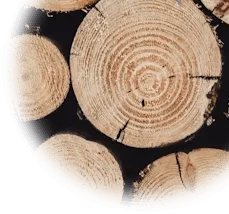
Engineered for forestry and woodworking residues, our wood pellet lines prioritize efficient drying and high-compression pelleting. The core biomass pellet press is configured with durable dies to handle lignin-rich materials, producing high-density fuel or industrial-grade pellets.
Sawdust
Wood Chips
Forest Thinnings
Pallets
Wood Shavings
Bark

Straw Pellet Production Line
Designed for tough, fibrous crop residues like straws and stalks. The solution includes robust shredding and high-compression pelleting to handle low-bulk-density materials, producing durable pellets for industrial boilers and biomass power plants.
Wheat Straw
Rice Straw
Corn Stalk
Cotton Stalk
Barley Straw
Oat Straw

Husk Pellet Production Line
Built for abrasive feedstocks like rice husk and nut shells, these heavy-duty systems focus on wear resistance. From initial size reduction to the final press, components are selected to withstand abrasion and deliver reliable operation.

Grass Pellet Production Line
Designed for leafy and fibrous grasses, this solution features fine grinding and potential steam conditioning to achieve binding. Our specialized pelleting technology ensures stable, low-dust pellets suitable for feed or biofuel markets.
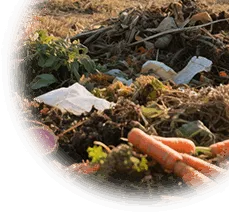
Agricultural Waste Pellet Line
A versatile solution for mixed farm residues, this line often includes flexible pre-processing and mixing stages. It is designed to homogenize and pelletize diverse byproducts into uniform fertilizer or fuel, maximizing resource recovery.
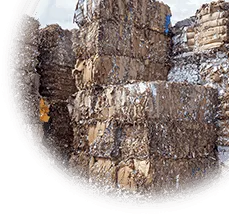
Industrial & Municipal Waste Pellet Line
For converting non-traditional waste streams into fuel, these advanced lines may integrate shredding, drying, and specialized binding techniques. The system is engineered to handle variable compositions safely and produce compliant alternative fuels.
Expert Answers to Your Pellet Production Questions
Get practical insights on biomass pellet press operation, raw material handling, and production planning. Our answers are based on extensive field experience with diverse materials and global project requirements.
Can I process a 70/30 mix of sawdust and rice husk in the same biomass pellet press?
+
Yes, a well-designed ring die biomass pellet press can handle this blend effectively. The sawdust provides natural lignin for binding, while the rice husk adds structure. The key is using a die with a higher compression ratio to ensure proper compaction of the abrasive rice husk. We often recommend adding 1-2% moisture to the mix to aid the pelletizing process. Our engineers will specify the optimal die specifications and feeder settings for your specific mixture to achieve consistent pellet quality and maximize the lifespan of wear parts.
What’s the ideal particle size for coconut shell before pelletizing?
+
Coconut shell should be crushed to a particle size of 3-5mm before entering the biomass pellet press. This size ensures efficient compression without overloading the motor. Particles that are too large can cause excessive wear on the die and rollers and lead to pellet fracturing. We supply specialized hammer mills as part of our complete processing line that are built to handle the extreme hardness of coconut shell and achieve this optimal granulation.
How often do I need to replace wear parts like the ring die and rollers for a 2 t/h operation?
+
For a standard 2 ton per hour biomass pellet press running common materials like wood, expect a ring die life of 800-1,200 hours and roller life of 400-600 hours. For highly abrasive feedstocks like rice husk or sand-contaminated straw, this interval can be 30-50% shorter. Richi Machinery uses specially hardened alloys for our wear parts, extending service life significantly. We provide detailed maintenance schedules and our technical service team can help you monitor wear patterns to plan cost-effective replacements and minimize downtime.
We have wet coffee husks. Does the production line need a dryer?
+
Almost certainly yes. Coffee husks typically have a moisture content of 50-60% post-processing, which is far too high for effective pelletizing. The ideal range for a biomass pellet press is 12-18%. A rotary dryer is a standard and necessary component in the production line for wet agricultural residues like coffee husks. Our plant engineering includes calculating the exact dryer capacity needed to efficiently reduce moisture, which directly impacts your final pellet quality, production rate, and operational stability.
Is a biomass pellet press in Pakistan suitable for local wheat straw?
+
Absolutely. Wheat straw is a prime candidate for pelletizing in Pakistan. The main challenge is its low bulk density and high silica content. Our solution for a biomass pellet press in Pakistan includes a heavy-duty shredder or cutter to pre-process the straw, and we specify a ring die with a very high compression ratio (often 1:10 or higher) to achieve a dense, durable pellet. Many of our clients in Punjab and Sindh successfully operate such lines for fuel and fodder production.
Can I produce both 6mm fuel pellets and 8mm feed pellets on the same machine?
+
Yes, but it requires a die change. A single biomass pellet press is capable of producing different pellet diameters; however, each diameter requires a corresponding ring die. Switching from 6mm to 8mm pellets involves changing the ring die and potentially adjusting the cutter position and feeder speed. For operations that need to switch frequently, we can design a quick-release die system to minimize changeover downtime. Our operator training covers this procedure in detail.
What is a typical ring die life expectancy when processing palm kernel shell?
+
Palm Kernel Shell (PKS) is highly abrasive. With a standard carbon steel die, life expectancy can be as low as 300-500 hours. However, Richi Machinery offers ring dies made from premium, through-hardened alloy steels (e.g., 20CrMnTi or similar). When processing PKS, our specialized dies can achieve a service life of 600-900 hours or more, depending on operating pressure and maintenance. This extended die life is a critical factor in the production economics of a biomass pellet press for palm biomass in Indonesia or Malaysia.
Do you provide a business plan template for a biomass pellet press investment project?
+
Yes, as a professional biomass pellet press manufacturer, we provide comprehensive project support. This includes a detailed financial model template that helps you calculate capital expenditure (CAPEX), operational costs (OPEX), ROI, and payback period. The template factors in local costs for energy, labor, raw material sourcing, and potential pellet market prices in your region. This tool is invaluable for securing financing and making informed decisions about your biomass pellet press investment project.
What auxiliary equipment is needed for a complete plant with a biomass pellet press in Bangladesh?
+
A complete plant for, say, rice husk/peanut shell in Bangladesh typically includes:
- 1) A receiving and pre-cleaning system
- 2) A hammer mill for size reduction
- 3) A silo and belt conveyor system
- 4) The core biomass pellet press
- 5) A counter-flow pellet cooler
- 6) A vibrating screen to remove fines
- 7) A packing scale
For moist materials, a dryer is essential.
If the raw material is wood, equipment such as slicers, shredders, debarking machines, and pallet crushers are flexibly configured according to the form of the wood. If the raw material is straw, equipment such as bale breakers, chaff cutters, and straw crushers are needed…
The equipment configuration for raw material processing and crushing is the most complex, as the pre-processing process differs for different types of raw materials.We design the entire biomass pellet press production line as an integrated system, ensuring all components are matched for capacity and seamless operation.
How do I calculate the ROI for a 5 t/h biomass pellet press for agricultural waste?
+
ROI calculation requires several inputs: Total project cost (machine, auxiliary equipment, installation), annual operating costs (raw materials, power, labor, maintenance), and annual revenue (pellet sales volume x price). A simplified formula is: (Annual Profit / Total Investment) x 100. For a 5 t/h line, key variables are your raw material cost (often very low for waste) and your target market price. Our project consultants will work with you to build a precise ROI model based on your local conditions, which is a standard part of our biomass pellet press feasibility study service.
We have bagasse and want to produce pellets for export. What are the key quality specs?
+
For export-grade bagasse pellets, key specifications include: Diameter (typically 6mm or 8mm), Density (>600 kg/m³), Durability (>97.5%), Moisture (<10%), Ash Content (<8%), and Calorific Value (>16 MJ/kg). Consistency is paramount. Achieving these specs requires precise control over feedstock moisture, particle size, and the pelletizing process. Our high efficiency biomass pellet press systems are engineered to meet these stringent international standards, and we can guide you on necessary testing and certification.
Is your biomass pellet press in Vietnam compatible with local rice straw and husk mixtures?
+
Yes, our equipment is extensively used in Vietnam for these very materials. The combination of rice straw (fibrous) and husk (abrasive) requires a robust system. We configure the biomass pellet press with a high-torque gearbox, a forced feeder to ensure consistent intake, and wear-resistant dies specifically suited for silica-rich feedstocks. We have multiple successful reference plants in the Mekong Delta region processing this exact mixture for domestic fuel and export markets.
What safety features are included for continuous operation in an industrial biomass pellet press?
+
Safety is integrated into our design. Key features include: Shear pins or torque limiters on the main drive to protect against overload, emergency stop buttons at multiple points, safety guards on all rotating parts, amperage meters to monitor motor load, and thermal sensors in the gearbox. For the pelletizing chamber, our quick-release door has a safety interlock that prevents opening while the die is rotating. These features are standard in our industrial biomass pellet press models to ensure safe 24/7 operation.
Can the machine handle mixed municipal green waste for RDF pellet production?
+
It can, but with important preconditions. The green waste must be thoroughly pre-processed: shredded, dried, and have contaminants like plastics, metals, and stones removed. The resulting biomass fraction can then be pelletized. Our heavy duty biomass pellet press for RDF production is built with reinforced components to handle the variable and potentially abrasive nature of this feedstock. We strongly recommend a pilot plant test with your actual waste stream to determine the exact machine configuration and binder requirements.
What training do you provide for operating a biomass pellet press in Saudi Arabia?
+
We provide comprehensive, on-site operator training after installation and commissioning. Training covers: safe startup/shutdown procedures, daily maintenance checks, adjusting feeder and conditioner settings, changing the ring die and rollers, troubleshooting common issues (e.g., low output, poor pellet quality), and basic electrical control panel operation. We provide detailed English and Arabic operation manuals. This training ensures your team can run the biomass pellet press machine efficiently and safely from day one.
How does the compression ratio of the die affect pellet quality for different materials?
+
The compression ratio (effective length of the die hole divided by its diameter) is the most critical die specification. Low-density, fibrous materials like straw or grass require a high compression ratio (1:8 to 1:12) to create enough friction and pressure to form a durable pellet. Dense, lignin-rich materials like hardwood sawdust need a lower ratio (1:5 to 1:7) to avoid excessive pressure, power consumption, and overheating. Selecting the wrong ratio leads to poor pellet formation or machine blockage. Our engineers select the perfect ratio for your feedstock as part of our system design.
What’s the energy consumption of a high efficiency biomass pellet press running at 1.5 t/h?
+
Energy consumption varies with material. For standard pine sawdust, a high efficiency biomass pellet press like our MZLH420 (90KW) running at 1.5 t/h would consume approximately 60-70 kWh per ton of pellets produced. This includes the main motor and feeders. For harder materials like hardwood or agricultural residues, consumption may rise to 80-100 kWh/ton. Our gear-driven transmission system is about 15% more efficient than belt-driven systems, directly reducing your operating costs.
Do you offer a pilot plant setup to test our specific feedstock before full investment?
+
Yes, we strongly recommend it for non-standard materials. Richi Machinery operates a biomass pellet press pilot plant at our factory. You can send 1-2 tons of your raw material to us. We will run comprehensive tests to determine optimal moisture content, particle size, possible need for binders, achievable pellet quality, and output rate. We provide a detailed test report with pellet samples and a recommended production line configuration. This de-risks your investment significantly.
What is the lead time for a turnkey solution with a biomass pellet press in Brazil?
+
For a standard turnkey biomass pellet press production line with capacity up to 5 t/h, the lead time is typically 60-90 days from order confirmation to shipment FOB China. This includes manufacturing, assembly, and factory testing. For larger or highly customized projects, it may extend to 120 days. Sea freight to major Brazilian ports like Santos usually takes 35-45 days. Our project managers provide a detailed schedule and keep you updated weekly.
How do I manage raw material storage and feeding for consistent pellet quality?
+
Consistent feeding is vital. We design raw material handling systems that include: covered storage areas to control moisture, front-end loaders for moving material, receiving hoppers with grate screens, belt conveyors (or screw conveyors for fines), and live-bottom bins that feed the processing line evenly.
For a biomass pellet press processing line, we often include a buffer silo between the dryer and the press feeder to ensure a continuous, steady flow of material at the correct moisture content, which is the foundation of stable pelletizing.
Can a single biomass pellet press in Turkey process both forestry and agricultural residues?
+
Technically yes, but not optimally at the same time without adjustments. Switching between material types usually requires changing the ring die (compression ratio) and potentially adjusting the grinder screen size. A single, versatile press can process both, but in separate production runs.
For operations that constantly mix feedstocks (e.g., 60% wood, 40% almond shells), we design a system around that specific blend, selecting a die and settings that offer the best compromise for consistent pellet quality from that mixed biomass.
What after-sales support is available for a biomass pellet press in Nigeria?
+
Our support for Nigeria includes:
- 1) 12-month warranty on the complete machine.
- 2) Lifelong access to technical advice via WhatsApp, email, and video call.
- 3) A local stock of common wear parts (rollers, seals, bearings) with a reliable in-country partner for fast delivery.
- 4) Priority dispatch of engineers for major issues (visa permitting).
- 5) Detailed troubleshooting guides and video manuals.
We are committed to being your reliable biomass pellet press supplier for the long term, ensuring your plant runs successfully.
What’s the difference between a press for animal bedding and one for fuel pellets?
+
The core biomass pellet press machine can be the same, but the configuration differs. For bedding: The focus is on high absorbency and low dust. A lower compression die is often used to create a more porous pellet that breaks apart easily. For fuel: The focus is on high density, durability, and calorific value.
A higher compression die is used. The main difference often lies in the post-press handling: bedding pellets may be lightly cooled and screened, while fuel pellets require thorough cooling and precise screening to meet quality standards.
How do I troubleshoot low pellet density from my biomass pellet press?
+
Low density usually indicates insufficient compression. Check these points in order:
1) Material Moisture: Is it too high (above 20%)? Dry it further.
2) Particle Size: Are particles too large or uneven? Re-grind to under 6mm.
3) Die Condition: Is the die worn out, reducing the effective compression length? Inspect and replace if necessary.
4) Die Specification: Is the compression ratio too low for your material? You may need a die with a higher ratio.
5) Roller-Die Gap: Is the gap too large? Adjust to the thickness of a business card (0.2-0.5mm).
Our technical service team can guide you through this diagnostic process step-by-step.
Are your machines certified for use in the European Union (e.g., biomass pellet press in Germany)?
+
Yes, our core biomass pellet press is manufactured to comply with key European directives. It carries CE certification, which covers machine safety (2006/42/EC), electromagnetic compatibility (2014/30/EU), and low voltage directives (2014/35/EU).
This certification is verified by a notified body. For clients in Germany or the EU, we provide all necessary documentation, including the Declaration of Conformity, technical file, and detailed risk assessment, to facilitate smooth customs clearance and installation.
What’s the recommended maintenance schedule for the lubrication system?
+
A disciplined lubrication schedule is crucial for the biomass pellet press transmission system.
- Daily: Check gearbox oil level and sight glass.
- Weekly: Inspect for leaks around seals.
- Every 500 Hours: Take an oil sample to check for contamination or metal particles (we recommend analysis).
- Every 1,500-2,000 Hours (or annually): Change the gearbox oil completely, using the specified ISO grade (e.g., ISO VG 320). Grease the main bearing and roller bearings every 8 hours of operation.
We provide a full lubrication chart with your machine’s operation manual.
Can I get spare parts locally for a biomass pellet press in Kenya?
+
For common consumable parts like standard bearings, oil seals, V-belts, and electrical components, yes, they can often be sourced locally in Nairobi or Mombasa. For proprietary, high-wear parts specifically engineered for our press—such as the ring die, rollers, shear pins, and feeder augers—we recommend sourcing them directly from Richi Machinery.
We keep a large inventory and can ship these critical parts via air freight to minimize your downtime. We can also recommend reliable local mechanical workshops for general repairs.
Do you assist with customs clearance for importing a biomass pellet press in Colombia?
+
While we cannot act as your customs broker in Colombia, we provide complete and accurate export documentation to make the process smooth for your agent. This includes: Commercial Invoice, Packing List, Bill of Lading, Certificate of Origin, and the CE Certification/Technical Specifications.
We also provide detailed HS code recommendations for the biomass pellet press and its components. Many of our clients in Bogotá and Medellín have successfully used this documentation package with their local customs brokers.
What factory layout is recommended for a medium plant using a biomass pellet press in Poland?
+
For a medium plant (e.g., 2-3 t/h) in Poland, we recommend a linear flow layout in a building at least 30m long and 15m wide, with a clear height of 6m. The process should flow in one direction: Raw Material Yard -> Crusher/Dryer Section -> Pellet Press -> Cooler -> Screening & Packing -> Finished Product Warehouse.
This minimizes cross-traffic and material handling. Adequate space for forklifts around each machine is essential. Our plant engineering service includes creating detailed 2D and 3D layout drawings tailored to your specific site dimensions.
How does the performance of a professional biomass pellet press manufacturer compare to local assemblers?
+
The difference is significant. A professional manufacturer like Richi Machinery designs and builds an integrated system. Key advantages include:
- Quality: Our own foundry and machine shop allow us to control the metallurgy and precision of core components like the gearbox housing and main shaft.
- Performance: Our gear-driven transmission offers higher efficiency and stability than common belt drives used by assemblers.
- Support: We provide deep engineering expertise, from raw material testing to plant design, not just equipment sales.
- Reliability: Our machines are built for industrial, continuous-duty cycles, whereas assembled machines may use lower-grade components unsuitable for long-term, high-output operation.
This results in higher upfront cost but far lower total cost of ownership and greater production certainty.
We have olive pomace with high oil content. Can a standard biomass pellet press handle this?
+
Olive pomace (also known as “orujo”) is challenging due to its high oil and moisture content. A standard press will likely struggle with clogging. However, our biomass pellet press for agricultural waste can be specially configured for this. The solution involves two key modifications:
- first, thoroughly drying the pomace to below 12% moisture and stabilizing the oil content;
- second, using a ring die with a very specific compression ratio and inlet geometry to prevent the oily material from sticking.
We have successfully implemented such systems in Spain and Tunisia, and a pilot test is highly recommended to fine-tune the parameters.
What modifications are needed to run a biomass pellet press in Egypt on date palm residues?
+
Date palm residues (fronds, trunks) are extremely fibrous and abrasive. Modifications for a biomass pellet press in Egypt include:
- 1) A heavy-duty, two-stage shredding/chipping system before the hammer mill.
- 2) A ring die made from a superior wear-resistant alloy (we recommend our tungsten carbide-coated option for maximum life).
- 3) A reinforced roller assembly with specially hardened rollers.
- 4) A higher-power motor to cope with the dense fiber. The pelletizing chamber may also be modified for easier cleaning.
Our engineers have extensive experience with North African date palm biomass and will specify all necessary upgrades.
How do I prevent corrosion in a biomass pellet press processing high-moisture municipal sludge?
+
Corrosion protection is critical for this application. Our solution for a sludge pelletizing line includes:
- 1) Constructing all material-contact parts (feeder, conditioner, pellet chamber door, dies) from stainless steel (304 or 316 grade).
- 2) Applying special anti-corrosion coatings to the main frame and non-stainless components.
- 3) Designing the system for easy wash-down and including drainage.
- 4) Recommending a post-pelletizing dryer if the pellets themselves will have elevated moisture.
This “corrosion-resistant” configuration is a standard option we offer for industrial and municipal waste processing lines.
What’s the maximum acceptable sand/soil contamination for agricultural residue pelleting?
+
Sand and soil are highly abrasive and will drastically accelerate wear on the die and rollers. As a rule of thumb, the total ash content (which includes sand) of your feedstock should ideally be below 10% for sustainable operation, with a strict maximum of around 15%.
Contamination above 5% will noticeably reduce wear part life. For feedstocks known to have high soil pickup (like rice straw harvested close to the ground), we strongly recommend installing a pre-cleaning stage, such as a drum sieve or air classifier, before the biomass pellet press to remove this abrasive material and protect your investment.
Can your biomass pellet press for mixed biomass handle seasonal feedstock changes (summer/winter mix)?
+
Yes, versatility is a key strength of a well-engineered press. To handle seasonal changes (e.g., wood in winter, grass in summer), the system needs to be designed for the most challenging material in the mix (often the grassy, fibrous summer feedstock). This means specifying a press and die with a higher compression ratio capability.
When switching to the easier material (wood), you may operate at a slightly lower power setting. The key is having a skilled operator who can adjust feeder speeds and possibly change the die between seasons for optimal performance. We train your team on making these adjustments.
What dust collection system do you recommend for a biomass pellet press in Thailand processing rice husk?
+
Rice husk processing generates significant silica dust, which is a health and explosion hazard. We recommend a high-efficiency, explosion-proof (ATEX-rated if for export) pulse-jet baghouse dust collector. It should be placed at key points: after the hammer mill, at the pellet cooler discharge, and at the packing station. The system must be properly grounded, and all ducting should be designed for easy cleaning. As part of our biomass pellet press production system for Thailand, we integrate the design and specification of this critical safety and environmental equipment.
How many operators are needed for a 8 t/h industrial biomass pellet press production line?
+
A fully operational 8 t/h line typically requires a team of 4-5 people per shift:
1) A plant supervisor/loader operator managing raw material intake and overall flow.
2) A pellet press operator monitoring the core biomass pellet press, making adjustments, and performing minor maintenance.
3) A packing & quality control operator managing the cooler, screen, and bagging scale, checking pellet quality.
4) A utility worker assisting with material handling, cleaning, and tool fetching.
For a 24/7 operation, you would need 3-4 shifts, plus maintenance staff.
What power supply requirements are needed for a biomass pellet press in Ethiopia (voltage/frequency)?
+
We build our biomass pellet press machines to match the local power grid. For Ethiopia, the standard industrial supply is 380V, 50Hz, 3-phase. We will fit the main motor, control cabinet, and all auxiliary motors to this specification.
It is critical to ensure your site has a transformer and electrical supply stable enough to handle the starting current (which can be 3-5 times the running current) of the main motor (e.g., a 200KW motor for a larger press). Our electrical drawings will detail the exact cable sizes and circuit breaker requirements for your electrician.
Can I produce certified ENplus pellets with your biomass pellet press in Romania?
+
Absolutely. Producing ENplus A1-grade pellets requires control over the entire process, not just the press. Our complete biomass pellet press production line is capable of producing pellets that meet the strict ENplus standards for diameter, density, durability, moisture, and ash content.
The key is using pure, clean woody biomass (no bark), precise drying, and consistent operation. Many of our clients in Romania and across Eastern Europe use our lines for ENplus production. We can guide you on the necessary process controls and documentation required for certification.
What’s the minimum lot size for ordering custom die specifications for special pellet shapes?
+
For non-standard pellet shapes (e.g., square, oval, large diameter over 12mm) or unique compression ratios, we require a minimum order of two ring dies. The lead time for custom dies is 25-35 working days.
For standard diameters (6mm, 8mm, 10mm) with our existing compression ratios, there is no minimum, and they are often in stock. We advise clients to always keep at least one spare die on hand to avoid production stoppages, making an order of two dies a common and practical practice.
How do you ensure consistent pellet diameter tolerance (±0.5mm) in commercial biomass pellet press models?
+
Consistent diameter is a function of precision manufacturing and stable operation. We ensure it by:
- 1) Using CNC machines to drill the die holes, guaranteeing each hole is identical in diameter and taper.
- 2) Designing a rigid, heavy-duty pelletizing chamber that minimizes vibration.
- 3) Incorporating a forced feeder that provides a consistent, non-pulsating flow of material into the die.
- 4) Using an adjustable knife that can be set precisely.
Fluctuations in material moisture or density are the main causes of diameter variation, so stabilizing the upstream process is equally important.
What fire prevention measures should be implemented in a biomass pellet press plant in Indonesia?
+
Biomass dust is highly combustible. Essential measures include:
1) Dust Control: A comprehensive collection system as mentioned earlier.
2) No Smoking policies and hot work permits.
3) Electrical: All motors and equipment in dusty areas should be rated for explosive atmospheres (Ex-proof).
4) Equipment: Install spark detection and extinguishing systems in ducts, especially after the dryer.
5) Housekeeping: Mandatory daily cleaning to prevent dust accumulation on beams and equipment.
6) Firefighting: Strategically placed CO2 or dry powder extinguishers.
We include a risk assessment covering these points in our plant safety documentation.
Can the system be automated with PLC control for a biomass pellet press in Mexico?
+
Yes, we offer full PLC (Programmable Logic Controller) automation. For a biomass pellet press in Mexico, this system can automate the sequence of starting and stopping the entire line (from conveyor to cooler), monitor motor loads and temperatures, control dryer temperature based on moisture feedback, and trigger alarms for any parameter out of range. The operator interface is a touchscreen HMI (Human-Machine Interface). This reduces labor requirements, improves consistency, and provides valuable production data. It is a popular upgrade for commercial and industrial plants.
What’s the noise level of your heavy duty biomass pellet press during 24/7 operation?
+
Our heavy duty biomass pellet press is designed for industrial environments. The main noise source is the gear transmission and the pelleting action. With the standard acoustic covers and enclosure in place, the operating noise level at a distance of 1 meter is approximately 80-85 dB(A). We recommend that operators in the immediate vicinity wear hearing protection. For plants with strict noise regulations, we can supply an acoustic hood that reduces the sound to below 75 dB(A). Specific noise level test reports can be provided upon request.
Do you provide performance guarantees for biomass pellet press output rates with specific feedstocks?
+
Yes, we provide written performance guarantees. After conducting a pilot test with your feedstock, we will guarantee a minimum output rate (e.g., 1.2 t/h for a specific model) and pellet durability index (e.g., >97%) when processing that same material under agreed-upon conditions (moisture content, particle size). This guarantee is validated during the commissioning phase at your factory. It is a testament to our confidence in our engineering and the reliability of our high quality biomass pellet press. This guarantee forms part of our commercial contract.
Can you show me some recent project cases where your MZLH350 biomass pellet press was used in different countries? What were the raw materials and project scales?
+
Certainly. The versatility of our MZLH350 biomass pellet press is proven by its successful deployment in diverse global projects. The following cases illustrate how we tailor complete solutions around this reliable core machine to handle locally abundant feedstocks. Note that the total project cost varies significantly based on the required auxiliary equipment for processing specific materials, such as drying systems for wet feedstock or specialized handling for abrasive inputs.
- Project in Vietnam: A client utilized the MZLH350 to process wet corn straw waste. The complete line included a robust drying system, leading to a total project cost of approximately $80,000 USD.
- Project in India: For processing a blend of bamboo and rice husk, we configured a production line featuring heavy-duty crushing and specialized die technology for abrasive materials. The total investment for this system was around $70,000 USD.
- Project in the United States: A customer aimed to pelletize Miscanthus, Hay, and flax straw. This required a comprehensive system with advanced feedstock preparation and handling, resulting in a project cost of about $150,000 USD.
- Project in Poland: This complex project involved processing a mixed stream of palm waste, straw, husk, and wood waste. The integrated solution with sophisticated material receiving and blending systems totaled approximately $110,000 USD.
- Project in France: A line built around the MZLH350 processes palm waste and sawdust. The project, which included necessary preprocessing equipment, had a cost of about $90,000 USD.
- Project in Brazil: For peanut shells, straw, and rice husks, we engineered a durable line capable of handling abrasive and fibrous materials, with a total investment near $170,000 USD.
- Project in Romania: A cost-effective solution for straw, hay, sawdust, blocks, and planks was implemented. Utilizing local infrastructure efficiently, this project cost approximately $110,000 USD.
- Project in Argentina: This installation processes cotton stalk and sawdust, requiring tailored handling for the cotton stalk. The complete production line was valued at about $85,000 USD.
These cases demonstrate that while the MZLH350 biomass pellet press serves as the consistent, high-quality pelleting heart of each operation, the total system design and cost are meticulously customized. Factors like raw material moisture, abrasiveness, density, and required final pellet specification dictate the selection of auxiliary equipment—from drying and grinding to cooling and packaging. Our strength lies in designing this complete, optimized system tailored to your specific local biomass and business goals, backed by our global engineering and commissioning experience.
Can you explain the complete process for making pellets using a full biomass pellet press system? What are the key steps and considerations?
+
Absolutely. Operating a complete biomass pellet press system is a precise engineering process that transforms raw biomass into dense, standardized pellets. The success of the operation hinges on correctly sequencing each stage and selecting equipment specifically matched to your feedstock. Here is a detailed breakdown of the standard process, noting where customization is critical.
The Core Biomass Pellet Production Process:
- Raw Material Reception & Primary Processing: The process begins with feedstock like straw, wood chips, or agricultural stalks. The first critical step is size reduction using a crusher or hammer mill to achieve a consistent particle size (typically 3-6mm). This uniformity is essential for smooth feeding and efficient compression in the subsequent biomass pellet press. A common mistake is underestimating this stage; improper sizing leads to poor pellet quality and excessive wear.
- Pre-Treatment & Conditioning: The crushed material is conveyed to a conditioning hopper. Here, moisture content is precisely adjusted. While some materials may require added water or steam to reach an optimal 12-18% range (crucial for natural lignin activation), others like green waste require drying. This step is not universal; for many dry, lignin-rich woods, direct pelleting is possible. Our engineers determine the necessity and type of conditioner—be it a simple mixer or a steam adder—based on your material’s initial analysis.
- Pressing & Pelletizing (The Core Stage): This is where the biomass pellet press performs its key function. Conditioned material is fed into the press chamber. Here, it is forced through the holes of a rotating ring die by heavy rollers. The immense pressure and resulting friction generate heat (70-95°C), which plasticizes the natural binders (lignin) in the biomass, forming solid pellets. The choice of die compression ratio (e.g., 1:6 for hardwood, 1:10 for straw) and roller configuration is what we customize for your specific material to ensure optimal density and durability.
- Cooling & Stabilization: Freshly extruded pellets are hot (~90°C) and soft. They must be rapidly and evenly cooled using a counter-flow pellet cooler machine. This hardens them, prevents breakage, and reduces moisture to a stable storage level (<10%). Skipping or undersizing this stage results in fragile, low-quality pellets.
- Screening & Packaging: The cooled pellets are passed over a vibrating screen to remove fine dust and broken pieces (fines), which are recycled back to the conditioner. The on-spec pellets are then conveyed to automated bagging scales or bulk storage silos for packaging in bags or big bags, ready for transport.
Material-Specific Applications & Our Engineering Expertise:
The generic process above is adapted for vastly different materials. For instance:
- Turning alfalfa into feed pellets requires gentle conditioning to preserve nutrients and a specific die for high-protein binding.
- Turning bamboo or rice husk into pellets demands exceptionally wear-resistant die and roller materials due to high silica content.
- Processing wet materials like EFB (Empty Fruit Bunch) or bagasse necessitates integrating a powerful dryer before the press.
This is where Richi Machinery’s depth of experience is paramount. We don’t just sell a standalone biomass pellet press; we provide a cohesive system design. We analyze your raw material’s moisture, fiber content, abrasiveness, and bulk density to determine the exact configuration of crushers, dryers (if needed), conditioners, the press itself, and coolers. Our control systems tie these components together for efficient operation.
The final pellet quality—whether for biofuel, animal feed like alfalfa grass pellets for livestock, or specialized industrial purposes—is a direct result of this integrated, custom-engineered approach, ensuring high combustion efficiency, durability, and a strong return on your investment.
What auxiliary equipment is needed to build a complete biomass pellet plant system around the main pellet press?
+
A successful biomass pellet plant relies on a seamlessly integrated system where the core biomass pellet press is supported by precisely matched auxiliary equipment. The selection and configuration of this equipment are not generic; they are engineered based on your specific raw material characteristics, target capacity, and final pellet specifications. Here is an overview of the key auxiliary components and how Richi Machinery customizes the complete production line.
Essential Auxiliary Equipment for a Biomass Pellet Production System:
- Pre-Processing Equipment (Size Reduction & Preparation):
- Bale Breaker: For processing baled straw or hay, a bale breaker (Capacity: 1-20T/h, Power: 30-90KW) is the first step to loosen the material.
- Hammer Mill / Crusher: This is critical. A Pellet Hammer Mill (3-25T/H, 30-160 KW) reduces wood chips or logs, while a specialized Straw Grass Crusher (0.3-3T/H, 22-93KW) handles fibrous materials. The goal is to achieve a uniform particle size (typically 3-6mm) optimal for the biomass pellet press.
- Mixer: For lines using multiple feedstocks or additives, a Mixing Machine (250-2000KG/batch, 4-55KW) ensures a homogeneous blend before pelletizing, which is crucial for consistent pellet quality.
- Conditioning & Drying Equipment:
- Biomass Dryer: Moisture control is paramount. If your raw material (e.g., fresh wood chips, agricultural straw) has moisture above 18-20%, a Rotary Dryer (Capacity: Customized) is essential. We design dryer systems based on your input moisture (e.g., 35-65%) and required output, optimizing the drying process for each specific material like sawdust, bamboo, or straw to achieve the ideal 12-18% range for the press.
- Post-Pelletizing Processing Equipment:
- Pellet Cooler: Pellets exit the biomass pellet press hot and soft. A Counter-flow Pellet Cooler (1.5-18T/H) is non-negotiable. It uses ambient air to harden the pellets, reduce moisture by 3-5%, and stabilize them for storage.
- Vibrating Screening Machine: This screener (3-20T/H) removes fines and broken pellets after cooling. The fines are recycled back to the process, ensuring only high-quality, on-spec pellets move to packaging.
- Automatic Bagging Machine: For final product handling, an Auto-Packing Machine (6-12 bags/min) provides efficient weighing and bagging into sacks or big bags, ready for market.
- Material Handling Systems: Conveyors (screw, belt, pneumatic) and bucket elevators are the connective tissue, designed to move material efficiently between each stage without bottlenecks or segregation.
How Richi Machinery Engineers the Complete Line:
Our role extends far beyond supplying a list of machines. We are system integrators. The process begins with analyzing your feedstock—be it wood chips, rice straw, corn stalks, or peanut vines. We then engineer a cohesive biomass pellet production line where each auxiliary unit is sized and specified to match the output of your biomass pellet press (e.g., our core model with 1-6T/H capacity and 37KW power).
The drying and molding process technology is fully optimized based on:
- Material Characteristics: Abrasiveness (rice husk), fiber length (straw), oil content (olive pomace).
- Output & Application: Fuel pellets require different conditioning than feed pellets.
- Cost & Automation Level: From semi-automatic to fully PLC-controlled plants.
- Site Conditions: We adapt the layout to your available factory space.
In summary, while the biomass pellet press is the heart of the operation, its performance is entirely dependent on the supporting “organs.” Richi Machinery’s expertise lies in designing and manufacturing this complete, balanced ecosystem. From the initial bale breaker to the final bagging scale, we ensure all equipment works in harmony, delivering a reliable, efficient, and profitable pelletizing solution tailored to your exact raw material and business goals.
What are the key factors to consider when choosing the right biomass pellet press for an industrial production line?
+
Selecting the correct biomass pellet press is a critical investment decision that directly impacts your long-term productivity, operational costs, and product quality. It goes beyond simply comparing prices. A professional evaluation should be based on a systematic analysis of your specific operation. Here are the essential factors to consider, which also define the core strengths of the Richi Machinery approach.
1. Performance & Capacity Parameters:
The theoretical specifications must align with your practical reality. Key parameters include:
- Pelletizing Capacity (Output Rate): Match the machine’s throughput (e.g., 0.3-1.2 t/h, 1-3 t/h) to your actual production goals, factoring in future growth. Over-sizing wastes capital; under-sizing bottlenecks your entire line.
- Compression Ratio & Die Specification: This is the most material-specific factor. The die’s compression ratio must be engineered for your feedstock—higher for low-density straw, lower for dense hardwood. A mismatch leads to poor pellet quality or machine damage. We don’t just sell a standard press; we specify the exact die geometry for your material.
- Energy Efficiency: A modern, gear-driven biomass pellet press will offer significantly lower kWh per ton than older belt-driven models. Evaluating the main motor power in context of output gives a true picture of operational cost.
2. Equipment Construction & Durability:
The machine’s build quality dictates its service life and total cost of ownership.
- Materials: Critical components like the ring die, rollers, and main shaft must be made from high-alloy, through-hardened steels. For abrasive materials (rice husk, straw), we offer specialized tungsten-carbide surfacing options. The main gearbox housing should be a high-grade cast iron for stability, not welded steel.
- Structural Design: Look for a robust, vibration-minimizing frame and a proven transmission system. The design should facilitate easy access for maintenance. Our presses feature a heavy-duty cast gearbox and a quick-release ring die system, balancing durability with serviceability.
3. Operational & Maintenance Practicality:
Ease of use reduces downtime and training costs.
- Control System: The interface should be intuitive, allowing for easy adjustment of feeder speed and monitoring of motor load. We offer from basic control cabinets to full PLC automation with touchscreen HMIs.
- Maintenance Design: Consider daily greasing points, ease of die and roller changeover, and accessibility of common wear parts. A well-designed biomass pellet press is built for maintenance, not just operation.
4. Comprehensive Cost & Value Analysis:
The cheapest machine often has the highest lifetime cost.
- Total Cost of Ownership (TCO): Factor in not just the purchase price, but also energy consumption, expected wear part life, and maintenance labor. Our machines are engineered for lower TCO through superior efficiency and longevity.
- Supplier Capability & After-Sales: The manufacturer’s expertise is part of the product. Can they provide a feasibility study based on your material test? Do they offer genuine wear parts, detailed operator training, and responsive technical service? As a professional biomass pellet press manufacturer, we embed our engineering support into the entire project lifecycle.
The Richi Machinery Selection Process:
Our consultation goes beyond catalog specifications. We begin by analyzing your raw material characteristics (moisture, fiber content, abrasiveness) and production goals (pellet type, final use). We then recommend not just a biomass pellet press model, but a complete, optimized configuration—including the correct die, potential pre-conditioning needs, and compatible auxiliary systems.
We encourage clients to conduct a pilot plant test with their actual feedstock at our facility. This empirical data removes guesswork, proving the machine’s performance and the pellet quality before investment. Ultimately, the right choice is a machine from a partner who provides a customized engineering solution, not just a commodity, ensuring the equipment delivers maximum value and reliability in your specific industrial environment.
What are the most important criteria for choosing a reliable biomass pellet press manufacturer?
+
Selecting the right manufacturer for your biomass pellet press is arguably more critical than choosing the machine model itself. The manufacturer is your long-term partner for technical support, parts, and ensuring your production line’s success. While price is a factor, it should be evaluated within a comprehensive framework that prioritizes engineering capability, proven quality, and total lifecycle support. Here are the key criteria to assess, which reflect the core principles of Richi Machinery.
1. Technical Qualifications & Engineering Expertise:
Look beyond a basic business license. A credible manufacturer should demonstrate deep, specialized engineering knowledge in biomass densification. Do they have in-house R&D and testing facilities? Can their engineers discuss material science, die compression ratios, and system integration specific to your feedstock? As a professional biomass pellet press manufacturer, we invest heavily in R&D and employ engineers who solve complex pelleting challenges daily, translating that expertise into robust machine design.
2. Equipment Quality & Manufacturing Process:
Quality is not an accident; it’s a result of controlled manufacturing. Investigate the production process:
- Core Components: Does the manufacturer control the production of critical parts like the gearbox housing (preferable: own foundry/casting) and precision-machined shafts, or are they simply assembling purchased parts?
- Material Selection: What specific alloys are used for the ring die and rollers? We use certified, through-hardened alloy steels and offer advanced surface treatments for abrasive materials.
- Assembly & Testing: Is each biomass pellet press assembled in a controlled environment and put through a rigorous running test before shipment? We conduct full-load tests to ensure performance and identify any issues before the machine leaves our factory.
3. Operational Track Record & Project Portfolio:
Longevity and diverse experience matter. A manufacturer with a decade or more of history has likely refined its designs based on real-world feedback.
- Global References: Ask for case studies or contact references in your region or with similar raw materials. Our portfolio includes successful projects from Poland to Vietnam, processing materials from palm waste to straw.
- Project Scale: Have they executed projects at your required scale, from small 0.5 t/h pilot plants to large 10+ t/h industrial lines?
4. Comprehensiveness of Solution & Process Knowledge:
The best manufacturers sell solutions, not just machines. Can they design the entire production line, including auxiliary equipment, and optimize the production process for your specific material? Our service includes raw material analysis, complete plant engineering, and process flow design, ensuring all components from the dryer to the cooler are perfectly matched to the core biomass pellet press.
5. Total Value & Cost Analysis:
Price should reflect long-term value, not just initial cost. A lower-priced machine from a less capable supplier often results in higher total cost of ownership due to:
- Frequent breakdowns and shorter wear part life.
- Higher energy consumption from inefficient design.
- Costly downtime waiting for non-standard parts or slow technical support.
We provide transparent, detailed quotations that help you evaluate the investment based on durability, efficiency, and projected operating costs.
6. After-Sales Service & Lifelong Partnership:
This is the ultimate differentiator. Scrutinize the service structure:
- Pre-Sales Support: Do they offer material testing and detailed project planning?
- Training: Is comprehensive on-site operator training included?
- Parts Supply: Is there a reliable inventory of genuine wear parts, and what are the delivery terms?
- Technical Support: What channels exist (phone, video, on-site) for troubleshooting? We provide lifelong technical support, a global network for spare parts, and rapid response protocols because our reputation is tied to your success.
In summary, choosing a manufacturer is about evaluating their integrated capability to deliver a reliable, efficient production asset and be a dependable partner for years to come. It’s an investment in certainty. Richi Machinery stands behind our biomass pellet press with the manufacturing depth, engineering rigor, and committed support that transforms a capital purchase into a profitable, long-term production solution.
What are the main application fields and future development prospects for biomass pellets?
+
Biomass pellets, produced by a reliable biomass pellet press, have evolved from a niche fuel into a versatile, sustainable commodity with a rapidly expanding role in the global energy and industrial landscape. Their development is directly tied to global trends in decarbonization, circular economy, and energy security. Here’s a detailed look at their current applications and promising future.
Current Core Application Fields:
- Residential & Commercial Heating: This remains a primary and mature market, especially in Europe and North America. Pellets made from wood or clean agricultural residues are used in automated boiler and stove systems for space heating and hot water. The consistent size and density achieved by a high-quality biomass pellet press are critical for the automated, efficient, and low-emission combustion these systems require. This application is growing in regions shifting away from coal for distributed heating.
- Industrial Heat & Power Generation: A major growth sector. Industries with process heat requirements (food processing, textiles, ceramics) are switching to biomass pellets in dedicated boilers to reduce fossil fuel dependence and carbon taxes. Furthermore, utility-scale and co-generation power plants are utilizing pellets as a direct coal replacement or in dedicated biomass plants, providing baseload renewable power. The high energy density and uniformity of pellets are essential for large-scale, automated handling and combustion.
- Emerging Advanced Bioenergy Applications:
- Biomass Gasification: Pellets are an ideal feedstock for gasifiers, which produce syngas. This syngas can then be used to generate electricity more efficiently in biomass gas turbines or be cleaned and utilized in chemical synthesis. The consistent physical properties of pellets ensure stable gasifier operation.
- Biofuels & Biochemicals (Biomass Liquefaction): This represents the cutting edge. Through processes like pyrolysis or hydrothermal liquefaction, pellets can be converted into advanced liquid biofuels for transportation or into bio-based chemicals, moving beyond the energy sector into the bio-economy. The pellet form enables efficient handling and feeding into these advanced reactor systems.
Beyond Energy: Diversified Industrial Applications:
The utility of a biomass pellet press extends beyond fuel:
- Animal Bedding & Feed: Processed wood and grass pellets provide superior, absorbent bedding. Certain pellets (e.g., alfalfa) are manufactured as high-density animal feed.
- Absorbents & Filtration: Pellets made from specific materials can be used for oil spill cleanup or as industrial filter media.
- Soil Amendment & Carbon Sequestration: Biochar pellets, produced via pyrolysis, improve soil health and sequester carbon for centuries.
Future Development Prospects & Market Drivers:
The outlook for biomass pellets is strongly positive, driven by:
- Global Decarbonization Policies: Net-zero commitments and carbon pricing mechanisms are creating sustained demand for sustainable, drop-in solid biofuels to displace coal and natural gas in hard-to-abate sectors like heavy industry.
- Energy Security & Diversification: Nations are prioritizing domestic, renewable energy sources to enhance energy independence, boosting demand for locally sourced biomass pellet systems.
- Waste Valorization Mandates: Regulations limiting landfill and promoting circular economy models incentivize converting agricultural, forestry, and urban green waste into value-added pellets.
- Technology Advancements: Innovations in pellet production (improved press efficiency, lower energy consumption) and end-use (more efficient boilers, gasifiers) are expanding economic feasibility and application scope.
The Role of the Equipment Manufacturer in This Future:
Capitalizing on this potential requires more than just any pellet mill. It demands equipment engineered for versatility, durability, and efficiency to process the wide array of feedstocks that feed these diverse markets—from forestry residues for premium heating pellets to agricultural waste for industrial fuel.
At Richi Machinery, our biomass pellet press systems are designed with this future in mind. Our engineering expertise allows us to configure lines not just for today’s fuel market, but for emerging applications in biochar and advanced feedstocks. By choosing a partner with deep technical knowledge and a proven track record across multiple continents and applications, you are not just purchasing a machine; you are investing in a production asset positioned to grow and adapt within the expanding global biomass economy.
60000 +
Backed by a 60,000 m² advanced production complex
140 +
Global footprint extends across 140+ international markets
2000 +
Over 2,000 successful pellet production system installations
2013
RICHI MANUFACTURE
Established in 1995, RICHI MACHINERY has grown from a medium-sized enterprise to become China’s largest pellet production line manufacturer. With two major manufacturing bases spanning hundreds of thousands of square meters, we specialize in custom pellet machines and complete plant solutions, handling every production stage in-house—from R&D to delivery.
Our vertically integrated facilities (including dedicated sections for production, testing, and logistics) ensure premium quality, environmental responsibility, and operational reliability for feed, biomass, and fertilizer industries worldwide. For nearly three decades, we’ve partnered with clients to enhance productivity, minimize risks, and achieve sustainable outcomes through innovative engineering.
Zhengzhou Headquarters
R&D, global operations and strategic management converge

Jiaozuo New Production Base (2025)
Featuring automated production lines and Industry 4.0 technologies

Kaifeng Original Complex (Since 1995)
Our manufacturing legacy began and quality traditions endure
Certifications & Patents
As a world-leading feed mill equipment manufacturer, RICHI Machinery demonstrates its engineering prowess through internationally recognized certifications and proprietary innovations.
Our ISO quality management system, CE compliance, BV-certified production processes, GOST-R for Russian compliance, ATEX explosion-proof certification for EU safety standards, FDA registration for U.S. market access, and EHEDG hygienic design certification validate our commitment to global standards, while 50+ patented technologies in pellet mills, extruders and automation systems deliver unmatched performance.

When you choose RICHI, you’re selecting globally validated, future-proof solutions backed by the industry’s most comprehensive certification portfolio.

01
Consultation
Our experts provide professional advice to understand your specific feed production requirements.

02
Design
We develop customized solutions with optimized layouts and equipment configurations for your project.

03
Manufacturing
All feed mill equipment is precision-built using quality materials in our ISO-certified factories.
04
Shipping
We handle secure packaging and global logistics with reliable delivery timelines.

05
Installation
Our engineers supervise on-site assembly and commissioning for smooth operation.

06
Training
Comprehensive operator instruction ensures proper use and maintenance of equipment.

07
After-sales
Dedicated support team provides troubleshooting and technical assistance.
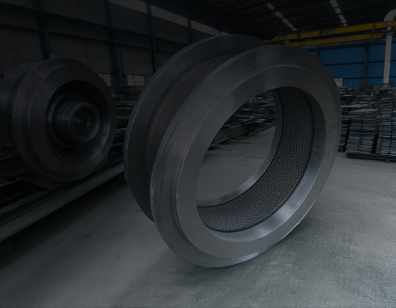
08
Spare Parts
Genuine components are available worldwide with fast delivery service.
