 0086-138 3838 9622
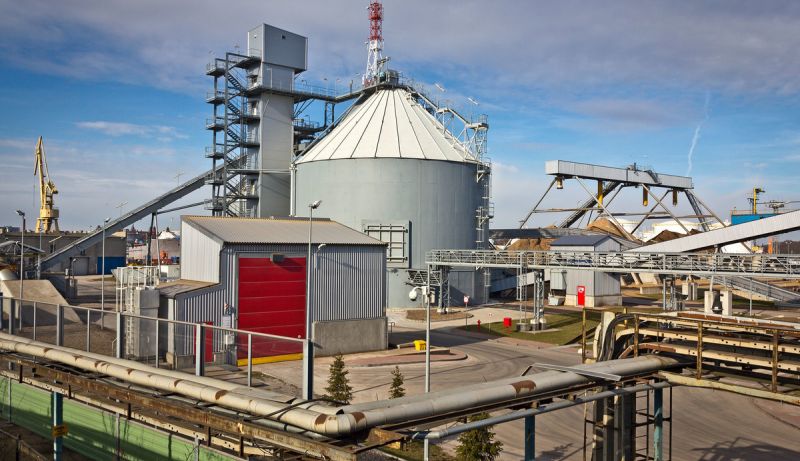
12–15 T/H biomass pellet factory in Brazil
An existing Brazilian site supported a 30,000-tonne fuel-pellet programme using clean wood residues, branches and a smaller straw stream. Four main presses shared forming duty, with coarse preparation, fine grinding and two bagging formats serving the product route.

RICHI MACHINERY
Four forming positions for an industrial fuel programme
This biomass pellet factory in Brazil was completed for a biomass-energy company. The owner committed to the project in April 2024 using an existing site. Its 12–15 T/H production class served an annual programme of 30,000 tonnes of biomass fuel pellets.
The processing arrangement included one coarse-reduction unit, two crushers and four main pellet presses. Transfer equipment connected preparation with forming and finished-product handling. Weighing and packing completed the route to bagged product.
The buyer’s fuel requirements shaped receiving and product acceptance. The declared feed comprised suitable wood residues, branches and straw. Its mixed-material identity remained part of the fuel specification supplied to the intended combustion application.
Receiving accepted clean, untreated wood residues from wood processing, suitable packaging wood, branches with leaves removed and the specified straw provision. Coatings, glue, metal, cement and other unsuitable material were excluded from the feed accepted for this recipe.
The local electricity connection served the press drives, size-reduction equipment and material handling. Supply assessment covered their combined loading and starting conditions. Annual consumption followed the machines’ operating loads and productive running time.
The biomass pellet plant operation had nine staff and no on-site accommodation. Its line calendar was one eight-hour shift on each of 300 working days. That provided 2,400 scheduled hours annually for the 30,000-tonne production programme.
| Annual operation measure | Calculated figure | Condition |
|---|---|---|
| Available line calendar | 2,400 hours | Eight hours for 300 days |
| At the 12 T/H point | 28,800 tonnes | Before interruptions |
| Time at 15 T/H | 2,000 productive hours | For the 30,000-tonne programme |
| Time outside that scenario | 400 hours | Within the scheduled calendar |
The annual objective required operation above the low point of the capacity class within the stated calendar. The 15 T/H case was a productive-output scenario. Actual accepted rate depended on the biomass recipe, preparation, press loading and finishing capacity.
12–15 T/H
production capacity
US$590,000
project investment
Brazil
location
Fuel pellets
project type
RICHI MACHINERY
Three existing buildings on the project site
The biomass pellet factory in Brazil occupied a 3,868 m² site. Its three listed single-storey buildings totalled 1,450 m²: a 600 m² production workshop, a 450 m² warehouse and a 400 m² office building.
The workshop was in the northeast, the warehouse in the southeast and the office on the west side. Inside production, the route ran through receiving, coarse reduction, screening, fine preparation, pelletizing, cooling and packing.
The fuel pellet plant reused these buildings for processing, material holding and administration. Raw-material delivery and packed-product dispatch were separate movements through the site. Internal conveying connected preparation with the four forming positions and finishing.
| Site or building | Area | Position or use |
|---|---|---|
| Whole project site | 3,868 m² | Existing site |
| Production workshop | 600 m² | Northeast |
| Warehouse | 450 m² | Southeast |
| Office building | 400 m² | West |
| Listed floor area combined | 1,450 m² | Three single-storey buildings |
RICHI MACHINERY
Incoming biomass provision and factory services
The annual material provision totalled 33,000 tonnes: 15,000 tonnes of wood residues, 15,000 tonnes of branches and 3,000 tonnes of straw. The incoming moisture envelope was 15–17%. Individual lots were released against the feed requirements of the selected forming recipe.
| Biomass provision | Annual quantity | Incoming moisture |
|---|---|---|
| Clean wood residues | 15,000 tonnes | 15–17% |
| Branches | 15,000 tonnes | 15–17% |
| Straw | 3,000 tonnes | 15–17% |
| All incoming provision | 33,000 tonnes | Receiving-plan basis |
The 33,000-tonne provision and 30,000-tonne product programme belonged to different weighing boundaries. Receiving acceptance, moisture changes, net material leaving the circuit and stocks completed the material account. The difference was not assigned a fixed drying or reject quantity.
Local water provision carried a 135 m³ annual allowance. The electrical connection served the processing and handling drives. Their energy use followed actual loading and running time rather than a conversion from the finished-product tonnage alone.
RICHI MACHINERY
Fuel pellets and the two bagging formats
The finished-product programme was 30,000 tonnes annually. Product could be prepared in 25 kg bags or 1,000 kg big bags. The quantity assigned to each format followed the actual dispatch programme and was accounted for within the same product total.
| Finished-product item | Project programme |
|---|---|
| Product | Biomass fuel pellets |
| Annual objective | 30,000 tonnes |
| Small-bag format | 25 kg |
| Big-bag format | 1,000 kg |
| Added binders | None in the stated recipe |
The biomass pellet production line processed the accepted biomass without added binders. Fuel acceptance covered the declared feedstock, moisture, dimensions, handling condition and combustion-related analysis. Product claims followed the offered specification and the results for the relevant lot.
| Product check | Buyer relevance | Verification basis |
|---|---|---|
| Material identity | Declare the biomass blend | Receiving and recipe control |
| Moisture | Match the fuel specification | Lot moisture measurement |
| Pellet dimensions | Suit the fuel-feeding system | Agreed product size |
| Fines and integrity | Control handling losses | Product testing and inspection |
| Ash and fuel value | Suit the intended heat use | Relevant batch analysis |
RICHI MACHINERY
Preparation equipment and four parallel main presses
RICHI arranged the process around coarse reduction, two fine-preparation machines and four pellet-forming positions. The press group served the 12–15 T/H project class. Cooling, temporary holding, weighing and packing completed the finished-product route.
| Listed equipment or duty | Quantity | Production role |
|---|---|---|
| Coarse-reduction unit | 1 | Prepare incoming material |
| Fine-preparation crushers | 2 | Prepare press-feed particles |
| Biomass pellet mill | 4 | Parallel biomass forming |
| Finished-pellet buffer | 1 | 20-tonne holding rating |
| Weighing and packing function | 1 | Prepare product bags |
| Belt conveyors | 13 | Transfer process material |
| Forklift | 1 | Move accepted raw material |
RICHI MACHINERY
Preparing the dry material for fuel-pellet production
The process began with receiving and feed preparation before the main press group. Coarse reduction and screening controlled what reached fine grinding. Prepared material then moved through forming, product cooling, temporary buffering and packing.
Receive the accepted wood and straw material
Wood residues, packed branches and compressed straw arrived by road and entered holding. The forklift served internal material movement and hopper charging. Receiving kept the accepted biomass distinct from unsuitable coated, bonded or contaminated material.
Reduce coarse pieces before fine preparation
The coarse-reduction unit prepared the incoming material for screening and further size reduction. Feed form affected this first stage: long woody pieces and compressed straw needed to be presented in a form the equipment could accept.
Separate oversize during preparation
The preparation arrangement included a 5 mm screening reference. Material passing this stage moved toward fine preparation, while oversize remained in the reduction circuit. This was a preparation criterion rather than the finished pellet diameter.
Prepare particles for the selected die
The two crushers further prepared the screened material for forming. Particle distribution and fibre condition were matched to the selected die and recipe. Suitable collected material could return to this preparation route without becoming an additional purchased feedstock.
Check the prepared feed condition
The biomass pellet manufacturing plant connected prepared dry material with the press-feed system. The 15–17% receiving envelope was checked against the selected operating requirements before release. Holding and feeding needed to maintain a suitable, consistent material condition for the press group.
The dry-material route linked fine preparation directly with forming. Receiving moisture and particle condition determined the material released to that route. Finished-pellet moisture and handling quality were then assessed against the product specification.
Distribute feed to four forming positions
Prepared biomass was distributed to four main presses. Each forming position compacted its feed through the selected die. The combined duty, material distribution and downstream handling governed the sustained product rate of the factory.
Cool product before buffer storage
Pellets passed through cooling and handling before entering temporary product holding. The listed 20-tonne silo was a finished-product buffer. Its holding rating was separate from the cooling duty required to make newly formed pellets suitable for storage.
Buffer capacity did not establish how quickly hot pellets could cool. Product release to holding followed its temperature and storage condition. Cooling and temporary inventory therefore remained separate functions in the production sequence.
Weigh pack and prepare dispatch lots
Accepted cooled product moved to weighing and packing. The 25 kg and 1,000 kg formats imposed different filling rates and handling requirements. Packed lots then entered storage for dispatch under the agreed fuel and bag specification.
| Packing or buffer scenario | At 12 T/H | At 15 T/H |
|---|---|---|
| All output in 25 kg bags | 480 bags/hour | 600 bags/hour |
| All output in 1,000 kg bags | 12 bags/hour | 15 bags/hour |
| 20-tonne buffer equivalent | 100 minutes | 80 minutes |
These are alternative throughput scenarios for the declared bag sizes and buffer rating. They do not specify an actual split of shipments or a cooling residence time. The selected bagging mode and packing equipment’s operating rate governed the finishing requirement.
For a biomass pellet factory in Brazil, discuss the clean wood, branch and straw supply, material form, incoming moisture and intended fuel application with RICHI. Include the annual programme, productive hours and bag-format split so that preparation, parallel presses and finishing serve the same output requirement.
● RICHI MACHINERY
RICHI Service

● Consulting
Customer Consultation
We want to have a deep understanding of your industrial process, to know your exact needs of feed, wood, biomass, fertilizer or other pellet processing.

● Design
biomass pellet factory Design
Based on your unique situation and industrial process, we will tailor complete pellet plant you need, and inform you of every additional detail that could facilitate operation, minimize total cost.
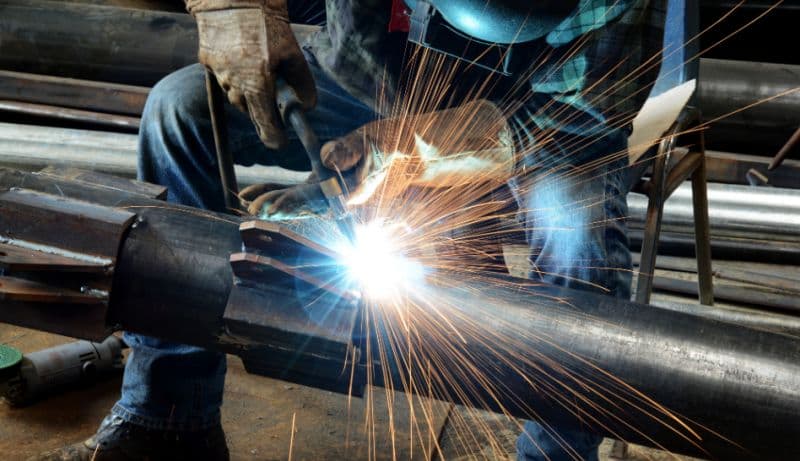
● Manufacturing
Equipment Manufacturing
The critical components of the of the complete pellet production line equipment are built in our own workshops in Asia. Additional equipment is manufactured by our worldwide network of reliable partners.
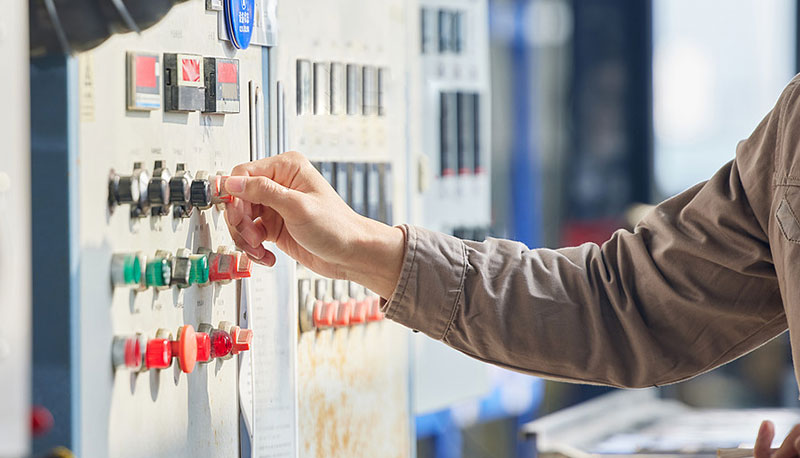
● Testing
Quality Inspection & Testing
Before leaving the factory, all equipment will be inspected by the quality inspection department. We can also provide customers with testing services from a single machine to a complete pellet plant system, and provide you with real actual data for “worry-free use.”

● Delivery
Equipment Delivery
In equipment boxing and packaging, we adopt professional packaging and modular solutions to ensure the safe and non-destructive delivery of pellet plant equipment.
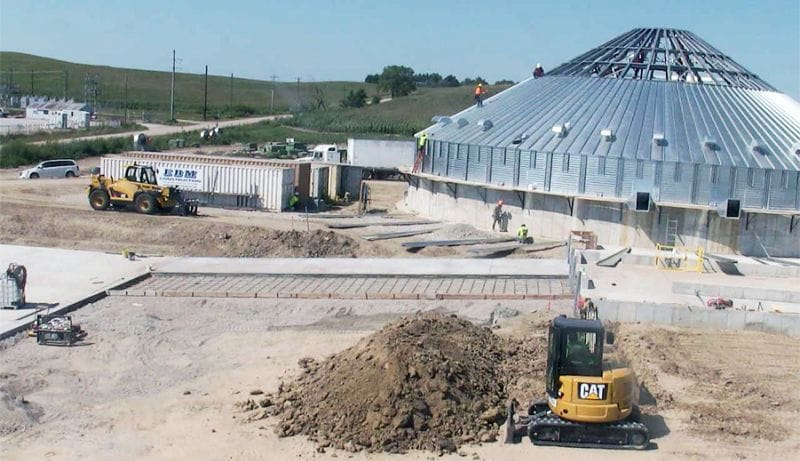
● Installation
Installation & Commissioning
Whether you choose your own subcontractor for the erection phase or you want to install everything together with us, a Richi supervisor will be around to make sure everything is mounted in a safe and thorough way.

● Training
Staff Training
We provide comprehensive training for the technicians of each biomass pellet factory in Brazil project. We can also continue to provide support for the technicians during latter project operation.
● After-sales
Project Follow-Up
When everything is up and running our Richiers will help you further whenever needed. We are ready to answer your call 24/7.We’ll also visit you regularly to learn about your needs.
Who we are
RICHI Machinery is one of the world’s leading suppliers of technology and services for the animal feed, aqua feed and pet food industries, also the largest pellet production line manufacturer in China.
Since 1995, RICHI’s vision to build a first-class enterprise, to foster first-class employees, and to make first-class contributions to society has never wavered.
In the past three decades, we have expanded our business to a wide range of areas, including animal feed mill equipment, aqua feed equipment, pet feed equipment, biomass pellet equipment, fertilizer equipment, cat litter equipment, municipal solid waste pellets equipment, etc.

1995
RICHI Established

2000+
Serving More Than 2000 Customers

120+
RICHI Employees

140+
Exported To 140 Countries