 0086-138 3838 9622
Biomass Bedding Production System for Agriculture in Kenya
RICHI MACHINERY
overview
The Biomass Bedding Production System for Agriculture in Kenya installed in Kiambu County processes 3,333 tons of raw agricultural waste annually into 2,500 tons of premium animal bedding pellets.
A small farm supply shop owner, responding to dairy farmer demand for better stall bedding, purchased a 1 t/h line featuring two 90kW ring-die pellet mills with 6mm dies (producing 7mm pellets), a 45kW hammer mill with 6mm screen, and a 22kW crusher.
The system uses air-dried raw materials including waste wood (600 t/yr), maize stalks (700 t/yr), tree bark (600 t/yr), sawdust (733 t/yr), and rice husks (700 t/yr) at 15-25% moisture—no mechanical dryer required. Pellets exit the mill at 85-95°C, cool for 3 hours in a 10m³ bin to 10-12% moisture, and are bagged in 25kg and 50kg bags for dairy cow stalls, poultry houses, horse stables, and pig pens.
1T/H
capacity
$50,000
investment
Kenya
location
Bedding
project type
RICHI MACHINERY
How This Project Started
The guy who messaged us in February wasn’t a manufacturer. He ran a small farm supply shop in Kiambu County, about 30km north of Nairobi. Sold feed, veterinary supplies, fencing, basic stuff. His customers were mostly dairy farmers and poultry keepers.
One thing he kept hearing from his dairy farmer customers: “Where can I get good bedding for my cows?”
Kenya has about 4.5 million dairy cattle. Most smallholders use straw or sawdust for bedding. Straw gets moldy. Sawdust is hard to find consistently. And both take up a lot of space. The farmers wanted something better.
The client had done some research. He learned about bedding pellets—compressed biomass pellets that absorb moisture, stay dry longer, and are easier to store. He saw them at an agricultural expo in Nakuru. A South African company was selling imported pine bedding pellets at 2,500 KES per 25kg bag (about $19 per bag). Expensive.
He started asking around. Could he make his own?
That’s when he found our website. He sent a simple message: “Need small machine to make animal bedding from farm waste. Budget small. Can you help?”
We replied within 24 hours. Asked for details: raw materials available, target capacity, space, power.
He answered: “Kiambu has many sawmills. Also rice farms for hulls. Coffee farms for husks. I can get waste wood. Need about 1 ton per hour. I have a building 4000 square meters total. Power is 240V three phase.”
After a few weeks of back-and-forth—figuring out the right raw material mix, discussing whether he needed drying (most of his potential feedstock was already dry or could be air-dried), finalizing the equipment list—he signed.
The result is a 1t/h biomass bedding production system for agriculture that produces about 2,500 tons of bedding pellets annually. The system runs 8 hours per day, 300 days per year. That’s small by industrial standards, but perfect for the local market he’s targeting.
RICHI MACHINERY
Why Bedding Pellets Instead of Fuel Pellets?
This is an important distinction. Many people hear “biomass pellets” and assume fuel. But bedding pellets are different:
| Property | Fuel Pellets | Bedding Pellets |
|---|---|---|
| Diameter | 6-10mm | 6-8mm |
| Length | 10-40mm | 10-25mm |
| Moisture | <10% | 8-12% |
| Density (bulk) | 600-700 kg/m³ | 550-650 kg/m³ |
| Ash content | <6% (preferably <1%) | Doesn’t matter |
| Absorbency | Not a factor | Critical |
| Softness | Not a factor | Important |
Bedding pellets need to be absorbent first, burnable second (or not at all). The client’s customers use the pellets for:
- Dairy cow stalls (absorbs urine, keeps cows dry)
- Poultry houses (reduces ammonia, easy to clean)
- Horse stables (low dust, good for respiratory health)
- Pig pens (absorbs moisture, reduces odor)
Some farmers burn the used bedding as fuel after cleaning out the stalls. That’s a bonus, not the main purpose.
The client’s target spec for his bedding pellets:
| Parameter | Target | Acceptable range |
|---|---|---|
| Diameter | 7mm | 6-8mm |
| Length | 15mm | 10-25mm |
| Moisture | 10% | 8-12% |
| Bulk density | 600 kg/m³ | 550-650 |
| Durability (pellet hardness) | Not critical for bedding | >95% |
RICHI MACHINERY
Raw Materials: What’s Actually Available in Kiambu
Kiambu County is a good location for this business. The client has access to multiple waste streams within 50km radius:
- Sawmills in Thika and Limuru produce sawdust and wood trim. The client lined up five small sawmills that were previously burning their waste or dumping it. He pays them 500 KES per ton (about $3.85).
- Rice farms around Mwea (about 80km away) produce rice husks. This requires drying, but the client decided to start without rice husks because of the transport distance. Phase 2 maybe.
- Coffee processing co-ops in Kiambu produce coffee husks (parchment and pulp). These are dry (12-15% moisture) and have good absorbency. He secured an agreement with two co-ops for 200 tons annually at 400 KES/ton.
- Small farms supply maize stalks and bean straw. These are seasonal (harvest from July-September and January-February). The client buys from local farmers at 300 KES per ton for dry material.
The actual raw material mix for the first year:
| Raw Material | Annual (tons) | Moisture (as received) | Source | Cost (KES/ton) |
|---|---|---|---|---|
| Waste wood (trim, offcuts) | 600 | 20-30% (air-dried) | Local sawmills | 500 |
| Maize stalks | 700 | 15-20% (sun-dried by farmers) | Local farms | 300 |
| Tree bark | 600 | 25-35% (needs drying) | Sawmills | 400 |
| Sawdust | 733 | 20-25% | Sawmills | 500 |
| Rice husks | 700 | 10-12% | Rice mills (Mwea) | 600 |
| Total input | 3,333 | — | — | — |
Wait, 3,333 tons input for 2,500 tons output? Yes. The difference (about 824 tons) is water that evaporates during drying and cooling. Also about 9 tons of dust and fines captured in filters (recycled back into the process).
The client does NOT accept painted, treated, or laminated wood. He trains his suppliers to segregate. A load with painted wood gets rejected back to the supplier—that’s in the contract.
RICHI MACHINERY
The Building and Layout (4,000m² Site)
The client leases a 4,000m² site in a rural industrial area near Kiambu town. The main building is a steel-framed structure, about 900m², with 8m ceiling height at the eaves. That’s the production area.
The site also has:
| Area | Size | Construction | Use |
|---|---|---|---|
| Production building | 900m² | Steel frame, 1 floor | All processing equipment |
| Office/lunch room | 200m² | Brick and block | 5 staff (2 operators, 1 loader driver, 1 manager, 1 sales) |
| Raw material storage | 300m² | Steel frame | Covered, but open sides for ventilation |
| Finished goods storage | 300m² | Steel frame | Dry, enclosed, rodent-proof |
| Total | 1,700m² | — | Rest is yard and truck turning area |
The layout inside the production building (from north to south):
- Intake and pre-processing (north end, near the raw material storage) — manual sorting table, then crusher
- Hammer mill — right after the crusher, with cyclone + bag filter
- Two pellet mills (side by side) — each 90kW, about 0.5 t/h capacity
- Cooling and packaging (south end) — cooling bin, then bagging station
The client originally wanted the biomass pellet mills at the north end. We convinced him to put them in the middle. Why? Because the cooling area needs to be near the finished goods storage (south side). Putting the mills in the middle shortens the conveyor runs.
RICHI MACHINERY
Equipment Configuration
| Equipment | Quantity | Power | Notes |
|---|---|---|---|
| Crusher | 1 | 22kW | For wood trim and stalks, reduces to 3-5cm pieces |
| Hammer mill | 1 | 45kW | With 6mm screen (bedding doesn’t need super fine) |
| Cyclone (primary) | 1 | — | For hammer mill dust |
| Bag filter | 1 | 5.5kW fan | Polishes cyclone exhaust |
| Biomass pellet press | 2 | 90kW each | 6mm die (produces 7mm pellets—they expand slightly) |
| Cooling bin | 1 | — | 10m³ capacity, ambient air cooling |
| Bagging scale | 1 | — | Semi-automatic, 25kg and 50kg bags |
| Conveyors | 2 sets | 3kW total | Enclosed belt type |
| Forklift | 1 | — | Used (client bought locally) |
| Front-end loader | 1 | — | Used (client bought locally) |
Why two small biomass pellet machines instead of one big one? The client asked about this. A single 1-1.2 t/h mill would cost about 30% less than two 0.5-0.6 t/h mills. But if that one mill breaks down, production stops completely. With two mills, if one goes down (die change, bearing failure, whatever), he still makes 0.5 t/h. That keeps his regular customers supplied. Worth the extra cost.
Why 6mm die for 7mm pellets? The pellets expand when they exit the die holes. Die diameter of 6mm gives about 6.8-7.2mm final pellet. That’s perfect for the client’s target range.
RICHI MACHINERY
The Process Flow
Step 1: Raw Material Receiving and Pre-Sorting
Trucks and pickups arrive at the site. The driver unloads onto the concrete yard near the raw material storage building.
Manual sorting is critical here. The client has a rule: every load gets visually inspected before it goes into the crusher. One of the operators (or the manager if the operator is busy) checks for:
- Metal (nails, screws, wire)
- Plastic (bags, ties)
- Painted wood (furniture scraps, old pallets)
- Stones and dirt (some loads from farms have soil attached)
Contaminated material gets rejected back to the supplier. The client started with a “zero tolerance” policy. After three rejections in the first month, his suppliers learned to clean their material before delivering.
Wet material (fresh wood trim, bark from rainy season) gets spread out on the concrete yard for 1-2 days of sun drying. Kiambu gets about 180 sunny days per year. The client built a simple raised platform with a polycarbonate roof—good for drying without worrying about rain. After drying, moisture drops from 25-30% to about 18-20%.
No odor problems from sun drying. The material is clean wood and bark, not manure or food waste.
Step 2: Crushing
(Oversized material is the number one cause of hammer mill screen damage. Don’t skip crushing.)
Large material goes into the crusher first:
- Wood trim (length up to 1m, thickness up to 8cm)
- Maize stalks (whole plants, dry)
- Tree bark (pieces up to 30cm)
- Waste wood (broken pallets, construction scrap—but only unpainted)
The crusher uses a 22kW motor, rotating hammers. It runs at 750 RPM. Output target: 3-5cm pieces. Not finer. Crushing smaller than necessary wastes energy.
Crusher output drops onto an enclosed belt conveyor (we insisted on an enclosure—the client originally wanted open belts, but open belts generate dust and spill material). The conveyor has a magnetic head pulley to catch ferrous metals. It also has a manual diverter: the operator can direct material either to the hammer mill or to a separate bin if the hammer mill is overloaded.
Step 3: Hammer Milling
All material (crusher output plus smaller stuff like sawdust and rice husks that skip the crusher) feeds into the hammer mill.
Why a 45kW mill for a 1 t/h line? Overspecced. But the client plans to expand. The 45kW mill can handle 2-2.5 t/h if he adds a second shift later. Buying the bigger mill now saves buying a new one later.
Screen size: 6mm. For bedding pellets, you don’t need the ultra-fine flour that fuel pellets need. Bedding should be slightly coarse—it stays softer and absorbs better. The 6mm screen produces particles mostly 2-6mm.
Step 4: Material Storage (Before Pelletizing)
Milled material drops into a 10m³ storage bin (steel, cone bottom). Why a bin before the pellet mills? Two reasons:
- Buffer capacity. If the crusher or hammer mill goes down, the pellet mills can keep running for about 6-8 hours from the bin.
- Consistent feed. The bin allows the powder to mix. Sawdust from different suppliers has different particle size. The bin averages it out.
The bin has a level sensor (simple capacitive type, cost about $80). When the bin reaches 80% full, an indicator light tells the operator to slow down the hammer mill feed. When it drops to 20%, speed up.
Step 5: Pelletizing
(This is where the magic happens. But it’s also where things go wrong if the material is too wet or too dry.)
Milled powder from the storage bin discharges onto a screw conveyor that feeds both pellet mills. The screw has two outlets with slide gates. The operator opens the gate for one mill, then the other, balancing the flow based on each mill’s current draw.
Pellet mill parameters (each of the two mills):
| Parameter | Value | Notes |
|---|---|---|
| Die diameter | 500mm | Ring die type |
| Die hole size | 6mm | Expands to 7mm pellets |
| Compression ratio | 4.2:1 | Standard for wood/straw mix |
| Rollers | 2 | 180mm diameter |
| Main motor | 90kW | Runs at 1,450 RPM |
| Die speed (after reduction) | 210 RPM | — |
| Operating temperature | 110-120°C | From friction, no external heating |
| Retention time in die | 1-3 seconds | — |
| Throughput per mill | 0.5-0.6 t/h | Depends on material moisture |
No added binders. The heat (110-120°C) softens lignin naturally present in the wood and straw. Softened lignin acts as a glue. When the pellet cools, the lignin hardens and holds everything together.
Critical parameter: moisture in the powder going into the mill. Target is 12-15%. Too wet (>16%), the pellets are soft and crumbly. Too dry (<10%), the lignin doesn’t soften properly and the pellets are brittle. The client bought a portable moisture meter (about $150) and checks every batch before sending it to the mills.
How the pellets form: The powder falls into the feed port, spreads across the die face, and is pressed through the holes by the rotating rollers. As the material compresses, friction heats it. The softened lignin binds the particles. The pellets exit the die as continuous rods. A rotating knife cuts them to length.
Knife setting: The client’s target length is 15mm. He set the knife distance to about 22mm from the die face—sounds counterintuitive, but the pellets “squirt” out and swell, so the actual cut length is shorter than the distance. Took about 30 minutes of trial and error to dial it in.
Pellet temperature exiting the mill: 85-95°C. Hot and soft.
Step 6: Cooling and Drying
Hot pellets fall into a 10m³ cooling bin (square steel bin with a perforated false bottom). A small fan (1.5kW) pushes ambient air up through the pellet bed.
Cooling time: About 3 hours for the center of the bin to reach ambient temperature (20-25°C in Kiambu). Pellets near the bin walls cool faster—the client’s operator stirs the bin once per hour with a rake to even out the cooling.
Moisture drop during cooling: Pellets exit the mill at about 12-14% moisture. After 3 hours of fan cooling, moisture drops to 10-12%. The client’s target is 10% for bedding.
Why not a mechanical cooler? A counterflow cooler would cost about $12,000. For a 1 t/h line, that’s a significant percentage of the total equipment cost. The bin cooling method works fine for the client’s volume—he only runs 8 hours per day, so the cooling bin always has at least 8 hours to empty before the next day’s production starts.
Step 7: Packaging
Cooled pellets are shoveled (by hand) from the cooling bin into the bagging scale. Not ideal—a screw conveyor would be better—but the client wanted to save money. Hand shoveling adds labor cost but works at 1 t/h.
The bagging scale is semi-automatic:
- Operator hangs a bag on the filling spout
- Presses a button
- Scale fills to preset weight (25kg or 50kg)
- Operator removes bag, sews it closed with a portable bag closer
Throughput: About 40 bags per hour (at 25kg each). That’s 1 t/h exactly. The client has two operators on packaging during production hours.
Bag types:
- 25kg woven poly bags (for small dairy farmers, pet stores)
- 50kg woven poly bags (for poultry farms, large stables)
The client prints his own labels—simple black text on white sticker paper, applied with a handheld label gun.
RICHI MACHINERY
Utility Requirements
| Utility | Requirement | How it was met |
|---|---|---|
| Power | 240V three phase, about 220kW total connected load | Existing line was only 100kW. Client paid KPLC (Kenya Power) 450,000 KES (~$3,500) for an upgrade. Took 6 weeks. |
| Water | Minimal (only drinking for staff, no process water) | Municipal supply at the site. |
| Fuel | None (no dryer—all raw materials are air-dried or purchased dry) | — |
Actual power consumption (measured during trial run in July):
| Equipment | kW average | Hours/day | kWh/day |
|---|---|---|---|
| Crusher | 15 | 4 | 60 |
| Hammer mill | 35 | 6 | 210 |
| Pellet mills (2) | 140 (70 each) | 8 | 1,120 |
| Fans + conveyors | 8 | 8 | 64 |
| Compressed air (small) | 3 | 8 | 24 |
| Lighting + office | 2 | 10 | 20 |
| Total | — | — | 1,498 kWh/day |
That’s about 149 kWh per ton of pellets.
RICHI MACHINERY
Environmental and Workplace Considerations
Kenya’s environmental regulations (EMCA 2015) apply to biomass pellet plants. The client needed a license from NEMA (National Environment Management Authority).
Key requirements we helped him meet:
- Dust emissions: Workplace limit is 50 mg/m³ (8-hour average). Our test results: 18-22 mg/m³ at operator positions. Compliant.
- Noise: Daytime limit (07:00-19:00) is 65 dB(A) in industrial areas. The pellet mills run at 85-88 dB at 1m, but the building is steel—no insulation. At the property line (50m from the building), we measured 62 dB during the day. Compliant, but close. The client plans to add acoustic foam on the inside of the north wall next year.
- Wastewater: None from production. The only water use is for staff (toilet, hand washing) and dust suppression (manual spraying). Toilet wastewater goes to a septic tank. The client empties it every 6 months (cost 8,000 KES per emptying).
- Solid waste:
- Dust from bag filters (~9 tons annually)—recycled back into powder stream (zero waste)
- Screen fines and reject pellets (~6 tons annually)—recycled
- Metal scrap from magnetic separator (~1 ton annually)—sold to scrap dealer
- Used lubricating oil (about 200 liters annually)—stored in sealed drums, collected by a licensed waste oil recycler (the client pays 2,500 KES per drum for disposal)
- Fire safety: Biomass dust is combustible. The client installed: (a) smoke detectors in the production building, (b) fire extinguishers (6 units, 9kg ABC type), (c) a 5,000-liter water tank with a fire hose connection. Total cost about $2,500. The local fire department inspected and approved.
One regulatory surprise: Kenya requires a “Trade Waste Discharge License” even for septic tank systems. The client didn’t know this. We found out during permit research. The application cost 5,000 KES ($38) and took 2 weeks. Not a big deal, but he would have been operating illegally without it.
RICHI MACHINERY
Problems During Startup
Problem 1: The bag filter kept blinding in the first week.
The hammer mill was producing fine dust, but the bag filter’s pulse cleaning cycle was set too long (every 30 minutes). Dust built up on the bags, pressure drop increased, airflow dropped, and the mill started overheating.
Fix: Changed pulse cycle to every 8 minutes. Added a pressure gauge so the operator can see when to manually pulse. Cost nothing, just programming change.
Problem 2: The pellet mill dies wore out faster than expected.
The client’s first set of dies lasted only 600 hours. Expected life for wood/straw mix on a 6mm die is about 1,000-1,200 hours.
Root cause: The straw contained silica (from soil). Two of the client’s straw suppliers were delivering material with visible dirt. The client hadn’t been rejecting loads for dirt—only for metal and plastic.
Fix: Client added a “no visible soil” clause to his supplier contracts. Also installed a pre-cleaner (simple vibrating screen) before the hammer mill to shake out loose dirt. Cost about $800. The second set of dies lasted 950 hours—better, but still not ideal. The client is now buying tungsten carbide-tipped dies (3x more expensive but 4x longer life). We’ll see.
Problem 3: The cooling bin wasn’t cooling evenly.
Pellets in the center of the 10m³ bin were still warm (45-50°C) after 4 hours. Pellets near the walls were at ambient temperature. Warm pellets bagged and stacked can develop mold.
Fix: Operator now shovels pellets from the center into a wheelbarrow and spreads them in a thin layer on the floor for 1 hour before bagging. Simple, cheap, effective. Cost: one wheelbarrow ($50).
Problem 4: Noise from the hammer mill at night.
The client originally planned to run two shifts (07:00-15:00 and 15:00-23:00). But at 21:00, neighbors 200m away complained about hammer mill noise. We measured 58 dB at their house. Kenya’s night limit is 55 dB. The client was over by 3 dB.
Fix: Hammer mill now runs only during day shift (07:00-17:00). Pellet mills and packaging run 07:00-23:00 because they’re quieter. Throughput dropped from 8 t/day to 7 t/day, but the client added a Saturday shift to make up the difference.
RICHI MACHINERY
Market Outlook for Bedding Pellets in Kenya
Kenya’s livestock sector is growing at about 5% annually. Dairy is the biggest segment (4.5 million cattle, 1.8 million smallholder farmers). Poultry is even bigger (about 40 million birds, mostly small farms).
Current bedding market:
- Straw: 800-1,200 KES per bale (enough for 2-3 cows for 1 week). Cheap but bulky, high transport cost, gets moldy.
- Sawdust: 500-1,000 KES per pickup truck load (about 500kg). Cheap but inconsistent supply, dusty.
- Imported bedding pellets: 2,500 KES per 25kg bag ($19). High quality but too expensive for most farmers.
The client’s opportunity:
At 35,000 KES per ton delivered, his bedding pellets cost 875 KES per 25kg bag. That’s less than half the price of imported pellets. And he’s offering local delivery within 48 hours, not 3 weeks from South Africa.
Who’s buying from him?
- Medium dairy farms (50-200 cows) — biggest customers. One farm in Limuru takes 8 tons per month.
- Poultry breeders (parent stock, broiler breeders) — they need clean, low-dust bedding. Two breeders in Thika take 5 tons per month each.
- Horse stables (Nairobi and Kiambu) — small volume but high margin. One stable in Kabete pays 40,000 KES per ton for “premium” pellets (white pine only).
Challenges:
- Raw material competition — some sawmills are now selling sawdust to mushroom farms and charcoal briquette makers. Prices have risen about 15% since the client started.
- Power reliability — Kenya has frequent blackouts. The client bought a 50kVA diesel generator (used, $5,000 from a construction company) for backup.
- Customer education — many farmers don’t know what bedding pellets are. The client spends half his time demonstrating. He gives away free 25kg samples to new customers.
RICHI MACHINERY
Why This Type of Project Works in Kenya
Small-scale biomass processing makes sense here for a few reasons:
Labor is available and affordable. The client pays his operators 30,000 KES/month ($230). That’s high for Kenya (minimum wage in manufacturing is about 15,000 KES), but he wants skilled people who won’t damage the equipment. Worth it.
Raw material is abundant. Kenya generates about 4 million tons of agricultural residue annually (maize stalks, rice husks, coffee husks, sugarcane bagasse). Most is burned in the field or dumped. The client is paying farmers 300 KES/ton for material they were previously burning for free. Both sides win.
Import substitution is real. Imported bedding pellets are expensive and unreliable. The client’s product is cheaper, fresher, and always available. His customers don’t care about ENplus certification or ash content—they care about price and absorbency.
The regulatory environment is manageable. NEMA permits cost about 50,000 KES ($385) including all fees. Not a barrier. The client did need a “change of use” approval from the county government (Kiambu). That took 3 months and cost another 20,000 KES in “facilitation fees” (bribes, let’s be honest). But once approved, no further issues.
RICHI MACHINERY
Thinking About a Small Bedding Pellet Line?
Here’s what we learned from this biomass pellet project that might help you:
Skip the dryer if you can. Drying doubles your equipment cost and adds significant operating cost (fuel or electricity). The client in Kiambu uses only air-dried material from his suppliers. His raw material moisture ranges from 15% to 25% depending on season. That’s fine for bedding pellets. Fuel pellets need <10% moisture. Bedding can handle 12-15% going into the mill.
Two small pellet mills are better than one big one. The client’s 1 t/h line uses two 0.5 t/h mills. When one mill needs a die change (every 200-300 hours), he still runs 0.5 t/h. His customers don’t notice the difference for one day.
Manual material handling works at small scale. The client shovels powder, shovels pellets, bags by hand. At 1 t/h, that’s 8 tons per day. Two operators manage it. Automation would cost more than the labor savings, at Kenyan wage rates.
Test your raw materials before buying equipment. The client didn’t do this. He assumed his sawdust and straw would work. They did work, but the straw’s silica content caused faster die wear. A $200 lab test (for ash content, silica, moisture) would have told him to buy tungsten carbide dies from the start.
Location matters for transport cost. The client is 30km from Nairobi, 50km from Thika, 20km from Limuru. Three good markets within 100km round trip. His delivery cost is 3,000 KES/ton ($23). If he were 200km from his customers, delivery cost would double. Choose your site carefully.
RICHI MACHINERY
Considering a Bedding Pellet Business?
The Kenyan market is not saturated. There are maybe 5-6 small pellet producers in the country, most making fuel pellets. Bedding pellets are a niche, but a growing one.
The client started small—1 t/h, 2,500 tons annually. He’s already talking about Phase 2: adding a third biomass pellet making machine (to reach 1.5 t/h), buying a mechanical dryer (so he can use wetter material from cheaper sources), and expanding his delivery range to Nakuru and Kisumu.
What do you need to replicate this?
- Access to dry biomass (sawdust, rice husks, coffee husks, straw) within 50km
- A building (500-1,000m² is enough for 1 t/h)
- Three-phase power (240V or 400V, at least 150kVA)
- About $50,000-70,000 USD for equipment and initial operating capital
- A market within 100km (dairy farms, poultry farms, horse stables)
What don’t you need?
- An environmental impact assessment (most activities under 5,000 tons/year don’t need EIA in Kenya—but check with NEMA to be sure)
- Expensive automation (hand labor works at this scale)
- A dryer (if you source dry material or sun-dry)
RICHI MACHINERY
Want to Talk Details?
We don’t sell “one-size-fits-all” lines. Every bedding pellet project is different because every market and raw material mix is different.
Send us:
- What biomass do you have access to? (Type, moisture, annual volume)
- What’s your target market? (Livestock type, farm sizes, distance from your site)
- What’s your site like? (Building size, ceiling height, power available)
- Your budget range (or tell us your target capacity and we’ll quote anyway)
We’ll reply within 5 business days with a preliminary equipment list, layout sketch, and budget estimate. No obligation. Just engineering.
RICHI Machinery – Bedding pellet lines from 0.5 t/h to 40 t/h. Small enough for farm supply businesses. Rugged enough for commercial production. Shipping from Qingdao to Mombasa port (Kenya) typically 25-30 days. Installation support available in East Africa within 1 week.
● RICHI MACHINERY
RICHI Service

● Consulting
Customer Consultation
We want to have a deep understanding of your industrial process, to know your exact needs of feed, wood, biomass, fertilizer or other pellet processing.
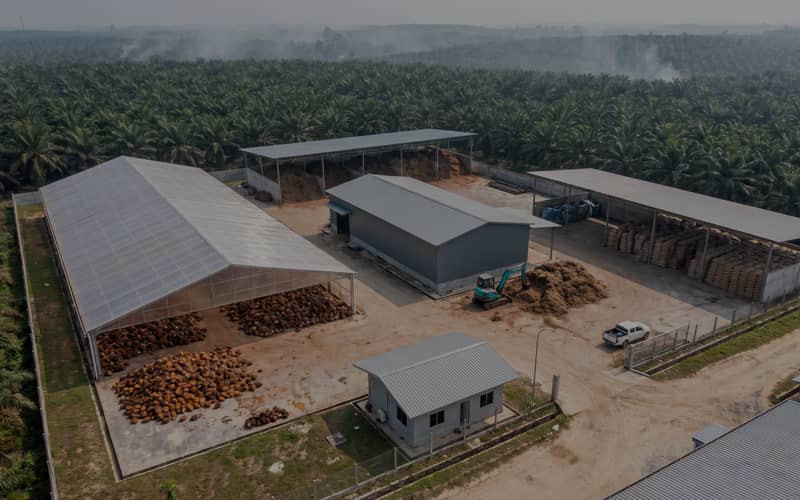
● Design
biomass Pellet Plant Design
Based on your unique situation and industrial process, we will tailor complete pellet plant you need, and inform you of every additional detail that could facilitate operation, minimize total cost.
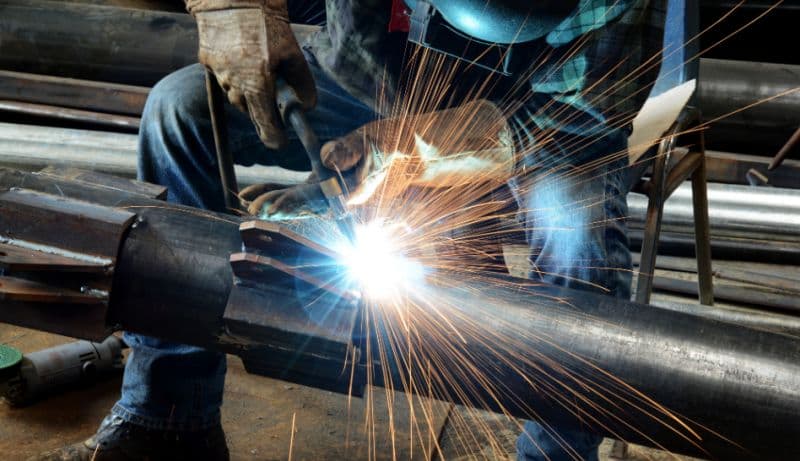
● Manufacturing
Equipment Manufacturing
The critical components of the of the complete pellet production line equipment are built in our own workshops in Asia. Additional equipment is manufactured by our worldwide network of reliable partners.
● Testing
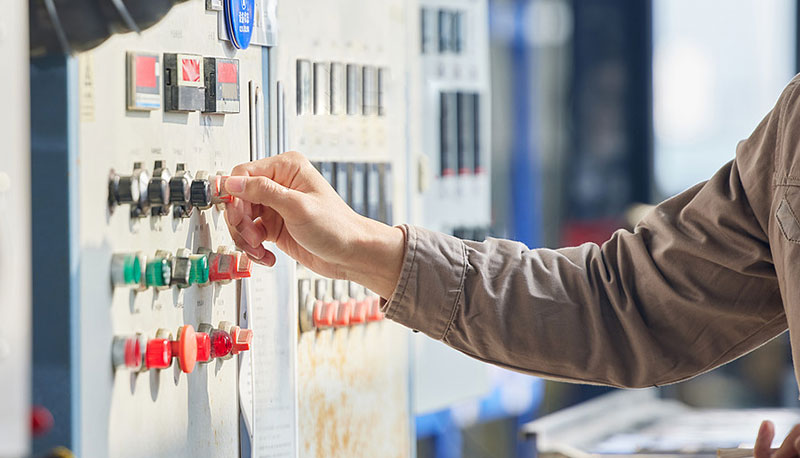
Quality Inspection & Testing
Before leaving the factory, all equipment will be inspected by the quality inspection department. We can also provide customers with testing services from a single machine to a complete pellet plant system, and provide you with real actual data for “worry-free use.”

● Delivery
Equipment Delivery
In equipment boxing and packaging, we adopt professional packaging and modular solutions to ensure the safe and non-destructive delivery of pellet plant equipment.
● Installation
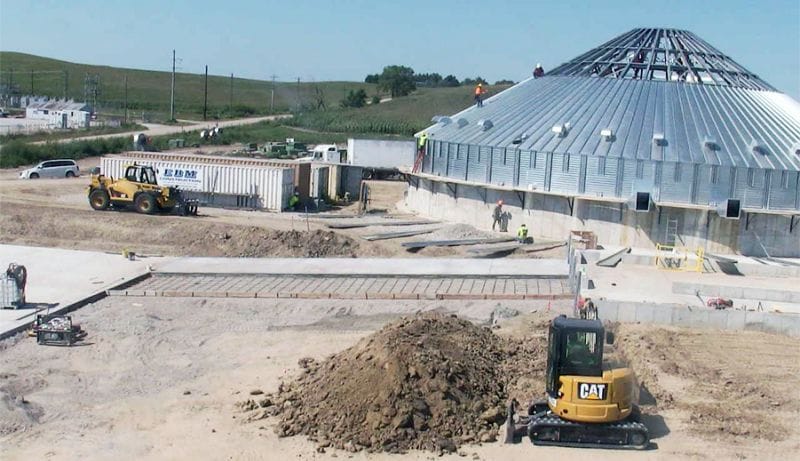
Installation & Commissioning
Whether you choose your own subcontractor for the erection phase or you want to install everything together with us, a Richi supervisor will be around to make sure everything is mounted in a safe and thorough way.

● Training
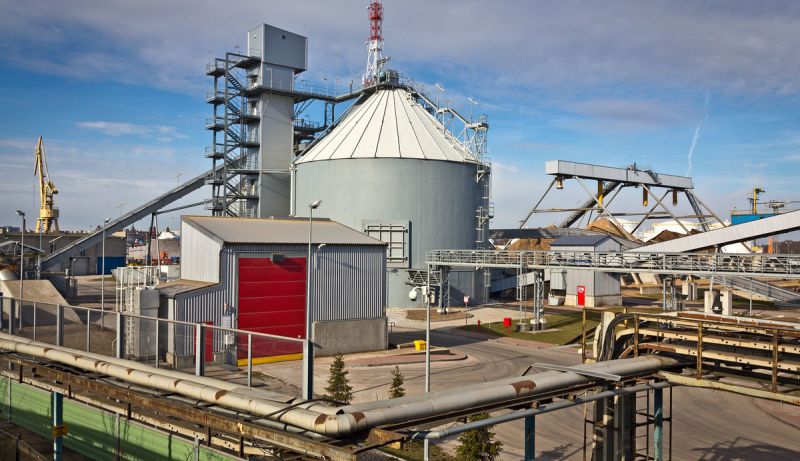
Staff Training
We provide comprehensive training for the technicians of each project. We can also continue to provide support for the technicians during latter project operation.
● After-sales
Project Follow-Up
When everything is up and running our Richiers will help you further whenever needed. We are ready to answer your call 24/7.We’ll also visit you regularly to learn about your needs.
Who we are
RICHI Machinery is one of the world’s leading suppliers of technology and services for the animal feed, aqua feed and pet food industries, also the largest pellet production line manufacturer in China.
Since 1995, RICHI’s vision to build a first-class enterprise, to foster first-class employees, and to make first-class contributions to society has never wavered.
In the past three decades, we have expanded our business to a wide range of areas, including animal feed mill equipment, aqua feed equipment, pet feed equipment, biomass pellet equipment, fertilizer equipment, cat litter equipment, municipal solid waste pellets equipment, etc.

1995
RICHI Established

2000+
Serving More Than 2000 Customers

120+
RICHI Employees

140+
Exported To 140 Countries