 0086-138 3838 9622
Bio Organic Fertilizer Production Line In Brazil
RICHI MACHINERY
OVERVIEW
This bio organic fertilizer production line in Brazil was developed for an established agricultural inputs company near São Paulo that recognized the growing demand for biological and organic alternatives to conventional fertilizers.
The facility produces both powder and liquid bio-organic fertilizers, with a combined annual capacity of 100,000 tons, utilizing locally sourced raw materials including composted animal manure, biogas digestate, and humic acid from domestic leonardite deposits.
RICHI Machinery supplied the complete processing system including hammer mills, ribbon mixers, liquid mixing tanks, semi-automatic filling equipment, and integrated dust collection, designed to handle the specific characteristics of Brazilian organic feedstocks while maintaining microbial viability in the finished products.
The project addresses two fundamental realities of Brazil’s agricultural sector: the country’s heavy dependence on imported conventional fertilizers and the rapid growth of the biological inputs market at 15-20% annually.
By converting locally available agricultural residues—manure from livestock operations and digestate from biogas plants—into standardized bio-organic products, the operation reduces import exposure while offering growers cost-effective alternatives during periods of conventional fertilizer price volatility.
The dual-line configuration serves distinct market segments: powder products for basal application on row crops and perennials, and water-soluble liquid products for fertigation and foliar applications on high-value crops, all packaged in professional-grade bags and drums that meet the quality expectations of Brazil’s sophisticated agricultural buyers.
20 t/h
capacity
$680,000
investment
Brazil
location
fertilizer
project type
RICHI MACHINERY
How This Project Came Together
The customer here isn’t new to agriculture. They’ve been in the business for about fifteen years — started with conventional fertilizer distribution, then moved into blending, and now they’re pushing into biologicals. Brazil’s ag sector has been shifting hard toward organics and biological inputs. Not just for the premium export markets (though that’s part of it), but because conventional fertilizer prices have been all over the place. Growers are looking for alternatives that give them more control over costs.
The customer saw an opportunity. They had access to raw materials — animal manure from local livestock operations, sugarcane processing residues, stuff that was already available. They were already selling some blended products, but they wanted to move up the value chain. Instead of just mixing imported minerals, they wanted to produce a complete bio-organic fertilizer line: both powder and liquid, with consistent quality, backed by their own production.
They found us through a referral from another Brazilian client who’d installed a smaller line a couple years back. The initial inquiry was straightforward: “We have raw materials, we have land, we have distribution. Can you design a line that handles both powder and liquid, and can we see examples of similar projects?”
We sent them process flows, equipment lists, and references. They visited a sister installation in Argentina (similar climate, similar crops). That sealed it.
RICHI MACHINERY
Site and Layout – Working With What They Had
The customer already owned a 4,000 m² plot in an industrial zone about two hours from São Paulo city. Good road access, three-phase power at the boundary, municipal water. They’d been using part of it for warehousing, but the rest was open land.
We designed the layout to fit their existing buildings. The main production building is about 2,660 m². Inside, it’s divided into:
Table 1 – Facility Layout
| Area | Size (m²) | Function |
|---|---|---|
| Raw material warehouse | 1,000 | Storage for bagged inputs (manure, humates, minerals) |
| Production area (powder line) | 300 | Crushing, mixing, packaging for dry products |
| Production area (liquid line) | 300 | Mixing tanks, filling equipment for liquid fertilizers |
| Finished product warehouse | 760 | Storage for bagged powder and palletized liquid |
| Office | 240 | Administration, sales, customer meetings |
| Staff break room | 60 | Basic facilities for shift workers |
| Roads and yard | 1,335 | Truck access, turning radius for semi-trailers |
The layout is simple but works. Raw materials come in, get stored in the warehouse (1,000 m², concrete floor, separate bays for different inputs). From there, it’s a straight flow into production, then to finished goods. No backtracking. We kept the powder and liquid lines separate to avoid cross-contamination — you don’t want dust from the powder line ending up in your liquid mixing tanks.
One thing we adjusted during design: the customer originally wanted the liquid storage tanks outside to save indoor space. We talked them out of it. In São Paulo’s climate, direct sun on liquid fertilizer tanks causes temperature swings, condensation issues, and algae growth. We kept everything indoors, with the tanks in a dedicated bay next to the filling line.
RICHI MACHINERY
Raw Materials – What’s Going Into This Line
Brazil has a huge advantage for organic fertilizer production: raw materials are everywhere. Livestock operations generate manure. Sugarcane mills generate filter cake and vinasse. Coffee processing generates husks. The challenge isn’t finding materials — it’s managing the variability.
This customer’s feedstock mix is fairly diverse:
Table 2 – Annual Raw Material Consumption (as-designed)
| Material | Annual Consumption (tons) | Form | Source | Key Characteristics |
|---|---|---|---|---|
| Composted animal manure | 20,601 | Bagged, solid | Local livestock farms | Moisture ≤35%, organic matter ≥34% |
| Digestate (liquid) | 34,451 | Drummed, liquid | Biogas operations | Organic matter 470g/L, NPK 50g/L |
| Digestate (solid) | 12,550 | Bagged, solid | Biogas operations | Moisture ≤35%, organic matter ≥34% |
| Natural humic acid | 30,000 | Bulk bags, powder | Leonardite mining | Humic acid ≥50%, moisture ≤15% |
| Plant-derived fulvic acid | 500 | Bags, powder | Processed plant residues | Fulvic acid ≥55%, moisture ≤5% |
| Chelated zinc | 200 | Bags, powder | Imported | Zn ≥15.3%, 100% water soluble |
| Boric acid | 200 | Bags, powder | Imported | B ≥16.7%, 100% water soluble |
| Microbial inoculant | 200 | Bags, powder | Lab-cultured | Bacillus subtilis, 100B CFU/g |
| Urea | 500 | Bags, granules | Local supplier | N ≥46%, 100% water soluble |
| Monoammonium phosphate | 300 | Bags, crystals | Local supplier | P ≥61%, 100% water soluble |
| Potassium sulfate | 500 | Bags, crystals | Local supplier | K ≥52%, 100% water soluble |
| Packaging (drums) | 2 million units | — | Local supplier | 20kg HDPE drums |
| Packaging (cartons) | 1.2 million units | — | Local supplier | For drum packing |
| Packaging (bags) | 1.25 million units | — | Local supplier | 20kg laminated bags |
The composted manure comes from local dairy and poultry operations. They’ve been working with the same farms for years, so quality is reasonably consistent. The liquid digestate is from a biogas plant about 50km away — they process crop residues and some manure, and the digestate is a consistent source of soluble organic matter.
The humic acid is the interesting one. Brazil has significant deposits of leonardite (oxidized lignite) in the southern states. The customer sources it from a mine in Paraná, then has it milled to spec. That’s a big advantage — they’re not importing expensive humates from overseas.
RICHI MACHINERY
Production Process – Two Lines, One Facility
This is a dual-line setup: powder bio-organic fertilizer and water-soluble liquid bio-organic fertilizer. They share some infrastructure (raw material storage, office, utilities) but the processes are completely separate.
1. Liquid Bio-Organic Fertilizer Line
The liquid line is simpler mechanically but requires more attention to mixing and solubility.
Step 1 – Raw material staging
All materials arrive bagged or drummed. Workers move them from the warehouse to the production area manually (the volumes aren’t high enough to justify conveyors for this part). Each batch is weighed on a platform scale.
Step 2 – Batching and mixing
The formula varies by crop and season, but a typical mix includes:
- Liquid digestate (base)
- Natural humic acid
- Plant-derived fulvic acid
- Chelated zinc
- Boric acid
- Microbial inoculant
Workers open bags and drums and dump directly into the liquid mixer. The mixer runs at low speed — just enough to keep solids suspended without shearing the microbial cells. No heating is required; all inputs are soluble at ambient temperature.
Step 3 – Temporary storage
After mixing, the finished liquid is pumped to a 1-ton holding tank. This is just buffer storage before filling. The tanks are sealed to prevent contamination.
Step 4 – Filling and packaging
From the holding tank, liquid goes to the filling line. They use a semi-automatic filler for the 20kg drums. After filling, drums move to an automatic case packer, then to palletizing.
Emissions control
The liquid line has three dust/odor collection points: at the mixer feed, at the mixer itself, and at the filler. All three connect to a bag filter + activated carbon system, exhausting through a 15m stack.
2. Powder Bio-Organic Fertilizer Line
The powder line handles higher volumes and more mechanical processing.
Step 1 – Raw material batching
Materials are weighed manually and staged at the mixing area. Urea goes through a crusher first (it arrives as granules and needs to be powder for blending). Other materials go direct to the mixer.
Step 2 – Crushing
The crusher is a simple hammer mill, set to produce powder that passes 50 mesh. It’s only used for urea — everything else is already powder.
Step 3 – Mixing
Crushed urea is conveyed (enclosed screw conveyor) to the mixer. Other ingredients are added manually through a dedicated port. The mixer is a horizontal ribbon blender, sealed during operation to minimize dust.
Step 4 – Packaging
Mixed powder discharges to a bucket elevator, then to the packaging hopper. They use an automatic bagger (15t/h capacity) with a stitching conveyor. Bags are manually palletized and stretch-wrapped.
Emissions control
Dust collection points: at the crusher feed, at the mixer feed, at the bagger. All ducted to the same bag filter + carbon system as the liquid line.
Table 3 – Main Equipment List
| Equipment | Model | Capacity | Quantity | Notes |
|---|---|---|---|---|
| Powder packaging machine | GMB-01A | 15 t/h | 1 | For 20kg bags |
| Horizontal mixer | — | 15 t/h | 1 | Ribbon type, stainless steel |
| Belt conveyor | 4.5MC | — | 1 | For finished bags |
| Feed platform | — | 25 t/h | 1 | Manual batching station |
| Control panel | — | — | 1 | PLC with touchscreen |
| Dust collection station | — | — | 1 | Includes bag filter |
| Air compressor | — | — | 1 | For bagger pneumatics |
| Hammer mill | — | 25 t/h | 1 | For urea grinding |
| Screw conveyor | Enclosed | 25 t/h | 1 | For ground urea |
| Semi-auto liquid filler | YT-1000 | 25 t/h | 1 | For 20kg drums |
| Liquid mixer | LG-916 | 15 t/h | 1 | Stainless steel |
| 4-head liquid filler | XH-2T-1000 | 25 t/h | 1 | With integrated scales |
| Auto case packer | FXJ-5050L | 15 t/h | 1 | For drum cartons |
| Liquid storage tank | 1 ton | — | 2 | Stainless steel, sealed |
| Vacuum pump | IMC50-32-200 | 6.3 m³/h | 2 | For liquid transfer |
RICHI MACHINERY
Labor and Operations
The plant runs two shifts, 300 days a year. Total staff is 25:
- Management/Sales: 3 people
- Production supervisors: 2 (one per shift)
- Line operators: 12 (6 per shift, shared between powder and liquid lines)
- Warehouse/logistics: 4
- Quality control: 2
- Maintenance: 2
The operators are cross-trained on both lines. On a typical shift, one person runs the powder line (monitoring mixers, checking bag weights), one runs the liquid line (mixing, filling), one handles raw material staging, and one handles finished goods. The supervisor floats between areas.
RICHI MACHINERY
Environmental Controls – What We Had to Address
Brazil’s environmental licensing varies by state. São Paulo is stricter than most. The main concerns here were dust and potential water contamination.
- Dust: Every transfer point is hooded and ducted to the baghouse. The baghouse is sized for 15,000 m³/hour — enough to keep the building under slight negative pressure. Collected dust is recycled back into the powder line (it’s just product, after all).
- Odor: The raw materials (manure, digestate) arrive processed — composted or digested — so odor is minimal. Still, the raw material warehouse is ventilated through a small bio-filter (just a bed of wood chips and compost) as a precaution.
- Wastewater: The only water use is staff washing. With 25 people, that’s about 1 m³/day. We put in a small collection tank and use that water for yard dust control. No discharge. The facility has a modern septic system for sanitary waste.
- Packaging waste: Empty bags and drums are collected by the suppliers for reuse or recycling. The customer worked that out before we arrived — it’s part of their sustainability pitch to growers.
RICHI MACHINERY
Shipping and Logistics
All organic fertilizer production line equipment was shipped from Qingdao. The port of entry was Santos, about 70km from the site. From Santos, the customer arranged trucking — straightforward, good roads all the way. We sent a two-person commissioning team for five weeks. Most of the installation labor was local; we supervised and handled the critical alignments and startup.
The customer had already poured concrete foundations based on our drawings, so we could start setting equipment immediately. That saved about two weeks compared to a typical project.
RICHI MACHINERY
Products and Markets
The line produces two main product types:
Powder bio-organic fertilizer (50,000 tons/year)
- 20kg bags
- NPK + Zn + B ≥ 50%
- Organic matter ≥ 25%
- Microbial count ≥ 0.2 billion CFU/g
- Used as basal fertilizer for row crops (soy, corn, wheat) and perennials (coffee, citrus)
Water-soluble liquid bio-organic fertilizer (50,000 tons/year)
- 20kg drums
- Humic acid ≥ 30 g/L
- NPK ≥ 200 g/L
- Used for fertigation and foliar applications, mainly on high-value crops (vegetables, fruit, coffee)
The customer sells through a network of agricultural retailers, plus direct to large farms. They’ve been in the market long enough to have established relationships, which helped them move product quickly once production started.
RICHI MACHINERY
Investment and Economics
The equipment portion came to $680,000 USD (FOB Qingdao). That covered:
- Powder line: crusher, mixer, conveyors, bagger, dust control
- Liquid line: mixers, tanks, fillers, case packer
- Control system and electrical integration
- Spare parts package
- Commissioning and training
The customer spent additional money on site preparation, building modifications, and the environmental licensing process. Total organic fertilizer production project cost was higher, but that was their side of the ledger.
Payback is projected at 3–4 years, based on current margins in the Brazilian organic fertilizer market. The key is raw material cost: the manure, digestate, and humates are all sourced locally at relatively low cost. The imported minerals (zinc, boron) are the expensive part, but they’re a small percentage of the total volume.
RICHI MACHINERY
Observations from Commissioning
A few things that stood out during installation and startup:
The manual batching works, but…
We designed the line for manual batching because the volumes didn’t justify automated dosing. But we underestimated how much training it would take to get consistent weights. The first few batches were all over the place. We ended up installing digital scales with simple checklists — weigh this, add that, confirm weight — and that fixed it. But it took two weeks of coaching.
Liquid line solubility
The fulvic acid dissolves instantly — no issues. The humic acid needs more time, especially if the water is cold. We added a recirculation loop to the mixer so operators can keep it running while they’re doing other tasks. That solved the problem.
Dust control on the powder line
The bagger is the biggest dust source. We had to adjust the hood placement twice to get good capture. Now it works, but it’s worth noting: baggers are tricky. If you’re planning a similar line, budget extra time for tuning the dust collection.
Microbial viability
The customer was worried about the mixer killing microbes. We tested before and after mixing — with the ribbon mixer, there’s almost no temperature rise, and viability stayed above 90%. No issues.
RICHI MACHINERY
Market Context – Why This Works in Brazil
Brazil’s fertilizer market is one of the largest in the world, but it’s heavily dependent on imports. The country imports about 85% of its conventional fertilizer needs. That creates vulnerability — price swings, supply disruptions, currency risk.
Bio-organic fertilizers are a partial solution. They can be produced locally using domestic raw materials. They’re not a complete replacement for conventional fertilizers (especially for high-demand crops like soy), but they can reduce the import requirement and give growers more options.
The biologicals market in Brazil has been growing at 15–20% per year. Part of that is driven by the push toward sustainability — European buyers are asking about inputs, carbon footprint, etc. Part is driven by economics: when conventional fertilizer prices spike, growers look for alternatives.
This customer is positioned well. They have local raw material sources, established distribution, and now a production facility that can deliver consistent quality. The next step (they’re already talking about it) is expanding into custom blends for specific crops and regions.
RICHI MACHINERY
If You’re Looking at a Similar Project
A few thoughts based on this one:
- Raw material sourcing is everything. Before you design the line, know where your materials are coming from and how consistent they’ll be. We spent a lot of time on this project making sure the equipment could handle the variability in manure and digestate. It can, but it required some adjustments.
- Powder vs. liquid — if you can do both, it’s worth considering. They serve different markets and different application methods. A grower using fertigation needs liquid; a grower doing broadcast application needs powder. Having both lines gives you more customers.
- Don’t underestimate the importance of packaging. The customer spent almost as much time on bag and drum sourcing as on the production equipment. In Brazil, packaging is part of the brand. Growers recognize quality by the bag. Make sure yours looks professional.
- Microbial products require care. If you’re adding live bacteria, everything downstream needs to be gentle — no high shear mixing, no heat, no long storage in unfavorable conditions. We designed around that, but it limited some choices (e.g., we used a ribbon mixer instead of a vertical paddle mixer).
RICHI MACHINERY
Final Thoughts
This was a good project. The customer knew their market, they had realistic expectations about the equipment, and they were willing to invest time in training their people. The line has been running for about six months now, and they’re already planning a second shift to keep up with orders.
If you’re in Brazil (or anywhere with similar ag dynamics) and thinking about bio-organic fertilizer production, the basics are the same: secure your raw materials, design for your actual products (not theoretical ones), and build in enough flexibility to adjust as the market changes.
We’ve done other fertilizer lines in South America — in Argentina, Colombia, Chile. Every one is a little different because the local materials and markets are different. That’s the part that doesn’t show up in the equipment catalogs. You have to design around what’s actually available and what your customers actually need.
Interested in discussing a project?
If you’re looking at bio-organic fertilizer production and want to know whether your raw materials will work, we can run samples through our test facility.
That’s how this Brazil project started — with a box of composted manure and a bottle of liquid digestate sent to our lab. We’ll tell you honestly what works and what doesn’t. No point selling equipment that won’t run on your local materials.
● RICHI MACHINERY
RICHI Service

● Consulting
Customer Consultation
We want to have a deep understanding of your industrial process, to know your exact needs of feed, wood, biomass, fertilizer or other pellet processing.

● Design
fertilizer Pellet Plant Design
Based on your unique situation and industrial process, we will tailor complete pellet plant you need, and inform you of every additional detail that could facilitate operation, minimize total cost.
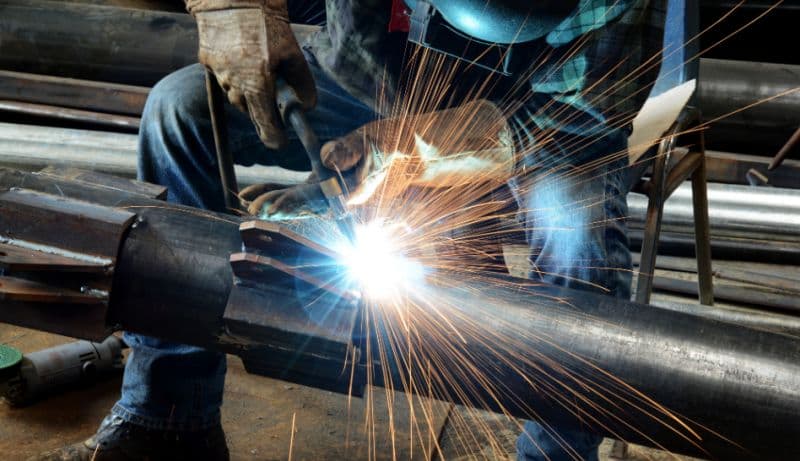
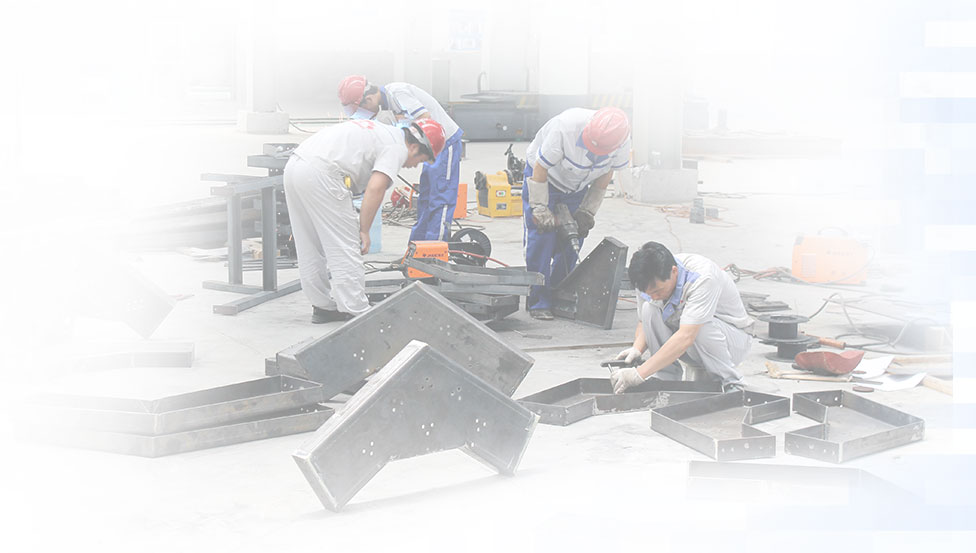
● Manufacturing
Equipment Manufacturing
The critical components of the of the complete pellet production line equipment are built in our own workshops in Asia. Additional equipment is manufactured by our worldwide network of reliable partners.
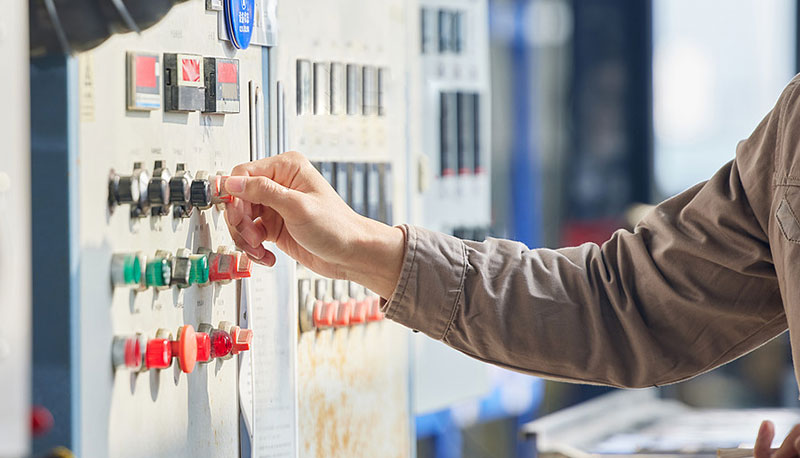
● Testing
Quality Inspection & Testing
Before leaving the factory, all equipment will be inspected by the quality inspection department. We can also provide customers with testing services from a single machine to a complete pellet plant system, and provide you with real actual data for “worry-free use.”
● Delivery
Equipment Delivery
In equipment boxing and packaging, we adopt professional packaging and modular solutions to ensure the safe and non-destructive delivery of pellet plant equipment.
● Installation
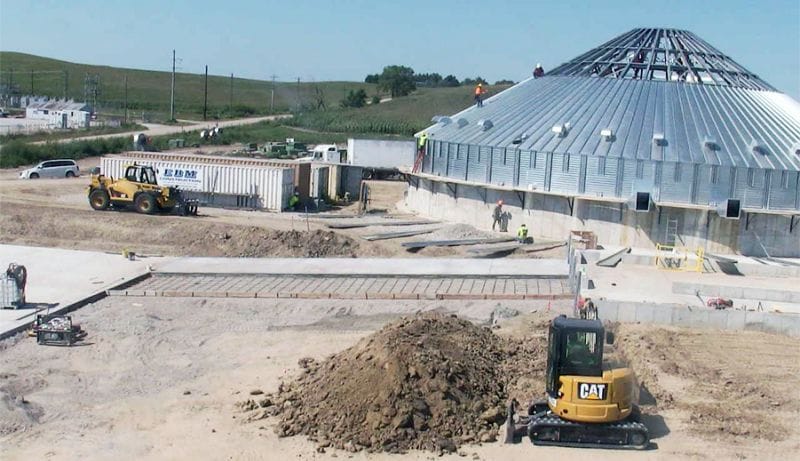
Installation & Commissioning
Whether you choose your own subcontractor for the erection phase or you want to install everything together with us, a Richi supervisor will be around to make sure everything is mounted in a safe and thorough way.

● Training
Staff Training
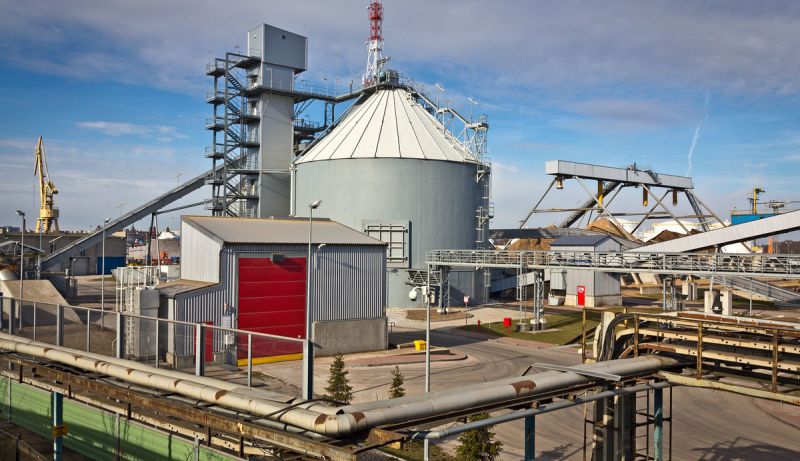
We provide comprehensive training for the technicians of each project. We can also continue to provide support for the technicians during latter project operation.
● After-sales
Project Follow-Up
When everything is up and running our Richiers will help you further whenever needed. We are ready to answer your call 24/7.We’ll also visit you regularly to learn about your needs.
Who we are
RICHI Machinery is one of the world’s leading suppliers of technology and services for the animal feed, aqua feed and pet food industries, also the largest pellet production line manufacturer in China.
Since 1995, RICHI’s vision to build a first-class enterprise, to foster first-class employees, and to make first-class contributions to society has never wavered.
In the past three decades, we have expanded our business to a wide range of areas, including animal feed mill equipment, aqua feed equipment, pet feed equipment, biomass pellet equipment, fertilizer equipment, cat litter equipment, municipal solid waste pellets equipment, etc.

1995
RICHI Established

2000+
Serving More Than 2000 Customers

120+
RICHI Employees

140+
Exported To 140 Countries