 0086-138 3838 9622
Aquatic Feed Production Line in Vietnam
RICHI MACHINERY
overview
This is a 15t/h aquatic feed production line in Vietnam – but honestly, that number only tells half the story. The real story is about a Vietnamese company that wanted to stop importing expensive Thai shrimp feed and start making their own. They had the land, they had the capital, but they didn’t have the process knowledge.
Vietnam is the world’s second-largest shrimp exporter (behind Ecuador). The Mekong Delta produces millions of tons of shrimp and pangasius every year. And almost all of the high-end feed comes from Thailand or Taiwan. That’s a massive supply gap.
The client approached us with a specific request: “We need 100,000 tons per year. Three product types. Shrimp pellets. Sinking fish feed. Floating extruded feed. And we need it to work in the Mekong Delta humidity.”
We designed a 15t/h aqua feed production line that actually delivers 15 tons per hour – not just on paper, but at 85°C ambient temperature with 80% relative humidity. That took some engineering.
15T/H
capacity
$1,580,000
investment
Vietnam
location
Feed
project type
RICHI MACHINERY
Why Vietnam? Why Now?
Let me be direct about the market.
Vietnam’s aquaculture sector is growing at 6-8% annually. The government wants $10 billion in seafood exports by 2030. But the feed industry hasn’t kept up. Most local mills are small, outdated, and produce inconsistent quality.
Shrimp farmers in Bac Lieu and Ca Mau provinces have a simple rule: “If the feed dissolves in 30 minutes, we don’t buy it again.” That’s the real quality test.
The client saw this gap. They had a piece of land – about 112.7 acres (converted from 75,133 m²) – in a coastal province with good road access to both raw material sources (from the north) and shrimp farming regions (to the south). The original plan was to build in phases:
- Phase 1 (2024): Shrimp feed (40,000 tons/year) + sinking fish feed (40,000 tons/year)
- Phase 2 (2025): Extruded floating feed (20,000 tons/year)
Total annual capacity: 100,000 tons. That’s roughly 15 tons per hour running 24/7 for 270 days.
RICHI MACHINERY
The Raw Material Reality Check
Vietnam grows a lot of soybeans, but not enough high-protein meal for aquafeed. Most of the soybean meal comes from imported US or Brazilian beans, crushed locally. The client’s ingredient list reflects this mix of local and imported materials.
Here’s what the recipe actually looks like (annual consumption):
| Raw Material | Annual Usage (tons) | Source | Storage |
|---|---|---|---|
| Soybean Meal | 37,000 | Imported/US beans crushed locally | 15筒仓 (200-300t each) |
| Fish Meal | 10,900 | Local (Vietnam catches) + Peruvian import | Warehouse, bagged |
| Rapeseed Mea | 8,200 | Imported from Canada/Ukraine | Silo + warehouse |
| Wheat Flour | 9,400 | Local (Mekong Delta) | Silo |
| Rice Bran | 6,000 | Local (Vietnam is a top rice exporter) | Warehouse |
| Cottonseed Meal | 5,800 | Imported from India/Australia | Silo |
| Wheat Middlings | 3,800 | Local flour mills | Silo |
| Meat & Bone Meal | 3,200 | Local rendering plants | Warehouse |
| DDGS (Corn Distillers) | 3,110 | Imported from USA | Silo |
| Squid Liver Powder | 2,100 | Local (Vietnam squid processing) | Warehouse |
| Bentonite | 1,400 | Imported from China | Warehouse |
| Monocalcium Phosphate | 1,200 | Imported from China | Warehouse |
| Limestone Powder | 1,000 | Local mines | Warehouse |
| Wheat Gluten | 800 | Imported from Europe | Warehouse |
| Salt | 600 | Local (Vietnam salt flats) | Warehouse |
| Soybean Oil | 600 | Local crushing plants | 5 liquid tanks (30-50t) |
| Fish Oil | 370 | Local + imported | Liquid tanks |
| Lecithin | 370 | Imported from China | Drum storage |
| Bran | 4,000 | Local flour mills | Warehouse |
A quick observation about fish meal: Vietnamese fish meal is decent but variable. The client learned this the hard way during trial runs. One batch had 65% protein; the next had 55%. We had to add an inline NIR sensor to the receiving system so the operator could adjust the recipe on the fly. Otherwise, the pellet binding would fail.
RICHI MACHINERY
The Equipment Configuration (What We Actually Shipped)
We shipped 52 main equipment items in 22 containers. The 15t/h aqua feed plant is actually three parallel lines sharing common pre-grinding and post-packaging:
- 2 lines for shrimp & sinking fish feed (pelletizing technology)
- 2 lines for extruded floating feed (extrusion technology)
Here’s the real aqua feed factory machines list. No model numbers that nobody remembers. Just what each machine does.
| Section | Equipment | Qty | Key Parameter |
| Receiving & Cleaning | Cylinder pre-cleaner | 6 | Removes stones, rope, plastic |
| Permanent magnetic drum | 6 | 8000 Gauss | |
| Coarse Grinding | Hammer mill feed grinder | 2 | 15t/h each |
| Batching | Batching scale hopper | 4 | 2.5 tons/batch |
| Mixing | Double-shaft paddle mixer | 4 | 30-45 t/h, CV <5% |
| Liquid addition system | 2 | For oil and lecithin | |
| Fine Grinding | Micro pulverizer | 6 | 4.5-6.5 t/h each (shrimp: 200 microns) |
| Air conveyor system | 6 | 13,200 m³/h, 12,170 Pa | |
| Pelleting (Shrimp/Fish) | Fish shrimp feed pellet machine | 4 | 3-8 t/h each, 110kW motor |
| Long-term conditioner | 4 | 3-4 min retention for shrimp | |
| Pellet crumbler | 2 | For making small shrimp crumbs | |
| Vibrating screener | 4 | 5-10 t/h | |
| Extrusion (Floating) | Twin-screw extruder | 2 | 3-5 t/h each |
| Fish feed dryer machine | 2 | Steam-heated, 3-stage | |
| Drum coater | 2 | For post-extrusion oil coating | |
| Counterflow cooler | 2 | 24×24 size | |
| Packaging | Auto packaging scale | 6 | 25-40kg/bag + 5kg/bag |
| Automatic bagging line | 2 | For small retail packs | |
| Utilities | Natural gas boiler | 1 | 6 t/h, with low-NOx burner |
| Water softener | 1 | 6 t/h, reverse osmosis, 65% recovery | |
| Air compressor | 6 | 6.3 m³/min each |
RICHI MACHINERY
The Process: Three Products, One Line
The challenge with a 15t/h aquatic feed production line in Vietnam is that shrimp feed, sinking fish feed, and floating feed require completely different post-extrusion handling.
Shrimp Feed (40,000 tons/year):
Shrimp are slow eaters. The pellet needs to hold together for 2-3 hours in 30°C saltwater. That means high starch gelatinization and proper binding.
The engineering adjustment: We added a post-pelleting “conditioner” – basically a steam-heated holding tank. The pellet stays at 95°C for 20-30 minutes after leaving the die. This cooks the starch fully. Without this step, shrimp feed disintegrates in 15 minutes.
The client’s learning curve: The first batch looked perfect coming out of the cooler. But after 1 hour in water? Mush. We realized the local wheat flour had lower gluten than the lab analysis showed. We increased the conditioning time from 15 to 25 minutes. Problem solved.
Sinking Fish Feed (40,000 tons/year):
Tilapia and pangasius need a pellet that sinks slowly – not too fast (wastes on the bottom), not too slow (eaten before reaching bottom fish).
The engineering adjustment: We used a thinner die (lower compression ratio) and added a crumbler after the cooler. The crumbler breaks large pellets into smaller pieces without creating fines.
Floating Extruded Feed (20,000 tons/year):
This is the premium product. High expansion. 90-95°C extrusion temperature. 11-14 seconds in the barrel. The starch expands when it exits the die.
The engineering adjustment: We installed a variable-speed cutter knife on the extruder face. For small pellets (1.5mm for fingerlings), we run the knife at 800 RPM. For large pellets (5mm for adult fish), we drop to 300 RPM. The client’s operator had to learn this. He broke three sets of knives in the first week. Now he’s the extrusion expert on their team.
RICHI MACHINERY
Utilities & Energy (What It Actually Costs to Run)
The client asked for a realistic operating budget. Here’s what we calculated:
| Utility | Annual Consumption | Notes |
|---|---|---|
| Water | 7,058 tons | Mostly boiler feed + scrubber make-up |
| Electricity | 15.65 million kWh | 1,565万 kWh/year |
| Natural Gas | 1.15 million m³ | For the 6t/h boiler |
| Steam | None externally | Generated on-site from gas boiler |
Power cost estimate: At $0.08/kWh (Vietnam industrial rate), electricity alone is $1.25 million/year.
Gas cost estimate: At $0.12/m³ (Vietnam subsidized rate for agriculture), gas is $138,000/year.
Total annual utility cost: Roughly $1.4 million USD. That’s about $14 per ton of feed. Acceptable.
RICHI MACHINERY
The Boiler Decision (Gas vs. Biomass)
The original plan from the Chinese EIA document showed a biomass boiler. But Vietnam is different. Biomass supply is inconsistent in the Mekong Delta. Rice husk is available (Vietnam produces 45 million tons of rice annually), but transporting it to a coastal factory adds cost.
We recommended a natural gas boiler instead. Here’s why:
- Vietnam has expanding LNG infrastructure in the south
- Gas burns cleaner (no ash disposal)
- The boiler room is smaller
- Gas price is regulated for agricultural use
The client installed one 6t/h gas boiler (with low-NOx burner). It runs 10 hours/day, 270 days/year. Total gas consumption: 1.15 million m³/year.
One lesson learned: The boiler room needs ventilation. In the Mekong Delta, it’s hot. The boiler room hit 55°C during commissioning. We had to add two exhaust fans to keep the control panel from overheating.
RICHI MACHINERY
Wastewater & Environmental
The Chinese EIA mentioned trucking wastewater to a treatment plant. That’s not practical in rural Vietnam.
We designed a different approach:
- Boiler blowdown: Neutralized and discharged to a lined pond (evaporation, no river discharge)
- Softener backwash: Same pond
- Dust scrubber water: Recirculated. We added a settling tank. Sludge removed monthly.
- Sanitary wastewater: Septic tank + leach field (40 people, manageable)
No river discharge. No permits to fight. The local authorities approved this in 3 weeks.
One detail the Chinese document didn’t mention: The fish meal storage area needs a sealed floor. Fish meal leaks oil. That oil will stain concrete permanently. We specified an epoxy-coated floor with a sump. The client thought we were upselling. Then a bag of fish meal leaked during a typhoon. The oil stain is still there. He wishes he’d listened.
RICHI MACHINERY
The Financial Reality
Let me be transparent about what this fish feed mill project actually cost.
Equipment Cost (CIF Cat Lai Port, Vietnam): $1,580,000 USD
This includes:
- All 52 aqua feed mill equipment items listed above
- Control panels and cables
- 6 months of spare parts (dies, rollers, knives, screens)
- 3 RICHI supervisors for installation (60 days)
Local costs (paid by client in VND):
- Land & civil works: $800,000 USD equivalent
- Installation labor (20 local fitters): $120,000
- Electrical & plumbing: $80,000
- Boiler installation & gas connection: $60,000
Total Project Investment: ~$2.64 Million USD
Breakdown per ton of capacity: $26.40 per annual ton. That’s actually very good for a turnkey aquafeed plant.
Payback estimate (client’s numbers):
- Raw material cost per ton: $380
- Market price for shrimp feed in Vietnam: $580
- Gross margin: $200/ton
- Annual production: 100,000 tons
- Gross profit potential: $20 million/year
Even after overhead, distribution, and taxes, they expect to recover equipment cost in 6-8 months. That’s why they signed.
RICHI MACHINERY
Installation in the Mekong Delta
We shipped from Qingdao in August. The containers arrived at Cat Lai Port in early September. Customs clearance took 10 days – faster than expected.
What went wrong:
- The heat. The installation team worked from 6 AM to 11 AM, then stopped until 3 PM. Afternoon temperatures hit 38°C with 85% humidity. Bolts rusted overnight if left ungreased.
- The concrete. The local contractor poured foundations with the wrong grade of cement. We tested the hardness after 14 days – still soft. We had to wait an extra 10 days for curing.
- The power. The factory’s transformer was undersized. When we started the 110kW pellet mill, the lights dimmed across the whole building. The client had to upgrade to a 2000KVA transformer (he originally ordered 1600KVA).
What went right:
- The local fitters. Vietnamese welders are excellent. They fabricated the catwalks and handrails faster than we could draw them.
- The fish meal supply. The client already had contracts with three local fish meal plants. Raw material arrived on time.
- The gas connection. PetroVietnam installed the gas line in 2 weeks. No delays.
RICHI MACHINERY
Training the Operators
The client hired 40 people. Most had never seen a PLC screen. A few had worked in rice mills.
We spent 3 weeks on training:
Week 1: Raw material inspection. How to do the “hand squeeze” moisture test. How to smell rancid fish oil. How to reject a truck of moldy soybean meal.
Week 2: Control room operations. Starting and stopping sequences. Emergency stops. How to clear a die jam without destroying the motor.
Week 3: Maintenance. Dressing dies. Replacing rollers. Calibrating the oil coater. Cleaning the dryer.
One story worth telling: The trainee on the extruder forgot to open the steam valve before starting. The motor labored, the extruder vibrated, and the safety shear pin snapped. We had to replace the pin – a 10-minute job. But the client saw that and asked, “Is this machine fragile?”
“No,” I said. “It’s designed to protect itself. That pin just saved your gearbox.”
He understood. He bought 20 spare shear pins the next week.
RICHI MACHINERY
The Shrimp Feed Quality Test
Three weeks after commissioning, the client sent samples to a lab in Ho Chi Minh City for independent testing.
Results:
- Water stability: 95% pellet integrity after 2 hours (target was 90%)
- Protein: 42.5% (target was 42%)
- Moisture: 11.8% (target was ≤12%)
- Fat content: 7.2% (on spec)
The client was happy. Then they did the real test: they fed it to their own trial ponds.
The shrimp grew 18% faster than on the imported Thai feed they’d been using. Why? Fresher fish meal. The Thai feed used Peruvian fish meal that was 6 months old. Their feed used local fish meal processed 2 weeks ago. The difference in palatability was obvious.
RICHI MACHINERY
Market Outlook: Aquatic Feed in Vietnam
Here’s why I think this 15t/h aquatic feed production line is a smart investment.
The numbers:
- Vietnam shrimp exports: $3.5 billion in 2024, targeting $4.5 billion by 2026
- Pangasius exports: $2 billion annually
- Current feed import dependence: ~30% of high-end aquafeed comes from Thailand
The trend:
Vietnamese farmers are moving from extensive farming (low density, low yield) to intensive farming (high density, high yield). Intensive farming requires high-quality extruded feed. You cannot run a high-density shrimp pond on raw ingredients or cheap pellets. The water fouls. The shrimp die.
The opportunity:
Local feed mills are old. Their extruders are from the 1990s. They cannot produce floating feed reliably. A modern 15t/h aquatic feed production line in Vietnam with twin-screw extrusion and vacuum coating is still rare in Vietnam.
The client is already planning Phase 2. They want to add a second extruder and a pet food line. Cat food. Dog food. Vietnam’s pet market is growing at 15% annually.
RICHI MACHINERY
Why RICHI for Your Aquatic Feed Project?
I’m not going to give you a sales pitch. I’ll just tell you what this client told me:
“The other suppliers showed us pictures. RICHI showed us a mass balance sheet. They calculated how many tons of steam we needed, how many amps the motor would draw, how much water would evaporate in the dryer. The others couldn’t answer those questions.”
We don’t just sell machines. We sell a working factory. That means:
- Process design: We calculate every transfer point, every air flow, every retention time.
- Local adaptation: Vietnam is not China. We adjust for humidity, for raw material variability, for local electrical standards.
- After-sales: We keep spare parts in Cat Lai Port. Dies, rollers, bearings, knives. You need it, we ship it within 48 hours.
RICHI MACHINERY
Thinking About Your Own Aquatic Feed Project?
Here’s my honest advice:
- Start with your raw materials. Test them. Know the protein, the moisture, the oil content. Feed mills fail because the recipe is wrong, not the machine.
- Be realistic about capacity. A 15t/h aquatic fish feed production line in Vietnam needs 15 tons of raw material every hour. Do you have the supply chain?
- Plan for the climate. Vietnam is hot and wet. Your motors need higher IP ratings. Your panels need air conditioning. Your concrete needs the right mix.
- Budget for training. The machine is 30% of the project. Installation is 20%. Training is 20%. The rest is civil works and utilities. Don’t skip the training.
If you’re looking at Vietnam, or Thailand, or Indonesia, or the Philippines – anywhere in Southeast Asia – the market is ready. The shrimp are waiting. The fish are hungry.
Contact us. Send us your raw material list and your target capacity. We’ll send you a layout and a budget within 2 weeks.
We’ve done this before. We know what breaks. We know what works.
Let’s build your 15t/h aquatic feed production line in Vietnam.
● RICHI MACHINERY
RICHI Service

● Consulting
Customer Consultation
We want to have a deep understanding of your industrial process, to know your exact needs of feed, wood, biomass, fertilizer or other pellet processing.

● Design
Feed Pellet Plant Design
Based on your unique situation and industrial process, we will tailor complete pellet plant you need, and inform you of every additional detail that could facilitate operation, minimize total cost.
● Manufacturing
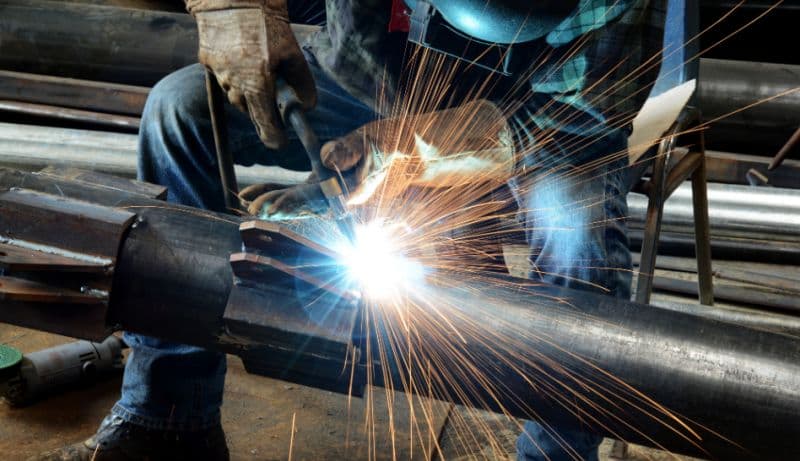
Equipment Manufacturing
The critical components of the of the complete pellet production line equipment are built in our own workshops in Asia. Additional equipment is manufactured by our worldwide network of reliable partners.
● Testing
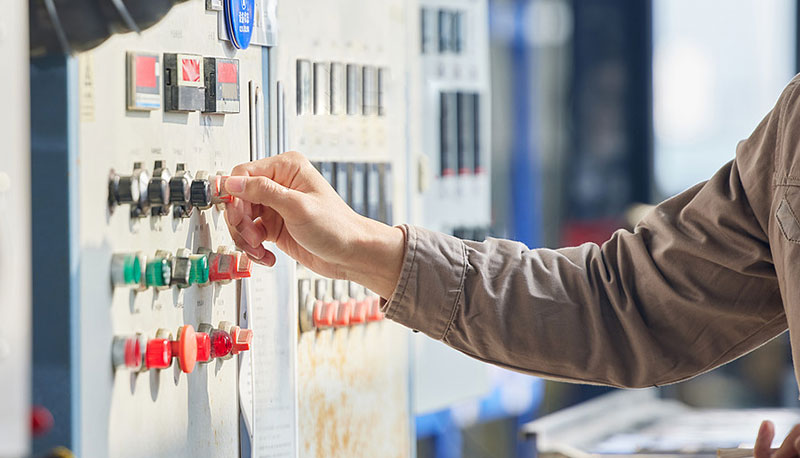
Quality Inspection & Testing
Before leaving the factory, all equipment will be inspected by the quality inspection department. We can also provide customers with testing services from a single machine to a complete pellet plant system, and provide you with real actual data for “worry-free use.”
● Delivery
Equipment Delivery
In equipment boxing and packaging, we adopt professional packaging and modular solutions to ensure the safe and non-destructive delivery of pellet plant equipment.
● Installation
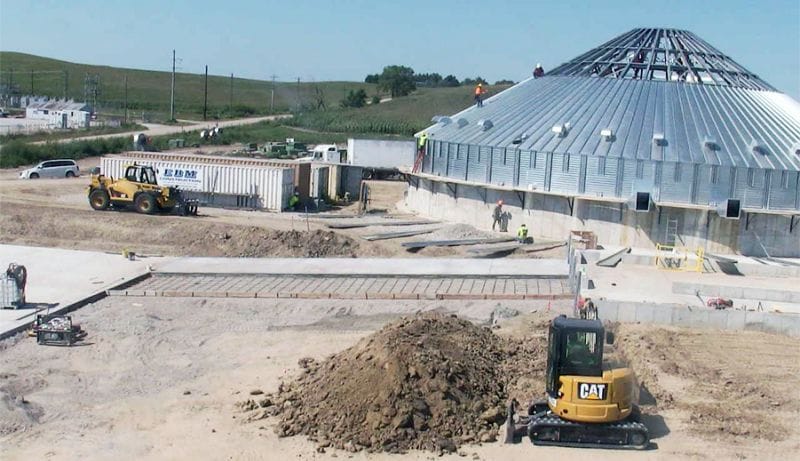
Installation & Commissioning
Whether you choose your own subcontractor for the erection phase or you want to install everything together with us, a Richi supervisor will be around to make sure everything is mounted in a safe and thorough way.

● Training
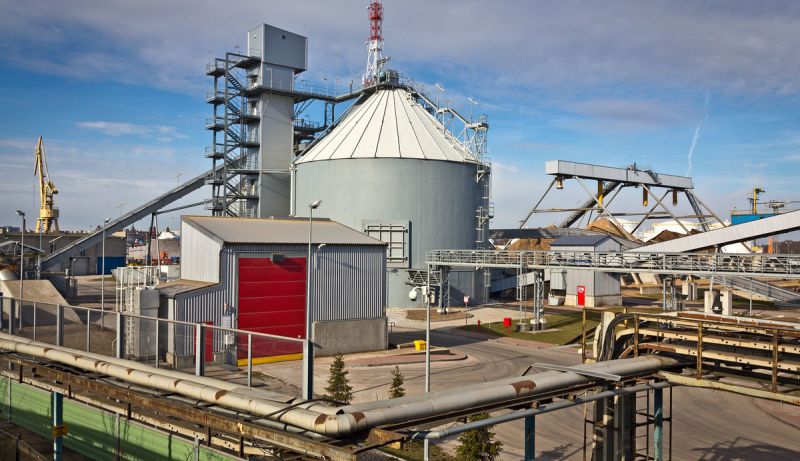
Staff Training
We provide comprehensive training for the technicians of each project. We can also continue to provide support for the technicians during latter project operation.
● After-sales
Project Follow-Up
When everything is up and running our Richiers will help you further whenever needed. We are ready to answer your call 24/7.We’ll also visit you regularly to learn about your needs.
Who we are
RICHI Machinery is one of the world’s leading suppliers of technology and services for the animal feed, aqua feed and pet food industries, also the largest pellet production line manufacturer in China.
Since 1995, RICHI’s vision to build a first-class enterprise, to foster first-class employees, and to make first-class contributions to society has never wavered.
In the past three decades, we have expanded our business to a wide range of areas, including animal feed mill equipment, aqua feed equipment, pet feed equipment, biomass pellet equipment, fertilizer equipment, cat litter equipment, municipal solid waste pellets equipment, etc.

1995
RICHI Established

2000+
Serving More Than 2000 Customers

120+
RICHI Employees

140+
Exported To 140 Countries