 0086-138 3838 9622
Wood Waste Pelletizing Plant in Honduras
RICHI MACHINERY
overview
This page presents a detailed feasibility study for the establishment of a state-of-the-art wood waste pelletizing plant in Honduras, with a designed production capacity of 10-12 metric tons per hour (t/h) of industrial-grade biomass pellets. Located in the industrial heartland of San Pedro Sula, this project is strategically positioned to leverage the extensive wood waste generated by the region’s robust timber processing, furniture manufacturing, and carpentry industries.
The core objective of this initiative is to transform underutilized and often problematic wood residues—including sawdust, wood shavings, and wood scraps—into a high-value, renewable energy commodity. The resulting pellets will serve as a clean-burning, carbon-neutral fuel alternative to fossil fuels for industrial heating, commercial boiler applications, and potentially for export to international markets with high demand for sustainable biomass fuels.
The wood pellet plant construction project entails a total investment of $430,000 USD, encompassing site development, procurement and installation of advanced processing machinery, implementation of comprehensive environmental control systems, and provisions for working capital. The operational model is based on a single 10-hour shift per day, 300 days per year, yielding an annual production output of 30,000 metric tons.
Financial projections indicate a highly viable venture with an estimated payback period of 2.5 to 3 years, driven by low-cost raw materials, efficient production processes, and strong market demand. This wood waste pelletizing plant in Honduras is not only an economically sound investment but also a significant contributor to Honduras’s environmental sustainability goals, promoting waste valorization, reducing greenhouse gas emissions from waste decomposition and open burning, and fostering local economic development through job creation.
10-12 T/H
capacity
$430,000
investment
Honduras
location
Biofuel
project type
RICHI MACHINERY
Project Background and Strategic Rationale
Honduras possesses a formidable natural resource base, with its forestry and wood processing sectors constituting a critical component of the national economy. The regions surrounding San Pedro Sula, in particular, are hubs for sawmills, furniture factories, and woodworking shops. While this industry generates substantial economic activity, it also produces significant volumes of wood waste by-products. Traditional disposal methods, such as open-air burning or landfilling, present severe environmental and public health challenges, including particulate matter emissions (PM2.5 and PM10), greenhouse gas release, and potential groundwater contamination from leachate.
The client is a consortium of Honduran investors with deep roots in the timber industry and a forward-looking vision for sustainable enterprise. Their motivation for launching this wood waste pelletizing plant in Honduras is threefold:
- Environmental Stewardship: To provide an eco-friendly solution for wood waste management, mitigating the environmental impact of the timber sector.
- Economic Opportunity: To capitalize on the growing global and regional demand for renewable, solid biofuels, converting a waste product into a profitable export and domestic commodity.
- Energy Security: To contribute to Honduras’s energy matrix diversification, reducing reliance on imported fossil fuels by providing a locally sourced, sustainable alternative.
The selection of San Pedro Sula as the project location is strategic. Its proximity to raw material sources minimizes transportation costs and logistical complexity. Furthermore, the city’s well-developed industrial infrastructure, including reliable access to the national power grid and major transportation corridors, provides a solid foundation for manufacturing and distribution operations.
RICHI MACHINERY
Detailed Raw Material Analysis and Supply Chain Logistics
The viability of any wood waste pelletizing plant in Honduras is intrinsically linked to a secure, consistent, and cost-effective supply of raw materials. This wood pellet production line project will utilize post-industrial wood waste, ensuring no conflict with sustainable forestry practices or the use of virgin timber.
Primary Feedstocks:
- Sawdust: A fine, particulate by-product of sawing operations. It has a high bulk density and is readily pelletizable.
- Wood Shavings: Generated from planning and milling operations. Typically longer and flakier than sawdust, requiring more intensive size reduction.
- Wood Scraps and Off-cuts: Larger pieces of wood from trimming and cutting operations. These must be pre-processed through a primary crusher or chipper.
Key Material Characteristics:
- Initial Moisture Content: Ranges from 25% to 35% (wet basis). This variability necessitates a robust drying system to achieve the optimal 10-12% moisture content required for effective pelletization.
- Contamination Control: A strict supplier agreement protocol is essential to prohibit the acceptance of treated wood (e.g., painted, varnished, pressure-treated with CCA), as well as wood containing metals, plastics, or other contaminants that could damage machinery or compromise pellet quality.
Table: Raw Material Procurement Profile
| Material Type | Annual Supply (tons) | Average Moisture Content | Average Bulk Density (kg/m³) | Primary Sources |
|---|---|---|---|---|
| Sawdust | 20,000 | 25-30% | 220-260 | Sawmills, Joineries |
| Wood Shavings | 10,000 | 20-25% | 120-160 | Furniture Plants, Planing Mills |
| Wood Scraps (chipped) | 5,000 | 30-35% | 180-220 | Pallet Makers, Woodworking Shops |
| Total | 35,000 |
Supply Chain and Storage: Raw materials will be delivered by contracted trucks. A covered storage area of 2,000 m² will be maintained to hold a 15-day buffer stock, protecting the feedstock from rain and ensuring uninterrupted production. A front-end loader will be used for internal material handling.
RICHI MACHINERY
Comprehensive Production Process and Technology Description
The production process for this wood waste pelletizing plant in Honduras is a continuous, integrated system designed for maximum efficiency, product consistency, and minimal environmental impact. The process flow is detailed below:
Stage 1: Raw Material Reception and Pre-Processing
Incoming trucks are weighed and unloaded in a designated, covered receiving bay. Larger wood scraps are immediately fed into a heavy-duty industrial wood chipper machine to reduce them to a more manageable size (<50mm).
Stage 2: Primary and Secondary Size Reduction
Pre-crushed material, along with shavings and sawdust, is conveyed via belt conveyor to a wood pellet hammer mill. This mill features a screen with 6-8mm holes, ensuring a consistent particle size distribution crucial for high-quality pellet production. The specific energy consumption for this stage is approximately 35-40 kWh per ton.
Stage 3: Drying
The ground biomass is then fed via a screw conveyor into a single-pass rotary wood chip dryer. The dryer is heated by a dedicated biomass burner fueled by the plant’s own pellets or sander dust. The dryer reduces the moisture content from 25-35% down to the optimal range of 10-12%. The hot, moist air from the dryer is passed through a cyclone to recover any entrained fine particles before being exhausted.
Stage 4: Pelletizing – The Core Process
The dried and conditioned material is fed into three ring-die wood pellet mills. Each mill is equipped with a die with 6-8mm holes. The immense pressure (reaching temperatures of 90-110°C) plasticizes the natural lignin in the wood, which acts as a binder, forming dense, solid pellets. The Specific Mechanical Energy (SME) input for this process is typically between 25-35 kWh per ton. This is the most critical step in the wood waste pelletizing plant in Honduras.
Stage 5: Cooling and Screening
The hot, soft pellets exiting the wood pellet machine are conveyed to a counter-flow pellet cooler machine. Ambient air is drawn through the pellet bed, cooling them to within 5°C of the ambient temperature and increasing their hardness. The cooled pellets are then passed over a vibrating screen to separate out fines and undersized pellets, which are recycled back to the pellet mill hopper.
Stage 6: Packaging and Storage
The finished pellets are transported to an automated packaging system. For industrial clients, they are packed into 1-ton bulk bags (FIBCs). For smaller commercial or retail customers, they are packed into 15 kg or 25 kg polypropylene bags. All packaged products are palletized and stored in a dry, dedicated warehouse awaiting shipment.
Diagram: Material and Energy Flow
[Wood Waste] -> Reception -> Crusher -> Hammer Mill -> [Dried Material] -> Rotary Dryer -> [Dried Material] -> Pellet Mill -> [Hot Pellets] -> Cooler -> [Cooled Pellets] -> Screening -> [Fines (Recycled)] & [Product Pellets] -> Packaging -> Warehouse
RICHI MACHINERY
Technical Specifications of Major Equipment
The equipment selection for this wood waste pelletizing plant in Honduras prioritizes reliability, energy efficiency, and ease of maintenance, sourced from reputable international manufacturers.
Table: Detailed Equipment List
| Equipment Category & Model | Qty. | Key Technical Specifications | Power Rating (kW) | Function |
|---|---|---|---|---|
| Pre-Processing | ||||
| Heavy-Duty Wood Crusher | 1 | In-feed capacity: 150mm, Output: <50mm | 55 | Primary size reduction |
| Size Reduction | ||||
| Wood Pellet Hammer Mill (with fan) | 2 | Screen Ø8mm, Capacity: 6 t/h | 90 | Fine grinding to pellet mill spec |
| Drying | ||||
| Single-Pass Rotary Dryer | 1 | Ø2.2m x 12m, Evaporation capacity: 2500 kg H₂O/h | 25 (drive) | Moisture reduction to 10-12% |
| Biomass Burner System | 1 | Thermal output: 4.5 MW, Fuel: Pellets/Dust | 5.5 | Heat generation for dryer |
| Pelletizing | ||||
| Ring-Die Wood Granulator Machine | 3 | Die Ø762mm, Main motor: 250 kW, Capacity: 3-4 t/h | 250 | Formation of wood pellets |
| Post-Pelletizing | ||||
| Counter-Flow Cooler | 1 | Capacity: 15 t/h, Cooling fan: 22 kW | 30 | Pellet cooling and hardening |
| Vibrating Screen | 1 | Deck area: 4m², Mesh size: 3.5mm | 3 | Separation of fines |
| Ancillary Systems | ||||
| Belt & Screw Conveyors | 15+ | Various lengths and capacities | 2.2-7.5 | Material transport between processes |
| Cyclone + Baghouse Dust Filter | 1 | Filter area: 350m², Air volume: 25,000 m³/h | 30 | Emission control for dryer & mills |
| Control System | 1 | PLC-based with SCADA interface | – | Centralized process monitoring & control |
| Total Installed Power | ~950 kW | |||
RICHI MACHINERY
Quality Control and Product Specifications
To compete in international markets, the pellets produced by this wood waste pelletizing plant in Honduras must adhere to stringent quality standards, such as ISO 17225 or ENplus.
Quality Control Measures:
- Incoming Raw Material: Moisture and contamination checks.
- Process Control: Continuous monitoring of dryer temperature and output moisture.
- Final Product Testing: A dedicated on-site lab will perform routine tests on pellet samples:
- Moisture Content: (Target: ≤10%)
- Durability: (Target: ≥97.5%) – Measured using a tumbler tester.
- Calorific Value: (Target: ≥16.5 MJ/kg) – Measured using a bomb calorimeter.
- Ash Content: (Target: ≤1.0%) – Measured by burning a sample in a muffle furnace.
- Dimensions: (Diameter: 6mm or 8mm)
Table: Target Product Specifications
| Parameter | Unit | Target Value | Test Method |
|---|---|---|---|
| Diameter | mm | 6 or 8 | Caliper |
| Length | mm | 3-5 x Diameter | Caliper |
| Moisture Content | % (w.b.) | ≤ 10.0 | Oven Drying |
| Gross Calorific Value (AR) | MJ/kg | ≥ 16.5 | ISO 18125 |
| Ash Content | % (dry basis) | ≤ 1.0 | ISO 18122 |
| Mechanical Durability | % | ≥ 97.5 | ISO 17831-1 |
| Bulk Density | kg/m³ | ≥ 600 | ISO 18847 |
RICHI MACHINERY
Market Analysis and Sales Strategy
The global market for wood pellets is driven by the transition to renewable energy in Europe (EU Renewable Energy Directive II), North America, and parts of Asia. Honduras is well-positioned to serve these markets due to its favorable forestry conditions and trade agreements.
Target Markets:
- Export (Primary): Focus on European power utilities and large-scale heating plants requiring industrial-grade (EN B) pellets. Potential also exists in South Korea and Japan.
- Domestic (Secondary): Target local industries (food processing, textiles, brick manufacturing) seeking to reduce energy costs by switching from diesel or LP gas to biomass boilers.
Competitive Advantage:
- Low-Cost Raw Materials: Proximity to free or low-cost wood waste.
- Favorable Logistics: Access to the Atlantic port of Puerto Cortés for efficient export.
- Sustainability Profile: Product aligns with EU sustainability criteria, a key market requirement.
RICHI MACHINERY
Why Choose RICHI Machinery?
RICHI Machinery is a leading provider of biomass pellet project solutions, with a proven track record of delivering high-quality, reliable equipment and comprehensive project support. Our services include:
- Customized plant design and layout.
- Supply of state-of-the-art machinery.
- Installation, commissioning, and operator training.
- After-sales support and maintenance services.
For investors seeking to establish a wood waste pelletizing plant in Honduras, RICHI offers end-to-end solutions ensuring project success and profitability.
RICHI MACHINERY
Conclusion
The proposed wood waste pelletizing plant in Honduras represents a viable and profitable investment opportunity, addressing both environmental challenges and market demands. With its efficient design, robust equipment, and strong economic returns, the project is set to become a benchmark for sustainable industrial development in Central America.
For more information on how RICHI Machinery can support your biomass pellet project, contact us today for a detailed consultation and quote.
● RICHI MACHINERY
RICHI Service

● Consulting
Customer Consultation
We want to have a deep understanding of your industrial process, to know your exact needs of feed, wood, biomass, fertilizer or other pellet processing.

● Design
wood Pellet Plant Design
Based on your unique situation and industrial process, we will tailor complete pellet plant you need, and inform you of every additional detail that could facilitate operation, minimize total cost.
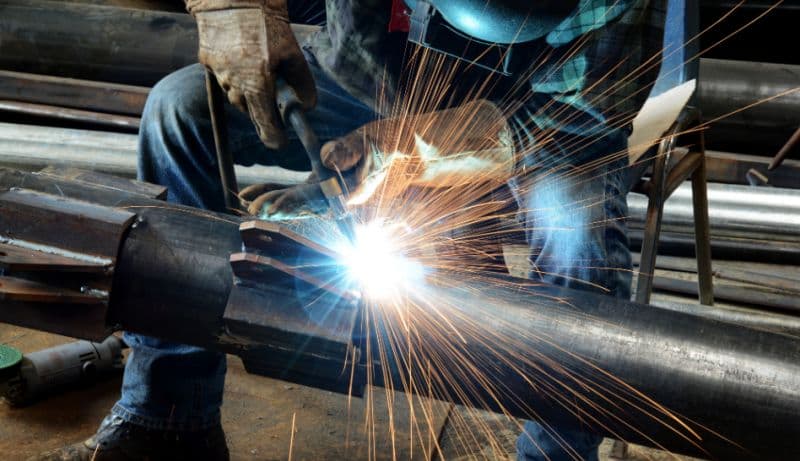
● Manufacturing
Equipment Manufacturing
The critical components of the of the complete pellet production line equipment are built in our own workshops in Asia. Additional equipment is manufactured by our worldwide network of reliable partners.

● Testing
Quality Inspection & Testing
Before leaving the factory, all equipment will be inspected by the quality inspection department. We can also provide customers with testing services from a single machine to a complete pellet plant system, and provide you with real actual data for “worry-free use.”

● Delivery
Equipment Delivery
In equipment boxing and packaging, we adopt professional packaging and modular solutions to ensure the safe and non-destructive delivery of pellet plant equipment.
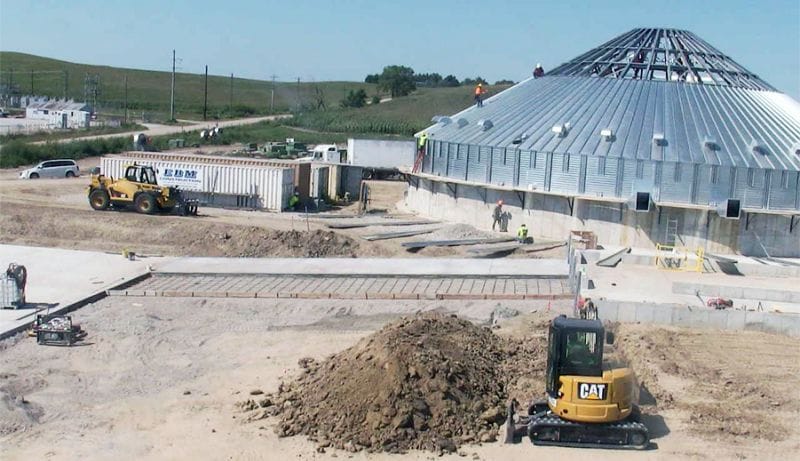
● Installation
Installation & Commissioning
Whether you choose your own subcontractor for the erection phase or you want to install everything together with us, a Richi supervisor will be around to make sure everything is mounted in a safe and thorough way.

● Training
Staff Training
We provide comprehensive training for the technicians of each project. We can also continue to provide support for the technicians during latter project operation.
● After-sales
Project Follow-Up
When everything is up and running our Richiers will help you further whenever needed. We are ready to answer your call 24/7.We’ll also visit you regularly to learn about your needs.
Who we are
RICHI Machinery is one of the world’s leading suppliers of technology and services for the animal feed, aqua feed and pet food industries, also the largest pellet production line manufacturer in China.
Since 1995, RICHI’s vision to build a first-class enterprise, to foster first-class employees, and to make first-class contributions to society has never wavered.
In the past three decades, we have expanded our business to a wide range of areas, including animal feed mill equipment, aqua feed equipment, pet feed equipment, biomass pellet equipment, fertilizer equipment, cat litter equipment, municipal solid waste pellets equipment, etc.

1995
RICHI Established

2000+
Serving More Than 2000 Customers

120+
RICHI Employees

140+
Exported To 140 Countries