 0086-138 3838 9622
Straw and Rice Husk Pelletizing Plant in Myanmar
RICHI MACHINERY
Overview
This comprehensive report details the feasibility of establishing an 8 t/h straw rice husk pelleting plant in Myanmar. The project is designed to address the dual challenges of agricultural waste management and renewable energy generation by converting abundantly available rice straw and rice husk into high-density, clean-burning biomass pellets. Located in the heart of Myanmar’s rice-producing Ayeyarwady Region, this initiative leverages local agricultural by-products to create a sustainable and profitable enterprise.
The rice husk straw pellet plant is engineered for a continuous output of 8 metric tons per hour (t/h), operating on a single 8-hour shift per day, 300 days per year. This results in an annual production capacity of 19,200 metric tons of premium biomass pellets. The primary raw materials are rice straw and rice husk, sourced directly from local rice mills and farms, ensuring a low-cost and consistent supply chain. The production process incorporates advanced crushing, conditioning, pelletizing, cooling, and packaging technologies to ensure product quality and operational efficiency.
With a total estimated investment of $680,000 USD (Including equipment cost $350,000), covering land preparation, machinery, installation, and initial working capital, this project presents a compelling opportunity for investors seeking entry into Myanmar’s growing bioenergy sector. The pellets produced will cater to both domestic industrial energy needs and the export market, supporting regional economic development and environmental sustainability.
8T/H
capacity
$680,000 USD
investment
Myanmar
location
Biofuel
project type
RICHI MACHINERY
Project Background and Strategic Rationale
Myanmar is one of Southeast Asia’s largest rice producers, with the Ayeyarwady Delta serving as its primary rice bowl. Annual rice production generates millions of tons of straw and husk, which are often disposed of through open-field burning, contributing significantly to air pollution and public health issues. There exists a critical need to manage this waste effectively and convert it into value-added products.
The client is a consortium of local agricultural entrepreneurs and international green energy investors. Their vision is to establish a modern straw rice husk pelleting plant in Myanmar to:
- Solve an Environmental Problem: Eliminate the harmful practice of open burning of agricultural residues.
- Create Economic Value: Transform waste into a high-demand renewable fuel, generating local employment and providing farmers with an additional income stream.
- Promote Energy Security: Supply a domestic alternative to imported fossil fuels and tap into the lucrative international biomass market.
The biomass pellet project’s location in the Ayeyarwady Region was selected for its unparalleled access to raw materials. The designed capacity of 8 t/h is ideal for the available feedstock density and aligns with the client’s strategy to start with a manageable yet economically viable operation before potential expansion.
RICHI MACHINERY
Raw Material Analysis and Sourcing Strategy
The success of a straw rice husk pelleting plant in Myanmar hinges on a secure and economical supply of feedstock. Myanmar’s rice industry provides two ideal raw materials with complementary properties.
Rice husk, a by-product of rice milling, is granular and abrasive with a lower moisture content but higher ash content. Rice straw, collected from fields after harvest, is fibrous and has a higher moisture content but typically a lower ash content than husk. Blending these materials allows for the optimization of the pelletizing process and the final product’s quality, achieving a balance between durability, energy content, and ash melting behavior.
Sourcing will be organized through long-term agreements with local rice mills for husk and with farmer cooperatives for baled straw. A covered storage area is essential to protect the baled straw from monsoon rains. The inherent seasonality of rice harvesting requires strategic stockpiling to ensure year-round operation.
Table: Raw Material Profile and Annual Requirement
| Material Type | Annual Consumption (tons) | Average Moisture Content (as received) | Key Characteristics | Sourcing Strategy |
|---|---|---|---|---|
| Rice Straw | 28,000 | 15-20% | Fibrous, good binding properties | Contracts with local farmer cooperatives for baled straw. |
| Rice Husk | 32,000 | 10-12% | Granular, abrasive, high silica content | Direct offtake agreements with nearby rice mills. |
| Total | 60,000 |
RICHI MACHINERY
Production Process and Technology Description
The production process for this straw rice husk pelleting plant in Myanmar is a continuous, integrated system designed to handle the specific challenges of agricultural biomass, including its low bulk density and variable moisture content.
Stage 1: Raw Material Reception and Pre-Processing
Baled rice straw is first processed through a bale breaker to loosen the material. It is then conveyed, along with rice husk, to a coarse shredder to achieve a more uniform particle size.
Stage 2: Drying
Given the moisture content of straw, a drying stage is critical. The mixed and shredded material is fed into a rotary straw dryer, fueled by a portion of the produced pellets or sander dust. The dryer reduces moisture from 15-20% down to the optimal 12-15% required for pelletization.
Stage 3: Fine Grinding
The dried material is milled in a hammer mill equipped with a 6-8mm screen. This step ensures a consistent particle size distribution, which is crucial for achieving high pellet durability and smooth operation of the pellet mill.
Stage 4: Pelletizing
This is the core of the straw rice husk pelleting plant in Myanmar. The conditioned biomass is fed into two high-capacity ring-die straw pellet machines. The immense pressure and friction generated within the die raise the temperature, plasticizing the natural lignin in the straw, which acts as a binder to form dense, solid pellets. The specific mechanical energy (SME) consumption for this process is typically 35-50 kWh per ton.
Stage 5: Cooling and Screening
The hot, soft pellets are discharged into a counter-flow pellet cooler machine to be stabilized and hardened by ambient air. They are then screened to remove fines, which are recycled back into the process.
Stage 6: Packaging and Storage
The finished pellets are packaged in 1-ton bulk bags (FIBCs) for industrial customers or 25 kg bags for smaller commercial users. They are stored in a dry, ventilated warehouse to await shipment.
RICHI MACHINERY
Technical Specifications of Major Equipment
The equipment selection for this straw and rice husk pelletizing plant in Myanmar prioritizes robustness, energy efficiency, and suitability for abrasive agricultural materials.
Table: Detailed Equipment List
| Equipment Category & Model | Qty. | Key Technical Specifications | Power Rating (kW) | Function |
|---|---|---|---|---|
| Pre-Processing | ||||
| Bale Breaker | 1 | Capacity: 10 t/h | 22 | Loosening straw bales |
| Coarse Shredder | 1 | Capacity: 12 t/h | 55 | Primary size reduction |
| Drying | ||||
| Rotary Dryer | 1 | Evaporation capacity: 2000 kg H₂O/h | 18 (drive) | Moisture reduction |
| Biomass Burner | 1 | Thermal output: 3.5 MW | 4 | Heat generation for dryer |
| Grinding | ||||
| Hammer Mill | 2 | Screen Ø8mm, Capacity: 5 t/h | 90 | Fine grinding |
| Pelletizing | ||||
| Ring-Die Biomass Pellet Mill | 2 | Main motor: 160 kW, Capacity: 4.5 t/h | 160 | Pellet formation |
| Post-Pelletizing | ||||
| Counter-Flow Cooler | 1 | Capacity: 10 t/h | 15 | Pellet cooling |
| Vibrating Screen | 1 | / | 3 | Fines separation |
| Ancillary Systems | ||||
| Belt & Screw Conveyors | 12+ | / | 2.2-7.5 | Material transport |
| Cyclone + Baghouse Filter | 1 | Air volume: 20,000 m³/h | 30 | Emission control |
| Control System | 1 | PLC-based | – | Process control |
| Total Installed Power | ~700 kW | |||
RICHI MACHINERY
Environmental and Social Impact Management
Emissions Control: All major dust generation points are connected to a high-efficiency cyclone and baghouse filter system. The biomass straw rice husk dryer and burner exhaust is also treated through this system before being released via a 15-meter stack, ensuring compliance with local air quality standards.
Noise Control: Equipment is housed within buildings, and operators are provided with personal hearing protection. Noise levels at the property boundary will be maintained below 65 dB(A).
Waste Management: Biomass ash from the burner, rich in potassium and silica, will be collected and sold for use as a soil amendment or in construction materials. No process wastewater is generated.
Social Impact: The biomass pellet production line project will create approximately 15-20 direct jobs in a rural area, providing stable employment and skills training. It will also create indirect opportunities for local farmers and logistics providers.
RICHI MACHINERY
Economic Analysis and Investment Breakdown
Total Capital Investment (CAPEX): $680,000 USD
- Land & Site Preparation: $80,000 (Lease, grading, drainage)
- Building & Infrastructure: $120,000 (Workshop, storage, offices)
- Machinery & Equipment (CIF): $350,000 (Supply, shipping, insurance)
- Installation & Commissioning: $80,000
- Utilities & Environmental Systems: $30,000
- Working Capital: $20,000 (Initial feedstock, spares, operational funds)
Operational Costs (OPEX) per Year:
- Raw Materials (60,000 tons @ $20/ton): $1,200,000
- Utilities (Power: 1,000,000 kWh @ $0.10/kWh): $100,000
- Labor (15 employees, avg. salary + benefits): $67,500
- Maintenance & Spares (2.5% of equipment cost): $16,250
- Packaging & Logistics: $120,000
- Overheads & Administration: $30,000
- Total Annual OPEX: ~$1,533,750
Revenue Projection:
- Annual Production: 19,200 tons
- Average Selling Price (FOB Plant): $160/ton
- Total Annual Revenue: 19,200 t * $160/t = $3,072,000
Profitability Analysis:
- Gross Annual Profit: Revenue – OPEX = $3,072,000 – $1,533,750 = $1,538,250
- Estimated Annual Net Profit (after depreciation & tax): ~$1,200,000
- Simple Payback Period: CAPEX / Net Profit = $980,000 / $1,200,000/yr ≈ 0.82 years (~10 months)
- Return on Investment (ROI): (Net Profit / CAPEX) * 100 = ~122%
RICHI MACHINERY
Market Prospects and Conclusion
The market for biomass pellets in Southeast Asia is growing steadily. Domestically, industries are seeking cheaper alternatives to LNG and diesel. Internationally, demand from Japan and South Korea under renewable energy policies provides a strong export market.
This straw rice husk pelleting plant in Myanmar is strategically positioned to capitalize on these trends. It offers a sustainable solution to a pressing environmental issue, creates significant local economic benefits, and promises excellent financial returns. The project represents a model of circular economy principles that can be replicated across Myanmar’s agricultural regions.
For investors and stakeholders, this straw rice husk pellet plant project is not just a business venture but a commitment to sustainable development in Myanmar, leveraging local resources for energy independence and environmental stewardship.
● RICHI MACHINERY
RICHI Service

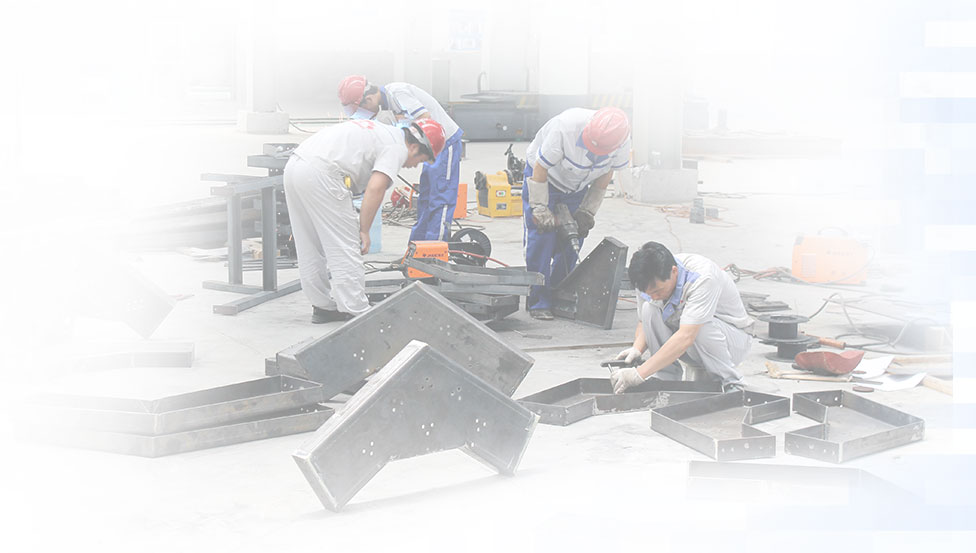
● Consulting
Customer Consultation
We want to have a deep understanding of your industrial process, to know your exact needs of feed, wood, biomass, fertilizer or other pellet processing.

● Design
biomass Pellet Plant Design
Based on your unique situation and industrial process, we will tailor complete pellet plant you need, and inform you of every additional detail that could facilitate operation, minimize total cost.
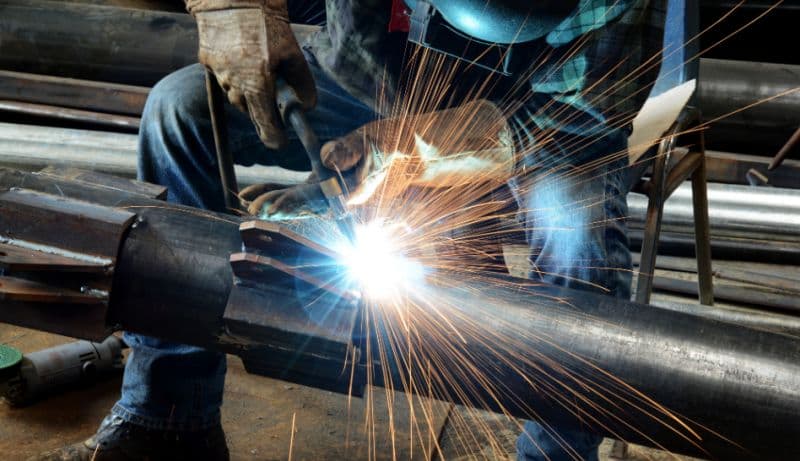
● Manufacturing
Equipment Manufacturing
The critical components of the of the complete pellet production line equipment are built in our own workshops in Asia. Additional equipment is manufactured by our worldwide network of reliable partners.
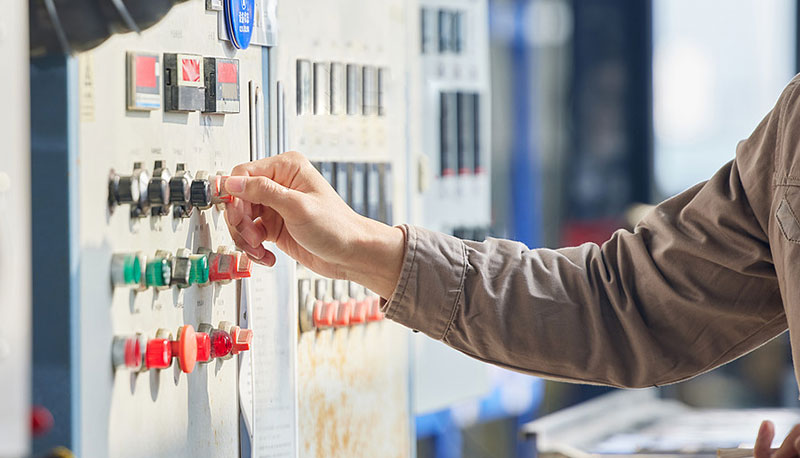
● Testing
Quality Inspection & Testing
Before leaving the factory, all equipment will be inspected by the quality inspection department. We can also provide customers with testing services from a single machine to a complete pellet plant system, and provide you with real actual data for “worry-free use.”

● Delivery
Equipment Delivery
In equipment boxing and packaging, we adopt professional packaging and modular solutions to ensure the safe and non-destructive delivery of pellet plant equipment.
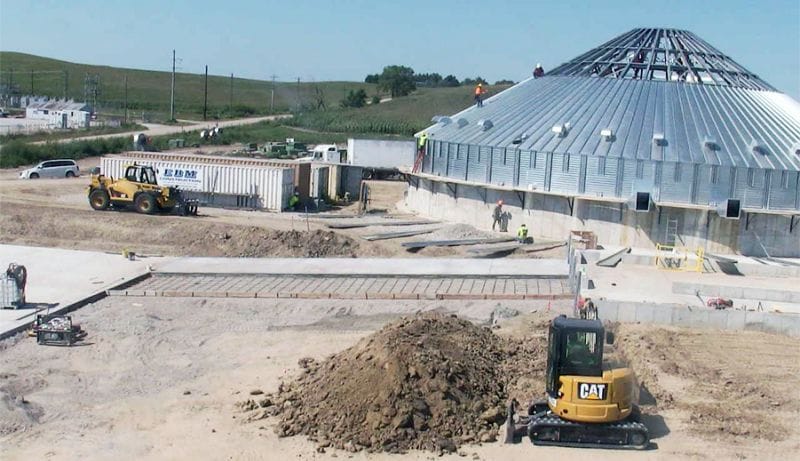
● Installation
Installation & Commissioning
Whether you choose your own subcontractor for the erection phase or you want to install everything together with us, a Richi supervisor will be around to make sure everything is mounted in a safe and thorough way.

● Training
Staff Training
We provide comprehensive training for the technicians of each project. We can also continue to provide support for the technicians during latter project operation.
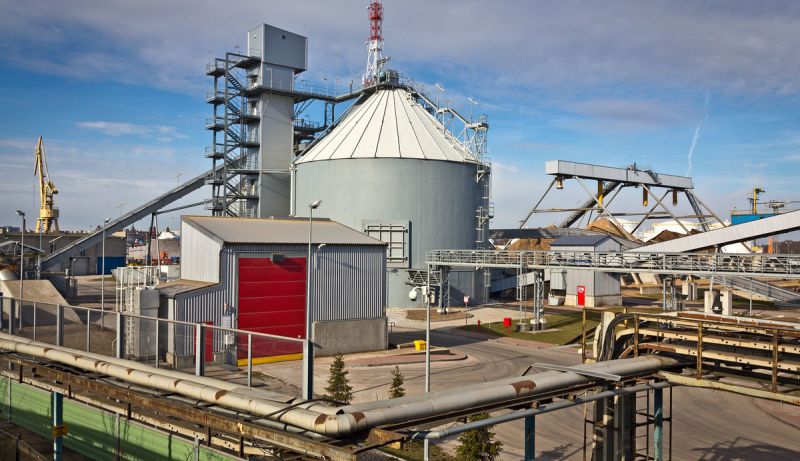
● After-sales
Project Follow-Up
When everything is up and running our Richiers will help you further whenever needed. We are ready to answer your call 24/7.We’ll also visit you regularly to learn about your needs.
Who we are
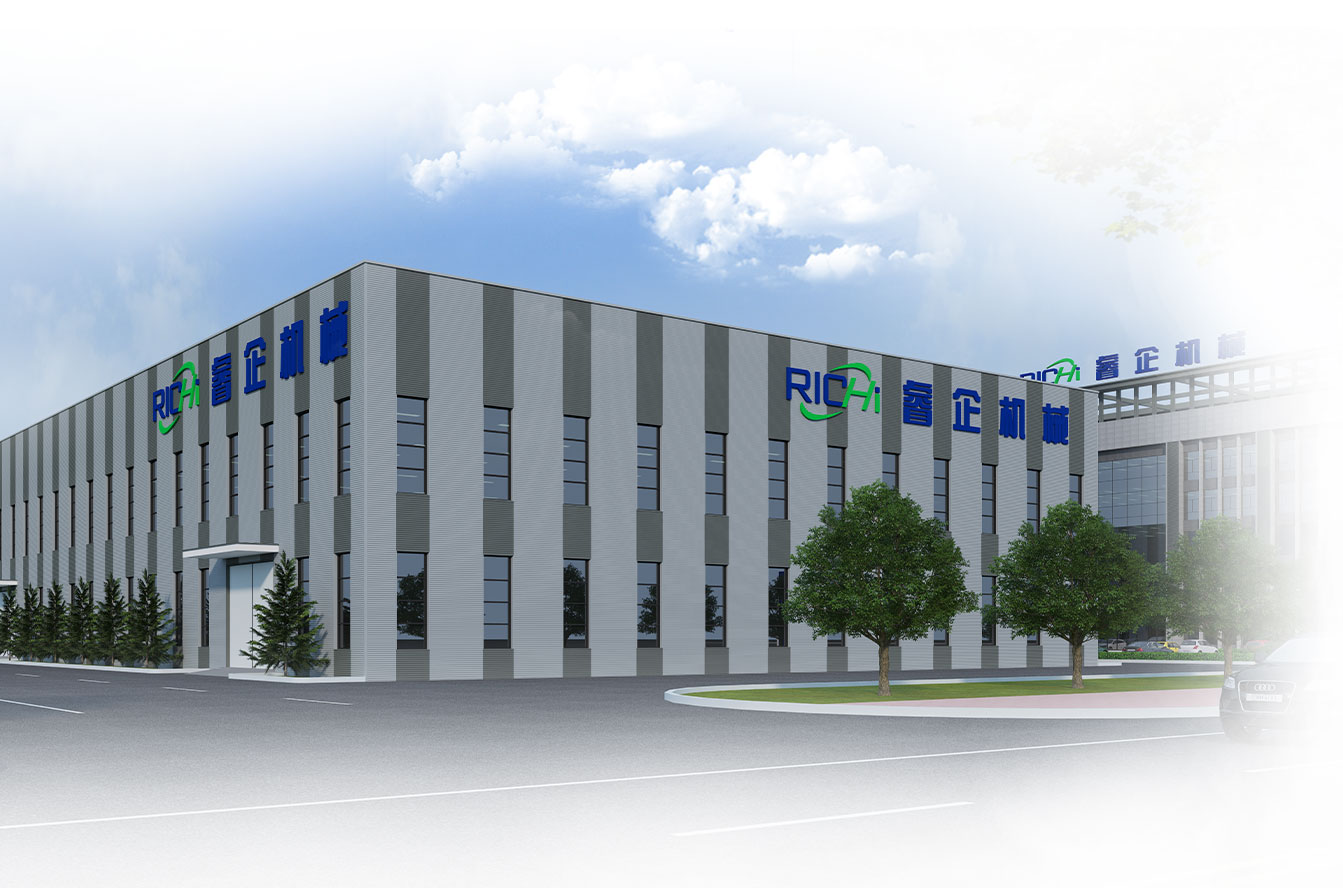
RICHI Machinery is one of the world’s leading suppliers of technology and services for the animal feed, aqua feed and pet food industries, also the largest pellet production line manufacturer in China.
Since 1995, RICHI’s vision to build a first-class enterprise, to foster first-class employees, and to make first-class contributions to society has never wavered.
In the past three decades, we have expanded our business to a wide range of areas, including animal feed mill equipment, aqua feed equipment, pet feed equipment, biomass pellet equipment, fertilizer equipment, cat litter equipment, municipal solid waste pellets equipment, etc.

1995
RICHI Established

2000+
Serving More Than 2000 Customers

120+
RICHI Employees

140+
Exported To 140 Countries