 0086-138 3838 9622
Waste Wood Pelletizing Plant in Chile
RICHI MACHINERY
overview
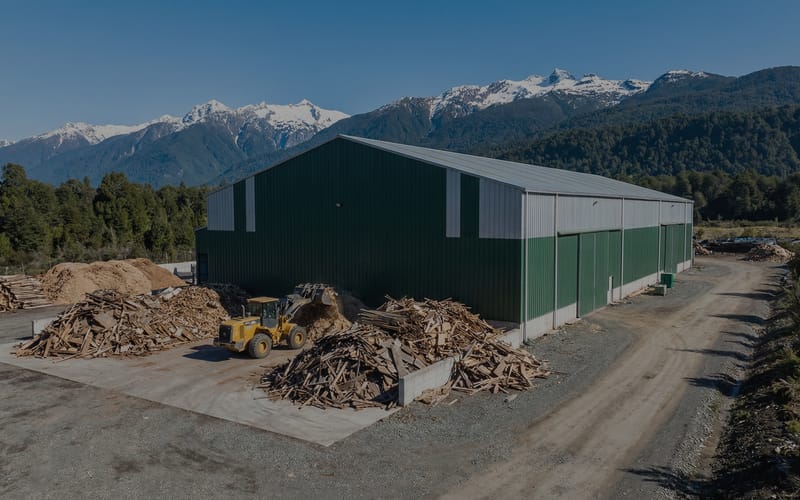
This 2t/h waste wood pelletizing plant in Chile didn’t start as a big industrial ambition. It came from a pretty practical issue: too much waste wood piling up faster than it could be sold or disposed of. The client already had a yard full of discarded pallets, packaging wood, and offcuts from small woodworking shops around Santiago.
What they wanted wasn’t complicated on paper—just a reliable wood pellet production line in Chile that could turn this low-value waste into something tradable. But once we started talking through moisture, impurities, and plant layout, it became clear this wasn’t a “buy a machine and run” kind of job.
The final solution is a compact 2 tons per hour wood waste pellet plant in Chile, designed around stable raw material supply, simple operation, and minimal preprocessing. No drying system, no unnecessary complexity—just what the material actually required.
2T/H
capacity
$85,000
investment
Chile
location
Fuel
project type
RICHI MACHINERY
Project snapshot
This 2t/h waste wood pelletizing plant in Chile is designed for an annual output of 5,000 tons, running under a straightforward schedule:
- 8 hours per day
- 300 working days per year
- Total: 2400 hours/year
The plant employs 10 workers, with no on-site accommodation—typical for small-to-mid-scale biomass operations in Chile.
From a footprint perspective, the facility is compact but efficient:
| Area | Function | Size |
|---|---|---|
| Main workshop | Crushing + pelletizing | 1400 m² |
| Office building | Admin + staff use | 400 m² |
| Raw material storage | Waste wood stockpile | 200 m² |
| Solid waste storage | Dust & residues | 20 m² |
| Gatehouse | Security | 20 m² |
| Total | 2040 m² |
RICHI MACHINERY
A short story behind the project
The client runs a small logistics and recycling operation near Santiago. Over the years, they accumulated a steady supply of:
- broken pallets
- packaging wood
- construction leftovers
At first, they tried selling it as scrap. Didn’t work well—prices were unstable, and transport cost ate most of the margin.
The first email came in March 2024. It was simple:
“Can we make pellets from mixed waste wood without drying?”
That question alone already told us quite a bit.
By May 2024, after several rounds of raw material analysis and layout discussion, the project was signed. The client wasn’t chasing high capacity—they wanted stable output and low risk.
RICHI MACHINERY
Product positioning
The plant produces a single, consistent product:
| No. | Product Name | Annual Output |
|---|---|---|
| 1 | Biomass wood pellets | 5000 t/year |
These pellets are mainly sold for:
- industrial boilers
- small-scale heating systems
- export traders (bulk shipments)
RICHI MACHINERY
Raw materials – not as simple as it sounds
In Chile, waste wood streams are not always clean. That was one of the first things we discussed.
The client’s raw material mix looks like this:
| Material | Annual Consumption (t) | Max Storage (t) | Notes |
|---|---|---|---|
| Waste wood products | 5002 | 100 | Pallets, offcuts, mixed sources |
Moisture content averaged around 10%, which is why we skipped the drying system entirely. That saved both investment and operational cost.
But here’s the catch:
Some batches had nails, paint residues, or small metal fragments. Without proper removal, the pellet mill wouldn’t last long.
RICHI MACHINERY
Equipment configuration
The wood pellet processing equipment list is not long, but every piece plays a role.
| No. | Equipment | Quantity |
|---|---|---|
| 1 | Transport trucks | 3 |
| 2 | Loaders | 3 |
| 3 | Weighbridge | 1 |
| 4 | Forklifts | 2 |
| 5 | Crusher | 1 |
| 6 | Wood pellet mill | 1 |
| 7 | Magnetic separator | 1 |
A lot of customers expect more wood pellet making equipment. In this case, fewer machines actually meant better reliability.
RICHI MACHINERY
How the process actually runs
The 2t/h waste wood pelletizing plant in Chile follows a straightforward process, but small details matter.
Step-by-step flow:
- Manual sorting
Workers remove oversized or unsuitable materials.
(Honestly, this step is often underestimated. It saves a lot of trouble later.) - Magnetic separation
A magnetic separator pulls out nails and metal fragments.
Without this, the pellet die life drops fast. - Crushing
- No drying required
- Direct size reduction
- Generates dust (handled later)
- Pelletizing (core step)
- Roller extrusion
- No external heating
- Raw material: ~5002 tons/year
- Loading & delivery
Finished pellets are loaded directly using loaders.
RICHI MACHINERY
Environmental control
The client was quite concerned about dust. Local inspections can be strict, especially near industrial zones.
So we designed:
- Dust collection system
- Crushing dust → bag filter → 15m stack
- Pelletizing dust → bag filter → separate stack
- Wastewater
- Only domestic wastewater
- Septic tank + municipal system
- Solid waste
- Dust collected and reused
- Domestic waste handled by local services
- Noise control
- Equipment isolation
- Foundation damping
Nothing overly complicated—but it works, and it passes inspections.
RICHI MACHINERY
Utilities and consumption
This wood pellet plant construction project is light on utilities, which is one reason the client moved forward quickly.
Power
- Supplied by local grid
Water
| Item | Consumption |
|---|---|
| Domestic water | 300 t/year |
| Wastewater | 270 m³/year |
No process water needed, which simplifies operation.
RICHI MACHINERY
Layout thinking
The layout seems simple now, but we revised it three times.
Main considerations:
- Keep raw material area close to crusher
- Separate pelletizing zone for dust control
- Leave enough turning radius for loaders
The final layout is rectangular, compact, and easy to operate.
RICHI MACHINERY
Timeline
| Stage | Time |
|---|---|
| Initial inquiry | March 2024 |
| Technical discussion | March–April 2024 |
| Contract signing | May 2024 |
| Equipment manufacturing | June–August 2024 |
| Shipment (Qingdao → Port of San Antonio) | September 2024 |
| Installation | October 2024 |
| Trial production | November 2024 |
RICHI MACHINERY
Investment overview
The client didn’t want a heavy upfront investment.
- Equipment cost: ~$85,000
- Total project investment: ~$160,000
For a 2t/h biomass pellet plant in Chile, this sits at the lower-middle range, which made the decision easier.
RICHI MACHINERY
A few practical questions the client asked
Can we skip drying?”
Yes, if moisture stays around 10%. Otherwise, no.
“What about mixed wood types?”
Fine, as long as contaminants are controlled.
“Is one pellet machine enough?”
For 2t/h and stable operation—yes.
RICHI MACHINERY
Market outlook in Chile
Chile has been pushing biomass energy, especially in regions with high heating demand.
A few practical observations:
- Firewood is still widely used, but regulations are tightening
- Pellets are becoming a cleaner alternative
- Small pellet plants fill local supply gaps
So a waste wood pellet production line in Chile like this one fits well:
- raw material is cheap
- demand is growing
- logistics is manageable
This biomass pellet project didn’t rely on complex technology. It worked because the process matched the material, and the scale matched the market.
That’s usually where things either succeed or fail.
If you’re looking at a 2t/h waste wood pelletizing plant, the first thing we’ll probably ask you is not about capacity—but about your raw material. That’s where everything starts.
● RICHI MACHINERY
RICHI Service

● Consulting
Customer Consultation
We want to have a deep understanding of your industrial process, to know your exact needs of feed, wood, biomass, fertilizer or other pellet processing.

● Design
biomass Pellet Plant Design
Based on your unique situation and industrial process, we will tailor complete pellet plant you need, and inform you of every additional detail that could facilitate operation, minimize total cost.
● Manufacturing
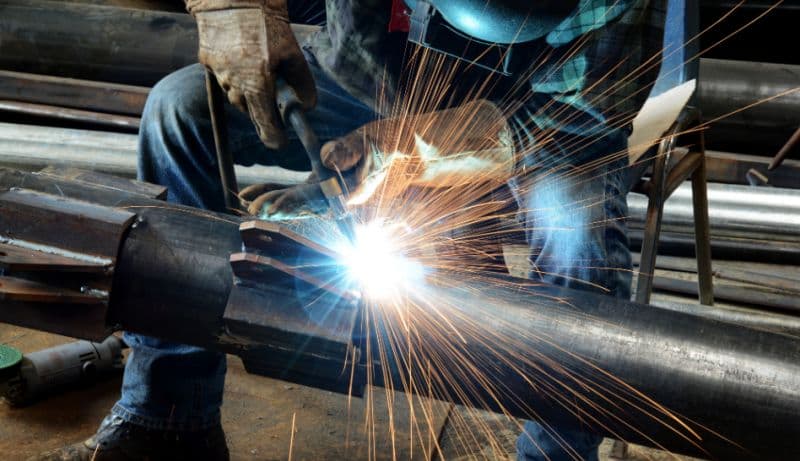
Equipment Manufacturing
The critical components of the of the complete pellet production line equipment are built in our own workshops in Asia. Additional equipment is manufactured by our worldwide network of reliable partners.
● Testing
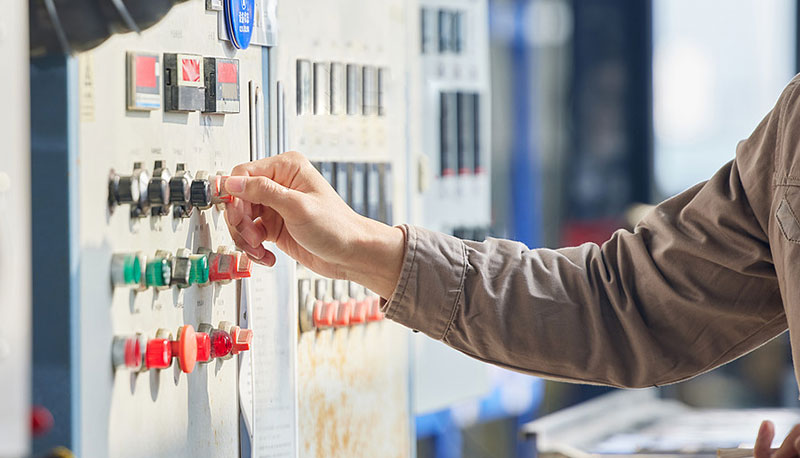
Quality Inspection & Testing
Before leaving the factory, all equipment will be inspected by the quality inspection department. We can also provide customers with testing services from a single machine to a complete pellet plant system, and provide you with real actual data for “worry-free use.”

● Delivery
Equipment Delivery
In equipment boxing and packaging, we adopt professional packaging and modular solutions to ensure the safe and non-destructive delivery of pellet plant equipment.
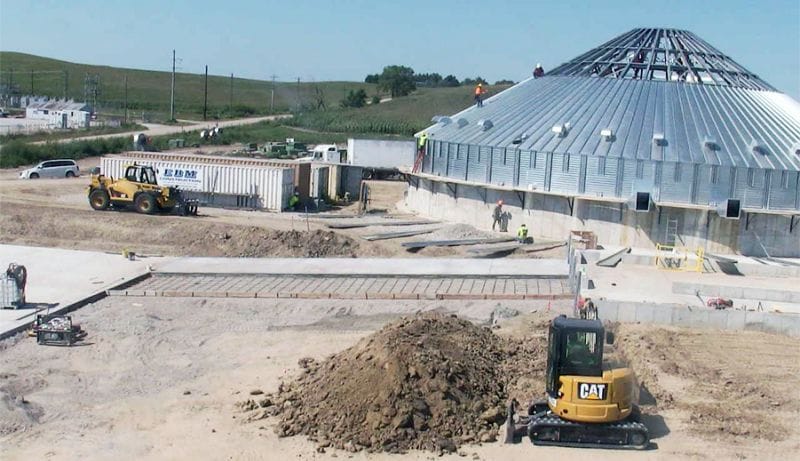
● Installation
Installation & Commissioning
Whether you choose your own subcontractor for the erection phase or you want to install everything together with us, a Richi supervisor will be around to make sure everything is mounted in a safe and thorough way.

● Training
Staff Training
We provide comprehensive training for the technicians of each project. We can also continue to provide support for the technicians during latter project operation.
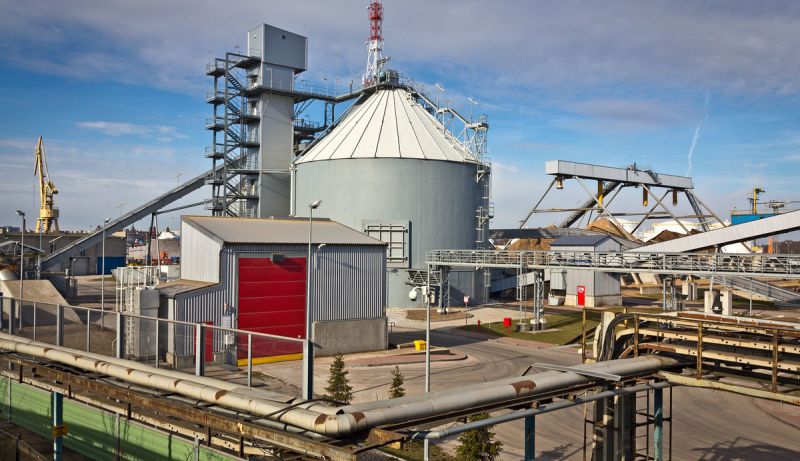
● After-sales
Project Follow-Up
When everything is up and running our Richiers will help you further whenever needed. We are ready to answer your call 24/7.We’ll also visit you regularly to learn about your needs.
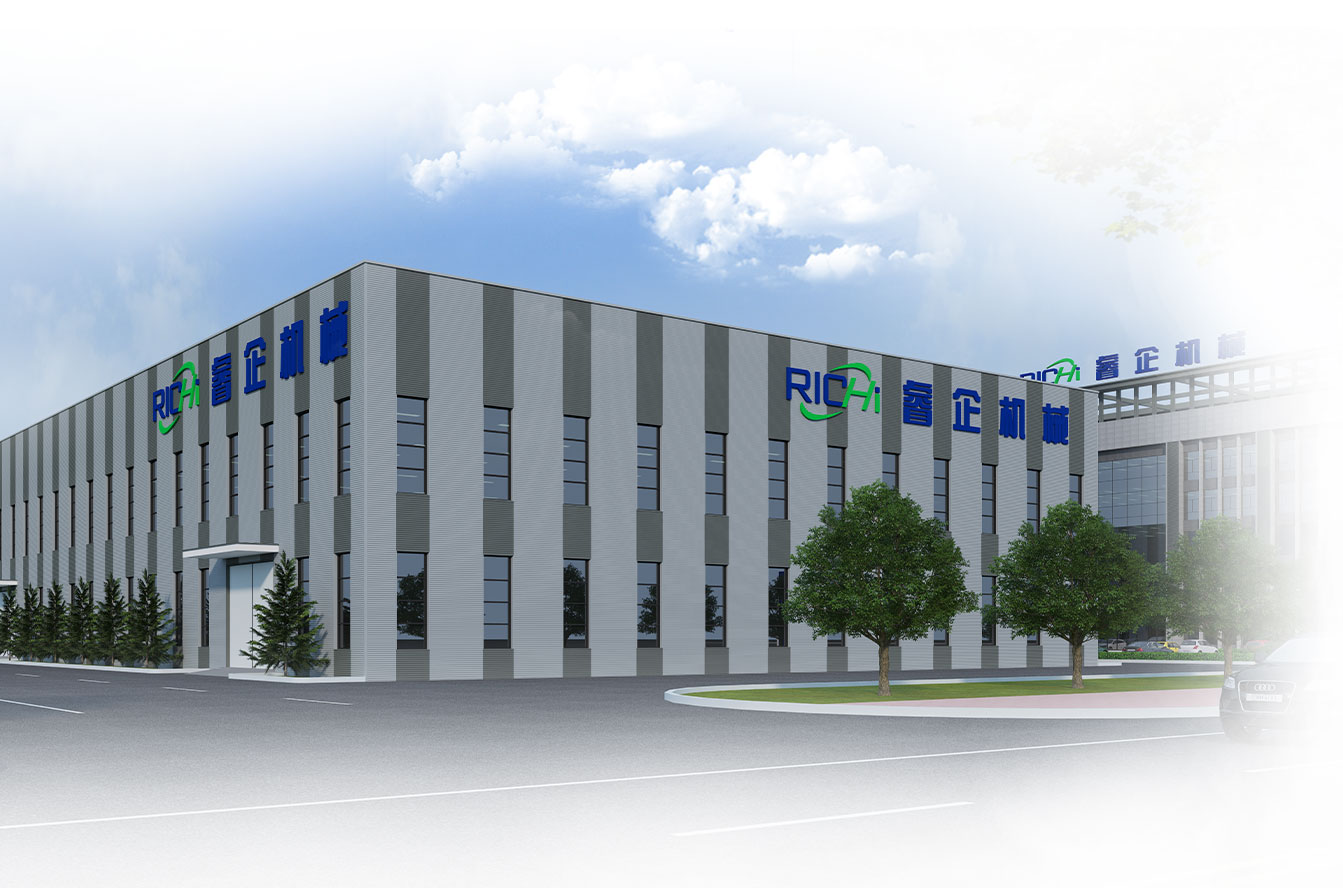
Who we are
RICHI Machinery is one of the world’s leading suppliers of technology and services for the animal feed, aqua feed and pet food industries, also the largest pellet production line manufacturer in China.
Since 1995, RICHI’s vision to build a first-class enterprise, to foster first-class employees, and to make first-class contributions to society has never wavered.
In the past three decades, we have expanded our business to a wide range of areas, including animal feed mill equipment, aqua feed equipment, pet feed equipment, biomass pellet equipment, fertilizer equipment, cat litter equipment, municipal solid waste pellets equipment, etc.

1995
RICHI Established

2000+
Serving More Than 2000 Customers

120+
RICHI Employees

140+
Exported To 140 Countries