 0086-138 3838 9622
2.5 T/H Turnkey Biomass Pellet Line in Mexico
A timber company in Mexico added a fuel-pellet business to its existing wood-processing operation. Its own wood residues provide one feedstock, while purchased straw supplies the other. The turnkey biomass pellet line in Mexico targets 5,000 tonnes of annual sales. RICHI’s engineering selection uses one ring-die press at 2.5 T/H net output, with drying sized for the water entering in the combined material stream.
RICHI MACHINERY
A timber business adds a fuel product
A timber mill pellet line retrofit in Mexico starts with the residues already leaving the sawmill, not a catalogue capacity. Larger offcuts need chipping; suitable purchased or internally generated chips can pass directly to preparation for drying. Fine sawdust can bypass coarse size reduction. Bundled straw requires its own opening and fibre-reduction step before the streams join the common drying and fine-grinding route.
The wood and straw fuel pellet system in Mexico uses an equal received-mass split for its reference design. Wood residues at 35% moisture and straw at 15% give a weighted 25% incoming moisture, wet basis. After incoming rejects, the accepted annual feed contains 1,950 tonnes of dry wood and 2,550 tonnes of dry straw. The resulting fuel is a mixed agricultural-and-wood pellet; equal wet receipts do not mean equal dry-material shares.
The supply specification accepts clean, untreated wood and straw with controlled soil, metal and plastic contamination. Buyer trials establish the final ash, chlorine, heating-value and durability requirements. RICHI also supplies dedicated bedding and wood-litter lines for suitable clean residues. Those applications use their own material selection and finishing; the plant described here is designed to make industrial fuel pellets.
The timber company allocated a project budget to adding the pellet unit within its existing factory. Reusing the premises allows the procurement scope to focus on preparation, drying, a single press and finishing. RICHI’s supply offer identifies the machinery, controls, installation support and wear parts, while the client coordinates electrical connection work, site adaptations, freight, import costs and operating stock against the agreed project boundary.
The biomass pellet line operates with six employees on an 8-hour daily schedule over 300 days, giving 2,400 available hours a year. At 2.5 T/H of cooled, screened output, the sales target requires 2,000 productive hours. The remaining 400 hours provide time for start-up, cleaning, maintenance and material interruptions. The equipment-building layout uses a 480 m² footprint; bulk stock and truck access are planned separately within the host factory site.
2.5 T/H
Net saleable output
170,000 USD
Client’s project budget
Mexico
Project location
Mixed Fuel
Wood and straw pellets
RICHI MACHINERY
The 480 m² unit and its host-site interfaces
RICHI’s compact biomass pellet installation in Mexico assigns 420 m² to processing and service access, plus a 60 m² office footprint within the 480 m² equipment-building envelope. The office has two levels, giving 120 m² of office floor area and 540 m² of total gross floor area across the unit. The equipment layout reserves separate space for incoming-stock staging and finished-bag handling at the host factory rather than treating this small building as a bulk warehouse.
The biomass pellet production line follows material movement from coarse preparation to drying, fine grinding, pelleting, cooling and packing. A 7–9 m clear-height design allowance over the pellet-transfer section supports gravity movement and maintenance access. RICHI checks the actual roof, columns, doors and floor loading before releasing elevations. The following engineering area split sets the machinery positions and service-access allocation for the reuse-site unit.
| Building or service item | Engineering allocation | Use and boundary |
|---|---|---|
| Equipment-building footprint | 480 m² | 420 m² process/service floor plus 60 m² office footprint |
| Primary preparation | 90 m² within the process floor | Wood chipping and separate straw fibre reduction |
| Drying section | 100 m² within the process floor | Rotary dryer, heater and service clearances |
| Fine grinding, press and cooling | 130 m² within the process floor | Controlled feed, one press and pellet finishing |
| Packing section | 60 m² within the process floor | Weighing, closing and immediate handling |
| Process service and access | 40 m² within the process floor | Access and short-duration transfer staging; no bulk-stock claim |
| Office | 60 m² footprint; two levels | 120 m² office floor area; 540 m² total unit gross floor area |
| Bulk stock and truck access | Separately planned at the host factory | Raw-stock protection, finished bags and vehicle movement outside this footprint |
| Dust and dryer exhaust | Source capture and suitable exhaust treatment | Provide collection, inspection access, temperature protection and isolation interfaces |
| Domestic water | 108 m³/year design allowance | Six people × 60 litres/day × 300 days; firewater separate |
| Sanitary wastewater | Approximately 86 m³/year | 80% return factor; suitable sanitary collection/treatment arrangement |
| Noise and waste handling | Machine isolation and segregated collection | Separate biomass rejects, packaging and maintenance waste |
RICHI MACHINERY
Wet receipts determine dry fuel output
The procurement calculation preserves the equal wood-and-straw receipt split while allowing for moisture removal and a 1% incoming-reject fraction. About 6,061 tonnes of wet receipts support 5,000 tonnes of pellets at 10% finished moisture. The table separates fresh purchases, rejected material, evaporated water and internal screen return. These design quantities size the equipment and supply plan; actual drying duty follows measured receiving moisture.
| Material or utility stream | Annual engineering basis | Condition and accounting |
|---|---|---|
| Wood residues received | 3,030.30 tonnes | Own-factory chips, offcuts or sawdust; 35% moisture in the reference design |
| Straw received | 3,030.30 tonnes | Purchased bundled material; 15% reference moisture; bindings removed |
| Combined receipts | 6,060.61 tonnes | Equal received-mass shares; weighted moisture 25%; component rows rounded |
| Incoming rejects | 60.61 tonnes | 1% design allowance at the respective incoming moisture |
| Accepted wet feed | 6,000.00 tonnes | 4,500 tonnes dry matter plus 1,500 tonnes water |
| Water removed by the dryer | 886.36 tonnes | Reference reduction from 25% to 12% moisture, wet basis |
| Fresh material after drying | 5,113.64 tonnes | 4,500 tonnes dry matter; 12% moisture |
| Internal screened-fines return | 100.00 tonnes | 2% of saleable output at 10% moisture; internally recirculated |
| Annual press feed | 5,213.64 tonnes | Fresh prepared material plus returned fines |
| Water removed during pelleting/cooling | 113.64 tonnes | Reference fresh-feed reduction from 12% to 10% finished moisture |
| Saleable fuel pellets | 5,000.00 tonnes | 4,500 tonnes dry matter plus 500 tonnes water |
| External balance total | 6,060.61 tonnes | Saleable pellets + incoming rejects + dryer and cooler evaporation |
| Packing | 200,000 saleable bags of 25 kg | Packing-waste contingency specified separately |
| Electric heating | Approximately 1.04 million kWh | 4 MJ/kg of useful drying heat; 95% heater-to-drying delivery assumed |
| Total electricity | Approximately 1.60–1.72 million kWh | Reference wet duty; machinery and electric heat included |
| Process water | No scheduled addition | Electric drying; domestic supply and firewater treated separately |
RICHI MACHINERY
One press with a matched drying section
One MZLH678 with a 200 kW main motor is the selected press for the turnkey biomass pellet line in Mexico. Its published 2.5–3 T/H biomass range accommodates the reference press feed, which stays below 3 T/H after adding the fines-return load. The hammer mill, cooler and screen use 4 T/H design duties. One press is sufficient for this annual programme, with its upstream moisture preparation and downstream handling sized as part of the same system.
| Selected equipment | Quantity and power | Engineering duty |
|---|---|---|
| wood chipper machine | 1 × 37 kW | 4 T/H preparation duty for suitable wood pieces; chips can bypass |
| Straw fibre cutter | 1 × 22 kW | 3 T/H preparation duty; shorten opened straw before drying |
| Rotary dryer with electric heat | 1 wood chip Dryer; 600 kW heater | 4 T/H wet-feed duty; 500 kg/hour evaporation design duty |
| Dryer fan and drum drive | 22 kW + 5.5 kW | Air movement and drum rotation; included in mechanical load |
| Fine hammer mill | 1 × 75 kW | 4 T/H common duty; nominal 3–5 mm prepared feed |
| Ring-die press | 1 MZLH678 biomass Granulator; 200 kW | Published biomass range 2.5–3 T/H; 2.5 T/H net sales duty |
| Controlled press feeding | 1 set; 5.5 kW | Regulate supply and prevent bridging |
| Counterflow cooler | 1 × 7.5 kW | 4 T/H finishing duty; within 5°C of ambient before packing |
| Pellet screener | 1 × 3 kW | 4 T/H duty; controlled return loop |
| Conveyors and elevators | 15 kW total | Enclosed transfers; material-specific inlet arrangements |
| Source dust extraction | 15 kW total | Grinding, feeding, cooling and screening collection |
| Bagging and closing | 1 station; 3 kW | 25 kg bags; 150 bags/hour selected |
| Air compressor and controls | 5.5 kW + 3 kW | Pneumatic services and line controls |
| Receiving protection | Magnetic and suitable stone separation | Inspect incoming loads and protect size-reduction equipment |
| Connected electrical load | 419 kW mechanical + 600 kW heating | 1,019 kW total; transformer allowance assessed with the host factory |
RICHI MACHINERY
Prepare by material form then control the moisture
The process joins the two raw-material branches before controlled drying, then uses fine grinding to make a consistent die feed. For the reference wet blend, RICHI sizes one rotary dryer with a 600 kW electric heater. This is the selected engineering heat-source arrangement for the calculation; its electrical supply is included in the utility allowance. Material already meeting the qualified dry-feed conditions can bypass thermal drying.
Clean larger wood pieces pass through the chipper to nominal 10–30 mm chips. Suitable chips and fine sawdust bypass unnecessary coarse reduction. Straw is opened, cleared of bindings and shortened to roughly 20–30 mm by the fibre cutter. After contaminant separation, the combined material passes through drying and then the hammer mill, which prepares nominal 3–5 mm feed. Enclosed transfers and source extraction control dust at the changeover points.
The selected biomass pellet mill compresses the prepared blend through an 8 mm die. Controlled feeding keeps the press load steady; the counterflow cooler brings pellets within 5°C of ambient before screening. Recoverable fines return through a metered loop. The 25 kg packing station then weighs, closes and identifies each released lot. The net line target is 100 saleable bags an hour, with a 150-bag/hour station selected to allow handling time.
RICHI MACHINERY
Plan the retrofit before machinery arrives
Adding a biomass pellet plant to an operating timber business requires coordinated interfaces: feedstock delivery, electrical capacity, shared access and product dispatch. RICHI develops the following installation plan around those interfaces, so machinery procurement and local preparation progress together.

Survey the host factory and its service capacity
Begin with a measured survey of the existing factory. Record the distance from wood-residue discharge to the pellet unit, the condition of the slab, clear roof height, vehicle turns and the route for dryer exhaust equipment. Keep fresh timber production, raw-biomass handling and filled fuel bags from competing for the same working space. The host factory’s available infrastructure is a design input, not an assumed unlimited service.
An electric biomass drying line in Mexico needs its power connection checked before the heater and motors are ordered. The selected package has about 1,019 kW connected load, including 600 kW of installed heat. RICHI’s preliminary allocation for the pellet unit is 1,600 kVA, corresponding to 1,360 kW at a power factor of 0.85; host-factory loads need their own allowance. Starting method, cable routes, demand control and heater modulation are coordinated with the host factory’s other loads.
Agree the machinery and local-work boundaries
Define who supplies each interface before placing the machinery order. The equipment package covers the listed machines and controls; local works cover the agreed foundations, electrical connection, service platforms, sanitary arrangements and access. The client coordinates site-specific operating and installation requirements with its local advisers. RICHI provides equipment loads, layout information and process descriptions to support that work.
Provide storage beyond the process building
The 480 m² unit is a processing building, with storage buffers planned outside it. At the reference procurement rate, receiving averages about 20 tonnes per production day. A three-day raw-material buffer is approximately 61 tonnes; its volume depends strongly on whether the straw is baled or loose. Set the covered-stock layout from measured bulk density and the supplier delivery pattern before committing the floor area.
Finished output averages about 17 tonnes per production day over the annual calendar. A three-day dispatch buffer is about 50 tonnes. At a planning bulk density of 600 kg/m³, a 2 m effective stack and 60% usable floor area, that quantity requires roughly 70 m². Actual bags, pallets, aisle widths and stacking limits control the final arrangement. This stock area is additional to the equipment-building allocation.
Order against a defined process duty
Procure the biomass pellet making plant against a defined biomass pellet manufacturing process: receiving conditions, wet-feed duty, dryer evaporation, finished-moisture reference and net packing output. RICHI’s proposal identifies machine motor versions, controls, service access and the commissioning test boundary. A machine list alone does not establish the electrical connection or the customer’s raw-material storage requirement.
For equipment imported from China, Qingdao to Altamira is one logistics planning option, selected against the final inland destination and unloading access. RICHI prepares packing dimensions and installation sequence for the shipment plan. The client arranges the agreed site lifting and receiving facilities. Foundations, utility interfaces and dry storage should be ready before equipment arrives, so installation space is not occupied by unpacked cargo.
Train the six-person shift team
The six-person shift team needs practical training on receiving checks, safe material feeding, press control, bagging and handling. Cross-training gives cover for loading and routine inspections without leaving the press unattended. Operators keep separate records of incoming moisture, dryer setting, press current and fines return. Maintenance handover includes die and roller adjustment, hammer-mill screen changes, lubrication and dust-filter inspection.
Test the complete line at the agreed conditions
Acceptance runs use the agreed reference blend and record net output after cooling and screening. Check 8 mm diameter, 10–32 mm length, the 10% finished-moisture reference and actual bag weight, then submit representative fuel samples for the buyer’s specification. Track cooler discharge temperature and screen return during a stable run. A different wood moisture or straw share requires its own operating adjustment rather than an unchanged output promise.
RICHI MACHINERY
Building details that affect a compact installation
Within an operating timber factory, the biomass pelletizing plant has to fit the existing material flow and service access. RICHI’s building checks focus on equipment reactions, heat and dust routes, maintenance lifting and separation from the timber business. These checks determine whether the selected machines can be installed and serviced in the proposed envelope.
Foundations, loading and service access
- Foundation reactions: provide the structural engineer with static loads, operating reactions and anchor details for the chipper, grinder, drum dryer and press. Inspect the existing slab before deciding which machines can use it and which require separate foundations.
- Site-specific structural design: assess the actual ground, local wind and seismic conditions, roof condition and support spacing. Foundation thickness and roof strength are selected from that assessment rather than a broad geographical assumption about Mexico.
- Maintenance and lifting: keep a removal route for the press die, grinder rotor components and dryer service parts. Locate platforms, access doors and lifting points before equipment positions are fixed; avoid using a roof member as an assumed lifting beam.
- Traffic and storage: keep forklift movement away from office access and hot-equipment service areas. Place the separately planned raw and finished buffers where they do not obstruct dryer inspection, dust equipment or emergency access.
Coordinate the roof, enclosure and ventilation
A steel frame can provide a useful clear working span, provided its structure and enclosure are designed around the machinery. RICHI coordinates the following building interfaces with the local structural and services team; the choice of steel does not by itself determine the available floor load, ventilation or fire performance.
- Clear height and support points: the pellet section uses a 7–9 m clearance design allowance. Coordinate elevator heads, press feeding, cooler discharge and bagging with the actual columns and roof bracing.
- Enclosure and weather protection: provide suitable roof and wall protection for dry feed and finished bags. Route dryer exhaust and dust ducts through designed openings with service access, rather than cutting around structural members during installation.
- Lighting and ventilation: combine daylight and task lighting where they support safe inspection. Keep moisture-bearing dryer exhaust out of the packing space; balance source extraction with suitable make-up air for the building.
- Fire and hot-surface interfaces: specify protection for load-bearing steel, heat clearances, electrical isolation and combustible-dust equipment with the site design team. The plant fire strategy covers the frame, enclosure, hot equipment and combustible dust together.
Considering a turnkey biomass pellet line in Mexico alongside your timber operation? Send the available wood-residue quantity, straw supply plan, seasonal moisture readings, electrical connection data and building drawing. RICHI can check whether one press meets your sales programme, calculate the dryer water load, and prepare a machinery offer with the installation, storage and service boundaries clearly defined.
● RICHI MACHINERY
RICHI Service

● Consulting
Customer Consultation
We want to have a deep understanding of your industrial process, to know your exact needs of feed, wood, biomass, fertilizer or other pellet processing.

● Design
biomass Pellet line Design
Based on your unique situation and industrial process, we will tailor complete pellet plant you need, and inform you of every additional detail that could facilitate operation, minimize total cost.
● Manufacturing
Equipment Manufacturing
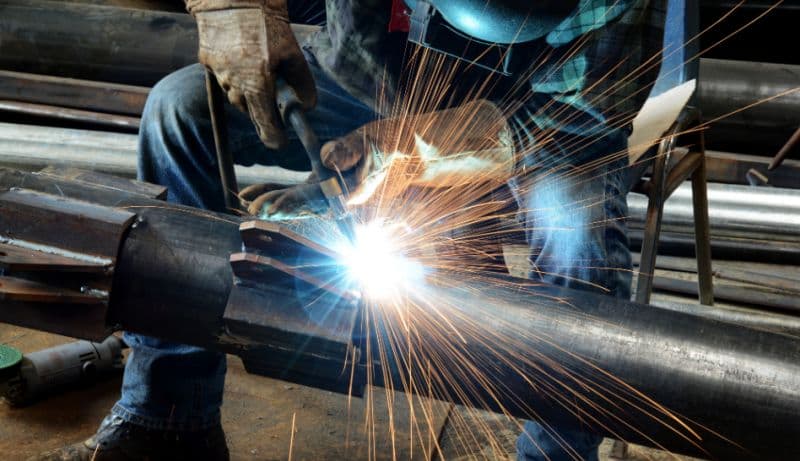
The critical components of the of the complete pellet production line equipment are built in our own workshops in Asia. Additional equipment is manufactured by our worldwide network of reliable partners.
● Testing
Quality Inspection & Testing
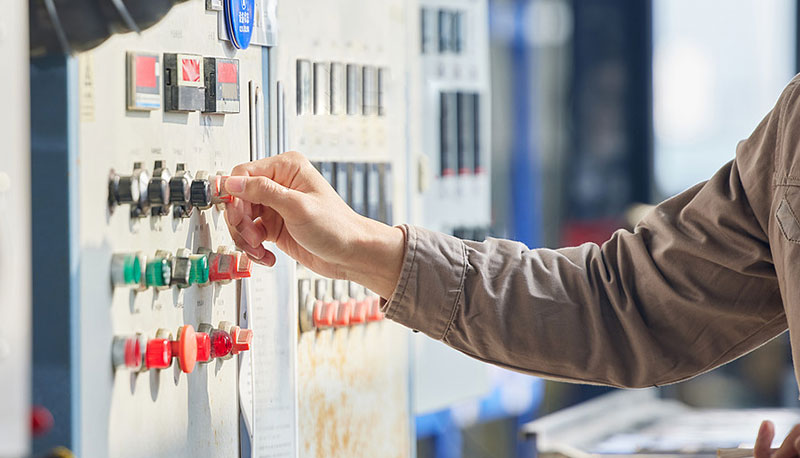
Before leaving the factory, all equipment will be inspected by the quality inspection department. We can also provide customers with testing services from a single machine to a complete pellet plant system, and provide you with real actual data for “worry-free use.”

● Delivery
Equipment Delivery
In equipment boxing and packaging, we adopt professional packaging and modular solutions to ensure the safe and non-destructive delivery of pellet plant equipment.
● Installation
Installation & Commissioning
Whether you choose your own subcontractor for the erection phase or you want to install everything together with us, a Richi supervisor will be around to make sure everything is mounted in a safe and thorough way.

● Training
Staff Training
We provide comprehensive training for the technicians of each turnkey biomass pellet line in Mexico project. We can also continue to provide support for the technicians during latter project operation.
● After-sales
Project Follow-Up
When everything is up and running our Richiers will help you further whenever needed. We are ready to answer your call 24/7.We’ll also visit you regularly to learn about your needs.
Who we are
RICHI Machinery is one of the world’s leading suppliers of technology and services for the animal feed, aqua feed and pet food industries, also the largest pellet production line manufacturer in China.
Since 1995, RICHI’s vision to build a first-class enterprise, to foster first-class employees, and to make first-class contributions to society has never wavered.
In the past three decades, we have expanded our business to a wide range of areas, including animal feed mill equipment, aqua feed equipment, pet feed equipment, biomass pellet equipment, fertilizer equipment, cat litter equipment, municipal solid waste pellets equipment, etc.

1995
RICHI Established

2000+
Serving More Than 2000 Customers

120+
RICHI Employees

140+
Exported To 140 Countries