 0086-138 3838 9622
Straw Wood Pellet Production Line in France
RICHI MACHINERY
Project Overview
France has been actively promoting renewable energy solutions and sustainable biomass utilization in recent years. The increasing demand for eco-friendly fuel alternatives, coupled with abundant agricultural residues and wood processing by-products, has created a favorable environment for biomass pellet projects. In this context, a straw wood pellet production line in France was initiated to convert local agricultural straw and wood waste into high-quality biomass pellets for heating and industrial applications.
The biomass pellet project, implemented by a private agricultural technology enterprise established in 2017, focuses on producing 15,000 tons of biomass pellets annually. The production line is designed for a two-shift operation system, running 4,800 hours per year, and is equipped with modern processing equipment ensuring efficient material handling, dust control, and product quality.
This project not only addresses the need for sustainable energy but also provides a solution for managing agricultural residues and wood waste, reducing environmental pollution, and promoting circular economy practices.
2T/H
capacity
USD 270,000
investment
France
location
Biofuel
project type
RICHI MACHINERY
Project Background
The client behind this straw wood pellet production line in France project is a mid-sized agricultural technology enterprise in northern France, specializing in renewable energy solutions and biomass product development. The company’s goal is to leverage local raw materials—mainly wheat straw, barley straw, and wood residues from local sawmills and furniture manufacturers—to produce biomass pellets suitable for residential heating, small-scale industrial boilers, and local energy cooperatives.
The decision to start this project was driven by several factors:
- Local Material Availability: Northern France produces substantial quantities of cereal straw and wood residues, which are otherwise underutilized.
- Growing Biomass Market: The French government provides incentives for renewable energy projects, including biomass fuel production, making small-scale production economically attractive.
- Sustainability Goals: The company aims to contribute to reducing fossil fuel dependence and greenhouse gas emissions while creating additional revenue streams from otherwise waste materials.
The designed biomass pellet production line has a capacity of 2 tons per hour and an annual output of 15,000 tons of straw wood pellets, aligning with the market demand in the region. The pellets will primarily be used as biofuel for heating and energy generation, offering an eco-friendly and cost-effective energy alternative.
RICHI MACHINERY
Raw Materials
In France, straw and wood residues are readily available as by-products of agriculture and forestry. Proper pre-processing and storage are essential to ensure a steady supply throughout the year and to maintain pellet quality. Moisture content management is crucial, as excessive moisture can hinder pellet formation and reduce combustion efficiency.
The primary raw materials for this straw wood pellet production line in France include:
| Raw Material Type | Annual Supply (t/a) | Average Moisture Content | Notes |
|---|---|---|---|
| Wheat Straw | 8,000 | 12–18% | Collected from cereal fields in northern France |
| Barley Straw | 4,500 | 14–20% | Obtained from local farms |
| Wood Residues | 2,500 | 8–12% | From sawmills and furniture manufacturing waste |
Storage Considerations:
Straw and wood residues are stored in covered, ventilated areas to prevent moisture absorption and decay. The facility includes a 500 m² raw material storage yard with easy access for material feeding into the processing line.
RICHI MACHINERY
Main Equipment and Facilities
The straw wood pellet production line in France consists of modern, high-efficiency equipment designed to handle varying raw material types, minimize energy consumption, and ensure environmental compliance. The main equipment includes:
| No. | Equipment Name | Model/Specification | Quantity | Notes |
|---|---|---|---|---|
| 1 | Large Multifunctional Crusher | / | 1 | Reduces raw materials to 3–8mm for pelletizing |
| 2 | Biomass Pellet Machine | MZLH | 1 | Produces pellets with 6–10mm diameter |
| 3 | Low Voltage Starter Cabinet | / | 1 | Matched with pellet machines |
| 4 | Steam Cooling Dust Removal Tower | / | 1 | Cools and hardens pellets, removes dust |
| 5 | Closed Wind Cooling Hardening Dust Tower | / | 1 | Reduces dust emissions during material transport |
| 6 | Slicing Machine | / | 1 | Prepares large straw and wood pieces for crushing |
Water and Energy Consumption:
| Name | Annual Consumption | Name | Annual Consumption |
|---|---|---|---|
| Water | 180 t/a | Diesel | / |
| Electricity | 1.4 million kWh | Natural Gas | / |
| Coal | / | Other | / |
Wastewater Treatment:
The straw wood pellet production line in France project follows a rainwater-sewage separation system. Daily domestic wastewater, approximately 144 t/a, is treated through a small-scale biological treatment facility and reused for fertilization on company-owned fields. No industrial wastewater is generated.
Environmental Safety Measures:
- No radioactive materials or equipment with electromagnetic radiation are used.
- Dust collection is implemented via equipment-integrated dust collectors and bag filters.
- Noise mitigation is achieved through soundproofing and vibration reduction measures in the facility.
RICHI MACHINERY
Production Process Overview
The production process of the straw wood pellet production line in France involves several carefully designed stages to maximize efficiency and product quality while minimizing environmental impact:
Slicing
Large straw bundles and wood pieces are first processed in a slicing machine to reduce size for subsequent crushing. This stage generates moderate noise, which is controlled by sound-dampening enclosures.
Crushing
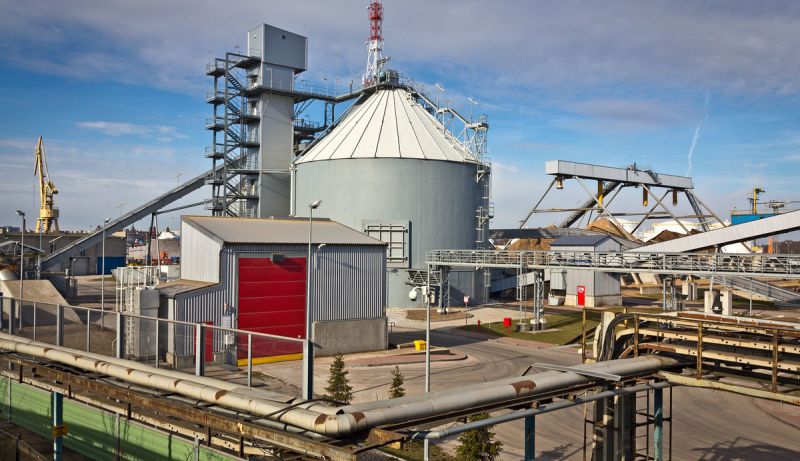
Sliced materials are fed into a large multifunctional crusher, reducing particle size to 3–8 mm. The crusher operates with a sealed feeding system to minimize dust emissions. Crushed material is transferred via an enclosed conveyor to the closed wind cooling hardening dust tower, where dust is separated by centrifugal force.
Pelletizing
Crushed material is transported to the straw pellet machine feeding hopper, then delivered to the pelletizing chamber using a motorized screw conveyor. Inside the chamber, the material undergoes compression and friction between rollers and die, generating heat (80–130°C), which softens the fibers and sterilizes the material. No additional heat or steam is required. Dust emissions and noise are controlled via equipment-integrated filters.
Cooling and Hardening
Pellets are passed through the steam cooling dust removal tower for rolling cooling over 3–5 minutes, achieving further hardening. Hot gases and residual dust are extracted via strong suction ducts. The wood pellet mill machine is mostly sealed, with minimal dust emissions and noise.
Inspection and Packaging
Finished pellets are inspected for quality. Substandard pellets are recycled into production. Qualified pellets are weighed, bagged, and stored in the finished product warehouse (180 m²), ready for distribution.
RICHI MACHINERY
Auxiliary and Utility Systems
The facility of this biomass straw pellet plant includes the following infrastructure:
| System Type | Facility | Capacity/Remarks |
|---|---|---|
| Water Supply | Municipal Water | 180 t/a |
| Sewage | Domestic Wastewater Treatment | 144 t/a, reused as fertilizer |
| Electricity | Regional Grid | 1.4 million kWh/year |
| Production Workshop | 1,190 m² | Equipped for full production line |
| Raw Material Storage | 500 m² | Covered area for straw and wood residues |
| Finished Product Storage | 180 m² | For bagged pellets |
| Operations & Office | 20 m² | Staff workspace |
Environmental Control:
- Dust: Managed by dust removal towers and bag filters.
- Noise: Soundproofing and vibration reduction in all processing areas.
- Solid Waste: Collected in bins and periodically removed to local recycling facilities.
RICHI MACHINERY
Labor and Operations
The straw wood pellet production line in France project employs 12 workers operating in two shifts, with daily working hours of 16 hours and 300 operational days per year. Staff are trained in material handling, safety procedures, and equipment maintenance.
RICHI MACHINERY
Investment and Cost Analysis
For a 2 t/h straw wood pellet production line, the total investment is approximately USD 270,000, including:
- Equipment procurement: USD 180,000
- Installation and commissioning: USD 40,000
- Raw material storage and infrastructure: USD 30,000
- Contingency and miscellaneous costs: USD 20,000
This investment aligns with the local cost of labor, construction, and equipment delivery in France, offering a competitive entry point for small-scale biomass pellet production.
RICHI MACHINERY
Market Outlook in France
France’s biomass market has been growing steadily due to government incentives for renewable energy, increasing fossil fuel costs, and environmental regulations promoting sustainable energy. Straw wood pellets are widely used in residential heating, small industrial boilers, and local energy cooperatives.
Key opportunities include:
- Abundant Raw Materials: Northern France produces thousands of tons of straw and wood residues annually.
- Government Support: Subsidies and tax incentives for biomass energy projects.
- Rising Energy Costs: Biomass pellets offer a cost-effective alternative to gas and heating oil.
- Circular Economy: Using agricultural and wood waste reduces environmental pollution while generating economic value.
Given the growing demand for renewable energy and the abundance of feedstock, the straw wood pellet production line in France has strong long-term growth potential. Strategic investment in efficient processing equipment, such as that supplied by RICHI Machinery, ensures high product quality, environmental compliance, and operational reliability.
RICHI MACHINERY
Conclusion
This straw wood pellet production line in France project demonstrates a practical, sustainable, and profitable approach to biomass energy production in France. By leveraging local agricultural and wood residues, the straw wood pellet production line in France achieves:
- Efficient utilization of waste resources
- High-quality, market-ready biomass pellets
- Compliance with environmental and safety regulations
- A solid financial return with moderate investment
With RICHI Machinery’s turnkey solution, investors and operators gain access to professional design, high-efficiency equipment, and ongoing support, making this an attractive option for anyone seeking to enter the European biomass market.
● RICHI MACHINERY
RICHI Service

● Consulting
Customer Consultation
We want to have a deep understanding of your industrial process, to know your exact needs of feed, wood, biomass, fertilizer or other pellet processing.

● Design
biomass Pellet Plant Design
Based on your unique situation and industrial process, we will tailor complete pellet plant you need, and inform you of every additional detail that could facilitate operation, minimize total cost.
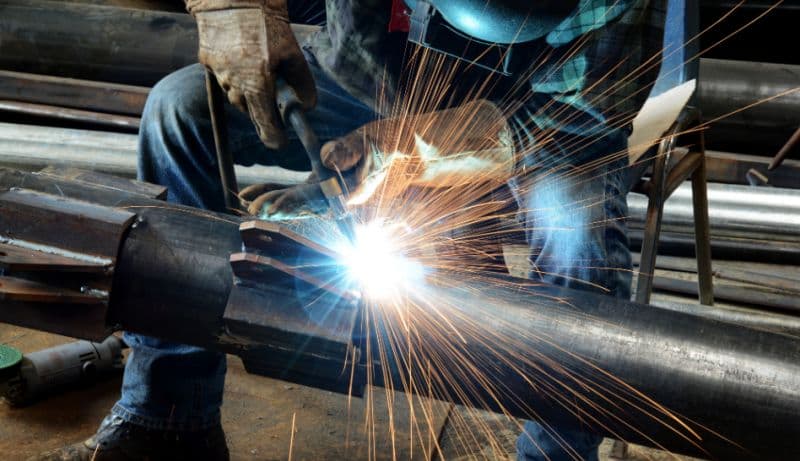
● Manufacturing
Equipment Manufacturing
The critical components of the of the complete pellet production line equipment are built in our own workshops in Asia. Additional equipment is manufactured by our worldwide network of reliable partners.

● Testing
Quality Inspection & Testing
Before leaving the factory, all equipment will be inspected by the quality inspection department. We can also provide customers with testing services from a single machine to a complete pellet plant system, and provide you with real actual data for “worry-free use.”

● Delivery
Equipment Delivery
In equipment boxing and packaging, we adopt professional packaging and modular solutions to ensure the safe and non-destructive delivery of pellet plant equipment.
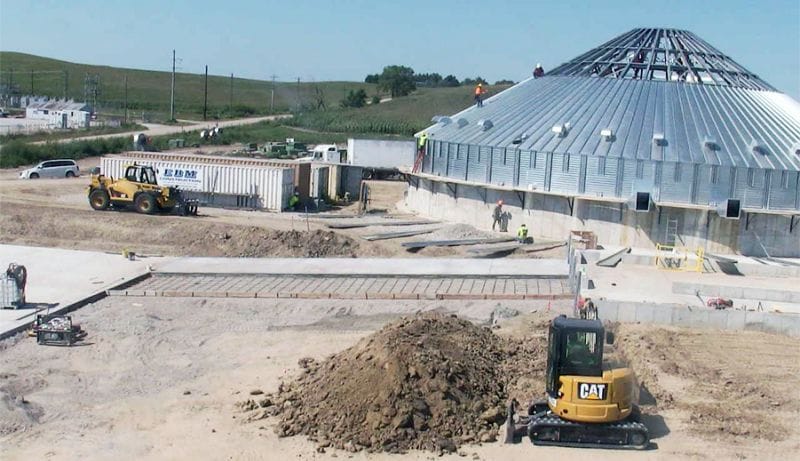
● Installation
Installation & Commissioning
Whether you choose your own subcontractor for the erection phase or you want to install everything together with us, a Richi supervisor will be around to make sure everything is mounted in a safe and thorough way.

● Training
Staff Training
We provide comprehensive training for the technicians of each project. We can also continue to provide support for the technicians during latter project operation.
● After-sales
Project Follow-Up
When everything is up and running our Richiers will help you further whenever needed. We are ready to answer your call 24/7.We’ll also visit you regularly to learn about your needs.
Who we are
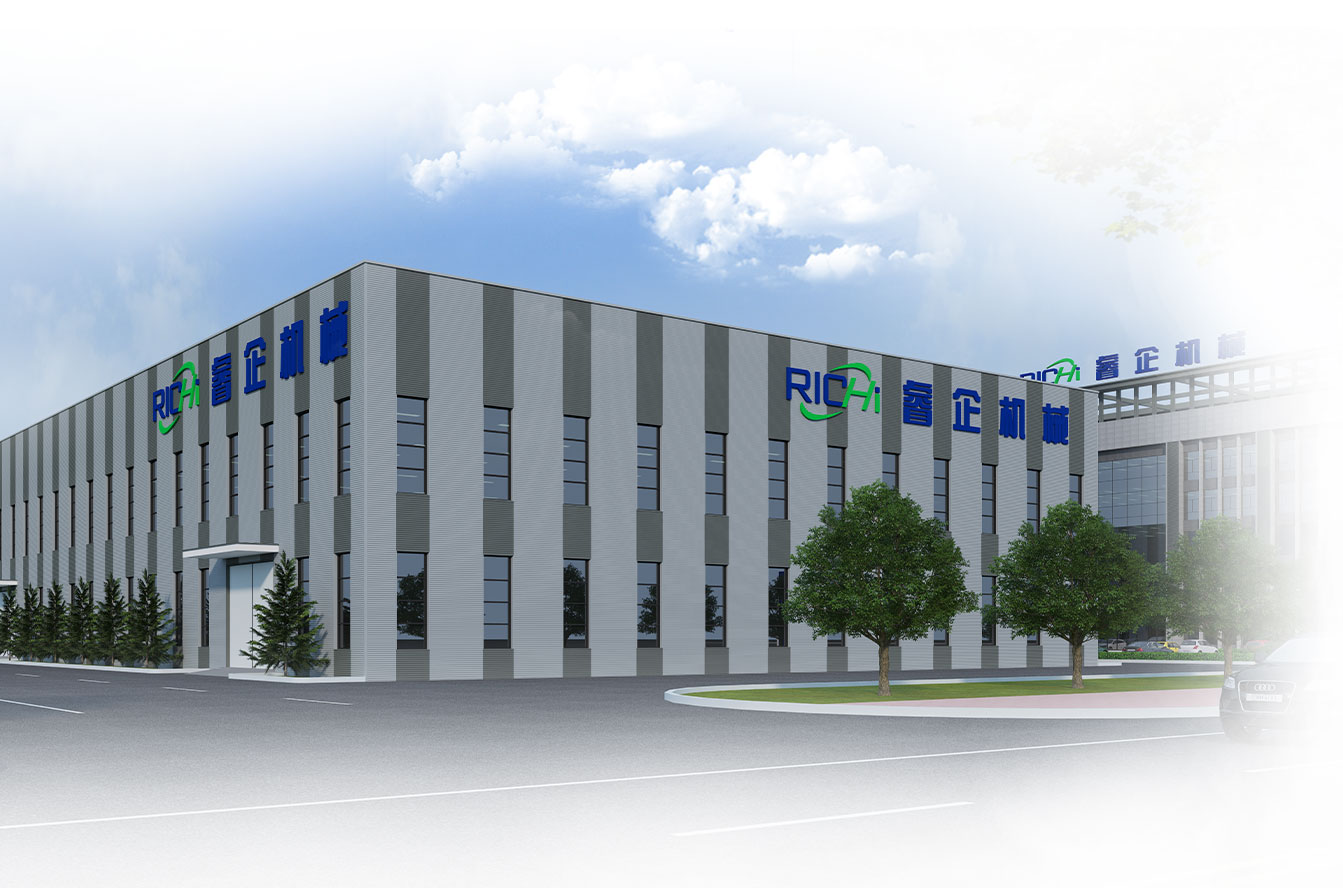
RICHI Machinery is one of the world’s leading suppliers of technology and services for the animal feed, aqua feed and pet food industries, also the largest pellet production line manufacturer in China.
Since 1995, RICHI’s vision to build a first-class enterprise, to foster first-class employees, and to make first-class contributions to society has never wavered.
In the past three decades, we have expanded our business to a wide range of areas, including animal feed mill equipment, aqua feed equipment, pet feed equipment, biomass pellet equipment, fertilizer equipment, cat litter equipment, municipal solid waste pellets equipment, etc.

1995
RICHI Established

2000+
Serving More Than 2000 Customers

120+
RICHI Employees

140+
Exported To 140 Countries