 0086-138 3838 9622
Straw Pelletizing Line in Ukraine

RICHI MACHINERY
Overview
In response to growing demand for renewable energy and sustainable agricultural by-product utilization, a 5–6 t/h straw pelletizing line was established in Ukraine. This project is located in Vinnytsia Oblast, where abundant cereal straw and sawmill residues provide a reliable feedstock supply. The project leverages a rented industrial facility, ensuring minimal upfront civil construction and quick project implementation.
The project was scheduled to commence construction in June 2022, with a one-month construction period. By late June, the main production line was installed, and trial operations began in July 2022. The total investment for this project was approximately USD 460,000, encompassing equipment procurement, installation, and ancillary facilities. The line is designed for an annual production of 8,000 tons of formed biomass pellets, with an average pellet diameter ranging from 8–15 mm and a moisture content of 9–10%, suitable for heating and industrial fuel applications.
The production line operates 180 days per year, one shift per day, eight hours per shift, resulting in approximately 1,440 operating hours annually. The drying unit operates five hours per day during these periods, totaling 900 hours per year. The project relies on a combination of locally sourced straw, wood chips, and sawdust as primary raw materials, ensuring a steady and cost-effective feedstock supply.
5-6T/H
capacity
USD 460,000
investment
Ukraine
location
Biofuel
project type
RICHI MACHINERY
Project Background
Ukraine is a major agricultural producer in Eastern Europe, generating substantial volumes of straw, corn stalks, sunflower residues, and sawmill by-products annually. Traditionally, these residues have limited economic value and are often burned in fields, contributing to environmental pollution. Recognizing this, a medium-scale biomass processing enterprise decided to establish a straw pelletizing line to convert local agricultural and wood residues into high-quality pellets for energy generation.
The client is a regional biomass processing company, focused on sustainable energy production and rural economic development. The decision to implement a 5–6 t/h line with 8,000 tons/year output was based on the availability of feedstock, local market demand for renewable fuel, and operational feasibility. The line is designed to process straw from wheat, corn, and rapeseed crops, complemented by sawdust from nearby woodworking facilities.
The main products of the straw biomass pellet production line are:
- Formed straw pellets (φ8–15 mm) for industrial heating and small-scale boilers.
- Biomass fuel pellets compliant with international standards for solid biofuels, with moisture content below 10%, ash content under 8%, sulfur below 0.1%, and nitrogen below 0.5%.
This straw pelletizing line in Ukraine project was implemented to both reduce local environmental pollution and add economic value to agricultural residues, while serving as a demonstration for biomass pellet production in Ukraine.
RICHI MACHINERY
Project Components
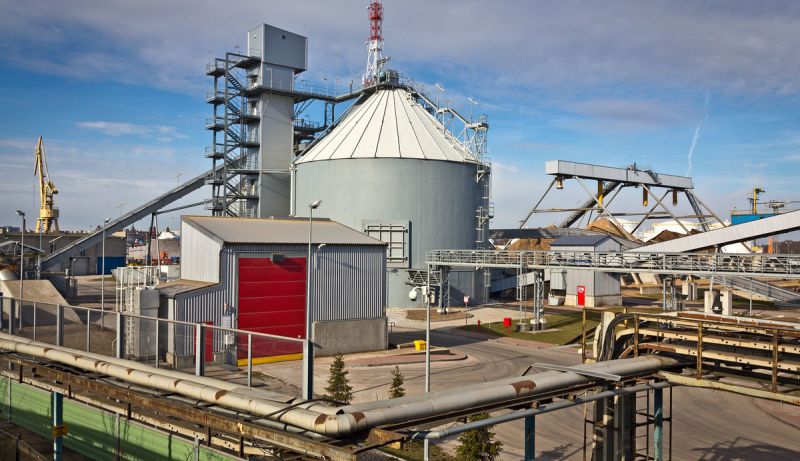
The straw pellet plant project is organized into three main functional areas: raw material processing, pellet production, and auxiliary facilities, all within fully enclosed steel-structured buildings.
| Component | Description | Area (m²) | Remarks |
|---|---|---|---|
| 1# Building – Slicing & Crushing | Receives raw straw and wood residues, performs slicing (3–5 cm) and coarse crushing. | 900 | Newly constructed steel structure |
| 2# Building – Pelletizing & Drying | Houses pellet mill, rotary dryer, and cooling/storage areas. | 1200 | Fully enclosed steel structure |
| Raw Material Storage | Storage of straw and sawdust prior to processing. | 400 | Ensures continuous feedstock supply |
| Finished Product Storage | Holds formed biomass pellets ready for shipment. | 300 | Strategically located near production line exit |
| Auxiliary Facilities | Offices, staff break rooms, and canteen. | 120 | Leverages existing infrastructure in rented facility |
| Total Site Area | – | 3500 | Efficient layout maximizes production flow |
| Total Built-up Area | – | 2800 | Includes all production and storage buildings |
The layout ensures smooth workflow from raw material intake to final pellet storage, with a north-side main entrance facilitating logistics. Noise mitigation measures include equipment vibration isolation, enclosed buildings, and strategic placement of higher-noise machinery.
RICHI MACHINERY
Raw Materials and Energy Consumption
Raw Materials
Ukraine’s central and western regions provide abundant agricultural residues. The project primarily uses wheat, corn, and rapeseed straw, supplemented by sawdust and wood chips from local woodworking enterprises. The moisture content and seasonal availability were carefully analyzed to ensure continuous operation throughout the year.
| Raw Material | Annual Consumption (t) | On-site Storage (t) | Remarks |
|---|---|---|---|
| Wheat/Corn/Rapeseed Straw | 2,200 | 80 | Sourced from nearby farms and cooperatives |
| Sawdust/Wood Chips | 9,000 | 120 | Obtained from local sawmills |
| Biomass Pellets (for dryer fuel) | 300 | – | Self-produced, used to fuel rotary dryer |
| Packaging Bags | 7,700 pcs | 90 | Each bag holds 1 ton of pellets |
The biomass pellet project uses approximately 1.4 tons of raw material to produce 1 ton of biomass pellets. This ratio was critical for designing the line and determining storage capacity, conveying systems, and drying requirements.
Energy Consumption
The energy consumption is optimized for medium-scale pellet production:
| Energy Type | Annual Consumption | Remarks |
|---|---|---|
| Electricity | 250,000 kWh | Powers crushers, conveyors, pellet mills, and auxiliary equipment |
| Water | 162 t | Primarily for staff consumption and minor cleaning operation |
RICHI MACHINERY
Production Equipment
The straw pellet plant project utilizes a modern, semi-automatic pellet production line with modular equipment for flexibility and efficiency.
| Section | Equipment | Quantity | Remarks |
| Slicing & Crushing | Feeding Chain | 1 | 1 m width × 4 m length |
| Comprehensive Crusher | 1 | Feed inlet 1300×500 cm | |
| Belt Conveyor | 1 | 8 m length | |
| Fine Grinding | Double Rotor Pulverizer | 1 | 288 hammers, dual motors |
| Dual Cyclone Collector | 1 | Collects fine particles | |
| Buffer & Conveying | Bucket Elevator | 1 | 7 m height |
| U-Shaped Screw Conveyor | 1 | 4 m length | |
| Hydraulic Buffer Bin | 1 | 100 m³ storage capacity | |
| Drying | Rotary Dryer with Combustion System | 1 | Uses biomass pellets as fuel, target moisture 13% |
| Pelletizing | Bucket Elevator | 1 | 7.4 m connection pipe |
| Level Sensor | 2 | Ensures feed consistency | |
| Triple Shaft Feeder | 2 | Enclosed feed system | |
| New-Style Ring Die Biomass Pellet Mill | 2 | 8 mm dual-layer stainless steel die | |
| Cooling | Cooling Bin | 1 | 30 m³, natural cooling |
| Transportation | Loader | 1 | For raw material handling |
The equipment for straw pelletizing line in Ukraine was carefully selected for durability, ease of maintenance, and high pellet quality, ensuring long-term operational reliability.
RICHI MACHINERY
Production Process
Process Overview
The straw pelletizing line in Ukraine follows a sequential, fully enclosed process to minimize dust and emissions while maximizing efficiency:
- Feeding & Slicing: Straw and wood residues are loaded via a mechanical feeder into the crushing unit, where they are cut into 3–5 cm slices.
- Buffering & Pulverization: Sliced material is temporarily stored in buffer bins before being fed into the double rotor pulverizer, reducing particle size to <8 mm.
- Drying: Pulverized material is conveyed to the rotary dryer using screw conveyors. Drying reduces moisture to approximately 13%, using self-produced pellets as fuel, enhancing sustainability.
- Pelletizing: Dried material is fed into ring die straw pellet machine, producing 8–15 mm diameter pellets. The friction generates heat, reducing final moisture to 9–10%.
- Cooling & Storage: Freshly produced pellets are moved to a 30 m³ cooling bin for natural cooling before packaging.
- Packaging & Shipment: Cooled pellets are packed into 1-ton bags, ready for sale or distribution.
Pollution Control
Environmental protection measures are integrated at each stage:
- Dust Collection: Slicing, crushing, and pelletizing are equipped with cyclone and bag filters, minimizing emissions.
- Exhaust Gas Treatment: Rotary dryer flue gas is treated with a water membrane dust collector and discharged through a 15 m exhaust stack.
- Noise Reduction: Equipment vibration isolation, enclosed buildings, and proper spatial layout minimize noise impact.
- Solid Waste Handling: Dust collected in the filters is recycled into production, while minor residues like furnace ash are used as soil amendments.
- Wastewater: No process wastewater is generated; staff sewage is handled through a local septic system.
RICHI MACHINERY
Labor and Operation Schedule
The straw pelletizing line in Ukraine operates with a 9-person workforce, leveraging existing office and staff facilities. Key operational parameters:
- Annual Production Days: 180
- Shift Duration: 8 hours/day
- Dryer Operation: 5 hours/day
This workforce and schedule allow efficient operation of the line while keeping operational costs manageable in the Ukrainian context.
RICHI MACHINERY
Raw Material Availability and Supply Chain
Ukraine produces millions of tons of straw annually from wheat, corn, and rapeseed. Local sawmills and woodworking facilities generate additional sawdust and wood chip residues. The straw pelletizing line in Ukraine project sources raw materials from regional cooperatives and nearby sawmills, ensuring:
- Continuous feedstock availability
- Cost-effective procurement
- Seasonal storage management
| Raw Material | Annual Supply (t) | Moisture Content | Remarks |
|---|---|---|---|
| Wheat, Corn, Rapeseed Straw | 2,200 | 15–20% | Sourced from surrounding farms |
| Sawdust/Wood Chips | 9,000 | 10–15% | Local sawmills and furniture workshops |
RICHI MACHINERY
Project Investment
The total investment for this 5–6 t/h straw pelletizing line in Ukraine is approximately USD 460,000, including:
- Production Equipment: USD 320,000
- Installation & Commissioning: USD 60,000
- Auxiliary Facilities & Infrastructure: USD 40,000
- Environmental Protection & Safety Measures: USD 40,000
This investment aligns with the scale of production and local economic conditions, ensuring a reasonable return on investment.
RICHI MACHINERY
Production Line Cost Analysis
| Category | Cost (USD) | Remarks |
|---|---|---|
| Equipment Procurement | 320,000 | Includes crushers, pulverizers, pellet mills, dryer, conveyors |
| Installation & Commissioning | 60,000 | Civil adaptation, piping, electrical wiring |
| Auxiliary Facilities | 40,000 | Storage, office, staff rooms, minor renovations |
| Environmental Protection | 40,000 | Dust collectors, exhaust stack, safety equipment |
RICHI MACHINERY
Environmental and Safety Considerations
Environmental management is crucial for straw pelletizing line in Ukraine projects:
- Air Quality: Dust emissions are controlled using cyclone separators, bag filters, and enclosed buildings.
- Noise Control: Machinery vibration isolation and strategic equipment layout reduce occupational noise.
- Waste Management: All solid residues are either recycled or safely disposed of.
- Water & Sewage: Minimal water usage; staff wastewater handled through existing local septic systems.
The design meets Ukrainian environmental standards for industrial biomass processing plants.
RICHI MACHINERY
Prospective Market in Ukraine
Ukraine’s growing demand for renewable fuel and biomass energy makes straw pellet production highly viable. Key drivers include:
- Abundant Agricultural Residues: Millions of tons of wheat, corn, and rapeseed straw are produced annually.
- Energy Diversification Policies: Local policies encourage renewable energy utilization to reduce fossil fuel dependency.
- Rural Economic Development: Pellet production provides value addition to otherwise underutilized agricultural residues.
- Export Opportunities: Neighboring EU countries offer high-value markets for quality biomass pellets.
The 5–6 t/h straw pelletizing line model is suitable for small-to-medium scale enterprises aiming to capitalize on local feedstock availability and market demand.
RICHI MACHINERY
Conclusion
This straw pelletizing line in Ukraine demonstrates a well-planned, economically feasible approach to biomass pellet production. With careful raw material selection, advanced equipment, and environmental safeguards, the project not only meets domestic energy needs but also serves as a model for sustainable biomass utilization in Eastern Europe.
The RICHI Machinery team provided expert consultation, equipment supply, installation supervision, and commissioning services, ensuring that the line operates efficiently, safely, and reliably. Investors can expect strong economic returns due to low operational costs, abundant feedstock, and robust market demand for biomass pellets.
● RICHI MACHINERY
RICHI Service

● Consulting
Customer Consultation
We want to have a deep understanding of your industrial process, to know your exact needs of feed, wood, biomass, fertilizer or other pellet processing.

● Design
straw Pellet Plant Design
Based on your unique situation and industrial process, we will tailor complete pellet plant you need, and inform you of every additional detail that could facilitate operation, minimize total cost.
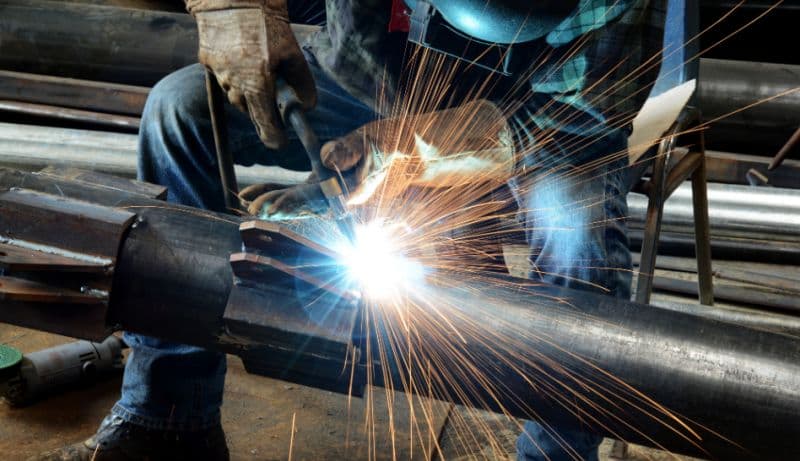
● Manufacturing
Equipment Manufacturing
The critical components of the of the complete pellet production line equipment are built in our own workshops in Asia. Additional equipment is manufactured by our worldwide network of reliable partners.
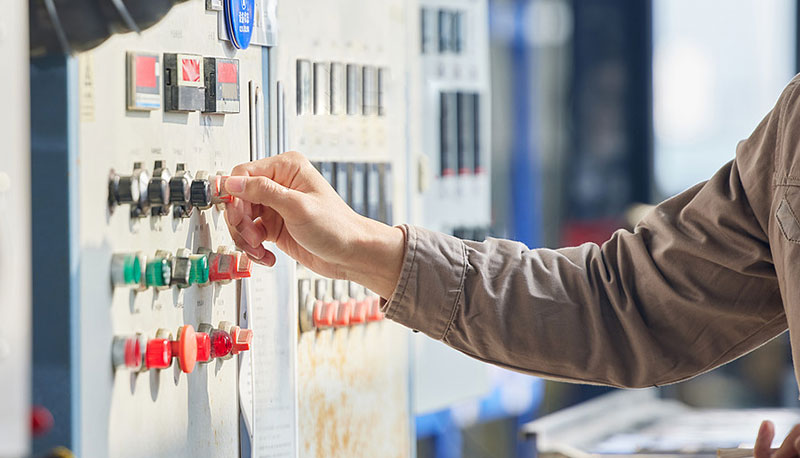
● Testing
Quality Inspection & Testing
Before leaving the factory, all equipment will be inspected by the quality inspection department. We can also provide customers with testing services from a single machine to a complete pellet plant system, and provide you with real actual data for “worry-free use.”

● Delivery
Equipment Delivery
In equipment boxing and packaging, we adopt professional packaging and modular solutions to ensure the safe and non-destructive delivery of pellet plant equipment.
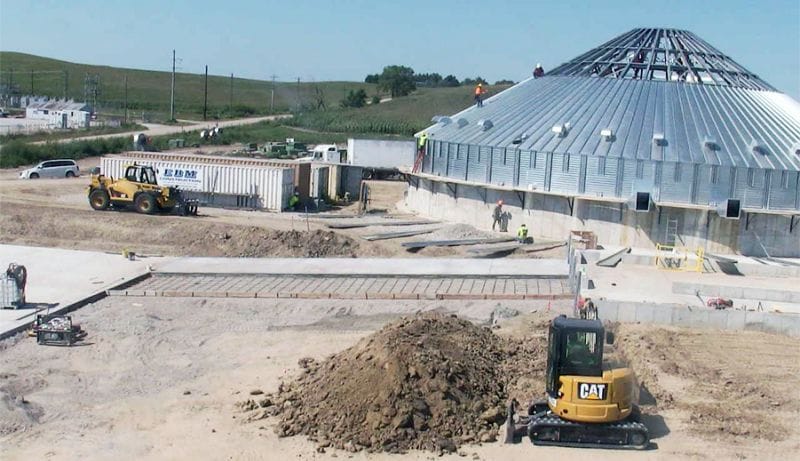
● Installation
Installation & Commissioning
Whether you choose your own subcontractor for the erection phase or you want to install everything together with us, a Richi supervisor will be around to make sure everything is mounted in a safe and thorough way.

● Training
Staff Training
We provide comprehensive training for the technicians of each project. We can also continue to provide support for the technicians during latter project operation.
● After-sales
Project Follow-Up
When everything is up and running our Richiers will help you further whenever needed. We are ready to answer your call 24/7.We’ll also visit you regularly to learn about your needs.
Who we are
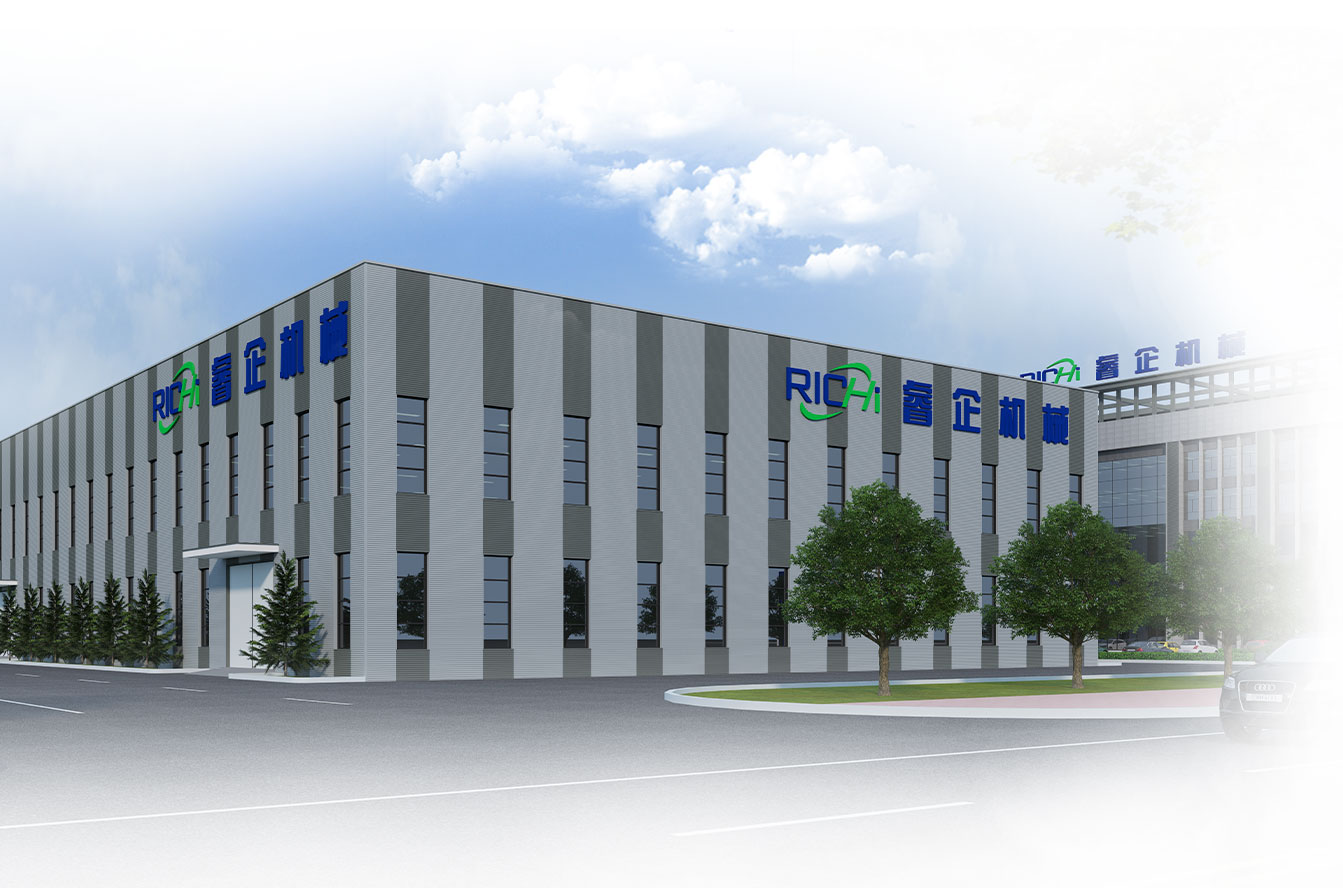
RICHI Machinery is one of the world’s leading suppliers of technology and services for the animal feed, aqua feed and pet food industries, also the largest pellet production line manufacturer in China.
Since 1995, RICHI’s vision to build a first-class enterprise, to foster first-class employees, and to make first-class contributions to society has never wavered.
In the past three decades, we have expanded our business to a wide range of areas, including animal feed mill equipment, aqua feed equipment, pet feed equipment, biomass pellet equipment, fertilizer equipment, cat litter equipment, municipal solid waste pellets equipment, etc.

1995
RICHI Established

2000+
Serving More Than 2000 Customers

120+
RICHI Employees

140+
Exported To 140 Countries