 0086-138 3838 9622
Rice Straw Pellet Production Line in Brazil

RICHI MACHINERY
Project Overview
In 2020, a straw pellet production line project was launched in Brazil with an annual production capacity of 2,500 tons of biomass pellets. The line operates at a capacity of 1.5 t/h and is designed to convert agricultural residues, particularly straw, into high-density biomass fuel pellets. The total investment for this project was approximately USD 160,000, including environmental protection facilities valued at around USD 8,000.
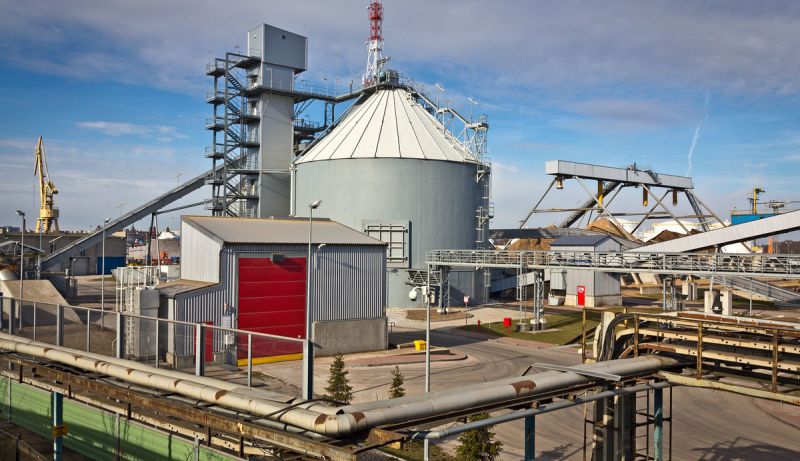
The facility covers an area of 3,700 m², with a steel-structured production workshop, storage areas, and an office building. The project was constructed within an idle plant area owned by the client, ensuring lower infrastructure costs. The production line includes crushing, pelletizing, cooling, dust collection, and packaging systems, specifically tailored to handle Brazil’s abundant agricultural byproducts.
1.5T/H
capacity
USD 160,000
investment
Brazil
location
Biofuel
project type
RICHI MACHINERY
Project Background
Brazil is one of the largest agricultural producers in the world, ranking among the top exporters of soybeans, corn, and sugarcane. With such extensive agricultural activities, vast quantities of residues such as straw, corn stalks, and sugarcane bagasse are generated every year. Traditionally, these residues are burned in open fields or left to decompose, contributing to environmental challenges such as greenhouse gas emissions and air pollution.
The client of this straw biomass pellet plant project is a local agricultural cooperative located in southern Brazil. The cooperative primarily supports small- and medium-scale farmers by collecting crop residues and transforming them into value-added products. Faced with rising energy costs and increasing demand for sustainable energy solutions, the cooperative decided to invest in a straw pellet production line to produce biomass fuel pellets. These pellets are used both as an alternative energy source for local industries and as a renewable heating fuel for households in colder regions of Brazil.
By investing in this 2,500 t/a rice straw pellet production line in Brazil project, the cooperative aimed to:
- Reduce agricultural waste through recycling.
- Create an additional revenue stream by selling biomass pellets.
- Support Brazil’s renewable energy goals and reduce reliance on fossil fuels.
RICHI MACHINERY
Project Scale and Layout
The rice straw pellet production line in Brazil project is located in a rural area of Paraná State, close to large agricultural zones, ensuring convenient raw material supply and reducing transportation costs.
Site Layout Principles
The facility was designed based on:
- Smooth production flow from raw material intake to finished pellet storage.
- Compliance with Brazilian safety and environmental regulations.
- Efficient use of land with compact but functional zoning.
Plant Layout
- Production Workshop: 350 m², located in the southern part of the site, containing the pellet line.
- Raw Material Yard: 800 m² open-air but covered storage for straw.
- Warehouse: 200 m² brick structure for finished pellet storage.
- Office: 40 m² administrative building.
The straw pellet plant layout ensures safe transport, easy material handling, and proper fire protection distances.
RICHI MACHINERY
Raw Materials
The raw material for this rice straw pellet production line in Brazil project mainly consists of crop straw, which is abundantly available in Brazil due to large-scale soybean and corn production. The cooperative sources straw from partner farms within a 30 km radius, minimizing logistics costs.
Before pelletizing, straw is naturally dried to reduce moisture content to below 10%.
Raw Material Consumption
| Raw Material | Annual Supply (t) | Average Moisture Content | Usage |
|---|---|---|---|
| Straw | 3,125 | 20–30% (pre-drying to ≤10%) | Primary feedstock |
Electricity is supplied by the regional power grid, with an estimated consumption of 370,000 kWh per year, covering production and office needs.
RICHI MACHINERY
Production Process
The rice straw pellet production line in Brazil follows a well-structured process tailored for fibrous agricultural residues.
- Raw Material Handling
Collected straw is transported to the raw material yard. It undergoes natural drying before being transferred to the workshop. - Crushing
A hammer mill crushes straw into particles smaller than 5 mm. The crusher is equipped with a bag filter to capture dust. - Pelletizing
Crushed straw is fed into the rice straw pellet making machine, where high mechanical pressure compacts it into cylindrical pellets with a density of 1.1–1.3 t/m³. - Cooling
Freshly pressed pellets exit the pellet mill at temperatures of 80–90°C and are cooled in a counterflow cooler. - Packaging and Storage
Pellets are either bagged for retail sales or stored as bulk in the warehouse for industrial buyers.
RICHI MACHINERY
Main Equipment
The rice straw pellet production line in Brazil consists of reliable and energy-efficient equipment.
| Equipment Name | Quantity | Unit |
|---|---|---|
| Wheel Loader | 1 | set |
| Conveyor | 2 | pcs |
| Straw Crusher | 1 | pc |
| Straw Pellet Machine (1.5 t/h) | 1 | pc |
| Cooler | 1 | pc |
| Bag Filter Dust Collector | 2 | sets |
This equipment ensures efficient handling of fibrous straw while minimizing dust and noise emissions.
RICHI MACHINERY
Utilities and Infrastructure
- Water Supply: Only needed for staff, provided through municipal water connections. No water is used in the production process.
- Power Supply: Connected to the regional grid, with stable capacity.
- Heating: An electric boiler is installed for office and workshop heating during colder seasons.
RICHI MACHINERY
Environmental Measures
The rice straw pellet production line in Brazil project was designed to minimize its environmental footprint:
- Air Emissions: Dust generated during crushing and pelletizing is collected via bag filters, ensuring compliance with local air quality standards.
- Noise Control: Machines are installed with soundproofing and vibration reduction systems.
- Solid Waste: Dust collected from filters is recycled into the pellet production process. Minimal ash from pellet burning is marketed as agricultural fertilizer.
- Wastewater: No production wastewater is generated. Domestic sewage is connected to the municipal sewage system.
RICHI MACHINERY
Labor and Operation
The rice straw pellet production line in Brazil project employs 6 workers, primarily recruited from nearby communities. The plant operates for 180 days annually, running one 10-hour shift per day. Night production is avoided to reduce operational stress and community noise impact.
RICHI MACHINERY
Investment and Cost Analysis
The total investment of this straw biomass pellet production line was USD 160,000, including:
- Equipment Costs: USD 120,000
- Civil Works (site, workshop, storage): USD 25,000
- Environmental Protection Measures: USD 8,000
- Other Expenses (installation, training, contingency): USD 7,000
This level of investment aligns well with small- to medium-scale projects in Brazil.
RICHI MACHINERY
Market Outlook in Brazil
Brazil’s energy sector is rapidly shifting toward renewable energy sources. Biomass already accounts for a significant share of the country’s renewable mix, largely due to sugarcane bagasse. However, straw and other crop residues remain underutilized.
With growing industrial demand for sustainable fuel and government support for renewable energy, straw pellets have strong potential in:
- Industrial heating for small factories and food processors.
- Residential heating in southern Brazil’s colder states.
- Export markets, as Brazilian ports provide convenient logistics for shipping pellets abroad.
The rice straw pellet production line in Brazil project not only provides a stable income for the cooperative but also supports Brazil’s sustainability goals.
RICHI MACHINERY
Why Choose RICHI Machinery
This case demonstrates how a relatively modest investment can transform agricultural waste into valuable renewable energy products. RICHI Machinery provided not only the equipment but also customized engineering design, installation support, and training, ensuring smooth operation of the line.
For investors in Brazil and beyond, straw pellet projects represent a cost-effective and environmentally responsible way to create value. With RICHI’s global experience and proven technology, clients can expect reliable equipment, efficient project execution, and long-term service support.
RICHI Machinery – Your Partner for Sustainable Biomass Solutions.
● RICHI MACHINERY
RICHI Service

● Consulting
Customer Consultation
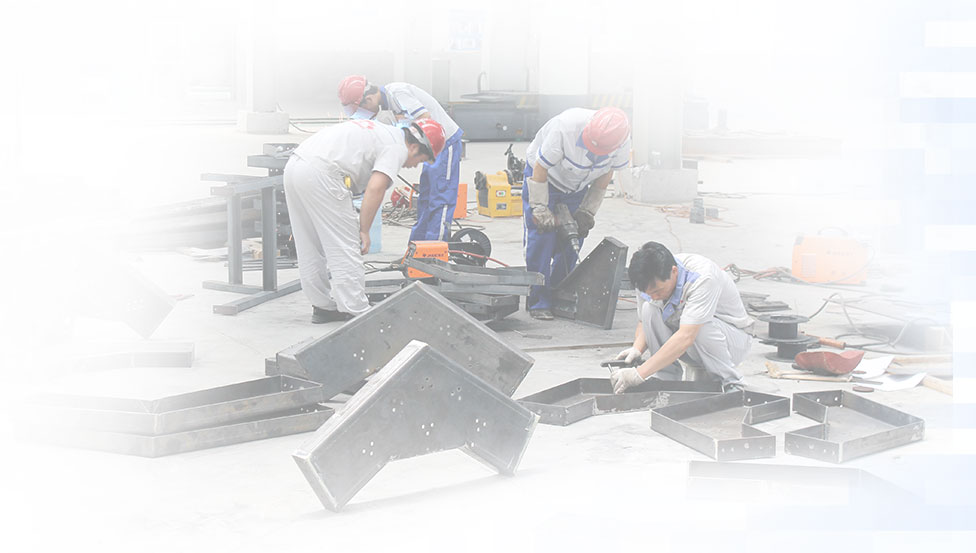
We want to have a deep understanding of your industrial process, to know your exact needs of feed, wood, biomass, fertilizer or other pellet processing.

● Design
Rice Straw Pellet Plant Design
Based on your unique situation and industrial process, we will tailor complete pellet plant you need, and inform you of every additional detail that could facilitate operation, minimize total cost.
● Manufacturing
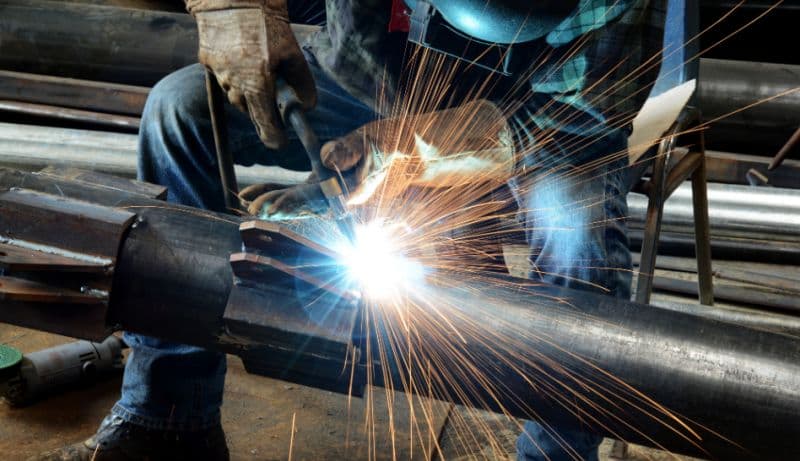
Equipment Manufacturing
The critical components of the of the complete pellet production line equipment are built in our own workshops in Asia. Additional equipment is manufactured by our worldwide network of reliable partners.
● Testing
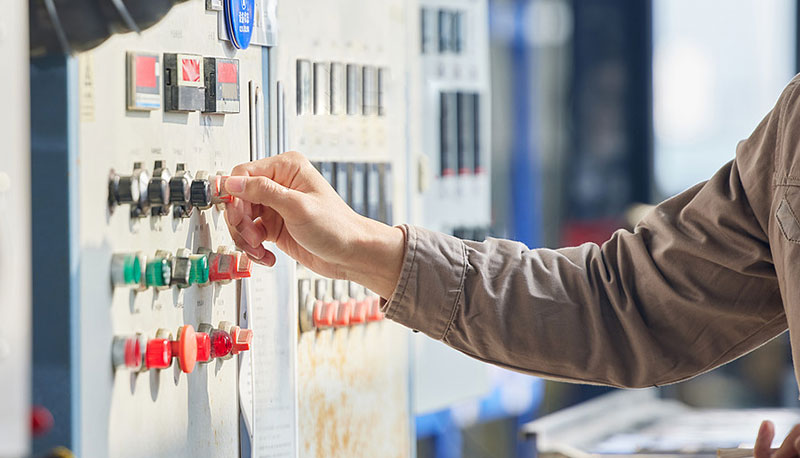
Quality Inspection & Testing
Before leaving the factory, all equipment will be inspected by the quality inspection department. We can also provide customers with testing services from a single machine to a complete pellet plant system, and provide you with real actual data for “worry-free use.”

● Delivery
Equipment Delivery
In equipment boxing and packaging, we adopt professional packaging and modular solutions to ensure the safe and non-destructive delivery of pellet plant equipment.
● Installation
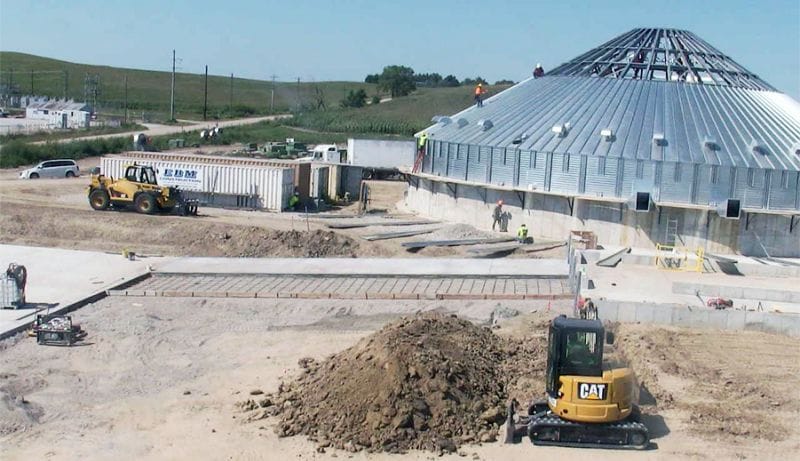
Installation & Commissioning
Whether you choose your own subcontractor for the erection phase or you want to install everything together with us, a Richi supervisor will be around to make sure everything is mounted in a safe and thorough way.

● Training
Staff Training
We provide comprehensive training for the technicians of each project. We can also continue to provide support for the technicians during latter project operation.
● After-sales
Project Follow-Up
When everything is up and running our Richiers will help you further whenever needed. We are ready to answer your call 24/7.We’ll also visit you regularly to learn about your needs.
Who we are
RICHI Machinery is one of the world’s leading suppliers of technology and services for the animal feed, aqua feed and pet food industries, also the largest pellet production line manufacturer in China.
Since 1995, RICHI’s vision to build a first-class enterprise, to foster first-class employees, and to make first-class contributions to society has never wavered.
In the past three decades, we have expanded our business to a wide range of areas, including animal feed mill equipment, aqua feed equipment, pet feed equipment, biomass pellet equipment, fertilizer equipment, cat litter equipment, municipal solid waste pellets equipment, etc.

1995
RICHI Established

2000+
Serving More Than 2000 Customers

120+
RICHI Employees

140+
Exported To 140 Countries