 0086-138 3838 9622
Straw Peanut Shells Pellet Production Line in Nigeria
RICHI MACHINERY
Overview
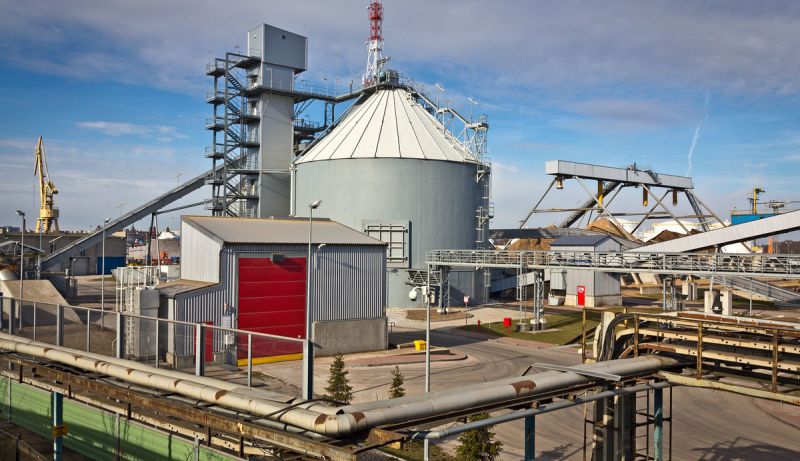
The straw and peanut shells pellet production line in Nigeria is a large-scale biomass energy initiative designed to convert agricultural and forestry residues into high-quality biomass fuel pellets. This project was initiated by a Nigerian agricultural technology firm in early 2019, aiming to utilize locally abundant crop residues such as straw, peanut shells, and wood residues to produce biomass pellets with an annual output of 100,000 tons, corresponding to a production capacity of 10–12 tons per hour.
The project occupies 30 acres of industrial land within an emerging agro-industrial zone, with a green area of 300 m² to enhance environmental aesthetics. The total investment for the project is approximately USD 550,000.
The peanut shells straw pellet plant operates 24 hours per day, 350 days per year, resulting in 8,400 operational hours annually. The workforce consists of 30 personnel working in three shifts of 8 hours each. The project leverages mature and efficient biomass pellet production technology, ensuring high thermal efficiency, low ash content, and minimal emissions.
10-12T/H
capacity
USD 550,000
investment
Nigeria
location
Biofuel
project type
RICHI MACHINERY
Project Background
Nigeria produces millions of tons of agricultural residues annually, including rice straw, peanut shells, maize stalks, and cassava peels. However, much of these residues remain underutilized or are burned, causing environmental pollution and greenhouse gas emissions.
The client for this project is a medium-sized Nigerian agro-processing enterprise with expertise in biomass utilization. Their goal was to establish a straw and peanut shells pellet production line in Nigeria to:
- Convert local agricultural waste into high-density biomass fuel pellets.
- Supply pellets for domestic heating, small-scale industrial boilers, and potential export to neighboring countries.
- Promote sustainable agricultural residue management and environmental protection.
By using a mix of straw, peanut shells, and wood residues, the project ensures a balanced feedstock blend with favorable pellet quality, calorific value, and low ash content, which is crucial for local power generation and industrial applications.
RICHI MACHINERY
Raw Materials
Nigeria’s agricultural landscape provides an abundant supply of residues. For this project, raw materials were selected based on availability, moisture content, and energy density. These materials are stored in a dedicated raw material yard to ensure continuous supply.
The project’s raw materials and annual consumption are summarized below:
| Raw Material Type | Annual Supply (t/a) | Average Moisture Content | Remarks |
|---|---|---|---|
| Straw | 30,000 | 12–18% | Collected from rice and maize fields in northern Nigeria |
| Peanut shells | 30,000 | 10–15% | Sourced from local peanut processing plants |
| Wood residues | 40,000 | 8–12% | Includes sawdust, wood chips, and small branch residues |
Notes:
- All raw materials are procured externally and transported by trucks to the production site.
- Moisture content is closely monitored to ensure efficient pelletizing and optimal calorific value.
RICHI MACHINERY
Production Equipment
The straw and peanut shells pellet production line in Nigeria utilizes advanced biomass processing equipment designed for high efficiency and low emissions. Equipment selection was guided by the expected production capacity of 10–12 t/h, operational reliability, and maintenance convenience.
Major Production Equipment
| No. | Equipment Name | Quantity | Unit |
|---|---|---|---|
| 1 | Biomass pellet mill | 3 | sets |
| 2 | Raw material screening machine | 1 | set |
| 3 | Loader | 1 | set |
| 4 | Forklift | 1 | unit |
| 5 | Excavator | 1 | unit |
| 6 | Grinder | 1 | unit |
| 7 | Drying furnace (electric) | 1 | set |
Auxiliary and Utility Systems
| System | Description |
|---|---|
| Water supply | Fresh water consumption: 175 m³/year |
| Wastewater treatment | Domestic sewage treated on-site via septic tanks and safely discharged to local municipal sewage system |
| Power supply | Electricity consumption: 100,000 kWh/year, sourced from regional grid |
| Dust collection | Screening, grinding, and pelletizing dust collected through bag filters and vented via 20m high exhaust stacks |
| Noise control | Building insulation, strategic equipment layout, and distance attenuation |
| Solid waste | Dust collected is reused in pellet production; domestic waste is collected by local sanitation services |
RICHI MACHINERY
Production Process
The straw and peanut shells pellet production line in Nigeria follows a streamlined straw and peanut shells pellet production process, designed for operational efficiency and environmental compliance.
1. Raw Material Handling
- Agricultural residues arrive by truck and are unloaded into the raw material yard.
- Materials are categorized as bulk or block form.
2. Screening and Grinding
- Large and non-conforming residues are screened out.
- Block materials are sent to the grinder for size reduction.
- Fine materials bypass grinding and proceed to the drying stage.
3. Drying
- Moisture content of some incoming materials may exceed 15–20%.
- The electric drying furnace reduces moisture to an optimal range of 10–15% for pelletizing.
4. Pelletizing
- The peanut shell straw pellet machine generates high-density biomass pellets.
- Internal heating raises material temperature up to 350°C, ensuring smooth, crack-free pellets.
- Temperature settings are optimized for each raw material type through on-site trial runs.
5. Cooling
- Pressed pellets (55–70°C) are cooled via air cooling system to stabilize size and moisture before packaging.
6. Packaging and Storage
- Cooled pellets are packed and stored in a warehouse ready for distribution.
RICHI MACHINERY
Environmental Management
The straw and peanut shells pellet production line in Nigeria project integrates a comprehensive environmental management plan covering air, water, noise, and solid waste.
1. Wastewater Management
- Main wastewater: domestic sewage.
- Project water consumption: 175 m³/year.
- Wastewater production: 140 m³/year.
- Pollutant concentrations (COD, SS, NH3-N, TP, TN) are within local regulatory limits.
- Wastewater is treated in septic tanks before discharge to municipal sewage systems.
2. Air Emissions
- Major emissions: dust from screening, grinding, and pelletizing (~30 t/a).
- Dust is captured via collecting hoods (95% efficiency) and bag filters (98% efficiency).
- Exhaust released via 20m high stacks; uncollected dust settles in closed plant and is periodically swept (1.2 t/a).
3. Noise Control
| Equipment | Noise Level (dB) | Control Measures |
|---|---|---|
| Straw Peanut Shell Pellet machine | 90 | Building insulation, distance attenuation |
| Screening machine | 80 | Building insulation |
| Loader | 85 | Distance attenuation |
| Transport vehicles | 80 | Operational timing management |
| Grinder | 85 | Noise dampening |
4. Solid Waste Management
- Dust from bag filters reused in pellet production (29.13 t/a).
- Domestic waste: 0.7 t/a, collected by municipal services.
- No hazardous solid waste is generated; zero emissions achieved.
RICHI MACHINERY
Labor and Operation
Total workforce: 30 people, operating in three 8-hour shifts.
Annual operation: 350 days, 24 hours per day, 8,400 hours.
Employees trained in safety, environmental compliance, and operational standards.
RICHI MACHINERY
Project Significance and Country Potential
Nigeria has significant agricultural output, generating millions of tons of residues annually. These residues are underutilized, and converting them into biomass pellets offers:
- Environmental benefits: Reduced burning of agricultural waste, lower greenhouse gas emissions.
- Energy security: Local biomass pellets can replace imported fuels in small industries.
- Economic opportunity: Pellet sales for industrial and domestic use, potential regional exports.
The straw and peanut shells pellet production line in Nigeria exemplifies a sustainable, economically viable biomass energy project. RICHI Machinery’s engineering expertise ensures high-quality equipment, efficient design, and reliable operation, making it a strategic partner for biomass pellet production in Africa.
RICHI MACHINERY
Conclusion
This biomass pellet project demonstrates how straw and peanut shells pellet production lines in Nigeria can convert local agricultural residues into high-value biomass fuel. With a robust production capacity of 10–12 t/h and an annual output of 100,000 tons, the project balances operational efficiency, environmental protection, and economic feasibility.
Investing in such production lines in Nigeria is a timely opportunity, leveraging abundant local raw materials, reducing environmental pollution, and generating sustainable energy resources. RICHI Machinery provides complete solutions, including equipment supply, engineering design, and operational support, making it a trusted partner for biomass pellet projects in Africa.
● RICHI MACHINERY
RICHI Service

● Consulting
Customer Consultation
We want to have a deep understanding of your industrial process, to know your exact needs of feed, wood, biomass, fertilizer or other pellet processing.

● Design
biomass Pellet Plant Design
Based on your unique situation and industrial process, we will tailor complete biomass pellet plant you need, and inform you of every additional detail that could facilitate operation, minimize total cost.
● Manufacturing
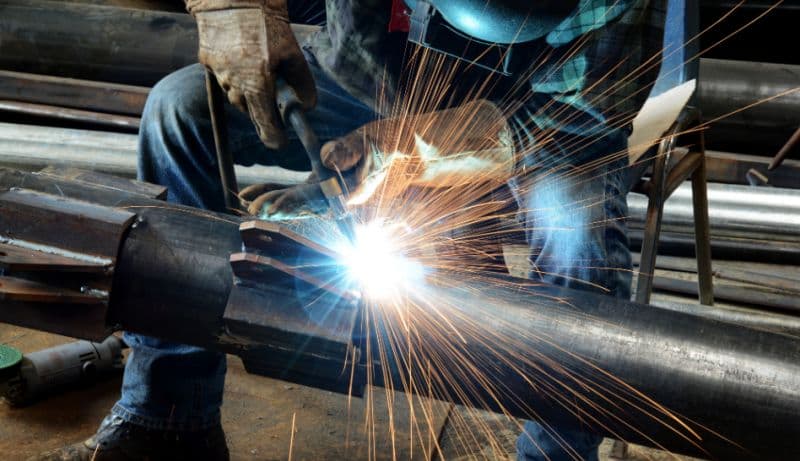
Equipment Manufacturing
The critical components of the of the complete pellet production line equipment are built in our own workshops in Asia. Additional equipment is manufactured by our worldwide network of reliable partners.

● Testing
Quality Inspection & Testing
Before leaving the factory, all equipment will be inspected by the quality inspection department. We can also provide customers with testing services from a single machine to a complete pellet plant system, and provide you with real actual data for “worry-free use.”

● Delivery
Equipment Delivery
In equipment boxing and packaging, we adopt professional packaging and modular solutions to ensure the safe and non-destructive delivery of pellet plant equipment.
● Installation
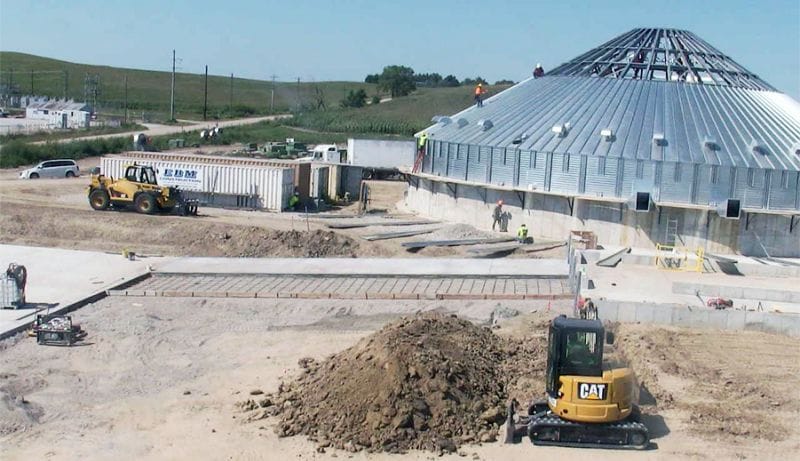
Installation & Commissioning
Whether you choose your own subcontractor for the erection phase or you want to install everything together with us, a Richi supervisor will be around to make sure everything is mounted in a safe and thorough way.

● Training
Staff Training
We provide comprehensive training for the technicians of each project. We can also continue to provide support for the technicians during latter project operation.
● After-sales
Project Follow-Up
When everything is up and running our Richiers will help you further whenever needed. We are ready to answer your call 24/7.We’ll also visit you regularly to learn about your needs.
Who we are
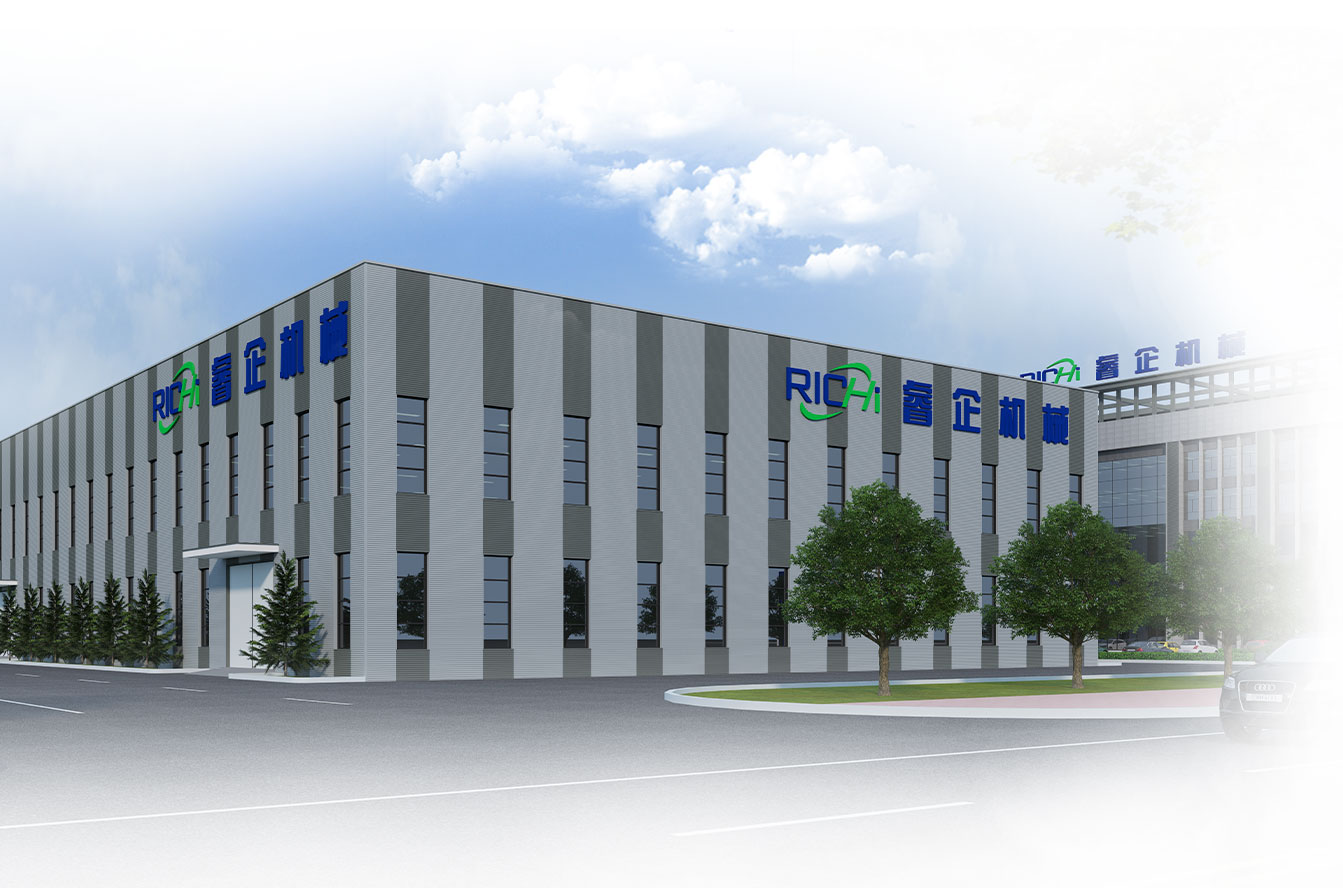
RICHI Machinery is one of the world’s leading suppliers of technology and services for the animal feed, aqua feed and pet food industries, also the largest pellet production line manufacturer in China.
Since 1995, RICHI’s vision to build a first-class enterprise, to foster first-class employees, and to make first-class contributions to society has never wavered.
In the past three decades, we have expanded our business to a wide range of areas, including animal feed mill equipment, aqua feed equipment, pet feed equipment, biomass pellet equipment, fertilizer equipment, cat litter equipment, municipal solid waste pellets equipment, etc.

1995
RICHI Established

2000+
Serving More Than 2000 Customers

120+
RICHI Employees

140+
Exported To 140 Countries