 0086-138 3838 9622
Soybean Extrusion System in Argentina
The Soybean Extrusion System in Argentina was developed for an experienced grain trader who identified a critical gap in the domestic feed ingredient market.
RICHI MACHINERY
project overview
In early 2025, RICHI Machinery completed the engineering, equipment supply, and commissioning support for a large-scale soybean extrusion system in Argentina’s core agricultural region. This project represents one of the most significant investments in full-fat soybean processing technology in South America over the past five years, designed to transform raw soybeans into high-quality full-fat soybean powder for the rapidly expanding poultry, swine, and dairy feed sectors.
The Soybean Extrusion System in Argentina was developed for an experienced grain trader who identified a critical gap in the domestic feed ingredient market. While Argentina is the world’s third-largest soybean producer, with annual harvests consistently exceeding 48 million tons , a surprising proportion of soybean meal consumed locally is still imported or processed using outdated solvent extraction methods that remove valuable oil content. The investor recognized that modern livestock operations increasingly demand full-fat soybean products that preserve the natural energy from soybean oil while eliminating anti-nutritional factors through controlled thermal processing.
Located strategically in the heart of the Pampas region, this Soybean Extrusion System in Argentina processes 360,000 tons of raw soybeans annually, operating 24 hours per day, 300 days per year. The facility produces approximately 1,200 tons of finished full-fat soybean powder daily, with the entire output contracted to major feed manufacturers within a 300-kilometer radius. This location was chosen specifically for its proximity to both raw material sources and end-users, significantly reducing transportation costs compared to traditional crushing facilities concentrated along the Paraná River near Rosario .
The total equipment investment for this Soybean Extrusion System in Argentina reached USD 4.85 million, representing a turnkey solution including all processing machinery from intake to automated packaging. The investor’s total project cost, including civil works, installation, and working capital, approached USD 8.2 million. Financial modeling conducted by the client’s team indicated a projected payback period of 3.8 years based on conservative margin assumptions, with internal rates of return exceeding 22% over a ten-year operating horizon.
50T/H
capacity
USD 4.85 million
investment
Argentina
location
Extrusion
project type
RICHI MACHINERY
Project Background and Investment Rationale
The Investor Profile
The client behind this Soybean Extrusion System in Argentina is a family-owned agricultural enterprise with deep roots in the Pampas region. Originally focused on row-crop farming and limited grain trading, the family has operated in Santa Fe province for three generations, gradually expanding from 500 hectares of owned land to managing over 8,000 hectares through a combination of owned and leased properties. This growth trajectory mirrors broader trends in Argentine agriculture, where operational scale has become essential for profitability.
The decision to vertically integrate into soybean processing was driven by several compelling factors. First, the family had firsthand experience with the volatility of raw commodity markets. As soybean producers themselves, they understood that capturing additional value through processing could stabilize returns across market cycles. Second, they observed that local livestock producers increasingly struggled to source consistent, high-quality protein ingredients. The nearest full-fat soybean processing facility was over 400 kilometers away, and its production was fully committed to export markets.
Why Full-Fat Soybean Processing?
Traditional soybean processing in Argentina has historically focused on solvent extraction to produce soybean meal (around 46-48% protein) and crude soybean oil. This model works well for export-oriented facilities, but creates challenges for domestic feed manufacturers. Solvent-extracted meal lacks the natural oil content that provides concentrated energy in animal rations. Feed producers must therefore supplement with added fats, increasing both ingredient costs and handling complexity.
The Soybean Extrusion System in Argentina addresses this gap through mechanical processing that preserves soybean oil while denaturing anti-nutritional factors. Unlike solvent extraction, extrusion uses controlled heat, pressure, and mechanical shear to:
- Deactivate trypsin inhibitors and urease enzymes that interfere with protein digestion
- Rupture oil cells to release soybean oil while keeping it bound within the meal matrix
- Improve starch gelatinization for enhanced digestibility
- Create a stable product with extended shelf life without chemical additives
For Argentine livestock producers, the resulting full-fat soybean powder typically contains 34-36% protein and 18-20% fat, closely matching the nutritional profile required for monogastric diets. This eliminates the need for separate oil supplementation and simplifies feed mill operations.
Market Context and Timing
The timing of this investment proved exceptionally strategic. Recent agricultural reports indicate that Argentine soybean production for the 2025/26 marketing year is projected at approximately 48.5 million tons, with domestic processing capacity under pressure to modernize. Meanwhile, the domestic livestock sector continues to expand, with poultry production growing at 4-5% annually and pork production expanding even faster.
Several macro factors supported the investment decision:
- Processing Margins: The spread between raw soybean prices and full-fat soybean powder has remained consistently healthy, typically ranging from USD 60-90 per ton depending on the season
- Transportation Economics: By locating in the consuming region rather than the export zone, the facility saves approximately USD 25-30 per ton in backhaul transportation costs compared to moving meal from Rosario to inland feedlots
- Quality Differentiation: Imported soybean meal often arrives with variable quality, while locally produced full-fat powder offers consistent specifications and fresher production
- Sustainability Considerations: Livestock producers increasingly value ingredients processed without chemical solvents, aligning with consumer preferences for naturally produced animal products
Facility Scale and Throughput
This Soybean Extrusion System in Argentina operates at an industrial scale that positions it among the largest facilities of its kind in South America. The 360,000-ton annual capacity translates to approximately 1,200 tons per day, requiring reliable raw material intake, substantial storage infrastructure, and robust material handling systems.
Key Operational Parameters
| Parameter | Value |
|---|---|
| Operating Days per Year | 300 |
| Operating Hours per Day | 24 (Three Shifts) |
| Processing Rate (Peak) | 52 Tons/Hour |
| Raw Soybean Intake | 360,025 Tons/Year |
| Finished Product Output | 360,000 Tons/Year |
| Steam Generation Capacity | 4 Tons/Hour |
| Natural Gas Consumption | 1.555 Million m³/Year |
| Power Consumption | 3,000,000 kWh/Year |
| Water Consumption | 5,123 m³/Year |
| Staffing | 30 Operators (Full-Time) |
RICHI MACHINERY
Plant Layout and Infrastructure Design
Site Planning and Material Flow
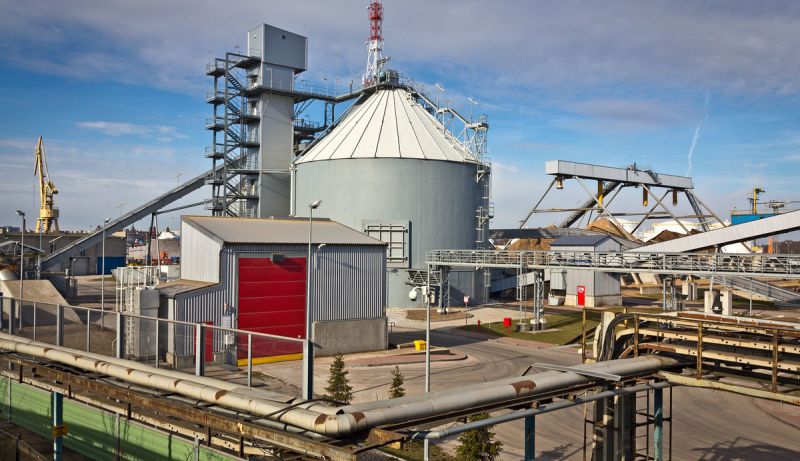
The physical layout of this Soybean Extrusion System in Argentina was engineered to optimize material flow while minimizing footprint and energy consumption. The 4.2-hectare site accommodates raw material storage, processing areas, finished product warehousing, and support infrastructure in a logical sequence that reduces internal transportation distances.
Raw soybeans arrive at the western vehicle entrance, where an automated truck scale records incoming weights before directing vehicles to the appropriate receiving pit. The receiving area features two independent unloading stations, each equipped with hydraulic truck dumpers capable of handling the largest agricultural trucks common in Argentine agriculture (up to 32 tons gross vehicle weight). This configuration allows simultaneous unloading of two trucks, achieving receiving rates exceeding 300 tons per hour during peak harvest periods.
From the receiving pits, soybeans are conveyed to the storage area through enclosed belt conveyors equipped with weather covers and dust collection points. The conveying system operates at 150 tons per hour capacity, sized to clear receiving pits quickly even during peak intake periods. All transfer points incorporate belt tracking sensors and plug detection to prevent downtime during continuous operation.
Raw Material Storage Infrastructure
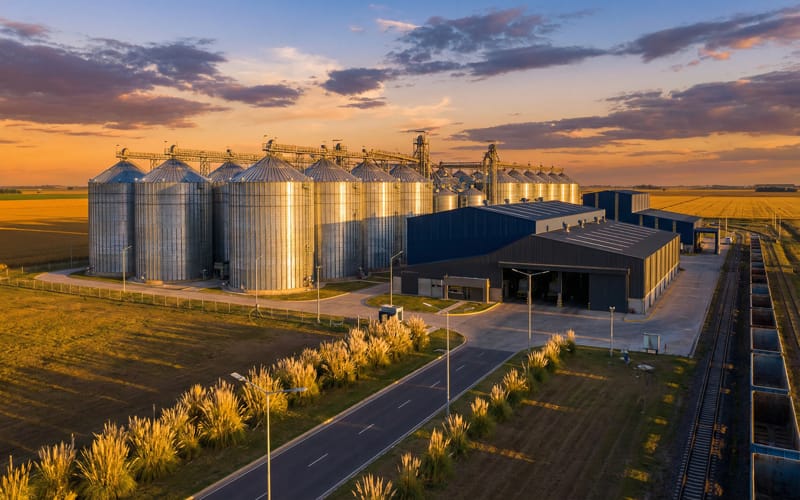
Given the seasonal nature of soybean harvest in Argentina, adequate storage capacity is essential for year-round operation. This Soybean Extrusion System in Argentina incorporates eight 1,000-ton capacity steel grain bins, providing 8,000 tons of total raw material storage. While this represents only about 22 days of operating capacity at full throughput, the client’s supply agreements with local producers ensure consistent deliveries throughout the year, supplemented by strategic purchasing during harvest when prices are typically lowest.
Storage Structure Specifications
| Component | Specification |
|---|---|
| Bin Type | Galvanized Corrugated Steel |
| Bin Diameter | 10 Meters |
| Bin Height | 22 Meters (Cylindrical Section) |
| Hopper Angle | 45 Degrees (Mass Flow Design) |
| Aeration System | Radial Fans, 0.1 m³/min/ton |
| Temperature Monitoring | Cable-Type Sensors, 4 per Bin |
| Level Indication | Rotary Paddle and Radar |
| Safety Features | Pressure Relief Vents, Access Ladders |
Each bin is equipped with aeration floors delivering 0.1 cubic meters of air per minute per ton of grain, sufficient to manage moisture migration and maintain grain quality during storage periods. Temperature cables suspended from bin roofs allow remote monitoring of grain condition, with automated alerts if temperatures rise above set points.
The bin discharge system utilizes mass-flow hopper designs with 45-degree slopes, ensuring first-in-first-out grain movement and preventing spoilage commonly associated with funnel-flow patterns in conventional bins. Variable-speed drag conveyors beneath the bins allow precise blending of soybeans from different storage compartments to maintain consistent feed composition.
Processing Building Configuration
The main processing building occupies 2,760 square meters of floor space with a clear height of 10 meters to accommodate equipment layout and maintenance access. The steel-framed structure features concrete foundations designed for dynamic loads from rotating equipment, with vibration isolation incorporated at all major machinery mounting points.
Equipment is arranged vertically where possible to utilize gravity flow between processing stages, reducing the number of conveying elevators and associated energy consumption. The five-level equipment platform allows:
- Ground Level: Finished product packaging, utility connections, maintenance shop
- Mezzanine Level: Control panels, electrical rooms, operator break areas
- First Operating Level: Extruder discharge, coolers, hammer mill inlets
- Second Operating Level: Extruder platforms, conditioning equipment
- Third Operating Level: Raw material distributors, surge bins, access platforms
This vertical arrangement required careful structural engineering to support concentrated loads from equipment while maintaining adequate clearance for maintenance activities. A 5-ton overhead bridge crane runs the length of the building, allowing major components to be serviced or replaced without external lifting equipment.
Ancillary Buildings and Support Facilities
Beyond the main processing structure, the site includes several support buildings:
- Administrative Office: 3,020 square meters, four stories, housing management offices, conference rooms, laboratory facilities, and employee amenities
- Maintenance Workshop: 320 square meters with machine tools, welding equipment, and parts storage
- Boiler House: 180 square meters containing steam generation equipment and water treatment systems
- Electrical Substation: 85 square meters housing transformers, switchgear, and motor control centers
- Gate House: 30 square meters at the main entrance with security office and truck document processing
- General Warehouse: 8,820 square meters (three buildings) for finished product storage and spare parts
RICHI MACHINERY
Raw Materials and Energy Consumption
Soybean Supply and Quality Specifications
This Soybean Extrusion System in Argentina processes approximately 360,025 tons of whole soybeans annually, all sourced from producers within a 150-kilometer radius of the facility. While Argentina produces soybeans with generally consistent quality, the facility maintains strict incoming specifications to ensure finished product quality and processing efficiency.
Raw Soybean Specification Limits
| Parameter | Target | Acceptable Range | Test Method |
|---|---|---|---|
| Moisture Content | 13.0% | 11.0% – 14.0% | NIRS / Oven Drying |
| Protein Content (Dry Basis) | 36.0% | >34.0% | NIRS / Kjeldahl |
| Oil Content (Dry Basis) | 20.0% | >18.0% | NIRS / Solvent Extraction |
| Foreign Material | 1.0% | <3.0% | Screen Analysis |
| Damaged Kernels | 2.0% | <5.0% | Visual Inspection |
| Test Weight | 740 g/L | >700 g/L | Volumetric |
| Free Fatty Acids | 0.5% | <1.0% | Titration |
The facility receives soybeans primarily during the harvest window from April through June, when Argentine producers deliver freshly harvested crops. During this period, intake rates can exceed 500 tons per day as farmers deliver directly from combines. The storage system must accommodate this seasonal influx while maintaining grain quality through the operating year.
Consumables and Packaging Materials
Beyond raw soybeans, the operation consumes various auxiliary materials:
- Packaging Materials: 720 tons annually of polypropylene woven bags (50 kg capacity) for finished product packaging, stored in humidity-controlled environment
- Lubricants and Hydraulic Oils: Approximately 1 ton annually of food-grade lubricants for processing equipment, stored in dedicated flammable materials cabinet
- Filter Bags: Replacement filter elements for dust collection systems, sourced locally
- Maintenance Supplies: Bearings, belts, screens, and wear parts inventoried based on manufacturer recommendations
Energy Requirements and Supply
The energy intensity of extrusion processing requires reliable utility connections with adequate capacity. This Soybean Extrusion System in Argentina connects to the national grid through a dedicated 1,500 kVA transformer, with backup generation capable of supporting essential systems during outages.
Energy Consumption Summary
| Energy Source | Annual Consumption | Unit Cost (USD) | Annual Cost (USD) |
|---|---|---|---|
| Electricity | 3,000,000 kWh | $0.08/kWh | $240,000 |
| Natural Gas | 1,555,000 m³ | $0.18/m³ | $279,900 |
| Water | 5,123 m³ | $1.20/m³ | $6,148 |
| Total | $526,048 |
Natural gas supplies the steam generation system, with two boilers providing flexibility for varying demand. The primary 3 t/h boiler handles base load, while the 1 t/h unit provides peaking capacity or backup during maintenance. Both units utilize low-NOx burners to minimize environmental impact.
Water consumption includes:
- Process Water: 4,608 m³ annually for steam generation, treated through reverse osmosis
- Cooling Tower Makeup: Included in process water figure (closed-loop system with blowdown)
- Sanitary Use: 288 m³ annually for 30 employees
- Landscape Irrigation: 227 m³ annually for grounds maintenance
RICHI MACHINERY
Processing Equipment and Technology
Complete Equipment List
The Soybean Extrusion System in Argentina incorporates equipment from RICHI’s industrial product line, selected for reliability, energy efficiency, and compatibility with Argentine soybeans. The following table presents the complete equipment inventory:
| Section | Equipment Name | Model / Specification | Quantity | Power (kW) |
| Receiving & Cleaning | Truck Dumper | 50 Ton Capacity, Hydraulic | 2 | 45 each |
| Receiving Pit | 30 m³, Carbon Steel | 2 | — | |
| Infeed Drag Conveyor | 40 TPH, 12m Length | 2 | 7.5 each | |
| Belt Conveyor (Incline) | 150 TPH, 25m Length | 2 | 15 each | |
| Permanent Magnetic Separator | RCYD-10, Self-Cleaning | 2 | 2.2 each | |
| Drum Screener | TQLZ 150×200, Double Layer | 2 | 4 each | |
| Distribution Conveyor | Chain Type, 40 TPH | 1 | 11 | |
| Storage & Transfer | Grain Bins | 1,000 Ton, Galvanized | 8 | — |
| Bin Discharge Drag | 80 TPH, Variable Speed | 8 | 7.5 each | |
| Collection Conveyor | 120 TPH, 35m | 1 | 18.5 | |
| Bucket Elevator (Main) | TDTG 48/28, 120 TPH, 32m | 2 | 30 each | |
| Distributor | Rotary Type, 8-Way | 2 | 1.5 each | |
| Grinding System | Surge Bin | 15 m³, Carbon Steel | 4 | — |
| Rotary Feeder | TWLQ 60, Variable Speed | 4 | 3 each | |
| Hammer Mill | SFSP 112×60, 160 kW | 4 | 160 each | |
| Mill Discharge Cyclone | TBLM 78, High Efficiency | 4 | — | |
| Mill Fan | 4-72 Series, 22 kW | 4 | 22 each | |
| Airlock | TGY 16, 16 L/R | 4 | 1.5 each | |
| Grinding Conveyor | Chain Type, 40 TPH | 2 | 11 each | |
| Extrusion Section | Extruder Feed Bin | 8 m³, Stainless Steel | 4 | — |
| Variable Speed Feeder | TWLL 25, 0.5-5 RPM | 4 | 1.5 each | |
| Conditioner | 2.5 m³, Jacketed | 4 | 15 each | |
| Extruder | RICHI HDEP 200, 250 kW | 4 | 250 each | |
| Steam Injection System | Automatic Control | 4 | — | |
| Water Injection System | Automated Dosing | 4 | — | |
| Extruder Discharge Conveyor | Screw Type, 4m | 4 | 4 each | |
| Cooling & Drying | Distribution Conveyor | Chain Type, 20 TPH | 2 | 7.5 each |
| Cooler | Counterflow, 20×20 Tray | 4 | 5.5 each | |
| Cooler Fan | Centrifugal, 25,000 m³/h | 4 | 30 each | |
| Cyclone Separator | SK 2000, High Efficiency | 4 | — | |
| Cooler Discharge Airlock | TGY 12, 12 L/R | 4 | 1.1 each | |
| Crumbling & Packaging | Lump Breaker | Five-Roll, YPSG 35×125 | 2 | 18.5 each |
| Finished Product Elevator | TDTG 36/18, 40 TPH | 2 | 11 each | |
| Finished Product Bin | 20 m³, Carbon Steel | 2 | — | |
| Packaging Scale | LCS 50, 2-50 kg Bags | 2 | 3 each | |
| Bag Closer | DS-9C, Sewing System | 2 | 0.55 each | |
| Belt Conveyor (Outfeed) | Rubber Belt, 8m | 2 | 2.2 each | |
| Support Systems | Steam Boiler | WNS 3-1.0-Q, 3 t/h | 1 | — |
| Steam Generator | DD 1.0-1.0-Q, 1 t/h | 1 | — | |
| Water Treatment | RO System, 2 m³/h | 1 | 7.5 | |
| Air Compressor | Screw Type, 5.5 kW | 2 | 5.5 each | |
| Dust Collection System | Centralized, Bag Filters | 6 | 15-45 each | |
| Control System | Siemens PLC, HMI | 1 | — |
Steam Generation System
One notable feature of this Soybean Extrusion System in Argentina is the dual steam generation approach. While the region’s industrial park has future plans for centralized steam distribution through the local bioenergy utility, current infrastructure does not reach the facility. Rather than wait for uncertain grid connections, the investor opted for on-site generation with a configuration that can transition to purchased steam when available.
The system comprises:
- Primary Boiler: 3 t/h natural gas fired, WNS type, 1.0 MPa operating pressure
- Auxiliary Generator: 1 t/h gas-fired steam generator for partial loads or backup
- Water Treatment: Reverse osmosis system producing 2 m³/h of demineralized water
- Distribution: Insulated stainless steel piping with condensate return
This configuration provides 4 t/h total steam capacity, adequate for full-rate production while offering redundancy. When district heating eventually reaches the site, the boilers will remain as backup, ensuring uninterrupted operation even during utility disruptions.
Dust Collection and Environmental Controls
Environmental compliance and workplace safety drove significant investment in dust control technology. The Soybean Extrusion System in Argentina incorporates six independent dust collection systems, each sized for specific emission points:
- Receiving Station: 15,000 m³/h bag filter capturing unloading and transfer points
- Grinding Systems: 8,000 m³/h filters (four units) serving each hammer mill circuit
- Cooling Cyclones: Four high-efficiency cyclones capturing product dust from coolers
- Packaging Area: 5,000 m³/h cartridge filter for bagging operations
- General Ventilation: 10,000 m³/h roof-mounted unit maintaining building negative pressure
All collected dust is returned to the process stream or directed to the waste handling system for sale as a low-value feed ingredient, achieving zero solid waste discharge.
RICHI MACHINERY
Production Process and Quality Control
Process Flow Description
The Soybean Extrusion System in Argentina employs wet extrusion technology, which incorporates steam conditioning prior to mechanical extrusion. This approach offers advantages over dry extrusion for full-fat soybean processing, particularly in terms of trypsin inhibitor reduction and oil release characteristics.
Process Flow Diagram Summary
Raw Soybean Intake → Cleaning → Magnetic Separation → Temporary Storage → Grinding → Conditioning → Extrusion → Cooling → Crumbling → Packaging → Warehouse
Detailed Process Steps
Step 1: Receiving and Pre-Cleaning
Soybeans arriving at the facility are weighed, sampled, and directed to the appropriate receiving pit based on quality classification. Each receiving line includes:
- Magnetic separation to remove tramp metal
- Rotary drum screening to remove coarse impurities (stems, pods, stones)
- Aspiration to remove light chaff and dust
Step 2: Storage and Blending
Cleaned soybeans transfer to storage bins via distribution conveyors. The control system tracks bin inventory and quality parameters, allowing automated blending to maintain consistent input quality. When soybeans discharge to processing, they pass through a second magnetic separator as final protection for downstream equipment.
Step 3: Grinding
Soybeans enter the grinding system through rotary feeders controlling flow rate to the hammer mills. Each 160 kW hammer mill operates at 1,480 RPM with 6 mm screen perforations, producing uniform particle distribution essential for proper conditioning. The grinding system operates under negative pressure, drawing air through the mill to:
- Increase throughput capacity by assisting material flow through screens
- Control mill temperature, preventing premature oil release
- Capture fines in downstream cyclones and bag filters
Step 4: Conditioning
Ground soybean meal enters the conditioner, where steam injection raises temperature to 95-100°C while moisture increases to 16-18%. Residence time in the conditioner (3-5 minutes) allows moisture penetration and partial starch gelatinization. The conditioner jacket maintains temperature during retention, and variable speed drive controls discharge rate.
Step 5: Extrusion
Conditioned material feeds continuously into the HDEP 200 extruder, where mechanical shear and friction rapidly increase temperature to 130-140°C. Key extrusion parameters include:
- Screw speed: 450-550 RPM depending on throughput
- Die configuration: Specific to full-fat soybean production
- Residence time: 15-30 seconds at temperature
- Pressure at die: 30-40 bar
During extrusion, several critical transformations occur:
- Rupture of oil cells releases soybean oil, which immediately absorbs back into the porous meal structure
- Trypsin inhibitors denature, reducing activity by >90%
- Urease enzyme deactivates completely
- Starches gelatinize, improving digestibility
- Cellular structures break down, increasing nutrient availability
Step 6: Cooling
Extruded material exits at 130°C and must cool rapidly to prevent quality degradation. Counterflow coolers draw ambient air upward through the product bed, reducing temperature to within 8°C of ambient while removing 4-6% moisture. Cooling air passes through cyclones to recover fines, which return to the process stream.
Step 7: Crumbling and Sizing
Cooled extrudate passes through five-roll crumbler mills producing final particle size of 1-2 mm. Roll gap adjustments allow precise particle size control without generating excessive fines. The crumbled product has uniform particle distribution, ideal for direct inclusion in mash feeds or further processing into pellets.
Step 8: Packaging and Storage
Finished product transfers to packaging bins, where automated scale systems fill 50 kg bags at rates up to 12 tons per hour per line. Bagged product palletizes manually (with future automation planned) and transfers to finished goods warehouse for loadout.
Quality Control Program
A dedicated quality control laboratory supports production, performing:
Incoming Material Testing (Each Truckload):
- Moisture content
- Protein and oil (NIRS)
- Foreign material
- Test weight
- Damage assessment
In-Process Testing (Hourly):
- Grind particle size distribution
- Conditioning temperature and moisture
- Extrusion temperature profile
- Product moisture (cooler discharge)
Finished Product Testing (Each Batch):
- Protein content (34% minimum)
- Fat content (18% minimum)
- Moisture (12% maximum)
- Urease activity (0.10 pH rise maximum)
- Protein solubility (75% minimum)
- Particle size distribution
Finished Product Specifications
| Parameter | Target | Guaranteed Range | Test Frequency |
|---|---|---|---|
| Moisture | 11.5% | 10.0-12.0% | Every 2 hours |
| Crude Protein | 35.0% | >34.0% | Every 4 hours |
| Crude Fat | 19.0% | >18.0% | Every 4 hours |
| Urease Activity | 0.05 ΔpH | <0.10 ΔpH | Every shift |
| Protein Solubility | 80.0% | >75.0% | Daily |
| Particle Size (1-2mm) | 85% | >80% | Every shift |
RICHI MACHINERY
Utilities and Infrastructure Engineering
Electrical Distribution
The Soybean Extrusion System in Argentina connects to the regional grid through a dedicated 13.2 kV primary feed, stepped down to 400V at the main substation. Electrical design incorporates:
- 1,500 kVA oil-filled transformer with on-load tap changer
- Main switchboard with air circuit breakers, 400V, 3-phase, 50 Hz
- Motor control centers distributed throughout facility
- Power factor correction capacitors maintaining >0.95 PF
- Harmonic filters for variable frequency drive installations
- Emergency generator (250 kVA) for critical systems
Compressed Air System
Two rotary screw compressors supply instrument and plant air:
- Primary: 5.5 kW, 1.0 m³/min at 7.5 bar
- Backup: 5.5 kW, same specifications
- Air treatment: Refrigerated dryer, 5-micron and 0.01-micron filtration
- Distribution: Galvanized piping with slope drains
Water Systems
Potable Water:
- Connection to municipal supply
- Backflow prevention at property line
- Copper distribution to all fixtures
Process Water:
- Raw water storage (50 m³ fiberglass tank)
- Reverse osmosis treatment (2 m³/h capacity)
- Treated water storage (20 m³ stainless steel)
- Distribution to boilers and conditioning systems
Fire Protection:
- 500 m³ dedicated fire water tank
- Electric fire pump (200 m³/h at 8 bar)
- Diesel backup pump (200 m³/h at 8 bar)
- Hydrant network covering all buildings
- Sprinklers in high-risk areas (warehouse, electrical rooms)
Wastewater Management
The facility operates on a zero-discharge principle for process water, with only sanitary wastewater and boiler blowdown leaving the site:
- Sanitary wastewater: Treated in below-grade septic system with leach field
- Boiler blowdown: Neutralized, cooled, and discharged to municipal sewer
- Stormwater: Collected in perimeter drains, treated in oil-water separator, discharged to approved outfall
RICHI MACHINERY
Logistics and Supply Chain Integration
Raw Material Sourcing
The Soybean Extrusion System in Argentina sources soybeans through multiple channels:
- Direct from Producers: Approximately 60% of supply purchased directly from farms within 150 km
- Local Elevators: 30% sourced through country elevators in the region
- Spot Market: 10% purchased on open market as needed
The procurement team monitors planting intentions and crop conditions throughout the season, adjusting purchasing strategy based on expected availability and pricing. Recent reports indicate Argentine farmers planted approximately 16.5-17.6 million hectares for the 2025/26 season, ensuring adequate supply for domestic processors.
Finished Product Distribution
Product moves to customers through multiple channels:
- Bulk Truck: Approximately 40% of volume loads pneumatically into bulk feed trucks
- Bagged Truck: 50% loads on flatbed trucks for regional delivery
- Container: 10% loads in containers for export to neighboring countries
Major customers include:
- Large-scale poultry integrators (50 km radius)
- Swine production complexes (80 km radius)
- Feed mills serving dairy operations (120 km radius)
- Export customers in Chile and Uruguay (container shipments)
Equipment Supply Chain
RICHI manufactured all processing equipment at our Kaifeng facility, shipping in 14 containers over a three-month period. The logistics route included:
- Inland transport: Kaifeng factory to Qingdao Port
- Ocean freight: Qingdao to Buenos Aires (35-40 days transit)
- Customs clearance: Buenos Aires (3-5 days)
- Inland transport: Buenos Aires to Santa Fe site (2 days by truck)
Shipping Documentation
| Shipment | Date | Containers | Volume (m³) | Weight (kg) | Customs Value (USD) |
|---|---|---|---|---|---|
| 1 (Main Process) | Oct 2024 | 6 × 40′ HC | 408 | 84,000 | 1,850,000 |
| 2 (Boiler & Utilities) | Nov 2024 | 4 × 40′ HC | 272 | 56,000 | 980,000 |
| 3 (Conveying) | Dec 2024 | 2 × 40′ HC | 136 | 28,000 | 520,000 |
| 4 (Spare Parts) | Jan 2025 | 2 × 20′ GP | 56 | 12,000 | 1,500,000 |
| Total | 14 Containers | 872 | 180,000 | 4,850,000 |
RICHI MACHINERY
Project Implementation Timeline
Key Milestones
| Phase | Start Date | End Date | Duration | Key Activities |
|---|---|---|---|---|
| Feasibility | Jan 2024 | Mar 2024 | 3 months | Market study, site selection, financial modeling |
| Contract | Apr 2024 | Apr 2024 | 2 weeks | Equipment selection, pricing, terms negotiation |
| Engineering | May 2024 | Jul 2024 | 3 months | Layout design, structural engineering, electrical design |
| Manufacturing | Aug 2024 | Dec 2024 | 5 months | Equipment fabrication, quality testing |
| Shipping | Oct 2024 | Jan 2025 | 4 months | Ocean freight, customs clearance |
| Civil Works | Nov 2024 | Feb 2025 | 4 months | Site preparation, foundations, building erection |
| Installation | Feb 2025 | Apr 2025 | 3 months | Equipment setting, piping, electrical wiring |
| Commissioning | May 2025 | May 2025 | 3 weeks | Testing, tuning, operator training |
| Commercial Production | Jun 2025 | Ongoing | — | Ramp-up to full capacity |
Installation and Commissioning
RICHI provided on-site supervision during the critical installation phase, with two senior engineers stationed at the project for three months. Key installation activities included:
- Equipment placement and alignment
- Conveying system assembly and tensioning
- Piping installation for steam, water, and air
- Electrical connections and control wiring
- Control system programming and HMI configuration
- Safety system testing and validation
Commissioning proceeded in stages:
Stage 1: Individual Equipment Testing (2 weeks)
- Run each motor without load
- Verify rotation direction
- Check safety interlocks
- Confirm sensor readings
Stage 2: Empty System Testing (1 week)
- Start sequences in correct order
- Verify material flow paths
- Test emergency stops
- Confirm control system response
Stage 3: Material Testing (1 week)
- Run soybeans through system at reduced rates
- Verify quality parameters at each stage
- Adjust settings as needed
- Train operators on live system
Stage 4: Performance Testing (3 days)
- Run at full capacity for 72 continuous hours
- Measure throughput, quality, and consumption
- Verify against design specifications
- Document final operating parameters
RICHI MACHINERY
Investment Outlook for Soybean Extrusion in Argentina
Market Fundamentals
Argentina’s position as a global soybean powerhouse creates unique opportunities for value-added processing. With annual production consistently above 48 million tons and domestic crushing capacity of approximately 42 million tons, the country processes the vast majority of its soybean crop locally. However, most of this capacity serves the export market for soybean meal and oil, leaving domestic feed manufacturers dependent on imports or long-distance transport.
The Soybean Extrusion System in Argentina addresses this gap by producing full-fat soybean powder specifically formulated for local livestock operations. As Argentine meat production continues to modernize and expand, demand for high-quality protein ingredients will grow correspondingly. Poultry production alone has increased at 4-5% annually for the past decade, with similar trends in pork and dairy.
Competitive Advantages of Extrusion Technology
Compared to traditional solvent extraction facilities, extrusion offers several compelling advantages for domestic-focused producers:
Lower Capital Intensity: A solvent extraction plant requires approximately $200-300 million for 2-3 million tons annual capacity. By contrast, extrusion facilities can be scaled economically to match regional demand, with capital costs per ton of capacity significantly lower.
Operational Simplicity: Extrusion requires no hexane or other chemical solvents, eliminating explosion risks, environmental permits, and specialized operating expertise. This allows location closer to end users rather than requiring remote siting for safety reasons.
Product Differentiation: Full-fat soybean powder offers nutritional advantages for monogastric diets compared to solvent-extracted meal plus added fat. The natural emulsification of oil within the protein matrix improves digestibility and handling characteristics.
Sustainability Profile: Without chemical extraction, the process consumes less energy per ton and produces no chemical wastes, appealing to environmentally conscious consumers and potentially commanding sustainability premiums.
Regional Processing Opportunities
The success of this Soybean Extrusion System in Argentina suggests opportunities for similar facilities in other production regions:
- Córdoba Province: Argentina’s second-largest soybean producing region with concentrated livestock operations
- Buenos Aires Province: Largest production area (31% of national total) with diverse livestock sectors
- Santa Fe: Already home to major export complexes, but inland areas underserved by domestic-oriented processors
- Entre Ríos: Significant poultry production with limited local processing capacity
Each region presents unique characteristics in terms of raw material availability, livestock density, and competitive dynamics, but the fundamental economics of converting local soybeans into regional feed ingredients remain attractive.
RICHI’s Commitment to Argentine Agriculture
RICHI Machinery brings decades of experience in extrusion technology to the Argentine market. Our equipment is specifically engineered for the demands of full-fat soybean processing, with:
- Heavy-duty construction suitable for 24/7 industrial operation
- Energy-efficient designs reducing operating costs
- Precise control systems ensuring consistent product quality
- Comprehensive after-sales support including spare parts inventory in-country
- Process expertise developed through hundreds of installations worldwide
For investors considering entry into soybean processing, RICHI offers:
- Complete feasibility analysis and project planning
- Customized equipment solutions matched to specific requirements
- Installation supervision and commissioning support
- Operator training and ongoing technical assistance
- Process optimization services for maximum profitability
The Argentine livestock sector stands at an inflection point, with domestic protein demand growing faster than traditional processing capacity can supply. Modern extrusion technology offers a proven pathway to capture value from local soybean production while serving the expanding needs of Argentine farmers and food producers.
For more information about RICHI extrusion systems or to discuss your specific project requirements, contact our international sales team. We welcome inquiries from investors, feed manufacturers, and agricultural cooperatives seeking to evaluate the potential of full-fat soybean processing in their markets.
● RICHI MACHINERY
RICHI Service

● Consulting
Customer Consultation
We want to have a deep understanding of your industrial process, to know your exact needs of feed, wood, biomass, fertilizer or other pellet processing.

● Design
soybean extrusion system Design
Based on your unique situation and industrial process, we will tailor complete soybean extrusion system you need, and inform you of every additional detail that could facilitate operation, minimize total cost.
● Manufacturing
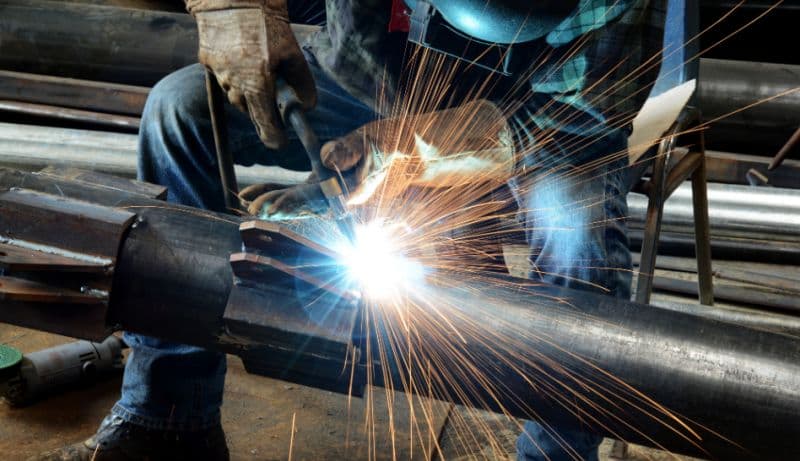
Equipment Manufacturing
The critical components of the of the complete soybean extrusion system equipment are built in our own workshops in Asia. Additional equipment is manufactured by our worldwide network of reliable partners.

● Testing
Quality Inspection & Testing
Before leaving the factory, all equipment will be inspected by the quality inspection department. We can also provide customers with testing services from a single machine to a complete soybean extrusion system, and provide you with real actual data for “worry-free use.”

● Delivery
Equipment Delivery
In equipment boxing and packaging, we adopt professional packaging and modular solutions to ensure the safe and non-destructive delivery of soybean extrusion system equipment.
● Installation
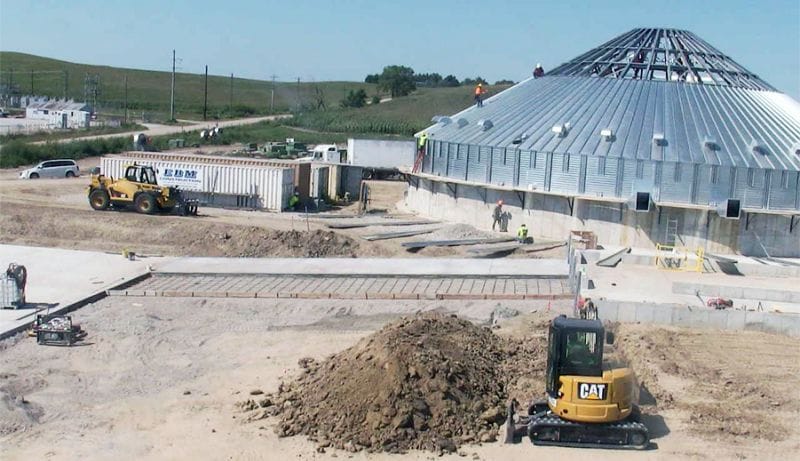
Installation & Commissioning
Whether you choose your own subcontractor for the erection phase or you want to install everything together with us, a Richi supervisor will be around to make sure everything is mounted in a safe and thorough way.

● Training
Staff Training
We provide comprehensive training for the technicians of each project. We can also continue to provide support for the technicians during latter project operation.
● After-sales
Project Follow-Up
When everything is up and running our Richiers will help you further whenever needed. We are ready to answer your call 24/7.We’ll also visit you regularly to learn about your needs.
Who we are
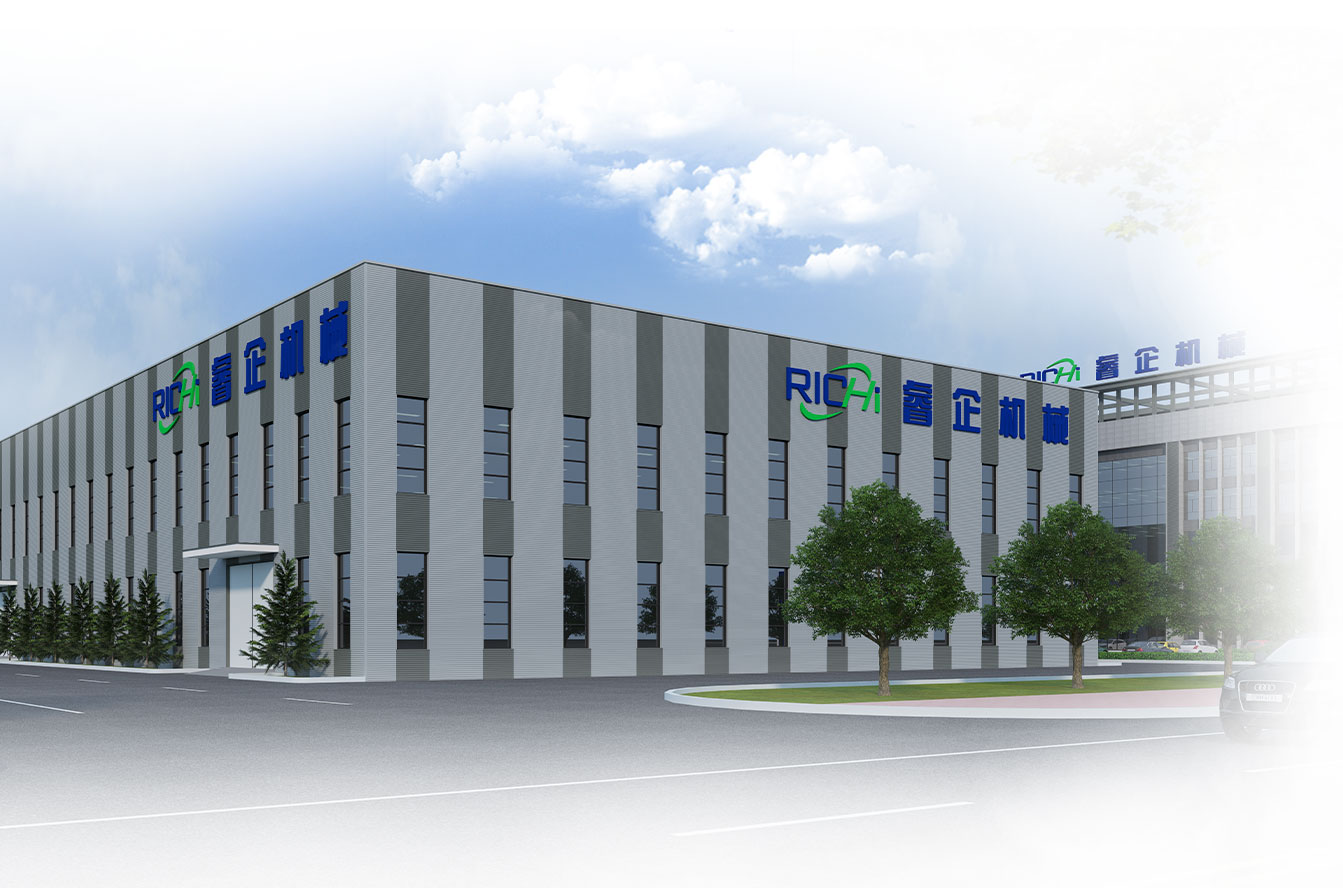
RICHI Machinery is one of the world’s leading suppliers of technology and services for the animal feed, aqua feed and pet food industries, also the largest pellet production line manufacturer in China.
Since 1995, RICHI’s vision to build a first-class enterprise, to foster first-class employees, and to make first-class contributions to society has never wavered.
In the past three decades, we have expanded our business to a wide range of areas, including animal feed mill equipment, aqua feed equipment, pet feed equipment, biomass pellet equipment, fertilizer equipment, cat litter equipment, municipal solid waste pellets equipment, etc.

1995
RICHI Established

2000+
Serving More Than 2000 Customers

120+
RICHI Employees

140+
Exported To 140 Countries