

 0086-138 3838 9622
SMALL BIOMASS PELLET MACHINE


Global Applications & Who It Serves
Our small biomass pellet machine is the perfect choice for farmers, forestry managers, entrepreneurs, and small to medium-sized businesses ready to turn local organic waste into value. It serves as a versatile core to produce pellets for fuel, animal bedding, organic fertilizer, soil amendment, biochar, and various industrial applications.
Regardless of your industry—agriculture, forestry, waste management, or manufacturing—this machine meets your needs. With our small biomass pellet machine, you can efficiently process available biomass into renewable fuel, RDF/SRF, carbon-based products, and other specialized pellets for environmental and industrial uses. Explore how our small biomass pellet machine delivers results across the globe. Each project below showcases our equipment’s adaptability to local materials and diverse production goals. These real-world applications demonstrate how you too can transform regional biomass into profitable, sustainable pellets.


Romania Project
Watch how wood chips and sunflower hulls are processed into high-quality heating pellets, providing a clean, cost-effective alternative to fossil fuels for local communities.

Malaysia Project
See our machine efficiently pelletizing abundant palm kernel shells and EFB (empty fruit bunches), converting agricultural waste into valuable fuel for biomass power generation.

Argentina Project
Follow the journey of soybean stalks and native sawdust into dense industrial boiler fuel, helping local factories reduce energy costs and carbon footprint.
Bangladesh Project
Discover how rice husk and other agro-residues are transformed into standardized biomass pellets, supporting both local fuel markets and sustainable waste management.
Versatile Raw Materials for Pelletizing
Our small biomass pellet machine is engineered to handle an exceptionally wide range of raw materials. Its robust design allows it to process not only traditional biomass but also various organic and inorganic substances into high-density pellets. The core capability lies in transforming low-value residues into standardized, valuable products.

Process Almost Any Material Into Pellets
The finished pellets serve countless purposes, from renewable fuel and animal bedding to soil enhancers and industrial adsorbents.

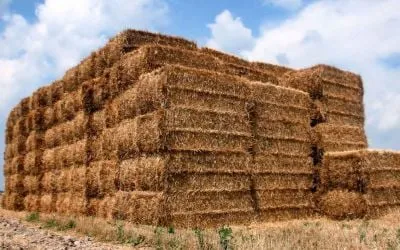
rice straw
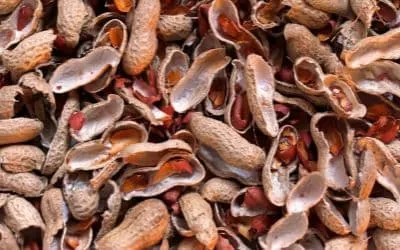
peanuts shell
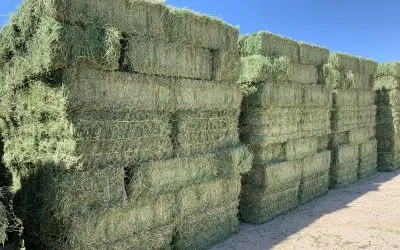
alfalfa

Sunflower shells
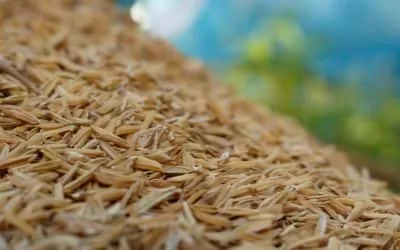
rice husk
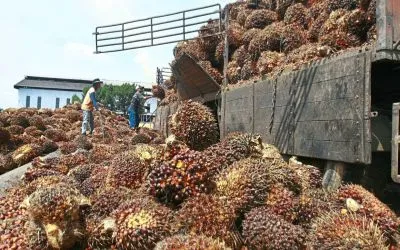
palm waste

wood chips
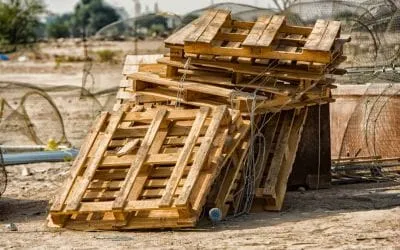
wood pallets
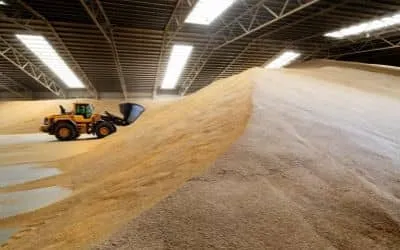
wood sawdust
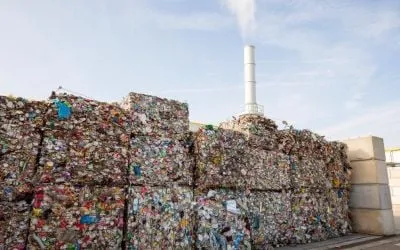
RDF
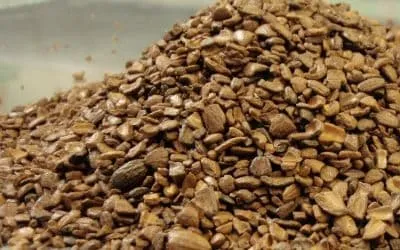
Olive by-products

leaves

hemp
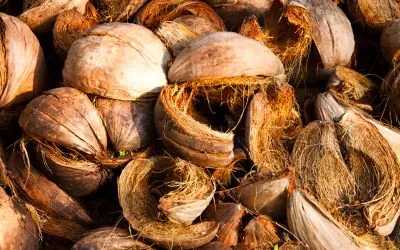
coconut husk

Coffee residue
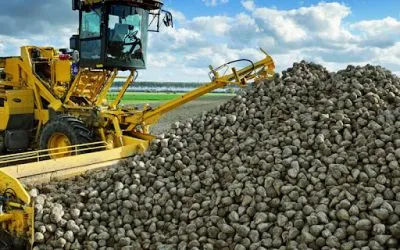
Sugar beet

Walnut shell

corn stalks

hay

paper/cardboard

Cassava
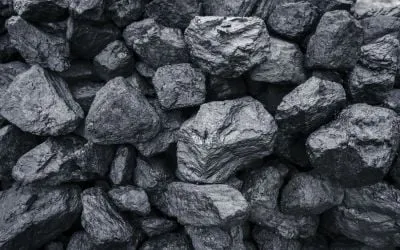
coal

Furniture Waste

waste tire
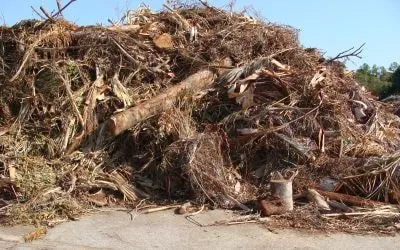
wood waste

wheat straw

Algae
Suitable materials primarily fall into these categories: agricultural residues (like straw and husks), forestry waste (sawdust, wood chips), industrial by-products, processed municipal waste (RDF), and even minerals like bentonite. The small biomass pellet machine excels at processing materials from farming, forestry, manufacturing, and urban activities, effectively closing the loop on waste streams.
Ready to see what our small biomass pellet machine can do with your raw materials? Contact us today for a personalized project review.
Technical features of MZLH320 small biomass pellet machine
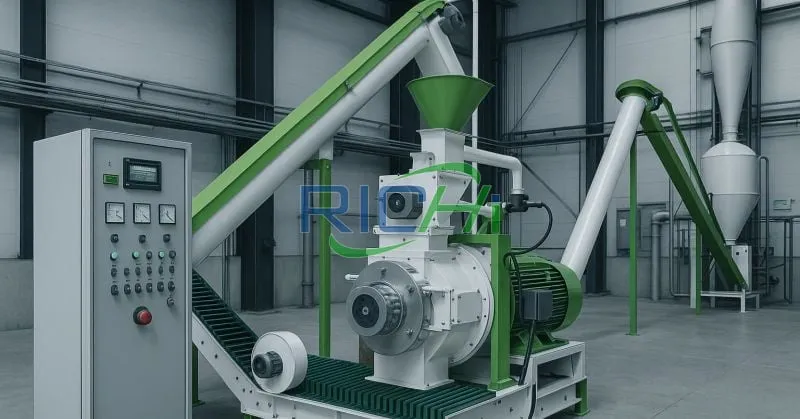
The design of our small biomass pellet machine focuses on durability, efficiency, and ease of operation. Every component, from the heavy-duty gearbox to the precision-machined ring die, is selected and engineered for the demanding task of biomass pelletizing. This results in a robust machine that delivers consistent output, reduced downtime, and lower long-term operating costs, making it a reliable core for your production line.
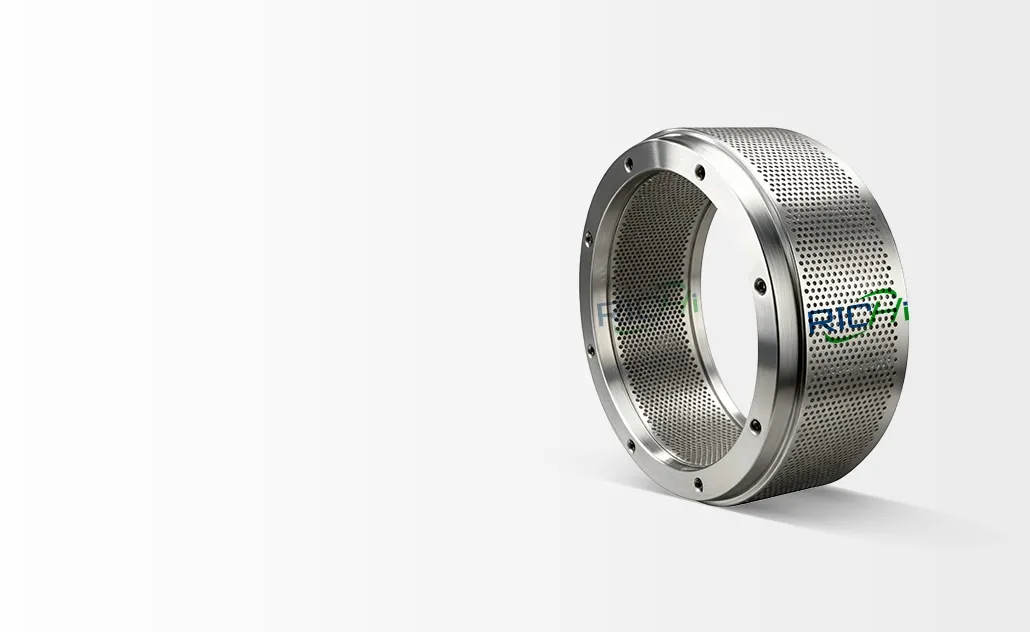
Innovative Ring Die Design
Our small biomass pellet machine features a revolutionary ring die design that addresses common industry challenges. Through multiple innovative engineering solutions, we have significantly improved die durability, hourly output capacity, and total production lifespan.
The ring die incorporates specialized heat treatment processes and stress-relief design features that minimize internal tension points. This prevents premature cracking and extends the die’s operational life even under continuous high-pressure conditions..
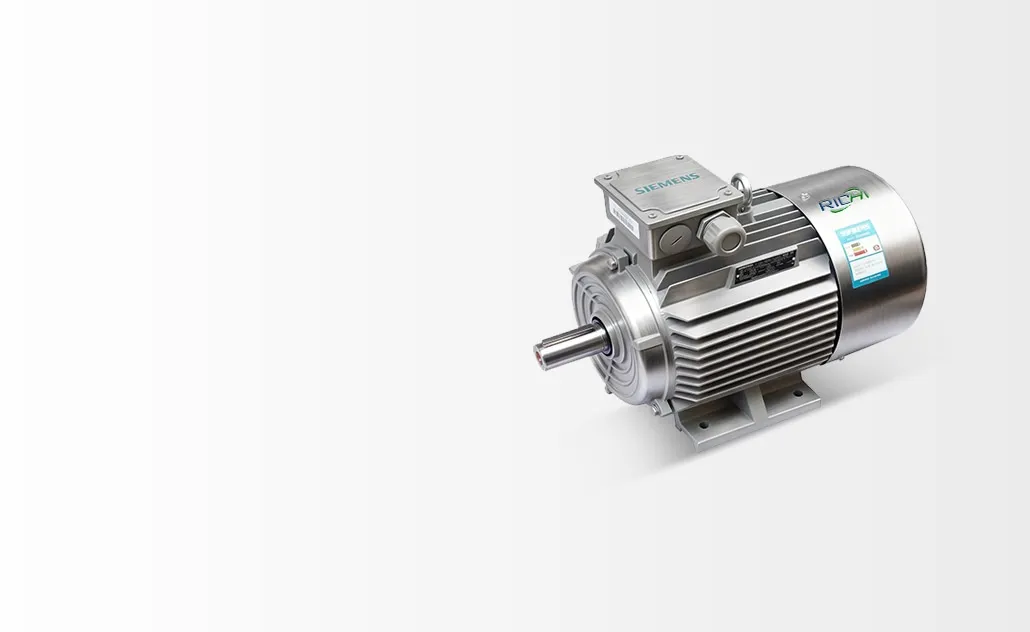
Premium Siemens Motor
The core of our small biomass pellet machine is driven by a premium Siemens electric motor. It provides stable, consistent power with high energy efficiency and exceptional reliability.
This ensures smooth startup and continuous operation under load, forming the dependable heart of your pelleting process.
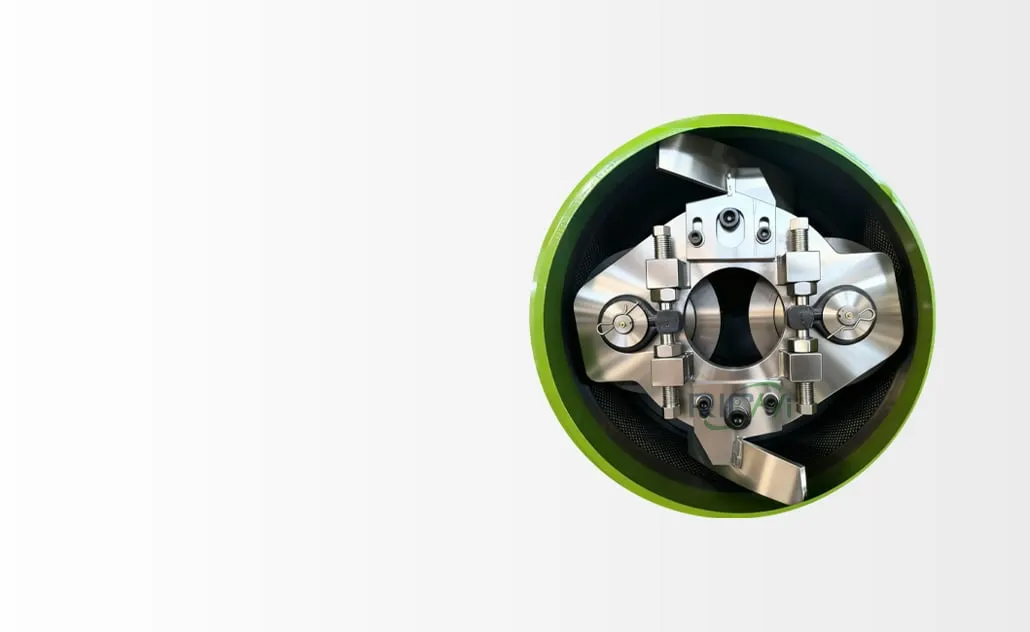
Adjustable Pellet Cutter
An adjustable cutter allows for precise control over final pellet length. Paired with a robust feed auger (feed screw), this small biomass pellet machine ensures material is conveyed steadily from the feeder into the pelleting chamber for uniform production.
Key components like the main shaft, gears, and drive wheels are crafted from high-strength forged alloy steel. Processed with high-precision gear grinders, this ensures exceptional structural integrity, resistance to deflection under load, and a vastly extended service life.
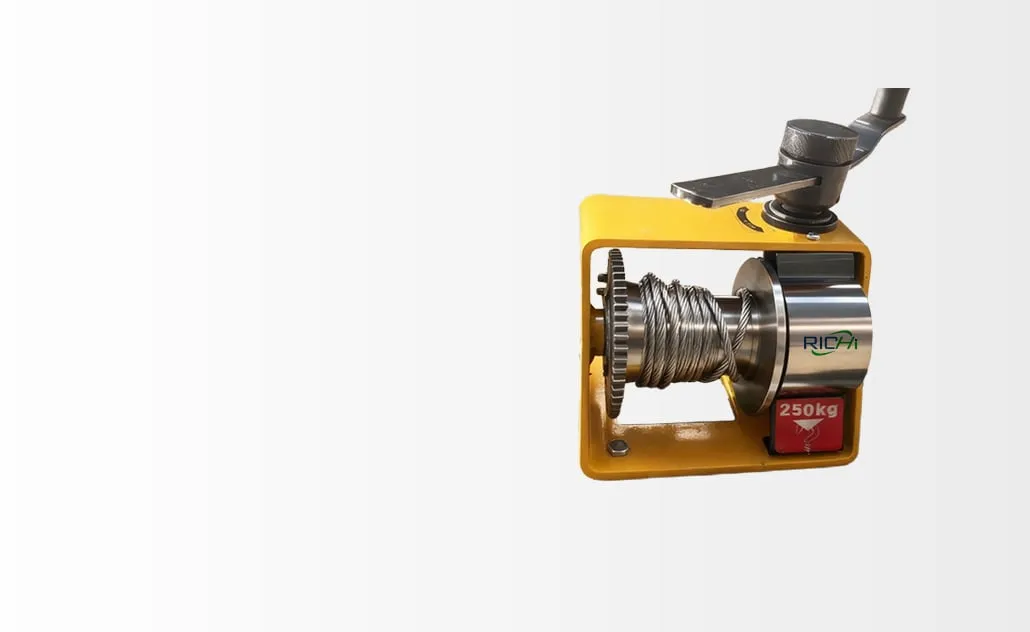
Dedicated Ring Die Hoist System
Our small biomass pellet machine includes an integrated ring die hoist mechanism specifically designed for safe and convenient die handling. This system allows operators to easily install, remove, or reposition the heavy ring die with minimal physical effort.
The hoist features smooth operation and secure locking positions, preventing accidents and die damage during maintenance procedures.
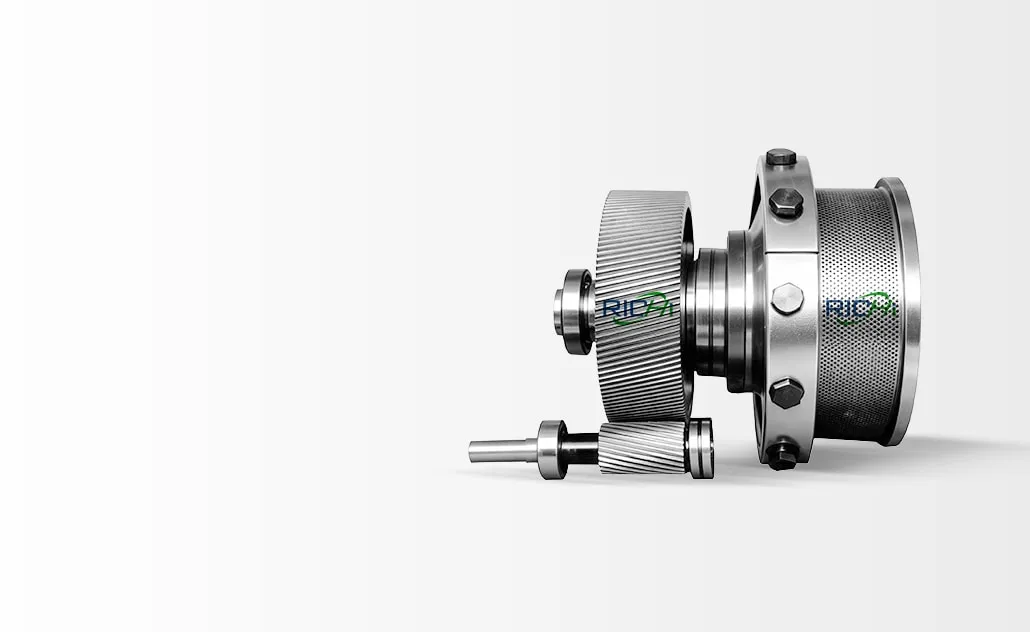
High-Precision Gear Drive
Unlike common belt drives, this small biomass pellet machine employs a high-precision hardened gear transmission system. It delivers about 15% higher mechanical efficiency, transmits greater torque to the ring die, and ensures stable, low-noise operation with minimal power loss and maintenance.
This configuration enables higher compression forces while preventing shaft deflection and vibration. The gear system delivers more consistent power transmission with minimal energy loss.
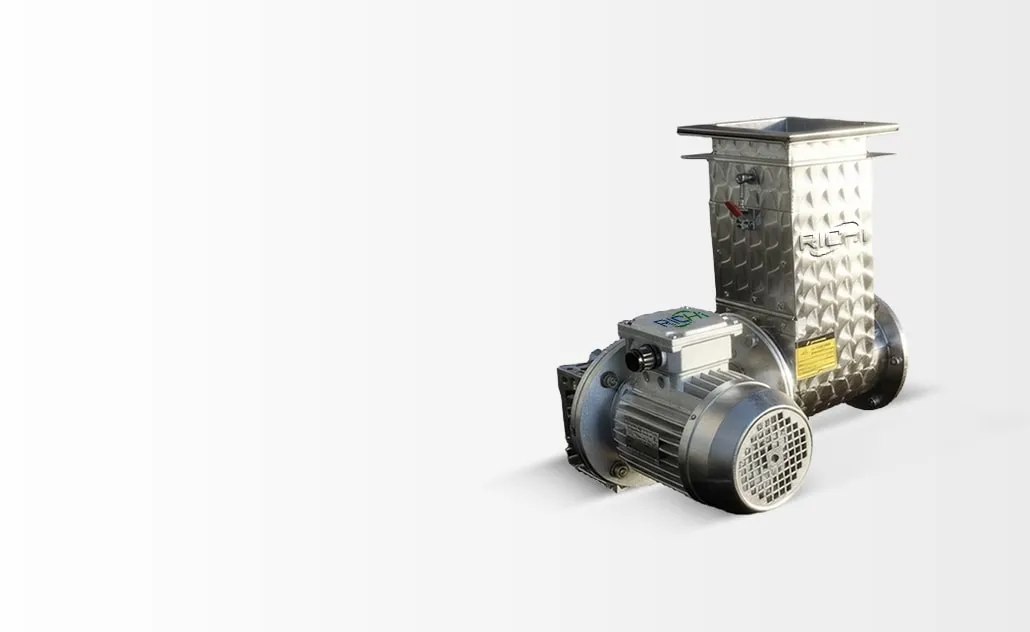
Advanced Feeding Mechanism
The feeding system combines a variable-speed feed auger with an intelligent anti-bridging design to ensure smooth material flow into the pelleting chamber. This prevents clogging and maintains consistent feeding rates even with challenging biomass materials.
The system includes adjustable flow controls that allow operators to fine-tune the feed rate according to material characteristics and production requirements.

Heavy-Duty Ring Die Rollers
The ring die rollers in our small biomass pellet machine are manufactured from high-strength alloy steel and undergo precision heat treatment. This ensures exceptional wear resistance and consistent pressure application during the pelletizing process.
The rollers are designed with an optimized curvature that matches the ring die perfectly, ensuring uniform compression across the entire die surface.







Performance Benefits & Operational Value
Watch Our Biomass Pellet Machine Video
Our small biomass pellet machine operates on a precise mechanical principle: the motor drives a gear reducer that rotates the press roller within a stationary ring die, forcing biomass material through the die holes where it is cut into uniform pellets by an adjustable cutter.
Optimized Production Efficiency
Our small biomass pellet machine delivers a high output of 0.2-0.6 t/h with low specific energy consumption. Its stable operation minimizes downtime, directly translating to higher productivity and a better return on your investment.
Exceptional Pellet Quality
The machine produces dense, durable pellets with low moisture content and consistent size. This results in superior combustion value for fuel, better nutrient retention for feed, and higher overall market value for your end product.
Broad Raw Material Versatility
From agricultural residues to wood waste, our small biomass pellet machine handles a remarkably wide spectrum of materials without compromising performance. This flexibility allows you to utilize locally available feedstock and adapt to seasonal supply changes.
Cost-Effective Operation & Maintenance
Designed for simplicity and durability, the machine features long-lasting components and easy-access maintenance points. This reduces spare part frequency, lowers labor costs, and ensures a lower total cost of ownership over its lifespan.
Customized Solutions for Your Goals
We go beyond standard models. Our team provides tailored solutions, including specific die configurations for your target pellet type, integration planning for your production line, and process optimization for your unique raw materials.
Sustainable & Environmentally Positive
By converting waste biomass into valuable pellets, our machine supports circular economy principles. It helps reduce reliance on fossil fuels, manage agricultural waste, and create a cleaner, sustainable energy source.
Technical Specifications
Below are the comprehensive technical specifications for our flagship MZLH320 small biomass pellet machine. This data provides clear insights into its operational parameters and performance capabilities. If your production needs exceed the capacity of this model, we offer a complete series of pellet mills to match any scale of operation.
Capacity
0.2-0.6T/H
Main Motor Power
22KW
Forced Feeder Power
0.75KW
Broken Arch Feeder Power
2.2KW
Ring Die Diameter
320mm
Finished Pellet Diameter
4~12mm
Ring Die Material
42CrMo
Door of Pelleting Room
6mm /SUS304
Gear Box
HT250
Gear/Gear Shaft/Spindle
42CrMo
Main motor series
8P
Forced feeding
Worm gear reducer
Motor
Siemens
Oil seal
Germany/Taiwan
Overload mechanical protection
safety pin
Lubrication system
automatic oil injection
Explore Our Full Range of biomass Pellet Machines
Our single machine output covers a broad spectrum from 0.2 to 8 t/h. The actual achievable capacity for your project depends on several factors including your specific raw material type, formulation, processing requirements, and intended pellet use. To determine the exact production output, please provide us with your material details and goals. Beyond the small biomass pellet machine shown above, we offer five additional models. For production needs exceeding 3-8 t/h, we typically recommend configuring multiple units in a dedicated production line.

MZLH350
Main Motor Power
37 kw
Broken Arch Feeder Power
2.2 kw
Forced Feeder Power
0.75 kw
Ring Die Inner Diameter
350 mm
Finished Pellet Diameter
4~12 mm
Capacity
0.3-1.2 T/H

MZLH420
Main Motor Power
90 kw
Broken Arch Feeder Power
3 kw
Forced Feeder Power
1.5 kw
Ring Die Inner Diameter
420 mm
Finished Pellet Diameter
4~12 mm
Capacity
1.0-2.0 T/H

MZLH520
Main Motor Power
132 kw
Broken Arch Feeder Power
3 kw
Forced Feeder Power
1.5 kw
Ring Die Inner Diameter
520 mm
Finished Pellet Diameter
4~12 mmm
Capacity
1.5-3.0 T/H

MZLH678
Main Motor Power
185 kw
Broken Arch Feeder Power
3 kw
Forced Feeder Power
1.5 kw
Ring Die Inner Diameter
673 mm
Finished Pellet Diameter
4~12 mm
Capacity
2.5-5.0 T/H

MZLH768
Main Motor Power
250 kw
Broken Arch Feeder Power
4 kw
Forced Feeder Power
1.5 kw
Ring Die Inner Diameter
762 mm
Finished Pellet Diameter
4~12 mm
Capacity
3.0-8.0 T/H
Key Factors for Perfect Pellet Quality
Achieving consistent, high-quality pellets relies on mastering several critical process parameters. With extensive experience processing diverse biomass materials globally, we provide expert guidance to optimize your production. Understanding these variables ensures your small biomass pellet machine operates at peak efficiency and output. The pelleting process mechanically compresses prepared feedstock through a ring die. The final pellet’s integrity, density, and durability are directly influenced by material preparation and machine settings. Precise control over the following four factors is essential for successful results.
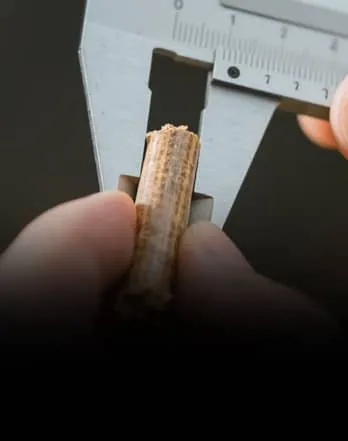
Raw Material
Particle Size
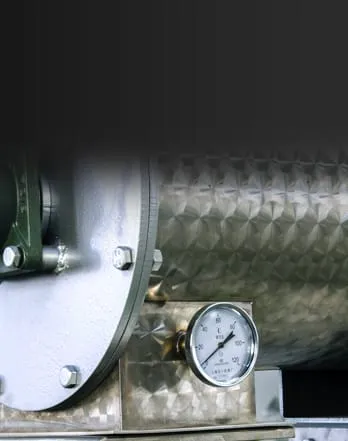
Feedstock
Moisture Content
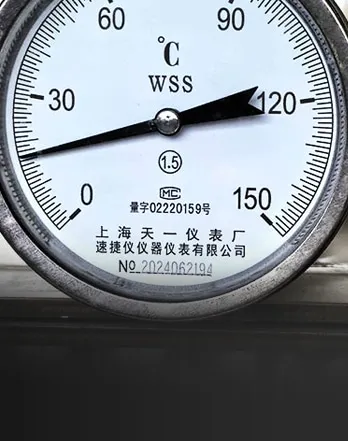
Pelletizing
Temperature

Ring Die
Compression Ratio
Successful pelletizing is a science that balances material properties with mechanical precision. Our team of experts has mastered this balance across thousands of projects globally. We can help you analyze your specific raw materials and recommend the optimal parameters for your small biomass pellet machine, ensuring you achieve the highest quality and yield from day one.
Global Biomass Pelletizing Success Stories

India Agricultural Residue Pelleting Project
An agri-cooperative processes rice husk into clean cooking fuel pellets with our system, reducing field burning and generating farmer income.

Thailand Cassava Stalk Processing Project
A processor transforms cassava stalks into industrial fuel pellets using our durable machine, establishing a circular economy model.
Indonesia

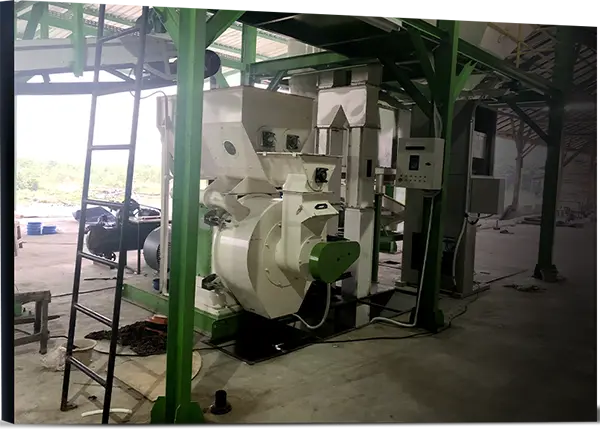
Indonesia Palm Waste to Energy Project
Raw materials : PKS & EFB
A local plant uses our small biomass pellet machine to process palm kernel shells (PKS) into industrial boiler fuel, turning waste into a profitable energy source.
Expert Talk
Brazil
Brazil Sawdust Valorization Project
Raw materials : Sawdust
A sawmill uses our machine to convert wood residues into heating pellets, creating a new revenue stream from previously discarded materials.
Inquire Now
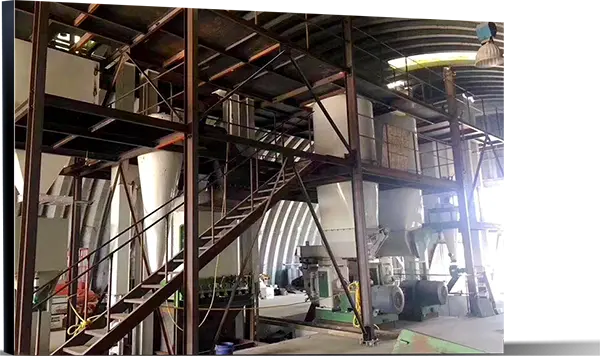
Australia
Australia Urban Green Waste Recycling Project
Raw materials : Green Waste
A startup converts garden waste into heating pellets with our small biomass pellet machine, diverting organic material from landfills.
Expert Talk

South Africa
South Africa Fruit Tree Pruning Project
Raw materials : Pruning Waste
An orchard farm turns pruning waste into clean-burning fuel pellets for local businesses using our efficient pelleting system.
Inquire Now
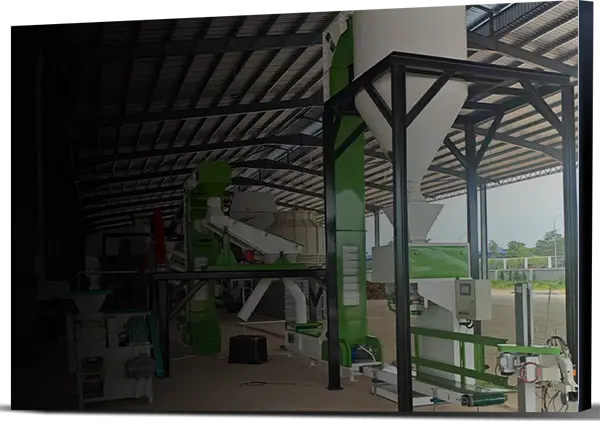
Our expertise extends far beyond a single model. We engineer small biomass pellet machine solutions tailored to the unique properties of specific feedstocks. Each material—from fluffy grasses to dense wood waste—has optimal processing parameters for pellet density, durability, and final application.
Specialized Pellet Machines for Every Biomass Type
Browse by Your Primary Raw Material
The right machine configuration directly impacts your bottom line. For example, a machine optimized for rice husk requires hardened components to resist abrasion, while a system for alfalfa prioritizes gentle conditioning to preserve nutrient value. Below, explore our targeted equipment designed to transform your local biomass into high-value pellets for fuel, feed, bedding, and industrial use.

husk pellet machine
Forestry/Agricultural/Industrial/Urban Waste Pelletizer
Starting a pellet production project involves several cost considerations. The total investment varies significantly based on your target capacity, raw material characteristics, and desired level of automation. Below, we address key financial questions to help you plan effectively. All our equipment is manufactured in-house and shipped directly from our factory, ensuring quality control and competitive pricing.
How much does a single small biomass pellet machine cost
+
The MZLH320 model, with a 22KW motor and an output of 0.2-0.6T/H, has an FOB Qingdao price range of $15,000 – $18,000. This small biomass pellet machine quotation includes the core pelletizer, force feeder, anti-bridging feeder, and control cabinet.
For reference, other models in our range are priced as follows:
- MZLH350 (37KW, 0.3-1.2T/H): $18,000 – $25,000
- MZLH420 (90KW, 1.0-2.0T/H): $26,000 – $32,000
- MZLH520 (132KW, 1.5-3.0T/H): $43,000 – $50,000
- MZLH678 (200KW, 2.5-5.0T/H): $64,000 – $70,000
- MZLH768 (315KW, 3.0-8.0T/H): $75,000 – $85,000
The small biomass pellet machine serves as the core of any production line, with pricing scaling according to capacity and power.
How much does a complete biomass pellet production line cost?
+
The price for a full line is highly project-specific. Key factors like your raw material’s moisture content, initial physical form (chips, logs, dust), and required preprocessing steps (drying, crushing) directly influence the final system design and cost. As a reference, FOB prices for standard lines span a wide range based on output:
- 0.2-0.3 T/H: $20,000 – $140,000
- 1.0-1.2 T/H: $39,000 – $220,000
- 2.5-3.0 T/H: $78,000 – $350,000
- 5.0-6.0 T/H: $160,000 – $570,000
- 10-12 T/H: $280,000 – $1,100,000
- …
Are there any hidden costs I should budget for?
+
Beyond the core machinery, your budget should account for shipping, import duties, installation, local electrical work, and potential site preparation. Operating costs for spare parts (like ring dies and rollers), energy consumption, and labor are also ongoing considerations. We provide a transparent cost breakdown with every formal quotation.
What is the typical ROI for a small-scale pellet plant?
+
Return on investment depends heavily on your local market price for pellets, cost of raw materials (often waste), and operational efficiency. A well-run plant using low-cost or free feedstock can often see a payback period of 1.5 to 3 years. The reliable small biomass pellet machine is key to maintaining consistent output and minimizing downtime, which directly impacts profitability.
Why is there such a wide price range for production lines with similar capacity?
+
Two lines with the same hourly output can have vastly different configurations and costs. A line processing wet, chipped logs requires expensive dryers and heavy-duty crushers, while a line using ready-made, dry sawdust may not. The level of automation—from manual feeding to fully PLC-controlled systems—also significantly affects the final price. We tailor each line to your specific material and goals.
Understanding Investment & Cost Factors
Customized Pellet Line Engineering & Process Solutions
We offer far more than just a standalone machine; we deliver complete, customized biomass pellet production solutions tailored to your target output, specific raw materials, and site conditions. The standard workflow involves raw material preparation (cleaning, crushing, drying), pelleting, cooling, screening, and packaging. However, your unique requirements—based on feedstock, final product specifications, available space, and budget—will determine the exact configuration. We integrate additional systems like mixing, impurity removal, dust collection, and storage as needed to create a seamless and efficient production line for your small biomass pellet machine and auxiliary equipment.


Biomass Pellet Mill
Select Your Target Production Capacity:
Explore our pre-engineered solutions for different output ranges, each fully customizable to your specific raw material characteristics and operational goals.

Material-Specific Pellet Production Solutions
Processing different types of biomass requires distinct engineering approaches. The optimal pellet production line varies significantly based on your raw material’s form, moisture content, and binding properties. We tailor the process flow for each project, determining essential stages like specialized crushing or drying, and optional systems based on your feedstock, available space, and budget. Select your material category below to explore our targeted solutions.
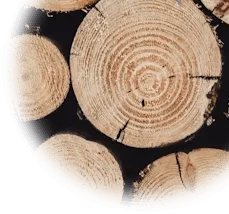
Wood Pellet Production Line
Engineered for high-density woody materials like sawdust and wood chips, our solution focuses on efficient grinding and optimal moisture control to produce durable, high-calorific fuel pellets. We configure the line to handle the specific compression needs of wood.
Sawdust
Wood Chips
Forest Thinnings
Pallets
Wood Shavings
Bark

Straw Pellet Production Line
Designed for tough, fibrous crop residues like straws and stalks. The solution includes robust shredding and high-compression pelleting to handle low-bulk-density materials, producing durable pellets for industrial boilers and biomass power plants.
Wheat Straw
Rice Straw
Corn Stalk
Cotton Stalk
Barley Straw
Oat Straw

Husk Pellet Production Line
Built for hard, abrasive agricultural by-products. This line utilizes specialized crushers and high-compression ring dies to transform low-density husks and shells into dense, high-energy industrial fuel pellets.

Grass Pellet Production Line
Optimized for soft, leafy grasses and similar herbaceous plants. This line features gentle yet efficient processing to preserve nutrients, often with conditioning for binding, producing pellets primarily for animal feed and specialized fuel.

Agricultural Waste Pellet Line
A versatile solution for mixed or heterogeneous farm residues. The system is highly customizable, often incorporating flexible preprocessing and mixing to handle various materials for fuel, bedding, or soil amendment pellets.
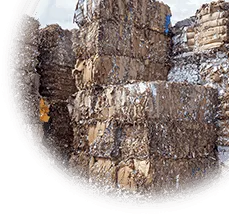
Industrial & Municipal Waste Pellet Line
For challenging feedstocks like RDF and commercial waste, we design robust lines with strong shredding, sorting, and often specialized drying to ensure stable pelletization for alternative fuel production.
Frequently Asked Questions
We’ve compiled the most common questions from our global clients about operating, maintaining, and optimizing our small biomass pellet machine. Whether you’re exploring a new business opportunity or expanding existing production, these answers will help you make informed decisions.
Can a small biomass pellet machine for sawdust also process harder materials like wood chips effectively?
+
Absolutely. The ring die design in our small biomass pellet machine provides the robust compression force necessary to handle both soft sawdust and harder wood chips. For optimal results with mixed materials like this, we recommend a multi-stage crushing process to ensure a consistent particle size before pelleting. Our engineers can advise on the best pre-processing setup for your specific wood waste mix, ensuring the machine runs smoothly and maintains its stated output of 0.2-0.6 t/h without excessive wear.
What’s the best way to prepare rice straw for processing in a small biomass pellet machine for straw biomass?
+
Rice straw requires careful preparation due to its fibrous and often high-moisture nature. The ideal process involves: 1) Chopping or shredding the long straw to lengths under 5cm, 2) Drying the material to a moisture content of 12-16% using a rotary dryer, and 3) Fine grinding with a hammer mill to achieve a particle size of 3-5mm. This preparation is crucial for ensuring a consistent feed into the small biomass pellet machine, preventing bridging in the feeder, and producing dense, durable straw pellets. We provide complete line designs that integrate these essential preparatory steps.
If I want to process 50% palm kernel shell and 50% sawdust, is a small biomass ring die pellet machine suitable?
+
Yes, a ring die machine is perfectly suitable and is actually the recommended type for such an abrasive mix. The hardness of palm kernel shell (PKS) requires the durability of a ring die. For this 50/50 blend, key considerations include using a ring die with a high compression ratio (we recommend starting with 1:8) and a hardened alloy steel composition to resist abrasion. The sawdust acts as a natural binder and helps the mixture flow. Our team at Richi Machinery has extensive experience in Asia configuring small biomass pellet machines for precisely these types of blended feedstocks to maximize die life and pellet quality.
How does a small biomass pellet machine for coconut shell differ in configuration from one for bagasse?
+
While the core small biomass pellet machine might be similar, the auxiliary equipment and die specifications differ significantly. For hard, abrasive coconut shell, the line requires a heavy-duty crusher (like a cage crusher) to reduce particle size and a ring die with a very high compression ratio (e.g., 1:9) and exceptional wear resistance. For fibrous, pithy bagasse, the line focuses on efficient drying (as bagasse is often very wet) and may use a die with a slightly lower ratio and larger inlet to prevent clogging. We customize the entire system configuration at Richi Machinery based on your primary material to ensure efficiency.
What preparation steps are needed for processing palm empty fruit bunches (EFB) in a small biomass pellet machine for palm biomass?
+
EFB is a challenging material due to its high moisture, oil content, and stringy fibers. Preparation is extensive but worthwhile:
1) Shredding: EFB must be shredded into small strands.
2) Drying: Critical step to reduce moisture from ~60% down to 12-15%.
3) Fiberizing/Pulverizing: The dried strands need to be broken down further into a fibrous pulp.
4) Pelleting: The prepared fiber can then be effectively pelleted.
Richi Machinery offers integrated solutions that cover all these steps, transforming this abundant waste into valuable fuel pellets.
What factors determine whether I can achieve the full 500kg per hour capacity with my specific materials?
+
Achieving the upper end of the capacity (0.5-0.6 t/h) depends on several material-specific factors:
- Moisture Content: Dry material (10-15%) processes faster than wet.
- Particle Size & Uniformity: Finely ground, consistent material flows and compresses more efficiently.
- Material Composition: Softwood sawdust typically yields higher hourly output than dense, hard husks due to easier compression.
- Die Specification: Using the correct compression ratio for your material minimizes resistance and maximizes throughput.
Our project managers will analyze your sample to predict a realistic output range for your small biomass pellet machine.
Can the same machine handle both dry agricultural waste and wet forestry residues?
+
The core small biomass pellet press machine has the mechanical capability, but processing wet materials (above ~18% moisture) directly will lead to poor pellet quality, die slippage, and low output. The key is in the pre-processing. A complete production line from Richi Machinery can be designed with a flexible drying system. For a operation handling both types, we would integrate a dryer that can be bypassed for already-dry agricultural waste but utilized for wet forestry residues. This approach allows one pelleting line to be highly versatile, though the throughput for wetter materials will be lower due to the drying time required.
What are the key differences between a standard small biomass pellet press machine and one optimized for mixed biomass?
+
A standard machine is often configured with a die and roller setup ideal for a narrow range of similar materials (e.g., just softwood sawdust). A machine optimized for mixed biomass, like those we build at Richi Machinery, typically includes features like: a more powerful forced feeder to handle varying bulk densities, a ring die with a versatile compression ratio that offers a good balance for different binders, and often a variable frequency drive (VFD) on the main motor to adjust power and compression force on-the-fly. This optimization provides the flexibility needed for inconsistent feedstock.
Is a small biomass pellet machine for rice husk capable of producing commercial-grade fuel pellets?
+
Yes, definitely. Rice husk pellets are a major commercial fuel source in many countries. The challenge with rice husk is its high silica content and low natural lignin, which can lead to abrasive wear and lower pellet durability. To produce commercial-grade pellets, our small biomass pellet machine for rice husk uses a specially hardened ring die and may be configured with a small amount of steam conditioning (if consistent steam is available) to slightly soften the lignin and improve binding. The resulting pellets meet common standards for bulk density and mechanical durability required by power plants and industrial boilers.
Can I use a single small biomass pellet machine for agricultural waste to process both crop stalks and grain husks?
+
Yes, this is a common and efficient use case. The machine’s versatility is key. For example, processing corn stalks requires robust primary shredding and likely drying, while wheat husk may only need fine grinding. The pelleting machine itself can handle both if the material is prepared to a suitable size and moisture content (ideally 12-16%). We advise clients to batch process similar materials or, if mixing, to ensure a consistent blend before feeding. Our engineers can design a preparatory line with flexible routing to handle multiple waste streams feeding into one small biomass pellet machine.
How does the compression mechanism in a small biomass ring die pellet machine handle fibrous materials like bagasse?
+
The ring die machine excels with fibrous materials due to its rolling and pressing action. As the rollers turn inside the stationary ring die, they grab the fibrous bagasse and progressively compress it against the die’s inner wall. This rolling action helps align the fibers and entangle them, which is beneficial for binding. For bagasse, we often recommend a die with a larger inlet hole and a tapered compression channel to allow the bulky fibers to enter and compact gradually without creating a blockage, ensuring a stable output within the machine’s 0.2-0.6 t/h range.
How does moisture content affect the actual output of a small biomass pellet machine for wood waste?
+
Moisture content has a direct and significant impact. Wood waste with ideal moisture (12-16%) flows smoothly and compresses efficiently, allowing the machine to run at its designed capacity. If the moisture is too high (>20%), the material becomes soft, causing it to slip in the die instead of being compressed, drastically reducing output and potentially stalling the machine. Excess moisture also requires more energy to evaporate as heat during compression. We always stress that proper drying is not optional for maximizing the productivity of your small biomass pellet machine.
Can I adjust the pellet density when using a small biomass pellet machine for mixed biomass?
+
Yes, pellet density is adjustable within a range.
The primary control is the ring die compression ratio. A die with a higher ratio (longer holes) produces denser, harder pellets.
Secondary adjustments include: Gap between rollers and die: A smaller gap increases pressure and density.
Material formulation: Adding a fine, binding material (like some sawdust) to the mix can increase density.
The operator of the small biomass pellet press machine can make some adjustments, but major changes require switching the ring die, which is why we help clients select the optimal die from the start.
What’s the typical energy consumption per ton for a small biomass pellet machine for sawdust operating at maximum capacity?
+
For a well-tuned small biomass pellet machine processing dry, softwood sawdust at near its maximum capacity (e.g., 0.5 t/h), you can expect a specific energy consumption in the range of 80 to 110 kWh per ton of pellets. This figure includes the main pelletizer motor, feeders, and cooling. Consumption will be higher for harder materials, wetter feedstock, or if the machine is running below its optimal capacity. Richi Machinery’s gear-driven design is more energy-efficient than belt-drive systems, helping to keep your operating costs competitive.
How does material particle size impact the production rate of a small biomass pellet press machine?
+
Particle size is critical for production rate. Material that is too coarse (e.g., large wood chips) cannot enter the die holes efficiently, causing blockages, roller slippage, and low output. Ideally, over 90% of the particles should be smaller than the die hole diameter. Consistently fine material (like sawdust under 3mm) fills the die holes uniformly and compresses quickly, leading to higher and more stable production rates. This is why we design crushing systems that deliver the ideal particle size distribution for your specific small biomass pellet machine.
What specific considerations are needed for operating a small biomass pellet machine in India with local agricultural residues?
+
Operating in India involves considering local materials like rice husk, mustard stalk, and sugarcane bagasse, which can be abrasive or high-moisture. Key considerations include: ensuring stable three-phase power supply, which may require a voltage stabilizer; designing for the high ambient heat and dust, which affects cooling and maintenance schedules; and selecting ring dies with extra abrasion resistance. Richi Machinery has extensive experience supplying and supporting small biomass pellet machines across India, with local service partners to ensure smooth operation.
Are there special configurations recommended for a small biomass pellet machine in Indonesia processing palm biomass?
+
Yes, for Indonesia’s abundant palm biomass (PKS, EFB, fronds), configurations focus on durability and moisture handling. We recommend machines with hardened, wear-resistant components throughout the feed path and ring die. For EFB processing, integrating a dedicated dryer is essential. Given the climate, corrosion-resistant coatings on the machine are advisable. Our team is very familiar with the Indonesian market and can provide a small biomass pellet machine configuration proven to handle these specific materials reliably.
What support is available for setting up a small biomass pellet machine in Ghana for local wood waste processing?
+
Richi Machinery provides comprehensive support for projects in Ghana. This starts with a free consultation to analyze your local wood waste (e.g., from teak, mahogany, or wawa processing). We then offer a detailed plant layout and equipment list. We supply the machine FOB or CIF and provide detailed installation manuals, foundation drawings, and electrical diagrams. Optional on-site installation supervision by our engineers is available. We also offer remote training via video call and have a network of parts suppliers to ensure you get timely technical support.
How does the design adapt for a small biomass pellet machine in Thailand working with rice husk and straw?
+
For Thailand’s major residues, the design prioritizes versatility and abrasion resistance. The small biomass pellet machine would be equipped with a ring die specifically hardened for silica-rich rice husk. The feeder system is designed to handle the low bulk density of fluffy rice straw after shredding. Often, we recommend a configuration that allows for blending husk and straw to create a more balanced feedstock. Our solutions in Thailand also consider the need for efficient cooling, as the pellets exit the machine at high temperature in the local climate.
What are the key factors when selecting a small biomass pellet machine supplier in Vietnam for wood processing applications?
+
Key factors include:
- Technical Expertise: The supplier should understand Vietnamese wood species (acacia, rubberwood, etc.) and their pelleting characteristics.
- Manufacturing Quality: Look for a manufacturer like Richi Machinery that uses premium components (Siemens motors, SKF bearings) for reliability in humid conditions.
- After-sales Service: Ensure they offer responsive remote support and have a local agent or stock of wear parts (dies, rollers).
- Project References: Ask for case studies of successful small biomass pellet machine installations in Vietnam’s wood industry.
What technical specifications are most important for a small biomass pellet machine in Romania processing local forestry residues?
+
For Romanian beech, oak, and spruce residues, important specs include:
- Motor Power: A robust 22kW motor to handle hardwood.
- Gearbox Quality: A high-torque, precision gear drive for consistent force.
- Ring Die Material: Alloy steel with a hardness of HRC 55-60 for durability.
- Feeder Type: A forced feeder with variable speed to handle different chip-to-sawdust ratios.
- Safety Standards: Full CE certification ensuring compliance with EU regulations. Richi Machinery’s machines meet and exceed these specifications for the European market.
How does climate affect the operation of a small biomass pellet machine in the Philippines with high humidity materials?
+
High humidity poses two challenges: it makes drying fresh feedstock more energy-intensive, and it can cause prepared, dry material to re-absorb moisture before pelleting, disrupting the process.
For the Philippines, we recommend: enclosed storage for dried feedstock, possibly with dehumidifiers; ensuring the pellet cooler is adequately sized to bring pellet temperature down quickly to prevent condensation; and using stainless steel or coated surfaces on equipment in contact with material to prevent rust. Our design consultations always account for local climate.
Are there different electrical requirements for a small biomass pellet machine in Brazil versus one in Poland?
+
Yes, electrical standards differ. Brazil commonly uses 220/380V, 60Hz, three-phase power, while Poland uses 400V, 50Hz, three-phase. Richi Machinery configures the motor and electrical control cabinet of each small biomass pellet machine to match the destination country’s standard voltage and frequency. We provide all necessary documentation and can advise on any required transformers or protection devices to ensure safe and compliant installation in your location.
What maintenance considerations are unique to operating a small biomass pellet machine in Saudi Arabia’s desert climate?
+
Desert conditions mean high ambient temperatures and abrasive dust. Maintenance considerations include: more frequent checks of cooling systems (for both the gearbox and water-cooled rollers); using high-temperature grease for bearings; implementing rigorous daily cleaning routines to prevent dust buildup on motors and electrical components; and possibly installing the machine in a sheltered, climate-controlled shed to extend component life. Our maintenance guides include specific recommendations for arid environments.
How does material availability impact the configuration of a small biomass pellet machine in South Africa?
+
South Africa has diverse biomass: timber mill waste in Mpumalanga, sugarcane bagasse in KwaZulu-Natal, and invasive alien plants (e.g., Black Wattle) elsewhere. Configuration depends entirely on your primary, most available material.
A machine for wattle chips needs heavy-duty crushing, while one for bagasse needs efficient drying. Richi Machinery’s approach is to first conduct a feedstock analysis with our potential clients in South Africa. We then design a small biomass pellet machine system that is optimized for that specific, locally abundant resource to ensure year-round operation and a strong business case.
What’s the recommended die specification for producing 8mm fuel pellets with a small biomass pellet machine for agricultural waste?
+
For agricultural waste like straw and stalks, producing 8mm pellets requires a balanced approach. We typically recommend a ring die with an 8mm hole diameter, a compression ratio between 1:6 and 1:7.5, and a total effective thickness of 48-60mm.
The die should be made from chromium alloy steel (e.g., 20CrMnTi) and through-hardened to around HRC 56-58 to withstand the abrasive silica in the straw. This specification provides enough compression to form durable pellets without requiring excessive force that would reduce output on your small biomass pellet machine.
How often should the ring die be replaced in a small biomass pellet machine for wood waste operating 12 hours daily?
+
The lifespan of a ring die depends heavily on the wood type. For softwoods (pine, spruce), a high-quality die from Richi Machinery can last 800-1,200 production hours under such a schedule. For hardwoods (oak, beech) or contaminated wood, lifespan may be 500-800 hours. Key indicators for replacement are a noticeable drop in production rate (more slippage), increased energy consumption, and deteriorating pellet surface quality (more cracks). Using a properly matched die from the start is the best way to maximize its service life.
Can the same small biomass pellet press machine produce both 6mm fuel pellets and 10mm animal bedding pellets?
+
Yes, but it requires changing the ring die. The core machine’s motor, gearbox, and frame are capable. To switch from 6mm fuel pellets to 10mm bedding pellets, you would need to:
- 1) Stop and cool the machine.
- 2) Replace the 6mm ring die with a 10mm die (which typically has a lower compression ratio for softer pellets).
- 3) Adjust the cutter position for the new pellet length.
- 4) Possibly adjust the roller gap. The process takes a skilled operator 2-4 hours. We help clients plan such multi-product operations by supplying the appropriate spare dies and training.
What safety features should I prioritize when operating a small biomass pellet machine for mixed biomass with varying moisture levels?
+
Top safety priorities include:
- Electrical Protections: Overload protection and phase monitoring on the main motor.
- Mechanical Safety: A shear pin or torque limiter on the main drive to protect gears from catastrophic jams.
- Emergency Stops: Easily accessible emergency stop buttons on the control cabinet and near the feeder.
- Guarding: Full mechanical guards covering all moving parts like the drive belt and die area.
For variable moisture, ensuring the feeder has an anti-bridging device is also a safety feature, as it prevents operators from manually poking jammed material, which is a common cause of injury.
How do I optimize the feed rate in a small biomass pellet machine for sawdust to prevent jamming and ensure consistent output?
+
Optimizing feed rate is a balance. Start with the feeder at a low speed and gradually increase it while monitoring the amperage draw on the main motor. The ideal feed rate keeps the motor running at 80-95% of its rated load. If the amperage spikes and the machine sounds strained, reduce the feed slightly. If the amperage is low and the rollers are slipping, increase the feed.
For sawdust, a consistent, uniform feed is more important than a fast one. Using a variable frequency drive (VFD) on the force feeder, which our machines can be equipped with, allows for very precise control to find and maintain this “sweet spot” for maximum output without jamming.
Can you provide examples of successful small biomass pellet machine projects from Richi Machinery in various countries?
+
Certainly. While the MZLH320 small biomass pellet machine is the consistent, reliable core, the total project cost varies significantly based on the required preprocessing and post-processing equipment for specific raw materials. The figures below represent typical investments for complete, operational production lines delivered FOB, including necessary equipment like dryers, hammer mills, coolers, and conveyors, tailored to each client’s feedstock. Here are several global examples:
Vietnam – Corn Straw Valorization: For a project processing high-moisture corn straw waste, the complete line centered on the MZLH320 required a robust drying system and specialized shredding. The total project cost was approximately $180,000 USD, transforming a challenging agricultural residue into a marketable fuel pellet.
India – Mixed Feedstock Processing: An Indian client processing a blend of abrasive bamboo and rice husk needed heavy-duty crushing and screening stages. The fully-integrated line featuring the MZLH320 was implemented for about $70,000 USD, creating pellets for industrial boiler fuel.
United States – Energy Crop Processing: A farm cooperative in the U.S. investing in Miscanthus, hay, and flax straw pelletization required specific bale-breaking and fine-grinding equipment. Their complete system with the MZLH320 had a project cost near $150,000 USD.
Germany – Complex Industrial Blend: A German energy company’s line, designed to process a variable mix of palm waste, straw, husk, and wood waste to meet strict EU standards, involved advanced feeding and mixing technology. This sophisticated setup with the MZLH320 was implemented for roughly $210,000 USD.
Indonesia – Palm Biomass Focus: A dedicated line for palm waste and sawdust in Indonesia, necessitating fiberizing and precise moisture control, was completed for around $190,000 USD with the MZLH320 as the pelletizing heart.
Poland – Forestry & Agricultural Mix: A Polish project utilizing wood, leaves, and straw involved comprehensive raw material handling and storage solutions. The total investment for this automated line based on the MZLH320 reached approximately $70,000 USD.
Canada – Diverse Wood & Straw Feedstock: A Canadian operation processing straw, hay, sawdust, and wood blocks required a powerful primary shredder and classifier. The complete small biomass pellet machine line cost was about $90,000 USD.
Brazil – Agricultural Residue Processing: In Brazil, a project focused on cotton stalk and sawdust demanded heavy-duty primary size reduction. The total cost for this effective line built around the MZLH320 was approximately $85,000 USD.
These examples illustrate that while the core small biomass pellet machine is a consistent investment, the total project scope—and therefore cost—is expertly customized by Richi Machinery’s engineers based on your local feedstock’s characteristics (moisture, size, abrasiveness) and your target capacity and pellet specification. We provide transparent, detailed quotations that break down every component, ensuring no hidden costs and a system optimized for your profitability.
What is the complete process flow for a small-scale biomass pellet production plant, and what equipment is involved?
+
Establishing an efficient small-scale pellet plant involves a systematic, three-stage process centered around reliable core equipment. At Richi Machinery, we engineer complete lines where each stage is carefully integrated to ensure smooth operation and high-quality output. The process can be broken down as follows:
Stage 1: Raw Material Pretreatment Section
This foundational stage prepares diverse biomass feedstocks for uniform pelleting. It includes:
- Raw Material Receiving & Storage: Biomass is delivered and systematically stored to ensure a continuous supply for a full production shift.
- Coarse Crushing: Initial size reduction for bulky materials like crop straw or wood chips, breaking them into smaller pieces suitable for fine grinding.
- Drying (If Required): A critical step where high-moisture materials are dried to an optimal 12-16% moisture content using a rotary dryer—a common necessity for green waste or wet agricultural residues.
- Fine Crushing & Conveying: A hammer mill then grinds the material to a consistent particle size (typically under 5mm). Conveyors and bucket elevators transfer the prepared powder to a storage bin.
- Mixing: For lines using multiple materials, a mixer ensures a homogenous blend before pelleting, which is crucial for consistent pellet quality.
Stage 2: Biomass Pelleting & Solid Molding Section
This is the heart of the plant, where the prepared biomass is transformed.
- Conditioning & Feeding (Optional): For certain materials like feed or to improve binding, a conditioner may add steam or moisture. A screw feeder then meters the material steadily into the core machine.
- Solid Molding – The Core Pelletizing Stage: This is where our small biomass pellet machine performs its key function. The prepared powder is fed into the machine’s chamber, where it is compressed by rollers forcing it through the holes of a rotating ring die. This mechanical pressure generates heat, which activates natural binders in the biomass, forming dense, solid pellets.
- Cutting: An adjustable cutter, integrated into the small biomass pellet machine, slices the extruded strands into uniform lengths as per customer requirements.
Stage 3: Auxiliary & Post-Processing Section
This stage handles the pellets after they exit the machine, preparing them for the market.
- Cooling: Newly extruded pellets are hot (75-85°C) and soft. A counter-flow cooler rapidly brings their temperature and moisture down to ambient levels, hardening them for storage and transport.
- Screening: A vibrating screen removes fine dust and broken pellets (fines), ensuring only high-quality, whole pellets proceed to packaging. The fines are often recycled back into the process.
- Dust Removal: Cyclone separators and baghouse dust collectors are installed at key transfer points to maintain a clean working environment and meet air quality standards.
- Weighing & Packaging: Finally, the finished pellets are automatically weighed and packed into bags by a sewing or valve bagging machine, or into bulk bags (FIBCs) for larger orders.
The beauty of a Richi Machinery plant is its tailored design. Not every stage is mandatory for all materials. For instance, dry sawdust may bypass the dryer, while simple feedstock might not need a mixer. Our engineering team’s expertise lies in analyzing your specific local biomass—whether it’s rice husk in India, wood chips in Canada, or palm waste in Indonesia—and designing a cost-effective line that includes only the necessary equipment to achieve your target capacity and pellet quality with our reliable small biomass pellet machine at its core. We provide single-source responsibility for the entire plant, from initial concept and equipment supply to installation supervision and operator training.
What supporting equipment is needed for a complete small biomass pellet production system, and how do you select the right configuration?
+
A complete and efficient production system extends far beyond the core pelleting unit. It is an integrated assembly of specialized equipment designed to transform raw biomass into packaged, market-ready pellets. At Richi Machinery, we provide the entire ecosystem, ensuring each component is optimally matched to your feedstock and production goals. A standard system is built around five key equipment groups:
1. Raw Material Preparation Equipment
This stage conditions the biomass for optimal pelleting. The selection is critical and depends entirely on your starting material.
- For Baled Straw/Hay: A Bale Breaker (Capacity: 1-20 T/H, Power: 30-90 KW) is essential to open and shred dense bales.
- For Size Reduction: A Biomass Hammer Mill (3-25 T/H, 30-160 KW) is the workhorse for fine grinding. For softer grasses, a dedicated Grass Crusher (0.3-3 T/H, 22-93 KW) may be more efficient.
- For Blending: A Biomass Mixer (250-2000 kg/batch, 4-55 KW) ensures uniformity when combining different materials.
- For Moisture Control: A Biomass Rotary Dryer (Custom Capacity) is indispensable if your feedstock moisture exceeds 16-18%.
- Supporting Elements: Silos, belt conveyors, bucket elevators, and initial dust collectors manage material flow and workshop cleanliness.
2. The Core: The Small Biomass Pellet Machine
This is the heart of the operation where compression and forming occur. Our small biomass pellet machine (like the MZLH320 model, 0.3-0.6 T/H, 22 KW) incorporates a high-precision gear drive, forced feeder, and a durable ring die system. The selection here is not one-size-fits-all; we specify the exact motor power, ring die hole pattern (compression ratio), and roller type based on your material’s abrasiveness, fiber content, and desired pellet density.
3. Pellet Post-Processing Equipment
Pellets exiting the small biomass pellet machine are hot and soft, requiring conditioning.
- Cooling: A Counter-flow Pellet Cooler (1.5-18 T/H) is used to reduce temperature and moisture, hardening the pellets for storage.
- Screening: A Vibrating Screening Machine (3-20 T/H) removes fines and undersized pellets, ensuring only premium product is packaged. The fines are recycled back to the mixer.
4. Packaging & Handling Equipment
This group prepares the final product for market.
- Weighing & Bagging: An Automatic Bagging Machine (6-12 bags/min) accurately weighs and fills pellets into bags or bulk sacks (FIBCs), often integrated with a sewing or heat-sealing system.
5. Auxiliary & Control Systems
These ensure smooth, safe, and environmentally compliant operation.
- Dust Removal: A comprehensive network of cyclones and pulse-jet bag filters maintains air quality.
- Electrical Control: A centralized PLC control panel automates the sequence of operations, monitors motor loads, and enhances safety.
- Safety Equipment: Includes emergency stops, motor overload protection, and mechanical guards.
The Richi Machinery Advantage: Integrated System Design
The true value lies not in listing equipment, but in expert system integration. A line for dry sawdust may not need a dryer, while a line for wet palm fiber absolutely will. The power of your hammer mill must match the throughput of your small biomass pellet machine. Our engineers don’t just sell machines; we design material-specific solutions. We analyze your local biomass—be it rice husk, wood chips, or agricultural stalks—and configure a balanced system where every piece of equipment, from the bale breaker to the bagger, works in harmony. This tailored approach, backed by our single-source supply and project management, maximizes your productivity, minimizes downtime, and protects your investment.
What are the key factors to consider when selecting a small biomass pellet machine for a production line?
+
Selecting the right small biomass pellet machine is the most critical decision in building a profitable production line. It is not a one-size-fits-all purchase but an investment that must be meticulously matched to your specific operational parameters. At Richi Machinery, we guide our clients through a comprehensive evaluation based on decades of project experience. The decision should be built on five foundational pillars:
1. Deep Analysis of Your Raw Material Characteristics
The machine must be engineered for your feedstock, not the other way around. Key properties include:
- Moisture Content: This dictates whether you need a dedicated dryer. High moisture (>18%) will cause slippage and poor pellet quality in a standard machine.
- Fiber Structure & Abrasiveness: Fibrous materials like bagasse or straw require robust compression and specific die designs, while abrasive materials like rice husk or palm kernel shell demand hardened, wear-resistant alloy steel components in the small biomass pellet machine.
- Particle Size & Bulk Density: This determines the necessary pre-crushing setup and influences the feeder design on the pelletizer itself.
2. Clarity on Final Pellet Specifications & Output Goals
You must define the product you are selling.
- Pellet Diameter & Density: Are you making 6mm premium wood pellets for residential heating or 8-10mm industrial boiler fuel? Each requires a different ring die compression ratio.
- End-Use Application: This is crucial. For fuel pellets from materials like sawdust or rice husk, a standard MZLH series ring die pellet machine is ideal. For animal feed pellets where starch gelatinization is needed, a machine equipped with a steam conditioner is mandatory. Applying the wrong technology leads to failure.
- Target Output: Be realistic. A small biomass pellet machine like our MZLH320 is rated for 0.2-0.6 T/H, but your actual yield depends on material density and moisture. Chasing an inflated capacity claim leads to choosing an undersized machine that will be overworked and break down.
3. Matching the Machine Type to Your Material and Product
Based on points 1 and 2, the correct machine type is selected.
- For Fuel Pellets (Wood, Husk, Shells, Mixed Biomass): Our MZLH Ring Die Pellet Machine is the industry standard. Its gear-driven, high-pressure design is perfect for compressing lignin in biomass to form durable pellets without conditioning.
- For Feed or Specialized Pellets (Grasses, Alfalfa, Straw for feed): A Conditioning Pellet Mill is required. Here, the small biomass pellet machine is integrated with a steam or liquid conditioner to heat and moisturize the meal, enabling starch-based binding.
4. Evaluation of Total Operational Costs, Not Just Price
The cheapest machine is often the most expensive in the long run.
- Energy Efficiency: Our gear-drive system consumes less power per ton than outdated belt-drive models.
- Wear Part Life & Cost: Inquire about the expected lifespan (in production hours) of the ring die and rollers for your material, and the cost to replace them. Richi Machinery uses superior alloys for extended service life.
- Maintenance Accessibility: Can you adjust the roller gap without stopping production? How quickly can you change a die? Our designs prioritize uptime through easy maintenance.
5. The Manufacturer’s Expertise and Support Capability
This is where Richi Machinery stands apart. The machine is only as good as the engineering behind it and the support that follows.
- Project Experience: Do they have proven references processing a material similar to yours? We have case studies from Vietnam (rice straw) to Germany (mixed industrial waste).
- Technical Support & Training: We provide detailed installation drawings, process flow diagrams, and comprehensive operator training—both remotely and via on-site commissioning.
- After-Sales Service: A reliable spare parts supply chain and responsive technical support are non-negotiable for minimizing downtime.
In summary, choosing a small biomass pellet machine is a technical procurement process. It requires moving beyond catalog specs to a deep understanding of your own biomass and business goals. At Richi Machinery, we begin every project with a material analysis and a detailed consultation. We don’t just sell a machine; we provide a guaranteed production solution, ensuring the small biomass pellet machine we recommend is the precise engine for your profitability.
How do I choose the right manufacturer when buying a small biomass pellet machine?
+
Selecting the right manufacturer is arguably more important than selecting the machine itself, as it determines the long-term reliability, support, and ultimate success of your investment. With numerous suppliers in the market, making an informed choice requires a structured, professional due diligence process. Here is a practical framework based on industry best practices and what discerning clients look for in a partner like Richi Machinery.
1. Define Your Project Scope with Precision
Begin by having a crystal-clear understanding of your own needs: the primary raw material (e.g., hardwood sawdust, rice husk, mixed agricultural waste), required pellet specification (diameter, density, end-use), and realistic target output. This clarity allows you to evaluate manufacturers based on their specific relevant experience, not just general claims. A manufacturer should ask you these detailed questions from the first contact.
2. Scrutinize Technical Specifications & Core Component Quality
The durability of a small biomass pellet machine hinges on its core components. During evaluation, demand transparency on:
- Ring Die & Rollers: Material grade (e.g., high-chromium alloy steel), hardness (HRC rating), and expected lifespan for your feedstock. Inferior dies wear out rapidly, destroying profitability.
- Power Train: Brand and model of the main motor (e.g., Siemens), gearbox type (integrated high-precision gear drive is superior to belt drives), and bearing brands (e.g., SKF, NSK).
- Control System: The sophistication of the electrical cabinet and automation features. Reputable manufacturers use branded components (e.g., Schneider, Siemens) for reliability.
3. Assess the Manufacturer’s Engineering Depth & Customization Capability
A true manufacturer, not just an assembler or trader, will have in-house R&D and engineering teams. Investigate:
- Production Facility: Can they offer a virtual or in-person tour of their factory? A standardized workshop with CNC machining centers indicates quality control.
- Project Portfolio: Ask for case studies or references for projects with a similar scale and raw material to yours. A manufacturer with global experience (e.g., projects in Vietnam, Germany, the USA, Indonesia) has proven adaptability.
- Customization: Can they modify the standard small biomass pellet machine design—such as feeder type, die specification, or motor configuration—to suit your unique material? At Richi Machinery, this is standard practice.
4. Conduct a Rigorous On-Site or Virtual Factory Audit
Seeing is believing. Insist on:
- Witnessing a Factory Acceptance Test (FAT): Run the actual machine you intend to buy with a sample of your material (or a close substitute). Observe noise levels, vibration, and pellet quality.
- Inspecting Fabrication & Assembly: Check the quality of welding, machining finish, and overall build quality.
- Meeting the Engineering Team: Gauge their technical knowledge and willingness to solve problems.
5. Evaluate the Total Cost of Ownership (TCO) & After-Sales Ecosystem
The purchase price is just the entry point. A professional assessment includes:
- Energy Efficiency: Compare the kWh/ton consumption for similar models.
- Wear Part Cost & Availability: Get a formal quote for a spare ring die and roller set. Ensure they maintain a stock of critical spares.
- After-Sales Service Structure: What is included? Detailed installation drawings, remote video support, on-site commissioning, operator training? What is the typical response time for technical queries? Richi Machinery provides a comprehensive package, including lifetime technical support.
- Contractual Clarity: A professional manufacturer provides a clear, detailed commercial contract and technical agreement covering specifications, delivery terms, warranty, and service obligations.
6. Verify Reputation Through Independent Channels
Seek out unbiased feedback. Check for:
- Customer Testimonials & Long-Term Case Studies: Look for detailed reports, not just brief quotes.
- Industry Presence: Participation in major international trade fairs or technical publications signals a commitment to the market.
- Project Longevity: Can they provide references from clients who have been running their small biomass pellet machine for 3-5 years? Long-term reliability is the ultimate test.
In conclusion, choosing a manufacturer is a partnership decision. It involves moving beyond glossy brochures to a forensic examination of engineering capability, component quality, and a proven commitment to after-sales support. At Richi Machinery, we welcome and encourage this level of scrutiny. We are confident that our transparent process, demonstrable project history, and holistic customer support structure meet the highest standards sought by serious investors in biomass pelleting.
60000 +
Backed by a 60,000 m² advanced production complex
140 +
Global footprint extends across 140+ international markets
2000 +
Over 2,000 successful pellet production system installations
2013
RICHI MANUFACTURE
Established in 1995, RICHI MACHINERY has grown from a medium-sized enterprise to become China’s largest pellet production line manufacturer. With two major manufacturing bases spanning hundreds of thousands of square meters, we specialize in custom pellet machines and complete plant solutions, handling every production stage in-house—from R&D to delivery.
Our vertically integrated facilities (including dedicated sections for production, testing, and logistics) ensure premium quality, environmental responsibility, and operational reliability for feed, biomass, and fertilizer industries worldwide. For nearly three decades, we’ve partnered with clients to enhance productivity, minimize risks, and achieve sustainable outcomes through innovative engineering.
Zhengzhou Headquarters
R&D, global operations and strategic management converge

Jiaozuo New Production Base (2025)
Featuring automated production lines and Industry 4.0 technologies

Kaifeng Original Complex (Since 1995)
Our manufacturing legacy began and quality traditions endure
Certifications & Patents
As a world-leading feed mill equipment manufacturer, RICHI Machinery demonstrates its engineering prowess through internationally recognized certifications and proprietary innovations.
Our ISO quality management system, CE compliance, BV-certified production processes, GOST-R for Russian compliance, ATEX explosion-proof certification for EU safety standards, FDA registration for U.S. market access, and EHEDG hygienic design certification validate our commitment to global standards, while 50+ patented technologies in pellet mills, extruders and automation systems deliver unmatched performance.

When you choose RICHI, you’re selecting globally validated, future-proof solutions backed by the industry’s most comprehensive certification portfolio.

01
Consultation
Our experts provide professional advice to understand your specific feed production requirements.

02
Design
We develop customized solutions with optimized layouts and equipment configurations for your project.

03
Manufacturing
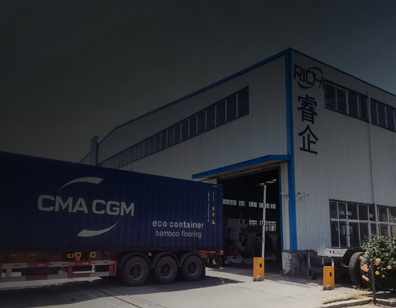
All feed mill equipment is precision-built using quality materials in our ISO-certified factories.
04
Shipping
We handle secure packaging and global logistics with reliable delivery timelines.

05
Installation
Our engineers supervise on-site assembly and commissioning for smooth operation.

06
Training
Comprehensive operator instruction ensures proper use and maintenance of equipment.

07
After-sales
Dedicated support team provides troubleshooting and technical assistance.
08
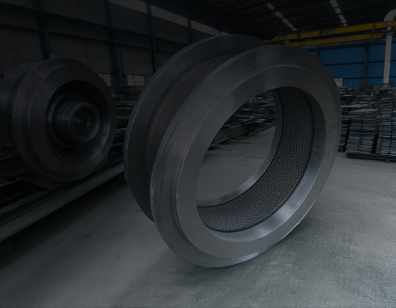
Spare Parts
Genuine components are available worldwide with fast delivery service.
