 0086-138 3838 9622
Sawdust Pelletizing Plant in Ecuador
RICHI MACHINERY
overview
The 3–4t/h sawdust pelletizing plant in Ecuador represents a new benchmark for medium-scale biomass utilization in Latin America. The project has been carefully designed to convert locally available sawdust and wood residues into high-quality biomass fuel pellets. Located in the province of Santo Domingo de los Tsáchilas—an area with strong forestry activity, wood processing industries, and growing renewable energy initiatives—the plant aims to produce around 10,000–11,500 tons of wood pellets annually, based on a three-shift system and 330 effective operating days per year.
The project has an hourly output capacity of 3–4 tons, which translates into approximately 30 tons of pellets per day under normal operating conditions. The pellets will be used for multiple applications: supplying industrial boilers, local poultry and shrimp farming facilities that are converting to biomass heating, as well as small-scale distribution for household stoves in Ecuador’s Sierra region.
The production line configuration includes raw material receiving and storage areas, a drying system, size reduction units, a pelletizing press, cooling, screening, packaging, and storage facilities. It is complemented with modern environmental protection measures such as dust collection, noise reduction, and biomass ash recycling.
Total project investment is estimated at USD 520,000, including civil works, equipment procurement, installation, environmental compliance, and initial working capital. The cost structure reflects Ecuador’s relatively affordable labor force and moderate construction expenses, but also the import cost of high-quality pelletizing machinery, much of which has been sourced through RICHI Machinery with technical customization.
The complete wood pellet plant employs 12–14 workers across production, maintenance, quality control, and logistics, operating under a single-shift, 8-hour/day system. The business model relies on long-term contracts with sawmills and carpentry workshops for steady sawdust supply, supplemented by forestry by-products from local plantations.
3-4T/H
capacity
$520,000
investment
Ecuador
location
Biofuel
project type
RICHI MACHINERY
Project Background
Ecuador, although not traditionally a global leader in biomass pellet production, is experiencing a rapid shift in energy and environmental policies. In recent years, the government has been encouraging industries to reduce dependency on imported fossil fuels and explore renewable alternatives. Forestry activity in coastal and Amazonian provinces generates thousands of tons of sawdust and offcuts annually, much of which has historically been disposed of through open burning or landfilling—practices that create air pollution and waste a valuable resource.
The client behind this wood pellet plant construction project is a medium-scale entrepreneur engaged in both timber trading and eco-friendly energy solutions. They own several wood processing units and observed that their by-products, especially sawdust, often accumulated without economic value. By integrating a 3–4t/h sawdust pelletizing plant in Ecuador, the client is able to vertically integrate operations, monetize waste, and open new revenue streams.
The motivations for starting this project include:
- Environmental compliance: stricter regulations against open burning of sawmill residues.
- Economic potential: pellets are increasingly in demand in domestic industrial boilers, hotels, and greenhouses, while export opportunities to neighboring Peru and Chile are emerging.
- Energy security: reducing reliance on LPG and diesel for thermal energy.
- Diversification: expanding the client’s portfolio beyond timber into renewable energy.
With an annual output of over 10,000 tons, the project balances local market supply with potential small-scale export shipments through the port of Guayaquil.
RICHI MACHINERY
Raw Materials
The plant’s design is centered around the abundant availability of sawdust in Ecuador’s wood-processing sectors. The coastal and Amazon regions process large volumes of species such as balsa, teak, pine, and eucalyptus.
Raw Material Supply and Characteristics
In order to ensure stable year-round pellet production, the project has secured contracts with sawmills within a 50–80 km radius.
| Raw Material Type | Annual Supply (tons) | Moisture Content | Notes |
|---|---|---|---|
| Sawdust (pine, eucalyptus) | 9,000 | 40–50% (wet) | From sawmills in Santo Domingo |
| Balsa residues | 1,200 | 30–40% | Lightweight, requires blending |
| Teak offcuts/sawdust | 600 | 25–35% | Provides higher density pellets |
| Mixed carpentry dust | 500 | 15–20% | Drier material, used to balance blends |
On average, the plant consumes 11,000–12,000 tons of raw material per year to produce its target pellet output.
Moisture content variation requires a carefully designed drying system. Wet sawdust is pre-dried in rotary drum dryers fueled by biomass. Drier carpentry dust is blended in to stabilize the input mix.
RICHI MACHINERY
Plant Layout and Facilities
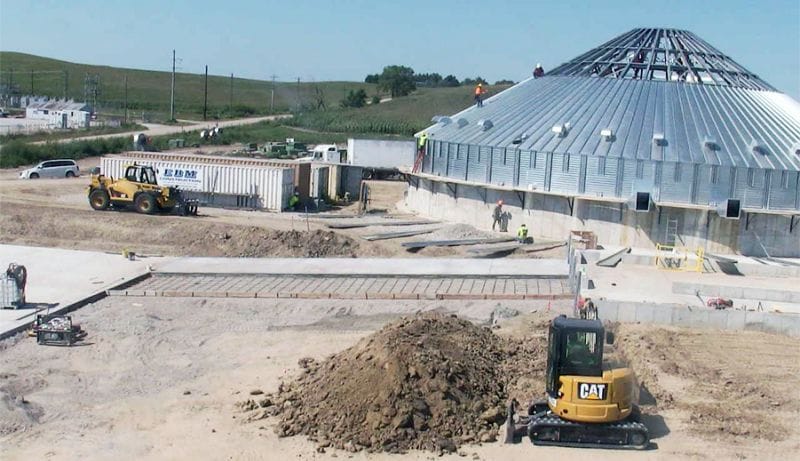
The 3–4t/h sawdust pelletizing plant in Ecuador is housed within an existing industrial warehouse adapted for biomass processing. Civil works were focused on strengthening flooring, installing dust-proof partitions, and creating dedicated zones for raw material storage and finished product packaging.
Key layout components:
- Raw Material Yard: 1,200 m², semi-covered, for wet sawdust unloading.
- Drying Section: rotary drum dryer (1.2–1.5t/h water evaporation capacity).
- Grinding and Milling Zone: hammer mill with 5t/h throughput for uniform particle size.
- Pelletizing Line: one high-efficiency ring die wood pellet mill (3–4t/h) with conditioner and automatic lubrication.
- Cooling and Screening Section: counter-flow cooler with 5t/h capacity, vibrating screener to remove fines.
- Packaging Area: fully automatic packing line (20–50 kg bags, plus bulk loading for trucks).
- Finished Product Warehouse: 800 m², capacity for 1,000 tons of pellets.
The design follows linear flow principles to minimize material handling inefficiencies. Conveyors connect each section, and closed pneumatic systems reduce dust emissions.
RICHI MACHINERY
Production Process
The plant’s operation follows a standardized, environmentally friendly pelletizing process:
- Receiving and Pre-Sorting
- Sawdust delivered by trucks is unloaded, visually inspected, and checked for contaminants.
- Large wood pieces are screened out for separate processing.
- Drying
- Wet sawdust (40–50% moisture) is fed into a rotary drum dryer.
- Heat source: biomass-fired furnace using waste wood and rejected fines.
- Moisture reduced to 12–15%.
- Grinding
- Dried material is processed in a hammer mill to achieve a particle size of 3–5 mm.
- Uniformity ensures stable pellet quality.
- Pelletizing
- Material enters the ring die sawdust pellet machine with a 420 mm die.
- Under high pressure and friction, temperature rises to 80–90°C, enabling natural lignin binding.
- Cylindrical pellets (6–8 mm diameter, 20–30 mm length) are extruded.
- Cooling
- Fresh pellets, hot and soft, are cooled in a counter-flow cooler to ambient temperature.
- Cooling also hardens pellet surface, improving durability.
- Screening and Recycling
- Fines separated through vibrating screens.
- Recycled back into the pelletizing process.
- Packaging and Storage
- Pellets bagged in 25 kg and 40 kg sacks for domestic use.
- Bulk pellets loaded directly into trucks for industrial customers.
RICHI MACHINERY
Equipment
The plant’s equipment list, sourced primarily from RICHI Machinery, balances efficiency, durability, and cost.
| No. | Equipment Name | Capacity | Quantity | Notes |
|---|---|---|---|---|
| 1 | Rotary Drum Dryer | 1.2–1.5 t/h evaporation | 1 | Biomass-fueled |
| 2 | Wood Pellet Hammer Mill | 5 t/h | 1 | For particle reduction |
| 3 | Ring Die Wood Pellet Machine | 3–4 t/h | 1 | Core of the line |
| 4 | Screw Conveyors | – | 3 | Enclosed material transfer |
| 5 | Counter-flow Cooler | 5 t/h | 1 | Improves pellet durability |
| 6 | Vibrating Screener | 4 t/h | 1 | Removes fines |
| 7 | Bagging Machine | 6–10 bags/min | 1 | For retail packaging |
| 8 | Dust Collectors | – | 2 | Environmental compliance |
RICHI MACHINERY
Workforce and Operation
Shift System: 3 shifts/day, 8 hours each, 330 days/year.
Employees: 12–14 people, including machine operators, electricians, quality inspectors, and logistics staff.
Training: Operators trained by RICHI engineers during commissioning.
RICHI MACHINERY
Environmental Measures
Given Ecuador’s environmental regulations, the wood pellet production line integrates strong pollution control strategies:
- Dust Control: Bag filters installed at grinding and pelletizing points.
- Wastewater: Minimal; dryer uses closed-loop system. Domestic sewage treated with septic system.
- Noise: Equipment foundation vibration dampening; enclosures around high-noise units.
- Solid Waste: Ash from biomass furnace used as agricultural fertilizer; collected dust recycled into feedstock.
RICHI MACHINERY
Market Outlook in Ecuador
The 3–4t/h sawdust pelletizing plant in Ecuador enters a market with growing but underdeveloped demand. Industrial boilers in shrimp farms, poultry operations, and food processing plants are increasingly shifting to biomass to reduce diesel dependency. Urban households are experimenting with pellet stoves, especially in the cooler highland cities like Quito and Cuenca.
Ecuador also has export potential to Peru and Chile, where pellet demand is stronger. The Port of Guayaquil offers efficient shipping options.
Government incentives—such as tax deductions for renewable energy investments—further strengthen the business case.
RICHI MACHINERY
Role of RICHI Machinery
RICHI Machinery has been instrumental in this project by:
- Providing customized equipment to handle Ecuador’s mix of softwood and hardwood sawdust.
- Designing energy-efficient dryers that run on biomass fuel.
- Offering installation and operator training in Spanish.
- Supporting the client with after-sales services and spare parts supply.
RICHI MACHINERY
Conclusion
The 3–4t/h sawdust pelletizing plant in Ecuador demonstrates how a medium-scale enterprise can turn waste into value, comply with environmental policies, and contribute to renewable energy development. With well-designed equipment, stable raw material contracts, and growing domestic demand, the plant is positioned for long-term profitability.
For entrepreneurs in Ecuador and across Latin America, biomass pellet projects like this highlight both economic opportunity and environmental responsibility. And with the technical expertise and tailored solutions from RICHI Machinery, investors can move forward with confidence.
● RICHI MACHINERY
RICHI Service

● Consulting
Customer Consultation
We want to have a deep understanding of your industrial process, to know your exact needs of feed, wood, biomass, fertilizer or other pellet processing.

● Design
biomass Pellet Plant Design
Based on your unique situation and industrial process, we will tailor complete pellet plant you need, and inform you of every additional detail that could facilitate operation, minimize total cost.
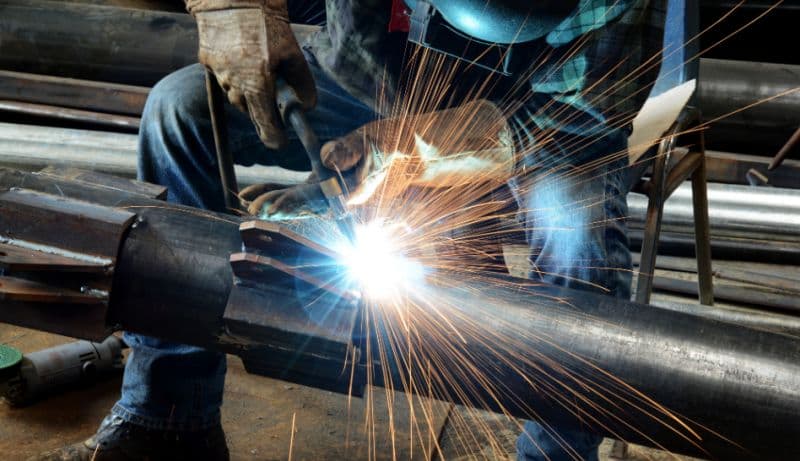
● Manufacturing
Equipment Manufacturing
The critical components of the of the complete pellet production line equipment are built in our own workshops in Asia. Additional equipment is manufactured by our worldwide network of reliable partners.
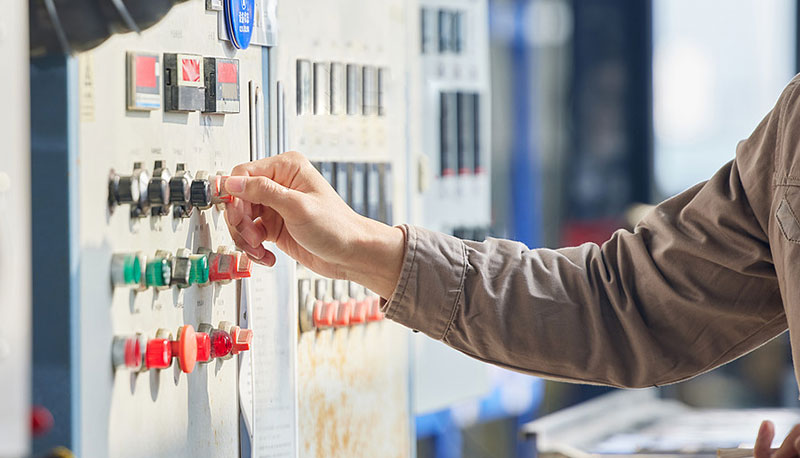
● Testing
Quality Inspection & Testing
Before leaving the factory, all equipment will be inspected by the quality inspection department. We can also provide customers with testing services from a single machine to a complete pellet plant system, and provide you with real actual data for “worry-free use.”

● Delivery
Equipment Delivery
In equipment boxing and packaging, we adopt professional packaging and modular solutions to ensure the safe and non-destructive delivery of pellet plant equipment.
● Installation
Installation & Commissioning
Whether you choose your own subcontractor for the erection phase or you want to install everything together with us, a Richi supervisor will be around to make sure everything is mounted in a safe and thorough way.

● Training
Staff Training
We provide comprehensive training for the technicians of each project. We can also continue to provide support for the technicians during latter project operation.
● After-sales
Project Follow-Up
When everything is up and running our Richiers will help you further whenever needed. We are ready to answer your call 24/7.We’ll also visit you regularly to learn about your needs.
Who we are
RICHI Machinery is one of the world’s leading suppliers of technology and services for the animal feed, aqua feed and pet food industries, also the largest pellet production line manufacturer in China.
Since 1995, RICHI’s vision to build a first-class enterprise, to foster first-class employees, and to make first-class contributions to society has never wavered.
In the past three decades, we have expanded our business to a wide range of areas, including animal feed mill equipment, aqua feed equipment, pet feed equipment, biomass pellet equipment, fertilizer equipment, cat litter equipment, municipal solid waste pellets equipment, etc.

1995
RICHI Established

2000+
Serving More Than 2000 Customers

120+
RICHI Employees

140+
Exported To 140 Countries